Which Countries Offer the Best Healthcare and Safety for Retirees in 2026?

Not sure where to start? Our free Relocation Wizard matches you to your ideal country in minutes.
Key Takeaways
- The best countries healthcare safety retirees 2026 combine accessible, high-quality medical systems with strong public safety and retiree-friendly visa policies.
- Southern Europe, particularly Portugal, Spain, and Greece, lead due to affordable healthcare, safety, and attractive tax incentives.
- The United Arab Emirates and Japan stand out for world-class healthcare and ultra-low crime but come with higher living costs.
- Southeast Asia’s Thailand offers affordable healthcare and safety improvements through its revamped Smart Visa but private insurance costs remain significant.
- Latin America, notably Colombia and Mexico, presents a balanced package of affordable living, decent healthcare access, and improving safety for cost-conscious retirees.
What Defines the Best Countries for Healthcare and Safety for Retirees in 2026?
When retirees look for relocation options in 2026, healthcare quality and safety top the list of priorities. Unlike younger expats, retirees often require:
- Reliable private and public healthcare infrastructure with easy access to specialists and emergency care.
- Affordable health insurance plans tailored to aging populations.
- Low crime rates and stable social environments.
- Visa frameworks that accommodate long-term stays with minimal bureaucracy.
- Cost-of-living compatible with fixed or passive incomes.
This intersection between healthcare and safety is increasingly critical as governments revise immigration policies favoring digital nomads, skilled professionals, and retirees, reshaping global expat flows. Currency fluctuations, inflation, and evolving tax regimes also shape where retirees can maximize their quality of life.
Quick Tip: Use our Relocation Wizard before finalizing your decision to find out which countries match your healthcare and safety needs in 2026.
Southern Europe: A Retirement Haven with Top Healthcare and Safety
Portugal: A Leader for Retirees Seeking Safety and High-Quality Healthcare

Portugal remains a top contender for the best countries healthcare safety retirees 2026 due to its:
- Well-developed public healthcare system ranked among Europe’s best, complemented by affordable private insurance options.
- Expanded D7 “Passive Income Visa” now easier to apply for, requiring €12,000 annual passive income or remote work income. Application fees are near €90 plus levies.
- Incentives to relocate outside Lisbon and Porto, with tax breaks and subsidized housing in cities like Braga and Coimbra.
- High safety standards—Portugal consistently ranks low on the global Crime Index, making it ideal for retirees.
- Tax-friendly Non-Habitual Resident (NHR) program offering 10 years tax exemption on foreign-source pensions.
Living costs have risen moderately due to the Euro’s appreciation in 2026, but remain competitive compared to other Western European countries. Monthly expenses typically range from $1,500 to $2,500 depending on location.
Spain: Combining Affordable Healthcare and Strong Safety with New Long-Term Visas

Spain strengthens its appeal in 2026 with:
- The launch of the “Startup and Digital Nomad Law,” featuring a Digital Nomad Visa allowing non-EU retirees and workers to stay up to two years (extendable to five), requiring proof of €2,334 monthly income and private health insurance.
- Robust public healthcare system ranked among the top worldwide, plus affordable private plans accessible to expats.
- A favorable new 15% tax rate on employment income under the digital nomad scheme versus the standard 24%.
- Safety remains stable in popular retirement areas, with low to moderate crime rates; coastal regions and smaller towns are especially suited for retirees.
- Moderate cost of living, with monthly budgets from $1,800 upwards in Madrid or Valencia, cheaper outside major cities.
Quick Tip: For a clear picture of your monthly expenses in Spain or Portugal based on your lifestyle, try our cost-of-living calculator.
Greece: Emerging as a Mediterranean Retirement Destination with Attractive Tax and Visa Options

Greece is gaining traction thanks to:
- The Golden Visa program requiring €250,000 real estate investment for residency.
- A new flat 7% tax rate for qualifying foreign pensioners and non-domiciled residents, valid for up to 15 years.
- Improvements in healthcare accessibility, with several private hospitals offering western standards, especially in Athens and Thessaloniki.
- Strong safety metrics relative to other Mediterranean countries and a welcoming expatriate community.
- Reasonable cost of living compared to Western Europe, with monthly costs potentially below $2,000 in smaller towns and islands.
The Middle East and Asia: World-Class Healthcare and Ultra-Safe Living
United Arab Emirates: Premium Healthcare Meets Low Crime and New Long-Term Visas

United Arab Emirates excels in:
- World-renowned medical facilities, particularly in Dubai and Abu Dhabi, offering some of the best private healthcare globally.
- Safety is extremely high, with very low crime levels supported by strict law enforcement.
- The 2026 introduction of a 10-year Golden Visa tailored to remote professionals in tech, creative sectors, and healthcare, requiring monthly income over AED 15,000 (~$4,080).
- Zero personal income tax enhances affordability for retirees with income streams outside the UAE despite rising rents (up 6-8% year-on-year in Dubai).
- Living costs are high but competitive compared to other global cities, with plentiful expat services and infrastructure.
Japan: Safe, Healthy, and Welcoming More Retirees in 2026

Japan offers:
- Universal public healthcare with some of the world’s best health outcomes; renowned for elder care services.
- Safety is outstanding; cities like Tokyo rank below 20 on the 0-100 Crime Index.
- Expanded Highly Skilled Professional Visa now awards extra points for workers over 45 in medical and tech fields, facilitating longer residencies for retirees with investment or income proof.
- High living costs, especially in Tokyo, with monthly expenses starting around $2,500, present a barrier for some retirees.
- Language and cultural adjustment may be challenging, but increasing support exists for foreign retirees.
Thailand: Affordable Healthcare and Safety Upgrades with the Smart Visa

Thailand is reshaping its attraction for retirees by:
- Revamping the “Smart Visa” to include digital nomads and remote workers in emerging sectors like AI and blockchain, allowing stays up to four years without a local sponsor.
- Private healthcare quality is high in cities like Bangkok and Chiang Mai, though insurance costs for expats remain high and can be a limiting factor.
- Safety has improved, particularly in expat-frequented areas, though retirees are advised to research local communities carefully.
- Very affordable cost of living, with monthly expenses around $1,200 in Chiang Mai, making it appealing for budget-conscious retirees.
- Visa fees are roughly $280, making it accessible but requiring careful planning.
Quick Tip: If considering Thailand, factor in private medical insurance costs early, as these can double your monthly healthcare budget.
Latin America: Affordable Healthcare and Improving Safety for Retirees on a Budget
Colombia: Affordable Quality Healthcare and Safety Improvements Draw Retirees
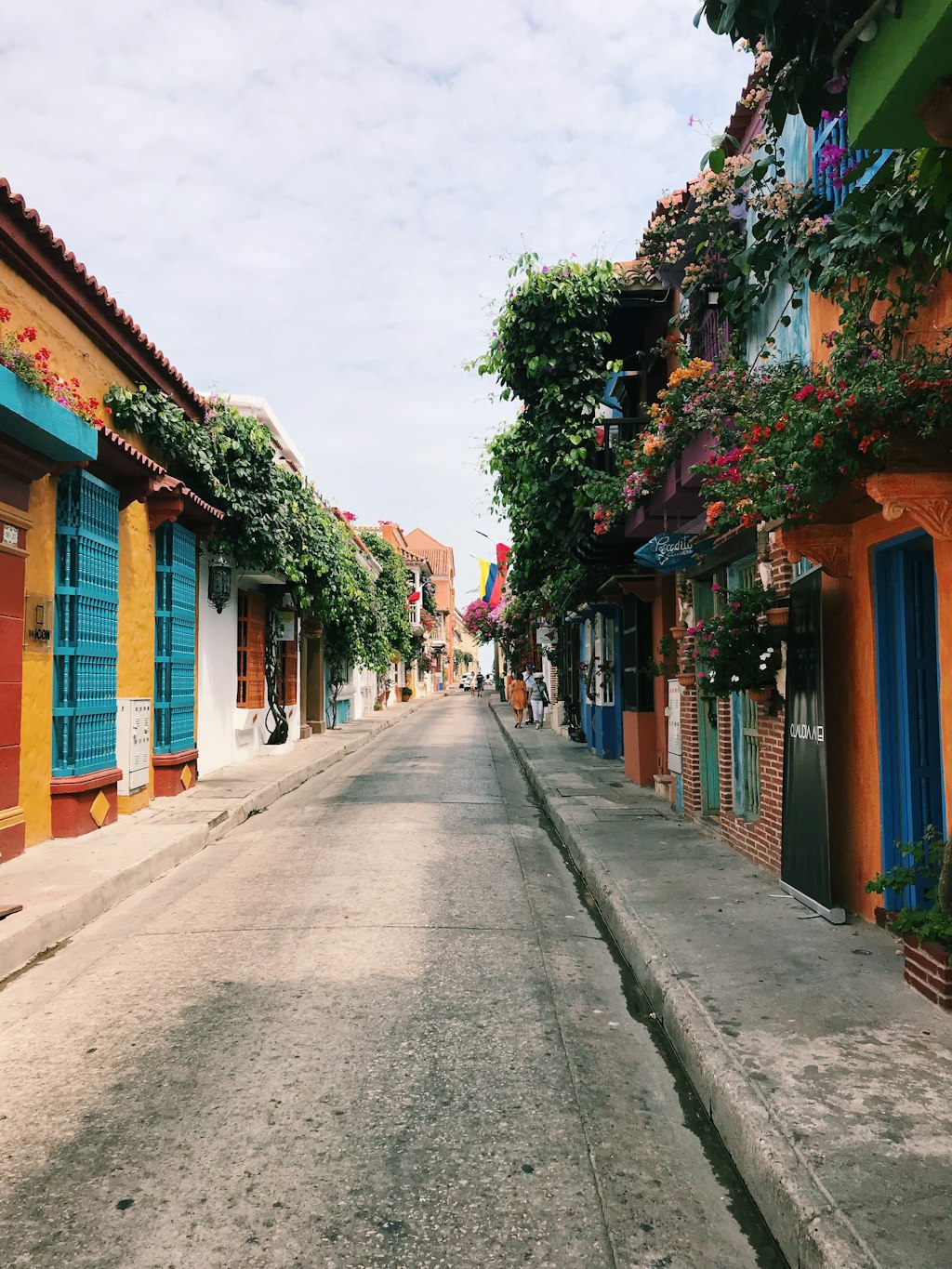
Colombia becomes increasingly attractive with:
- The “M Visa” for retirees and remote workers granting one-year residency renewable annually with a monthly income or savings threshold of ~$1,500.
- Access to quality private healthcare networks, especially in Medellín and Bogotá, at a fraction of U.S. costs.
- Safety concerns have improved significantly in many parts, though retirees should research neighborhoods carefully.
- A low cost of living, with monthly expenses often under $1,500 inclusive of healthcare and lifestyle.
- Currency stabilization enhances affordability for retirees paid in foreign currencies.
Mexico: Established Retiree Destination with Strong Healthcare and Visa Options

Mexico remains a firm favorite for retirees due to:
- Broad access to private hospitals and clinics, often at significantly lower prices than in the U.S.
- Temporary Resident Visa available for retirees with income of ~$2,000-$2,500 monthly, providing a long stay option.
- Improving safety in many expat regions, though discretion advised in certain cities.
- Cost of living varies widely; places like Lake Chapala and Mérida are affordable with monthly budgets around $1,500-$2,000.
- Wide network of retiree support groups and communities.
Northern and Eastern Europe: Safety, Healthcare, and Digital Convenience
Estonia and the Baltics: Safe, Healthcare Access, and Digital Nomad-Friendly for Younger Retirees

Though not traditionally retirement hotspots, Estonia, Latvia, and Lithuania are gaining popularity for:
- E-Residency and digital business-friendly environments, allowing retirees in tech and remote work sectors flexibility.
- Public healthcare access supplemented by private clinics, with safety scores among Europe’s best.
- Reasonable cost of living and easy intra-Baltic movement through recent partnership programs.
- Low crime and high quality of life supported by modern infrastructure.
- Visa schemes focusing on digital nomads more than traditional retirees but increasingly flexible.
Canada: High Healthcare Standards but Rising Costs and Visa Changes

Canada attracts retirees with excellent universal healthcare, but with caveats:
- Newly introduced “Return to Work Program” targets skilled workers; retirees rely on provincial healthcare rights but must consider waiting periods for new residents.
- Rising real estate prices in key cities like Toronto and Vancouver impact affordability.
- Safety levels remain high across most provinces, especially outside urban centers.
- Complex visa rules and healthcare administration require thorough research before relocating.
| Country | Visa Type | Income Threshold | Healthcare Quality | Crime Index (Lower Better) | Approx. Monthly Cost (USD) |
|---|---|---|---|---|---|
| Portugal | D7 Passive Income Visa | €12,000/year (~$13,000) | Excellent public & private | Low | $1,500 - $2,500 |
| Spain | Digital Nomad Visa | €2,334/month (~$2,600) | Top-tier public/private | Moderate - Low | $1,800+ |
| Greece | Golden Visa + Tax Incentives | €250,000 investment | Improving private & public | Low - Moderate | $1,500 - $2,200 |
| UAE | 10-year Golden Visa | AED 15,000/month (~$4,080) | World-class private | Very Low | $2,500+ |
| Japan | Highly Skilled Professional Visa | Varies, points-based | Excellent universal | Very Low | $2,500+ |
| Thailand | Smart Visa | Sector-dependent | Good private facilities | Low - Moderate | $1,200+ |
| Colombia | M Visa | $1,500/month or savings | Good private | Improving | $1,200 - $1,500 |
| Mexico | Temporary Resident Visa | $2,000 - $2,500/month | Good private | Varies | $1,500 - $2,000 |
Factors Driving Retiree Decisions: Visas, Currency, and Safety Trends in 2026
Multiple dynamic factors influence the relocation choices of retirees balancing healthcare and safety:
- Visa policy shifts: Expanded digital nomad and retiree visa programs in Europe, Asia, and the Gulf facilitate long stays while linking healthcare insurance requirements.
- Currency volatility: Strong U.S. dollar makes Europe pricier, favoring Latin America. Currency shifts can add $200–$300 to monthly budgets in Eurozone locations, affecting affordability.
- Safety perceptions: Political uncertainty lowers appeal in Hong Kong, while investment in communities and law enforcement boosts smaller cities globally.
- Cost-of-living inflation: Urban rents rise worldwide, but rural and mid-sized cities offer cost advantages.
- Tax regimes: NHR in Portugal, flat taxes in Greece, and digital nomad tax breaks in Spain provide important financial incentives to retirees.
Quick Tip: Always update your budget with current exchange rates and visa fees through the cost-of-living calculator before committing to a move.
Frequently Asked Questions
Which countries offer the best healthcare and safety for retirees in 2026?
Top choices include Portugal, Spain, Greece, United Arab Emirates, and Japan. These countries combine excellent healthcare systems with low crime rates and retiree-friendly visas or tax programs.
How important is private health insurance when retiring abroad?
Very important. While many countries have strong public healthcare, expats often need private health insurance to access the best services and fulfill visa requirements, especially in Spain and Thailand. Insurance costs can significantly impact your overall budget.
Are safety levels improving globally for retirees relocating abroad?
In many destinations, yes. Countries such as Colombia and Mexico have made notable strides in reducing crime in key expat areas. European and Gulf countries maintain consistently low crime rates, making them safe bets for retirees.
What visa options are best for retirees prioritizing healthcare and safety?
Visas like Portugal’s D7 Passive Income, Spain’s Digital Nomad Visa, Greece’s Golden Visa, and the UAE’s 10-year Golden Visa cater to retirees seeking both stability and good healthcare access. These visas usually require proof of income, private insurance, and allow multi-year residency.
Final Thoughts
Choosing the best countries healthcare safety retirees 2026 requires balancing quality medical access, personal safety, visa ease, tax advantages, and cost of living. Southern Europe’s expanding offers, Southeast Asia’s affordability, and the Gulf’s premium services provide diverse, compelling options for retirees worldwide. Use our Relocation Wizard today to pinpoint which countries fit your health, safety, and lifestyle needs perfectly. Don’t forget to check current expenses with our cost-of-living calculator to plan your smartest move in 2026 and beyond.