Best Countries for Digital Nomads with Family Visas in 2026
Not sure where to start? Our free Relocation Wizard matches you to your ideal country in minutes.
Key Takeaways
- Digital nomad family visas in 2026 increasingly prioritize long-term residency, family inclusivity, and streamlined application processes across Southern Europe, Southeast Asia, and the Americas.
- Countries like Portugal, Spain, and Greece offer family-friendly remote work visas combined with excellent healthcare, schooling, and safety for children.
- Southeast Asia’s Thailand Smart Visa and Malaysia MM2H program provide flexible options with growing infrastructure and affordable private healthcare.
- Latin America remains popular for affordability and lifestyle, with Mexico, Costa Rica, Panama, and Colombia enhancing visa terms and tax incentives for remote workers and their families.
- Carefully consider visa length, income requirements, access to international schools, and healthcare quality to ensure the best fit for your family’s needs.
Digital Nomad Family Visas 2026: Where to Move with Your Loved Ones
As remote work continues to reshape how and where people live, more digital nomads seek not just flexible work permits but visa programs that welcome their entire families. Finding a country that provides reliable family visas in 2026, coupled with robust schooling, healthcare, affordability, and lifestyle appeal, is crucial to long-term happiness and productivity.
This article highlights the best countries offering family-friendly digital nomad visas in 2026, focusing on key aspects such as visa length, income criteria, schooling options for children, healthcare access, and overall family lifestyle. Whether you’re considering the Mediterranean charm of Southern Europe, the tropical vibrancy of Southeast Asia, or the diverse cultures of the Americas, the right destination awaits.
For a personalized match, try our Relocation Wizard anytime.
Why Family-Friendly Digital Nomad Visas Matter in 2026
Traditional digital nomad visas often focus on single workers or couples without comprehensive family inclusion, frequently limiting dependents’ rights, healthcare access, or schooling options. However, as remote work matures into a lifestyle choice rather than a temporary experiment, countries increasingly compete by enhancing family visa provisions:
- Offering longer visa durations (12-24 months minimum, often renewable)
- Lowering income or investment thresholds
- Improving dependents’ work or study rights
- Granting access to state or private healthcare systems
- Supporting international schooling or local education with quality standards
These evolving visa programs help digital nomads relocate with peace of mind, knowing their children’s education and health needs will be met while maintaining remote work flexibility.
Southern Europe: Family-Friendly Digital Nomad Visas with Mediterranean Lifestyle
Southern Europe remains a perennial favorite for remote-working families thanks to warm climates, solid healthcare, excellent schooling, and rich cultural experiences. Visa programs have adapted to address family needs better than ever in 2026.
Portugal

Portugal stands out with its revamped D7 Passive Income Visa, ideal for digital nomads with stable remote income or pensions. Key family-friendly highlights include:
- Visa Length & Renewal: Initial stay permission for 2 years, renewable every 2 years, with permanent residency possible after 5 years.
- Income Requirements: Approximately €9,600 annual passive income or pension, flexible to include rental income or dividends.
- Family Inclusion: Spouses and dependent children are granted residence permits automatically.
- Healthcare: Access to Portugal’s high-quality public National Health Service (SNS) for legal residents, supplemented by affordable private health insurance options.
- Schooling: Numerous international schools in Lisbon and Porto offer British, American, French, and IB curriculums. Local schools include high English proficiency.
- Lifestyle: Safe cities, excellent infrastructure, outdoor family activities, and mild climate.
Portugal’s reduction of required annual stays from 183 to 120 days fosters flexibility for families who may travel during the year.
Quick Tip: When applying for the D7 visa, ensure your family’s documentation (birth certificates, marriage certificates) is translated and apostilled early to speed up processing.
Spain

Spain’s newly revamped Digital Nomad Visa, effective mid-2026, addresses family mobility directly:
- Visa Duration: Initial 12-month permit, extendable up to 5 years.
- Income Threshold: Around €2,000 monthly; proof of remote work contract or freelance activity necessary.
- Family Visas: Dependents, including spouses and children, receive accompanying residence permits with rights to study and healthcare.
- Tax Incentives: New 15% flat tax rate on qualifying income for digital nomads, easing the financial burden of relocation.
- Healthcare: Access to Spain’s highly rated public healthcare system with private insurance options available.
- Schooling: Spain has an abundance of international schools, especially in Madrid and Barcelona, as well as bilingual public school programs.
- Living Costs: Moderate cost of living with vibrant cities and family-oriented cultural activities.
Spain’s blend of quality education, safety, and improved tax benefits make it a compelling choice for digital nomad families.
Greece

Greeks expanding Digital Nomad Residency Permit in 2026 offers:
- Visa Length: Extended up to 24 months, renewable indefinitely.
- Income Requirement: Approx. €3,500 per month—competitive in the region.
- Family Benefits: Immediate family members get residence permits, able to work or study freely.
- Golden Visa Alternative: Residency by investment with minimum real estate purchase starting at €250,000, providing permanent residency rights.
- Healthcare: Improved public facilities and expanding private healthcare sector.
- Education: Growing number of international schools in Athens and Thessaloniki.
- Cost of Living: Lower than many Western European counterparts, ideal for families seeking affordability combined with Mediterranean culture.
Greece’s sun-soaked environment and welcoming expat communities make it a top contender for digital nomad families.
Southeast Asia: Affordable and Emerging Family Visas for Remote Workers
Southeast Asia offers vibrant cultures, affordability, and improving infrastructure. Visa programs are evolving to better accommodate families with children.
Thailand
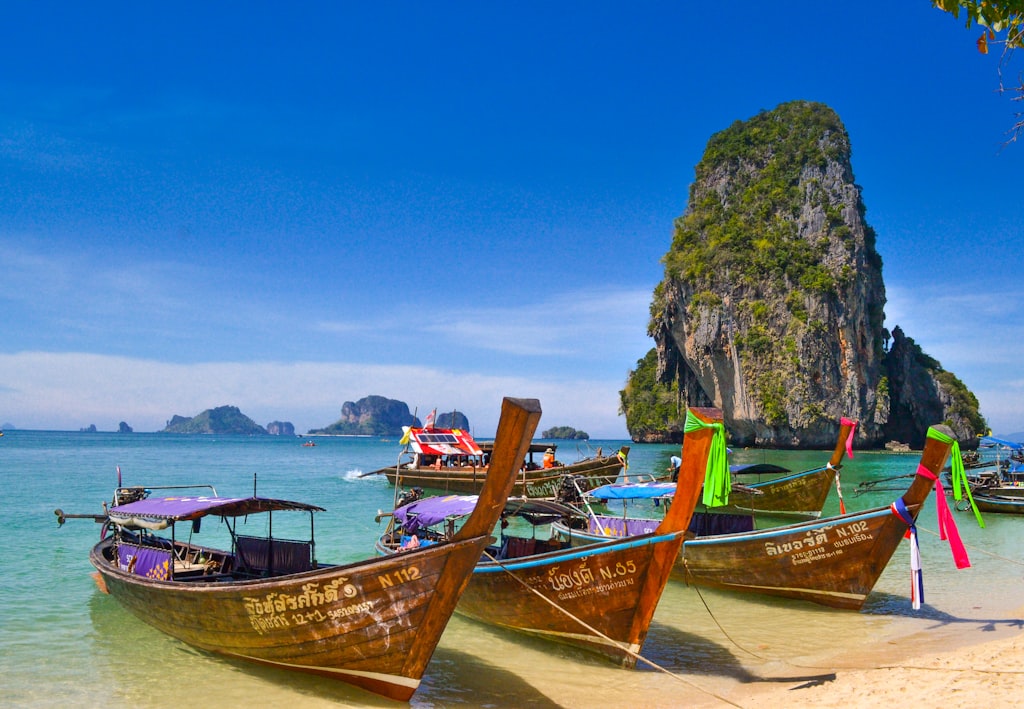
Thailand’s Smart Visa program, revamped in 2026, extends new family-friendly features:
- Visa Duration: Up to 4 years, multi-entry permitted.
- Income Threshold: Reduced from 100,000 THB (
$2,800) to 70,000 THB ($2,000) per month. - Family Inclusion: Spouses and children receive accompanying visas, with some work and education rights.
- Healthcare: World-class private hospitals in Bangkok and major cities; affordable international health insurance common.
- Schooling: Multiple international schools offering British, American, and IB curricula, particularly in Bangkok, Chiang Mai, and Phuket.
- Lifestyle: Tropical climate, family-friendly amenities, and strong expat communities.
Thailand’s combination of long-stay options, growing expat networks, and top-tier private healthcare is attractive, though navigating bureaucracy can require patience.
Malaysia

While not introducing new digital nomad-specific visas in 2026, Malaysia’s Malaysia My Second Home (MM2H) visa remains highly family-friendly:
- Visa Length: 10-year renewable visa.
- Income Requirements: RM10,000 (
$2,200) monthly income or RM350,000 ($76,000) in savings for older applicants. - Family Benefits: Bring spouse and children; schooling options include many international schools.
- Healthcare: Affordable, high-quality private and public healthcare facilities.
- Lifestyle: Multi-cultural urban centers such as Kuala Lumpur offer modern conveniences suitable for families.
Malaysia combines affordability and comfort, with a relatively straightforward visa system attractive for families willing to commit longer term.
Quick Tip: Consider enrolling your children early in international schools in Southeast Asia to secure spots, as popularity is rising fast and waiting lists can delay enrollment.
The Americas: Growing Options for Family Visas and Affordable Living
North and Central America continue to be favored by digital nomads seeking proximity to the US, diverse climates, and expanding visa flexibility.
Mexico
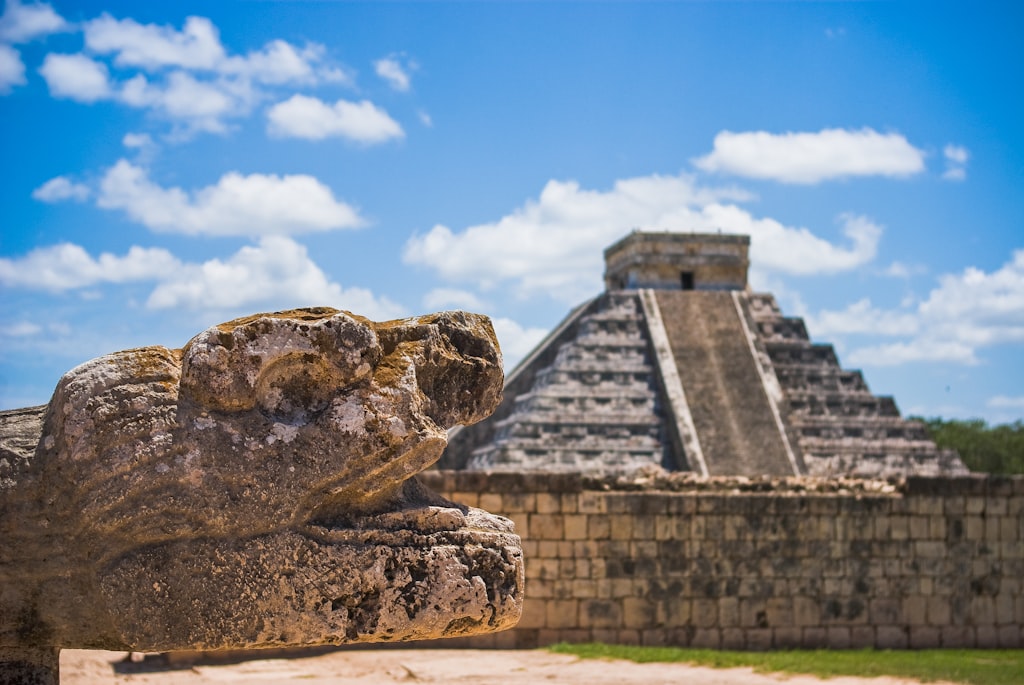
Mexico is a leading choice for remote-working families because of:
- Temporary Resident Visa: Valid for 1-4 years, easily extendable.
- Income Requirements: Monthly income proof of $1,300-$1,500 or savings above $27,000 USD.
- Family Inclusion: Dependents get visas with rights to study and access some healthcare services.
- Healthcare: Access to Mexican Social Security Institute (IMSS) for legal residents or private healthcare.
- Schooling: Numerous private and international schools across Mexico City, Guadalajara, and Playa del Carmen.
- Lifestyle: Low cost of living and diverse environments from beach towns to cosmopolitan cities.
- Tax Treaties: Improved agreements with the USA reduce double taxation risks.
Mexico’s proximity and cultural richness make it hard to beat for many families.
Costa Rica
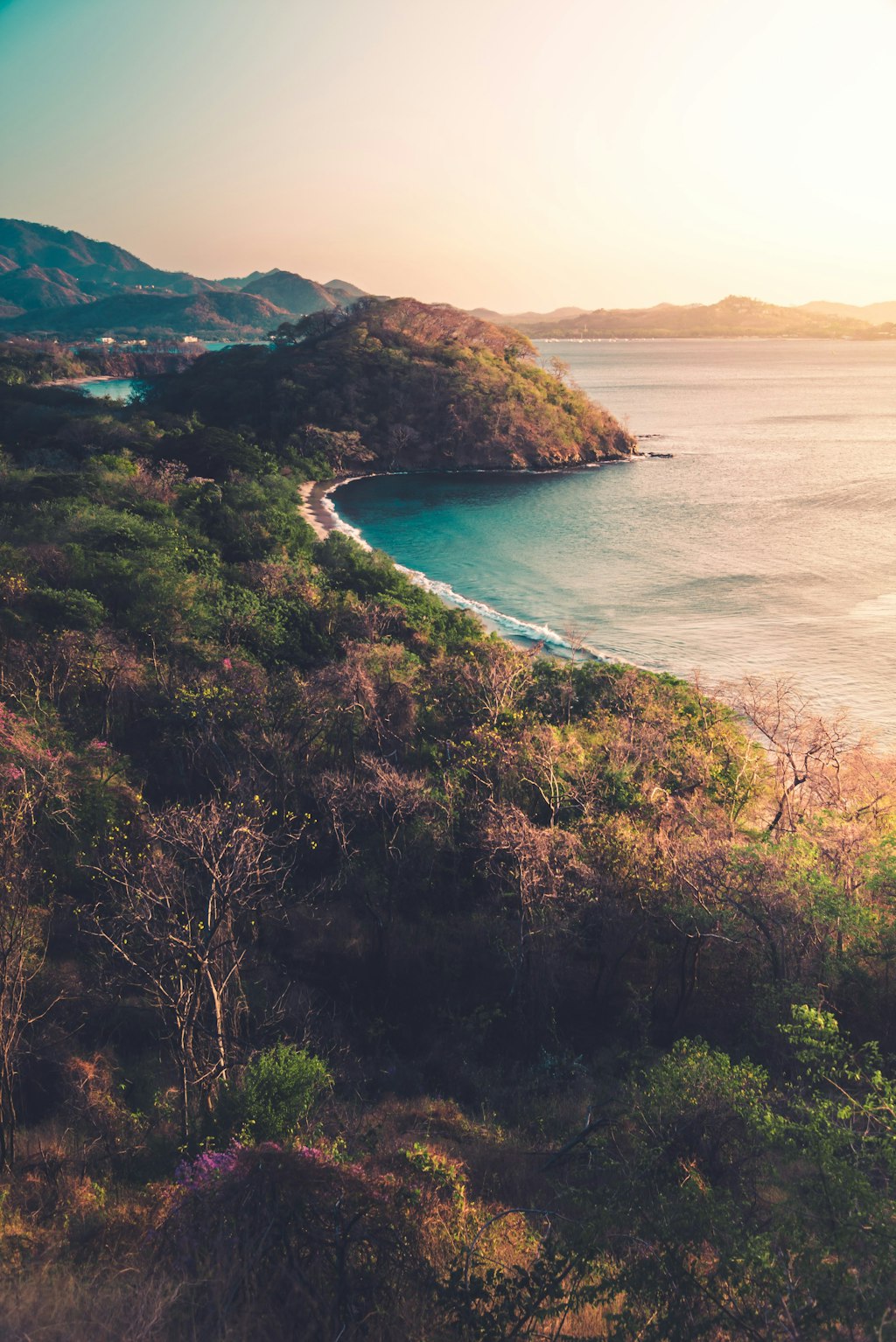
Costa Rica’s revamped Pensionado and Rentista visas offer:
- Pensionado Visa: Requires $1,000 monthly pension income.
- Rentista Visa: Minimum $1,500 monthly income if not retired.
- Family Visas: Open to spouses and dependent children.
- Healthcare: Public healthcare system (Caja) plus affordable private insurance options.
- Education: International and bilingual schools available especially in San José and coastal regions.
- Lifestyle: Eco-friendly country with a strong safety record and outdoor lifestyle opportunities.
Costa Rica appeals for its environmental focus and family-oriented communities.
Panama

Panama’s Panama Friendly Nations Visa offers:
- Visa Length: Up to 5 years residency.
- Income Requirements: Low minimum of around $750 per month.
- Family: Spouses and children included, with access to schools and healthcare.
- Taxes: Territorial tax system means foreign income generally untaxed.
- Healthcare: Good quality private healthcare in Panama City with expat-friendly hospitals.
- Lifestyle: Warm weather, cosmopolitan city life, and easy travel links.
Panama’s low income requirement and tax-friendly environment are compelling for remote-working families looking for flexibility.
Colombia
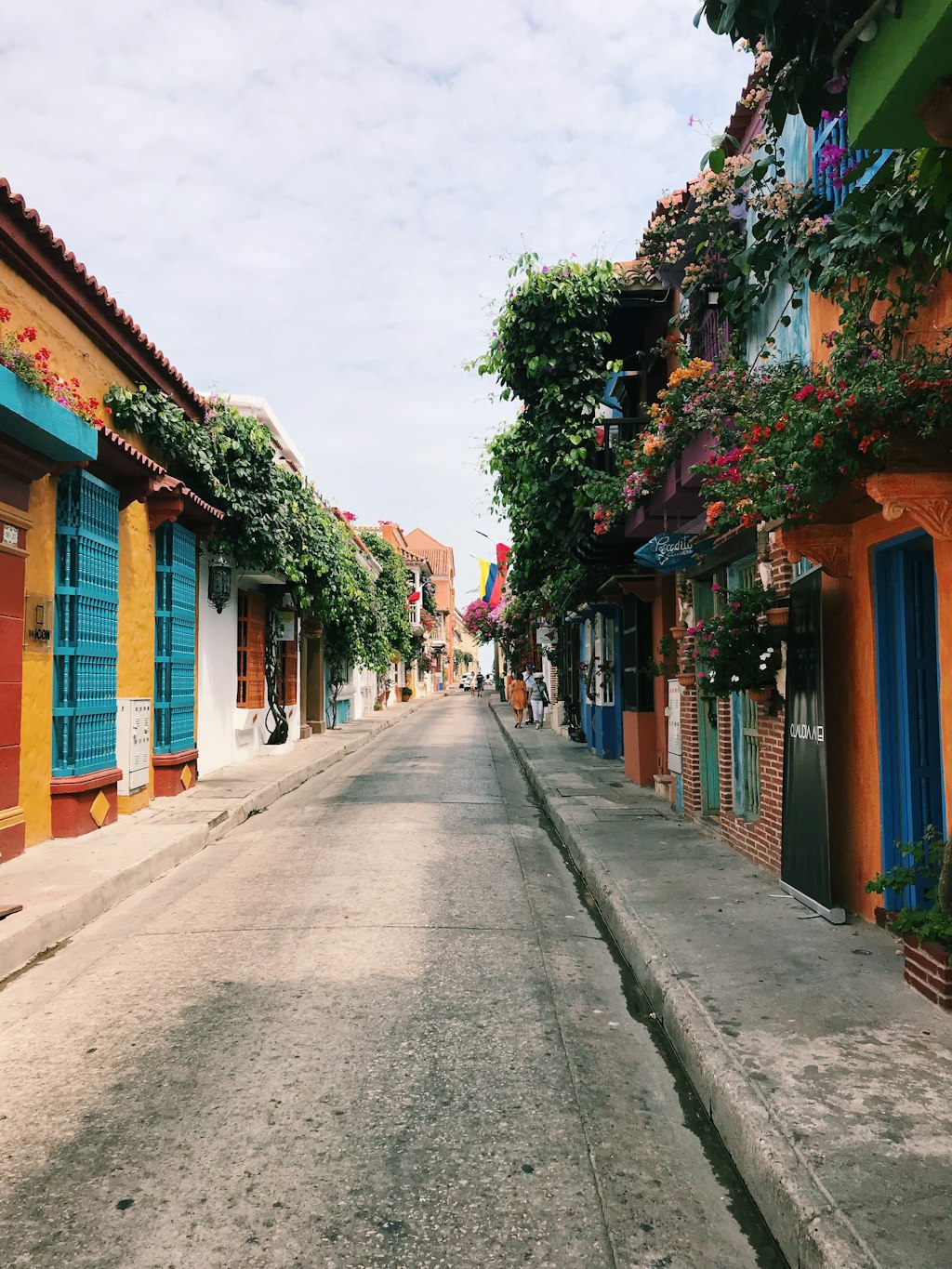
New in 2026, Colombia rolled out its "Migrant Worker" digital nomad visa:
- Duration: 12 months, renewable.
- Requirements: Minimum income of $1,200/month.
- Family Inclusion: Dependents receive residency permits with study and work rights.
- Healthcare: Public and private healthcare improving steadily; Bogotá and Medellín have the best facilities.
- Education: Growing number of international schools in major cities.
- Cost of Living: Competitive affordability, favorable exchange rate with USD.
Colombia is emerging as a vibrant destination for adventurous families balancing cost and quality lifestyle.
Quick Tip: Before committing, use our cost-of-living calculator to compare your current location’s expenses with your target destination’s to budget effectively.
Education and Healthcare: Core Considerations for Families in 2026
Schooling Options
For families, the availability and quality of schools are paramount. Many destinations include:
- International schools: Follow curricula familiar to expat children (IB, American, British, French).
- Bilingual schools and local language immersion: Useful for longer stays and cultural integration.
- Public school access: Varies widely depending on residency status.
Cities like Lisbon, Madrid, Barcelona, Bangkok, Kuala Lumpur, Mexico City, and San José offer the best international schooling choices.
Healthcare Quality and Access
Healthcare access is tightly linked to visa legality and residency status. Key points:
- European programs: Portugal, Spain, and Greece provide state healthcare access to legal residents and their families.
- Private options: Southeast Asia and parts of Latin America rely more on affordable private insurance for expats.
- Children’s healthcare: Pediatric care availability is especially important; family-friendly cities usually have multiple options.
Evaluating visa requirements in relation to family healthcare needs will ensure access to timely, quality service.
Safety, Cost of Living, and Lifestyle: Finding the Right Balance
A safe political environment, moderate crime rates, family-friendly amenities, and environmental factors (like air quality and climate) influence destination choice. Traditional Southern European countries maintain strong reputations for safety and governance stability, while emerging locations in Latin America and Southeast Asia are improving rapidly but require more careful selection of neighborhoods and schools.
Cost of living and currency fluctuations matter as the strong US dollar and Euro in 2026 have shifted affordability rankings. Use our cost-of-living calculator to analyze real-time data tailored for families.
Frequently Asked Questions
What are digital nomad family visas, and how do they differ from standard digital nomad visas?
Digital nomad family visas allow the principal visa holder to bring spouses and dependent children with rights to live, study, and sometimes work in the host country legally. Standard digital nomad visas often focus solely on the individual worker and may restrict family inclusion or make it complicated and costly.
Which countries offer the longest family-friendly digital nomad visas in 2026?
In 2026, countries like Greece offer up to 24-month renewable permits, Portugal provides multi-year residence with renewals and eventual permanent residency, and Thailand’s Smart Visa offers up to 4 years. Mexico and Costa Rica also offer multi-year residency visas for families.
Are children allowed to attend local schools on digital nomad family visas?
It depends on the country and visa type. Many countries allow children of visa holders to attend public or international schools, but access to free public schools may require permanent residency status. International schools are widely available in popular expat cities but usually at a cost.
How important is healthcare access when choosing a family digital nomad visa destination?
Extremely important. Quality healthcare ensures families have access to emergency services, routine pediatric care, and specialist treatments without high costs or complications. Many Southern European countries provide universal healthcare access to legal residents, while Asian and Latin American countries often rely on private health insurance for expats.
Final Thoughts
Digital nomad family visas in 2026 offer exciting opportunities for families to embrace flexible remote work while enjoying stable, family-oriented lifestyles abroad. Whether you're drawn to the cultural richness of Portugal, the tax-friendly schemes of Panama, or the tropical appeal of Thailand, each destination brings unique benefits tuned to diverse family needs.
Navigating visa requirements, schooling options, healthcare access, and living costs may seem daunting—but you don’t have to do it alone. Our Relocation Wizard can guide you toward your ideal family destination based on your preferences. To plan financially and comfortably, explore our cost-of-living calculator to forecast expenses accurately.
Start your 2026 family digital nomad journey with confidence—your perfect home base is out there waiting.