
Next Steps
- 1Determine the appropriate visa or residence permit type based on your purpose for moving, such as work, study, or family reunification.
- 2Prepare necessary documents including a valid passport, proof of income, health insurance, and any specific requirements for your chosen visa type.
- 3Schedule an appointment at the Estonian embassy or consulate to submit your application and pay the relevant fees.
- 4Research housing options and consider factors like location, cost, and accessibility to ensure a smooth integration into Estonian life.
The Complete Guide to Living in Estonia
Estonia: A Unique Crossroad
Introduction
Located in the scenic cradle of the Baltic Sea Region, Estonia is a remarkable fusion of historical charm and cutting-edge technological advancements. This European gem is steeped in both Western and Eastern cultural influences and is celebrated for its dedication to literature, arts, and music. Its allure lies in the seamless blend of historic architecture, a burgeoning IT sector, and an education system revered for its high standards.
Geographical and Cultural Landscape
Estonia, with its enchanting landscapes and vibrant culture, offers residents a unique lifestyle steeped in traditions yet open to modernity. It is a nation that reveres its cultural heritage, reflected in its love for festivals, music, and the arts. Explore more about Estonia’s cultural vitality here.
Key Attractions and General Appeal
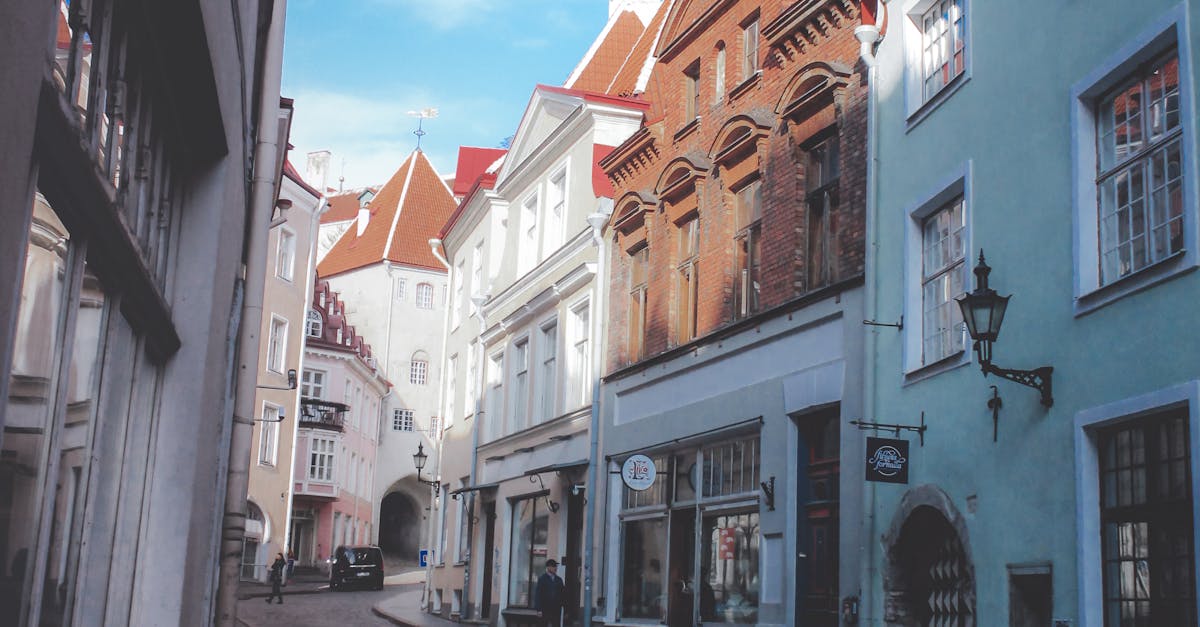
- Architectural Wonders: The Tallinn Old Town, with its cobbled streets and preserved medieval structures, beckons history enthusiasts.
- Digital Innovation Leader: A champion of e-governance, Estonia leads with its e-residency program and wide-ranging digital services.
- Educational Excellence: Estonia is noted for its high-quality education system, a significant draw for families and students alike.
Learn more about Estonia’s digital and business environment in this document.
Employment and Economy
The Estonian economy offers a myriad of job opportunities, particularly in the thriving IT, construction, healthcare, and education sectors. The labor market is open and continues to grow, attracting global talent to high-demand roles such as IT specialists, healthcare professionals, and educators. For more detailed insights on employment opportunities, visit here.
Cost of Living and Accommodation
- Housing Options: The real estate market is varied, with options ranging from university dorms to private rentals. Check the accommodation link for more details.
- Daily Expenses: While specific daily costs aren't detailed here, the overall cost of living is comparable to other developed European nations, striking a balance between affordability and quality.
Healthcare Services
Estonia's healthcare system is recognized for its quality and efficiency, operating on a compulsory health insurance model that covers an array of services including medical consultations and hospital care. Unveil more about healthcare in Estonia here.
Language and Communication
Estonian is the official language, but English is widely spoken, particularly in urban areas. This linguistic openness eases the integration of expatriates and fosters a welcoming environment.
Essential Services and Resources
- Banking and E-Services: Estonia is a pioneer of digital society, offering comprehensive e-banking services and digital identities for seamless transactions and governance.
- Local Resources: Utilize the listed reputable websites for insights about culture, findings on job markets, and healthcare options.
For a practical approach to embracing Estonia and its multifaceted appeal, ensure you explore the essential resources section.
In conclusion, Estonia stands as a vibrant crossroad with a rich mixture of history, innovation, and tradition. Whether your draw is academic, professional, or lifestyle-based, Estonia offers a nurturing environment for expatriates seeking a new home.
Visa & Immigration
Estonia, known for its innovative IT solutions and vibrant cultural life, attracts a wide range of expatriates. Whether you are looking to experience the rich Baltic heritage, tap into its burgeoning tech industry, or explore permanent residency opportunities, understanding visa and immigration requirements is essential for a successful transition.
Visa Types
While Estonia offers several visa categories to accommodate various needs, some of the most common are:
- Short-Stay Visa (Type C): Suitable for tourists, business, and short-term stays, typically allowing up to 90 days within a 180-day period in the Schengen area.
- Long-Stay Visa (Type D): This is for stays longer than 90 days and can be a gateway to applying for a residence permit.
- E-Residency: A unique program introduced by Estonia for digital entrepreneurs, allowing them to establish and manage a business online, though it does not grant physical residency or the right to enter Estonia.
For more detailed information on specific visa types, you can visit the Estonian Police and Border Guard Board's website.
Application Steps
Determine the Visa Type: Start by identifying the right visa for your activities in Estonia.
Prepare Documentation: Gather all required documents such as a valid passport, recent passport-sized photos, proof of travel insurance, and financial means.
Fill Out Application: Complete the relevant visa application form. For Type C and D visas, refer to the Estonian government’s electronic application system.
Pay Application Fee: Fees vary by visa type, so ensure that you confirm the current applicable fee.
Book an Appointment: Schedule an appointment at your nearest Estonian embassy or consulate.
Submit Your Application: Attend the appointment with your prepared documents and application fee receipt. Ensure all paperwork is complete and accurate to avoid processing delays.
Wait for Processing: The processing time can vary, so it’s wise to apply well in advance of your intended travel.
Pathways to Residency or Citizenship
Estonia offers a clear pathway to residency and citizenship for those interested in long-term settlement:
Temporary Residence Permit
- Work-Based: For those who find employment in Estonia. Employers must be registered in Estonia and the position should pay at least the national average salary.
- Study-Based: Granted to students enrolled in an Estonian educational institution.
- Investment-Based: Available for individuals who invest significantly in the Estonian economy.
Permanent Residence Permit
To apply for a permanent residence permit, you generally need to have held a temporary permit for five years, demonstrate proficiency in Estonian language, and have a stable and regular source of income. More details are available on the Estonian Migration Board's website.
Citizenship
Naturalization as an Estonian citizen requires:
- Legal residency for at least eight years, with the final five years as a permanent resident.
- Passing an Estonian language and civics test.
- Renouncing any former citizenships, as Estonia does not allow dual citizenship.
E-Residency Program
Estonia’s e-Residency is a digital initiative allowing entrepreneurs worldwide to register and manage an EU-based company remotely. Although it provides significant business opportunities, it does not offer physical residency or travel privileges in Estonia. For more insight, explore this guide on starting an Estonian e-business.
With a robust digital infrastructure and a welcoming approach towards innovations, Estonia presents various opportunities for newcomers. By understanding the visa and immigration processes, you are well on your way to starting an exciting new chapter in this progressive Baltic nation.
Cost of Living
Estonia, a gem in the Baltic Sea Region, seamlessly blends ancient traditions with modern innovations. If you're considering moving to Estonia, understanding the cost of living is vital to ensure a smooth transition. This chapter provides a detailed breakdown of housing, daily expenses, and financial comparisons to help you plan effectively.
Housing: Where and What to Rent
Finding suitable accommodation is a significant part of settling down in Estonia. Housing costs can vary notably depending on the city and type of accommodation you choose.
Types of Housing
- University Dormitories: Ideal for students, offering a budget-friendly stay with shared facilities. Availability can be competitive, so applying well before deadlines is crucial. More details about dormitory options can be found here.
- Private Rentals: A popular choice for families and working professionals. Options range from shared apartments to standalone houses. Lease terms typically require a deposit equivalent to one or two months' rent.
- Cost Variation:
- In Tallinn, the capital, a one-bedroom apartment in the city center may range between €500-€800 per month, while outside the city center, it might drop to around €400-€600.
- Smaller towns offer more affordable housing, with rents often below €400.
Practical Tips for Finding Housing
- Utilize real estate websites such as kv.ee and city24.ee.
- Consider engaging a local real estate agent to navigate the language and market.
- Factor in utility costs, which can add €100-€200 monthly depending on the season and size of the apartment.
Daily Expenses: Managing Your Budget
Understanding daily living expenses is essential for budgeting effectively. Here's a breakdown of the typical costs:
Food and Groceries
- Supermarkets like Rimi, Selver, and Maxima offer diverse grocery items with monthly food expenses averaging between €200-€400 for a single individual.
- Dining Out: A meal at an affordable restaurant may cost around €10-€15. For mid-range dining (three-course meal for two), expect to pay €35-€60.
Transportation
- Public Transport: Tallinn offers free public transport for residents, but expect a monthly pass in other cities to cost approximately €25-€30.
- Car Ownership: Fuel prices hover around €1.40 per liter, with insurance and maintenance adding additional costs.
Utilities and Internet
- Monthly utility bills (electricity, heating, cooling, water, garbage) for a medium-sized apartment average €150.
- Reliable high-speed internet costs about €25 a month.
Financial Comparisons: Understanding Salaries and Taxes
Salary Expectations
- IT and Engineering: High demand sectors with average salaries ranging between €2000-€4000 per month.
- Education and Healthcare: Professionals can expect monthly salaries from €1200 to €2200.
Tax Structure
- Flat Income Tax: Estonia employs a flat income tax rate of 20%, making financial planning straightforward.
- Reinvestment Incentives: No corporate tax on reinvested profits promotes business investments, which can influence overall economic costs.
Banking
- Estonia offers advanced digital banking solutions. E-banking is highly developed, with transactions being swift and secure using digital signatures.
For more detailed information on Estonia's unique economic incentives and taxation system, visit PwC Estonia.
Practical Advice for Newcomers
- Budget Wisely: Initial relocation costs, including deposits and unexpected expenses, can add up. Ensure you have enough savings to cushion the first few months.
- Embrace Local Culture: Participate in community activities and events to better integrate and understand cost-nuanced factors.
- Monitor Utility Usage: Winters can be particularly cold, leading to higher heating bills. Efficient energy usage and regular monitoring can prevent bill shocks.
In summary, Estonia presents a balanced cost of living with affordable housing opportunities and manageable daily expenses, promising a rewarding relocation experience. This guide serves as a foundation, helping you navigate the economic landscape seamlessly as you embark on your new life in Estonia.
Employment Opportunities
Job Market Overview
Estonia, a country famed for its innovation and digital culture, offers a vibrant job market. Its economy is characterized by a significant emphasis on information technology, with Tallinn often dubbed the "Silicon Valley of Europe." The demand for skilled professionals in various industries, particularly IT, construction, healthcare, and education, is robust. If you're considering a move to Estonia for work, here is a detailed look into the employment landscape and practical advice to navigate it effectively.
High-Demand Industries
- Information Technology (IT)
- A global leader in digital solutions, Estonia's IT sector is thriving. Opportunities abound for software developers, IT project managers, and cybersecurity experts.
- Actionable Tip: To increase your odds of landing a job, skills in programming languages like Java, Python, and experience in DevOps are particularly valuable.
- Construction
- Estonia's construction industry is booming, with roles such as project engineers, architects, and skilled laborers in high demand.
- Actionable Tip: Acquire certifications that meet EU standards in construction fields and connect with local construction firms through platforms like Rajaleidja.
- Healthcare
- Medical professionals, including doctors, nurses, and technicians, are in short supply, making this field ripe with opportunities.
- Actionable Tip: Verify that your qualifications are recognized by the Estonian Health Board. Consider language courses to improve patient communication.
- Education
- Teachers, particularly those proficient in English, mathematics, and science subjects, are continuously sought after.
- Actionable Tip: Engage with Estonian schools and universities via online job portals like CV Keskus.
- Logistics & Transport
- Truck drivers and logistics managers are critical as Estonia serves as a transit gateway between Europe and Russia.
- Actionable Tip: Ensure you have the necessary drivers' licenses recognized in Estonia.
Work Regulations
Understanding work regulations is crucial for a successful employment experience in Estonia. Here’s a glance at what you need to know:
- Work Permits: Non-EU citizens require a work permit and a residence permit to work in Estonia. This is typically facilitated by your employer.
- Working Hours and Conditions: Standard working hours in Estonia are capped at 40 per week. Overtime is regulated, and employees are entitled to paid vacations.
- Equal Opportunities: Estonia enforces anti-discrimination laws, ensuring a fair employment landscape regardless of gender, race, or nationality.
Practical Advice and Considerations
- Networking and Job Search
- Leverage online platforms such as CV Online or LinkedIn to connect with potential employers.
- Attend industry-specific events and job fairs that frequently occur in Tallinn and other cities.
- Language Skills
- While English is widely spoken, learning basic Estonian can enhance your job prospects, particularly in local firms or public sector roles.
- Actionable Tip: Enroll in an Estonian language course, many of which are available online or through cultural integration services.
- Visa and Legal Advice
- Engage with a legal advisor familiar with Estonian immigration laws to facilitate your move and employment processes.
- For those interested in remote work, consider Estonia’s revolutionary e-residency program, which allows you to establish and manage a location-independent business.
- Cultural Integration
- Familiarize yourself with Estonian work culture, which values punctuality, direct communication, and a flat corporate hierarchy.
- Participating in local community events and networking groups can accelerate cultural assimilation.
Resources and Links
- Job Market Information: MuveOne
- Digital and E-Residency Services: Estonia E-Residency
- Business and Economy Insights: PWC Estonia - Doing Business
- Accommodation and Transition: Tallinn University Accommodation
Understanding the nuances of Estonia's job market and work culture can significantly enhance your relocation experience. By positioning yourself in alignment with high-demand sectors and adhering to the country’s legal framework, you can maximize your professional opportunities and integration into this dynamic Baltic nation.
Housing & Accommodation
Finding and securing housing in Estonia is a crucial step in the relocation process. This chapter provides a comprehensive guide on navigating the housing market, understanding typical lease terms, and offering practical advice for your stay in Estonia.
Overview of the Housing Market
Estonia offers a variety of housing options, from modern apartments in city centers to traditional homes in more rural settings. The most popular cities for expats include Tallinn, Tartu, and Narva, each offering unique characteristics and living environments. Here’s how to approach securing housing in Estonia:
Finding Accommodation
University Dormitories: Ideal for students, university accommodations can be a budget-friendly option. Applications typically have specific deadlines. Check your university's official website, like Tallinn University for details.
Private Rentals: Websites such as City24, KV.ee, and Airbnb list a wide range of properties for rent across Estonia. Networking within local expat communities can also yield rental opportunities.
Real Estate Agents: If navigating the language barrier or local customs independently is a challenge, consider hiring a real estate agent. They can help you find properties that meet your preferences and budget.
Identifying Suitable Properties
Online Platforms: Utilize property listing sites such as City24.ee and KV.ee. These platforms offer extensive listings and filters to narrow your search by location, price, and amenities.
Visit in Person: If possible, visit Estonia to explore potential neighborhoods and view properties before committing. This also allows you to experience the area firsthand, understanding the local amenities and transportation options.
Consider the Season: Renting during winter might offer lower prices due to reduced demand, but be prepared for contracts running for a minimum of six months.
Understanding Lease Terms
Lease Length: Typical rental agreements last for one year, though shorter and longer options are negotiable. Always carefully review lease terms before signing.
Security Deposit: Usually, the deposit is equivalent to one or two months' rent. Ensure you understand the conditions for which this deposit can be retained by the landlord.
Utility Costs: Confirm whether the monthly rent includes utilities such as water, heating, electricity, and internet. Often, tenants are responsible for these additional costs, so factor them into your budget.
Maintenance: Clarify landlord responsibilities versus tenant obligations concerning repairs and maintenance. This is particularly important in older properties.
Practical Advice and Real-World Considerations
Legal Considerations: Ensure your lease agreement is in Estonian and English to avoid misunderstanding. Understanding local tenancy laws will protect your rights as a tenant.
Communal Living: Many rentals in Estonia offer shared facilities, such as laundry rooms or gyms. Confirm access hours and any additional fees.
Local Etiquette: Estonians value privacy and quiet, especially during evenings and weekends. Respecting these norms will help foster good relationships with neighbors.
Transportation and Accessibility: Consider proximity to public transport when selecting housing. Urban areas like Tallinn have extensive networks, but rural locations may have limited services.
Resources for Further Information
Estonian Culture & Living: Britannica on Estonian Cultural Life
Accommodation Options: Tallinn University Accommodation Guide
Cost of Living: For a more detailed analysis of typical housing costs, consult expat cost-of-living resources or local real estate websites.
By understanding the housing market and lease terms in Estonia, you can better plan your move and settle into your new home with confidence. Always remember to utilize online platforms, seek advice from locals, and consider hiring professional help to navigate your search successfully.
Healthcare System
Overview
The healthcare system in Estonia is a blend of public and private services, providing comprehensive health services to its residents. The country’s healthcare model emphasizes accessibility, quality, and efficiency, guided by a fundamental principle: health services should be available to everyone who requires them. For further reading on Estonian health insurance, consult APRIL International's guide.
Public vs. Private Care
Public Healthcare
Estonia boasts a robust public healthcare system financed primarily through social security contributions. The Estonian Health Insurance Fund manages the obligatory health insurance scheme, automatically covering the majority of the population. This scheme ensures access to a wide range of services, including:
- Primary and specialist healthcare
- Diagnostic tests and necessary treatments
- Prescription medications
- Hospital care and procedures
Public healthcare services are typically accessed through family doctors, who serve as the first contact point for medical advice, preventative care, and referrals to specialists when necessary. It's important for new residents to register with a local family doctor for seamless access to public healthcare services.
Private Healthcare
Private healthcare facilities complement the public system, offering faster access and additional services such as specialized treatments not covered by public insurance. While private healthcare is not a substitute for the public system, it provides an option for those seeking convenience or services beyond what's publicly funded.
Private services can be paid out-of-pocket or via private health insurance, which is advisable for expatriates or those wanting expedited access to health services.
To explore private healthcare options, reaching out to international health insurance providers is recommended, allowing a comparison of available plans and coverage details.
Insurance Options
In Estonia, residents primarily rely on compulsory health insurance managed by the Estonian Health Insurance Fund. For those considering other insurance options, here's a breakdown:
- Public Health Insurance: Employees automatically contribute to the health insurance fund through payroll deductions. Dependents, students, pensioners, and registered unemployed individuals usually qualify for coverage as well.
- Private Health Insurance: Offers additional coverage beyond public care, including certain dental and optical services, private hospital accommodations, and quicker access to elective surgery or specific specialists.
It’s advisable that expatriates opt for private health insurance to cover gaps in the public system and ease access to non-urgent care.
Quality of Facilities
Estonia’s healthcare facilities are lauded for their modernity and efficiency. Public and private hospitals are generally well-equipped with advanced medical technology, and the medical staff is trained in both Estonian and English, ensuring no language barriers in critical healthcare situations. Urban areas have the best healthcare facilities, though rural areas also maintain clinics and services necessary for essential care.
When moving to Estonia, it is beneficial to familiarize oneself with nearby healthcare facilities to understand their offerings and service quality. For more on the Estonian healthcare landscape's efficiency and quality, refer to resources provided by APRIL International.
Practical Advice
- Register Early: Whether you're an EU resident or from outside the EU, promptly register with a local family doctor upon arriving in Estonia.
- Consider Private Insurance: Evaluate international health insurance plans for coverage that supplements the public healthcare system, especially for non-urgent medical needs.
- Stay Informed: Keep abreast of healthcare facility locations and services in your area. Urban centers like Tallinn and Tartu boast the most comprehensive options.
- Learn the System: Understanding the referral system and how to access various healthcare services can ease your transition and ensure you receive prompt care when needed.
For more essential resources related to healthcare in Estonia, try exploring April International’s Guide to Estonia.
Taxes & Financial Considerations
Estonia presents a favorable environment for both individuals and businesses, marked by a progressive tax system and advanced digital banking services. This chapter explores the local tax structures, banking options, and potential foreign tax obligations when relocating to Estonia.
Local Tax Structures
Estonia's taxation system is renowned for its simplicity and efficiency, making it an attractive destination for expatriates and entrepreneurs alike. Here are the key tax considerations to keep in mind:
Flat Income Tax Rate: Estonia imposes a flat personal income tax rate of 20%. This rate applies to both residents and non-residents earning income sourced within Estonia.
Corporate Taxation: Notably, Estonia does not tax reinvested corporate profits. This means that until profits are distributed as dividends, they are free from corporate income tax. Distributed profits face a corporate income tax rate of 20/80 on the net amount, effectively 25% on gross dividends.
Social Security Contributions: Employees are subject to social security contributions, which employers are responsible for deducting and remitting. The employer's contribution to social security is 33%, and employees contribute 2% to the mandatory funded pension scheme.
Value Added Tax (VAT): The standard VAT rate in Estonia is 20%, with a reduced rate of 9% applicable to specific goods and services, such as books, periodicals, and accommodation services.
To get more detailed insights into Estonian tax laws, including potential exemptions and other specifics, please refer to PwC's Doing Business in Estonia guide.
Banking in Estonia
Estonia's banking sector is robust, secure, and deeply integrated into the digital world, offering convenient services to residents and e-residents alike.
E-Banking: Estonian banks provide comprehensive e-banking services, making daily financial management seamless and accessible. Most banking services can be conducted online, from opening an account to making transactions.
Digital Identification: A significant feature of Estonia's banking industry is the use of digital identification. The digital ID and e-residency cards enable secure authentication for banking, standing legally equal to a handwritten signature.
Account Opening for Non-Residents: Non-residents can open bank accounts in Estonia, though the process may require additional documentation, such as proof of address and a valid form of identification.
More information on banking services and digital identification in Estonia can be explored through e-estonia's official website.
Foreign Tax Obligations
When relocating to Estonia, understanding your foreign tax obligations is crucial for ensuring compliance and optimizing your tax situation.
Double Taxation Avoidance: Estonia has signed numerous double taxation avoidance treaties with other countries, aimed at mitigating the risk of double taxation on the same income. These agreements can significantly impact how income earned abroad is taxed.
Tax Residency Implications: Tax residency in Estonia is determined by spending more than 183 days in Estonia during a twelve-month period or establishing an official residency. Becoming a tax resident in Estonia might alter your tax obligations back home.
Consulting with Tax Professionals: It is prudent to consult with tax professionals familiar with Estonian and your home country's tax laws to ensure compliance and strategic tax planning.
For further information on Estonia's tax treaties and residency rules, consulting specific legal and tax advisory services or visiting the Tax and Customs Board is advisable.
Practical Financial Recommendations
Plan for Relocation Costs: Ensure that you understand all financial implications, from moving logistics to initial living costs.
Utilize E-Residency for Business Ventures: If considering entrepreneurship, leverage Estonia’s e-residency program, which allows for remote business management and streamlined access to digital services.
Stay Informed: Regularly check official resources and financial news to keep abreast of any changes in tax regulations that could impact financial planning.
By preparing meticulously and leveraging Estonia's digital infrastructure, global citizens and businesses can foster financial success in this innovatively driven nation.
Moving Logistics
Relocating to Estonia, a country nestled in the heart of the Baltic Sea Region, presents a set of unique challenges and opportunities. Whether you're drawn by its rich cultural tapestry or its thriving IT sector, moving to Estonia involves careful planning and consideration. This chapter provides comprehensive advice on handling your move efficiently, encompassing packing and shipping tips, necessary documentation, and the relocation of pets.
Packing and Shipping Tips
When moving to Estonia, efficient packing and organized shipping can make a significant difference in easing your transition. Here are some actionable steps to guide you:
1. Declutter Before Packing:
- Before you start packing, sort through your belongings to decide what to keep, sell, donate, or dispose of. This not only helps with packing but also cuts down on shipping costs.
2. Choose the Right Packing Materials:
- Use sturdy boxes, bubble wrap, and packing peanuts to secure fragile items.
- Label each box with its contents and the room it belongs to in your new home for easier unpacking.
3. Consider Seasonality:
- Estonia has a temperate seasonal climate, so pack clothing appropriately, especially if you’re moving ahead of the winter months.
4. Hire Professional Movers:
- Consider using professional moving services with experience in international relocation. They can provide valuable insights and handle customs regulations.
5. Optimize Shipping Costs:
- Compare different shipping companies and their rates. Group items into shipments to reduce costs.
- Consider shipping non-essential items by sea, which is usually cheaper than air freight.
For more information on moving services, visit reputable websites like MuveOne.
Necessary Documentation
Organizing your documentation is a crucial aspect of a successful move to Estonia. Here's a checklist to get you started:
1. Passport and Visa:
- Ensure your passport is valid for at least six months beyond your planned arrival date in Estonia.
- Review Estonia's visa requirements for your nationality. Visit the Estonian Ministry of Foreign Affairs website for detailed visa information.
2. Residence Permit:
- If you plan on staying for more than three months, apply for a residence permit. Check Estonia’s e-residency program for remote work opportunities.
3. Health Insurance Confirmation:
- Estonia requires proof of health insurance. Contact your provider to confirm coverage or explore local insurance options if needed.
4. Customs Documentation:
- Compile an inventory list of your shipped items and their estimated values for customs. Be prepared for possible duties on certain items.
5. Educational Certificates:
- If you are moving for educational purposes, have your university acceptances, along with translation of previous educational certificates, ready.
Pet Relocation
Moving your pets to Estonia requires careful planning to ensure compliance with local regulations and the welfare of your furry companions.
1. Microchip and Vaccination:
- Ensure your pet has an ISO-compliant microchip and is up-to-date with rabies vaccination at least 21 days before traveling.
2. Pet Passport or Health Certificate:
- Obtain a pet passport or an official animal health certificate, endorsed by a licensed veterinarian.
3. Quarantine Regulations:
- Check Estonia’s quarantine laws. Typically, vaccinated and healthy pets do not face quarantine if all documents are in order.
4. Travel Arrangements:
- Research pet-friendly airlines that adhere to international standards for pet travel. Ensure a comfortable carrier that meets airline regulations.
5. Settling In:
- Once in Estonia, register your pet with a local vet. Familiarize yourself with local pet laws and the nearest veterinary services.
For further guidance on pet relocation requirements, consult the Estonian Veterinary and Food Board.
By meticulously planning your move, understanding the documentation requirements, and safely relocating your pets, you can ensure a smooth transition to Estonia. Each step, from organized packing to thorough documentation, lays the foundation for your exciting new chapter in this culturally vibrant and innovative country.
Language & Communication
Understanding Language Barriers
Estonia's official language is Estonian, a Finno-Ugric language closely related to Finnish but distinct from the Indo-European language family, which includes most other European languages. This can present a language barrier for expatriates or visitors unfamiliar with it. However, English is widely spoken, particularly in urban centers like Tallinn, the capital, and Tartu, the university city, making it easier for English-speaking expatriates to navigate everyday interactions.
In rural areas, knowledge of English may be less common, and individuals conversing in Russian is not uncommon, given Estonia's historical connections. Additionally, younger generations often have some proficiency in German or Scandinavian languages due to educational exposure. Understanding these dynamics can help you prepare for your communication needs in different settings.
Language Learning Resources
To bridge language barriers and facilitate integration, consider utilizing various language learning resources:
- Online Courses: Platforms like Duolingo, Memrise, or Mondly offer Estonian courses that can be instrumental for beginners. These resources provide flexible learning at your own pace.
- Language Schools: Institutions such as Tallinn Language Centre or Multilingua Language Center offer comprehensive courses tailored for different proficiency levels, including beginner courses specifically designed for expatriates.
- University Programs: The University of Tartu and Tallinn University provide courses in Estonian as a foreign language, which can be particularly beneficial if you're studying or working in academia.
- Language Exchange Meetups: Joining a group like "Tandem Language Exchange" in Estonia can offer informal opportunities to practice speaking with natives in exchange for teaching your native language.
By taking advantage of these resources, you can improve your language proficiency and enhance your integration into Estonian society.
Embracing Local Etiquette
Understanding and respecting local communication etiquette in Estonia is crucial for successfully navigating social and professional interactions. Here are some key aspects:
Formality and Greetings: Estonians typically start interactions formally, using titles and surnames, especially in business contexts. First names are often used only after some familiarity has been established. A firm handshake is a common greeting.
Direct Communication: Estonians tend to communicate directly and value honesty and clarity. When speaking, they avoid excessive embellishment and prefer straightforwardness. This style may seem blunt, but it is essential to appreciate it as part of their cultural communication norms.
Silence: Unlike many cultures that might fill pauses with small talk, Estonians are comfortable with silence, reflecting thoughtfulness and consideration. Don’t feel pressured to fill every pause when conversing.
Respect for Privacy: Personal boundaries and privacy are important. Estonians usually keep a social distance and respect personal space, making it advisable to avoid overly personal questions in initial meetings.
Business Meetings: Punctuality is crucial in professional settings. Always arrive on time for business meetings. When presenting proposals or ideas, be concise and well-prepared, aligning with the Estonian value for efficiency and practicality.
Understanding these nuances will facilitate smoother interactions and help you build meaningful relationships within Estonian society.
Additional Resources
To further support your transition to Estonia and gain a deeper understanding of its cultural and communication nuances, consult the following reputable sources:
- Cultural Life in Estonia: Provides a broad overview of Estonia's cultural dynamics.
- Estonian Language and Culture Courses: Offers information on available language courses in the region.
- Language Exchange Opportunities: Explore opportunities for language exchange to practice Estonian in informal settings.
These resources will be invaluable as you adapt to life in Estonia, helping you become more culturally and linguistically fluent in your new environment.
Cultural Adaptation
Relocating to a new country can be both an exciting and challenging experience. In this chapter, we'll explore the nuances of cultural adaptation in Estonia, focusing on social customs, community integration, and managing culture shock. Estonia's unique blend of Western and Eastern European influences creates a rich cultural landscape that newcomers must navigate and appreciate.
Social Customs
Estonia is a country with a rich cultural heritage and a deep respect for individuality and personal space. Understanding local social customs is crucial for successful integration:
Respect for Personal Space: Estonians value privacy and personal space. It's important to maintain a respectful distance during interactions and not to raise your voice in public spaces.
Communication Style: Communication tends to be direct and to the point. Estonians appreciate honesty and straightforwardness. Silence is also valued, and it is not uncommon for conversations to have pauses or for people to take time to consider their responses.
Punctuality: Being on time is seen as a sign of respect. Whether in a casual or formal setting, arriving punctually is greatly appreciated.
Dining Etiquette: It is customary to wait for the host to invite guests to start eating. It's also polite to accept food and drink offerings, as it is a sign of hospitality.
For more insights into Estonian cultural life, visit Britannica - Cultural Life in Estonia.
Community Integration
Building a sense of belonging in a new country involves active participation and engagement:
Local Events and Festivals: Participate in local cultural events, festivals, and traditions. Estonia has a vibrant arts scene, and events like the Tallinn Music Week and the annual Song and Dance Celebration offer excellent opportunities to engage with the local culture.
Join Community Groups: Consider joining community clubs or groups that align with your interests. Whether it's a local sports team, book club, or language exchange, these groups can provide social support and help you meet like-minded individuals.
Volunteer Opportunities: Volunteering is a great way to meet locals and give back to your community. It also provides a platform for cultural exchange and personal growth.
For a taste of community living, explore local accommodation options on the Tallinn University’s Accommodation Page.
Managing Culture Shock
Culture shock is a natural part of adapting to any new environment. Here are practical ways to manage it while living in Estonia:
Learn the Language: While English is widely spoken, learning some basic Estonian phrases can significantly enhance your interactions and social integration. It shows respect for the local culture and facilitates smoother communication.
Stay Open-Minded: Approach each new experience with curiosity and an open mind. Embrace cultural differences and view them as opportunities for personal growth.
Build a Support Network: Establish connections with fellow expatriates and locals who can offer guidance and companionship as you adjust to life in Estonia.
Self-Reflection and Mindfulness: Take time to reflect on your experiences and emotions. Practicing mindfulness can help manage stress and maintain well-being during your transition.
Additional Resources
To ensure a successful cultural adaptation experience in Estonia, consider seeking additional information from reputable websites and community resources. The following links serve as valuable guides for understanding and integrating into Estonian society:
Adapting to a new cultural environment like Estonia’s takes time and patience. By understanding the local customs, actively engaging with the community, and managing the psychological impacts of culture shock, newcomers can find joy and fulfillment in their Estonian adventure.
Essential Resources
Relocating to a new country can be both exciting and challenging. To ease your transition to Estonia, this chapter provides a comprehensive directory of essential resources including emergency contacts, reputable information sources, and a guide to local services which are crucial for your everyday life and in case of emergencies.
Emergency Contacts
Being informed about emergency services is critical when moving to a new country. Here are the key emergency contacts you should save:
- Emergency Number (Police, Ambulance, Fire): Dial 112
- This is a pan-European emergency number which is available in Estonia for immediate assistance.
- Police Contact: For non-emergencies, you can contact the local police at 612 4100.
- National Poison Information Centre: In case of poisoning, call 16662.
- Roadside Assistance: Call 1888 if you require emergency roadside help.
- Embassies and Consulates: Always have contacts of your home country’s embassy or consulate in Estonia.
Reputable Websites
To stay well-informed and make the most out of your life in Estonia, here are some reputable online resources to bookmark:
- Cultural Insights: Explore Estonian cultural life and heritage on Encyclopedia Britannica.
- Job Market Details: For insights into the high-demand sectors, refer to Muve One.
- Housing and Accommodation Options: Discover accommodation possibilities through Tallinn University's accommodation webpage.
- Healthcare System: Learn about healthcare services and insurance in Estonia at April International.
- Business and Economic Environment: For comprehensive business insights, access PwC’s Doing Business in Estonia Guide.
Local Services Directory
Navigating local services effectively will support your daily needs and facilitate your integration into Estonian society:
Healthcare Services
Hospitals and Clinics: Utilize the Estonian Health Insurance Fund's resources to find public healthcare providers.
Pharmacies: "Apotheka" and "Benu" are among the largest pharmacy chains in Estonia.
Housing
Real Estate Portals: Websites like kv.ee and city24.ee are popular for renting or buying property.
Utilities: Ensure contracts for electricity and water services, typically handled by companies like Eesti Energia (electricity).
Transportation
Public Transport: Tallinn’s public transportation is operated by TLT (Tallinn Transport Authority), and you can buy tickets online.
Taxi Services: Use apps like Bolt and Uber for taxi services.
Government and Administration
E-Government Services: Access services ranging from tax declarations to health data through the e-Estonia platform.
Residence Permits: For immigration and residency details, visit the Police and Border Guard Board website.
Banking
Banks: Leading banks include Swedbank, SEB, and LHV, which offer comprehensive online and mobile banking services.
By utilizing these resources and contacts, you will be well-prepared to manage both everyday situations and emergencies while residing in Estonia. Remember to keep these contacts easily accessible, either saved on your phone or printed and kept in a location you frequently use.