
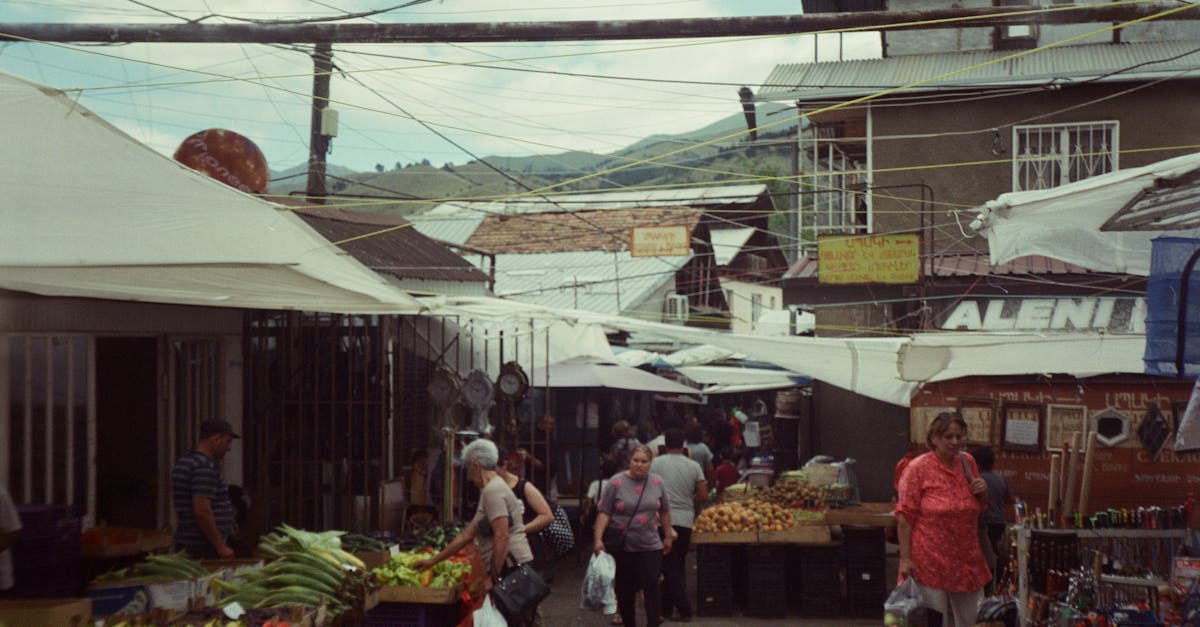
Living in Armenia
A country located in the South Caucasus region of Eurasia, known for its rich cultural heritage, historical significance, and diverse landscapes. Armenia was the first nation to adopt Christianity as its state religion.
Next Steps
- 1Apply for a temporary or permanent residence permit through the Armenian Ministry of Foreign Affairs by submitting the required documents, including a valid passport, health certificate, and proof of financial means.
- 2Search for job opportunities in Armenia that match your skills and experience, and consider registering with local employment agencies or networking with professionals in your field.
- 3Research and secure housing in Armenia, either by renting an apartment or purchasing property, and ensure that you have a valid address for registration purposes.
- 4Enroll in an Armenian language course and familiarize yourself with local customs and culture to facilitate integration into Armenian society.
The Complete Guide to Living in Armenia
Introduction
Armenia, a landlocked country nestled in the South Caucasus region bordering Iran, Turkey, Georgia, and Azerbaijan, offers a delightful blend of cultural richness and historical significance. Known for its ancient heritage and vibrant culture, Armenia attracts cultural enthusiasts and history buffs alike. This chapter serves as an overview of what makes Armenia a compelling destination for relocation, covering its culture, lifestyle, and general appeal.
Cultural Richness
Armenia's cultural landscape is a tapestry woven from its ancient roots dating back to the Urartu civilization and enriched over the centuries by influences from various epochs and empires. This country is famous for its extraordinary contributions to art, including:
- Miniature Paintings and Sculptures: Traditional Armenian art forms are revered worldwide, with distinct styles that reflect the country's ecclesiastical heritage and its people's creative spirit.
- Carpet Making: Armenian carpets, known for their intricate designs and craftsmanship, are a source of national pride and a symbol of Armenia’s artisanal legacy.
For more on Armenian culture and heritage, visit Armenia Travel.
General Appeal
Apart from cultural heritage, Armenia captivates visitors and expatriates with its picturesque landscapes and historically significant sites. The country is home to stunning natural vistas, from the verdant hillsides of the Lesser Caucasus mountains to the serene beauty of Lake Sevan.
Armenia also boasts a plethora of ancient monasteries and historical sites, which stand as testaments to its enduring Christian heritage—being the first nation to adopt Christianity as a state religion. The palpable sense of history and spirituality offers a unique experience to those seeking an immersive cultural and historical exploration.
Visa and Immigration Requirements
Before making the transition to Armenia, understanding the visa and immigration requirements is crucial:
- Visa Types: Armenia offers several visa options, including e-visas, visitor visas, and official or diplomatic visas. Citizens from select countries can enjoy visa-free access for stays up to 180 days per year.
- Application Steps: Prospective residents or visitors can apply for an e-visa through the Armenian Ministry of Foreign Affairs. Visitor visas can be extended through the Migration and Citizenship Service.
For more detailed information on immigration and residency processes, refer to the Ministry of Foreign Affairs.
Cost of Living
Relocating to Armenia requires consideration of living expenses, which vary depending on location and personal lifestyle preferences:
- Housing: Major cities like Yerevan may have higher housing costs compared to rural areas. Coliving alternatives provide more affordable options and can be found on platforms like Coliving.com.
- Daily Expenses: While specific details on daily costs are not provided, opting for shared living arrangements often helps in managing expenses more efficiently.
Employment Opportunities
Armenia's job market is evolving, presenting opportunities and challenges for newcomers seeking employment:
- Job Market and Industries: As of 2017, the unemployment rate was at 18%, but the government is actively fostering job creation through initiatives in entrepreneurship, innovation, and an improved investment climate.
- Work Regulations: Armenia's quest to strengthen the labor market is guided by a strategic framework outlined in the Work, Armenia initiative. This aims to promote employment and bolster economic growth.
The World Bank report offers insights into job dynamics and government initiatives.
Healthcare System
Armenia's healthcare system has undergone significant advancements, reflecting in the quality and accessibility of medical care:
- Public vs. Private Health Care: The country provides medical services across national, regional, and municipal levels, with ongoing enhancements aimed at offering better healthcare facilities.
- Insurance Options: Mandatory medical insurance, introduced in 2012, covers certain social groups with free or subsidized healthcare services.
For more on the healthcare system and services, visit Invest in Armenia.
Conclusion
Relocating to Armenia promises a rich cultural immersion and a chance to experience its vibrant historical legacy. While the country presents both opportunities and challenges, especially regarding employment and housing, it remains an attractive destination for those drawn to its unique cultural narrative and scenic beauty. Understanding practical aspects such as visa requirements, living costs, and healthcare provision will ensure a smooth transition to life in Armenia.
Visa & Immigration
Armenia is a country that presents a fascinating blend of ancient and modern cultures, rich in history and vibrant with artistic expressions, making it an alluring destination for cultural enthusiasts. If you're considering relocating to Armenia, understanding the visa and immigration process is crucial. In this chapter, we'll guide you through the types of visas available, the application process, and pathways toward residency or citizenship in Armenia.
Visa Types
E-Visa: Convenient for tourists, e-visas can be applied for online. They're typically issued for short stays for tourism or business.
Visitor Visa: Suitable for travelers who prefer more flexibility in their travel arrangements. It can be extended by the Migration and Citizenship Service of the Ministry of Internal Affairs.
Official & Diplomatic Visas: Reserved for individuals traveling on official government or diplomatic business.
Visa Exemptions: Nationals from certain countries can travel to Armenia and stay up to 180 days per year without a visa. Check with the Armenian Ministry of Foreign Affairs for a list of exempt countries.
For detailed information about the types of visas and any potential updates, visit the Ministry of Foreign Affairs.
Application Steps
Determine Visa Type: Identify which visa aligns with the purpose of your visit.
Prepare Documents: Ensure you have a valid passport, recent photos, and other documents specific to the visa type you are applying for.
Online Application for E-Visa:
- Visit the e-Visa application portal: eVisa Portal.
- Fill in the required details and upload the necessary documents.
- Pay the visa fee online.
- Wait for the approval, which usually takes a few days.
- Visitor Visa Application:
- Submit your application at an Armenian embassy or consulate if required.
- The process might involve a personal interview.
- Pay the visa fee and await processing, which may take several weeks.
- Extending Your Stay: If you wish to extend your stay, contact the Migration and Citizenship Service directly within Armenia.
Pathways to Residency or Citizenship
Acquiring residency or citizenship in Armenia involves more complex procedures often tailored to specific individual circumstances. Here are some general guidelines:
Temporary Residency: Often the first step toward permanent residency, generally granted for family reunification, employment, or business investments.
Permanent Residency: After a few years of temporary residency, one can apply for permanent residency, which allows more long-term settlement without frequent renewals.
Citizenship by Naturalization: Generally requires continuous residency for a specified period, knowledge of Armenian language and history, and a demonstration of intent to reside permanently. The Armenian government occasionally offers programs for diaspora Armenians.
Special Citizenship Programs: Inquire with Armenian embassies or the Ministry of Foreign Affairs for the latest programs and eligibility specifics.
The Ministry of Foreign Affairs provides more details: Ministry of Foreign Affairs Visa and Residency.
Practical Considerations
Language: Familiarity with Armenian, especially outside major cities, will assist in smoother integration.
Living Arrangements: Consider coliving options when first relocating, as they provide an economical and convenient accommodation solution.
Legal Consultation: Consulting with an Armenian immigration attorney or relocation expert can provide personalized guidance through complex residency and citizenship applications.
Adapting to life in Armenia requires thorough preparation, including a clear understanding of your visa and immigration options. With the right steps, transitioning into Armenian residency can be a rewarding experience, offering a gateway into a country rich in history and cultural significance.
Cost Analysis
Understanding the cost of living in Armenia is crucial for anyone considering relocation. This chapter provides a detailed breakdown of the primary expenses you'll face, offering actionable insights to help manage your finances effectively. We will explore housing options, everyday costs, and financial comparisons that will equip you with the knowledge needed to plan your move with confidence.
Housing
Finding affordable housing in Armenia, particularly in major cities like Yerevan, can be competitive due to rising demand. Here's a look at the housing options and tips for finding suitable accommodation:
Rental Market: The rental prices in Yerevan range from $300 to $800 per month for a one-bedroom apartment, depending on the location and amenities. Opting for smaller towns or the outskirts of the city can reduce costs significantly.
Coliving Arrangements: For those seeking affordable living options, coliving provides a budget-friendly alternative. Websites like Coliving.com offer listings for private rooms within shared housing, which often include utilities and furnishings, making them convenient for newcomers.
Lease Terms: While specific lease terms can vary, it's common to encounter contracts ranging from six months to a year. Ensure to clarify lease details with your landlord and discuss the possibility of extensions if needed.
Daily Expenses
Managing daily expenses is crucial to maintaining a comfortable lifestyle in Armenia. Here's a breakdown of typical costs you can expect:
Grocery Shopping: Basic groceries including bread, rice, fruits, and vegetables can typically cost around $150 to $200 per month for a single person. Markets offer fresh produce at competitive prices, so shopping locally can be a cost-saving strategy.
Dining Out: Eating out in Armenia is relatively affordable, with meal prices ranging from $5 to $20 depending on the restaurant's type and location. Sampling local cuisine offers a delicious and economical choice for dining.
Transportation: Public transportation, including buses and the metro, is efficient and cost-effective. A monthly pass costs approximately $10, while taxi fares are modest, often starting at around $1.50 for short distances.
Financial Comparisons
While no specific financial benchmarks for Armenia were provided in the reference sources, here's an overview to help position its cost of living:
Affordability: Compared to Western European countries, Armenia offers a lower cost of living while maintaining a comfortable standard. Housing and daily expenses are notably more affordable.
Purchasing Power: Although expenses are lower, be mindful of the average local salary and purchasing power, which may be less than what expatriates are accustomed to in their home countries.
Practical Advice
To make the most of living in Armenia, consider the following practical tips:
Budget Planning: Create a detailed monthly budget to track your spending and avoid lifestyle inflation. Prioritize essentials before indulging in non-essentials.
Save on Utilities: Be mindful of utility costs, especially during winter. Insulating your home and using energy-efficient appliances can help reduce expenses.
Stay Informed: Connect with local expat communities for advice and insights into cost-saving opportunities. Online forums and social media groups can be invaluable resources.
Relevant Links
To further assist in your relocation planning, explore these resources:
- Armenia Travel for cultural insights.
- Coliving.com for shared housing options.
- World Bank Report to understand economic dynamics.
By equipping yourself with comprehensive knowledge about the cost of living in Armenia, you can make informed decisions and enjoy a fulfilling experience in this culturally rich country.
Employment
Armenia, a nation steeped in a rich cultural heritage, offers a distinctive employment landscape shaped by its evolving economic policies and a focus on fostering entrepreneurship and innovation. This chapter delves into the intricacies of the job market, highlights high-demand industries, and outlines the key work regulations pivotal for anyone considering employment in Armenia.
Job Market Overview
The Armenian job market presents unique challenges and opportunities. Despite a reported unemployment rate of 18% in 2017, efforts are underway to rejuvenate the job scene through various government initiatives aimed at bolstering job creation. The Armenian government's strategy focuses on enhancing the business climate to encourage entrepreneurship and foreign investment, elements crucial for future economic growth and employment prospects.
- Government Initiatives: The "Work, Armenia" initiative is a concerted effort to boost employment rates and develop a labor market strategy spanning from 2019 to 2024, emphasizing job creation and workforce development (World Bank Report).
High-Demand Industries
While specific high-demand sectors are not extensively outlined in the provided sources, general industry trends and economic directives indicate several promising sectors:
- Information Technology (IT): Armenia has steadily positioned itself as a burgeoning hub for IT and software development, attributed to a strong educational foundation in STEM and a growing tech-savvy youth demographic.
- Tourism: Given Armenia's rich cultural tapestry, there is an expanding market for jobs within the tourism and hospitality sectors, leveraging the country's historical and natural attractions.
- Renewable Energy: With increasing global emphasis on sustainable energy, Armenia is investing in renewable energy projects which are likely to open up opportunities in this sector.
Potential expats targeting careers in these areas may find favorable conditions for employment.
Work Regulations
Understanding Armenia’s work regulations is pivotal for ensuring compliance and securing lawful employment.
- Labor Laws: Armenia is crafting a modern labor market strategy under its 2019-2024 Work, Armenia initiative. It's crucial to remain up-to-date with any new regulations by consulting resources such as the Ministry of Labor and Social Affairs.
- Work Permits and Visas: Non-exempt nationals require valid work permits to lawfully undertake employment in Armenia. Primary details regarding visa types and applications can be found on the Ministry of Foreign Affairs website.
Practical Advice
For those considering pursuing employment in Armenia, here are practical steps and considerations:
- Networking: Establish connections within local communities and professional associations. Platforms like LinkedIn are invaluable for networking and discovering job opportunities.
- Language Acquisition: Proficiency in Armenian can significantly enhance employability and integration into the workplace culture. Consider enrolling in language courses to improve communication skills.
- Cultural Understanding: Familiarize yourself with Armenian work culture and etiquette. Understanding local business customs will facilitate smoother professional interactions.
Actionable Steps
- Research Employment Opportunities: Use online job portals and forums to research current job openings in your field of interest. Websites like job.am can provide a starting point for job searches.
- Prepare Required Documents: Initiate the process of collating necessary work and residency documents well ahead of your planned relocation.
- Engage with Local Experts: Consult with immigration and employment specialists familiar with the Armenian job market for tailored advice and assistance.
By understanding the employment landscape and navigating the regulatory requirements effectively, expatriates can identify and leverage opportunities within Armenia's dynamic market.
Housing & Accommodation
Finding and Securing Housing
Relocating to Armenia and finding suitable housing can present certain challenges, but with informed strategies and resources, the process can be navigated effectively. Here is a comprehensive guide to help you find and secure housing in Armenia.
Understanding the Market
Armenia offers varied accommodation options, from urban apartments to countryside homestays, reflecting its rich cultural tapestry. In major cities like Yerevan, the demand for housing is high, resulting in relatively higher rent prices compared to rural areas.
- Urban Areas: In cities such as Yerevan, apartments are the most common form of housing. Options range from modern high-rises to Soviet-era buildings.
- Rural Areas: Outside metropolitan areas, housing options may include traditional Armenian homes, which can be more affordable. However, availability may be limited.
Effective Search Strategies
Locating your ideal home in Armenia involves using various online resources and understanding the local real estate market dynamics. Here are some practical steps:
- Utilize Online Platforms:
- Websites like Coliving.com offer listings for coliving spaces, which provide an affordable alternative, especially for expatriates and digital nomads.
- Use local real estate websites and apps such as List.am and iRent.am to explore a wide range of listings.
- Real Estate Agencies:
- Partnering with a local real estate agent can be invaluable, especially if you're unfamiliar with the Armenian language or housing market complexities. Agents often have access to exclusive listings and can assist with negotiations.
- Social Networks & Expat Communities:
- Engaging with expat communities on platforms like Facebook or local forums can provide insights and leads on available housing.
Budget Considerations
- Rental Costs: While pricing can vary, as of the latest figures, expect to pay higher prices in Yerevan compared to other regions. A one-bedroom apartment in the city center might cost around $400-$800, while outside the city center, prices may drop to $300-$600.
Inspecting and Selecting Housing
Once you have identified potential options, inspect them thoroughly to ensure they meet your needs and standards.
- Physical Inspection: Always visit the property to check its condition. Assess aspects like water supply, electricity, heating systems (important for cold winters), and any signs of wear.
- Neighborhood Check: Evaluate the neighborhood for amenities such as grocery stores, transportation links, and safety.
Typical Lease Terms
Understanding lease terms is critical to avoid misunderstandings or complications during your stay in Armenia.
Lease Agreements
- Duration: Standard leases are usually for a period of 12 months, though shorter terms can be negotiated.
- Deposit: Typically, landlords may require a security deposit of one to two months' rent.
- Rent Payment: Rent is usually paid monthly, with the first payment often required upfront along with the deposit.
- Utilities: Clarify if utilities (water, electricity, gas) are included in the rent or are billed separately.
Signing a Lease
Before signing a lease, ensure it includes all agreed-upon terms. Key elements should cover:
- Lease Duration: Clearly stated start and end dates.
- Rent Amount and Schedule: Specific amount due and payment schedule.
- Maintenance Responsibilities: Who is responsible for repairs or maintenance tasks.
- Termination Clause: Conditions under which the lease can be prematurely ended by either party.
Legal Advice
Consider obtaining legal advice from a local attorney to ensure your lease agreement aligns with Armenian laws and to protect your interests, particularly if you're negotiating special terms.
Conclusion
Securing housing in Armenia requires a blend of thorough research, strategic networking, and understanding local leasing practices. By leveraging online resources, enlisting the help of real estate professionals, and grasping typical lease terms, you can effectively navigate the housing market and find a home that suits your needs in this culturally rich nation.
For additional information and resources on housing and relocating to Armenia, exploring reputable platforms and engaging with local and expatriate communities will further streamline your relocation process.
Healthcare System
Public vs. Private Care
Armenia's healthcare system is structured at national, regional, and municipal levels. The country has been working towards improving healthcare services and accessibility while distinguishing between public and private care options.
Public Healthcare
- Structure & Management: Managed by the Ministry of Health, public healthcare institutions are funded by the state to ensure basic health services are provided to the populace.
- Accessibility: Public healthcare services are generally accessible to all citizens, with some services available at no cost or at a reduced rate. Particular social groups, including pregnant women, children under seven, and war veterans, benefit from comprehensive public healthcare coverage.
- Challenges: The public sector faces challenges such as limited resources, longer waiting times, and variability in the quality of care across different regions.
Private Healthcare
- Facility Choice: Patients have the option to choose private healthcare providers for more personalized and potentially quicker services.
- Quality & Availability: Private facilities often offer higher quality services and shorter waiting periods, albeit at a higher cost.
- Growth of Private Sector: There is a growing number of private medical facilities in Armenia, providing extensive services ranging from general wellness check-ups to specialized medical treatments.
Insurance Options
Armenia introduced mandatory medical insurance to enhance healthcare accessibility and clout, addressing the needs of different social strata:
Mandatory Insurance: Implemented to ensure a baseline health support system, covered individuals receive public sector services at no cost or with substantial discounts. This system provides basic healthcare services across Armenia.
Private Health Insurance: Individuals may opt for private health insurance to access enhanced and specialized healthcare services. This is especially beneficial for expatriates and foreigners, who often prefer comprehensive health coverage that incorporates international standards.
Social Group Benefits: Certain social groups, including children and the elderly, benefit from additional subsidies, facilitating access to necessary medical care without financial burden.
For more detailed information on the health insurance policies and provider details, visit Invest in Armenia's Healthcare System.
Quality of Facilities
Armenia has made commendable strides in upgrading healthcare facilities across the nation. The focus has been on modernizing infrastructure, equipping hospitals with updated medical technology, and enhancing training programs for healthcare professionals.
- Centers of Excellence: Specialized centers, such as the Nork Marash Cardiology Center, are gaining international recognition for their advanced treatments and expert medical teams.
- Recent Improvements: In recent years, there has been a concerted effort towards bolstering public health facilities, aiming to bring them up to par with their private counterparts. This includes renovations, technological upgrades, and better training programs for healthcare staff.
- Quality Disparity: While there is an evident improvement in metropolitan regions, rural areas may still face quality issues due to less frequent access to resources and skilled medical personnel.
Practical Advice
Research Insurance Options: Consider both public and private health insurance options. If moving to Armenia with an international insurance plan, verify if local facilities accept your coverage.
Choose Care Wisely: Evaluate your healthcare needs and budget. While public healthcare may suffice for routine care, for specialized and immediate medical needs, private healthcare might be more suitable.
Medical Emergencies: Familiarize yourself with local emergency medical service numbers and nearby healthcare facilities. Ensure you understand the protocol for accessing emergency services.
For more comprehensive guidance on navigating healthcare services in Armenia, refer to specific resources such as Armenian Culture or contact local healthcare service providers for the most current insights.
Taxes & Financial Considerations
Relocating to Armenia encompasses gaining a comprehensive understanding of its tax system and financial landscape. This chapter offers insight into the local tax structure, banking options, and any crucial foreign tax obligations you should be mindful of.
Local Tax Structure
Understanding Armenia's tax system is imperative for anyone considering relocation. The country's tax framework includes several key components:
Personal Income Tax: Armenia employs a flat personal income tax rate. As of the latest information available, the rate stands at 23%, which is relatively straightforward compared to progressive tax systems in other countries. Any changes or specific updates can be verified through the State Revenue Committee of Armenia.
Corporate Tax: Corporate entities in Armenia are taxed at a rate of 18%. This is among the competitive rates in the region, promoting business development.
Value Added Tax (VAT): The standard VAT rate in Armenia is set at 20%, applicable to most goods and services. Certain exemptions may apply, and it's advisable to confirm any with a local tax advisor.
Property Tax: Property tax is levied on real estate and depends on the value and location of the property. Details should be obtained from municipal authorities where the property is located.
Key Considerations
- Registration: Ensure you register with the local tax authorities within your first month in Armenia if you become a resident.
- Filing Deadlines: Personal income tax returns are typically due by April 1st for the previous year.
- Deductions and Credits: Seek guidance on any eligible deductions or tax credits, especially if engaging in local charitable activities.
Banking in Armenia
The Armenian banking sector is accessible and robust, providing several options for both personal and business accounts.
Major Banks: Prominent banks include Ameriabank, Ardshinbank, and HSBC Armenia. They offer a variety of services, including online banking and multi-currency accounts.
Opening an Account: To open a bank account, you will generally need a valid passport, proof of residence, and possibly a tax identification number. It is advisable to book an appointment with your chosen bank to streamline the process.
Currency: The official currency is the Armenian Dram (AMD), which is stable but does fluctuate. Many banks provide favorable exchange services.
Practical Tips
- Digital Banking: Many banks provide convenient mobile and online banking services. It's recommended to opt for these for easy account management.
- ATM Withdrawal: Ensure your card is compatible with local ATMs, especially if your account is based in a different currency.
Foreign Tax Obligations
Understanding your obligations in terms of foreign taxes is crucial for avoiding legal pitfalls.
Double Taxation Agreements (DTA): Armenia has established DTAs with several countries to prevent double taxation. If your home country has a DTA with Armenia, you may be eligible for tax relief on certain foreign-earned income. Consult with a tax professional to explore your options.
Tax Residency: You are considered a tax resident in Armenia if you spend more than 183 days within a calendar year in the country. Being a tax resident subjects your worldwide income to Armenian taxation laws.
Key Advice
- Consult with Professionals: Engage with a local tax consultant with experience in international taxation to align your financial activities properly.
- Filing Foreign Income: Be prepared to report any foreign income and seek clarity on how it is treated under Armenian law.
Conclusion
Relocating to Armenia requires a nuanced understanding of its tax and banking system to maximize your financial efficiency and compliance. Ensure you stay informed about the latest regulations through the State Revenue Committee of Armenia, and don't hesitate to seek professional assistance. With due diligence, managing your finances in Armenia can be both smooth and rewarding.
For more resources on living in Armenia, visit the Armenia Travel and access essential governmental updates via the Ministry of Foreign Affairs.
Moving Logistics
Relocating to Armenia, a country rich in cultural heritage and historical artifacts, can be an exciting endeavor. However, the logistics of moving, including packing, shipping, and organizing necessary documentation, require careful planning. This chapter provides practical advice on how to navigate these aspects effectively, ensuring a smooth transition to your new home.
Packing and Shipping Tips
When planning your move to Armenia, efficient packing and shipping are crucial to ensure that your belongings arrive safely and on time. Here are some actionable tips to help you manage this process:
Declutter Before Packing: Assess and reduce your belongings by selling, donating, or disposing of items you no longer need. This will reduce shipping costs and simplify your move.
Use Quality Packing Materials: Invest in sturdy boxes, bubble wrap, and packing tape to protect your belongings. Label each box with its contents and the room it belongs to in your new home.
Consider Air vs. Sea Freight: For faster delivery, consider air freight, though it may be more expensive. Sea freight is cost-effective for larger shipments but takes longer.
Hire a Reliable Moving Company: Research and hire a reputable international moving company experienced in relocations to Armenia. Request quotes from multiple companies and check reviews for reliability.
Understand Customs Regulations: Familiarize yourself with Armenia's customs regulations to avoid unexpected duties or delays. Consult the Armenian customs website or your moving company for specifics.
Necessary Documentation
Proper documentation is essential for a seamless relocation process. Here are the key documents you need to prepare:
Entry Requirements: Ensure your passport is valid for at least six months beyond your planned stay. You may need a visa or residency document, so confirm your requirements at the Ministry of Foreign Affairs.
Visa Application: If necessary, apply for an e-visa through the official Armenian e-visa portal. Prepare any additional documents required, such as proof of accommodation and financial means.
Residence Permits: If you plan to live in Armenia long-term, familiarize yourself with residence permit procedures. Contact the Migration and Citizenship Service for details on applying for or extending a permit.
Health and Vaccination Records: Check if any immunizations are required for entry. Carry a copy of your vaccination records for easy reference.
Insurance Documentation: Arrange for health and travel insurance, and keep copies of your policies and emergency contact numbers.
Pet Relocation Information
If you're bringing a pet with you, careful planning is necessary to ensure a smooth transition. Here’s what you need to know:
Health and Vaccination Requirements: Ensure your pet is up-to-date on vaccinations, particularly rabies. Obtain a health certificate from your veterinarian issued no more than 10 days before travel.
Microchip and Identification: Consider microchipping your pet for identification. Ensure they have a collar with an ID tag.
Pet-Friendly Housing: Confirm that your accommodations in Armenia allow pets. Coliving.com may have options suitable for pet owners.
Transportation Arrangements: Research airlines and transport companies that accommodate pets. Review their policies on pet carriers, temperature restrictions, and fees.
Acclimation Resources: Familiarize your pet with their travel carrier in advance. Arrange for comfort breaks during the journey and have food and water readily available.
Moving to Armenia involves careful consideration of logistical challenges, but with thorough preparation and organization, you can ensure a successful relocation. By leveraging the tips provided in this chapter, from packing and shipping to necessary documentation and pet relocation, you can embark on your new adventure in Armenia with confidence.
Language & Communication
Assessing Language Barriers
Armenia is a country with a rich history and diverse cultural tapestry, and the linguistic landscape is a critical part of this heritage. The primary language spoken in Armenia is Armenian, with its own unique alphabet and script which dates back to the early 5th century. Armenian is an Indo-European language with little resemblance to its neighbors, making it crucial for expatriates to familiarize themselves with its basics when relocating to the country.
While Russian is widely understood, especially among the older generation due to past political ties, and English is increasingly spoken by younger people, particularly in urban areas, language barriers can still pose a challenge. Learning key phrases in Armenian can significantly ease communication and foster stronger relationships with local communities.
Tips to Overcome Language Barriers:
- Learn Basic Armenian: Start with essential phrases and expressions, which can be especially helpful in day-to-day interactions.
- Utilize Translation Apps: Engage with tools like Google Translate to aid communication, although these should not be relied on for complex conversations.
- Cultural Immersion: Engaging with media such as Armenian music, films, and books can provide contextual understanding and improve language skills.
Learning Resources
For those looking to deepen their understanding of the Armenian language, a range of resources is available to aid the learning process. These resources vary from conventional classes to online platforms and mobile apps.
Recommended Language Learning Resources:
- Armenian Language Schools: Institutions like the Institute of Armenian Studies (https://www.armenianstudies.com/) provide classroom-based lessons tailored to different proficiency levels.
- Online Courses: Websites such as Udemy and Coursera offer Armenian language courses that can be accessed from anywhere in the world.
- Mobile Apps: Duolingo, Memrise, and Anki are excellent tools for learning vocabulary and practicing pronunciation.
- YouTube Tutorials: Channels dedicated to language learners often break down complex linguistic concepts into digestible lessons.
Local Etiquette
Understanding local etiquette is as vital as language proficiency when relocating to a new country. In Armenia, cultural respect and proper communication can significantly impact social interactions and integration.
Key Etiquette Tips:
- Greetings: A formal handshake is common when meeting someone for the first time. In more informal situations, especially among friends, a hug or a kiss on the cheek is customary.
- Respect Elders: Showing respect to the elderly by addressing them with appropriate titles and standing when they enter a room is deeply ingrained in Armenian culture.
- Gift Giving: If invited to an Armenian home, it is customary to bring a small gift, such as flowers or sweets. Avoid giving excessively costly gifts as it might be viewed as inappropriate.
- Dining Etiquette: Wait to be shown your seat, and hold utensils in the continental style. It is also polite to try every dish offered, as Armenian hosts take great pride in their traditional cuisine.
Conclusion
For those planning a move to Armenia, embracing the Armenian language and understanding local etiquette will not only facilitate smoother day-to-day interactions but also enrich the overall experience of living in this culturally vibrant country. Making an effort to bridge the language divide and adhere to social norms can foster goodwill and lead to more rewarding personal and professional relationships in this historically rich and welcoming nation.
Cultural Adaptation
Relocating to Armenia can be a deeply enriching experience given its rich heritage and historical tapestry. However, integration into Armenian society requires understanding of its social customs, community dynamics, and managing possible culture shock effectively. This chapter offers a structured guide on acclimating to life in Armenia, with practical advice and considerations to ensure a smooth cultural transition.
Social Customs
Understanding and respecting social customs is crucial when living in Armenia. Here are some key customs to be aware of:
Hospitality: Armenians are famously hospitable. It is common to be invited to people's homes, where you are expected to arrive on time and bring a small gift, such as flowers or sweets, for the host.
Greetings: A warm handshake is typical when meeting someone for the first time. Among friends and family, Armenians often kiss both cheeks.
Dining Etiquette: Meals are a significant social activity. It's polite to try all the dishes offered by your host. Toasts are integral to any gathering, so be ready to raise your glass and perhaps even offer a few words.
Dress Code: While young Armenians in urban areas dress similarly to Europeans, rural areas might adhere to more conservative clothing styles. Generally, dressing modestly is appreciated.
Religious Customs: Armenia was the first country to adopt Christianity as its state religion in 301 AD, which plays a crucial role in its culture. Respect for religious traditions, such as observing church etiquette (e.g., dressing appropriately, removing hats), is greatly important.
Visit the Armenia Travel website for more insights into Armenian social traditions.
Community Integration
Integrating into the local community goes beyond knowing social customs; it involves active engagement and participation:
Language Learning: While many Armenians speak Russian and some English, learning Armenian can significantly facilitate deeper involvement in community life. Consider enrolling in language courses at local institutions or using language apps.
Local Clubs and Groups: Joining local clubs or groups that align with your interests—such as hiking, cooking, or art—can accelerate social integration. These are good platforms to meet locals and forge friendships.
Volunteer Opportunities: Engaging in local volunteer opportunities can help you contribute positively while understanding community issues and dynamics.
Festivals and Events: Participating in local festivals such as Vardavar or Easter celebrations provides immersive cultural exposure and an opportunity to enjoy Armenian music, dance, and cuisine.
Managing Culture Shock
Adjusting to a new culture can sometimes lead to culture shock, manifesting as frustration, homesickness, or confusion. Here are strategies to manage it effectively:
Stay Open-Minded: Approach cultural differences with an open mind. Understanding that different doesn't mean worse will help in adapting more smoothly.
Establish a Routine: Creating a daily routine can provide structure and a sense of normality as you navigate your new environment.
Connect with Expat Communities: Joining local expat groups can provide support and a sense of belonging as you share experiences with those undergoing similar transitions.
Educate Yourself: Understanding Armenian history and culture more deeply can offer context that eases the adaptation process.
Seek Support: Don't hesitate to seek support from local friends, counselors, or mentors if you're feeling overwhelmed by cultural differences.
Real-World Considerations
Residency and Documentation: Familiarize yourself with the visa and residency requirements in Armenia by visiting the Ministry of Foreign Affairs.
Living Arrangements: Consider opting for coliving spaces, accessible at Coliving.com, to ease you into the local culture with shared facilities.
Healthcare and Insurance: Prepare to navigate the healthcare system, which involves both public and private care options. Information is available at Invest in Armenia.
In conclusion, cultural adaptation in Armenia involves understanding deep-rooted social customs, proactively involving yourself in the community, and managing the emotional facets of acculturation. With these strategies, relocating to Armenia can be an enlightening and fulfilling adventure that broadens your cultural horizons.
Essential Resources
Relocating to Armenia brings an exciting opportunity to immerse yourself in its vibrant cultural tapestry and rich history. However, ensuring a smooth transition requires being well-prepared with essential resources and contacts. This chapter serves as a comprehensive guide to essential emergency contacts, reputable informational websites, and a brief directory of local services in Armenia.
Emergency Contacts
While residing in Armenia, it's crucial to have quick access to local emergency contacts for various situations. Here are the essential contact numbers you should save:
- Police: Dial 102
- Emergency Medical Services (Ambulance): Dial 103
- Fire Department: Dial 101
- Unified Emergency Service (MES): Dial 911
These services offer immediate assistance in case of emergencies, available 24/7.
Reputable Websites
Staying informed and connected to authentic information is essential for newcomers. The following websites provide valuable insights and updates about Armenia:
Armenia Travel: Comprehensive information on Armenian culture, travel tips, and local attractions. Visit Site
World Bank Report: Analysis of job dynamics and economic opportunities in Armenia. Read More
Coliving.com: Find shared accommodation options ideal for newcomers. Explore Options
Invest in Armenia: Details about the healthcare system and opportunities within Armenia. Learn More
Ministry of Foreign Affairs: Essential visa and immigration information and updates. Check It Here
These resources are vital for making informed decisions regarding travel, accommodation, and integration into Armenian society.
Directory of Local Services
Adaptation to a new country can be simplified with access to local services. Below is a brief directory to help you settle in Armenia:
Healthcare Services
Armenia's healthcare system is continually advancing, offering various public and private services. Key medical institutions include:
Nork Marash Cardiology Center: Known internationally for cardio surgery expertise. Website
Armenian Medical Association: Provides updated healthcare news and a directory of hospitals. Visit Website
Housing and Accommodation
For settling into a new life in Armenia, finding suitable housing is paramount:
Coliving Options: Affordable private rooms in shared spaces, ideal for expatriates. Explore offerings on Coliving.com.
Real Estate Agents: Reach out to local real estate agents for assistance with traditional housing market searches.
Financial Services
Understanding local financial systems can ease your transition:
HSBC Armenia: Popular banking service offering expat-friendly accounts. Website
Armenia's Central Bank: Here you can find up-to-date financial regulations and currency exchange rates. Visit Site
Language and Communication
It's recommended to learn basic Armenian phrases that can help bridge language barriers effectively. Language classes and resources can be found at local community centers and online platforms.
Arming yourself with this essential information and resources can significantly smooth your path during the transition to Armenia. Establish reliable connections early on, familiarizing yourself with local services to enhance your good experience in this culturally rich country.