
Next Steps
- 1Apply for the appropriate visa type (C for short stays, D for long stays) at the nearest Bosnian embassy or consulate with all required documents.
- 2Search for job opportunities that match your skills and ensure the employer can provide an invitation letter approved by the Ministry of Security.
- 3Secure accommodation and obtain proof of paid accommodation, such as a rental agreement or hotel reservation, to include in your visa application.
- 4Register with the local authorities and apply for a temporary residence permit if staying longer than 90 days, and consider enrolling in integration programs to adapt to local culture and language.
The Complete Guide to Living in Bosnia and Herzegovina
Introduction
Bosnia and Herzegovina offers an intricate tapestry of cultures, history, and natural beauty that provides a unique experience for anyone considering relocation. Nestled in the Western Balkans, this multicultural state is renowned for its diverse ethnic and religious composition, scenic landscapes, and vibrant cultural life.
Cultural Overview
Bosnia and Herzegovina’s rich culture is a fusion of European and Turkish influences shaped over centuries of complex history. The nation is predominantly composed of three ethnic groups: Bosniaks (Muslim), Serbs (Orthodox Christian), and Croats (Roman Catholic). This mix has contributed to a cultural richness that is expressed in music, art, and traditional festivities. The social fabric is underscored by strong community ties, with families and friendships playing pivotal roles in daily life.
Local etiquette values hospitality, spontaneity, and storytelling. Tradition meets modernity in the country’s coffee culture, with traditional coffeehouses (kafane) and modern café-bars (kafići) acting as popular gathering spots.
Actionable Insights
- When engaging with locals, a respectful acknowledgment of their ethnic and religious backgrounds is crucial.
- Visiting cultural hubs such as Sarajevo and Mostar will provide a firsthand experience of the country’s rich heritage.
- Participating in local festivals and religious events can offer deeper cultural insights. Cultural Information
General Appeal
Bosnia and Herzegovina’s appeal lies in its blend of cultures, historical depth, and natural beauty. It is a haven for history enthusiasts, with its complex past evident in its architecture and various UNESCO World Heritage Sites. Food lovers will delight in its cuisine, which reflects the nation's diverse cultural influences.
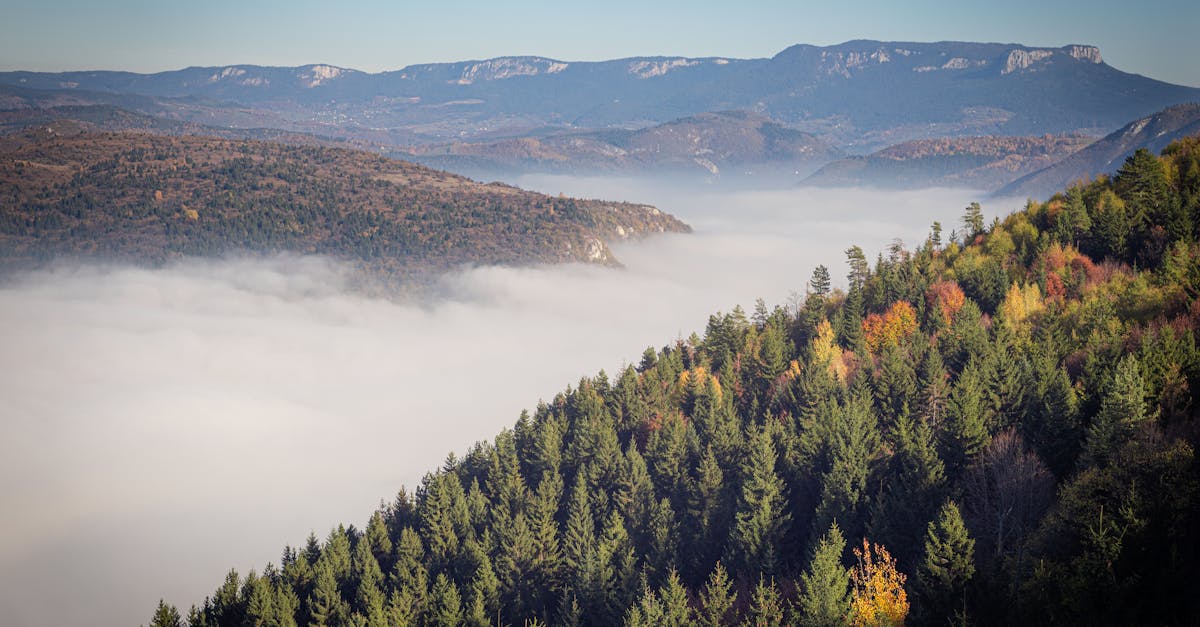
The country is also known for its stunning natural landscapes, from the Dinaric Alps to scenic river valleys, offering numerous outdoor activities and picturesque settings.
Actionable Insights
- Explore the historic city of Sarajevo, which offers a glimpse into the nation’s complex past and multicultural present.
- Taste the local cuisine, particularly dishes like cevapi (grilled minced meat) and burek (savory pastry).
- Enjoy outdoor activities, such as hiking in the Dinaric Alps or rafting on the Neretva River.
Visa and Immigration Requirements
Bosnia and Herzegovina provides visa-free entry to nationals from Schengen Annex II countries, the EU, Schengen Area, and the United States, among others, for up to 30 days. Those requiring a visa must apply through the country’s diplomatic missions.
For long-term stays, pathways to residency typically require a commitment to residing in the country and meeting specific criteria, though these processes are not explicitly detailed in the provided sources.
Actionable Insights
- Review the specific visa requirements for your nationality on the Visa Policy of Bosnia and Herzegovina.
- Plan ahead by contacting the nearest Bosnian diplomatic mission if a visa is necessary for your stay.
Healthcare System
Healthcare in Bosnia and Herzegovina is characterized by public and private options, with mandatory health insurance. General and specialist visits are generally covered by the Health Insurance Fund, but expect long wait times due to a shortage of medical professionals.
Quality of medical facilities can be inconsistent, with corruption cited as a notable issue. Those without insurance must pay out-of-pocket for services.
Actionable Insights
- Secure comprehensive health insurance to prevent high medical costs.
- Familiarize yourself with local hospitals and clinics to understand the quality of care available.
- Be prepared for potential delays in receiving medical treatment. Healthcare Details
Essential Resources
To facilitate a smooth relocation, below are some essential resources to consider:
- Visa and Immigration Information: Visa Policy
- Healthcare System Overview: Healthcare Information
- Cultural Insights and General Information: Cultural Information, General Information
Relocating to Bosnia and Herzegovina can provide a culturally enriching experience. By understanding and respecting its diverse cultural tapestry and preparing adequately for the practicalities of living there, newcomers can find a fulfilling life in this fascinating part of the world.
Visa & Immigration
Overview
Bosnia and Herzegovina is a culturally rich nation known for its diverse ethnic and religious backgrounds, prominently featuring Bosniaks (Muslim), Serbs (Orthodox Christian), and Croats (Roman Catholic). The country offers a unique blend of European and Turkish traditions, making it an attractive destination for those interested in history, cuisine, and diverse cultural experiences.
Visa Types
Bosnia and Herzegovina offers various visa types tailored to the needs of travelers, business professionals, and potential residents. Below are the common visa categories:
- Visa-Free Entry: Nationals from countries in the Schengen Annex II (except Kosovo) and several additional countries can enter Bosnia and Herzegovina without a visa for short stays.
- Visitor Visa: For those not eligible for visa-free entry or planning to stay longer, a visitor visa is required, generally issued for tourism, family visits, or short-term business engagements.
- Business Visa: For individuals attending conferences, meetings, or engaging in business activities, a business visa might be necessary.
- Student Visa: Prospective students must obtain a student visa to study at one of Bosnia and Herzegovina's educational institutions.
- Work Visa: Required for foreigners who have secured employment in Bosnia and Herzegovina.
More detailed information on visa policies can be found here.
Application Steps
Applying for a visa to Bosnia and Herzegovina involves several key steps, which must be completed through the country's diplomatic missions and consulates. Below is a general process for visa application:
Determine Your Visa Type: Confirm the specific visa category that matches your purpose of visit.
Gather Required Documents: Commonly required documents include:
- Passport valid for at least three months beyond your planned stay
- Completed visa application form
- Recent passport-sized photographs
- Travel itinerary or flight bookings
- Proof of accommodation
- Financial proof demonstrating sufficient funds
- Invitation letter (if applicable)
Submit Your Application: Applications should be submitted to a Bosnia and Herzegovina embassy or consulate. Check for specific submission protocols and possible in-person interview requirements.
Pay the Visa Fee: Fees vary depending on the type and duration of the visa. It's important to keep receipts for any payments.
Await Processing: Processing times vary, so early application is recommended. Plan for potential delays.
Contact the nearest Bosnian diplomatic mission for tailored advice and current requirements.
Pathways to Residency or Citizenship
Bosnia and Herzegovina offers several pathways for individuals considering long-term residency or citizenship. These processes often reflect global standards but should be verified with local authorities for specific, updated requirements.
Residency
- Temporary Residency: Initially, most foreigners will seek temporary residency, usually based on employment, study, or family reunification. Temporary permits must be renewed periodically and require proof of continued eligibility.
- Permanent Residency: After continuous legal residence (usually five years), individuals may apply for permanent residency. This status grants broader rights and stability within the country.
Citizenship
Bosnia and Herzegovina’s citizenship can often be pursued through:
- Naturalization: Generally requires a minimum of eight years of residency, a clean criminal record, and the ability to speak one of the country's official languages.
- Descent or Birth: Individuals may claim citizenship through Bosnian parents or under specific conditions of birth within the country.
Explore opportunities and detailed requirements with the Ministry of Security of Bosnia and Herzegovina or consult local immigration specialists.
Practical Considerations
When planning relocation to Bosnia and Herzegovina, it's crucial to stay informed and prepare comprehensively. Considerations include:
- Early Preparation: Start the visa process well ahead of your planned move date to avoid unexpected delays.
- Stay Updated: Visa policies can change, so regularly check official sources or consult experts for the latest information.
- Plan Finances: Budget for visa application fees and any legal fees that might arise during the residency or citizenship process.
- Consult Professionals: Engaging an immigration lawyer or consultant may help navigate complex processes and requirements.
Essential Resources
- For comprehensive visa information, visit Visa Policy of Bosnia and Herzegovina.
- Consult the Ministry of Foreign Affairs of Bosnia and Herzegovina for detailed guidance on entry requirements and procedures.
By following these guidelines and actively engaging with official resources, relocating to Bosnia and Herzegovina can be a well-managed and rewarding journey.
Cost of Living
Relocating to any new country involves ample planning, and understanding the cost of living is crucial to making an informed decision. This chapter delves into the various financial aspects of living in Bosnia and Herzegovina, offering a clear breakdown of housing costs, daily expenses, and pertinent financial comparisons to help you make your move seamless.
Housing
Finding a place to live in Bosnia and Herzegovina can be both an exciting and daunting task. The cost varies depending on the city, neighborhood, and type of accommodation you choose.
Renting Apartments:
Cities: In Sarajevo, the capital, a one-bedroom apartment in the city center can cost around 400-600 BAM (Bosnian Convertible Marka) per month, while outside the center, it averages around 300-450 BAM.
Smaller Towns: Rents in smaller towns and rural areas are considerably lower, with prices starting from 200 BAM.
Utilities: Monthly utility bills, including electricity, heating, cooling, water, and garbage, average 150-180 BAM.
Buying Property:
The real estate market is accessible, with prices for apartments in Sarajevo city center averaging around 3,000 BAM per square meter, while outside the city it might drop to 2,000 BAM.
Daily Expenses
Living costs in Bosnia and Herzegovina are relatively affordable compared to many Western European countries. Here's a look at typical daily expenses:
Groceries:
Local Markets: Buying fresh produce at local markets is cost-effective, with a week's worth of groceries for a single person costing around 100 BAM.
Supermarkets: Larger supermarkets offer a variety of international and local brands, with prices for essentials like bread (1 BAM), milk (1.5 BAM/liter), and eggs (2.5 BAM/dozen) being fairly moderate.
Dining Out:
Enjoying a meal at a mid-range restaurant will cost around 20-30 BAM per person, while a cup of Bosnia's renowned coffee is about 1-2 BAM in local cafes.
Transportation:
Public transportation is widely available and affordable. A monthly pass for trams and buses in Sarajevo costs approximately 53 BAM. Taxi fares start at about 1.5 BAM per kilometer.
Financial Comparisons
It's helpful to compare Bosnia and Herzegovina’s cost of living with other countries to gauge affordability and financial expectations:
- General Costs: Life in Bosnia is less expensive than in Western and even some Southeastern European countries, offering significant savings on accommodations and daily living.
- Salary Expectations: The average monthly net salary in Bosnia is around 950 BAM, which aligns with the lower cost of living but varies significantly by sector and experience.
Practical Advice
- Budget Planning: Allocate funds wisely, considering unexpected expenses such as healthcare needs or increased heating costs during winter months.
- Cost-Cutting Tips: Take advantage of local markets for fresh produce and consider integrating into communal traditions to further save on recreational activities.
- Online Resources:
- Visa Policy: Bosnia Visa Information
- Healthcare Insights: Healthcare in Bosnia
- Cultural Insights: Bosnia's Cultural Life
Relocating to Bosnia and Herzegovina promises an immersive cultural experience, supported by an affordable standard of living. Whether you're renting an apartment in the vibrant city of Sarajevo or exploring rural communities, the country's rich culture combined with favorable living costs makes it an enticing choice for expatriates.
Employment Opportunities
Overview of the Job Market
Bosnia and Herzegovina is a country with a transitioning economy, attempting to integrate more fully with European markets. Its current job market is characterized by a mix of public sector employment and emerging private industries. While the legacy of centrally planned economics has left a substantial portion of the workforce in government roles, privatization and foreign investment are slowly reshaping the landscape.
Key Economic Sectors
- Agriculture: A significant portion of the population is engaged in agriculture, with the country being rich in natural resources and arable land. Opportunities exist for those interested in agribusiness and sustainable farming practices.
- Manufacturing: Particularly in sectors like textiles, metal production, and automotive parts, manufacturing continues to be a pillar of the economy.
- Tourism: This industry is poised for growth, leveraging Bosnia's natural beauty and rich cultural heritage. Careers in hospitality, travel services, and cultural management are expanding.
- ICT: The country is witnessing growth in Information and Communications Technology (ICT), with a rising number of startups and tech companies, making it an imminent sector for tech professionals.
High-Demand Industries
While the country’s economic landscape is varied, some industries stand out due to their rapid development and need for expertise.
Information Technology
With an increasing diplomatic and business interest from European and global partners, the IT industry is expanding, creating significant demand for professionals with skills in software development, cybersecurity, and network administration.
Tourism and Hospitality
As Bosnia becomes a more popular destination for cultural and eco-tourism, the demand for skilled hospitality workers is rising. There are opportunities for those with experience in hotel management, tour operation, culinary arts, and customer service.
Construction and Infrastructure
The ongoing reconstruction and development efforts lead to opportunities in civil engineering, project management, and skilled trades. Given the need for updated infrastructure throughout the country, this sector is crucial for economic development.
Renewable Energy
Potential in hydroelectric power and wind energy projects offers prospects for engineers and environmental scientists. This market is expected to grow as global interest in sustainable energy practices intensifies.
Work Regulations
Understanding the work regulations in Bosnia and Herzegovina is critical for a smooth transition into the job market.
Work Permits
Non-EU nationals typically need a work permit to be employed in Bosnia and Herzegovina. This process involves:
- Securing a job offer from an employer willing to sponsor your work permit.
- Applying for a temporary residence permit for the duration of employment.
- Ensuring compliance with local labor laws, specifically regarding job descriptions and salaries.
Employment Rights
Workers in Bosnia have rights protected by extensive labor laws, including:
- Contracts: Employment contracts are required and should detail job roles, salary, working hours, and termination processes.
- Working Hours: Employees generally work 40 hours per week, with entitlements to overtime and adequate breaks.
- Holidays and Leave: The labor law guarantees annual leave, maternity leave, and public holidays.
- Termination: Employees have the right to notice periods and protection against unfair dismissal.
Practical Advice
To maximize employment prospects in Bosnia and Herzegovina, consider the following practical steps:
- Networking: Engage with local business networks or chambers of commerce to understand industry-specific trends and opportunities.
- Language Skills: While many young professionals speak English, learning Bosnian or a local language variant can be advantageous for integration and employment opportunities.
- Job Search Platforms: Utilize local job portals and international sites like LinkedIn to connect with companies actively hiring.
- Tailor Applications: Customize your CV and cover letter to reflect the skills and expertise sought within regional industry sectors.
- Professional Development: Attend industry conferences and workshops to build a professional network and showcase your skills to potential employers.
Bosnia and Herzegovina’s job market presents unique challenges and opportunities. By being informed about the country's economic climate, high-demand sectors, and regulatory obligations, you can strategically plan your move and career development in this diverse European country.
Useful Links
By focusing on these key areas, you'll be better prepared to navigate the Bosnian job market and seize opportunities as they arise.
Housing & Accommodation
Introduction
Finding and securing housing in Bosnia and Herzegovina involves understanding the local market, typical lease agreements, and the cultural nuances that affect property rentals. This chapter provides a comprehensive guide to help you navigate the housing landscape in this diverse and culturally rich country.
Finding Housing
Online Platforms
- OLX.ba: A popular site for buying, selling, or renting properties. Offers a wide variety of listings across cities.
- Real Estate Agencies: Partnering with a reputable agency can simplify your search, especially if you’re new to the region.
- Local Classifieds and Newspapers: Useful for smaller towns and neighborhoods where online listings might be sparse.
Networking
- Engage with local expatriate communities or social media groups specific to Bosnia and Herzegovina for insights and leads on available properties.
- Visit local cafes or community centers, popular gathering spots where locals might post listings.
Securing Housing
Steps to Secure Housing
- Research and Shortlist: Identify properties based on location, budget, and personal preferences. Consider factors such as proximity to work, public transportation, and amenities.
- Schedule Visits: Inspect the property personally or arrange for a virtual tour. Pay attention to the condition of the property and note any maintenance needs.
- Prepare Necessary Documentation:
- Valid passport and visa/residency card
- Proof of employment or income
- References, if required by the landlord
- Negotiate Terms: Price, duration of lease, and included utilities are often negotiable. Be clear about your requirements to avoid misunderstandings.
- Sign the Lease: Ensure all agreed terms are documented. Seek translation assistance if the contract is in Bosnian or another local language.
Tips for Secure Transactions
- Verification: Verify property ownership and landlord credentials through the local real estate registry.
- Secure Payment Methods: Use bank transfers or other secure payment methods. Avoid cash transactions without a formal receipt.
Typical Lease Terms
Duration
- Short-term Leases: Often available on a monthly basis, suitable for temporary stays or while searching for a long-term arrangement.
- Long-term Leases: Usually range from 12 to 24 months, with potential for renewal. Offer greater stability and sometimes better rental rates.
Rent Payments
- Rent is typically paid monthly in advance. Ensure the mode of payment is explicitly stated in the lease.
- Be aware of potential requirement for a security deposit, which commonly ranges from one to two months’ rent.
Utilities and Maintenance
- Clarify whether utilities (water, electricity, heating) are included in the rent or paid separately. This is common in Bosnia and Herzegovina and can significantly impact monthly expenses.
- Responsibility for maintenance and repairs should be outlined in the lease to prevent disputes.
Termination and Renewal
- Understand the notice period required for termination by either party, usually stipulated as one to two months.
- Discuss renewal terms at the lease’s outset if you foresee a long-term stay.
Legal Considerations
- Consult with a legal advisor or real estate professional to understand local regulations and tenant rights.
- Familiarize yourself with tenant obligations to avoid breach of contract issues.
Conclusion
Securing a suitable home in Bosnia and Herzegovina involves due diligence, cultural awareness, and understanding local lease terms. By leveraging the resources and strategies outlined, you can find a comfortable and suitable residence to enhance your living experience in this culturally diverse country.
For further information, the following resources may be of assistance:
- Visa Policy of Bosnia and Herzegovina
- Healthcare in Bosnia and Herzegovina
- Cultural Information
- General Information
Healthcare System
Navigating the healthcare system in a new country can be daunting, but understanding the fundamentals of Bosnia and Herzegovina's healthcare services will help ease your transition. This chapter will explore the differences between public and private healthcare, insurance options, and the quality of facilities in Bosnia and Herzegovina, providing you with practical advice and real-world considerations.
Public vs. Private Care
Public Healthcare
In Bosnia and Herzegovina, the public healthcare system is available to all residents through the Health Insurance Fund. Every citizen is assigned a doctor, and both general and specialist visits are covered by this fund. However, there are a few crucial aspects to consider:
- Doctor Assignment: Your assigned doctor is your first point of contact for medical services. Choose your doctor wisely, as they will provide referrals for specialist care.
- Coverage: Routine and some specialist services are generally covered, but the system is strained. Long wait times for appointments and treatments are common due to a shortage of medical professionals.
- Corruption Issues: Corruption within the healthcare system may affect service quality and access. Being informed and networking with locals can often help you navigate the system more effectively.
Private Healthcare
Private healthcare is an option for those seeking faster access and potentially higher quality services. Here’s what you should know:
- Cost: Private care is more expensive but can provide quicker and more personalized attention.
- Facilities: Some private clinics offer more modern facilities than those in the public system, often attracting the best available medical talent.
- Recommendations: Selecting well-reviewed clinics and practitioners is critical to ensure you receive top-tier care.
Insurance Options
Healthcare insurance is mandatory in Bosnia and Herzegovina, with different provisions for employed, unemployed, and foreign residents.
- Employed Residents: Automatic enrollment into the public health insurance system through payroll contributions.
- Unemployed and Others: Those without employment need to register and pay insurance contributions to receive public healthcare benefits.
- Travel Insurance: Temporary visitors should consider travel insurance for short stays to cover any unexpected healthcare needs.
For long-term residents, securing insurance, either through employment or privately, is essential. Always ensure that your insurance plan covers a range of services including emergencies and specialist care.
Quality of Healthcare Facilities
Despite the comprehensive nature of the public healthcare system, a few challenges affect the quality of healthcare facilities in Bosnia and Herzegovina.
- Staff Shortages: Main hospitals often lack sufficient medical staff, impacting patient care and service efficiency.
- Facility Conditions: Some public institutions suffer from outdated infrastructure. Main cities may offer better facilities than rural areas.
- Quality Improvements: Seeking care in private facilities can sometimes offset these issues, providing access to newer equipment and better service.
Recommendations
- Research and Network: Before relocating, research both public and private healthcare options and connect with locals or expatriates for recommendations.
- Preparation: Have a basic understanding of the language, especially medical vocabulary, to assist in communicating with healthcare providers.
- Emergency Preparedness: Familiarize yourself with local medical emergency numbers and closest healthcare providers.
By understanding these elements, you can better navigate the healthcare landscape in Bosnia and Herzegovina and make informed decisions about your health and well-being. For more information on the healthcare system in Bosnia and Herzegovina, visit T1 International.
Written with these key considerations, the chapter ensures you are well-prepared to engage with the healthcare system confidently and efficiently.
Taxes & Financial Considerations
Local Tax Structures
Understanding the local tax landscape is crucial for anyone planning to relocate to Bosnia and Herzegovina. The country implements a fairly standard taxation system, which includes personal income tax, corporate income tax, and value-added tax (VAT).
Personal Income Tax
- Rate and Applicability: The personal income tax rate is a flat 10%. It applies to all income types, including wages, dividends, interest, and capital gains.
- Filing: Residents are required to file annual tax returns if they receive any income. Non-residents are taxed only on income earned within Bosnia and Herzegovina.
Corporate Income Tax
- Corporate Rate: Companies are subject to a corporate income tax rate of 10%.
- Incentives: Several tax incentives are available for companies investing in specific sectors or underdeveloped regions of Bosnia and Herzegovina.
Value-Added Tax (VAT)
- Standard Rate: The VAT rate in Bosnia and Herzegovina is set at 17%. This applies to most goods and services.
- Exemptions and Reduced Rates: Certain essential goods and services may qualify for a reduced VAT rate or full exemption. Always check current legislation, as these rules can change.
For more comprehensive details, you may visit the Bosnia and Herzegovina tax authority website.
Banking
Navigating the banking sector in Bosnia and Herzegovina is an essential step for managing your finances efficiently.
Opening a Bank Account
- Requirements: To open a personal bank account, you generally need to provide identification such as a passport, proof of residence, and potentially a residence visa.
- Types of Accounts: Most banks offer current accounts, savings accounts, and fixed-term deposit accounts.
- Popular Banks: Some well-known banks in the country include UniCredit Bank, Raiffeisen Bank, and Bosna Bank International.
Currency and Transactions
- Local Currency: The local currency is the Bosnian Convertible Mark (BAM).
- International Transactions: Many banks offer internet and mobile banking services, facilitating international money transfers.
Explore more on the Central Bank of Bosnia and Herzegovina website.
Foreign Tax Obligations
Relocating to Bosnia and Herzegovina also involves understanding your tax responsibilities in your home country, ensuring compliance with foreign tax obligations.
Double Taxation Agreements
- Bosnia and Herzegovina has entered into several Double Taxation Avoidance Agreements (DTAs) with other countries. These agreements are intended to prevent individuals and companies from being taxed twice on the same income.
Reporting Requirements
- Expat Considerations: If you're an expatriate, it's crucial to be aware of tax repayment regimes applicable to foreign income.
- Consultation: Engage with a tax professional familiar with both Bosnia and Herzegovina tax laws and your home country's tax obligations to optimize your tax position and compliance.
For more specific details, refer to Bosnia and Herzegovina's Overview of Double Taxation Treaties.
Practical Advice
- Stay Informed: Tax laws and financial regulations can change, so it's essential to stay informed of any updates and seek professional advice when necessary.
- Documentation: Keep all documentation related to your income, taxes, and bank transactions organized and readily accessible.
- Planning: Consider integrating tax considerations into your broader financial planning strategy before and after your move to Bosnia and Herzegovina.
Relocating can be a rewarding journey, and understanding the tax and financial environment ensures a smoother transition and long-term satisfaction in your new homeland. Always consult with professionals to accurately align with legal and fiscal requirements.
Moving Logistics
Moving to Bosnia and Herzegovina can be an exciting endeavor, offering the chance to immerse yourself in a unique blend of cultures and explore a rich historical tradition. However, to ensure a smooth transition, it’s crucial to plan the logistics of your move thoroughly. This chapter will guide you through packing and shipping tips, the necessary documentation required, and information on pet relocation.
Packing and Shipping Tips
Efficient packing and shipping are vital to relocating smoothly. Here are some strategies to help you prepare:
Organize and Declutter: Start by categorizing your belongings. Decide what you will take, leave, sell, or donate. Bosnia and Herzegovina has varied living standards, so consider what you'll realistically need.
Packing Supplies: Invest in quality packing supplies—boxes, packing paper, bubble wrap, and sturdy tape. Label everything clearly with contents and destination rooms to simplify unpacking.
Shipping Options:
Compare shipping providers for cost, reliability, and insurance options. International moving companies specializing in European relocations can provide tailored services.
Air shipping is faster but more expensive, whereas sea shipping is cost-effective but slower.
Customs Regulations: Check the latest customs regulations to understand what items are permitted and any restrictions that may apply.
Necessary Documentation
Securing the correct documentation is essential to a stress-free move. Here’s a checklist of necessary paperwork:
- Visa and Residency Permits: Ensure you have the appropriate visa if required. Check the Visa Policy for updates on requirements based on your nationality.
- Identification Documents: Keep copies of your passport, driver's license, and any other photo ID handy.
- Shipping Documentation:
- A detailed inventory list
- Shipping and insurance documents
- Proof of purchase for high-value items
- Health Records: Bring your family’s medical records, prescriptions, and vaccination certificates. The local healthcare system requires proof of health insurance coverage.
Pet Relocation Info
For pet owners, relocating pets to Bosnia and Herzegovina involves additional steps:
Pet Identification and Microchipping: Ensure your pet is microchipped with an ISO 11784/11785 compliant chip. Carry a copy of the microchip certificate.
Vaccinations and Health Certificates:
All pets must be vaccinated against rabies, with a certificate issued at least 21 days before travel.
Obtain an EU pet health certificate, which must be issued by an authorized veterinarian within 10 days of entry.
Pet Quarantine Rules: Bosnia and Herzegovina does not have a mandatory quarantine for pets from certain countries, but requirements can change, so verify current regulations before traveling.
Pet Travel Arrangements:
Book travel with an airline that supports pet transportation.
Ensure your pet’s crate meets airline specifications for safe travel.
In summary, moving to Bosnia and Herzegovina requires careful planning of your logistics. From optimizing your packing and shipping strategy to gathering all necessary documentation and arranging safe transportation for your pets, each step is crucial for a successful transition. For further reading and official updates, refer to the provided links throughout this guide.
Language & Communication
Bosnia and Herzegovina is a culturally rich and diverse nation, offering unique opportunities and challenges for newcomers, especially concerning language and communication. Understanding and adapting to the local language, finding appropriate learning resources, and respecting local etiquette are essential to easing your transition into Bosnian life. This chapter provides essential guidance and actionable advice to navigate these aspects effectively.
Language Barriers
Bosnia and Herzegovina has three official languages: Bosnian, Croatian, and Serbian, which are mutually intelligible and often collectively referred to as "BCS" (Bosnian-Croatian-Serbian). While most residents communicate fluently in these languages, proficiency in English varies widely, with younger generations more likely to speak it.
Practical Tips:
- Familiarize Yourself with BCS: Before relocating, familiarize yourself with basic BCS phrases and expressions. Apps like Duolingo or Babbel can provide a useful starting point.
- English Speakers: In urban areas such as Sarajevo and Banja Luka, you are more likely to encounter English speakers compared to rural areas.
Learning Resources
Learning BCS will significantly enhance your ability to communicate and integrate into local society. Numerous resources are available to aid your language learning journey.
Actionable Recommendations:
- Language Courses: Enroll in language courses offered by local universities or cultural institutions. The University of Sarajevo, for example, may offer language programs for non-native speakers.
- Online Resources: Utilize online platforms like Busuu or LingQ for flexible learning experiences.
- Language Exchange: Participate in language exchange meetups through platforms like Meetup.com or local community boards to practice speaking with native speakers.
Local Etiquette
Understanding local etiquette is crucial to successful communication and cultural integration. Bosnian culture places a high value on hospitality, spontaneity, and storytelling, and it's important to be mindful of these social norms.
Essential Etiquette Insights:
- Hospitality: If invited to a Bosnian household, it is customary to bring a small gift, such as flowers or sweets.
- Spontaneity: Bosnians are known for their relaxed approach to time, so flexibility and patience are appreciated.
- Communication Style: Expect and engage in storytelling as part of conversations, as narratives and anecdotes are integral to social interactions.
Additional Considerations:
- Nonverbal Communication: Be mindful of body language. For instance, maintaining direct eye contact is considered a sign of honesty and engagement.
- Dining Etiquette: When dining, it is polite to wait for the host to start eating or to provide a signal for guests to begin.
Conclusion
Successfully managing language barriers, utilizing available learning resources, and respecting local etiquette are pivotal to your adaptation and integration into Bosnian society. By approaching these elements with an open and understanding mind, you will enhance your experience and build meaningful connections in Bosnia and Herzegovina.
For further information on cultural nuances, you can explore resources such as Cultural Life in Bosnia.
Cultural Adaptation
Understanding and adapting to the culture of Bosnia and Herzegovina is an essential part of a successful relocation. This chapter provides insights into the rich cultural tapestry of the country, along with practical advice for integrating into the community and managing culture shock.
Social Customs
Bosnia and Herzegovina is a multicultural state where various ethnicities and religions coexist, including Bosniaks, Serbs, and Croats. This cultural diversity is reflected in its social customs, which are influenced by a blend of European and Turkish traditions.
Key Social Customs:
- Hospitality: Bosnians are known for their warm hospitality. It is common to be invited to someone's home, where a strong emphasis is placed on building relationships.
- Coffee Culture: Traditional coffeehouses (kafane) and modern café-bars (kafići) serve as popular social gathering spots. Participating in this culture by spending time in these establishments can be a good way to meet people and make friends.
- Family and Friendship: Family ties are paramount, and friendship networks are well-developed. Framing your social interactions within these values can foster deeper connections.
For more on the cultural life in Bosnia and Herzegovina, refer to Britannica’s overview on Cultural Life.
Community Integration
Successfully integrating into the local community involves more than just understanding social customs; it requires active participation.
Tips for Community Integration:
- Join Local Groups: Engage in community activities or join clubs related to your interests. This can include sports, arts, or cultural groups.
- Volunteer: Offering your time and skills to local causes can both enrich your experience and help build a network.
- Learn the Language: While many people speak English, learning the basics of Bosnian, Serbian, or Croatian can significantly enhance your ability to connect with locals. Consider enrolling in language courses or using language learning apps.
Managing Culture Shock
Relocating to a new country often involves a period of adjustment known as culture shock. Understanding this process and employing strategies to manage it can ease your transition.
Stages of Culture Shock:
- Honeymoon Phase: Initial excitement and fascination with the new culture.
- Frustration Phase: Challenges and misunderstandings may lead to confusion and frustration.
- Adjustment Phase: Gradual acclimatization to local customs and routines.
- Acceptance Phase: Comfort and acceptance of the new culture as part of your life.
Strategies to Manage Culture Shock:
- Stay Open-Minded: Approach differences with curiosity rather than judgment.
- Build a Support Network: Connect with other expatriates who are undergoing similar experiences.
- Maintain Routine: Keep some elements of your previous daily routine to provide stability.
- Seek Professional Help if Needed: Counseling or support groups can provide valuable assistance if you find the adjustment particularly challenging.
For further reading, explore the general information about Bosnia and Herzegovina on Britannica.
By embracing the cultural richness of Bosnia and Herzegovina and following these practical steps, you can navigate social customs, integrate smoothly into the community, and manage culture shock effectively, ensuring a successful and enriching relocation experience.
Essential Resources
In relocating to a new country, ensuring you have access to crucial information and services is paramount. This chapter will guide you through the essential resources in Bosnia and Herzegovina, providing emergency contacts, reputable websites, and a directory of local services. Our aim is to equip you with the necessary tools to navigate your new environment effectively.
Emergency Contacts
When living in or visiting Bosnia and Herzegovina, it’s vital to be prepared for emergencies. Below are the essential emergency numbers you should program into your phone:
- Police: Dial 122 for police assistance in the event of safety concerns or criminal activity.
- Fire Services: Dial 123 for firefighting services and in case of any fire-related emergencies.
- Ambulance Services: Dial 124 for medical emergencies requiring an ambulance.
- Roadside Assistance: Dial 1282 if you experience vehicle issues and need assistance.
- Tourist Information & Emergency Management: Dial 121 for non-emergency inquiries or assistance related to tourism.
Reputable Websites
Navigating the complexities of international relocation requires trustworthy and up-to-date information. The following websites offer comprehensive and reliable insights into various aspects of living in Bosnia and Herzegovina:
- Visa Information: For details on visa requirements and policy, visit the Visa Policy of Bosnia and Herzegovina.
- Healthcare System Overview: Learn about healthcare services and issues through T1International's report on Bosnia & Herzegovina.
- Cultural Life: Explore Bosnia and Herzegovina's rich cultural landscape at Britannica's article on Bosnian Culture.
- General Country Information: Get a broad understanding of the country at Britannica’s page on Bosnia and Herzegovina.
Brief Directory of Local Services
Having access to local services is crucial for a smooth transition into your new environment. Below is an essential directory for Bosnia and Herzegovina that can cater to both newcomers and long-term residents:
Healthcare Services:
Health Centers and Hospitals: Visit your assigned doctor for general consultations or specialists consultations through the Health Insurance Fund. Be aware of potential wait times.
Pharmacies: Pharmacies are widely available. Ensure you have addresses of the nearest pharmacies for prescription pickups and healthcare products.
Housing & Accommodation Services:
Real Estate Agencies: Seek out local agencies for assistance in finding housing that suits your needs and budget.
Property Lease Advisors: Consider consulting property experts for advice on lease agreements and rental laws.
Financial Services:
Banks: Popular banks such as Raiffeisen Bank and UniCredit Bank offer a variety of services from local currency accounts to other financial products.
Currency Exchange: Bureaus such as exchange offices and banks provide currency conversion services with varying exchange rates.
Language and Cultural Resources:
Language Courses: Institutions such as the International University of Sarajevo offer Bosnian language courses aiding in communication and cultural integration.
Cultural Workshops: Engage with community-driven workshops and associations like the Cultural Center of Sarajevo for structured integration through cultural education.
In conclusion, being informed and prepared with local emergency contacts, credible websites, and essential service providers ensures a smoother transition and peace of mind while living in Bosnia and Herzegovina. Equip yourself with these vital resources and embrace the rich, multicultural landscape this country offers.