
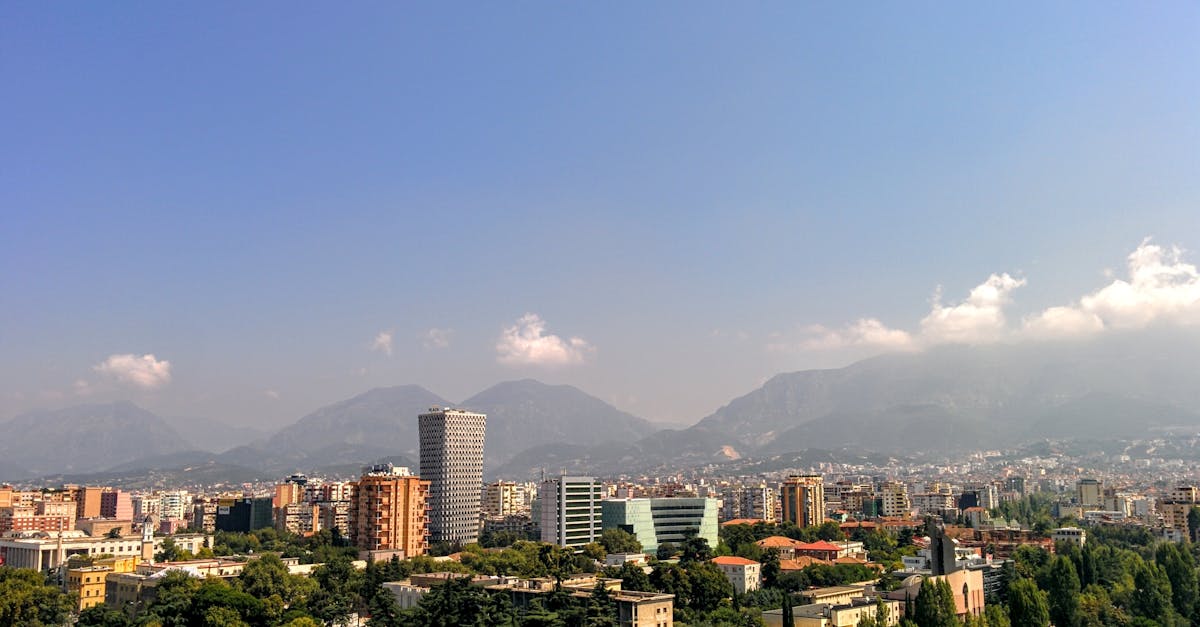
Living in Albania
A Balkan country with stunning landscapes ranging from mountainous regions to beautiful coastlines. It is known for its rich history, diverse cultural heritage, and vibrant traditions.
Next Steps
- 1Apply for a Type-D visa if you plan to stay longer than 90 days within a 180-day period.
- 2Register with the Albanian Migration Service and apply for a residence permit within 30 days of entry.
- 3Secure a registered Albanian address and open a local bank account to facilitate your residency application.
- 4Research job opportunities or consider consulting with a lawyer to explore investment options for residency through employment or business.
The Complete Guide to Living in Albania
Introduction
Albania: A Cultural Gem
Country Overview
Albania is a hidden treasure in the Balkans, renowned for its rich tapestry of cultural and archaeological heritage. With historical influences spanning from the Illyrians and Ancient Greeks to the Romans, Byzantines, Venetians, and Ottomans, Albania offers a multitude of experiences for those seeking both cultural enrichment and natural beauty. From unspoiled beaches to dramatic mountain ranges, the country boasts a variety of landscapes that entice outdoor enthusiasts and history buffs alike.
The Albanian capital, Tirana, acts as the vibrant heart of the nation. It's a city of dynamic contrasts, marked by colorful architecture, diverse religious practices, and a lively arts scene. Visitors can enjoy natural attractions like Dajti Mountain and the city’s artificial lakes, as well as partake in the many festivals, sports events, and live performances that characterize Tirana’s cultural calendar.
Read more about tourism in Albania.
Practical Information
Visa and Immigration
For U.S. citizens pondering a move or extended stay in Albania, the good news is that entry as a tourist does not require a visa. Just ensure that your passport remains valid for at least three months beyond your arrival date. For those interested in longer stays or residency, visiting the Embassy of Albania’s website is recommended for the most up-to-date visa requirements and pathways to residency or citizenship.
Housing and Cost of Living
Finding accommodations in Albania can be a straightforward process, with resources such as Citizen Remote offering listings for various types of rentals. The cost of living is generally moderate, with studio apartments starting at $400, although rental prices can vary depending on location and amenities.
Employment Opportunities
The Albanian job market is characterized by demand in sectors such as manufacturing, retail, and construction. Key roles include call center operators, industrial sewing machine operators, and construction specialists. For detailed insights into jobs and industry demands, refer to Invest in Albania.
Healthcare System
Albania has a predominantly public healthcare system, with 43 public hospitals and 18 private ones. Emergency services and primary care are free for all residents. To understand the healthcare landscape and insurance options, visit the European Health Observatory.
Cultural Insights
Navigating cultural nuances is essential when relocating. Albania's social fabric integrates diverse influences, reflecting its storied history. Social customs might differ, especially concerning the acceptance of persons with disabilities. Learning about Albania’s traditions and customs will aid in smoother cultural adaptation.
Essential Resources
Emergency Contacts
- For immediate assistance and consular services, U.S. citizens can contact the U.S. Embassy in Tirana at +(355) (0) 4-2247-285.
Reputable Websites for Relocation
- Tourism Information on Albania
- Job Market Overview in Albania
- Accommodation Listings
- Healthcare Resources
- Travel Guidelines and Information
Transportation
- Utilizing marked taxis in Albania is advisable for safety and convenience.
Conclusion
With its blend of historical influences, cultural vibrancy, and natural allure, Albania is a captivating destination for anyone looking to explore new horizons. Understanding the cultural, logistical, and practical aspects of living in Albania will ensure a fulfilling relocation experience.
Visa & Immigration Requirements
When considering relocating to Albania, understanding the visa and immigration requirements is crucial. This chapter delineates the various visa types, provides detailed application steps, and explores pathways to achieving residency or citizenship in Albania.
Visa Types
Tourist Visa
- Requirements: For U.S. citizens, no visa is required for short stays (up to 90 days) for tourism purposes. Ensure that your passport is valid for at least three months beyond your intended date of departure from Albania.
- Stay Duration: Up to 90 days within a 180-day period without a visa.
Other Visa Types
- Business Visa: Generally not required for short term business activities, similar to the tourist visa.
- Student Visa: Required for study in Albania.
- Work Visa: Necessary for employment in Albania and involves specific employer sponsorship.
For non-U.S. citizens and other specific visa types, visit the Embassy of Albania’s website for current visa requirements and regulations.
Application Steps
Determine Your Visa Type: Establish the purpose of your visit to Albania—tourism, work, study, etc.
Visit the Official Embassy Website: Always check the Embassy of Albania’s website for the latest information and required documentation.
Collect Necessary Documentation:
- A passport with sufficient validity.
- A completed visa application form (if applicable).
- Proof of accommodation and financial means.
- Invitation letter from an employer or educational institution (for work or student visas).
Submit Your Application: Applications can generally be submitted at the nearest Albanian embassy or consulate. Some applications may be submitted electronically, depending on the type and requirements.
Pay the Visa Fee: Fees vary depending on the type of visa and nationality.
Attend Interview: For long-term stays, attending an interview may be required.
Pathways to Residency or Citizenship
Temporary Residence Permit
- Eligibility: For those planning to stay longer than 90 days, securing a temporary residence permit is required. This is applicable to students, workers, or anyone with familial ties in Albania.
- Requirements: Proof of accommodation, employment, or study, along with medical insurance, is necessary.
- Duration & Renewal: Typically granted for one year and is renewable annually.
Permanent Residence
- Eligibility: After five years of continuous residence under a temporary residence permit, one may apply for permanent residency.
- Requirements: Demonstrating financial stability, knowledge of Albanian language, and integration into the Albanian society are crucial.
Citizenship
- Naturalization: Requires at least seven years of residency and fluency in the Albanian language.
- Other Pathways:
- Descent: If you have Albanian ancestry.
- Marriage: After three years of marriage to an Albanian citizen.
- Extraordinary Contribution: Granted in special cases for significant contributions to Albania.
These processes are governed by the relevant legal frameworks and are subject to change. Consulting with immigration specialists or lawyers in Albania is advisable for personalized guidance.
Practical Advice and Considerations
- Early Preparation: Start the visa application process well in advance of your intended travel date to accommodate any potential delays.
- Legal Assistance: Engaging a legal expert or immigration consultant can simplify complex applications, particularly for work and residency permits.
- Local Integration: Learning the local language and understanding cultural norms can facilitate smoother integration into Albanian society.
- Regular Updates: Immigration rules can change, so keep informed through reliable sources such as Travel State Government.
For any further queries on visa types, application processes, or residency pathways, visiting official sources and consulting with the appropriate authorities in Albania is encouraged.
Cost of Living
In considering a move to Albania, understanding the cost of living is essential for successful financial planning and acclimation to your new environment. This chapter breaks down housing costs, daily expenses, and financial comparisons specific to Albania, offering actionable insights for prospective residents.
Housing
Renting Apartments
Housing affordability in Albania, particularly in the capital city of Tirana, is generally favorable compared to many Western countries. The cost of renting a one-bedroom apartment in the city averages around $1,603 per month. However, more budget-friendly options are available, with studio apartments starting at $400. When searching for rental accommodations, websites like Citizen Remote provide a good starting point.
Utilities
Utility costs are oftentimes bundled with rental agreements, especially for single rooms. Hence, renting a room typically costs around $0 with these inclusions. It is advisable, however, to confirm which utilities are included to avoid surprises.
Lease Terms
While specific typical lease terms in Albania aren't detailed here, tenants should expect to sign a contract similar to Western standards, often spanning one year with potential for short-term leases.
Daily Expenses
Groceries and Dining
Grocery prices in Albania are reasonable, with fresh produce, dairy, and meat being generally affordable. Markets and local grocers offer better deals than international supermarket chains. Dining out is also accessible on a budget, with traditional Albanian meals at local restaurants and cafes offering good value for the price.
Transportation
Public transportation in Albania is inexpensive, with buses and furgons (minibuses) providing practical options for getting around. Taxis, especially marked ones in Tirana, are a safe choice and recommended for convenience, especially for short distances.
Financial Comparisons
Cost vs. Income
The cost of living in Albania is relatively low compared to Western Europe and North America. An expat living in Albania may find their income goes further when it comes to daily spending, entertainment, and housing. However, it's essential to consider individual lifestyle choices and location within the country to make accurate budget estimates.
Banking and Currency
The local currency is the Albanian Lek (ALL), and having a local bank account might simplify transactions. However, information on setting up banking arrangements isn't specified here, so it's advisable to inquire with local banks for their specific procedures upon arrival.
Practical Advice and Considerations
- Research Accommodation: Begin your housing search with recommended platforms like Citizen Remote to find suitable living arrangements within your budget.
- Prioritize Essential Expenses: Allocate your budget to cover crucial areas such as rent, utilities, food, and transportation, with room for unexpected expenses.
- Cost Awareness: Stay informed about fluctuating living costs, especially in urban centers like Tirana, which can have varying prices influenced by demand and location.
- Understand Financial Obligations: Make sure to understand the stipulations of lease agreements, including utility responsibilities and any additional charges.
In conclusion, while Albania offers an attractive and cost-effective living environment, prospective residents should leverage available resources to plan for living expenses strategically. For further details and tourism insights, visit Tourism in Albania.
Employment Opportunities
Overview of the Job Market
Albania's job market is characterized by opportunities in various low-cost sectors, making it an attractive destination for specific career paths. Though not vast or diverse by global standards, Albania offers several openings, particularly in service-oriented and manual labor sectors. A significant portion of available jobs caters to call center operators, industrial sewing machine operators, waiters, and construction specialists. These roles are driven by both local demand and the broader trend of outsourcing labor to reduce operational costs.
In-Demand Industries
Manufacturing: The manufacturing sector is a cornerstone of Albania's economic framework. Job seekers can find opportunities in textiles, footwear, and machinery, with the country being a hub for industrial sewing machine operations.
Retail: As Albania continues to develop economically, retail has become a vital sector contributing to employment. Applicants with skills in customer service and sales might find ample opportunities.
Construction: The construction industry is a growing field due to ongoing infrastructure projects across Albania. This demand creates a steady need for specialists such as masons, electricians, and general laborers.
For a more detailed list of high-demand positions, you can refer to this Albania Jobs Listing.
Navigating Work Regulations
Understanding Albania's work regulations is crucial for anyone seeking employment. Although specifics vary depending on the sector and position, here are some general considerations:
Work Permits and Visas: While U.S. citizens do not require visas for short tourist stays, those intending to work must secure a work permit. It's essential to begin this process before arriving in the country.
Employment Contracts: Contracts are typically required for any legal employment relationship. These documents often outline job role, salary, working hours, and other relevant conditions. Always ensure that these are in compliance with Albanian labor laws.
Working Hours and Conditions: The standard workweek in Albania is 40 hours, with expectations for overtime being clearly stipulated in employment contracts. Familiarize yourself with your rights regarding paid leave and working conditions.
Practical Tips for Employment in Albania
Research and Networking: Leverage social media platforms and professional networks to connect with potential employers. Attend local job fairs and networking events to increase your visibility.
Language Skills: While some positions, particularly in call centers, may require English speakers, knowledge of Albanian can significantly enhance your employability in most sectors.
Cost of Living Considerations: Ensure that your potential salary aligns with your living expenses. Monthly rent for a one-bedroom apartment averages around $1,603. Compare salaries in your industry to these living costs to make informed decisions.
Cultural Adaptation: Understanding local customs can enhance your workplace integration. Engage with colleagues to learn more about the local culture and work dynamics.
For an integrated approach to relocating, consider exploring accommodation options on websites such as Citizen Remote. For healthcare concerns, consult resources like the Euro Health Observatory.
Final Thoughts
Navigating Albania's job market requires a blend of thorough research, understanding work regulations, and cultural adaptation. While challenges exist, proactive networking and skill development can significantly enhance your chances of securing employment. Always stay updated with local laws and market trends to make informed decisions about employment opportunities in this dynamic environment.
Housing & Accommodation
Introduction
Finding and securing housing in Albania involves an understanding of the rental market, lease terms, and cultural considerations. This chapter provides comprehensive advice on navigating the housing landscape in Albania, practical steps to secure accommodation, and insights into typical lease agreements.
Finding Housing
Online Resources
- Websites: Utilize online platforms such as Citizen Remote to browse available accommodations in Albania. These platforms offer a range of options, from studio apartments to larger family homes.
- Local Agencies: Engaging with local real estate agencies can provide personalized service and access to listings not commonly found online.
Popular Cities and Neighborhoods
- Tirana: The capital city offers diverse housing options with cultural and social attractions nearby. Areas like Blloku, Tirana East Gate, and Skanderbeg Square are popular.
- Coastal Cities: Consider Saranda and Durrës for affordable beachfront properties.
Considerations
- Budget: Average rent for a one-bedroom apartment in Albania is around $1,603, while studios start at approximately $400. Plan your budget accordingly based on these averages.
- Utilities: Ensure whether utilities are included in your rental agreement, as this can significantly impact your monthly expenses.
Securing Housing
Viewing and Negotiation
- Property Visits: Schedule property viewings to assess the condition and suitability. A personal visit can uncover details not visible in photographs.
- Negotiation: While prices are standard, some landlords expect negotiation. Clearly communicate your budget and any conditions for rent reduction.
Documentation Required
- Identification: A valid passport or residency permit might be required to initiate rental agreements.
- Rental Application: Be prepared to fill out a rental application, which may include providing references or proof of income.
Typical Lease Terms
Lease Duration
- Short-Term: Most agreements are adaptable for short-term stays, but might attract a premium.
- Long-Term: Standard leases typically last 12 months with potential renewal options.
Payment Terms
- Deposit: Generally, landlords require a security deposit equivalent to one month's rent.
- Monthly Payments: Payments are usually made monthly, and ensure the agreed rental amount is documented in the lease agreement.
Legal Protections
- Lease Agreement: Ensure that the rental agreement explicitly outlines terms, conditions, and any included utilities or services.
- Rights and Responsibilities: Familiarize yourself with your rights as a tenant in Albania to help address any disputes effectively.
Practical Tips
- Language: If you are not proficient in Albanian, consider hiring a bilingual real estate agent or translator to facilitate communication.
- Cultural Etiquette: Understanding local customs and showing respect in negotiations can foster smoother transactions.
- Scams and Pitfalls: Stay cautious of unusually low rents or requests for payment before viewing the property. Verify ownership and legitimacy through public records if possible.
Conclusion
Relocating to Albania requires careful consideration of housing options and lease terms. By leveraging online tools and local expertise, navigating the Albanian housing market can become a straightforward process. Understanding typical lease conditions and securing necessary documentation will ensure a smooth transition into your new home in this culturally rich and scenic country.
Healthcare System in Albania
Public vs. Private Care
Albania features a predominantly centralized healthcare system, comprising both public and private sector facilities. Understanding the distinctions between these two options is critical for anyone considering relocating to the country.
Public Healthcare
- Facilities and Access: Albania's public healthcare system includes 43 public hospitals, widely distributed across regions, ensuring basic healthcare access to residents. These facilities provide primary healthcare visits and emergency services free of charge to all residents[^4^].
- Funding and Coverage: The public healthcare system is primarily financed through state budgets, managed by the Mandatory Health Insurance Fund (MHIF)[^4^]. This fund covers a range of publicly funded health services; however, the tax base supporting this system is weakened by low average incomes and a substantial informal economy.
- Quality and Challenges: While the public sector strives to provide essential services, issues such as underfunding and often outdated infrastructure may result in lower service quality and longer wait times.
Private Healthcare
- Facilities: In addition to public hospitals, Albania has 18 private hospitals that offer more specialized services[^4^]. These facilities often provide higher comfort levels and more immediate care.
- Quality of Service: Many expatriates and locals opt for private institutions due to their perceived higher quality of care, shorter waiting periods, and advanced medical technologies.
- Cost Considerations: Private healthcare services are generally more expensive than public services, and patients usually pay out-of-pocket unless covered by private insurance.
Insurance Options
Insurance is a crucial consideration for expatriates and even locals in Albania, especially for accessing quality private care.
Public Health Insurance
- Mandatory Health Insurance Fund (MHIF): This is the cornerstone of the Albanian health insurance landscape, providing public healthcare to insured individuals[4]. It covers various health services, but its reach and effectiveness may be limited by structural and financial issues.
Private Health Insurance
- Why Consider It?: With the disparities in service quality between public and private sectors, having private health insurance can be beneficial for accessing superior healthcare services with reduced out-of-pocket expenses.
- Providers and Plans: Numerous international insurance companies offer coverage specifically tailored for expatriates in Albania. These policies often cover hospitalizations, specialist consultations, and sometimes medical evacuation, which is critical in emergencies.
Quality of Facilities
Public Hospitals
- Infrastructure: Public hospitals across Albania may lack up-to-date facilities and equipment. Efforts have been made to improve this situation, but challenges remain. The quality of care can vary significantly depending on the location and specific hospital.
Private Hospitals
- Modernization and Expertise: Private hospitals usually boast modern facilities with a more significant emphasis on quality patient care and comfort. Accessing specialized treatments and experienced healthcare providers is generally more feasible within the private sector.
Practical Considerations
Registration: Upon arrival, it's essential to register for public healthcare services if you plan to use them. Contact local health offices for guidance and registration procedures.
Research: Before choosing a hospital or clinic, it is advisable to research the facilities, look up reviews, and possibly visit them to gauge their suitability for your healthcare needs.
Emergency Services: Familiarize yourself with the nearest healthcare facilities and emergency contact numbers. Note that emergency services are free of charge in public hospitals.
Documentation: Keep all necessary documents, such as ID cards or passports, handy when accessing healthcare services. For insurance claims, maintaining proper records of all interactions and treatments is crucial.
Language Barriers: While English is increasingly spoken, especially in private facilities, it may be helpful to learn basic Albanian healthcare-related terms or have a local contact assist you.
By weighing the advantages and limitations of both public and private healthcare options, individuals can make informed decisions tailored to their needs and circumstances when moving to Albania.
[^4^]: Source included with extrapolated information.
Taxes & Financial Considerations
Introduction
When planning a move to Albania, understanding the local tax structures, banking systems, and any foreign tax obligations is essential. This chapter will guide you through these financial aspects to ensure a smooth transition and compliance with local laws.
Local Tax Structures
Albania’s tax system is structured to support its healthcare and public services through a mix of direct and indirect taxes. Here are the main components of the tax structure:
- Personal Income Tax: Residents are subject to a progressive income tax system with rates ranging from 0% to 23%, depending on the level of income. Non-residents are taxed only on their Albanian-sourced income.
- Corporate Tax: A flat corporate income tax rate of 15% is applicable to taxable profits. Small businesses with annual turnover under certain thresholds may benefit from reduced rates or exemptions.
- Value-Added Tax (VAT): The standard VAT rate in Albania is 20%, with reduced rates applicable to certain goods and services.
- Social Security Contributions: Both employers and employees must contribute to social security. Contributions cover health insurance, retirement pensions, and other public benefits.
For comprehensive details on Albania's tax regulations, visit Albania's General Tax Directorate.
Banking in Albania
Opening a local bank account is crucial for managing your finances effectively in Albania. Here’s what you need to know:
- Types of Accounts: Banks offer various accounts, from basic savings and checking accounts to more complex investment options.
- Requirements: Typically, you'll need identification (such as a passport), proof of residence, and possibly a tax identification number to open an account.
- Popular Banks: Notable banks include Raiffeisen Bank, Intesa Sanpaolo Bank, and National Commercial Bank. They offer online banking services for added convenience.
To explore account types and services, visit Raiffeisen Bank Albania.
Foreign Tax Obligations
As an expatriate in Albania, your foreign tax obligations will depend on your home country’s tax treaties with Albania. Here are general considerations:
- Double Taxation Treaties: Albania has treaties with several countries to avoid double taxation. This means you might not have to pay tax on the same income in both Albania and your home country.
- Filing Requirements: Check with your home country's tax authority whether you need to file taxes annually while living abroad.
- Consulting a Tax Advisor: Given the complexity of international taxation, consulting a tax advisor familiar with Albanian and international tax law can be beneficial.
For U.S. citizens, see the IRS’s guidance on Taxpayers Living Abroad.
Practical Advice
- Stay Informed: Tax laws change frequently, so staying updated on new legislation is crucial. Joining expat forums or consulting with local tax professionals can help.
- Keep Records: Maintain detailed records of your income, financial transactions, and any taxes paid for at least five years.
- Budget for Taxes: Include potential taxes in your budget planning to avoid unexpected financial burdens.
By understanding these elements of financial management in Albania, you can better prepare for your relocation and ensure that you are compliant with both local and international tax requirements.
Moving Logistics
Relocating to Albania can be an exciting adventure enriched with cultural heritage and picturesque landscapes. To ensure a smooth transition, preparing thoroughly is vital. This chapter covers essential moving logistics, including packing and shipping tips, necessary documentation, and pet relocation advice.
Packing and Shipping Tips
Moving your belongings to Albania requires careful planning. Here are actionable tips for packing and shipping:
Prioritize Essentials: Determine what you absolutely need to bring versus items that can be purchased locally. This reduces shipping costs and simplifies your move.
Declutter Before Packing: Sort through your belongings and donate, sell, or discard items you no longer need. This step helps manage shipping volume and expenses.
Label Boxes Clearly: Use a labeling system to indicate contents and destination room for each box. Make sure to have a designated “essentials” box with items you’ll need immediately upon arrival.
Choose a Reliable Shipping Service: Research and compare international moving companies that offer services to Albania. Look for those with solid reviews and insurance options.
Shipping Regulations: Consult with your chosen shipping company to understand customs regulations and prohibited items in Albania to avoid unnecessary delays or fines.
Insurance for Valuables: Ensure your high-value goods are adequately insured during transit to protect against loss or damage.
Necessary Documentation
To smoothly transition to life in Albania, securing the appropriate documentation is crucial. Here’s what you need to prepare:
Passport: Ensure that your passport is valid for at least three months upon your arrival in Albania. U.S. citizens can enter without a visa for tourism.
Visa Information: If your stay extends beyond tourism, consult the Embassy of Albania for the most current visa and residency information.
Standard Documents: Carry essential personal documents, such as birth certificates, marriage licenses, and academic records, as they may prove useful for various administrative tasks in Albania.
Health Documentation: If applicable, ensure that you have your medical records, vaccination history, and an adequate supply of prescribed medications.
Pet Relocation Information
Bringing your furry friend to Albania involves additional steps. Here’s how to handle pet relocation:
Veterinary Preparation: Visit your veterinarian to ensure your pet is healthy and up-to-date with vaccinations. Request a pet passport, if applicable.
Microchipping and Vaccination: Your pet needs to be microchipped and have a rabies vaccination certificate. Ensure that these comply with the European Union standards.
Research Pet-Friendly Carriers: Choose an airline that accommodates pets and plan the journey to minimize stress for your animal companion.
Local Regulations: Familiarize yourself with Albania’s pet import regulations and potential quarantine requirements. Contact the Albanian embassy or consult official tourism sites for guidance.
Pet-Related Supplies: Consider bringing a supply of your pet’s preferred food and medications, as familiar brands may not be readily available in Albania.
Settling Your Pet: Once in Albania, find a local veterinarian for regular check-ups and emergencies. This ensures your pet’s continued health and ease of adaptation.
By following these detailed instructions, you can confidently manage the logistics of moving to Albania. Remember, planning thoroughly and staying informed are key to a stress-free relocation.
Language & Communication
Understanding Language Barriers
Albania is an intriguing country with a rich tapestry of cultural history and diverse communities. However, when considering a move to this Balkan nation, understanding the intricacies of its linguistic landscape is paramount. The official language of Albania is Albanian, known locally as "Shqip". It is spoken by approximately 98% of the population, thus making it an essential aspect of daily communication and integration.
While younger Albanians, especially in urban areas and tourist regions like Tirana, often speak English to some degree, language barriers can still pose a challenge in more remote or rural parts of the country. Italian and Greek are also fairly common due to geographical proximity and historical connections.
Learning Resources
Mastering the Albanian language can significantly ease your transition, enhance your experience, and pave the way for cultural immersion. Here are some valuable resources to help you along this journey:
- Online Courses: Websites such as Duolingo and Mondly offer beginner-friendly Albanian courses that can be accessed remotely.
- Language Apps: Consider using apps like Babbel or Rosetta Stone, which provide structured and interactive language learning modules for easier understanding and retention.
- Local Tutors and Language Schools: Engaging a local tutor can offer personalized guidance. Schools like the New York Institute of Linguistics in Tirana provide courses ranging from basic to advanced levels.
- Community Language Exchange: Platforms like Meetup and Couchsurfing often host language exchange events in Tirana, offering an informal but effective way to practice Albanian and meet locals.
- Customizable Learning Tools: YouTube channels and podcasts focused on learning Albanian can offer flexibility and variety, suitable for different learning styles and schedules.
Understanding Local Etiquette
Grasping local etiquette is crucial to smooth communication and foster a respectful relationship with the Albanian community. Here are important aspects to consider:
- Greetings: A warm handshake is customary when meeting someone for the first time. If you know the person well, a hug or cheek kiss (usually two on the right then left) is common.
- Politeness: Albanians place a strong emphasis on manners and respect. Polite expressions and gestures are appreciated, and it's customary to say "Faleminderit" (thank you) and "Ju lutem" (please).
- Body Language: Non-verbal cues are significant in Albanian culture. Direct eye contact and a firm handshake convey sincerity and friendliness.
- Dining Etiquette: When invited to an Albanian’s home, it is polite to bring a small gift such as flowers or sweets. It's customary to leave some food on your plate as a mark of satisfaction.
- Public Behavior: Showing respect towards elders, avoiding heated confrontations, and maintaining a low tone in conversations, especially in public spaces, are aspects of good etiquette.
Practical Communication Tips
- Translation Tools: Utilizing translation apps like Google Translate can be handy for understanding written text or verbal conversations in real-time.
- Cultural Sensitivity: Be mindful of religious diversity, as Albania is home to both Muslim and Christian communities. Respect holidays, customs, and dress codes as a way of showing cultural awareness.
- Networking: Join expatriate groups, both online and offline, to share experiences, seek advice, and build a supportive community while navigating language and cultural adjustments.
Conclusion
Successfully overcoming language barriers and embracing local communication customs can enrich your experience in Albania and pave the way for deeper connections within the community. Whether by immersing yourself in language learning or by practicing cultural awareness, these efforts will give you a deeper understanding and appreciation of Albanian life.
For further information and updates on living in Albania, you can visit International Travel Country Information Pages for reliable resources and guidance.
Cultural Adaptation
Relocating to Albania offers a rich opportunity to immerse yourself in a culturally diverse and historically vibrant environment. Successfully adapting to this new life involves understanding and integrating into local customs and coping with cultural differences. This chapter provides insights and practical advice to help you navigate cultural adaptation smoothly.
Social Customs
Albanian culture is deeply influenced by its historical past, including Illyrian, Ancient Greek, Roman, Byzantine, Venetian, and Ottoman periods. Understanding these customs will not only enhance your social experience but also pave the way for meaningful relationships.
- Greetings: Albanians are notably hospitable. A handshake is the standard form of greeting among strangers, while closer acquaintances may exchange kisses on the cheeks. Always greet with a smile to convey friendliness.
- Gift Giving: If invited to an Albanian home, it is customary to bring a gift, such as sweets, a bottle of wine, or flowers. Avoid chrysanthemums as they are associated with funerals.
- Dining Etiquette: Meals are central to Albanian social life. Wait for the host to start the meal, and it’s common to say "gëzuar" as a toast. When finished, leaving some food on your plate indicates you are satisfied.
- Dress Code: Dress modestly, especially when visiting religious sites or rural areas. While urban areas like Tirana may have a more relaxed dress code, a respectful appearance is appreciated everywhere.
Community Integration
Integrating into the local community enhances the relocation experience, providing a support network and a better understanding of local customs.
- Learn the Language: Learning basic Albanian phrases can go a long way in building rapport with locals. While many Albanians understand English, especially in urban areas, locals appreciate the effort to speak their language.
- Participate in Local Events: Engage in the rich tapestry of Albanian festivals and events. Attend cultural and music festivals in Tirana to meet locals and experience Albanian traditions firsthand.
- Volunteer Work: Consider volunteering as a way to engage with the community, broaden your social network, and offer your skills and time to contribute meaningfully.
Managing Culture Shock
Experiencing culture shock is a normal part of adjusting to a new country. Here are some strategies to manage and mitigate this stress:
- Stay Open-Minded: Approach your new environment with curiosity rather than judgment. Embrace the differences and understand that every culture has its norms.
- Establish a Routine: Creating a daily routine helps establish a sense of normalcy, providing stability amidst the new experiences.
- Connect with Other Expats: Joining expat communities can provide emotional support and practical advice from those who have gone through similar experiences.
- Utilize Support Services: Access services such as counseling or local support groups if you're struggling significantly with adaptation. The U.S. Embassy and other international organizations often provide expatriate assistance.
By immersing yourself in Albania's wafting fabrics of history and tradition, you will not only enhance your personal growth but gain a deeper appreciation of its unique cultural tapestry. For more information about Albanian culture and travel tips, explore these resources:
In summary, while moving to a new country can be daunting, understanding cultural norms, participating in the community, and addressing culture shock mindfully will facilitate a smoother transition and enrich your life in Albania.
Essential Resources
Relocating to a new country involves navigating a range of practicalities far beyond mere sightseeing. It is crucial to have reliable resources at your disposal for a seamless transition. This chapter provides essential emergency contacts, reputable websites for information, and a brief directory of local services in Albania to assist expatriates in their new environment.
Emergency Contacts
In any urgent situation, knowing the correct emergency contacts is vital. As a foreign resident in Albania, these contacts will be particularly important:
- Medical Emergencies: Call 127 for immediate medical assistance.
- Police Services: Dial 129 to contact the police.
- Fire Rescue: Call 128 if you need to report a fire.
- U.S. Embassy in Tirana: For assistance, call +(355) (0) 4-2247-285.
For a complete list of services, it is advisable to keep these numbers saved in your phone and ensure they are accessible in emergencies.
Reputable Websites
Several online resources provide up-to-date information on various aspects of living in Albania. Below are some recommended websites:
- Tourism: Explore Albania’s rich cultural and natural attractions Tourism in Albania.
- Jobs: For job market insights and opportunities, visit Invest in Albania.
- Accommodations: Search for housing options through Citizen Remote.
- Healthcare: Detailed information about healthcare services is available at EuroHealth Observatory.
- Travel Information: The U.S. Department of State provides essential travel details for International Travel.
These resources are invaluable for staying informed about developments affecting expatriates in Albania.
Brief Directory of Local Services
Albania offers several services to assist residents in their daily lives, including healthcare, transportation, and disability services:
Healthcare: Albania has a network of 43 public and 18 private hospitals offering various medical services. The country's centralized health system ensures that primary healthcare visits and emergency services are free for all residents.
Transportation: Marked taxis are the safest option for getting around in urban areas. Taxi companies are reliable, and you can expect drivers to adhere to safe driving practices.
Disability Services: The Albanian Disability Rights Foundation is an excellent point of contact for expatriates requiring support services for disabilities. They offer resources and advocacy to aid integration into the community.
This information will ensure that new residents in Albania are equipped with essential resources to manage their daily activities and emergencies. Having access to these contacts and services enhances the experience of living and working in a new country.