
Next Steps
- 1Apply for a long-stay visa or residence permit by submitting the required documents to the Latvian Embassy or Consulate.
- 2Search for job opportunities in Latvia and obtain a work permit if necessary, considering the different regulations for EU and non-EU citizens.
- 3Secure housing in Latvia by renting or purchasing property and ensure you have the necessary documents to prove your place of residence.
- 4Integrate into Latvian society by learning the Latvian language and familiarizing yourself with the local culture and customs.
The Complete Guide to Living in Latvia
Overview
Latvia, located in the Baltic region of Northern Europe, is a country renowned for its rich heritage, history, and vibrant cultural identity. Melding medieval charm with modern vibrancy, Latvia is a compelling destination for visitors and new residents alike. The nation offers a distinctive blend of urban sophistication and tranquil natural settings, ensuring a variety of experiences to suit diverse preferences.
Discovering Latvia
Capital City - Riga
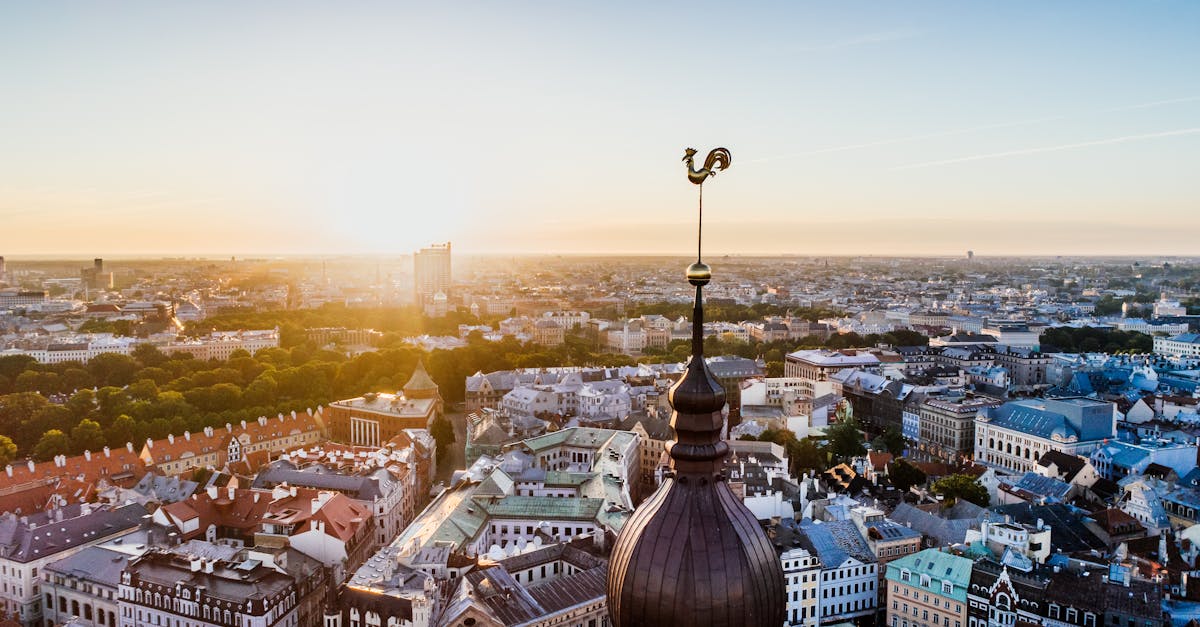
Riga, the capital of Latvia, stands at the heart of the country’s cultural and artistic life. Known for its stunning architecture and bustling urban life, Riga boasts a wide array of museums, galleries, and theaters that host both local and international exhibitions and performances. The city is also home to numerous festivals, such as the Riga International Film Festival, Riga Fashion Week, and the Riga Opera Festival, each offering a glimpse into the nation's creative talents and cultural breadth. You can find more information about Riga’s attractions at Latvia Travel.
Beyond the Capital
Beyond Riga lies a landscape dotted with charming towns and serene countryside, offering peace and relaxation to those who seek it. Coastal locales and quaint fishing villages provide an inviting escape from the bustle of city life, while the expansive forests and lakes offer countless opportunities for outdoor adventures.
Cultural Immersion
Heritage and Traditions
Latvian culture is intricately linked with its history and traditions, from the art nouveau architecture that adorns Riga to the folk songs that trace back centuries. Understanding Latvia involves engaging with its customs, whether it's celebrating the vibrant midsummer festival Jāņi with traditional songs and dances or participating in folk craft workshops.
A Welcoming Community
Latvians are known for their warmth and hospitality, making it easier for newcomers to integrate into the local community. While Latvian is the official language, many younger Latvians and those in urban areas are proficient in English, easing the language barrier for expatriates. For further assistance with Latvian language and communication, refer to Latvia Travel resources.
General Appeal
Urban vs. Rural Balance
One of Latvia's most appealing aspects is the harmonious balance between urban and rural environments. This makes it an ideal destination for individuals and families seeking both cultural and natural experiences. Whether you're enjoying the nightlife in Riga or taking a peaceful stroll in the Latvian countryside, the nation’s diverse landscape caters to varied preferences and lifestyles.
Thriving Arts Scene
Latvia supports a burgeoning arts scene that goes beyond the traditional theaters and galleries. The nation hosts numerous modern arts and design fairs, and its creative industries are rapidly evolving, attracting international attention and fostering a thriving artistic community.
Connectivity and Convenience
Notably, Latvia's location in Northern Europe offers easy access to neighboring Baltic and Scandinavian countries, making it a strategic base for regional exploration. Its well-developed transport infrastructure, including a comprehensive public transport network within cities and reliable intercity connections, ensures ease of travel.
In conclusion, Latvia presents a rich tapestry of cultural and natural wonders. It is a place where history and modernity coexist, where cultural richness is deeply embedded in daily life, and where an inviting community makes finding a home away from home not only possible but enjoyable. Moving to Latvia means embracing a lifestyle that harmonizes past traditions with a dynamic present and future.
Visa & Immigration Requirements
Visa Types
Latvia, as a member of the European Union and the Schengen Agreement, provides several visa options for travelers and prospective residents. Citizens of third countries, including those from the United Kingdom, may apply for a Schengen visa to enter Latvia. The Schengen visa allows for short stays up to 90 days within a 180-day period for purposes such as tourism, business, or family visits.
Key Visa Types:
- Schengen Visa: For stays up to 90 days. Available for tourism, business, or short-term family visits.
- Long-Stay Visa (D Visa): For stays exceeding 90 days. Suitable for work, study, and other long-term engagements.
- Residence Permit: For persons seeking to reside in Latvia for employment, family reunification, or study.
For further information, visit the Latvian Embassy in London.
Application Steps
Schengen Visa:
- Determine the Type of Visa: Verify your eligibility and the type of Schengen visa you require.
- Gather Required Documents:
- Valid passport (issued within the last 10 years and valid for at least 3 months beyond one’s departure from the Schengen area)
- Completed and signed visa application form
- Passport-sized photographs
- Travel itinerary and proof of accommodation
- Travel medical insurance
- Proof of financial means
- Submit Application: Applications can be submitted no more than six months before the planned travel date and no later than 15 days prior.
- Schedule an Appointment: Arrange an appointment through the Joint Visa Application Centres for Latvia.
- Attend Appointment: Provide biometric data and any necessary interviews.
- Pay Fee: Visa application fees must be paid. Fees may vary.
Long-Stay Visa (D Visa) and Residence Permit:
- Eligibility Check: Determine your eligibility for a long-stay visa or residence permit.
- Document Submission: Prepare specific documents related to the purpose of your stay—academic admission, job contracts, etc.
- Application Procedure:
- Submit the application either through a Latvian embassy or consulate or, if applicable, upon arrival in Latvia.
- Attend Interview: Participate in any required interviews or provide biometric data.
- Fee Payment: Fees vary depending on the visa or permit type.
For further details on application procedures, visit the Latvian Embassy in London.
Pathways to Residency or Citizenship
Residency:
- Temporary Residence Permit: Initially granted based on criteria such as work, study, or family reunification. Generally issued for one to five years.
- Permanent Residence Permit: Eligible after five years of continuous temporary residency. Requires passing a Latvian language and knowledge test.
Citizenship:
- Naturalization: After ten years of residence, a permanent resident can apply for Latvian citizenship, subject to language proficiency tests and cultural understanding.
- Dual Citizenship: Latvia allows dual citizenship under certain conditions, typically for those who acquire citizenship by natural descent.
For more comprehensive information on residency and citizenship pathways, please consult reputable sources or seek advice from immigration specialists. Apply early for residency permits to account for procedural timeframes and potential delays.
Practical Advice
- Start Early: Begin the visa application process well in advance to accommodate any unforeseen delays or additional requirements.
- Stay Updated: Regularly consult official resources or contact the Latvian Embassy for the latest visa policies and procedural changes.
- Professional Assistance: Consider hiring immigration consultants for more complex cases or if language barriers exist.
For those aiming to make Latvia home, understanding and navigating its visa and immigration landscape forms a foundational step in your relocation journey.
Cost of Living
Introduction
Understanding the cost of living in Latvia is crucial for anyone planning to relocate to this culturally rich nation. Living expenses can vary greatly depending on your lifestyle, location, and accommodation choices. This guide offers a thorough breakdown of essential financial aspects, including housing, daily expenses, and a financial comparison to help you make informed decisions.
Housing
Rental Market
Latvia's housing market is both diverse and affordable compared to Western Europe. Here are key points to consider when looking for accommodation:
- Apartments: The most common housing option for expatriates in Latvia. In Riga, Latvia's capital, the average monthly rent for a one-bedroom apartment in the city center is approximately €400-€600, whereas outside the city center, it drops to €300-€450.
- Houses: Large family homes are available in suburban areas, with rents ranging from €700 to €1,300 per month depending on size and location.
- Student Housing: The University of Latvia offers student hotels like "Prima" and "Reznas," which provide affordable accommodation with convenient access to public transportation. Visit the University of Latvia Accommodation Page for more details on pricing and availability.
Buying Property
For those interested in purchasing property:
- Prices: The average price per square meter for an apartment in Riga is approximately €1,500. Prices may vary in other regions, often being lower outside of the capital.
- Process: Engaging a real estate agent can be very beneficial in navigating local property laws and finding properties that meet your needs.
Daily Expenses
Food and Groceries
- Groceries: Monthly grocery bills can range from €150 to €300 for a single person, depending on dietary habits.
- Dining Out: Dining at local restaurants is affordable. A meal at an inexpensive restaurant typically costs around €10-€15, while a three-course meal for two at a mid-range restaurant costs about €40.
Transportation
- Public Transport: Latvia boasts a comprehensive network of buses, trams, and trains. A single ticket within Riga costs around €1.15. Monthly passes are available for approximately €50.
- Car Ownership: Fuel costs roughly €1.40 per liter, and monthly car-related expenses can range from €100 to €300, including fuel, insurance, and maintenance.
Healthcare and Insurance
Healthcare in Latvia is a blend of public and private services. The National Health Service offers basic medical coverage, but private health insurance can provide more comprehensive care at costs ranging from €30 to €100 per month.
Financial Comparisons
Cost of Living Index
When comparing Latvian living costs with other countries, here’s a brief overview:
- Lower than Western Europe: Latvia's cost of living is significantly lower than that of many Western European countries, making it an attractive destination for expatriates seeking to reduce living expenses.
- Similar to Other Eastern European Countries: Costs often align with those in nearby Eastern European nations like Lithuania and Estonia.
Salary Expectations
The average monthly net salary in Latvia is around €900-€1,100. This can vary depending on industry, experience, and location. Reviewing industry-specific salary data is recommended to set realistic expectations.
Practical Advice
- Budgeting: Create a structured budget before relocation, considering housing, transportation, food, and healthcare expenses.
- Adaptation: Embrace local markets, products, and dining options to manage daily costs efficiently.
- Networking: Engage with local communities or expatriate groups to gain insights into cost-saving tips and recommendations.
In conclusion, while Latvia offers a lower cost of living compared to many European nations, thorough research and preparation can ensure a smooth transition and a comfortable lifestyle. For more insights and information, consider visiting Latvia Travel and the Latvian Embassy in London.
Employment Opportunities
Job Market Overview
Latvia's labor market has evolved considerably in recent years, reflecting shifts in both global economic trends and local industry developments. Whether you are an expatriate or a local resident considering new opportunities, understanding the nuances of Latvia's job market is crucial.
- Growth Sectors: The country's most significant growth has occurred in the human health and social work activities, information and communication, and administrative and support service activities sectors. These areas have shown robust demand, offering numerous job openings.
- Positions in Demand: There is a notable demand for technicians, associate professionals, skilled agricultural, forestry, fishery workers, and craft and related trades workers. This demand highlights the diversity of opportunities available across different sectors.
For more detailed labor market information, visit the European Labour Authority.
High-Demand Industries
Understanding the landscape of high-demand industries can significantly enhance job search strategies.
- Agricultural, Forestry, and Fishery Industries: These industries have experienced a marked increase in job openings, with a rise of 1.8 percentage points. Workers skilled in these fields are highly sought after, particularly in rural regions of Latvia.
Taking into account these growing industries can provide strategic entry points for job seekers wishing to align with Latvia's economic strengths.
Work Regulations
When considering employment in Latvia, it is essential to be familiar with the local work regulations to ensure a smooth integration into the workforce.
- Employment Contracts: Employment in Latvia commonly requires a written contract, specifying job duties, salary, work hours, and other employment conditions.
- Work Hours and Compensation: The standard workweek is 40 hours, with a statutory minimum wage that is periodically updated. Overtime work is also provided for under specific conditions, often remunerated at a higher rate.
- Social Security Contributions: Both employers and employees contribute to social security, which covers benefits such as health insurance, unemployment, and pensions.
Ensure compliance with all local regulations by consulting these details. Further guidance can be sought from local legal advisors or employment agencies.
Practical Advice for Job Seekers
To capitalize on the expanding Latvian job market, consider the following practical steps:
- Networking: Engage with local business communities, attend job fairs, and participate in professional events in Latvia to build connections that may lead to job opportunities.
- Language Skills: While many Latvians speak English, learning Latvian can greatly enhance job prospects, especially in local companies.
Explore language courses via platforms such as Duolingo or Rosetta Stone to improve your Latvian proficiency.
- Job Portals and Recruitment Agencies: Utilize online job portals, such as CV.lv or WorkingDay Latvia, to find job listings that align with your skills and interests. Engaging with recruitment agencies can also provide personalized job placement services.
By following these practical steps and keeping informed about market trends, job seekers can successfully pursue employment opportunities in Latvia.
Useful Resources
To support your job search and acclimatization in Latvia, leverage the following resources:
- Latvian Embassy in London: For visa applications and work authorization processes, visit the Latvian Embassy in London.
- University of Latvia Accommodation: For housing options as you secure employment, consider lodgings offered by the University of Latvia.
Conclusively, understanding and tapping into Latvia’s dynamic labor market, coupled with adherence to work regulations, can lead to fruitful employment experiences in the country.
Housing & Accommodation
Finding and Securing Housing in Latvia
Relocating to Latvia involves finding a suitable place to live, whether in the bustling city of Riga or the serene countryside. Here’s a detailed guide on how to find and secure housing in Latvia.
Online Platforms and Real Estate Agents
- Real Estate Websites: Use platforms like SS.lv, City24.lv, or Arcoreal.lv to browse current listings for rent or purchase. These sites offer various filters to narrow down based on price, location, and housing type.
- Real Estate Agents: Hiring a local real estate agent can simplify your search, especially if you’re unfamiliar with the Latvian housing market. Agents can provide insights into neighborhoods, negotiate prices, and assist with paperwork.
University and Student Housing
- University Accommodation: If you're a student, consider accommodation provided by institutions like the University of Latvia, which offers student hotels such as "Prima" and "Reznas." These are well-connected to the city center and Old Town.
- Student Rentals: For more independent living or if university housing is unavailable, look into shared apartments that cater to students. Websites like Erasmusu.com can be useful to find fellow students to share with.
Neighborhood Considerations
- Riga: The capital offers a mix of historic charm and modern amenities. Areas like the Old Town are tourist-heavy but offer vibrant city life, while neighborhoods like Āgenskalns are more residential and quieter.
- Countryside: Smaller towns and rural areas offer tranquility and natural beauty. Ideal for those looking to escape urban hustle, areas along the Gauja National Park or in beach towns like Jūrmala are excellent options.
Typical Lease Terms and Conditions
Types of Leases
- Short-term Rentals: These typically range from one to six months, often furnished and inclusive of utilities.
- Long-term Rentals: Standard leases are for one year, with an option for extension.
Lease Agreements
- Security Deposit: Usually one or two months' rent is required as a security deposit, refundable at the end of tenancy, pending inspection.
- Payment Terms: Rent is paid monthly, with utilities sometimes included in the rental price. Ensure clarity about what costs are covered in the rental agreement.
- Legal Requirements: It is essential to have a written lease agreement in Latvian, outlining all terms and responsibilities. Employ a professional translator if needed.
Utilities and Maintenance
- Types of Utilities: Typical utilities include electricity, water, heating, and waste disposal. Internet and telecommunications might be separate.
- Landlord Responsibilities: Generally, landlords handle building maintenance and major repairs, while tenants maintain the interior and cover everyday utility costs.
Tenant Rights and Obligations
- Legal Protections: Tenants have the right to safe and habitable housing conditions. Evictions can only occur through legal proceedings.
- Tenant Duties: Maintain the property, report issues promptly, and adhere to the lease terms, including payment schedules and subletting rules.
Practical Tips for Securing Housing
- Start Early: Begin your housing search at least two to three months before you need to move. This provides ample time to explore options and understand the market.
- Visit in Person: If possible, visit properties personally to get a true sense of the area and condition of the accommodation.
- Negotiate Terms: Don't hesitate to negotiate rent or terms, especially if committing to longer stays. Even nominal reductions can save significantly over time.
- Legal Advice: Consider hiring a legal expert to review lease terms, especially if new to Latvian property law, ensuring adherence to local regulations and avoiding common pitfalls.
Relocating to Latvia offers an enriching experience, with its blend of cultural heritage and scenic beauty. Understanding the housing landscape, lease terms, and local customs will facilitate a smoother transition and a more enjoyable living experience.
For additional resources and assistance, consider visiting these reputable sources: Latvia Travel and the Latvian Embassy in London.
Healthcare System
Public vs. Private Care
Latvia's healthcare system is designed to offer comprehensive care through a mix of public and private sector providers. Here’s what you need to know:
Public Healthcare: Administered by Latvia's National Health Service (NVD), the public healthcare sector is primarily financed through taxation. Regardless of personal income, this tax-financed healthcare system provides general medical services to citizens and residents. The public system covers essential medical care, but patients may experience longer waiting times for certain treatments and specialist consultations.
Private Healthcare: The private healthcare sector complements the public system, offering quicker access to services and higher-end treatments often perceived as more personalized. Many primary care physicians operate independently, and nearly all dental practices and pharmacies are privately owned. Private facilities may offer shorter waiting times and advanced medical services that are typically not covered by public healthcare.
For detailed information on the public healthcare services and how they operate, you can visit the National Health Service website.
Insurance Options
Understanding insurance options in Latvia is key to navigating the healthcare system successfully. Here are the essential insurance considerations:
State Health Insurance: Residents of Latvia are covered under the state’s health insurance upon registration, which provides access to the basic healthcare services managed by the National Health Service. This insurance is automatically provided to employed individuals and certain other groups.
Private Health Insurance: Many residents opt for additional private health insurance to cover services outside of the public system's scope, such as quicker access to specialists and private hospital services. Private health insurance plans vary widely in terms of coverage and cost, so it's crucial to compare options to find a plan that suits your needs.
European Health Insurance Card (EHIC): If you're an EU/EEA national, ensure you obtain an EHIC before arriving in Latvia. This card entitles you to necessary medical treatment at reduced costs or sometimes for free, during a temporary stay in the EU, including Latvia.
It is advisable to reach out to local insurance providers for the most current information on available health insurance plans.
Quality of Facilities
Latvia offers a range of healthcare facilities, with variation in quality and service level primarily between public and private providers:
Public Facilities: These include regional hospitals and healthcare centers that manage a wide array of general medical services. While the infrastructure in public hospitals may not always match the newest standards seen in private facilities, they deliver critical and essential medical services effectively. Waiting times for elective procedures in public hospitals can be longer.
Private Facilities: Known for offering enhanced environments, shorter waiting times, and a more comfortable patient experience, private healthcare facilities in Latvia are generally well-equipped with modern technology and highly specialized professionals. Many private facilities offer multilingual services, which can be advantageous for expatriates.
For expatriates and visitors aiming for prompt, quality care, utilizing private healthcare services could be more beneficial, albeit at a higher cost.
Practical Considerations
To make the most of Latvia’s healthcare system, consider the following actionable steps:
Registration: Make sure you are registered with the local National Health Service if you’re a resident, to access public healthcare benefits.
Insurance Review: Evaluate your healthcare needs and compare private health insurance options for additional coverage and quicker access to services.
Facility Selection: Decide whether you prefer public or private facilities based on immediacy, quality of care, and specialization needed. It’s handy to know the nearest hospitals, especially the emergency care facilities.
Language Preparedness: While many private practitioners speak English, public healthcare staff might have limited proficiency. Learning key Latvian medical terms or having a translation app could ease communication barriers.
For a deeper dive into Latvia’s healthcare services and to stay updated on any changes, regularly check resources like the EU Healthcare Information page.
By understanding the structure and options of Latvia’s healthcare system, newcomers can effectively plan for their healthcare needs and ensure they have the necessary coverage for peace of mind during their stay in the country.
Taxes & Financial Considerations
Local Tax Structures
Understanding the tax structure in Latvia is crucial for anyone planning to relocate to the country. Latvia has a relatively straightforward tax system designed to be competitive and investor-friendly.
Main Taxes
- Personal Income Tax (PIT): Latvia employs a progressive tax rate for individuals. As of 2023, the rates are:
- 20% for annual income up to €20,004.
- 23% for income between €20,005 and €78,100.
- 31.4% for income exceeding €78,100.
- Corporate Income Tax (CIT): Latvia offers a favorable corporate tax environment. The CIT rate is a flat 20% on distributed profits, which makes the effective tax burden lower as retained profits are not taxed.
- Value-Added Tax (VAT): The standard VAT rate is 21%, with reduced rates of 12% and 5% applicable to certain goods and services, such as medical supplies and specific pharmaceuticals.
- Social Insurance Contributions: Employers must contribute 23.59%, and employees contribute 10.50% based on salary. These funds cover state social insurance services, health insurance, and pensions.
Tax Residency
Individuals spending more than 183 days in Latvia within a 12-month period are considered tax residents. Tax treaties might mitigate double taxation, and it is recommended to consult with a tax advisor for personalized advice.
For more detailed information, you can refer to Latvian Public Revenue Service.
Banking
Latvia boasts a modern and highly regulated banking sector offering a range of financial services.
Bank Account Setup
- Opening a bank account in Latvia typically requires a passport, proof of address, and a residency permit if applicable.
- Major banks include Swedbank, SEB Bank, and Citadele Bank. These institutions offer online banking services, making transactions efficient and convenient.
Currency and Payment Systems
- The official currency in Latvia is the Euro (€).
- Cashless transactions are widespread, with credit and debit cards accepted in most establishments. Contactless payments are also commonly used.
Bank Recommendations
- Swedbank: Preferred for its strong digital banking platform and range of financial products.
- SEB Bank: Known for excellent customer service and comprehensive personal banking options.
For detailed guides on moving your banking effortlessly, visit Swedbank Latvia or SEB Latvia.
Foreign Tax Obligations
Those relocating to Latvia should also consider foreign tax implications, particularly if they will maintain income sources outside of Latvia.
Double Taxation Treaties
- Latvia has double taxation agreements (DTAs) with several countries designed to prevent individuals and companies from being taxed twice on the same income.
- You can check the list of countries and further details at Ministry of Finance of the Republic of Latvia.
Reporting Requirements
- If you have foreign income or assets, it is important to comply with Latvian and international tax reporting obligations. Ensure that income from abroad is properly reported to avoid legal complications.
- Consult a tax advisor familiar with both Latvian and international tax systems to navigate these obligations smoothly.
Understanding the tax environment in Latvia, alongside establishing a solid banking foundation, is essential for a smooth financial transition. By familiarizing yourself with local tax laws, utilizing banking services, and addressing any international tax considerations, you can effectively manage your finances in Latvia.
Moving Logistics
Packing/Shipping Tips
Moving to a new country is an exhilarating endeavor, but it comes with its logistical challenges. Proper planning and execution are crucial for a smooth transition to Latvia.
Create a Detailed Inventory: List all items you plan to bring and categorize them. This will help you stay organized and ensure nothing is left behind.
Declutter Before Packing: Selling, donating, or discarding items you no longer need can significantly reduce the volume of your shipment and save costs.
Use Quality Packing Materials: Invest in sturdy boxes, bubble wrap, and packing tape. Fragile items should be packed with extra care. Label each box with its contents and the room it belongs to in your new home.
Pack Essentials Separately: Prepare a separate bag for essential items you'll need upon arrival, such as toiletries, a change of clothes, important documents, and chargers.
Consider Professional Movers: Engaging a reputable international moving company can be beneficial. They offer services like packing, customs clearance, and door-to-door delivery.
Track Your Shipment: Once your belongings are on their way, make sure you have a means to track their progress and an expected delivery date to plan your arrival accordingly.
Useful Resource:
Necessary Documentation
Documentation is key when relocating to Latvia. Ensure comprehensive preparation to avoid any legal issues or delays.
Valid Passport: Your passport must be valid for at least three months beyond your planned departure date from the Schengen area.
Visa: Depending on your nationality, apply for a Schengen visa at the Latvian Embassy or a designated visa application center. Ensure all relevant documents, such as proof of accommodations and travel insurance, are included.
Residence Permit: If planning an extended stay, understand the requirements for a residence permit, which might require proof of employment or invitation from a Latvian resident or institution.
Healthcare Documentation: European Health Insurance Card (EHIC) or private health insurance documentation is essential for your healthcare needs.
Proof of Accommodation: Lease agreements or confirmation from your housing provider will be required.
Financial Proof: Evidence of financial stability, such as bank statements, may be necessary for some visa applications.
Helpful Links:
Pet Relocation Info
Bringing your furry friend to Latvia requires thoughtful planning and adherence to regulations.
Microchipping: Pets must be microchipped with a 15-digit ISO-compliant microchip.
Vaccinations: Ensure your pet is vaccinated against rabies at least 21 days before travel and within 12 months prior to entry into Latvia.
Pet Passport or Health Certificate: You need an EU pet passport if traveling from an EU member state or an official veterinary certificate if arriving from a non-EU country. This certificate must be issued by an authorized vet and is valid for four months.
Blood Test: A rabies titer test is required if traveling from a country not listed as rabies-free by the EU.
Import Notification: Notify the Latvian Food and Veterinary Service in advance, particularly if arriving by plane.
Quarantine: Although Latvia generally does not require quarantine for pets, double-check current regulations as rules may change.
Informative Sources:
Moving to Latvia, with its rich cultural heritage and serene landscapes, is a rewarding experience. Systematic planning for your packing, documenting, and pet relocation process will ensure your transition is as seamless as possible.
Language & Communication
Language Barriers
Latvia, while embracing modernization, remains deeply rooted in its cultural and linguistic heritage. The official language, Latvian, is spoken by the majority of the population and is one of the oldest languages in Europe. Its uniqueness, however, can present challenges for newcomers unfamiliar with its Baltic roots.
Key Considerations
- Latvian as the Official Language: While Latvian is the dominant language, many Latvians are multilingual. Russian is widely spoken, a remnant of the Soviet era, especially among older generations. English is increasingly common, particularly among younger people and in urban areas like Riga.
- Language in the Workplace: In professional settings, especially multinational companies, English is often the lingua franca. However, proficiency in Latvian can significantly enhance employment opportunities and integration into local communities.
Learning Resources
To overcome language barriers, it is beneficial to invest time in learning Latvian, even at a basic level. Fortunately, there are various resources available to assist with language acquisition.
Practical Tools
- Language Courses: Latvian language courses are offered by several institutions, including the University of Latvia. They offer intensive language programs designed for international students and expatriates.
- Online Learning Platforms: Websites like Duolingo and Babbel feature Latvian courses that are accessible for free or a modest subscription fee. These platforms provide flexibility and are a valuable tool for self-paced learning.
- Community Classes: Joining local language exchange groups or community classes can provide both formal education and informal practice opportunities. Platforms like Meetup or Facebook groups often list such community events and exchanges.
Local Etiquette
Understanding local etiquette is crucial for effective communication and integration into Latvian society. The country's rich cultural traditions influence social norms and interactions.
Social Interaction Tips
- Formal Introductions: When meeting someone for the first time, a firm handshake accompanied by direct eye contact is the standard greeting. It is important to address people by their titles and surnames unless invited to use first names.
- Politeness and Respect: Latvians value politeness and modesty. Interruptions during conversations are discouraged, and listening patiently is appreciated. Punctuality is highly regarded in both social and professional settings.
- Gift Giving: If visiting a Latvian home, it is customary to bring a small gift, such as flowers or chocolates, to the host. Always respect shoe removal customs upon entering someone's home, which is common in Latvian households.
Cultural Sensitivities
- Historical Awareness: Demonstrating sensitivity about Latvia's history, particularly concerning the Soviet era, is important. Engaging in respectful discussions about the country’s past reflects cultural awareness and thoughtfulness.
- Participating in Traditions: Showing interest in local traditions and holidays, such as Jāņi (Midsummer's Eve), is a great way to demonstrate respect and integrate into the community.
For those interested in learning more about Latvia’s cultural events and traditions, visit Latvia Travel.
Conclusion
Relocating to Latvia involves navigating language barriers and cultural nuances. By actively learning the language, understanding local etiquette, and respecting cultural traditions, newcomers can enhance their communication abilities and enrich their living experience in Latvia. Engaging with the vast array of languages spoken in the country, from Latvian to Russian and English, will open doors to both personal and professional opportunities, enabling a fuller appreciation and integration into Latvian life.
For further information about relocation resources and cultural guides in Latvia, visit the Latvian Embassy in London or explore educational opportunities at the University of Latvia Accommodation.
Cultural Adaptation
Introduction
Latvia is a nation where history dances seamlessly with contemporary culture. Whether transitioning to Latvia for work, studies, or personal reasons, adapting to the local culture involves understanding and embracing its unique social customs, community integration practices, and managing potential culture shock. This chapter offers insights and practical advice to aid in this adaptation process.
Social Customs
Adjusting to social customs is a crucial step in cultural adaptation. Latvian culture prizes politeness, respect, and reserved behavior. Understanding these nuances can significantly enhance your experiences:
Greeting Etiquette: It's customary to greet each person individually with a firm handshake and eye contact. When addressing people formally, use "Mr." (kungs) or "Ms." (kundze) followed by their last name. First names are generally reserved for friends and close acquaintances.
Language: Latvian is the official language; however, Russian is also widely spoken. Learning basic phrases in Latvian can be beneficial and demonstrate respect for the local culture. Consider using online resources or language apps to get started.
Dining and Tipping: When dining out, tipping around 10% for good service is appreciated but not mandatory. During meals, it's common to wait until the host or elder begins eating first.
Festival Participation: Engaging in local festivals, such as the "Jāņi" (Midsummer) festival, provides a valuable opportunity to immerse yourself in Latvian culture. These events offer insight into local traditions, music, and cuisine.
Community Integration
Building a community network is essential for a fulfilling and successful stay in Latvia. Here's how you can feel more connected:
Join Local Groups: Many cities, especially Riga, have expatriate communities and clubs that can provide support and social opportunities. Engaging with these groups can ease the transition and help foster friendships.
Volunteer Opportunities: Participating in volunteer work is a productive way to meet new people and contribute to local causes. Organizations such as "Latvian Red Cross" welcome international volunteers.
Cultural Institutions: Latvia's rich tapestry of museums, theaters, and art galleries are not just for visiting; they are venues for interaction and learning. Becoming a member or regular visitor can enhance your understanding of local culture and history.
Managing Culture Shock
Culture shock is a common experience when adapting to a new cultural environment. The key lies in managing it effectively:
Stay Open-Minded: It's crucial to approach cultural differences without judgment. Observing and learning before forming opinions can prevent misunderstandings.
Establish a Routine: Keeping familiar elements in your daily routine, such as exercise or hobbies, can provide comfort and stability amidst new experiences.
Professional Support: If culture shock leads to prolonged discomfort or anxiety, seeking support from local mental health professionals may be beneficial. Many offer services in English or can recommend colleagues who do.
Regular Reflection: Keeping a journal can aid in processing your experiences and feelings, helping you identify what is positive and what may need adjustment.
Conclusion
Navigating the cultural landscape of Latvia requires patience, openness, and a willingness to engage. By understanding the local customs, actively seeking community involvement, and effectively managing the inevitable culture shock, you're set to enjoy a fruitful and enriching stay in this beautiful Baltic nation.
For more information on living and traveling in Latvia, please visit the Latvia Travel website.
Essential Resources
Relocating to Latvia entails more than just packing your belongings and booking a flight. To ensure a smooth transition, it is crucial to familiarize yourself with essential resources, including emergency contacts, reputable websites, and a directory of local services. This chapter provides actionable advice and links to key information, helping you navigate potential challenges with confidence.
Emergency Contacts
Being prepared for emergencies is vital, particularly in a new country. Below are essential emergency contact numbers you should keep handy upon moving to Latvia:
- General Emergency Services (Police, Fire, Ambulance): 112. This is the single European emergency number available everywhere in the EU.
- Police Department (Non-emergency): For non-urgent police issues, contact 110.
- Ambulance Service (Non-emergency): 113 for medical emergencies that do not require immediate life-saving intervention.
- 24-hour Pharmacies: In Riga, Benu Pharmacy is widely accessible for urgent medicinal needs at night.
Reputable Websites
These websites offer valuable information and services for newcomers and long-term residents in Latvia:
- Latvia Travel: This platform provides an extensive overview of life, culture, and day-to-day navigation in Latvia. Visit Latvia Travel
- European Labour Authority: Insight into the job market and employment regulations in Latvia. Visit European Labour Authority
- University of Latvia Accommodation: Comprehensive guide for seekers of educational housing solutions. Visit Accommodation
- EU Healthcare Information: Detailed healthcare service information for new residents. Visit EU Healthcare Information
- Latvian Embassy in London: Visa and immigration guidelines for potential movers. Visit Latvian Embassy
Brief Directory of Local Services
For practical day-to-day living, take note of these local service categories and suggestions:
Healthcare Services
General Practitioners: Register with a local GP upon arrival. To find a physician, use resources from the National Health Service of Latvia.
Dental Care: Predominantly private practices. Use local searches or recommendations from your GP.
Housing and Utilities
Public Housing Assistance: Contacts for housing queries can be made through municipal portals; explore housing listings at City24.lv.
Utilities Providers: Engage with companies like Latvenergo for electricity and Lattelecom for internet and telecommunications.
Education Institutions
Public Schools: Contact the Ministry of Education and Science for enrollment procedures and school options.
Universities: Consider educational opportunities at the University of Latvia; more information is accessible here.
Transportation Services
Public Transport: Riga boasts a comprehensive network of buses, trams, and trolleybuses. More details are available at Rīgas Satiksme.
Taxi Services: Apps like Bolt and Yandex Taxi are widely used.
Financial Services
Local Banks: Major banks like Swedbank and SEB offer accounts for residents. Be sure to inquire about personal banking services tailored to foreigners.
Conclusion
By acquainting yourself with these resources, you can effectively address and manage any challenges associated with relocating to Latvia. Remember to keep emergency contacts reachable, leverage reputable websites for up-to-date information, and utilize local services to simplify your daily life as you settle into your new home.