
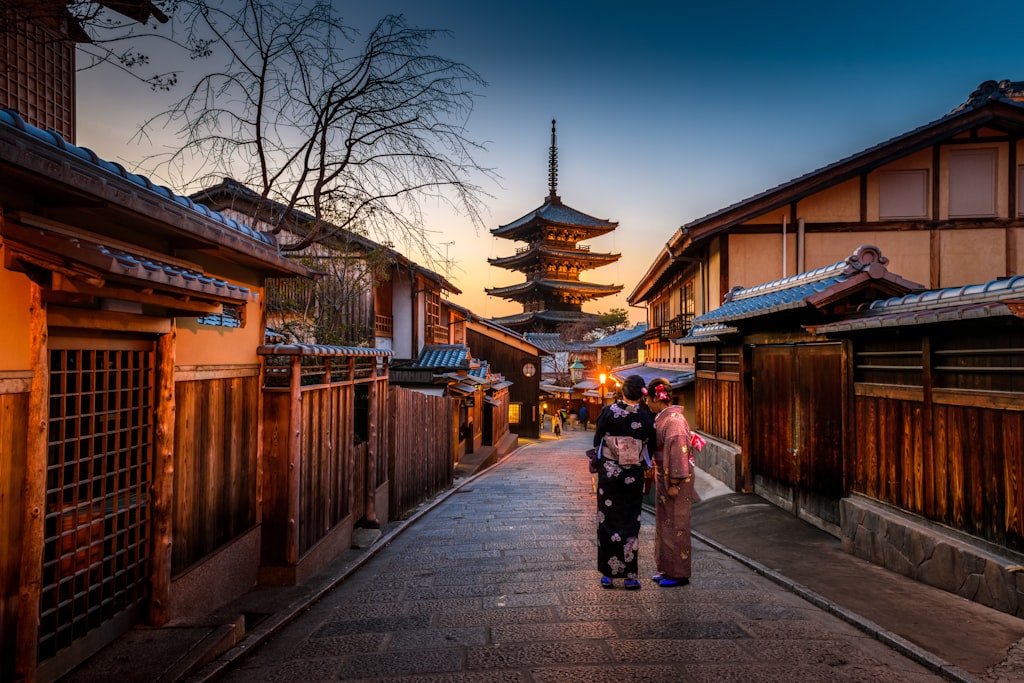
Living in Japan
A unique blend of tradition and cutting-edge technology, offering excellent infrastructure, safety, and cultural experiences. Japan provides opportunities in tech, teaching, and various other sectors.
Next Steps
- 1Apply for the relevant visa (work, study, or family) at the nearest Japanese Embassy or Consulate General in your home country.
- 2Secure a Certificate of Eligibility from your employer, school, or family member in Japan before submitting your visa application.
- 3Search for job opportunities through websites like Dai Job, GaijinPot, and Indeed, and consider working with a real estate agent to find housing.
- 4Register your place of residence at the city/ward office within 14 days of arrival and obtain a residence card and 'My Number' card for official procedures.
The Complete Guide to Living in Japan
Table of Contents
- Visa and Immigration Requirements
- Cost of Living
- Employment Opportunities
- Housing and Accommodation
- Healthcare System
- Taxes and Financial Considerations
- Moving Logistics
- Language and Communication
- Cultural Adaptation
- Essential Resources
Visa and Immigration Requirements
Types of Visas
Japan offers various types of visas for foreigners, including:
- Work visa
- Student visa
- Spouse visa
- Tourist visa
- Working holiday visa
Application Process
To apply for a Japanese visa:
- Determine the appropriate visa type
- Gather required documents (passport, application form, photos, etc.)
- Submit application to the nearest Japanese embassy or consulate
- Pay the visa fee
- Wait for processing (typically 5-10 business days)
Residency and Citizenship
To obtain permanent residency in Japan:
- Reside in Japan for at least 10 years consecutively
- Have a valid long-term visa
- Demonstrate good conduct and sufficient income
For citizenship:
- Reside in Japan for at least 5 years consecutively
- Be at least 20 years old
- Demonstrate good conduct and sufficient income
- Renounce current citizenship (Japan doesn't allow dual citizenship)
Cost of Living
Housing Expenses
- Average monthly rent in Tokyo: ¥80,000 - ¥300,000 ($700 - $2,600)
- Average property price in Tokyo: ¥60-80 million ($525,000 - $700,000)
Daily Expenses
- Utilities: ¥10,000 - ¥20,000 per month
- Groceries: ¥30,000 - ¥60,000 per month
- Transportation: ¥10,000 - ¥20,000 per month
- Healthcare: Covered by national health insurance (30% copay)
Financial Comparison
The cost of living in Japan is generally lower than in major US cities:
- Tokyo is about 30% cheaper than New York City
- Osaka is about 45% cheaper than San Francisco
Employment Opportunities
Job Market Overview
In-demand industries in Japan include:
- IT and technology
- English teaching
- Finance and banking
- Healthcare
- Manufacturing
Job Search Strategies
Effective methods for finding work in Japan:
- Use job search websites like Daijob, GaijinPot, and Indeed Japan
- Network through professional associations and LinkedIn
- Attend job fairs for international candidates
- Consider working with recruitment agencies specializing in foreign hires
Work Regulations
Key points about Japanese labor laws:
- Standard work week: 40 hours
- Minimum paid leave: 10 days per year
- Overtime pay: 25-50% above regular hourly rate
- Termination notice: 30 days or more
Housing and Accommodation
Finding Accommodation
Tips for renting in Japan:
- Use real estate websites like Suumo or At Home
- Work with real estate agents specializing in foreigner-friendly properties
- Consider share houses for more affordable options
Lease Agreements
Key terms in Japanese lease agreements:
- Initial costs: Usually 4-6 months' rent (deposit, key money, agent fee)
- Contract period: Typically 2 years
- Renewal fee: Often required, usually 1 month's rent
Neighborhood Guide
Popular areas for expatriates in Tokyo:
- Minato (Roppongi, Azabu)
- Shibuya (Daikanyama, Ebisu)
- Setagaya (Shimokitazawa)
- Meguro (Nakameguro)
Healthcare System
Accessing Healthcare
To enroll in Japan's national health insurance:
- Register your residence at the local city office
- Apply for health insurance at the same office
- Receive your insurance card
Health Insurance
- National Health Insurance (NHI): Mandatory for all residents
- Private insurance: Available as supplementary coverage
Medical Facilities
- High-quality hospitals and clinics available in urban areas
- Language barriers may exist in smaller facilities
- Some international clinics cater specifically to expatriates
Taxes and Financial Considerations
Local Tax System
- Income tax rates: 5-45% progressive scale
- Residence tax: Approximately 10% of annual income
US Tax Responsibilities
- File annual US tax returns
- May qualify for Foreign Earned Income Exclusion
- Consider working with a tax professional familiar with expatriate taxes
Banking
To open a bank account in Japan:
- Choose a bank (e.g., MUFG, Mizuho, SMBC)
- Bring your residence card, passport, and hanko (personal seal)
- Complete application forms
- Receive your cash card and account details
Moving Logistics
Packing and Shipping
- Consider climate and living space when deciding what to bring
- Use international moving companies for large shipments
- Be aware of customs regulations for restricted items
Documentation
Essential documents to prepare:
- Passport
- Visa
- Birth certificate
- Marriage certificate (if applicable)
- Academic diplomas and transcripts
- Medical records and prescriptions
Pet Relocation
To bring a pet to Japan:
- Microchip your pet
- Vaccinate against rabies
- Obtain an animal health certificate
- Apply for an import permit
- Prepare for potential quarantine (up to 180 days)
Language and Communication
Language Proficiency
- Basic Japanese is essential for daily life
- Advanced Japanese may be required for certain jobs
Learning Resources
- Language schools: Berlitz, Coto Academy
- Apps: Duolingo, Memrise, WaniKani
- Language exchange: HelloTalk, Tandem
Communication Tips
- Use translation apps like Google Translate or iTranslate
- Learn basic phrases and greetings
- Be patient and respectful when facing language barriers
Cultural Adaptation
Social Etiquette
Important customs in Japan:
- Bow when greeting or thanking someone
- Remove shoes when entering homes
- Use chopsticks correctly
- Be punctual and respectful of others' time
Community Integration
- Join expatriate groups on Facebook or Meetup
- Participate in local community events
- Volunteer for international organizations
Managing Culture Shock
- Stay connected with family and friends back home
- Maintain a positive attitude and open mind
- Seek support from other expatriates or counseling services
Essential Resources
Emergency Contacts
- Police: 110
- Fire/Ambulance: 119
- Japan Helpline: 0570-000-911
Useful Websites
- Japan National Tourism Organization: www.jnto.go.jp
- Tokyo Metropolitan Government: www.metro.tokyo.lg.jp/english/
- Japan Guide: www.japan-guide.com
Local Services
- International schools: American School in Japan, British School in Tokyo
- Healthcare providers: St. Luke's International Hospital, Tokyo Medical University Hospital
- Utilities: Tokyo Electric Power Company (TEPCO), Tokyo Gas
Citations:
[1] Ministry of Foreign Affairs of Japan. (2024). Visa Information. https://www.mofa.go.jp/j_info/visit/visa/index.html
[2] Numbeo. (2024). Cost of Living in Japan. https://www.numbeo.com/cost-of-living/country_result.jsp?country=Japan
[3] Jobs in Japan. (2024). Get a (better) job in Japan now. https://jobsinjapan.com
[4] Global Legal Insights. (2024). Employment & Labour Laws and Regulations 2024 | Japan. https://www.globallegalinsights.com/practice-areas/employment-and-labour-laws-and-regulations/japan/
[5] Firststep-jp.com. (2023). Rental Contract types in Japan: Fixed Contract VS Normal Contract. https://www.firststep-jp.com/post/rental-contract-types-in-japan-fixed-contract-vs-normal-contract
[6] Wikipedia. (2024). Health care system in Japan. https://en.wikipedia.org/wiki/Health_care_system_in_Japan
[7] The Commonwealth Fund. (2020). Japan | International Health Care System Profiles. https://www.commonwealthfund.org/international-health-policy-center/countries/japan
[8] Expatica. (2024). Getting Japanese citizenship. https://www.expatica.com/jp/move/immigration/japanese-citizenship-79891/
[9] Pacific Prime. (2024). Living Abroad In Japan: Cost Of Living And Visas. https://www.pacificprime.com/blog/living-abroad-in-japan.html
[10] EF Education First. (2024). Student exchange programs in Japan. https://www.ef.com/wwen/pg/student-exchange/japan/
Citations:
[1] https://www.mofa.go.jp/j_info/visit/visa/index.html
[2] https://www.juridique.jp/visa/new.php
[3] https://www.numbeo.com/cost-of-living/country_result.jsp?country=Japan
[4] https://www.reddit.com/r/movingtojapan/comments/ssje4q/stupid_question_is_living_in_japan_really_all/
[5] https://www.reddit.com/r/JapanFinance/comments/1fa8a3r/tokyo_re_rent_vs_buy_how_much_do_you_lose_over_10/
[6] https://jobsinjapan.com
[7] https://www.globallegalinsights.com/practice-areas/employment-and-labour-laws-and-regulations/japan/
[8] https://www.reddit.com/r/JapanTravelTips/comments/16bb4qp/best_way_to_book_hotels_in_japan/
[9] https://www.reddit.com/r/japanresidents/comments/185uybe/good_tokyo_neighborhoods_to_live_in/
[10] https://taxsummaries.pwc.com/japan
[11] https://www.reddit.com/r/japanlife/comments/14pc8pm/has_anyone_lived_here_longterm_without_learning/
[12] https://www.ef.com/wwen/pg/student-exchange/japan/
[13] https://www.icla.ygu.ac.jp/en/why-study-in-japan/culture-shock/
[14] https://en.wikipedia.org/wiki/Paris_Syndrome
[15] https://www.expatica.com/jp/move/immigration/japanese-citizenship-79891/
[16] https://www.pacificprime.com/blog/living-abroad-in-japan.html
[17] https://www.japantimes.co.jp/business/2024/01/30/economy/japan-tight-job-market/
[18] https://www.firststep-jp.com/post/rental-contract-types-in-japan-fixed-contract-vs-normal-contract
[19] https://en.wikipedia.org/wiki/Health_care_system_in_Japan
[20] https://www.commonwealthfund.org/international-health-policy-center/countries/japan