Best Countries to Relocate with Cryptocurrencies in 2026

Not sure where to start? Our free Relocation Wizard matches you to your ideal country in minutes.
Key Takeaways
- The best countries to relocate with cryptocurrencies in 2026 combine progressive crypto regulations, favorable taxation, and accessible digital nomad visas.
- Portugal and Spain have revamped digital nomad visas with lower income thresholds and attractive tax incentives.
- The United Arab Emirates remains a top pick for crypto-wealth holders thanks to zero income tax and a robust crypto ecosystem.
- Emerging destinations like Mexico, Costa Rica and Eastern European countries such as Poland and Czech Republic offer affordable living with increasing crypto-friendly policies.
- Understanding visa rules, tax policies on crypto income, and local crypto services is essential for secure and growth-oriented relocation decisions.
Why Choose Countries to Relocate with Cryptocurrencies in 2026?
Cryptocurrency is reshaping how global citizens store and manage wealth. In 2026, more expats and digital nomads are seeking countries that not only accept crypto assets but offer legal clarity and incentives around digital currencies. Picking the right country to relocate with cryptocurrencies means navigating complex legal frameworks, securing access to crypto-friendly banking, and optimizing taxation on crypto income. Countries with specialized remote work visas and streamlined residency programs have surged in popularity, making it easier for crypto-enthusiasts to settle, invest, and thrive.
Cryptocurrency adoption is no longer niche — governments worldwide are adapting their policies. For crypto holders looking to relocate, 2026 marks a turning point with expanding Digital Nomad Visa programs, new tax regulations on crypto earning, and the rise of countries embracing blockchain technology in finance and public services.
Quick Tip: Before relocating, check your target country's crypto tax regulations and visa requirements side by side. Use our Relocation Wizard to find matches tailored to your crypto lifestyle.
What to Look for in Countries to Relocate with Cryptocurrencies
Crypto-Friendly Regulations and Legal Frameworks
A welcoming legal environment minimizes risks related to asset seizure, tax audits, and banking restrictions. Progressive countries often have clear laws defining cryptocurrencies, recognizing them as assets or currencies, and creating licensing frameworks for exchanges and service providers. Look for jurisdictions with:
- Explicit tax treatment for crypto income and capital gains.
- Regulatory clarity around crypto exchanges, wallets, and DeFi platforms.
- Legal protection for digital asset ownership and cross-border transfers.
Tax Policies on Crypto Income
Taxation can make or break a relocation decision. Some countries tax crypto gains flatly, others exempt all crypto transactions, and many impose residency-based worldwide taxation. Consider:
- Whether the country taxes crypto gains as capital income or regular income.
- Availability of tax exemptions or lower rates for foreign-sourced crypto earnings.
- Reporting requirements and thresholds for crypto assets.
Visa Options for Crypto-Savvy Expats
Flexible visa programs, especially Digital Nomad Visas or “Virtual Worker” permits, are key for relocating crypto users without traditional employment ties. Top destinations provide:
- Clear income proof criteria tailored to freelancers, entrepreneurs, or passive investors.
- Relatively low application fees and minimum stay requirements.
- Multi-year residency options with pathways to citizenship.
Access to Crypto Services
Crypto infrastructure includes exchange availability, ATMs, blockchain startups, fintech innovation hubs, and crypto-friendly banking or payment solutions. A strong ecosystem enables easier spending, exchanging, and investing.
Top Countries to Relocate with Cryptocurrencies in 2026
Portugal

Portugal shines as one of the most attractive countries to relocate with cryptocurrencies thanks to its friendly tax environment and recent visa program updates.
- Visa: The updated D7 Passive Income Visa now accepts an annual passive or remote income proof of approximately €14,000, down from previous higher thresholds. Application fees are around €90–120, making residency accessible outside real estate investment.
- Taxation: Portugal currently offers one of the most attractive tax regimes for crypto holders, with non-habitual resident (NHR) status allowing exemption from capital gains tax on crypto assets for the first 10 years.
- Crypto Ecosystem: Lisbon and Porto feature vibrant blockchain startups, crypto meetups, and increasing merchant acceptance.
- Lifestyle: Quality healthcare, affordable living compared to other Western European nations, and Portugal’s scenic coastlines make it highly appealing.
Spain

Spain introduced its Digital Nomad Visa in mid-2025, making it an increasingly favored destination for remote workers and crypto enthusiasts.
- Visa: The visa requires remote workers to earn at least €2,000 per month and commit to a minimum stay of 6 months. Application costs range from €80–100, with a streamlined online application process.
- Taxation: Digital nomads benefit from a special 15% flat income tax during their first five years, a significant reduction from Spain's normal 24–47% brackets, including on crypto income when tied to active business activities.
- Crypto Infrastructure: Spain’s financial hubs like Madrid and Barcelona host multiple crypto exchanges and fintech ventures, along with growing acceptance of crypto payments.
- Additional Perks: Warm climate, rich culture, and extensive international school options appeal to expat families.
United Arab Emirates

United Arab Emirates remains a magnet for high-net-worth crypto holders and digital nomads alike.
- Visa: The Virtual Working Program offers a renewable one-year visa for remote workers earning a minimum of $5,000 monthly, with an application fee of $287.
- Taxation: Zero income tax and no capital gains tax on cryptocurrencies make the UAE unparalleled for wealth retention.
- Crypto Ecosystem: Dubai and Abu Dhabi position themselves as crypto hubs, with government endorsement through initiatives like the Dubai Blockchain Strategy. Numerous crypto ATM kiosks, exchanges, and professional services abound.
- Lifestyle: World-class healthcare, luxury infrastructure, and top safety rankings make the UAE especially attractive.
Mexico
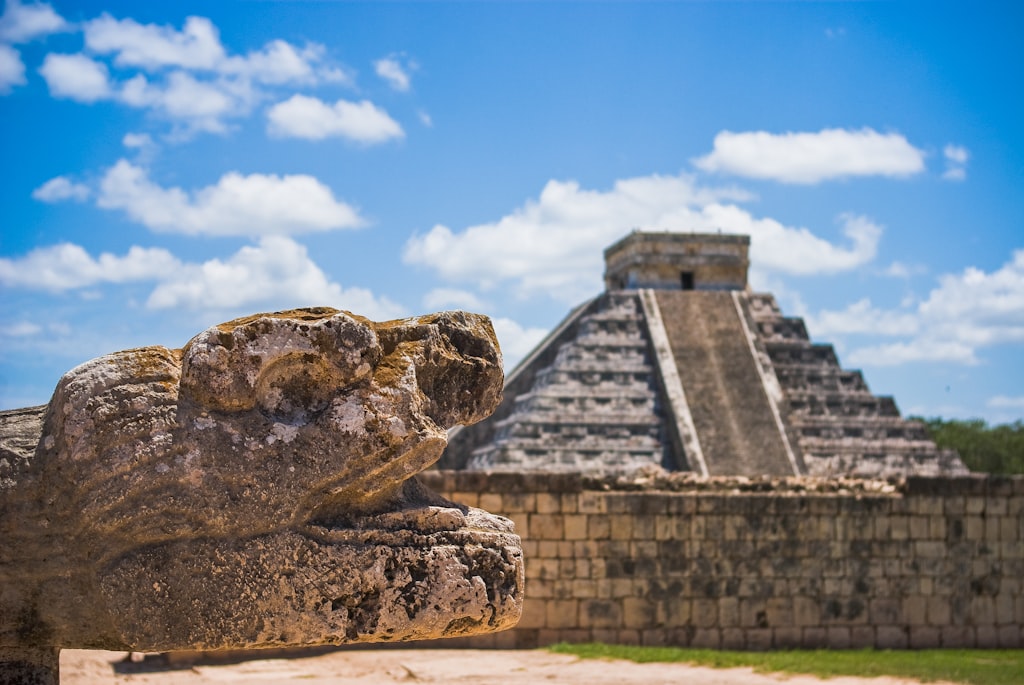
Mexico offers a wallet-friendly option for expatriates with growing crypto acceptance and easy residency.
- Visa: Mexico’s Permanent Resident Visa no longer requires real estate investments but proof of stable monthly income (~$2,400) or savings over $43,000 USD. Visa fees are affordable ($36–50 USD).
- Taxation: Mexico taxes worldwide income but has yet to establish clear, complex crypto-specific laws; tax reporting generally treats crypto as an asset subject to capital gains.
- Crypto Services: Mexico City and Playa del Carmen are rising hubs for crypto startups and digital nomads, welcoming Bitcoin and stablecoin transactions in some businesses.
- Lifestyle: Low cost of living, pleasant climate, and proximity to the U.S. enhance Mexico’s appeal.
Costa Rica

Known for its “Pura Vida” lifestyle, Costa Rica now makes crypto relocation easier with updated residency programs.
- Visa: The Pensionado and Rentista programs have been simplified to attract retirees and independent workers with stable income sources (~$2,500/month). Healthcare access includes a mix of public and affordable private coverage.
- Taxation: Costa Rica does not tax capital gains; crypto gains earned abroad are generally exempt, but tax law clarity is still evolving.
- Crypto Scene: Growing crypto user communities and acceptance in real estate and tourism sectors.
- Lifestyle: Tropical climate, biodiversity, and high healthcare quality attract relaxed expatriates.
Eastern Europe: Poland and Czech Republic

Both Poland and Czech Republic are increasingly popular with digital nomads and crypto professionals.
- Visas: Poland offers a straightforward residence permit for freelancers and entrepreneurs. The Czech Republic runs the Zivno Trade License suited for self-employed foreigners.
- Taxation: Both countries tax crypto as personal income, but new rules aim to clarify and stabilize taxation, with Poland planning limits on annual crypto gains before full declaration is needed.
- Crypto Environment: Growing fintech startups, expanding crypto meetups, and affordable cost of living for EU standards.
- Lifestyle: Central location in Europe, cultural richness, and access to EU healthcare systems.
Quick Tip: Always assess the combined impact of visa conditions, taxation, and crypto ecosystem before committing to relocation. Our free Relocation Wizard can simplify the comparison for you.
Other Noteworthy Countries for Crypto-Friendly Relocation
Georgia

Georgia’s "Virtual Zone" status offers IT specialists and crypto entrepreneurs 0% corporate tax on revenues under GEL 500,000 (~$165,000). With low living costs and simplified residency options, it’s a rising crypto haven.
Singapore

Though expensive, Singapore restructured its Global Investor Program requiring a SGD 2.5 million investment for accelerated permanent residency, catering to high-net-worth expats prioritizing tax efficiency, safety, and world-class healthcare.
Greece

Greece introduced stricter Golden Visa criteria and higher real estate thresholds (€350,000), but retains favorable tax incentives for foreign pensioners and digital nomads willing to commit to 90-day annual stays.
Mexico vs. Costa Rica: Quick Comparison
| Feature | Mexico | Costa Rica |
|---|---|---|
| Visa Requirements | Monthly income ~$2,400 or savings ≥$43,000 | Pensionado/Rentista, ~$2,500 monthly income |
| Crypto Tax Treatment | Capital gains taxed, not fully clear | Crypto gains abroad generally exempt, evolving |
| Cost of Living | Lower, around 30-50% less than US | Moderate, about 10-20% less than US |
| Healthcare | Private and public options, affordable | Strong public/private mix, private insurance $70–200/month |
Check your budget with our cost-of-living calculator.
Frequently Asked Questions
Which countries have the best tax policies on cryptocurrency for expats?
Countries such as Portugal and United Arab Emirates offer highly favorable tax regimes — Portugal’s Non-Habitual Resident program exempts crypto gains for 10 years, while the UAE imposes no income or capital gains tax.
Can I relocate with cryptocurrencies using a digital nomad visa?
Yes. Countries like Spain and Portugal have expanded their digital nomad visa programs with lower income thresholds and tax incentives, explicitly welcoming remote crypto workers.
Are there countries with zero tax on cryptocurrencies?
Yes. The United Arab Emirates and Georgia offer zero or minimal taxes on crypto income, making them attractive for wealth preservation and growth.
How do currency fluctuations affect crypto expats’ relocation decisions?
Fluctuations like the stronger US dollar against the euro or Latin American currencies influence living costs, making destinations like Mexico or parts of Central America more affordable for US-based crypto holders. Conversely, devaluation in places like Turkey may attract expatriates seeking lower costs.
Final Thoughts
Choosing the right countries to relocate with cryptocurrencies in 2026 requires balancing legal clarity, tax optimization, visa accessibility, and quality of life. Destinations like Portugal, Spain, and the United Arab Emirates lead the way with dedicated visa programs and crypto-friendly policies. Meanwhile, affordable living combined with rising crypto infrastructure makes Mexico, Costa Rica, and parts of Eastern Europe compelling options.
Ready to explore where your crypto lifestyle fits best? Start your journey now with our free Relocation Wizard for personalized country matches. Don’t forget to plan your budget with our comprehensive cost-of-living calculator to ensure the move is financially seamless. Your ideal crypto-friendly home awaits!