Best Countries for Expats Seeking Stability Amid Geopolitical Risks 2026

Not sure where to start? Our free Relocation Wizard matches you to your ideal country in minutes.
Key Takeaways
- Countries for expats stability geopolitical risks in 2026 prioritize political calm, resilient economies, and clear, accessible visa policies.
- Traditional hubs like Hong Kong and Singapore face stricter entry rules amid geopolitical and economic shifts, pushing expats to explore safer alternatives.
- European countries such as Portugal and Spain stand out for favorable visa programs, tax advantages, and robust healthcare systems.
- Southeast Asian nations like Thailand, Indonesia, and Malaysia enhance remote-worker visas and maintain affordable living costs amid geopolitical stability.
- Considerations for long-term security include visa flexibility, tax protections, healthcare quality, education standards, and evolving geopolitics when choosing countries for expats stability geopolitical risks.
Understanding Countries for Expats Stability Geopolitical Risks in 2026
As 2026 unfolds, geopolitical tensions and economic volatility increasingly shape global mobility patterns. Expats now prioritize relocation to countries combining political stability, secure visa pathways, resilient economies, and protective tax regimes to hedge against sudden policy shifts or regional uncertainties.
The category of countries for expats stability geopolitical risks includes destinations that balance low political risk, transparent and flexible residency options, and strong social infrastructure. For many expats, this means opting out of traditional financial centers facing tightening immigration rules and geopolitical pressures, and instead seeking alternatives with smoother entry, stable governance, and economic resilience.
Quick Tip: Use our Relocation Wizard early in your planning process to filter countries by political stability and visa flexibility aligned with your personal needs.
Why Traditional Hubs Are Tightening Entry Protocols
Historically favored destinations such as Hong Kong and Singapore remain economic powerhouses but have increasingly tightened visa issuance amid geopolitical concerns and economic recalibrations.
Hong Kong’s Quality Migrant Admission Scheme (QMAS) revised its points-based scoring criteria in early 2026 due to concerns over oversubscription and capital flight, making it harder for passive investors and applicants without direct economic engagement to qualify.
Singapore’s Global Investor Program (GIP) now demands evidence of sustained local business activity tied to the SGD 2.5 million investment threshold, moving away from passive investment models common in prior years. This reduces its appeal to wealthier individuals primarily seeking permanent residency without operational business ties.
These restrictions reflect broader regional geopolitical tensions, intensified scrutiny on cross-border capital flows, and a desire to prioritize active contributors to the local economy. Consequently, expats seeking stability often look to countries offering more welcoming policies and safer geopolitical climates.
Attractive Alternatives in Europe
Portugal: A Model of Stability and Accessibility

Portugal remains one of the most compelling countries for expats stability geopolitical risks in Europe, thanks to:
- Expanded D7 Passive Income Visa: The minimum income requirement for single applicants dropped from €8,460 to about €7,200 annually, easing access for retirees and digital nomads.
- Reformed Golden Visa Program: Investment thresholds remain, but eligibility has shifted focus from high-demand coastal cities (Lisbon, Porto) to interior regions, promoting balanced economic growth and reducing regional disparities.
- Non-Habitual Resident (NHR) Tax Status: Offers up to 10 years of significant tax exemptions on foreign income, a vital advantage for protecting assets against shifting tax laws elsewhere.
- Quality Healthcare and Infrastructure: Portugal boasts universal healthcare with private options, upgraded infrastructure, and growing expat-friendly amenities.
- Political and Social Stability: Portugal ranks highly in global peacefulness and governance indices, strengthening its appeal amid geopolitical uncertainties elsewhere.
Spain: Expanding Flexibility for Remote Workers and Retirees

Spain has introduced new visa programs tailored for the modern expat:
- Digital Nomad Visa (launched late 2025): Allows non-EU remote workers to stay tax-free for up to one year (extendable to two), provided they earn about €2,000/month and hold valid health insurance.
- This complements Spain’s traditional Non-Lucrative Residence Visa, which remains popular for retirees and those with passive income.
- Spain’s large international schools network and accessible healthcare make it attractive to families seeking long-term stability.
- Continued improvements in remote-work infrastructure, especially in cities like Valencia and Barcelona, bolster expat satisfaction.
Quick Tip: To compare monthly living costs and budget for your move to Portugal or Spain, check our cost-of-living calculator.
Croatia: Emerging Digital Nomad and Family Destination

While traditionally not a top expat pick, Croatia has caught attention for:
- Its Digital Nomad Residence Permit allowing stays up to 12 months with multiple-entry options.
- Competitive cost of living relative to Western Europe combined with EU membership — simplifying legal and business frameworks.
- Investments in broadband and urban amenities favorable to young remote workers and families.
- Reliable healthcare systems and an expanding network of international schools.
- Increasing political stability as an EU member, secure from many geopolitical risks affecting neighboring regions.
Stability and Opportunity in Southeast Asia
Thailand: Enhanced Opportunities for Entrepreneurs and Remote Workers

The Thailand Smart Visa program now offers:
- Up to 4-year validity for entrepreneurs and remote workers in tech, healthcare, and related sectors.
- Relaxed monthly income requirements (~THB 100,000, usd ~2,800), making it accessible to a broader range of professionals.
- Thailand’s longstanding political challenges have somewhat stabilized, particularly in expat hotspots like Bangkok and Chiang Mai, with consistent government support for foreign business.
Indonesia: Bali’s Digital Nomad Revolution

Indonesia’s Digital Nomad Relocation Initiative (started 2025) offers:
- Up to 5-year multiple-entry visas with a modest application fee (~USD150).
- Exemption from local income tax on foreign-earned salaries, key for long-term financial planning.
- Bali is rapidly establishing itself as a go-to digital nomad hub, balancing affordability with lifestyle appeal.
Malaysia: Retiree and Family-Friendly Stability

Malaysia is adapting its Malaysia My Second Home (MM2H) program with heightened financial requirements (MYR 1 million ≈ USD 220,000 in liquid assets) but remains attractive due to:
- Affordable healthcare and good infrastructure.
- Quality education options in major cities.
- Moderate political stability supported by diverse economic sectors.
Quick Tip: If healthcare and education are top priorities, carefully compare expat healthcare coverage plans and international school tuition fees within your chosen country using resources including our cost-of-living calculator.
Countries Experiencing Declining Expat Appeal Due to Geopolitical and Economic Factors
- United Kingdom: Brexit repercussions include stricter immigration rules for EU nationals and the abolition of the Tier 1 Investor visa since late 2025, reducing inflow of wealthy migrants.
- GCC Countries: Though the UAE offers long-term visas and remote work permits, ongoing regional geopolitical tensions and rising costs in cities like Dubai soften appeal. Saudi Arabia and Qatar face similar issues with political unpredictability and higher living expenses.
- Hong Kong and Singapore: As noted, tightened immigration criteria and geopolitical risk perception are curbing new arrivals.
Factors Influencing Long-Term Stability for Expats
Visa and Residency Security
Choosing countries with stable, transparent immigration policies that openly communicate changes reduces the risk of sudden visa cancellations or regulatory shocks.
Fiscal and Tax Considerations
Countries with clear, credible tax treaties, beneficial regimes like Portugal’s NHR, and predictable residency tax laws reduce exposure to double taxation and unpredictable fiscal shifts (e.g., Italy’s revised “New Resident” tax regime and Ireland’s shortened relief programs).
Healthcare Quality and Access
Universal, affordable, and high-standard healthcare systems, such as those in Portugal, Spain, and Singapore, remain key for retirees and families.
Education and Family Needs
Increasingly, multilingual schooling and access to reputable international universities weigh heavily in relocation decisions. European countries with broad educational options (Germany, The Netherlands, France) and GCC hubs expanding international schools remain relevant here.
Remote Work Enablement
Countries enhancing remote-work visas and digital nomad programs (Georgia, Thailand, Indonesia, Spain) address evolving work dynamics, encouraging longer-term expat residence despite global uncertainties.
Currency Stability and Cost of Living
Currency depreciation and inflation impact affordability and lifestyle quality. Mexico, for instance, benefits from peso weakness boosting buying power for retirees, while Scandinavian countries face downward pressure due to strong currencies and high costs despite safety.
Comparison Table: Visa Programs and Key Features for Stability
| Country | Visa Program | Duration | Income Req. (Approx.) | Tax Benefits | Key Notes |
|---|---|---|---|---|---|
| Portugal | D7 Passive Income Visa | 1-2 years (renewable) | €7,200/year | 10-year Non-Habitual Resident status | Expanded visa access, Golden Visa shifted inland |
| Spain | Digital Nomad Visa | 1 year (renewable to 2) | €2,000/month | Tax-free remote work during stay | Flexible remote work options |
| Thailand | Smart Visa | Up to 4 years | THB 100,000/month | No local income tax on foreign income | Targeted at entrepreneurs/remote work |
| Indonesia | Digital Nomad Relocation Initiative | Up to 5 years | No minimum income | Foreign-earned income tax exempt | Low fees, multiple entries |
| Croatia | Digital Nomad Residence Permit | 1 year | No strict requirement | Standard EU tax regime applies | Growing remote work infrastructure |
How to Choose a Relocation Country Focused on Long-Term Security
Assess Geopolitical Stability: Research the country’s political climate, historical volatility, and regional risks. Utilize resources like global peace indices and governance transparency reports.
Review Visa Flexibility and Renewal Processes: Prefer countries with clear, straightforward visa rules and minimal risk of sudden changes. Programs designed for remote workers or passive income holders often offer the greatest flexibility.
Analyze Tax Regimes and Treaties: Identify countries with beneficial tax treaties to avoid double taxation and countries offering favorable expat tax status (e.g., Portugal’s NHR).
Consider Cost of Living and Currency Risks: Determine affordability in light of current currency trends, wages, and inflation using tools such as our cost-of-living calculator.
Healthcare and Education Infrastructure: Evaluate health and education standards relative to your family’s needs. Check expat reviews, public healthcare accessibility, and international school availability.
Plan for Remote Work Compatibility: Ensure the country supports remote work legally with visa options and reliable internet infrastructure.
Quick Tip: When in doubt about complex factors like tax or visa rules, consult immigration specialists or trusted expat forums and test multiple countries with our Relocation Wizard for a personalized shortlist.
Frequently Asked Questions
Which countries offer the best visa policies for expats prioritizing stability in 2026?
Countries with flexible and secure visa pathways include Portugal (D7 Visa), Spain (Digital Nomad Visa), Thailand (Smart Visa), and Indonesia (Digital Nomad Relocation). These offer long durations, relatively low income thresholds, and clear renewal rules.
How do geopolitical risks impact expat relocation choices?
Geopolitical instability can lead to sudden visa changes, economic downturns, or social unrest, jeopardizing residency and safety. Expats often avoid regions with high tensions or uncertain policy environments, gravitating towards politically stable nations with transparent governance.
Are traditional expat hubs like Singapore and Hong Kong still attractive in 2026?
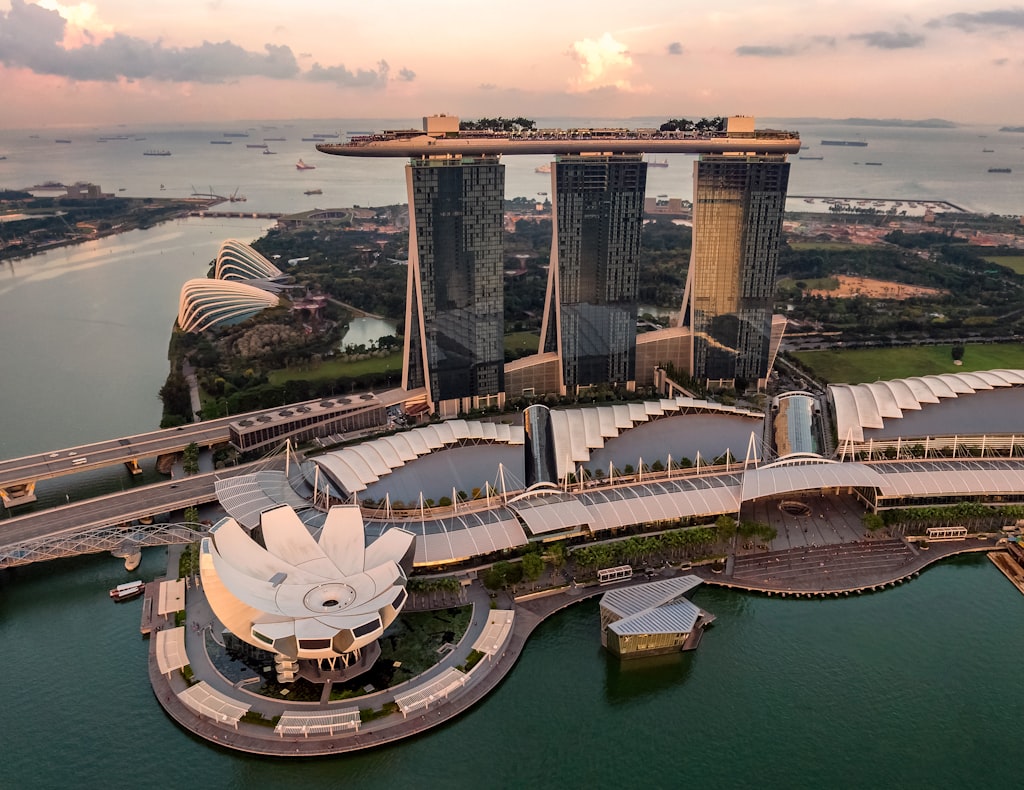
Both hubs remain economic powerhouses but have tightened visa criteria, making passive investment routes less accessible. This discourages some expats seeking low-risk, flexible stays and prompts a shift to emerging alternatives in Europe and Southeast Asia.
What role does healthcare quality play in expat destinations for stability?
Healthcare access is critical for retirees and families. Countries with universal or high-quality private healthcare systems—such as Portugal, Spain, Singapore, and Malaysia—rank higher in stability and long-term suitability.
Final Thoughts
Navigating countries for expats stability geopolitical risks in 2026 requires balancing political calm, visa flexibility, tax benefits, and robust social infrastructure. European nations like Portugal and Spain, along with dynamic Southeast Asian countries such as Thailand, Indonesia, and Malaysia, offer promising, stable environments for relocators seeking long-term security.
Before committing to a move, leverage tools like our Relocation Wizard for a tailored country match and the cost-of-living calculator to realistically budget your lifestyle abroad. Prioritize transparency, flexibility, and your unique personal and financial needs to make the most stable, enriching choice for 2026 and beyond.