
Living in Croatia
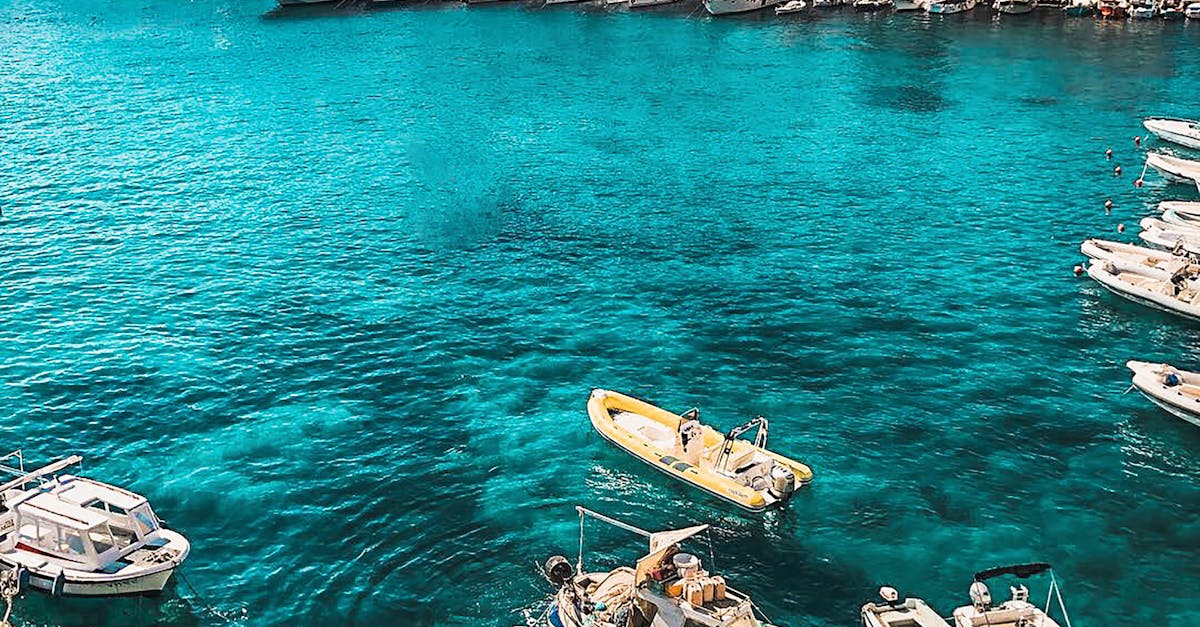
A stunningly beautiful country located in Southeast Europe, known for its picturesque coastline along the Adriatic Sea, historic cities, and vibrant culture. Croatia offers a blend of medieval architecture, Mediterranean charm, and a rich history.
Next Steps
- 1Register with the local police department within 3 days of arrival to initiate the residence permit process.
- 2Secure a job offer from a Croatian employer and have them conduct a labor market assessment through the Croatian Employment Service (HZZ).
- 3Find accommodation and obtain proof of residence, such as a rental agreement or property deed, to include in the residence permit application.
- 4Apply for a temporary residence permit at the nearest police station, providing required documents including a valid passport, proof of income, health insurance, and a clear criminal record.
The Complete Guide to Living in Croatia
Country Overview
Croatia, a gem along the Adriatic Sea, presents itself as an alluring blend of Slavic and Mediterranean cultures. Known for its stunning coastlines, historic cities like Dubrovnik and Split, and warm hospitality, Croatia offers a unique travel and living experience. Its cultural richness is reflected in its diverse traditions, art, music, and architecture, providing a fascinating backdrop for both visitors and residents alike.
Key Attractions
- Historic Sites: From the ancient walls of Dubrovnik to the Roman amphitheater in Pula, Croatia's architectural marvels are must-see destinations.
- Nature's Beauty: Plitvice Lakes National Park and the Dalmatian Islands offer breathtaking natural landscapes that are perfect for exploring.
- Cuisine: Experience the country's culinary delights, including seafood delicacies and traditional dishes such as "peka" and "strukli."
Cultural Appeal
In Croatia, the cultural ethos deeply values family and community. Strong religious and patriotic sentiments underscore many aspects of daily life. Traditional folk art, music, and dance are vibrant elements of Croatian culture, offering a timeless charm that engages both locals and newcomers.
- Community Spirit: Local festivals and events are core to Croatian life, bringing communities together in celebration of their shared heritage. Engaging with these can provide meaningful insights into Croatian traditions.
- Arts and Music: Croatian festivals such as the Dubrovnik Summer Festival showcase the nation's dedication to preserving its cultural artistry.
Practical Information
Visa & Immigration Requirements
Croatia, a member of the Schengen area as of 2023, requires Schengen visas (types A and C) and national long-term visas (type D) for entry. Interested parties should submit applications at Croatian diplomatic missions or consular offices. For residency or citizenship pathways, comprehensive guidance can be found on the Croatian Ministry of Foreign and European Affairs.
Cost of Living
- Housing: Costs vary widely; affordable options can be found via websites like Njuskalo.hr and Oglasnik.hr.
- Daily Expenses: Student cafeterias offer subsidized meals, contributing to manageable living expenses, especially in college towns.
Employment Opportunities
The job market in Croatia is vibrant, particularly in sectors like tourism, IT, and manufacturing. Seasonal work is plentiful in tourism, while the IT sector continues to expand, offering roles in software development and tech support. For more details, visit Talkpal.
Accommodation
Finding a suitable place to live involves a choice between public student dormitories and private accommodations. Transitioning residents can explore listings on platforms like Airbnb, alongside local resources, to find housing that fits their needs and budget.
Healthcare System
The Croatian healthcare system is primarily public, with compulsory health insurance managed by the Croatian Health Insurance Fund. While private healthcare is available, the public system provides broad coverage, engaging most citizens through HZZO contracts. The healthcare sector continues to evolve, focusing on enhancing facility quality and service efficiency.
Taxes & Financial Considerations
For detailed information on local taxes and banking services, resources from the Croatian Ministry of Finance and Croatian National Bank are invaluable.
Moving Logistics
Relocating to Croatia necessitates careful planning. Ensure all documentation is in order by consulting the Croatian Ministry of Foreign and European Affairs. When relocating pets, adhere to guidelines from the Croatian Ministry of Agriculture.
Language & Communication
Croatian is the official language, but English is widely spoken, particularly in urban and tourist areas. Language schools and online courses provide resources for those wishing to learn Croatian. Understanding local etiquette is also crucial for successful integration, with detailed information available through cultural tourism sites like Rewind Dubrovnik.
Cultural Adaptation
Integration into Croatian society involves embracing local social customs and community spirit. Engaging with cultural events and respecting traditions eases the adaptation process, enhancing the living experience in this culturally rich nation.
Essential Resources
- Emergency Contacts:
- Police: 112
- Ambulance: 112
- Fire Department: 112
- Reputable Websites:
- Croatian Ministry of Foreign and European Affairs: mvep.gov.hr
- Croatian Health Insurance Fund: hzzo.hr
- Croatian National Bank: hnb.hr
In conclusion, Croatia presents an inviting blend of historical charm and modern living. Its societal values, coupled with its natural and cultural delights, make it an engaging destination for those considering relocation. With careful planning and an open heart to its vibrant culture, newcomers can find a harmonious and rewarding life in this Adriatic paradise.
Visa & Immigration Requirements
Introduction
Relocating to Croatia involves navigating its visa and immigration requirements, crucial for establishing a legal and peaceful residence in this culturally rich country. As a member of the European Union and recently part of the Schengen area, Croatia offers multiple visa types, clear application steps, and defined pathways to residency or citizenship.
Visa Types
Schengen Visas
- Type A Visa: Airport transit visa, allowing passengers to transit through the international zone of airports in Croatia.
- Type C Visa: Short-stay visa for visits, business, and tourism purposes for up to 90 days within a 180-day period. This includes travel through the Schengen area.
National Long-term Visas (Type D)
- Valid for stays exceeding 90 days, typical for purposes like study, work, or family reunion.
For more on Croatian visa types, visit the Croatian Ministry of Foreign and European Affairs.
Application Steps
Step-by-Step Guide
Identify Visa Type: Determine the appropriate visa type based on your reason for visiting.
Gather Required Documents:
- Valid passport
- Recent photographs
- Travel insurance
- Proof of financial means
- Purpose of stay documentation (e.g., invitation letter, employment contract)
- Submit Application:
- Apply at Croatian diplomatic missions or consular offices.
- Consider using Croatia's official Visas application portal for additional details and guidance.
Pay Visa Fee: Fees vary depending on the visa type and duration of the stay.
Attend an Interview: If required, applicants may need to attend an interview at the embassy or consulate.
Processing Time: This can vary, so apply well in advance (typically 15 days or more).
Pathways to Residency or Citizenship
Temporary Residency
- Eligibility: Generally available for employment, education, or family reunification.
- Validity: Initially issued for a year but renewable annually with the appropriate visa.
Permanent Residency
- Requirements: Requires five consecutive years of temporary residence, knowledge of Croatian language and culture.
- Application: Apply via the local police department's administrative office for foreigners.
Citizenship
- Eligibility: After 8 years of permanent residency.
- Requirements: Must demonstrate knowledge of the Croatian language and renounce previous citizenships (exceptions may apply).
Helpful Resources
For detailed instructions on residency and citizenship, consult the Croatian Ministry of Foreign and European Affairs.
Practical Considerations
- Professional Assistance: Consider engaging HR consultants or immigration lawyers for complex cases.
- Documentation Accuracy: Ensure all documents are accurate and comprehensive to avoid delays.
- Plan Ahead: Start the application process early to accommodate any prolonged processing times.
- Be Informed: Keep updated with EU-wide and Croatian-specific immigration regulations as they evolve.
Embarking on your journey to live in Croatia requires patience and detailed preparation. By understanding the visa types, application procedures, and paths to residency or citizenship, you can efficiently navigate the process and begin enjoying all that Croatia offers.
Cost of Living
Housing
Housing expenses in Croatia vary significantly depending on the city and type of accommodation. Generally, larger cities like Zagreb, Split, and Dubrovnik tend to have higher housing costs compared to smaller towns.
Public Student Dormitories: Ideal for students, these are affordable but limited and often require advance application. Shared accommodations with communal facilities are typical.
Private Accommodation: Costs here can range widely based on location, proximity to city centers, and the quality of housing. Rental prices in major cities can vary, for example:
- Zagreb: €400-€700/month for a one-bedroom apartment.
- Split: €350-€600/month for similar accommodations.
To find housing, use websites like Njuskalo and Oglasnik, which list rentals and properties. For short-term stays, Airbnb is also a viable option.
Daily Expenses
Daily living expenses in Croatia include groceries, transportation, utilities, dining, and leisure activities. Here’s a breakdown of typical costs:
Groceries: A monthly grocery bill for a single person might range from €150 to €250. Local markets often offer more affordable and fresh produce. Popular supermarket chains include Lidl and Konzum.
Transportation: Public transportation is convenient and economical. Monthly public transport passes in cities like Zagreb cost around €50. Taxis and ride-sharing services like Bolt are also available.
Utilities: Expect to spend around €100-€150 monthly for basic utilities (electricity, heating, cooling, water, garbage).
Dining Out: A meal at an inexpensive restaurant will cost approximately €10, while a three-course meal for two at a mid-range restaurant could be about €35.
Recreation and Entertainment: Cinema tickets cost about €7.50, while cultural activities such as museums or exhibitions range between €5-€10.
Financial Comparisons
Croatia's cost of living can be modest compared to other Western European countries, offering a good standard of living for relatively lower expenses.
Financial Structure: The local currency is the Euro (€), and inflation rates have been moderate, but it is advisable to keep abreast of economic changes.
Comparing Costs: Websites like Numbeo can be helpful to compare the cost of living with different countries.
For banking and financial services, foreigners can open bank accounts in Croatia, offering various services for day-to-day transactions. The Croatian National Bank's website provides comprehensive details on financial regulations and banking options.
Practical Advice
Budgeting: Crafting a detailed budget tailored to your lifestyle and the Croatian cost environment is essential. Factor in housing, transportation, food, and discretionary spending.
Saving Tips: Use local markets for groceries, consider purchasing used items on platforms like Njuskalo, and take advantage of student discounts if applicable.
Online Resources: Utilize community forums and expat groups to gather insights and practical advice from individuals who've experienced living in Croatia. Websites like Expat Arrivals can be beneficial.
Understanding these facets of the cost of living will ensure a smoother transition and help you make informed decisions about relocating to Croatia. For detailed inquiries, you may refer to the official governmental resources such as the Croatian Ministry of Finance for tax structures and updates on financial regulations.
Employment Opportunities
Understanding the Job Market
Relocating to Croatia offers an intriguing opportunity to become part of a country with a diverse and evolving job market. The Croatian economy strongly hinges on sectors such as tourism, IT, and manufacturing. Understanding these sectors' dynamics is crucial for anyone considering employment in Croatia.
Key Industries
- Tourism
- Croatia's picturesque landscapes and historic sites make it a popular tourist destination. This sector experiences seasonal surges in demand, particularly in coastal areas during the summer months. Jobs range from hospitality roles, tour guiding, to cultural and recreational services.
- Actionable Insight: If you're searching for work in tourism, start your job hunt before the summer peak to secure seasonal opportunities.
- Information Technology
- A burgeoning industry in Croatia, the IT sector spans software development, tech support, and various digital services. There's a growing demand for skilled professionals as Croatia positions itself as a technology hub.
- Actionable Insight: Consider enhancing your technical skills or gaining certification in high-demand tech roles for better chances of securing a job. Websites like Talkpal here provide listings for current IT vacancies.
- Manufacturing
- Comprising sectors like automotive, shipbuilding, and electronics, manufacturing is integral to the Croatian economy. Local and international enterprises operate within the sector, and vocational skills are often sought after.
- Actionable Insight: Look for vocational training programs or apprenticeships offered by companies to gain a foothold in this industry.
Navigating Work Regulations
Understanding Croatia's work regulations is crucial for a smooth transition into the job market.
Employment Contracts
- Types of Contracts: There are various types of employment contracts, including permanent, temporary, and part-time agreements. Each has specific stipulations regarding work hours, job responsibilities, and remuneration.
- Rights and Protections: Employees in Croatia are entitled to labor rights such as the national minimum wage, paid leave, and social security benefits.
Actionable Insight: Always carefully review and understand your employment contract before signing. Seek legal advice if necessary to ensure your rights and interests are protected.
Work Permits and Visas
- As of January 1, 2023, Croatia is a Schengen Area member; hence, visa regulations have been streamlined for EU/EEA nationals, who do not require work permits. Non-EU citizens need to apply for a work permit and a type D visa for employment purposes.
- Application Steps:
- Apply for job positions and secure an offer.
- Use the job offer to apply for a work permit.
- Submit the visa application at an Croatian consulate or embassy.
Actionable Insight: Refer to the Croatian Ministry of Foreign and European Affairs for detailed visa and work permit requirements.
Practical Considerations
Language Skills
- While many Croatians speak English, especially in urban and tourist areas, knowledge of the Croatian language can be a significant advantage professionally and socially.
- Actionable Insight: Consider enrolling in Croatian language courses online or at language schools for better communication and job prospects.
Cultural Adaptation
- Understanding Croatian work culture is essential. The workplace is often formal, with an emphasis on hierarchy and respect for authority.
- Actionable Insight: Embrace Croatian culture by learning about local customs, traditions, and social norms. Websites such as Rewind Dubrovnik offer cultural insights that can be useful for adaptation.
Resources and Support
- Croatian Employment Service (HZZ): This is a vital resource for job seekers offering job listings, career counseling, and training programs.
- Networking: Engage in industry events or professional meet-ups to build a network that could aid in employment opportunities.
Actionable Insight: Regularly check listings on the Croatian Employment Service website and engage with local and online professional communities related to your field of interest.
Overall, while Croatia presents promising employment opportunities, especially in key sectors, careful planning and an understanding of the job market and regulations are essential for successful relocation and employment.
Housing & Accommodation
Introduction
Finding and securing housing in Croatia involves understanding the local market, typical lease terms, and navigating the various platforms available for accommodation. Whether you're moving temporarily or settling for the long term, finding the right accommodation can significantly impact your experience in the country.
Finding Housing
Types of Accommodation
- Public Student Dormitories: Affordable but limited in availability. Primarily available for students, these dormitories offer a budget-friendly housing option.
- Private Accommodation: Options range from rented apartments and houses to rooms in family homes.
- Short-Term Rentals: Platforms like Airbnb provide flexibility for those seeking temporary housing during initial relocation phases or short visits.
Searching for Accommodation
- Online Platforms:
- Njuskalo.hr: A popular classifieds website offering a wide range of rental properties. Visit Njuskalo.hr
- Oglasnik.hr: Another comprehensive website for finding rental listings and real estate opportunities. Visit Oglasnik.hr
- Airbnb: Ideal for short-term stays, allowing insight into local neighborhoods before committing to a longer lease. Visit Airbnb
Real Estate Agencies: Hiring a local real estate agent can facilitate navigation through the local housing market, especially if you face language barriers.
Social Media and Expat Forums: Joining local Facebook groups or expat forums can provide insider information and personal recommendations.
Typical Lease Terms
Common Lease Details
- Lease Duration: Most private rental agreements are signed for a minimum of one year, although shorter terms can be negotiated, especially for furnished apartments.
- Deposit Requirements: Typically, a security deposit equal to one month's rent is required. This deposit is refundable at the end of the lease, provided there are no damages.
- Monthly Rent Payments: Rent payments are usually made monthly, often requiring payment in cash or through bank transfer.
- Utilities: Utilities may or may not be included in the rent. Clarify what is covered in the rent (water, electricity, gas, internet) before signing the lease.
- Furnishings: Accommodation can be furnished or unfurnished. Furnished rentals are more common in urban areas or for short-term leases.
- Lease Agreement Content: Ensure the lease agreement is clear on tenant and landlord responsibilities, maintenance obligations, and any restrictions (such as pets or property modifications).
Legal Considerations
- Tenancy Agreement: Ensure that your lease is in writing and details all terms explicitly.
- Legal Compliance: Double-check that the rental contract complies with Croatian rental laws, and consider consulting a legal advisor.
Practical Advice for Securing Housing
Preparation
- Documentation: Ensure you have the necessary documents ready, such as identification (passport), proof of income, or a guarantor, depending on the landlord’s requirements.
- Language Considerations: If not fluent in Croatian, using a trusted translator or real estate agent familiar with both the local language and English can be invaluable.
Negotiation
- Rent and Terms: While rental prices are often fixed, there may be room for negotiation, especially during off-peak seasons or for longer lease terms.
- Deposit and Payment Options: Discuss payment terms and options that are most convenient before finalizing the rental agreement.
Conclusion
Securing housing in Croatia requires understanding the different types of accommodation available, navigating various listing platforms, and thoroughly reviewing lease agreements. By preparing accordingly and utilizing available resources, you can ensure a smooth transition into your new Croatian home.
For more information on accommodation in Croatia, visit Study in Croatia.
Healthcare System
Public vs. Private Care
Croatia's healthcare system is predominantly public, with approximately 83% of healthcare expenditures attributed to public funds [^4^]. The system is extensively funded and organized by the Croatian Health Insurance Fund (HZZO), which provides compulsory health insurance to its residents.
Public healthcare is the most widely utilized option, offering services through both state-operated facilities and privately-operated providers who have contracts with HZZO. This model ensures that the majority of healthcare needs, including primary care, preventive services, specialist care, and hospital treatment, are financially accessible to the residents. However, public healthcare can have its downsides, such as longer waiting times and less personalized care.
Conversely, private healthcare in Croatia represents around 17% of the total healthcare expenditure [^4^]. It is often chosen by residents and expatriates for elective procedures, faster access to specialists, and higher quality patient care services. Private healthcare facilities provide a more comfortable experience, frequently employing English-speaking staff, which is beneficial for expatriates.
Actionable Advice:
- Choose Public Healthcare for routine care and emergencies if you prioritize low-cost services.
- Opt for Private Healthcare for specialized treatments and more personalized care.
Insurance Options
Croatian Health Insurance Fund (HZZO)
The compulsory health insurance system in Croatia is managed by the HZZO, ensuring that all residents have access to necessary healthcare services. Registration with HZZO is mandatory for permanent residents and expatriates engaged in employment or education in Croatia.
Supplementary Insurance
While HZZO covers basic healthcare services, individuals may experience out-of-pocket expenses for certain medications, dental services, and specialized treatments. To mitigate these costs, supplementary insurance can be purchased either through HZZO itself or private insurance companies. This additional insurance covers co-payments and extended services not covered under the compulsory plan.
Private Health Insurance
For expatriates or those desiring extensive coverage with private healthcare facilities, private health insurance policies are available through various insurance providers. These policies often offer comprehensive healthcare packages, reduce waiting times, and grant access to a wider range of treatments.
Actionable Advice:
- Enroll in HZZO upon arrival for basic coverage. Visit HZZO for more details.
- Consider Supplementary or Private Insurance for greater coverage, especially if you expect frequent healthcare needs. Assess options with private insurance companies in Croatia.
Quality of Facilities
Croatia’s healthcare facilities are undergoing significant improvements with initiatives focused on modernizing equipment and enhancing operational efficiency [^4^]. Public hospitals and clinics provide essential services; however, they might be strained with high patient loads, resulting in longer wait times.
Private facilities tend to offer superior comfort, modern equipment, and shorter wait times, making them an attractive option for those able to bear the additional cost.
Actionable Advice:
- Evaluate Facility Quality: When choosing healthcare facilities, consider the perceived quality, reviews from expatriates, and proximity to your residence.
- Be Prepared for Emergencies: Familiarize yourself with the nearest emergency services and hospitals upon relocating. Use the national emergency contact number 112 for immediate assistance.
By understanding the balance between public and private care, the nuances of insurance, and the quality of facilities, expatriates in Croatia can navigate the healthcare system effectively to ensure their medical needs and expectations are met.
[^4^]: More details available on the International Trade Administration - Croatia Healthcare page.
Taxes & Financial Considerations
Local Tax Structures
Croatia, a member of the European Union, has a comprehensive tax system that expatriates need to understand to ensure compliance and efficient financial planning. Here is an in-depth look at the tax landscape in Croatia:
Personal Income Tax
- Tax Rates: Croatia employs a progressive tax system. Individual income is taxed at rates of 20% and 30% based on income brackets.
- Tax Base: Residents are taxed on their worldwide income, while non-residents are only taxed on Croatian-sourced income.
- Tax Deductions and Credits: Personal allowances and deductions may apply for residents including those for dependents and specific personal circumstances.
For detailed personal income tax guidelines, visit the Croatian Ministry of Finance.
Corporate Tax
- Corporate Income Tax Rate: The general corporate tax rate is 10% for small businesses (annual revenue up to HRK 7.5 million) and 18% for others.
- Incentives and Exemptions: Croatia offers various tax incentives for sectors like research and development, and investments in free zones.
Value-Added Tax (VAT)
- Standard VAT Rate: The standard VAT rate in Croatia is 25%.
- Reduced Rates: Reduced rates of 13% and 5% apply to specific goods and services such as food, newspapers, and books.
For more information about VAT, refer to the Croatian Tax Administration.
Other Taxes
- Real Estate Transfer Tax: Imposed at 3% on property transfers.
- Social Security Contributions: Employers and employees are required to contribute to social security, which includes health, pension, and unemployment insurance.
Banking in Croatia
Establishing banking facilities is essential when relocating to Croatia. Here are key points to consider:
- Opening a Bank Account: Foreign residents can open bank accounts in Croatia. Required documents typically include a valid passport, proof of residency, and an identification number (OIB). Major banks include Zagrebačka Banka, Privredna Banka, and Erste Bank.
Visit the Croatian National Bank for comprehensive guides and banking regulations.
Currency: The official currency is the Euro (EUR) as of January 2023. Familiarize yourself with exchange rates and consider setting up multi-currency accounts if needed.
Banking Services: Croatian banks offer a full suite of services including online banking, which can be conducted in both Croatian and English, facilitating convenient management of finances.
Foreign Tax Obligations
Double Taxation Treaties
- Croatia has numerous double taxation treaties in place with countries around the world. These treaties help prevent individuals and businesses from being taxed twice on the same income. If you're from a country with a treaty, you may be eligible for tax relief.
Reporting Overseas Assets
- Croatian residents are required to declare their foreign assets and income to ensure compliance with local tax laws. This includes any overseas bank accounts, properties, or investments.
For individuals concerned about foreign tax compliance, consult with a local tax advisor or refer to the resources available on the Ministry of Foreign and European Affairs website.
Practical Recommendations
Consult a Tax Advisor: Engaging the services of a local tax advisor can be invaluable in navigating the Croatian tax system and optimizing your financial obligations.
Stay Updated: Tax laws frequently change. Stay informed about any amendments to taxation policies that may affect your financial situation as an expatriate.
Leverage Online Tools: Use online calculators and tools provided by Croatian tax authorities to estimate your tax contributions.
Open a Local Bank Account Promptly: This facilitates local transactions, direct debits, and payments to Croatian authorities.
Regular Financial Reviews: Periodically review your financial commitments to remain compliant and take advantage of any new incentives or changes in the tax system.
By understanding and planning for these tax and financial considerations, expatriates can ensure a smooth transition and potentially leverage beneficial aspects of the Croatian tax system effectively.
Moving Logistics
Relocating to Croatia, a country celebrated for its picturesque scenery on the Adriatic Sea and vibrant cultural heritage, requires thorough planning and organization. This chapter offers a comprehensive guide to managing the logistics of your move, providing practical advice on packing and shipping, documentation necessities, and entrusting your pets to a safe relocation journey.
Packing and Shipping Tips
Efficient packing and shipping are key to ensuring a smooth move to Croatia. Here are some actionable steps and considerations:
- Plan Ahead:
- Start early by sorting through your belongings to decide what to keep, sell, donate, or discard.
- Consider the size and weight of items to manage shipping costs effectively.
- Professional Moving Services:
- Hire reputable international movers experienced with Croatian relocations. Request quotes and compare services.
- Opt for insurance coverage to protect valuable items in transit. Many moving companies offer this as an add-on service.
- Packing Strategies:
- Use sturdy boxes and quality packing materials. Label each box clearly with its contents and designated room in your new home.
- For fragile items, ensure they are adequately padded with bubble wrap or packing paper.
- Customs Regulations:
- Familiarize yourself with Croatian customs regulations to avoid delays. Ensure your shipment complies with their guidelines Croatian Ministry of Foreign and European Affairs.
- Check prohibited and restricted items on the Croatian customs website to avoid complications.
- Local Shipping Options:
- If you're shipping items locally upon arrival in Croatia, consider services like Hrvatska pošta, which offers parcel shipping solutions.
Necessary Documentation
To streamline your move to Croatia, it is crucial to gather and prepare necessary documentation well in advance:
- Visa and Residency Permits:
- Ensure you have the correct visa or residency permit. Visit the Croatian Ministry of Foreign Affairs to verify requirements.
- For EU citizens, different rules apply. For non-EU nationals, visas need careful planning Visa Requirements.
- Travel and Identification Documents:
- A valid passport with at least six months of validity is crucial.
- Multiple copies of important documents such as birth certificates, marriage certificates, and driver's licenses are recommended.
- Financial Documents:
- Bring copies of financial records, including proof of income, bank statements, and tax returns.
- Pay attention to any requirements for opening a bank account upon arrival. The Croatian National Bank provides detailed guidelines.
- Healthcare and Insurance:
- Secure your healthcare coverage and carry relevant medical records and prescriptions.
- Register with the Croatian Health Insurance Fund (HZZO) upon arrival for public health services HZZO.
Pet Relocation Information
Consider these essential steps for relocating with pets to ensure their safe and compliant journey:
- Pet Travel Regulations:
- Check Croatia's pet import requirements well in advance on the Croatian Ministry of Agriculture.
- Ensure your pet has a valid pet passport or veterinary certificate, required vaccinations, and a microchip.
- Choosing a Pet Relocation Service:
- Hire a pet relocation service that follows international standards and prioritizes animal welfare.
- Request a detailed itinerary and understand the acclimatization processes for pets post-arrival.
- Day of Travel Preparations:
- Ensure your pet is comfortable in its carrier. Familiarize them with short, crate-based trips to reduce anxiety.
- Provide adequate food and water for the journey, along with necessary identification on their travel crate.
Relocating to Croatia involves meticulous planning and organization, especially with logistics. By adhering to these structured guidelines, you can ensure a seamless transition to life in this culturally rich and picturesque destination. For further information, consult the aforementioned links and official Croatian government websites.
Language & Communication
Overview of Language Barriers
In Croatia, the official language is Croatian, a South Slavic language that uses the Latin alphabet. Although many Croatians, particularly in urban areas and tourist destinations, speak English, language barriers can still pose challenges, especially in rural regions where English proficiency may be limited. Additionally, older generations may speak German or Italian due to historical ties, but younger people are more likely to choose English as a second language.
Assessing Language Needs
- Determine Your Language Requirements:
- If you plan to reside in Croatia long-term or in areas less frequented by tourists, proficiency in Croatian will greatly enhance your experience.
- For shorter stays or in tourist hotspots like Dubrovnik or Split, basic English may suffice.
- Evaluate Specific Contexts:
- Workplace Communication: Consider the primary language used in your field of work. In international companies or tourism, English might be the norm, but local businesses may operate predominantly in Croatian.
- Daily Interactions: While many signs in urban areas are bilingual, knowing Croatian can assist in reading menus, road signs, and shopping labels.
Language Learning Resources
Taking steps to learn Croatian can greatly aid in bridging cultural gaps and improving your daily interactions:
- Language Schools: Enroll in a local language school for structured learning. Schools like the Zagreb School of Economics and Management offer courses tailored to expats.
- Online Courses: Utilize platforms like Duolingo or Rosetta Stone for flexible, self-paced learning.
- Community Courses: Join community language classes, often organized by local cultural centers or libraries.
- Language Exchange: Engage in language exchange programs to practice conversational Croatian with native speakers.
Mobile Applications
- Memrise: Offers comprehensive lessons for beginners focusing on practical phrases and pronunciation.
- Tandem: Connects learners with native speakers for language exchange.
Local Etiquette in Communication
Understanding local customs and etiquette is crucial to effectively integrate into Croatian society. Here are key considerations:
- Greetings: A friendly "Dobar dan" (Good day) is commonly used. In informal settings, it's polite to use first names, but in formal circumstances, use titles and last names.
- Body Language: Handshakes are the norm for initial meetings; Croatians value personal space but are also expressive in their gestures.
- Direct Communication: Croatians appreciate honesty and directness in conversation, yet always consider the setting's formality.
- Gift-Giving Etiquette: When invited to someone's home, bringing a small gift, like flowers or sweets, is appreciated.
Integrating into the Community
To foster effective communication and cultural understanding, engage in local traditions and activities:
- Participate in Festivals: Experience local culture through festivals such as Dubrovnik Summer Festival, which showcases traditional music and dance.
- Join Clubs and Associations: These often provide opportunities to improve your language skills and make local connections.
- Volunteering: Contributing to community service projects can provide valuable language practice and social networking.
Useful Online Resources
- Rewind Dubrovnik: For insights into Croatian cultural norms and practices, visit Rewind Dubrovnik.
- Study in Croatia: For language learning opportunities, especially for students, explore Study in Croatia.
By investing time in learning the language and understanding Croatian customs, you will greatly enhance your ability to communicate effectively and enjoy your experience in this culturally rich country.
Cultural Adaptation
Relocating to a new country can be an exhilarating yet challenging experience, particularly with regards to adapting to a new culture. In this chapter, we'll explore the nuances of cultural adaptation in Croatia, offering insights on social customs, community integration, and strategies to manage culture shock.
Understanding Social Customs
Family and Community
Croatia places a high value on family and community. These are central aspects of life and often reflect in social activities and day-to-day interactions. Here are some key points regarding Croatian social customs:
- Family Influence: Family members play a significant role in decision-making. It's not uncommon for extended families to live close to each other and maintain strong bonds. This is reflected in various community events and gatherings, which often include participation from family members of all ages.
- Social Gatherings: Croatians enjoy socializing through coffee outings, barbecues, and holiday celebrations. Sharing meals is an essential social practice, and being invited to a Croatian’s home is a sign of goodwill and trust.
- Politeness and Respect: Greetings are usually formal, especially when meeting someone for the first time. A light handshake along with direct eye contact is common. Addressing others with their titles and last names is typical until a more personal relationship is established.
Religious and Patriotic Sentiments
- Religious Influence: Predominantly Catholic, Croatia acknowledges many religious holidays and festivities that are intertwined with its cultural customs. Understanding these dates and participating in the celebrations can offer deeper insight into the local way of life.
- Patriotism: National pride is prominent, and understanding national symbols, history, and significant events can enhance your integration into Croatian society.
More detailed information about Croatian culture can be found here.
Strategies for Community Integration
Integrating into a new community requires patience and open-mindedness. Here are some steps to ease your integration into Croatian society:
Participate in Local Events: Engage in local festivals, markets, and community gatherings. These events are perfect opportunities to meet new people and learn about Croatian traditions and lifestyles.
Learn the Language: While many Croatians speak English, especially in urban areas and tourist hotspots, learning Croatian is advantageous for deeper engagement and respect from locals. Language schools and online courses are available to aid in this process.
Support Local Causes: Volunteering for community projects or joining local hobby groups can accelerate your acceptance and help build a social network.
Networking: Building a connection with fellow expatriates as well as locals can create a supportive environment as you navigate the cultural landscape.
Respect Local Customs: Make an effort to understand and respect traditions, as well as day-to-day customs. This could include adhering to dress codes or adopting local dining etiquette.
Managing Culture Shock
Experiencing culture shock is a common part of relocating and adjusting to a new lifestyle. Here are practical tips to manage culture shock in Croatia:
Stay Informed: Research Croatian history, politics, and social issues. This knowledge will help demystify cultural nuances and provide context for local perspectives.
Stay Connected with Home: Maintain communication with friends and family from your home country to provide emotional support.
Routine and Familiarity: Establish a routine that incorporates familiar activities and practices, such as cooking your favorite meals or engaging in hobbies you enjoyed back home.
Seek Community Support: Leverage online networks and expatriate groups for support and shared experiences. Websites such as Internations can offer valuable community resources.
Be Patient and Open: Allow time for adjustment without being too hard on yourself. Every person's adaptation journey is unique, and maintaining an open mindset is key to successfully integrating into Croatian life.
Understanding these cultural aspects and taking active steps toward integration can make your transition smoother, and enrich your overall experience living in Croatia. As you navigate this journey, remember to be adaptable, stay curious, and embrace the diverse opportunities the country offers.
Essential Resources
When relocating to Croatia, being familiar with essential resources can greatly aid in your transition and day-to-day life. This chapter covers emergency contacts, reputable websites, and a brief directory of local services vital for newcomers.
Emergency Contacts
For emergencies in Croatia, the unified European emergency number is 112, applicable for:
- Police
- Ambulance
- Fire Department
This single number simplifies accessing emergency services, ensuring prompt assistance during critical situations.
Reputable Websites
Navigating life in a new country requires accurate and reliable information. Below are some reputable websites offering essential data on various aspects of living in Croatia:
- Croatian Ministry of Foreign and European Affairs: Provides up-to-date information on visas, immigration policies, and other critical country-specific regulations. Visit website
- Croatian Health Insurance Fund (HZZO): Details Croatia's healthcare insurance plans and services available through the public health system. Visit website
- Croatian National Bank: Offers comprehensive guidance on banking, currency, and financial services in Croatia. Visit website
Brief Directory of Local Services
Understanding the directory of local services can help you access necessities and integrate smoothly into Croatian society. Here’s a list of essential local services along with their functions:
Healthcare
Provider: Croatian Health Insurance Fund (HZZO)
Description: Key organization for healthcare coverage and listing of contracted service providers in Croatia.
Housing
Provider: Student Centres (Studentski centar)
Description: Assists students and new residents in finding affordable accommodation options throughout Croatia.
Employment
Provider: Croatian Employment Service (HZZ)
Description: Offers employment resources including job listings, vocational training, and career counseling services.
Education
Provider: Croatian Ministry of Science and Education (MZOS)
Description: Oversees the country’s educational policies, accreditation of institutions, and educational resources for residents.
Tourism
Provider: Croatian National Tourist Board (HTZ)
Description: Resource for exploring Croatia's tourist attractions, along with insights on cultural events and local customs.
Additional Useful Links
To aid further in acclimating to Croatian culture and systems, here are more specialized resources:
- Cultural Information: A deep dive into Croatian culture, traditional arts, and societal norms can be found at Rewind Dubrovnik.
- Job Opportunities: For expanding your career prospects in Croatia, visit Talkpal to explore current job vacancies and networking opportunities.
- Accommodation: For detailed information on accommodation options tailored to students and professionals, explore Study in Croatia.
- Healthcare: Understanding Croatia's healthcare landscape and opportunities for private healthcare services is possible through the International Trade Administration.
- Visa Requirements: For visa specifics and application processes, refer to the detailed section on the Croatian Ministry of Foreign and European Affairs.
These resources and services are invaluable for anyone moving to Croatia, ensuring you have the right information and support at your fingertips.