Best Countries to Move for Digital Nomads Seeking Tax Efficiency 2026
Not sure where to start? Our free Relocation Wizard matches you to your ideal country in minutes.
Key Takeaways
- Discover the top countries for digital nomads tax efficiency in 2026, balancing low or zero income tax with attractive remote work visas.
- Caribbean nations like Barbados and Antigua and Barbuda lead with no foreign income tax and fast digital nomad visa processing.
- European options such as Portugal and Spain offer new or expanded visas with moderate income thresholds amid evolving tax regulations.
- Emerging Latin American hubs including Colombia and Mexico combine affordable living with tax-friendly regimes and recently introduced nomad visas.
- Consider lifestyle, healthcare, and safety alongside taxation to choose a sustainable base for your remote work journey in 2026 and beyond.
Understanding the Landscape: Why Tax Efficiency and Visa Options Matter for Digital Nomads in 2026
For remote workers and digital nomads, choosing a country isn’t just about scenery or cost of living—it’s increasingly about tax efficiency combined with hassle-free legal permission to work remotely. The global tax environment is tightening post-OECD BEPS reforms, and many nations have adjusted residency rules or introduced stronger economic substance requirements. As a digital nomad, you want a destination that offers:
- Low or zero tax on foreign income
- Transparent, streamlined visa routes tailored to remote workers
- Stable political and economic environment with good infrastructure
- Quality of life factors including healthcare and safety
This guide explores the best countries for digital nomads tax efficiency in 2026, spotlighting destinations that meet these evolving priorities.
Quick Tip: Use our free Relocation Wizard to quickly filter countries by tax rates, visa options, and lifestyle factors tailored to your remote-working profile.
Caribbean Tax Havens: Favorable Tax Regimes with Sunny Skies and Digital Nomad Visas
Barbados: The Pioneer of Digital Nomad Visas in the Caribbean
Barbados remains a leading choice for digital nomads seeking tax efficiency combined with idyllic island living. Its “12-month Barbados Welcome Stamp” visa costs about $2,000 and allows remote workers to live and work tax-free on income earned abroad.
- Tax benefits: No income tax on foreign-sourced earnings
- Visa duration: Up to 12 months, extendable upon application
- Processing time: Typically under 4 weeks
- Lifestyle: Beautiful beaches, English-speaking, modern infrastructure
Barbados continues to adapt its policies, recently reducing visa fees and accelerating application processing to attract digital nomads amid Caribbean competition.
Antigua and Barbuda: Streamlined Processes and Tax Advantages
Antigua and Barbuda offers a similar “Nomad Digital Residence” program with a 2-year visa costing approximately $3,000. Recent improvements in application speed—now under 4 weeks—make it an even more attractive option for remote workers targeting tax efficiency.
- Key perk: No taxation on foreign-earned income
- Visa highlights: Two-year validity, renewable; permission to bring family
- Living costs: Moderate compared to other Caribbean islands
Both Caribbean destinations play to the mix of tropical lifestyle and tax-friendly status, making them ideal for digital nomads seeking year-round sunshine without the burden of local income taxes.
Europe: Balancing Tax Scrutiny with Quality Digital Nomad Visas
Europe is navigating tighter tax compliance regimes, but offers well-structured digital nomad visas with notable lifestyle and healthcare advantages.
Portugal: The D7 Passive Income Visa for Remote Workers

Portugal is a standout for digital nomads focused on tax optimization and quality of life. The D7 Passive Income Visa requires a modest income threshold (around €7,200 annually) and provides a straightforward pathway to permanent residency after five years.
- Tax regime: Attractive non-habitual resident (NHR) tax status offering reduced or zero income tax on qualifying foreign income for 10 years
- Visa details: Yearly renewable, with family reunification options
- Lifestyle: Mediterranean climate, excellent healthcare, and English widely spoken
Portugal’s NHR scheme makes it a compelling European choice for digital nomads wanting to legally minimize tax exposure while benefiting from a safe, culturally rich environment.
Spain: Emerging Digital Nomad Visa with Moderate Income Requirement

Spain introduced a Digital Nomad Visa in 2023, refined in 2025 to better cater to freelancers and remote employees outside the EU.
- Income requirements: Approximately €2,000 per month salary or freelance income
- Visa length: Starts with 1-year visa, extendable up to 5 years
- Tax considerations: Spain taxes residents on worldwide income; however, non-resident status can be maintained by careful day counting aligned with the Statutory Residency Test
Spain combines affordability, vibrant culture, and modern infrastructure, but you must plan your residency carefully to manage tax liabilities.
Malta: EU Citizenship Pathway with Tax Advantages

Malta remains a strong choice for affluent digital nomads due to its Individual Investor Programme (IIP). Though costly at over €1.4 million all-in, it offers full EU citizenship in under 2 years.
- Tax benefits: Favorable personal tax rates with various exemptions and treaties
- Visa options: Multiple routes for remote workers and investors
- Lifestyle: English-speaking, excellent healthcare, Mediterranean climate
The suspension of Cyprus’s similar citizenship-by-investment scheme in 2025 directs high-net-worth individuals toward Malta.
Quick Tip: Always consult a local tax advisor when considering residency in Europe to navigate evolving rules and optimize your tax status transparently.
Latin America: Emerging Tax-Efficient Digital Nomad Destinations for 2026
Latin America offers a mix of evolving visa options, lower living costs, and improving infrastructure, making countries in this region increasingly attractive for tax-conscious digital nomads.
Colombia: New Digital Nomad Visa and Growing Low-Tax Appeal
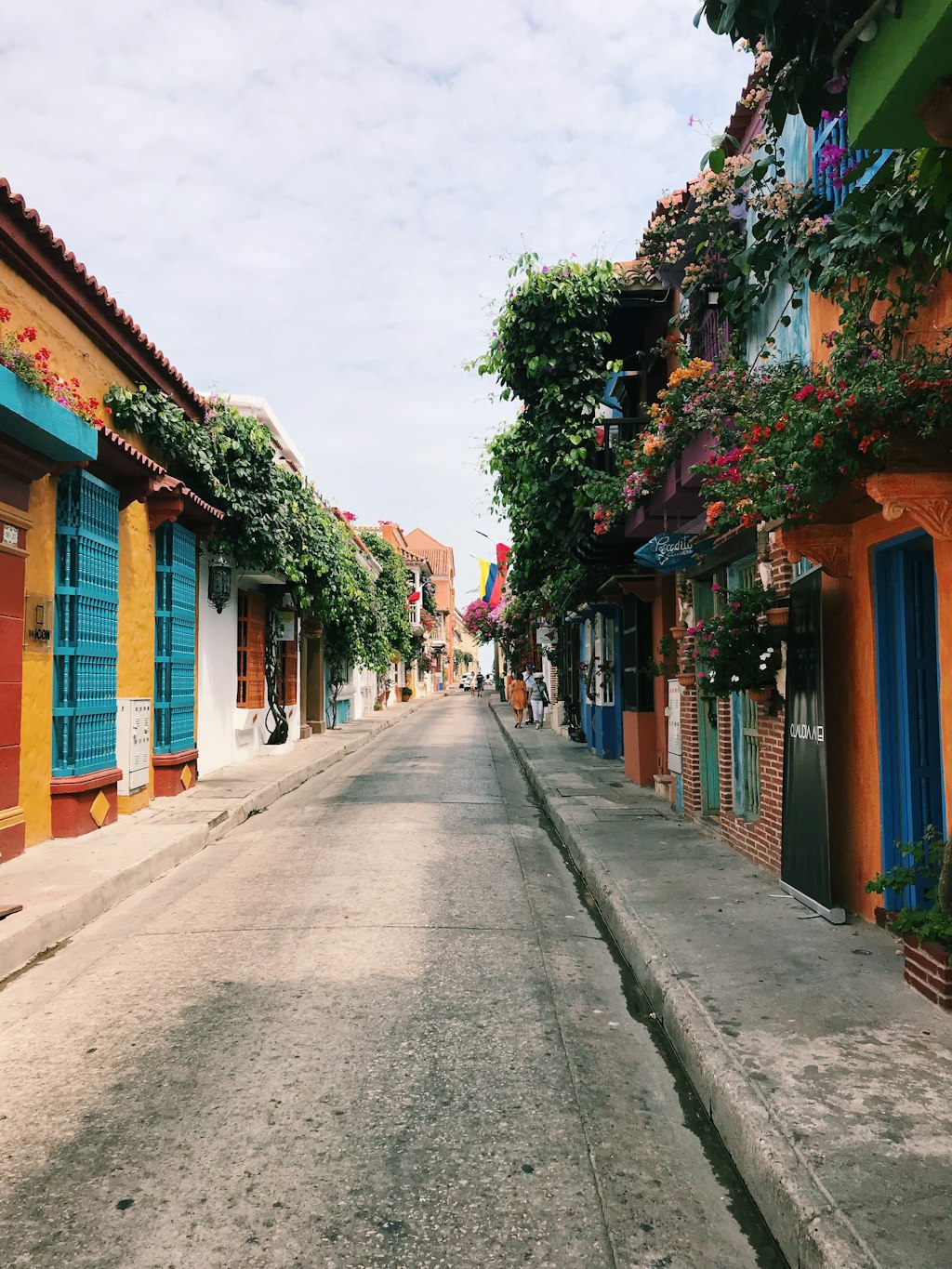
Colombia launched its digital nomad visa mid-2026, a 2-year permit costing roughly $350 USD with no minimum income requirement, making it highly accessible for freelancers and entrepreneurs.
- Tax regime: Territorial system taxes only Colombian-source income, meaning foreign-earned income remains untaxed if you don’t become a tax resident
- Visa perks: 2-year stay with possibility of renewal
- Cost of living: Very affordable; currency fluctuations favor North American/European expats
- Lifestyle: Warm climate, improving internet and amenities, growing coworking scene
Colombia’s low visa costs and tax environment combine to position it as a top newcomer for remote workers focused on efficient taxation and affordability.
Mexico: Popular Temporary Resident Visa with Favorable Tax Laws

Mexico continues to attract digital nomads with its Temporary Resident Visa and welcoming tax regime.
- Visa requirements: Monthly income of ~$2,300 or savings over ~$38,000 required
- Tax policy: Foreign income generally not taxed unless you establish permanent residency or spend over 183 days annually
- Lifestyle: Excellent weather, vibrant culture, large expat communities
- Processing: Recently streamlined applications amid rising global demand
Mexico’s affordability and proximity to the U.S. market also add to its appeal, especially given current currency exchange trends.
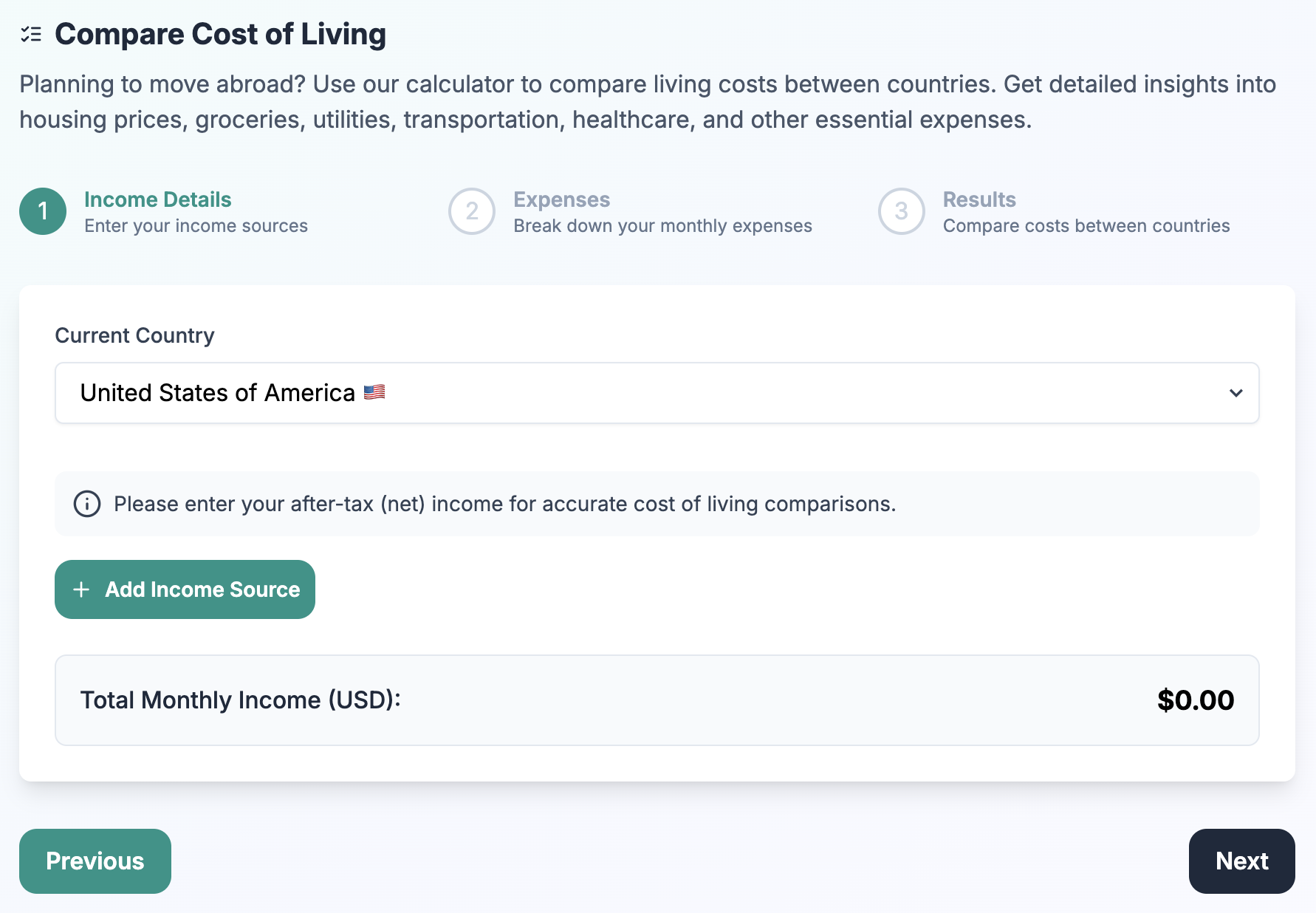
Quick Tip: Use the cost-of-living calculator to compare how far your income will stretch in Latin America versus Europe or the Caribbean.
Asia-Pacific and Middle East: High-Quality Infrastructure with Varied Tax Considerations
Though the focus here is tax efficiency, the Asia-Pacific and Middle East regions offer unique opportunities for digital nomads balancing visa ease, lifestyle, and taxation.
United Arab Emirates: Zero Income Tax with Strong Economic Substance Rules

The United Arab Emirates remains one of the strongest zero-income-tax jurisdictions worldwide, but 2026 has seen implementation of stricter economic substance and anti-BEPS measures.
- Visa options: 1-year Remote Work Visa and the Multi-Year Investor Visa
- Tax regime: No personal income tax; however, increased scrutiny means nomads should maintain clear financial records
- Lifestyle: World-class infrastructure, safety, high standard of living in Dubai and Abu Dhabi
The UAE’s appeal lies in its tax regime and modern urban lifestyle but requires diligent compliance with new transparency standards.
Singapore: High-Quality Healthcare and Business-Friendly Environment

Singapore is ideal for tech entrepreneurs and remote workers earning higher incomes, thanks to its Tech.Pass visa introduced in 2025.
- Income requirement: At least SGD 144,000 (~USD 106,000) annually
- Taxation: Territorial tax system; foreign income generally exempt if not remitted
- Lifestyle: Excellent healthcare and education, safety, and connectivity
Singapore may be less tax-efficient for lower-income digital nomads but attracts executives and tech founders aiming for Asia-Pacific business hubs.
New Zealand: Skilled Worker Visas and Relaxed Immigration

New Zealand has relaxed immigration for skilled workers in education and health, with pathways increasingly open to those in remote and tech sectors.
- Tax system: Progressive personal income tax applies to residents worldwide
- Visa options: Skilled Migrant Category, Work to Residence Visa
- Lifestyle: High quality of life, good healthcare, safe environment
While not zero-tax, New Zealand compensates with lifestyle benefits and growing recognition of remote work needs.
Comparing Tax Efficiency and Visa Ease: Quick Snapshot of Top Destinations
| Country | Digital Nomad Visa Cost | Visa Duration | Tax on Foreign Income | Key Benefit |
|---|---|---|---|---|
| Barbados | ~$2,000 USD | 12 months (extendable) | No foreign income tax | Caribbean paradise + tax haven |
| Antigua and Barbuda | ~$3,000 USD | 24 months | No foreign income tax | Fast processing + family-friendly |
| Portugal | ~€7,200 annual income req. | Renewable 1 year+ | NHR offers 0% tax on foreign income | Permanent residency pathway |
| Spain | ~€2,000/month income needed | Initially 1 year, extendable | Taxed worldwide as resident | Affordable & improved visa |
| Colombia | $350 USD | 24 months | Tax only local income | Affordable, no minimum income req. |
| Mexico | Income/savings threshold | Up to 4 years | Tax foreign income if resident | Large expat community |
| United Arab Emirates | Free – minimal fees | 1 year (renewable) | Zero personal income tax | Ultra-modern, tax-free |
| Singapore | Income threshold SGD 144k | Varies | Territorial tax system | Business-centric, excellent services |
How to Balance Tax Optimization with Lifestyle and Compliance?
Tax efficiency is crucial, but digital nomads must also weigh other factors:
- Healthcare: Countries like Portugal, Singapore, and Switzerland (not featured here for visa complexity) offer superior healthcare.
- Safety: Political stability and crime rates vary; the Caribbean and much of Latin America require careful city and neighborhood selection.
- Visa Flexibility: Some countries offer longer stays or easier renewals, impacting your ability to maintain legal residency with optimal tax treatment.
- Quality of Life: Climate, language, community, internet speed, and infrastructure are vital to the remote work lifestyle.
Quick Tip: Before committing, run your planned budget through our cost-of-living calculator and test visa eligibility with the Relocation Wizard.
Frequently Asked Questions
Which countries have the best tax regimes for digital nomads in 2026?
Caribbean nations like Barbados and Antigua and Barbuda offer zero income tax on foreign earnings. The UAE maintains zero personal income tax with stringent compliance. European countries like Portugal provide attractive tax schemes like the NHR, while Latin American countries like Colombia and Mexico benefit from territorial tax systems.
How do digital nomad visas influence tax residency?
Digital nomad visas grant legal permission to stay and work remotely but don’t automatically grant tax residency. Tax residency typically depends on physical presence (e.g., 183 days rule) or economic ties. Managing your days and maintaining clear documentation helps avoid unintended tax residency in higher-tax countries.
Are tax treaties important for digital nomads?
Yes. Tax treaties between countries help prevent double taxation and clarify tax obligations. When choosing a country, verify if it has favorable tax treaties with your home country or other countries relevant to your income sources.
Can I do digital nomad visas while keeping my current tax residency?
Often yes—digital nomad visas usually allow you to live temporarily without triggering tax residency if you don’t exceed the country’s physical presence thresholds or establish economic ties. However, each country’s rules differ, so professional advice is recommended.
Final Thoughts
Choosing the best countries for digital nomads tax efficiency in 2026 involves carefully balancing visa ease, tax regimes, lifestyle, and compliance complexity. The top destinations—from the Caribbean’s sun-soaked tax havens to Europe’s evolving visa corridors and Latin America’s emerging hubs—offer diverse opportunities to optimize your tax liabilities while embracing a flexible remote working lifestyle.
Start your research today by exploring our free Relocation Wizard to identify which countries best match your work style and tax goals. Don’t forget to use our cost-of-living calculator to evaluate affordability so you can make a fully informed decision for your remote work adventure.
Your next destination awaits—make 2026 the year you optimize both your taxes and your life abroad!