Best Countries to Relocate for Stable Remote Work Income in 2026

Not sure where to start? Our free Relocation Wizard matches you to your ideal country in minutes.
Key Takeaways
- Choosing the best countries to relocate for stable remote work income in 2026 requires balancing currency stability, inflation rates, and tax policy changes tailored for remote workers.
- Emerging low-volatility destinations like Vietnam and Philippines offer affordable living with new remote-work permits, while traditional eurozone hubs face currency challenges.
- Visa programs such as Portugal’s expanded D7 and Digital Nomad Visa, Estonia’s updated tax-friendly remote work scheme, and Japan’s Long-Term Resident visa for retirees directly impact net income security.
- Cost-of-living increases in the UAE, Switzerland, and Singapore are steering remote workers to alternatives like Croatia, Malaysia, and Poland with better financial predictability.
- Understanding evolving tax frameworks—including Portugal’s Non-Habitual Residency and Ireland’s SARP—helps remote workers optimise net earnings while living abroad.
Understanding the Importance of Countries to Relocate for Stable Remote Work Income in 2026
The growing population of digital nomads and remote workers now weighs economic stability heavily in relocation decisions. Beyond lifestyle and visa accessibility, countries to relocate for stable remote work income in 2026 must offer low currency volatility, reasonable inflation, and tax regimes that do not erode net income. With global currencies fluctuating, rising inflation in many developed markets, and governments adjusting visa and tax policies, the stakes for protecting one’s remote work earnings abroad have never been higher.
This article distills key data and trends shaping remote workers’ country choices, focusing on financial stability and visa frameworks that maximise earnings security. Whether you're planning a move next year or considering long-term relocation, this guide helps pinpoint destinations where your income will stretch further and remain reliable.
Quick Tip: Use our Relocation Wizard early in your research to compare country-specific financial stability factors matched to your income and lifestyle priorities.
Emerging Low-Volatility Destinations for Remote Work Income Stability
Vietnam’s Remote Work Residence Permit: Affordable and Secure

Vietnam has formalized its "Remote Work Residence" permit as of late 2025, opening a strategic gateway for remote workers seeking economic stability in Southeast Asia. Requiring proof of income exceeding $2,000/month and local health insurance (~$200/year), this permit allows one-year stays that can be renewed. Vietnam’s currency, the Vietnamese dong (VND), has remained relatively stable against the dollar in recent years, offering less exposure to rapid inflation compared to many neighbouring countries.
Coupled with upgraded infrastructure and relatively low living costs, Vietnam is gaining traction among digital nomads who prioritise protecting their remote income while enjoying affordable lifestyles.
Philippines’ SRRV Expansion: Quality and Accessibility

The Philippines recently lowered the minimum deposit for its Special Resident Retiree’s Visa (SRRV) from $50,000 to $30,000 for applicants aged 50+, making it more feasible for remote workers and retirees alike. Known for its English-language proficiency and tropical climate, the Philippines attracts those looking to safeguard their income against currency fluctuations common in other Southeast Asian markets. The SRRV allows long-term residence, and digital nomad-focused short-term permits are increasingly under consideration by the government.
How Currency Trends Shape Remote Work Income Stability in Popular Regions
Eurozone Dynamics: Shifting Fortunes for Popular Destinations
The weakening Euro against the US dollar by roughly 6% throughout 2025 has led to mixed outcomes for remote workers. Those earning in dollars or other stable currencies find eurozone countries like Portugal, Spain, and Greece more affordable. However, euro-based remote workers face reduced purchasing power and must carefully evaluate inflation, which remains elevated above 4% across much of Southern Europe.
Why Portugal Continues to Shine for Remote Workers

Portugal has enhanced its appeal through upgrades to its visa regime. The D7 visa, with a low income threshold of approximately €8,460/year (€705/month), offers residency for passive income earners and those with remote work arrangements. More notably, Portugal launched a dedicated digital nomad visa in mid-2025, requiring a minimum income of €2,800/month and a small application fee (€100). This visa allows stays of up to one year with multiple renewals, providing flexibility for digital nomads.
Portugal’s relatively stable currency outlook, combined with its Non-Habitual Residency (NHR) tax scheme offering a flat 10% tax on certain foreign pensions and professions, make it one of the most financially attractive eurozone countries to relocate for stable remote work income.
Spain Tightens Golden Visa, Impacting Real Estate Investors

Spain increased its Golden Visa real estate investment minimum from €500,000 to €600,000 in late 2025 and implemented stricter source-of-funds verification processes. While this responds to anti-money laundering enforcement, it adds complexity for high-net-worth remote workers using real estate investments to secure residency. Spain’s inflation remains slightly above 3%, with housing costs rising in major cities, which impacts cost-of-living calculations.
Visa Innovations Supporting Remote Work Income Protection
Estonia’s Digital Nomad Visa: Tax Protections for Remote Earnings
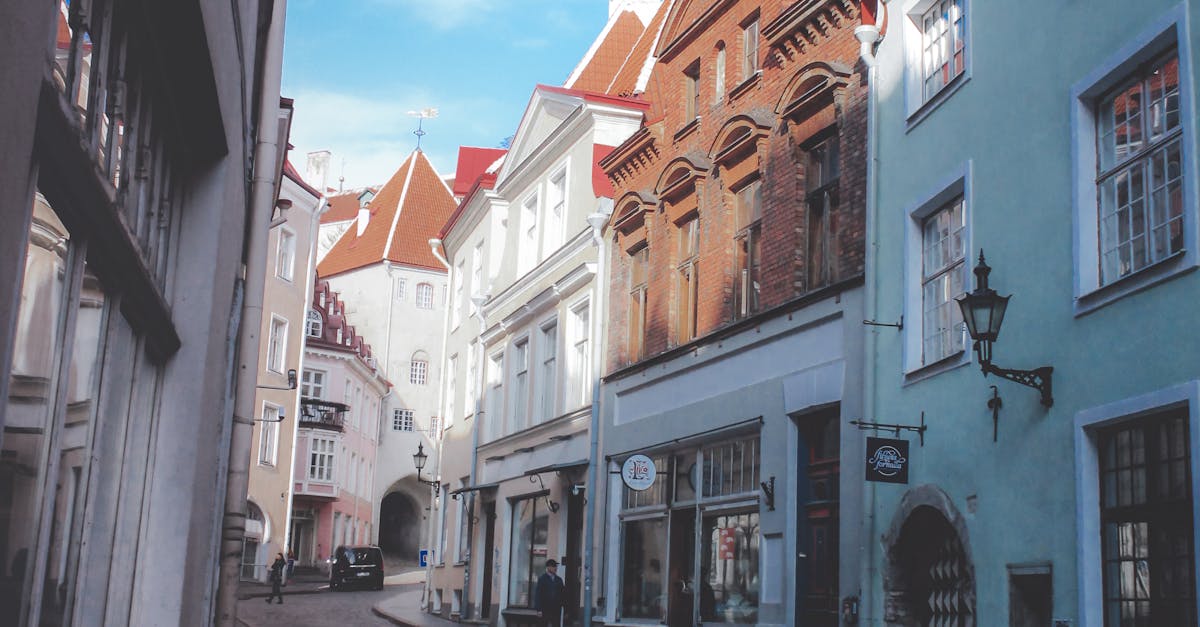
Estonia, an early leader in digital nomad visas, updated its requirements in 2026, raising minimum monthly income from €3,504 to nearly €4,200 to account for inflation and cost-of-living increases. More importantly, Estonia introduced a new split taxation model under this visa: only income sourced within Estonia is taxed locally, while income earned remotely abroad is exempt. This innovative tax regime protects remote workers from double taxation and maximizes net income.
Estonia is particularly attractive to freelancers and remote professionals from Northern and Central Europe who seek a tax-friendly, digital-first residency.
Japan’s Long-Term Resident Visa for Retirees

Starting in 2026, Japan has revamped its Long-Term Resident visa specifically targeting retirees aged 60+. Applicants must demonstrate annual income around ¥2 million (~$14,000) and have valid health insurance costing roughly ¥200,000/year. Japan’s world-class healthcare system, low crime rates, and political stability appeal to affluent retirees prioritizing financial and personal safety.
Though language barriers remain a challenge, the emphasis on stable income requirements and health coverage ensures retirees’ income security during their stay.
Managing Cost of Living and Taxation for Remote Work Income Stability
Rising Living Costs Push Nomads to New Frontiers
Countries like the UAE and Switzerland show steady increases in living costs—7-10% in Dubai and Abu Dhabi since 2024, and Switzerland’s persistently high expenses make these destinations less accessible for budget-conscious nomads. In contrast, Eastern European countries such as Croatia, Poland, and Slovakia offer EU safety benefits, lower costs, and growing infrastructure.
For families prioritizing education and safety, options like Malaysia—especially the Iskandar region—and Lisbon's metro area in Portugal present excellent cost-to-benefit ratios thanks to expanding international school options.
See our cost-of-living calculator to compare monthly expenses across these countries and forecast savings.
Tax Incentives and Non-Dom Regimes: Protecting Net Income
Several countries have introduced or adjusted specific tax regimes to attract remote workers:
- Portugal’s Non-Habitual Residency (NHR): Flat 10% tax on certain foreign-source incomes and pensions, with a streamlined application process costing ~€1,000.
- Ireland’s Special Assignee Relief Programme (SARP): Offers up to 30% tax relief on certain foreign-earned income for up to five years, though audit regulations tightened in 2026.
- United Kingdom’s Global Talent Adjustment: Caps tax-free allowances for remote workers who claim domicile outside the UK but work partially domestically.
These changing tax frameworks require careful planning but can significantly protect remote workers' earnings.
Quick Tip: Before relocating, consult a tax professional knowledgeable about remote work and non-dom status in your target country—this can save thousands annually.
Popular Countries to Relocate for Stable Remote Work Income in 2026
Canada: Skilled Workers and Currency Stability

Despite a higher cost of living, Canada remains appealing thanks to currency strength and expanded immigration programs like the Global Talent Stream. This program enables fast processing (around two weeks) for select STEM jobs, with open work permits costing roughly CAD 1,000 per applicant. Canada’s stable dollar and renowned healthcare system provide solid protection for remote workers’ income and wellbeing.
Greece: Mediterranean Lifestyle Meets Remote Work Viability

The Greece digital nomad visa, requiring a €3,500 monthly income minimum, attracts many Northern and Western European professionals. Greece’s cost of living remains comparatively affordable within the eurozone, and infrastructure improvements, combined with safety and lifestyle, make it a viable choice for remote workers seeking stability in the Mediterranean.
Turkey: Real Estate with Fast Track to Citizenship

Turkey holds its real estate investment minimum steady at $400,000 and offers a quick citizenship path in three years. With low living costs, a growing tech hub in Istanbul, and currency depreciation largely stabilizing, it stands as an economical relocation choice balancing income security and lifestyle.
Portugal: The Best Overall Balance for Income Stability and Lifestyle
As a recurring theme, Portugal blends low income thresholds for visas, beneficial tax regimes, and stable currency outlooks, making it the top recommendation for stable remote work income preservation. The new digital nomad visa lowers barriers further to attract long-term stays.
Quick Tip: Combine our Relocation Wizard with your visa research to ensure your remote income aligns with country-specific financial and residency requirements.
Frequently Asked Questions
What are the best countries to relocate for stable remote work income in 2026?
Countries with strong currency stability, low-to-moderate inflation, and favorable tax regimes like Portugal, Estonia, Vietnam, and Canada top the list. New visa programs targeting remote workers and retirees further enhance their attractiveness.
How do currency fluctuations impact remote workers relocating abroad?
Fluctuations can either strengthen or reduce the real value of remote income when converted locally. For example, the Euro’s weakness against the US dollar has made eurozone countries more affordable for dollar earners but less so for euro-based remote workers, making currency risk a key consideration.
Are digital nomad visas generally beneficial for income stability?
Yes, especially when combined with tax benefits and renewability. Countries like Estonia and Portugal offer visas with tax advantages or split taxation, reducing the risk of double taxation and improving net income stability for remote workers.
How important is healthcare when considering countries to relocate for stable remote work income?
Very important, particularly for older remote workers and retirees who want to mitigate unexpected health expenses. Countries offering affordable, high-quality healthcare systems with visa-linked insurance requirements, such as Japan, Canada, and Vietnam, increase financial predictability.
Final Thoughts
Relocating as a remote worker in 2026 demands more than just visa eligibility or appealing climates — economic and financial stability must top your checklist. Emerging destinations with new digital nomad permits, tax-friendly regimes, and low inflation rates provide promising havens to protect your income.
Begin your journey with our Relocation Wizard to find the countries best matching your remote income profile and lifestyle needs. Use the cost-of-living calculator to precisely compare expenses and budget accordingly. With informed choices, you can enjoy a secure, balanced, and fulfilling remote work life abroad in 2026 and beyond.