
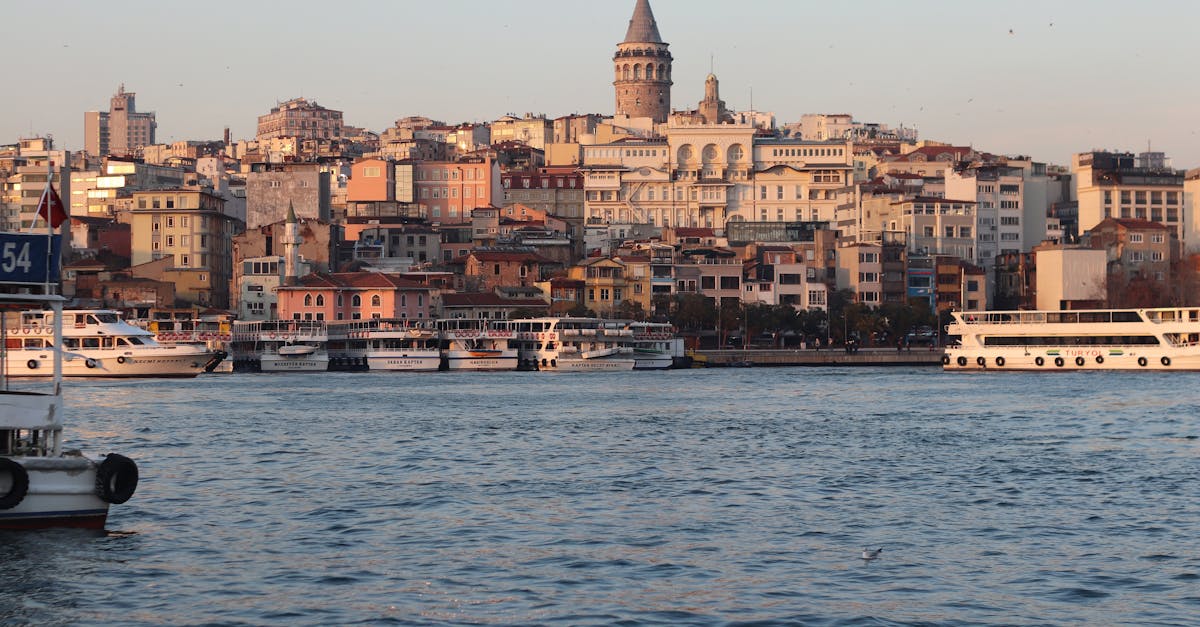
Living in Turkey
A transcontinental nation straddling Eastern Europe and Western Asia, known for its rich cultural heritage, historical significance, and vibrant modern cities. Turkey offers a blend of tradition and modernity, with diverse landscapes ranging from Mediterranean beaches to mountainous regions.
Next Steps
- 1Apply for a visa at the nearest Turkish mission, submitting necessary documents such as passport, visa application form, and a letter from your employer if applicable.
- 2Search for job opportunities in Turkey and secure employment to obtain a work permit, which can be applied for online by your employer.
- 3Find housing in Turkey by either purchasing property or renting, and prepare a deed copy or a notarized rental contract for your residence permit application.
- 4Register with local authorities and apply for a residence permit, providing financial documents, health insurance, and other supporting documents as required.
The Complete Guide to Living in Turkey
Overview
The Turkish Tapestry
Turkey, often described as a bridge between East and West, offers a unique and vibrant societal fabric shaped by its position at the crossroads of Europe and Asia. With its large geographical expanse, Turkey presents a rich cultural mosaic that balances a tapestry of ancient traditions and contemporary lifestyles, reflected in its dynamic urban centers and serene countryside.
Country and Culture
Turkey’s cultural identity is deeply rooted in its history, a fusion of diverse influences from the Byzantine and Ottoman Empires to modern secular governance. The Turkish culture emphasizes collectivism, where familial loyalty and community bonds play a pivotal role in daily life. This collectivist ethos enriches personal interactions and community relations, fostering a welcoming environment for those willing to immerse themselves in the local customs.
To gain a better understanding of Turkish cultural nuances, you can explore more at the Cultural Atlas.
General Appeal
The allure of Turkey lies in its multifaceted appeal. It serves as a historical treasure trove, home to ancient ruins like Ephesus, the surreal landscapes of Cappadocia, and the architectural marvels of Istanbul. Turkey's diverse geography ensures a plethora of natural attractions — from the picturesque beaches of the Aegean and Mediterranean coasts to the rugged mountains of the East.
Turkey's cities are hubs of culture and commerce. Istanbul, the cultural heart, pulsates with a blend of tradition and urban dynamism. Ankara, the capital, is the political and administrative center, while Izmir, Antalya, and Bursa each offer their own unique lifestyle and opportunities. Whether you are drawn by Turkey’s bustling urban life or its tranquil rural settings, there's something for everyone.
Actionable Advice and Considerations
Embrace Local Customs: To truly connect with Turkish society, embrace the local customs and traditions. Regular participation in local festivals and ceremonies can contribute significantly to your cultural immersion and community integration.
Language Proficiency: Acquire basic Turkish language skills to navigate daily interactions smoothly, especially beyond the metropolitan areas where English may not be widely spoken. Numerous online platforms and local language schools offer courses tailored to beginners.
Explore the Mix of Old and New: Take the time to explore both the historical aspects and the modern developments in Turkish cities. Consider visiting local museums and cultural sites to better understand the historical context and societal developments.
Understand the Landscape: Familiarize yourself with Turkey's geographical diversity when considering relocation options, as this influences both lifestyle and economic opportunities.
Social Integration: Lean on expat communities initially, but strive to forge connections with locals to enrich your experience. Community events and local initiatives often provide perfect networking opportunities.
This chapter serves as a primer for understanding Turkey’s overarching cultural framework and its appeal as a relocation destination. Utilizing the links and resources provided will ensure a holistic understanding and preparation for a seamless assimilation into Turkish life, whether for short-term visits or long-term living arrangements.
Visa & Immigration Requirements
Overview
Turkey, straddling Europe and Asia, offers a distinctive cultural blend, combining traditional and modern influences. Its diverse landscapes and vibrant cities make it an appealing destination for many seeking an enriching living experience. Understanding the visa and immigration requirements is crucial for anyone considering relocating to or staying long-term in Turkey.
Types of Visas
Turkey offers several visa types tailored to the purpose of your visit:
- Tourist Visa: For short-term visits including holidays and family visits.
- Business Visa: For attending meetings, conferences, or exploring business opportunities.
- Study Visa: For students enrolled in Turkish educational institutions.
- Work Visa: For individuals employed by Turkish companies.
For more detailed information about different visa types, visit Turkey University Visa Information.
Application Steps
Online Appointment Booking: Begin by scheduling a visa appointment through the Turkish embassy or consulate in your country. The online booking system ensures all applications are processed efficiently.
Document Preparation: Gather the necessary documents, which typically include a valid passport, application form, passport-sized photos, proof of adequate financial means, and other documents specific to the visa type (e.g., employment offer for work visa, acceptance letter for study visa).
Consultation: If required, consult with the Turkish visa office to clarify specific details or address concerns regarding your application.
Submission & Interview: Attend your appointment, submit your documents, and partake in any required interviews. Ensure all information provided is accurate and complete.
Processing Time: Visa processing times can vary, so it is advisable to apply well in advance of your planned travel date.
For further guidance on the application process, refer to the Turkish Ministry of Foreign Affairs.
Pathways to Residency or Citizenship
While specific pathways may vary, general criteria for attaining long-term residency or citizenship in Turkey include the following steps:
- Continuous Residence: Typically, a prolonged stay (often five years) is necessary to be considered for long-term residency.
- Language Proficiency: Proficiency in Turkish can be a requirement, showcasing your ability to integrate into society.
- Integration: Evidence of social and economic integration such as stable employment, property ownership, or investment in the country may enhance your application.
For the latest information, always check the Directorate General of Migration Management.
Practical Considerations
- Extend Your Stay Cautiously: If you plan to extend your time in Turkey beyond your visa validity, initiate the extension process early to avoid penalties or complications.
- Understand the Local Laws: Awareness of local laws and customs is key to avoiding inadvertent legal issues, especially in employment and business contexts.
- Financial Preparation: Be prepared for financial aspects like visa fees and securing financial proof as part of the application requirements.
Staying informed and prepared ensures a smoother transition whether you're visiting Turkey temporarily or considering making it your home.
Cost of Living in Turkey
Relocating to a new country involves assessing potential costs of living, as this will significantly impact your quality of life. Turkey presents a diverse economic landscape that varies widely depending on your location and lifestyle choices. This chapter will explore key financial considerations including housing, daily expenses, and financial comparisons to help you plan your transition effectively.
Housing
Housing in Turkey can range from affordable student accommodation to more expensive apartments in prime locations. Here's a breakdown to consider:
Student Accommodation:
On-Campus Housing: Typically costs between 200-400 Turkish liras per month. Ideal for those seeking proximity to universities and an immersive student experience.
Government Student Housing (KYK): Available for students, often more affordable compared to private options.
Private Rentals:
The cost will vary significantly based on the location, size, and amenities of the apartment. Cities like Istanbul and Ankara are notably more expensive compared to smaller towns and rural areas.
Consider using local real estate agents or websites to explore available options.
For those moving to Turkey, finding a suitable area close to your place of work or study can help reduce commuting costs and improve daily convenience.
Daily Expenses
Daily living expenses in Turkey are generally moderate compared to Western Europe. Here's a general idea of what to expect:
- Groceries: Shopping in local markets can be cost-efficient for fresh produce. Supermarkets are also widely available, offering a range of imported and local goods.
- Dining Out: Eating at local restaurants or enjoying street food can be very affordable. Western-style restaurants may be more expensive.
- Transportation: City transport systems like metro, trams, and buses offer economical travel options. Owning a car can significantly increase costs due to fuel and maintenance, especially in urban centers.
Financial Comparisons
In comparison to many European counterparts, Turkey offers a cost-effective lifestyle. However, prices can fluctuate based on economic conditions and currency exchange rates. Here are key points to consider:
- Cost of Living Index: Generally lower compared to Western European countries, making it attractive for expatriates seeking a lower cost of living.
- Currency Exchange: Stay informed about the Turkish lira's exchange rate with major currencies to make financially sound decisions during relocations or remuneration negotiations.
Practical Advice
Here are practical tips to ease your financial adaptation in Turkey:
- Budget Planning: Before moving, prepare a detailed budget that covers housing, utilities, groceries, healthcare, and leisure activities. Adjust it once you have firsthand experience of local costs.
- Housing Contracts: Be sure to understand the terms of any rental agreements. Consider negotiating in areas where there might be flexibility.
- Emergency Funds: Always maintain a safety net for unexpected expenses, especially during the initial settlement period.
Useful Resources
- Research real estate listings and cost comparisons on reputable local rental websites or engage with trusted property agents in Turkey.
- For more information on visa and residency processes, visit Turkey University Services.
- For insights on cultural integration and housing, explore Cultural Atlas.
Understanding the cost of living is crucial for a smooth relocation experience. With careful planning and resourcefulness, living in Turkey can be both a rewarding and financially sustainable adventure.
Employment Opportunities
Overview of the Turkish Job Market
As you embark on a journey to relocate to Turkey, understanding the employment landscape is crucial. Turkey, bridging Europe and Asia, offers a unique cultural and economic environment that influences its job market.
Job Market Dynamics
The Turkish job market is vibrant and dynamic, but it has experienced significant shifts due to socio-economic changes and post-pandemic recovery efforts. High-demand roles currently include:
- Security Guards
- Cleaners
- Warehouse Workers
- Tourism Personnel
These positions have gained prominence due to the evolving needs in various sectors across the country.
High-Demand Industries
Several industries in Turkey are experiencing growth and demand for skilled labor, offering promising opportunities for job seekers:
Food Sector: With Turkey's rich culinary heritage, this sector is booming, offering numerous roles from production to hospitality.
Retail: The retail industry is expanding rapidly, requiring personnel for management, logistics, and customer service.
Logistics: As a hub connecting different continents, Turkey's logistics industry is crucial, demanding skilled workers for operations and infrastructure management.
Security Services: The increase in security needs has led to a surge in related job openings.
Manufacturing: Known for textiles, automotive, and electronics, this sector is pivotal to Turkey's economy and offers a range of employment opportunities (source).
Work Regulations in Turkey
Understanding the legal landscape of employment in Turkey is vital for a smooth transition. Key regulations include:
Work Permits: Non-Turkish citizens must secure a work permit to be employed in Turkey. This process often requires your employer to apply on your behalf.
Labor Laws: Turkey has a comprehensive set of labor laws that dictate working hours, minimum wage, and employee rights. It's essential to familiarize yourself with these to ensure compliance and protect your rights.
Social Security Contributions: Both employers and employees are required to contribute to Turkey's social security system, which covers health insurance and pensions.
Actionable Steps for Job Seekers
Research the Market: Before your move, thoroughly investigate the industries of interest and tailor your CV to highlight your skills and experiences relevant to these sectors.
Network: Utilize professional networking platforms like LinkedIn and local job boards to connect with potential employers and recruiters in Turkey.
Learn the Language: While English is widely spoken in business circles, proficiency in Turkish can give you a competitive edge and ease the job-hunting process.
Prepare Documentation: Gather essential documents such as your CV, cover letters, and proof of qualifications for potential applications.
Consult Legal Experts: Consider consulting with legal experts on work-related regulations to ensure all permits and legalities are handled correctly.
Explore Resources: Refer to websites like Turkey University for guidance on the visa application process.
Practical Considerations
Cultural Adaptation: Embrace Turkish workplace culture, which highly values respect, collectivism, and hierarchy. Understanding local customs and social norms will facilitate smoother integration into professional environments.
Living in Turkey: Familiarize yourself with the cost of living to negotiate salaries effectively. While living expenses can be moderate compared to Western Europe, costs vary by location and lifestyle choices (source).
Harnessing Local Support: Engage with expat communities and organizations that can provide support and advice as you adjust to living and working in Turkey.
By taking these steps and understanding the intricacies of the Turkish employment landscape, you'll be better prepared to find meaningful work and establish a successful career in Turkey.
Housing & Accommodation
Securing a place to live is one of the most important steps when relocating to Turkey. Understanding the local housing market and knowing how to navigate it effectively can significantly ease your transition. This chapter provides a comprehensive guide to finding and securing housing in Turkey, exploring the various types of accommodations available and detailing typical lease terms.
Finding Housing
Turkey offers a range of housing options to cater to the diverse needs of its residents. Here's how you can begin your search:
Housing Types
University and Student Housing: For students, most universities offer on-campus housing. Additionally, the government provides student housing through the General Directorate of Credits and Dormitories Agency (KYK). These are convenient and affordable, with prices typically ranging between 200-400 Turkish liras per month.
Private Rentals: Expats and professionals often opt for private apartments or houses. These can vary significantly in price depending on the location and size. Major cities like Istanbul, Ankara, and Izmir, while offering a vibrant lifestyle, tend to have higher rent costs.
Serviced Apartments: For those seeking temporary accommodation or transition housing, serviced apartments offer furnished living spaces with amenities. They are usually more expensive but provide comforts like cleaning services and utilities.
Platforms to Search
Online Platforms: Websites like Sahibinden and Hürriyet Emlak provide listings for a wide range of rental properties across Turkey.
Real Estate Agents: Engaging a licensed real estate agent can simplify the process, as they possess local knowledge and can assist with the language barrier. They typically charge a commission fee, often equivalent to a month's rent.
Social Media and Expat Groups: Joining expat groups on social media platforms like Facebook can also be a practical way to find housing recommendations and direct rental agreements.
Location Considerations
When choosing accommodation, consider proximity to work or study locations to reduce commuting time and transportation costs. Public transport connectivity and access to local amenities, such as supermarkets, hospitals, and entertainment venues, are additional factors worthy of consideration.
Securing a Lease
After identifying a suitable property, the next step is to secure it through a lease agreement. Understanding typical lease terms in Turkey will help you negotiate effectively and avoid possible legal pitfalls.
Typical Lease Terms
Lease Duration: Most leases are for one year, with options for renewal. Short-term leases are also available, especially in areas with high tourist activity.
Deposit: Landlords commonly require a deposit equivalent to one or two months' rent, refundable upon the termination of the lease, assuming no damage or unpaid dues.
Rent Payment Terms: Rent is usually paid monthly in advance. It is important to clarify whether the rent includes utilities and maintenance fees or if they are to be handled separately.
Negotiation: While lease terms can often be negotiated, especially in less competitive markets or during the off-peak rental seasons, ensure all negotiations and agreements are documented in writing.
Legal and Practical Considerations
Contract Review: It is advisable to have your lease agreement reviewed by a legal professional or a trusted local to ensure compliance with Turkish laws and protect your interests.
Registration: Make sure your rental agreement is registered with the local authorities to formalize your residence status, as this can be important for utility services and legal protection.
Documentation: Prepare necessary documents including passport copies, proof of income or employment, and sometimes a guarantor’s information.
Additional Resources and Tips
Landlord Etiquette: Building a positive relationship with your landlord can lead to smoother dealings and extensions if needed.
Utilities Setup: Upon securing accommodation, arrange for water, electricity, and internet services, if not included in your rent.
Cultural Considerations: Being courteous and respectful of local customs and neighbors can greatly improve your living environment and ease integration into your community.
For further reading and official guidance, you may refer to these trusted sources:
Understanding the housing landscape in Turkey and adhering to these practices should facilitate a seamless relocation experience.
Healthcare System
Public vs. Private Care
Turkey offers a mixed healthcare system with both public and private care options, ensuring comprehensive medical services across the country. In 2003, Turkey introduced a universal healthcare system, significantly improving accessibility and affordability of public healthcare services through the Social Security Institute, which finances a substantial portion of this system.
Public Healthcare
Universal Access: The public healthcare system is accessible to all residents who are registered with the Social Security Institute. It covers a wide range of medical services including inpatient care, outpatient care, emergency services, and some medications.
Cost: Public sector healthcare is generally low-cost or free at the point of service for those covered by social security. Non-residents and those without coverage may need to pay out-of-pocket or secure private insurance.
Facilities: Public hospitals are widespread across Turkey, particularly in urban areas. They offer comprehensive services but can sometimes face challenges such as long waiting times and limited staffing resources.
Private Healthcare
Quality and Speed: Private hospitals are known for providing high-quality medical care and shorter waiting times compared to public facilities. They often offer additional amenities and state-of-the-art equipment.
Cost: Private healthcare can be expensive, hence many residents opt for private health insurance to offset these expenses. Services not covered by insurance are out-of-pocket expenses and can vary significantly by institution and location.
Availability: Major cities house numerous private hospitals and clinics, making quality care easily accessible for those who can afford it or have ample insurance coverage.
Insurance Options
Health insurance is mandatory for all residents in Turkey, ensuring that healthcare costs are managed efficiently and affordably.
Social Security Institute (SGK)
Coverage: Public health insurance through the SGK covers a large proportion of the population, including employees and their dependents. It provides extensive coverage encompassing a vast range of medical services.
Enrollment: Residents typically enroll through their employers or directly through the government. Self-employed and unemployed individuals can also join by paying monthly premiums.
Benefits: SGK covers hospitalization, outpatient consultations, emergency treatment, prescription drugs, and some preventive services.
Private Health Insurance
Options: Numerous private health insurance providers offer various plans tailored to different needs and budgets. Plans range from basic to comprehensive, with differences in the level of coverage, network access, and premiums.
Benefits: Coverage typically includes access to private healthcare facilities, choice of specialists, and additional services such as dental and optometry care.
Consideration: When selecting a private insurance plan, consider your healthcare needs, budget, and the preferred healthcare facilities you expect to use. Consulting with an insurance broker or specialist can provide additional guidance.
Quality of Facilities
Turkey is renowned for its robust healthcare system, standing as a regional leader in medical services.
Medical Institutions: The country boasts 27,954 medical institutions, a reflection of its commitment to healthcare infrastructure and development.
Medical Personnel: With approximately 1.7 doctors per 1000 people, Turkey strives to maintain a decent ratio, although rural areas may experience different dynamics in healthcare provision.
Hospital Beds: There are around 2.54 beds per 1000 people, though demand can outstrip supply during peak medical emergencies or in less populated areas.
Advancements: Turkey is making strides in medical research, telemedicine, and health technology, facilitating improvements in patient care and system efficiency.
For more detailed information about the Turkish healthcare system, you may refer to relevant educational resources, such as the Wikipedia entry on Health care in Turkey and other documented platforms that provide updates on local policies and healthcare quality.
Practical Tips for Expats
Language: Learning basic medical terminology in Turkish improves communication with healthcare providers, especially in rural areas.
Documentation: Always carry your health insurance card and any identification documents when visiting a healthcare facility.
Emergency Contacts: In emergencies, dial 112 to reach the ambulance services which are part of the universal access program.
Navigating the Turkish healthcare system requires understanding both public benefits and the advantages of private care. Proper planning can ensure comprehensive coverage and quality medical care, tailored to meet your specific healthcare needs.
Taxes & Financial Considerations
When considering relocation to Turkey, understanding the local tax structure, banking system, and any foreign tax obligations is crucial for ensuring a smooth transition. This chapter offers a comprehensive overview tailored to expatriates and long-term visitors.
Local Tax Structures
Turkey implements a progressive tax system, which means tax rates increase as income levels rise. Here's a breakdown of the major taxes in Turkey:
- Income Tax: Individuals, both residents and non-residents, are subject to income tax in Turkey on employment, rental income, and business profits.
- Residents are taxed on their worldwide income.
- Non-residents are taxed only on income derived from Turkey.
- Tax rates range from 15% to 40%, with specific brackets updated annually. For current rates and brackets, visit the Turkish Revenue Administration.
Value Added Tax (VAT): Applied to most goods and services at rates of 1%, 8%, or 18%. The standard rate for most goods is 18%.
Corporate Tax: Businesses in Turkey are subject to a 23% corporate tax rate, applicable to both local and foreign companies operating within the country.
Property Tax: Tax is levied on real estate property, with rates varying according to property location and type. Annually payable, it commonly ranges from 0.1% to 0.6%.
Key Considerations:
- Deductions & Allowances: Various personal deductions are available, especially for residents, which can lower taxable income.
- For comprehensive guidance on tax filings or specific inquiries, consult a local tax advisor to navigate the complexities, especially concerning foreign income.
Banking
Banking services in Turkey are modern, efficient, and accessible to foreigners. Here’s an overview of banking essentials:
- Opening a Bank Account:
- Requires a valid passport, proof of address, and a potential requirement of a Turkish tax identification number.
- Major banks include Ziraat Bankası, İşbank, and Garanti BBVA, offering services in multiple languages.
- Currency & Transfers:
- The local currency is Turkish Lira (TRY). Most transactions are conducted in TRY, although USD and EUR are also widely accepted.
- International transfers can be made through SWIFT, with most banks offering competitive exchange rates.
- Digital Banking:
- Online banking and mobile transactions are highly developed, providing expats easy management of day-to-day finances.
- Ensure that your bank offers internet banking services and inquire about associated fees.
Tips:
- Before relocating, inform your existing bank about your move to avoid blocked transactions.
- Compare bank services and fees before opening an account to find the most suitable option for your financial needs.
Foreign Tax Obligations
Expats should remain informed about any tax obligations in their home countries to avoid potential legal issues. Here's what to consider:
- Double Taxation Agreements (DTA):
- Turkey has agreements with many countries to prevent double taxation. DTAs allow residents to offset taxes paid in Turkey against their home country tax liabilities.
- Confirm if a DTA exists between Turkey and your home country via the Turkish Ministry of Finance website.
- Consultation with Tax Professionals:
- Prior to relocation, consider consulting with a tax professional familiar with both Turkish tax laws and those of your home country.
- For U.S. citizens and some other nationals, filing requirements in the home country can continue depending on residency status and income levels.
- FATCA Compliance:
- American citizens residing in Turkey may need to comply with the Foreign Account Tax Compliance Act (FATCA), which mandates reporting of foreign financial accounts and assets.
Actionable Advice:
- Investigate your residency status as it could impact your tax obligations both in Turkey and your home country.
- Keep thorough records of tax filings and financial transactions to ensure compliance and ease of reporting.
By understanding and preparing for these tax and financial considerations, relocating to Turkey can be managed smoothly, allowing you to focus on adapting to your new home. For further information, explore local resources or consult financial experts to address specific concerns tailored to your personal circumstances.
Moving Logistics
Relocating to Turkey involves several key logistical considerations, encompassing packing and shipping tips, necessary documentation, and pet relocation procedures. This chapter will provide a detailed, structured guide to help you navigate these essential aspects of your move.
Packing and Shipping Tips
Moving to a different country requires meticulous planning, especially when it comes to packing and shipping your household items. Here are actionable tips to facilitate the process:
Create an Inventory List: Start by listing all items you plan to move. Group them into categories like electronics, clothing, kitchenware, etc., to streamline packing and ensure nothing is left behind.
Eliminate Non-Essentials: Take this opportunity to declutter. Sell, donate, or dispose of items you seldom use. This will save on shipping costs and make unpacking easier.
Choose Quality Packaging Materials: Invest in sturdy boxes, bubble wrap, packing paper, and strong packing tape to protect your belongings during transit.
Label Boxes Clearly: Label each box with its contents and the room it belongs to. This aids in organized unpacking and helps movers handle your items appropriately.
Use Reputable Shipping Companies: Research and select an experienced international moving company. Ensure they have insurance coverage for your goods in transit. Websites like International Movers can be helpful.
Check Custom Regulations: Familiarize yourself with Turkish import regulations to avoid delays or extra charges. You can find detailed regulations on the Turkish Customs and Trade Ministry website.
Necessary Documentation
When moving to Turkey, ensuring you have all the necessary documents in order will facilitate a smooth transition:
Passport: Your passport must be valid for at least six months beyond your arrival date in Turkey.
Visa Requirements: Depending on your stay's purpose, apply for the appropriate visa, such as tourist, business, or work. Schedule an appointment via the Turkey Visa website and prepare the requisite documents.
Residence Permit: If you plan to stay longer than your visa allows, apply for a residence permit through the Directorate General of Migration Management. Visit Turkey's Migration Management for guidance.
Health Insurance: Obtain health insurance that covers your stay in Turkey. Health insurance is mandatory, whether from your home country or a Turkish provider.
Proof of Accommodation: Documents indicating your residence in Turkey, such as a rental agreement or university accommodation letter, may be required.
Pet Relocation
Relocating with pets involves additional logistics. These steps will help ensure a smooth transition for your furry family members:
Understand Import Regulations: Turkey has specific regulations for bringing pets into the country. Ensure your pet meets all requirements by visiting the International Animal Import Regulations website.
Microchip and Vaccinations: Your pet must be microchipped and vaccinations, particularly for rabies, must be up-to-date. A veterinary certificate of good health is typically required.
Health Certificate: Obtain an accredited vet-issued health certificate ((usually 10 days) before travel) confirming your pet's health status.
Quarantine Rules: Check if your pet is subject to quarantine upon entering Turkey and prepare accordingly.
Pet Carrier: Invest in an airline-approved pet carrier and ensure your pet is comfortable. Proper ventilation and enough space for movement are essential.
Accustomed to Travel: Acclimate your pet to the carrier and travel routine well in advance. Short practice trips can help ease anxiety on travel day.
By following these guidelines, you can streamline the logistical aspects of your move to Turkey, ensuring a successful transition. For further information and updates, regularly check reputable websites and government portals related to living and moving logistics in Turkey.
Language & Communication
Understanding Language Barriers
When relocating to Turkey, one of the first hurdles an expatriate may face is the language barrier. Turkish is the official language, spoken by the vast majority of the population. While English is taught in schools and understood in major cities like Istanbul, Ankara, and Izmir—particularly in tourist areas—proficiency significantly decreases in rural regions. Understanding that language barriers may affect aspects of daily life, such as shopping, transportation, and healthcare, is crucial for a smoother transition.
Learning Resources
Language Courses
To overcome language barriers, leveraging language courses is highly beneficial. Numerous universities and private institutions in Turkey offer Turkish language courses for foreigners. Some of the notable options include:
- TÖMER (The Turkish and Foreign Languages Research and Application Center): Offering courses at various levels and intensities.
- DILMER: Located in Istanbul, this institute offers both intensive and regular courses tailored for international students and professionals.
Online Tools and Apps
In recent years, digital tools have made language learning more accessible. Some recommended online resources include:
- Duolingo and Babbel: Offering interactive courses for beginners and intermediate learners.
- Tandem and HelloTalk: These apps provide language exchange opportunities with native Turkish speakers, fostering conversational skills.
Private Tutors
Engaging a private tutor can be a highly effective way to accelerate language learning. Tutors can be found through platforms like Italki or local community postings where personal interaction is prioritized to enhance understanding and fluency.
Local Etiquette
Understanding and respecting local etiquette is as important as language proficiency when integrating into Turkish society.
Hospitality
Hospitality is a cornerstone of Turkish culture. Guests are often treated with utmost care and offered refreshments, with the refusal of such pleasantries sometimes perceived as impolite. Accepting offers and showing appreciation can help build rapport.
Appropriate Greetings
Turks typically greet each other with a handshake. Among close friends and family, a kiss on each cheek might follow. When meeting someone for the first time, using formal titles (Mr./Mrs./Ms.) followed by the person's surname is respectful practice until a more casual relationship is established.
Respect for Elders
Respect for elders is deeply ingrained in Turkish culture. When communicating, giving priority to older individuals, addressing them formally, and showing deference is expected. Also, offering them seats in public transport or accommodating them in queues is a social norm.
Dress Code
While urban areas are modern and Western influences are visible, dressing modestly is recommended, especially when visiting religious sites or rural areas. In general, wearing clothing that covers shoulders and knees is advised to avoid unwanted attention or cultural faux pas.
Real-World Considerations
Staying informed about regional differences and remaining adaptive is crucial for successful cultural assimilation. Here are some additional practical tips:
- Practice Regularly: Engaging with locals in their language during daily errands or social gatherings can improve fluency and understanding immensely.
- Cultural Sensitivity: Learning about Turkish history and traditions through museums, and literature, and engaging in local events can provide deeper cultural insights.
- Patience and Open-Mindedness: Adjusting to a new linguistic environment takes time; embracing mistakes as learning opportunities and keeping a positive attitude will ease the process.
For further details about social customs and cultural expectations in Turkey, the Cultural Atlas provides comprehensive insights. Understanding these facets will pave the way for meaningful interactions, ensuring a more fulfilling experience in this diverse and captivating country.
Cultural Adaptation
Understanding Social Customs
Relocating to Turkey involves immersing yourself in a rich blend of traditions that converge between the East and the West. Understanding social customs is crucial for successful integration and everyday interaction. Turkey is imbued with a collectivist ethos, where family, social groups, and national loyalty play pivotal roles. Engaging respectfully with these aspects can help you assimilate more smoothly into Turkish society.
Key Social Norms
- Family Orientation: Families in Turkey are typically close-knit. Respect for elders is highly emphasized, and family gatherings are prioritized. Showing appreciation for these values can help strengthen your social connections.
- Greetings: A warm handshake is customary when meeting someone new or at formal gatherings. Among friends or relatives, kisses on both cheeks are a traditional greeting.
- Hospitality: Turks are known for their hospitality. If invited to a Turkish home, bringing a small gift such as sweets or flowers is appreciated. Be prepared to enjoy generous servings of food and drink, as hosting is an extension of community and friendship.
- Respect and Mannerisms: Always show respect to elders. Using ‘Mr.’ or ‘Ms.’ followed by the first name is polite, and maintaining eye contact is important to establish trust.
Dress Code
While Turkey embraces various cultural influences, modest dress is appreciated, especially in rural areas or during visits to religious sites. In urban centers like Istanbul, contemporary fashion trends are more acceptable. When visiting mosques, it is courteous to cover shoulders and legs and for women to cover their heads.
For more on Turkish cultural concepts, visit Cultural Atlas.
Community Integration
Incorporating oneself into the local community is pivotal in feeling at home in a new country. Engaging with the Turkish community through language acquisition, cultural participation, and establishing social networks is beneficial.
Tips for Community Engagement
- Learn the Language: While English is spoken in many tourist areas, learning basic Turkish phrases can greatly enhance daily interactions and earn respect from locals. Language courses and resources are readily available in Turkey.
- Participate in Cultural Events: Festivals, markets, and local gatherings allow you to experience Turkish culture firsthand and meet new people. These include events such as the Istanbul Music Festival and National Sovereignty and Children's Day.
- Build Local Relationships: Join community groups, clubs, or classes. Participation in sports or cultural classes such as Turkish cookery can aid in making local friends.
Explore broader cultural integration opportunities by visiting Studyfans.
Managing Culture Shock
Culture shock is a natural part of the relocation process, often causing feelings of disorientation. Recognizing and addressing these feelings is critical. Here are some strategies to mitigate culture shock and ease transition:
Strategies to Overcome Culture Shock
- Open-mindedness and Patience: Accept that cultural differences are part of the journey. Being patient with yourself and others as you adapt will help you settle in more robustly.
- Connect with Expatriate Communities: Sharing experiences with other expatriates can provide comfort and practical advice. Expat groups often have online forums and social gatherings that help newcomers.
- Seek Local Support: Engage with local institutions offering support to expatriates, which can provide tailored assistance and guidance.
- Maintain Regular Routines: Keeping some personal routines stable (e.g., morning exercise or regular meals) can offer a sense of “normalcy” and control in your new environment.
For more information on adapting to Turkish culture, visit Turkiye Today.
Conclusion
Navigating cultural adaptation in Turkey is a rewarding undertaking that opens doors to rich traditions and new perspectives. Through understanding social customs, engaging with communities, and managing culture shock, you can cultivate a meaningful experience in this vibrant country. Embrace each interaction as a learning opportunity, and remain open to the enriching complexities of Turkish culture.
Essential Resources
Relocating to a new country requires awareness and knowledge of essential resources to ensure your safety and comfort. This chapter provides emergency contacts, reputable websites, and a brief directory of local services in Turkey, aiding your seamless transition into its unique blend of Eastern and Western culture.
Emergency Contacts
When living in Turkey, it's crucial to be aware of the local emergency numbers for immediate assistance:
- Police: Call 155 for the local police department for law enforcement and security-related issues.
- Ambulance: Dial 112 for medical emergencies requiring immediate response.
- Fire Department: Contact 110 in cases of fire or related emergencies.
Reputable Websites
Staying informed and accessing reliable information is essential for smooth integration into Turkish society. The following reputable websites provide valuable insights and updates:
- Cultural Understanding: Cultural Atlas - Turkish Culture offers detailed insights into the core cultural concepts of Turkey, providing guidance on social customs and etiquette.
- Employment Insights: Turkiye Today - Top Professions provides updates on employment trends, helping you identify in-demand professions as you consider career opportunities.
- Study Resources: Studyfans - Studying in Turkey is a comprehensive resource for students, offering advice on visas, housing, and educational institutions.
- Healthcare Information: Wikipedia - Health Care in Turkey offers an overview of the Turkish healthcare system, informing you of your healthcare rights and options.
- Visa Information: Turkey University Visa Guide provides an in-depth guide to navigating the visa application process, ensuring compliance with Turkish immigration policies.
Brief Directory of Local Services
Familiarizing yourself with local services can significantly enhance your living experience in Turkey. Below is a brief directory of essential services:
- Local Government Offices: Municipalities across Turkey play a vital role in providing services such as utilities, permits, and information on public amenities. It's recommended to visit the Directorate General of Local Authorities for more localized information.
- Healthcare Facilities: Turkey boasts a robust mix of public and private healthcare institutions. Major hospitals such as the Istanbul University Faculty of Medicine and the Hacettepe University Hospital in Ankara provide excellent medical services.
- Educational Institutions: Renowned universities such as Bogazici University in Istanbul and Middle East Technical University (METU) in Ankara offer various programs for both local and international students.
In preparing for life in Turkey, being proactive in understanding your resources will enhance your adaptation and provide a sense of security and belonging in your new home.