
Living in Slovakia
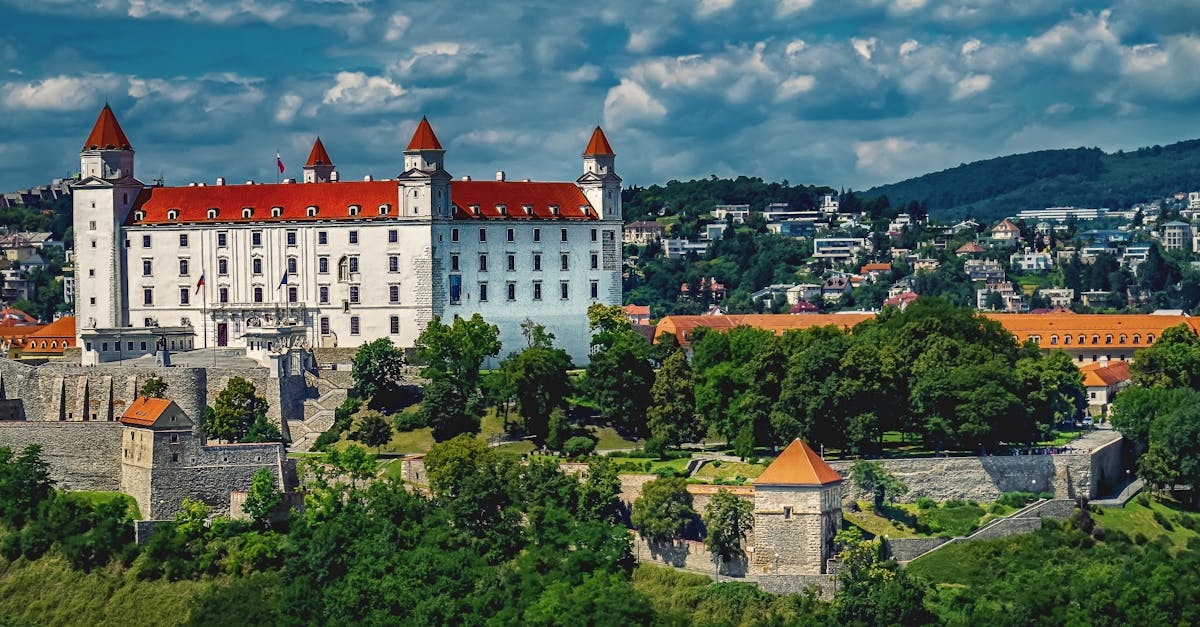
A central European country known for its dramatic natural landscapes, medieval castles, and rich cultural heritage. Slovakia is culturally vibrant and historically rich, offering a blend of tradition and modernity.
Next Steps
- 1Submit an application for a residence permit at a Slovak embassy/consulate general abroad or at the Foreign Police Department in Slovakia if eligible.
- 2Search for job opportunities in Slovakia that match your skills and qualifications, and consider applying for a Labour Office approval electronically.
- 3Find suitable housing in Slovakia by researching neighborhoods, contacting real estate agents, and visiting potential apartments.
- 4Enroll in a Slovak language course to meet the A2 language proficiency requirement for long-term residence and to aid in integration.
The Complete Guide to Living in Slovakia
Slovakia: A Hidden Gem in Central Europe
Relocating to Slovakia invites you to explore a vibrant blend of history, culture, and natural beauty nestled in the heart of Europe. Known for its captivating café culture, cobblestone streets, and panoramic landscapes ranging from mountains to lush forests, Slovakia uniquely marries the old with the new through its thriving modern cities. This guide will provide a comprehensive overview of Slovakia to help you adapt to your new life with ease and confidence.
Historical and Cultural Richness
Slovakia's history weaves through the ages with evidence of Celtic, Roman, and Slavic influences. Throughout Slovak cities, particularly in the capital Bratislava and the historical city of Nitra, the remnants of the past coexist with contemporary developments. The Slovak culture celebrates its traditions through folk arts, music, and national festivals such as the Presov Music Spring. Regular participation in local cultural events can enrich your relocation experience and deepen your understanding of Slovak heritage.
Natural Beauty
With the Carpathian Mountains and national parks such as the Tatra National Park, Slovakia offers opportunities for hiking, skiing, and adventure sports. These landscapes provide not only a playground for outdoor activities but also a tranquil retreat from urban life. As you plan your move, consider the proximity of natural wonders as a factor for choosing a residential location.
Café Culture and Cuisine
A defining feature of Slovak cities is their thriving café culture, where locals gather to enjoy coffee and pastries like "koláče" and "štrúdľa." Embrace this leisurely atmosphere by engaging in café hopping, which also serves as a way to socialize and integrate into the local community. Slovak cuisine offers an eclectic range, from hearty soups and "bryndzové halušky" to a diverse palette influenced by neighboring Eastern European countries.
Urban Living and Modern Conveniences
Slovakia's urban areas, including Bratislava and Košice, offer modern amenities and an efficient public transport system, making daily commuting straightforward. The country’s technological infrastructure also supports remote working arrangements, making Slovakia an attractive destination for expatriates in tech-driven fields. Familiarize yourself with the cities' transport maps and consider investing in a travel card for cost-effective commuting.
Local Communities and Integration Strategies
The key to seamless integration into Slovak society lies in understanding and adapting to social norms. Engaging with locals by learning the Slovak language, albeit complex, aids significantly in assimilation and opens doors for personal and professional interactions. Slowing down, enjoying the scenic beauty, and partaking in traditional local celebrations are invaluable experiences for any newcomer.
Practical Considerations and Preparations
When relocating, understanding relevant legal processes such as visas is crucial. Slovak national visas are typically issued for up to a year and, depending on your situation, a long-term residency might be possible [5]. Study the visa requirements relevant to your nationality and ensure your documents, like a valid passport and any applicable employment contracts, are ready for processing [5]. For specific pathways to residency or citizenship, referring to the regulations for your occupational group is advisable.
Access further guidance on accommodation, immigration concerns, healthcare options, financial implications, and other vital resources through reputable websites such as the Ministry of Foreign and European Affairs for visa information, or AFS-USA for cultural exchange insights.
In conclusion, Slovakia presents an appealing mix of cultural richness, natural splendor, and modern conveniences for newcomers. By approaching your relocation with curiosity and preparedness, Slovakia swiftly transforms from a mere destination to a beloved home.
Visa & Immigration
Overview
Relocating to Slovakia opens doors to a nation with a vibrant café culture, stunning landscapes, and a blend of historical and modern environments. Understanding the visa and immigration requirements is essential for a seamless transition. This chapter offers detailed guidance on visa types, application procedures, and pathways to residency or citizenship in Slovakia.
Visa Types
When planning a long-term stay in Slovakia, understanding the different visa options is crucial:
- National Visa: This visa is designed for extended stays within Slovakia, with a maximum validity of one year. It is governed by Act No. 404/2011 Coll. on Residence of Foreigners. National visas are typically issued for work, study, or family reunification purposes.
More detailed information can be accessed through the Ministry of Foreign and European Affairs.
Application Steps
Applying for a Slovak visa involves several specific steps. To ensure a successful application, ensure that the following documentation and steps are completed:
- Valid Passport: Your passport should be valid beyond the intended period of stay in Slovakia.
- Visa Application Form: Complete the national visa application form accurately. Forms can be found on the official Ministry of Foreign and European Affairs website.
- Photograph: Provide a recent 3x 3.5 cm color photograph.
- Proof of Purpose: Depending on the visa type, additional documentation such as an employment contract or letter of admission from an educational institution may be required.
- Submission: Submit these documents to the Slovak consulate or embassy in your home country.
It is highly recommended to start the visa process early to account for processing times and possible delays.
Pathways to Residency or Citizenship
The pathway to residency or citizenship in Slovakia can vary depending on personal circumstances and employment status. Here are some key avenues:
- Temporary Residence: This is typically granted for employment, family reunification, or study purposes. Applicants must demonstrate their intended purpose of stay and have access to financial resources.
- Permanent Residence: After a continuous stay of at least five years on a temporary residence permit, individuals may be eligible to apply for permanent residency.
- Citizenship: Slovakia offers the possibility of naturalization for long-term residents. Requirements include a minimum residence period, knowledge of the Slovak language, and integration into Slovak society. Specifics vary, so consulting legal advice or official resources is advised.
For selected occupations and groups from third countries, specific regulations and simplified processes may apply, reflecting government priorities in addressing labor market needs.
Practical Advice and Real-World Considerations
- Start the visa process well ahead of your planned move to accommodate any unforeseen delays.
- Carefully review requirements for your specific visa type as they can differ significantly.
- Keep track of expiration dates for your temporary residence permit to avoid issues with extended stays.
- Engage with local expatriate communities or seek legal advice to ensure that you are taking the most efficient path to residency or citizenship based on your situation.
For additional information and relevant updates, it's advisable to refer frequently to governmental or reputable immigration-focused websites, such as IOM Migration.
By understanding these steps and requirements, you can better navigate your way to a successful relocation to Slovakia, enhancing your experience in this vibrant European country.
Cost of Living
Relocating to Slovakia involves understanding the cost of living, which encompasses housing, daily expenses, and financial comparisons to help anticipate your budget. This chapter provides detailed insights and practical advice to manage your finances effectively while living in Slovakia.
Housing
Renting and Buying
- Rental Market: Slovakia offers a range of rental options, from apartments in urban areas to houses in rural settings. The cost of renting in Bratislava, the capital, starts at around €500 for a one-bedroom apartment in the city center. Costs decrease in smaller towns.
- Purchasing Property: Foreigners can purchase real estate, including flats and houses. This often requires navigating legal considerations, so consulting a local real estate agent or a lawyer is advisable.
- Resources for Finding Accommodation:
- Gigexchange Housing: Accommodation Options in Slovakia
- Online portals like Nehnuteľnosti.sk assist in finding rental and purchase offers.
Lease Terms and Considerations
- Typical Lease Terms: Lease agreements usually require a deposit equivalent to one or two months' rent, in addition to the first month's rent upfront. The terms generally cover 12 months, but shorter periods can often be negotiated.
- Legal Aspects: Ensure to review agreements in detail or have them checked by a legal expert, considering language barriers and legal nuances.
Daily Expenses
Groceries and Dining Out
- Grocery Shopping: Basic groceries for a week can cost around €40 to €60 per person if you shop at local markets or discount stores such as Lidl or Kaufland.
- Dining: Eating out in Slovakia is relatively affordable. A meal at an inexpensive restaurant costs around €5 to €10, while a three-course meal at a mid-range restaurant is approximately €20 per person.
Utilities and Other Essentials
- Utilities: The average monthly cost for electricity, heating, cooling, water, and garbage collection is about €150 for an 85m² apartment.
- Internet and Communications: High-speed internet is widely available, costing around €20 per month. Mobile plans are competitive, at approximately €10 to €20 per month depending on data needs.
Transportation
- Public Transport: Slovakia has an efficient public transport system. A monthly pass in Bratislava costs about €30, offering a cost-effective means to traverse the city.
- Owning a Car: Consider the costs of fuel, maintenance, insurance, and tolls if opting to drive, which can add up considerably.
Financial Comparisons
Regional Variations
- Bratislava vs Other Cities: Understandably, living in Bratislava will bear a higher cost than other towns like Košice or Žilina. Typically, everyday expenses are around 10-20% cheaper outside the capital.
- International Comparison: Slovakia generally offers a lower cost of living compared to Western European countries. The savings are evident in housing, dining, and transport costs while maintaining a high quality of life.
Banking and Taxes
- Banking: Setting up a local bank account is straightforward. Tatra Banka and Slovenská sporiteľňa are popular with expatriates. Consider transaction fees for international transfers.
- Tax Considerations: Slovak income tax rates are progressive, with details available via the Ministry of Finance website. New residents should consider consulting with a tax advisor to understand obligations fully.
Practical Advice for Financial Management
- Budgeting: Establish a monthly budget that accounts for housing, daily expenses, and unexpected costs. A contingency fund is advisable to cover emergencies.
- Cost-Saving Tips: Utilize mobile apps for discounts, buy local produce, and consider shared housing or coworking spaces to manage costs.
- Networking: Connecting with local expatriate communities can provide insights on cost-effective living arrangements and services.
Relocating to Slovakia can be a rewarding experience culturally and financially when adequately prepared. Understanding the cost of living will ensure a smooth transition, allowing for a balanced lifestyle amidst Slovakia's rich cultural and natural appeal. For more real-world insights and ongoing updates, explore additional resources like AFS-USA.
Employment Opportunities
Job Market Overview
Slovakia's job market is vibrant and evolving, characterized by rapid growth in several key industries[2]. As a prospective resident or job seeker, understanding the landscape is crucial to finding the right opportunity. Bratislava and other urban centers offer a range of employment possibilities, while smaller towns may provide niche opportunities depending on the industry.
High-Demand Industries
- Technology Sector:
- The technology sector in Slovakia is burgeoning, with significant demand for professionals in software development, data science, and cybersecurity.
- Skills in programming languages such as Java, Python, and C++ are highly sought after.
- Major tech companies are operating out of Bratislava and Košice, offering roles in development and tech support.
- Healthcare:
- Healthcare professionals, including doctors, nurses, and technicians, are in demand due to an aging population and public healthcare expansion.
- Investing in a healthcare-related degree can be advantageous, especially if coupled with Slovak language proficiency.
- Renewable Energy:
- Slovakia is focusing on renewable energy projects, primarily wind and solar power.
- Engineers and project managers with experience in renewable projects will find ample opportunities.
For more detailed insights, visit Gigexchange which provides a comprehensive job report for 2024 in Slovakia.
Work Regulations
Understanding Slovakia's work regulations is essential for both employers and employees to ensure compliance and successful employment experiences.
Work Hours and Conditions:
Standard work hours are approximately 40 hours a week, with overtime regulated by law.
Employers must ensure a minimum wage, safe working environment, and provide appropriate training.
Employment Contracts:
Employment contracts in Slovakia should be in writing and detail the roles, responsibilities, remuneration, and other conditions of employment.
Contracts can be permanent, temporary, or based on a probationary period.
Employee Rights:
Workers in Slovakia are entitled to statutory benefits, including vacation leave, maternity/paternity leave, and healthcare.
Discrimination based on gender, race, or religion is prohibited.
For detailed legal stipulations, refer to the Ministry of Foreign and European Affairs which provides guidance on work-related legalities in Slovakia.
Practical Advice for Job Seekers
- Language Skills:
- While English is widely spoken in the tech industry, proficiency in Slovak can provide a competitive edge, especially in healthcare and renewable energy sectors.
- Networking:
- Join professional associations and attend industry events to build a network.
- Utilize online platforms such as LinkedIn to connect with Slovak professionals.
- Job Search Strategies:
- Start your job search on platforms like Indeed, Glassdoor, and local Slovak job portals.
- Consider recruitment agencies that specialize in relocating foreign workers.
- Work Visas:
- Secure a work visa through your prospective employer, who often assists with the application process.
- Prepare to provide necessary documentation, including a valid passport, employment offer, and proof of qualifications.
By understanding Slovakia's job market dynamics, high-demand sectors, and work regulations, you can effectively position yourself for a successful career in this beautiful Central European country. Whether you’re seeking a high-tech role or looking to contribute to healthcare or renewable energy, Slovakia offers diverse and growing opportunities.
Housing & Accommodation
Finding and securing housing in Slovakia is a crucial step for anyone planning to relocate to this picturesque Central European country. Whether you're settling in bustling Bratislava or a quaint town surrounded by Slovakia's stunning landscapes, ensuring you find a comfortable and suitable place to live is paramount. This chapter provides a detailed guide on how to find housing, understand lease terms, and offers practical advice to make your transition as smooth as possible.
Finding Housing
1. Understanding the Housing Market
The Slovak real estate market varies significantly from urban to rural areas. In larger cities like Bratislava, prices are higher due to demand and amenities, while renting or buying in smaller towns tends to be more affordable. The key is identifying your priorities, whether they are proximity to work, schools, or recreational facilities.
2. Online Resources and Platforms
Start your search online where numerous platforms can assist you in finding the right accommodation:
- Real Estate Websites: Websites such as Reality.sk and Bazar.sk offer extensive listings for rentals and properties for sale.
- Classified Ads: Websites like Expats.sk can be invaluable, especially if you are looking for housing that caters to expatriates.
- Social Networks and Forums: Joining Slovak expatriate groups on platforms like Facebook or Reddit can yield recommendations and direct links to available accommodations.
3. Local Agents
Consider working with a local real estate agent who has in-depth knowledge of the area. They can offer personalized guidance, suggest properties that meet your requirements, and sometimes even negotiate rental terms on your behalf.
4. University Housing (For Students)
If you are a student, contact your university's student services for information on dormitories or university-affiliated housing. Many Slovak universities provide affordable living options for international students.
Securing Housing
1. Viewing Properties
Arrange to view properties in person where possible. This allows you to assess the condition of the accommodation, the surrounding neighborhood, and to directly communicate with the landlord or agent.
2. Required Documentation
Before signing a lease, be prepared to provide the following:
- Valid identification (passport or ID card)
- Proof of income (employment contract or payslips)
- References from previous landlords may be required, especially in competitive markets.
3. Lease Agreement
- Lease Length: Typical leases in Slovakia range from 12 to 24 months, with some flexibility for extensions.
- Security Deposit: Generally, a security deposit amounting to one or two months' rent is required.
- Rent Payment: Rent is typically paid monthly, either by bank transfer or in cash, depending on the agreement with the landlord.
- Utilities and Maintenance: Clarify what utilities are included in the rent and which are to be covered by you. Usually, water, electricity, and gas are not included in the rent.
Typical Lease Terms
1. Rent Increases
Beware of terms regarding rent increases. Make sure any potential rent hikes are clearly outlined in the agreement, with adequate notice periods. In Slovakia, such increases are usually stipulated in the lease contract.
2. Termination Conditions
Understand the termination process and notice periods involved. Standard practice usually requires a one to three-month notice from either party.
3. Property Maintenance and Repairs
Responsibilities for property maintenance often fall on the tenant for minor repairs, while landlords cover significant structural issues. This should be specified in your lease.
4. Legal Framework
Slovak lease agreements adhere to the Civil Code's provisions, protecting both tenants’ and landlords’ rights. For comprehensive understanding, consider consulting a legal expert familiar with Slovak law.
Conclusion
Finding and securing accommodation in Slovakia requires careful planning and due diligence. By utilizing online resources, real estate agents, understanding typical lease terms, and adhering to legal requirements, you can navigate the Slovak housing market successfully. Remember, the goal is to find housing that not only meets your practical needs but also complements your lifestyle in this beautiful and culturally rich country.
For more detailed information on housing in Slovakia, you can visit IOM Migration’s Housing Guide.
Related Links:
By thoroughly understanding the nuances of Slovakia's housing market, you can make your move more seamless and enhance your living experience in a country that has much to offer.
Healthcare System
Understanding the healthcare system is crucial for anyone planning to relocate to Slovakia. This chapter provides a detailed explanation of public and private healthcare options, insurance choices, and the quality of medical facilities available in the country.
Public vs. Private Care
Slovakia offers a dual healthcare system that includes both public and private services. Here's what you need to know:
Public Care
- Access: Everyone in Slovakia is entitled to free healthcare under the public healthcare system. This includes general medical services, hospital care, and emergency services.
- Funding: Public healthcare is funded primarily through mandatory contributions by employees and employers to health insurance companies.
- Limitations: While most standard medical services are covered, there are exceptions, such as dental care and certain medications, which might require partial or full payment out-of-pocket.
Private Care
- Services: Private healthcare facilities typically offer services not covered by the public system or provide faster access to medical care.
- Cost: Utilizing private healthcare services generally incurs additional costs, which can vary depending on the service and facility.
- Choice: Private care may appeal to individuals seeking more personalized treatment and shorter wait times for procedures.
For more detailed information, you can visit the EU-Healthcare website.
Insurance Options
Slovakia has several health insurance options that cater to both locals and expatriates. Here's a rundown of what's available:
- Mandatory Health Insurance: Slovak law requires all residents to have health insurance, which covers a broad range of medical services. There are three main health insurance companies in Slovakia: Všeobecná zdravotná poisťovňa, Dôvera, and Union.
- Choice: Individuals have the right to choose their health insurance provider, allowing them to select the one that best fits their needs.
- Private Health Insurance: In addition to the public system, there are private insurance options available for those who wish to have extended coverage or want access to additional healthcare services. This is particularly useful for expatriates who may require specific medical services not included in the public plan.
To explore health insurance options, these resources might be helpful: EU-Healthcare website.
Quality of Facilities
While the quality of healthcare facilities in Slovakia has improved over the years, there are important considerations to bear in mind:
- Public Hospitals: Standards can vary with more modern facilities found in urban areas like Bratislava. Smaller towns or rural areas may have more basic facilities.
- Private Facilities: Offer higher standards of care, usually well-equipped with state-of-the-art technology and often employing staff who speak multiple languages.
- International Recognition: Slovakian healthcare professionals are generally well-trained, and some hospitals have international accreditation, aligning them with Western standards.
Practical Advice
- Choosing a Provider: Research the facilities available in the area you plan to live in. Urban centers generally have more options, higher quality services, and facilities that cater to expatriates.
- Language Considerations: While many healthcare professionals speak English, it’s beneficial to learn basic Slovak or have someone who can accompany you to ease communication.
- Emergency Services: Always know the local emergency contact numbers and have a list of nearby hospitals and clinics.
Understanding the healthcare options available in Slovakia ensures smoother integration into the system and can provide peace of mind for those relocating. For additional resources on healthcare services in Slovakia, consult reputable guides like AFS-USA or the EU-Healthcare website.
Taxes & Financial Considerations
Relocating to Slovakia involves a thorough understanding of the local tax systems, banking facilities, and compliance with any potential foreign tax obligations. Being knowledgeable and prepared in this area is critical for a smooth financial transition and stability in your new home.
Local Tax Structures
Understanding Slovakia's tax structure is essential for residents and expatriates alike. The Slovak tax system encompasses several categories that you should be aware of:
- Income Tax: Slovakia imposes a personal income tax with a flat rate. As of the latest updates, the rate is approximately 19% up to a certain income threshold, after which a higher rate of 25% applies. Specific deductions and allowances can be claimed, subject to eligibility.
- Value Added Tax (VAT): The standard VAT rate in Slovakia is 20%, with a lower rate of 10% applicable to certain goods and services, including some healthcare products and books.
- Corporate Taxes: Businesses operating in Slovakia are subject to a corporate tax rate of 21%.
- Property Taxes: Property owners are liable to pay local property taxes, which are determined by local municipalities and vary based on region and property specifications.
For detailed and up-to-date tax rates and allowances, consult Slovakia's Ministry of Finance website.
Banking in Slovakia
The Slovak banking system is modern and accessible, with several options for expatriates:
- Opening a Bank Account: To open a bank account in Slovakia, you will typically need a valid passport, proof of address, and in some cases, an employment contract or proof of income. Major banks include Slovenská sporiteľna, VÚB Bank, and Tatra banka.
- Banking Services: Most banks offer comprehensive services, including online and mobile banking, making daily financial transactions convenient for residents and newcomers.
- Currency and Transactions: Slovakia uses the Euro (€) as its official currency. ATMs are widely available, and credit/debit cards are accepted in most establishments.
Detailed information about Slovak banks can be found at each bank’s official website or National Bank of Slovakia.
Foreign Tax Obligations
As an expatriate, it's important to consider both local and home-country tax obligations:
- Reporting Obligations: If you are a citizen of a country that requires global tax reporting (e.g., the United States), you must ensure compliance with these regulations, even if residing in Slovakia.
- Double Taxation Agreements (DTAs): Slovakia has agreements with many countries to prevent double taxation. If your home country has a DTA with Slovakia, you may avoid being taxed on the same income in both countries.
- Tax Residency: Your tax residency status in Slovakia will determine your local tax liabilities. Generally, residing in Slovakia for more than 183 days in a year establishes tax residency.
For assistance and expertise, consider consulting with an international tax advisor or referencing the OECD's guide on international tax treaties.
Practical Recommendations
- Engage a Tax Advisor: Especially during the initial phases of your relocation, consulting with a local tax advisor can be beneficial to understand specific obligations and optimize tax efficiency.
- Stay Updated: Tax regulations can change, so staying informed through trusted resources, such as governmental websites and financial news outlets, is crucial.
- Understand Compliance Deadlines: Be aware of all filing deadlines for tax returns both locally and in your home country to avoid penalties and interest charges.
By understanding Slovakia's financial systems and being proactive about your international obligations, you can manage your personal finances effectively and enjoy a stress-free experience as you transition to life in Slovakia.
Moving Logistics
Packing and Shipping Tips
Relocating to Slovakia requires a strategic approach to packing and shipping your belongings, ensuring smooth transit and minimal stress. Here are several practical steps to follow:
Start Early: Begin packing a few months in advance, sorting through your belongings to decide what to bring, sell, or donate.
Declutter: Slovakia offers a rich cultural and natural landscape, but not all your belongings may complement this new lifestyle. Consider minimizing items that are easily replaceable or unnecessary.
Organize: Categorize items by room and label boxes clearly with detailed content descriptions, making unpacking easier.
Special Handling: Use bubble wrap, packing peanuts, or blankets for fragile items like glassware and electronics to prevent damage.
Shipping Services: Compare international moving companies to find the best fit for your needs in terms of services and costs. Ensure they are experienced with Slovakia routes.
Insurance: Consider insuring valuable items during transit to cover any potential loss or damage.
Necessary Documentation
Prepare the requisite documentation to facilitate your move to Slovakia. Missing a critical document can lead to unnecessary delays or complications:
Visa and Residence Permit: As detailed in the Ministry of Foreign and European Affairs, ensure you have a valid visa, necessary application forms, and proof of employment or residence. National visas are pivotal for stays up to one year.
Health Insurance: Verify you have health insurance coverage that meets Slovak requirements, either through your current provider or a Slovak company (EU-Healthcare Information).
Customs Documentation: Compile an inventory of shipped items in English and Slovak, detailing estimated values for customs declarations. Be mindful of prohibited items and ensure compliance with Slovak customs regulations.
Legal Copies: Keep notarized copies of important documents like birth certificates, marriage certificates, educational qualifications, and a valid driver's license.
Pet Relocation Info
Relocating with pets involves careful planning to ensure a safe and comfortable transition for your furry family members:
Pet Passport and Vaccinations: Slovakia requires pets to have identification microchips, valid rabies vaccinations, and a pet passport (AFS-USA Country Guide).
Transport Arrangements: Check airline policies regarding pet travel, as requirements can vary. Book flights that offer pet accommodations for added comfort.
Quarantine Requirements: Slovakia does not impose quarantine for pets from EU or third countries if they meet all entry requirements, making pre-travel preparations essential.
Local Regulations: Familiarize yourself with Slovakia’s regulations on pet ownership, including leash laws and registration requirements with local authorities upon arrival.
Settling In: Research local veterinarians and understand pet food availability to ensure your pet’s health and comfort in their new environment.
Incorporating these guidelines into your moving plan will enable a smooth relocation process to Slovakia, ensuring you and your family, including your pets, have a seamless transition into Slovak life.
Language & Communication
Relocating to a new country like Slovakia presents numerous challenges, one of which is language and communication. Understanding the local language, utilizing available learning resources, and adhering to local communication etiquette are crucial for smooth integration. This chapter offers practical guidance on navigating these aspects in Slovakia.
Language Barriers
The official language of Slovakia is Slovak, a Slavic language that can be challenging for those unfamiliar with similar languages. However, English is becoming increasingly common, especially in urban areas and among younger populations. To minimize language barriers:
Learn Basic Slovak Phrases: Familiarizing yourself with common Slovak phrases can significantly enhance daily interactions. Simple greetings, expressions of gratitude, and basic questions can go a long way.
Use Translation Apps: Tools like Google Translate can be handy for on-the-go translations of signs, menus, or short conversations.
Learning Resources
Many resources are available for those interested in learning Slovak, both online and offline:
Language Courses: Language schools in Slovakia, such as the Slovak Language School Bratislava, offer structured courses suitable for all levels. These courses provide comprehensive lessons and a chance to practice with native speakers.
Online Platforms: Websites like Duolingo and Babbel offer Slovak courses that allow for flexible, self-paced learning. They cover vocabulary, grammar, pronunciation, and offer interactive exercises.
Language Exchange: Engaging in a language exchange with locals can be an effective way to practice Slovak. Platforms like Meetup or local Facebook groups often organize language exchange events.
Local Etiquette
Understanding local communication etiquette is vital for building positive relationships. Here are some key aspects of communication etiquette in Slovakia:
Politeness and Respect: Use formal titles and surnames during initial meetings, transitioning to first names as relationships develop. Slovaks value politeness and courtesy; using "Prosím" (Please), "Ďakujem" (Thank you), and addressing people with "Pán" (Mr.) or "Pani" (Mrs.) demonstrates respect.
Non-Verbal Communication: Slovaks may not exhibit extensive body language; maintaining a warm, approachable demeanor is appreciated. A firm handshake with direct eye contact is standard upon meeting someone.
Social Interactions: When invited into a Slovak home, it is customary to bring a small gift such as chocolate or wine. Additionally, remove shoes upon entering unless the host specifies otherwise.
Conclusion
Efficient communication is an essential component of a successful relocation to Slovakia. By proactively addressing language barriers, utilizing available learning resources, and adhering to local etiquette, new residents can facilitate smoother interactions and enrich their cultural experience.
For further information on Slovak language and integration resources:
Adapting to a new linguistic and cultural setting requires patience and effort but is ultimately rewarding. With these strategies, newcomers can effectively communicate and build connections in Slovakia.
Cultural Adaptation
Relocating to Slovakia presents an enriching opportunity, yet it comes with challenges primarily associated with cultural adaptation. In this chapter, we delve into key areas such as social customs, community integration, and managing culture shock, providing practical advice and insights to help you smoothly transition into Slovak life.
Social Customs
Language
- Official Language: Slovak is the official language. While English is widely spoken in urban areas and among younger generations, learning basic Slovak phrases can be immensely beneficial in rural areas and for everyday interactions.
- Basic Slovak Phrases: Simple greetings like "dobrý deň" (good day) or "ďakujem" (thank you) are appreciated. For resources on learning Slovak, websites like AFS-USA can be invaluable.
Etiquette and Behavior
- Greetings: A firm handshake with eye contact is the standard greeting. When meeting someone for the first time, it is courteous to use Mr. or Ms. followed by their surname.
- Gift Giving: If invited to a Slovak home, it's polite to bring a small gift such as flowers or chocolates. Avoid giving even numbers of flowers as this is reserved for funerals.
- Dining Etiquette: Wait for the host to say "dobrú chuť" (enjoy your meal) before starting to eat. It is polite to leave a small amount of food on your plate to indicate satisfaction.
Celebrations and Holidays
- National Holidays: Slovakia celebrates a variety of national holidays, including Slovak Independence Day on January 1st and Constitution Day on September 1st. Joining in these celebrations can be a great way to integrate and learn more about local customs.
Community Integration
Getting Involved Locally
Local Organizations: Joining local clubs or organizations, such as language clubs or sports teams, can enhance your sense of belonging. Websites like Gigexchange list community events and opportunities.
Volunteer Work: Volunteering offers a constructive way to contribute to the community while meeting residents and practicing the language.
Building Relationships
Networking: Attending social events and networking opportunities, especially those geared towards expats, can help you establish connections. Consider joining professional and expat associations.
Family Focus: Family is central in Slovak culture. Demonstrating an interest in family life and values can help you build strong relationships with locals.
Managing Culture Shock
Understanding Culture Shock Stages
- Honeymoon Phase: Initial excitement and fascination with a new place.
- Frustration Phase: Differences in lifestyle, language, and customs become more apparent, leading to distress.
- Adjustment Phase: Gradual adaptation to the new environment.
- Acceptance Phase: Embracing the new culture while maintaining your original identity.
Practical Coping Strategies
Stay Open-Minded: Approach cultural differences with curiosity rather than judgment. This can ease the frustration phase and help you adjust more quickly.
Create a Routine: Establish daily routines to create a sense of normality and control in your new setting.
Connect with Support Networks: Reach out to other expatriates and support networks for advice and solace. Community groups and forums can provide essential emotional support.
Maintain a Healthy Lifestyle: A balanced diet, regular exercise, and sufficient sleep can help reduce stress levels and maintain a positive outlook.
Seek Professional Help If Needed: If culture shock feels overwhelming, consulting with mental health professionals familiar with expatriate adjustment issues can be very beneficial.
Resources
For continuous adaptation support, consider accessing the following resources:
- IOM Migration: Provides valuable insights into housing, legal, and cultural aspects for newcomers.
- EU Healthcare: For information on healthcare services and insurance in Slovakia.
In conclusion, cultural adaptation in Slovakia involves understanding and respecting local customs, actively engaging with the community, and employing strategies to manage culture shock. With patience and proactive participation, you can enrich your experience and enjoy the diverse cultural landscape that Slovakia offers.
Essential Resources
Emergency Contacts
In Slovakia, having access to emergency contacts is crucial for ensuring your safety and navigating unexpected situations. Below are essential numbers you might need:
- Police: In case of emergencies, dialing 112 will connect you to the Europe-wide emergency number.
- Fire and Rescue: For fire emergencies, you should also use 112.
- Emergency Medical Services: For medical emergencies, dial 112.
- Local Police: For non-emergencies requiring local police assistance, you can contact 158.
- Gas Emergency: If you detect a gas leak, contact the gas emergency service at 0850 111 727.
Reputable Websites
To stay informed and obtain reliable information regarding your relocation to Slovakia, consider using the following reputable websites:
AFS-USA Slovakia: This site provides comprehensive information about living in Slovakia. Visit AFS-USA.
Gigexchange: For insights into Slovakia's job market and employment opportunities, consult the job report at Gigexchange.
IOM Migration: Offers guidance on accommodation options for foreigners in Slovakia. Visit IOM Migration.
EU-Healthcare: For country-specific information on health services available in Slovakia, check EU-Healthcare.
Ministry of Foreign and European Affairs: This official site provides visa and immigration information. Explore more at Ministry of Foreign and European Affairs.
Brief Directory of Local Services
When living in Slovakia, a variety of local services can assist to ease your transition. Below is a brief directory:
Healthcare Services: Slovakia offers a mix of public and private healthcare providers. To select health insurance, you may want to consider one of the three main health insurance companies — Všeobecná zdravotná poisťovňa, Dôvera, and Union. They can provide comprehensive information on coverage and services.
Housing Services: If you're looking for accommodations, you can access several online platforms and agencies, such as Reality.sk or Expats.sk, offering a wide range of apartments and homes for rent or purchase.
Banking Services: To open a bank account in Slovakia, major banks like Slovenská sporiteľňa, VÚB, and Tatra banka offer services for foreigners. Make sure to bring your passport and the necessary identification documents.
Transportation Services: The country has an efficient public transportation system. Websites like CP.sk offer detailed schedules and routes for trains and buses. If you prefer private taxi services, applications like HOPIN can be downloaded for convenient travel arrangements.
Emergency Services: Besides dialing 112, for non-urgent medical inquiries, you can contact various medical facilities in your local area, many of which provide English-speaking staff or translation services for other languages.
Consulting these resources and utilizing local services can greatly facilitate your adjustment to life in Slovakia, allowing you to focus on enjoying the country's rich culture and scenic landscapes.