How to Choose the Best Country for Digital Nomad Cost of Living in 2026

Not sure where to start? Our free Relocation Wizard matches you to your ideal country in minutes.
Key Takeaways
- Digital nomad cost of living in 2026 is shaped by evolving visa programs, currency fluctuations, and varied lifestyle trade-offs across top and emerging destinations.
- Countries like Portugal, Greece, and Croatia offer attractive remote work visas paired with affordable living costs under €1,500/month in secondary cities.
- Rising costs in traditional hubs like Dubai and Singapore push nomads toward alternatives such as Mexico and Colombia, where $800–$1,200/month budgets cover comfortable living with strong infrastructure.
- Healthcare quality, tax regimes, and education options are critical to balance alongside cost of living—especially for families and long-term planners.
- Use tools like our Relocation Wizard and cost-of-living calculator to tailor choices based on personalized priorities and up-to-date economic data.
Understanding Digital Nomad Cost of Living 2026: Beyond Just Visas and Expenses
Choosing the best country for digital nomad cost of living in 2026 means looking deeper than simple rent or visa fees. This year, a blend of factors — from currency fluctuations to healthcare and tax policies — define the practical affordability and lifestyle quality remote workers can expect.
Traditional advice often focuses narrowly on visa duration or nominal rental averages. However, today’s global digital nomads confront new realities: rising inflation in some regions, currency depreciation in others, stricter government residency scrutiny, and more sophisticated visa options that come with varying income and application requirements.
To find your ideal destination, you need to weigh:
- Monthly living costs (housing, food, transportation, entertainment) in hard currency or local currency terms
- Visa fees and income thresholds, which can change suddenly
- Local infrastructure quality, including internet stability and coworking spaces
- Healthcare access and expenses, vital for families or longer stays
- Safety and lifestyle factors, like expat communities and climate
This comprehensive guide offers the latest insights on these variables for 2026, helping you balance affordability without sacrificing essentials.
Quick Tip: Always factor in your income currency strength against local currency trends. For example, the Turkish lira’s 20% depreciation in 2025 significantly improved living affordability for dollar or euro earners.
How Visa Changes Are Shaping Digital Nomad Cost of Living in 2026
Several countries have revamped digital nomad and remote work visa programs to attract global talent, often adjusting income requirements and durations. These changes influence upfront costs and ongoing eligibility, making visa policy a financial consideration as much as a legal one.
Extended and Revised Digital Nomad Visas
- Portugal has extended its popular D7 passive income visa, requiring roughly €1,200–1,500/month post-rent to live comfortably in secondary cities. Its friendly tax regime and healthcare access make it a perennial favorite.
- Greece doubled income thresholds for its digital nomad visa — applicants must now prove earnings of at least €7,000/month, steering the program toward higher-earning remote professionals. Outside Athens and Thessaloniki, monthly living costs hover near €1,200, providing Mediterranean charm with affordability.
- Croatia offers a two-year digital nomad visa with a modest €150–200 application fee, making the Adriatic coast an affordable hotspot for remote workers seeking seaside living with good infrastructure.
- Hungary combines a remote-work visa with tax incentives targeting freelancers and startups, appealing to digital entrepreneurs seeking a Central European base.
Other Visa and Residency Trends
- Estonia maintains its one-year digital nomad visa (€100 application fee, €3,500/month income requirement), famed for e-Residency support that eases managing a business remotely without offering direct residence rights.
- Malaysia’s MM2H (Malaysia My Second Home) program cut its financial deposits in 2026 to MYR 300,000 (
$65,000) for under-50s and MYR 150,000 ($33,000) for others, facilitating longer-term stays for retirees and remote workers alike.
Quick Tip: When comparing visa programs, include application fees, proof-of-income requirements, and any residency obligations to avoid surprises in your budget planning.
Comparing Cost of Living Across Popular Digital Nomad Destinations in 2026
Here we break down the estimated living costs for modest but comfortable monthly budgets, considering rent, food, transport, and utilities. All figures are averages and can vary from city center to suburbs or smaller towns.
| Country | Typical Monthly Cost (USD/EUR) | Visa Income Requirement | Internet Quality | Key Lifestyle Notes |
|---|---|---|---|---|
| Portugal | €1,200–1,500 | €7,000/month (D7 passive income) | 100+ Mbps Fiber | Affordable, friendly expat hubs, great healthcare |
| Greece | ~€1,200 | €7,000/month | 50–100 Mbps | Mediterranean climate, relaxed lifestyle |
| Croatia | €1,000–1,300 | €3,100/month | 50+ Mbps | Coastal charm, rising popularity, low visa fees |
| Mexico | $800–1,200 | No dedicated nomad visa | 50+ Mbps | Vibrant culture, improving safety, affordable |
| Colombia | $800–1,200 | No dedicated nomad visa | 30–50 Mbps | Growing infrastructure, affordable lifestyle |
| Malaysia | $1,000–1,400 | MM2H fixed deposit requirement | 80–100 Mbps fiber | Stable currency, excellent healthcare options |
| Singapore | $2,500+ | Work Pass or EntrePass required | 200+ Mbps | Very expensive, top-tier infrastructure |
| Dubai | $2,500+ | Remote Work Visa (~$287 fee) | 150+ Mbps | High safety, international schools, costly rent |
Quick Tip: Use our cost-of-living calculator to customize expense estimates based on your lifestyle and preferred city.
In-Depth Destination Insights: Balancing Cost of Living with Quality of Life
Portugal — Affordable Comfort Meets Easy Residency

Portugal remains a favorite for digital nomads due to its balance of moderate living costs, scenic secondary cities like Porto and Coimbra, and quality healthcare. The D7 visa appeals to those with passive income or freelancing careers, with modest rent (~€400–700/month) and groceries keeping total monthly expenses near €1,200–1,500 outside Lisbon.
Taxes are reasonable under Portugal’s residency rules, and public healthcare access is excellent. The country boasts reliable broadband and growing coworking infrastructure, especially in expat hubs.
Greece — Mediterranean Lifestyle for Higher Earners

With its increased income threshold to €7,000/month, Greece is positioning itself for digital nomads who prioritize lifestyle but can afford higher budgets. Outside major cities, you can live comfortably with €1,200/month in towns rich with history and sea views. The Greek visa program is streamlined, and bureaucracy is less complex compared to some EU nations.
Internet speeds are sufficient for remote work in cities and many islands, though rural areas may lag. Safety and healthcare are improving annually, making Greece a tempting blend of affordability and quality.
Croatia — The Rising Adriatic Star

Croatia’s two-year digital nomad visa with affordable application fees makes it extremely competitive. Cities like Split and Dubrovnik offer under €1,500/month lifestyle budgets, with fresh coastal air and rich cultural experiences. Internet reliability has improved dramatically, and coworking spaces have grown by 20% in 2026.
An additional edge is Croatia’s position in the EU but outside the eurozone, offering some currency arbitrage advantages for euro earners.
Mexico and Colombia — Latin America’s New Normals

Latin American destinations are attracting digital nomads drawn by monthly costs averaging $800–$1,200 and improving safety. Mexico City and Playa del Carmen offer vibrant amenities, reliable internet, and large international communities at a fraction of the cost of U.S. or European cities.
Colombia’s Medellín and Bogotá benefit from safety improvements and growing tech hubs, with similar budgets and good healthcare access through private insurance.
High-Cost but High-Quality: Singapore and Dubai
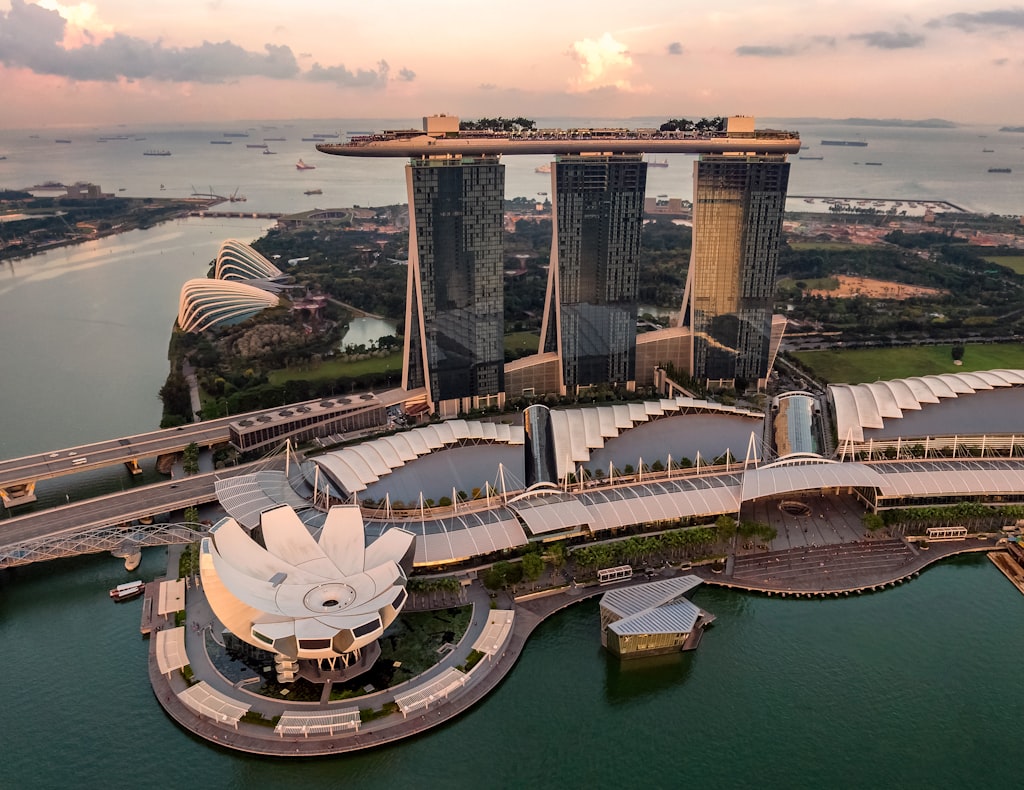
These global hubs offer unparalleled infrastructure, safety, and schooling options but demand monthly budgets upward of $2,500 just for basic living. Rent surges of 15-20% per year strain affordability, pushing many nomads to seek alternatives unless higher salaries or corporate backing compensate.
Navigating Healthcare, Safety, and Amenities Alongside Cost of Living
Cost alone is not enough to guarantee a successful nomad experience. Healthcare access and quality must be integral to your decision, especially for families or digital nomads staying longer than a year.
- Malaysia, Portugal, and Spain rank highly for affordable, high-quality private healthcare—often 30–50% cheaper than in North America or Western Europe.
- Costa Rica continues investing in public healthcare infrastructure, appealing to retirees and long-term stayers.
- Safety ratings have improved in Latin America, notably in Colombia and Mexico, shifting perceptions and encouraging migration from Western countries.
Education needs also influence relocation, with rising international school costs encouraging some families to look at secondary cities in Portugal and Poland, where quality bilingual education is more affordable.
Tax Policies and Financial Planning for Digital Nomads in 2026
Understanding local tax regimes is crucial for digital nomads and remote entrepreneurs seeking to maximize net income:
- The UAE expanded VAT and corporate tax in 2025, impacting business owners in Dubai despite no personal income tax.
- Italy’s “forfait tax regime” attracts wealthy individuals by capping tax payments at €100,000/year regardless of foreign income for 15 years, spurring interest in regions like Tuscany.
- The U.S. tightened enforcement of expat tax reporting (FEIE, FBAR, FATCA), which has made some American digital nomads reconsider residency or the cost-benefit of moving abroad.
Consulting a tax advisor familiar with international digital nomad scenarios is highly recommended.
Practical Tips for Selecting a Location to Optimize Digital Nomad Cost of Living 2026
- Prioritize visa programs that offer flexibility and renewable durations aligned with your work plans.
- Consider cities outside the top tier (secondary or tertiary cities) for better rental and living cost trade-offs without sacrificing internet speed or amenities.
- Research recent currency trends—depreciations, inflation, and monetary policies—to assess if your income currency will stretch further or less.
- Check healthcare quality ratings and availability of private options if you need regular medical care.
- Factor in safety and expat community size, especially if relocating with family.
Quick Tip: Use the Relocation Wizard to filter destinations by visa type, cost of living, healthcare quality, and internet speed to find your tailored best fit.
Frequently Asked Questions
What is the average digital nomad cost of living in 2026?
Depending on the country and city, average monthly expenses range from about $800 in affordable Latin American cities to €1,200–1,500 in many European secondary cities. High-cost hubs like Singapore or Dubai require budgets upwards of $2,500/month.
Which countries have the most flexible digital nomad visas in 2026?
Portugal, Croatia, and Estonia offer some of the most accessible remote work visas with fair income requirements and multi-year validity options.
How do currency fluctuations affect digital nomad cost of living?
Nomads earning in strong currencies benefit from local currency depreciations, like the Turkish lira’s 20% drop in late 2025, effectively lowering living costs. However, fluctuating inflation in regions like Southeast Asia increases budget unpredictability, prompting moves to more stable economies like Malaysia.
Are healthcare costs included in average nomad living expenses?
Typically, basic healthcare is excluded from standard living cost averages but is a crucial factor. Countries like Portugal, Spain, and Malaysia offer affordable quality healthcare, often at 30–50% lower costs than Western countries.
Final Thoughts
Choosing the best country balancing digital nomad cost of living in 2026 involves evaluating more than just rent and visa fees. With diverse visa programs evolving, shifting currency values, and improvements in healthcare and infrastructure, this year opens exciting possibilities for location-independent professionals.
To make the smartest move, leverage personalized tools like our Relocation Wizard to identify destinations aligned with your priorities, and double-check budgets using our comprehensive cost-of-living calculator.
Start your relocation journey armed with current facts and actionable insights—your ideal digital nomad lifestyle awaits.