
Next Steps
- 1Determine your visa category and requirements based on your nationality and purpose of stay in Hungary.
- 2Apply for a residence permit by submitting the necessary documents, such as a valid passport, health insurance, and proof of financial resources.
- 3Search for job opportunities in Hungary that match your skills and qualifications, and consider applying for an EU Blue Card if you are a highly-qualified worker.
- 4Research housing options in Hungary and prepare for integration by learning about Hungarian culture, language, and customs.
The Complete Guide to Living in Hungary
Hungary: A Cultural Fusion
Hungary, nestled in the heart of Central Europe, presents a rich tapestry of culture and history that draws global curiosity and admiration. Recognized for its architectural beauty, thermal waters, and the charm of the Danube River, Hungary offers a unique blend of tradition and modernity, appealing to both travelers and expatriates.
Cultural Landscape
Distinctive Identity: Hungarians take immense pride in their cultural uniqueness, which is showcased through their language, cuisine, and traditional practices. The Hungarian language, known for its complexity and uniqueness, is a crucial part of the national identity. Efforts to engage with the language, even at a basic level, can significantly enhance cultural integration and foster better relationships with locals.
Hospitality and Traditions: Hungarian hospitality is renowned, with a strong emphasis on warmth and welcoming gestures. Social gatherings often revolve around food, with traditional dishes like gulyás (goulash) being a staple. Participating in local festivals and events is a promising way to immerse oneself in Hungarian culture and learn about its rich heritage Cultural Atlas.
General Appeal
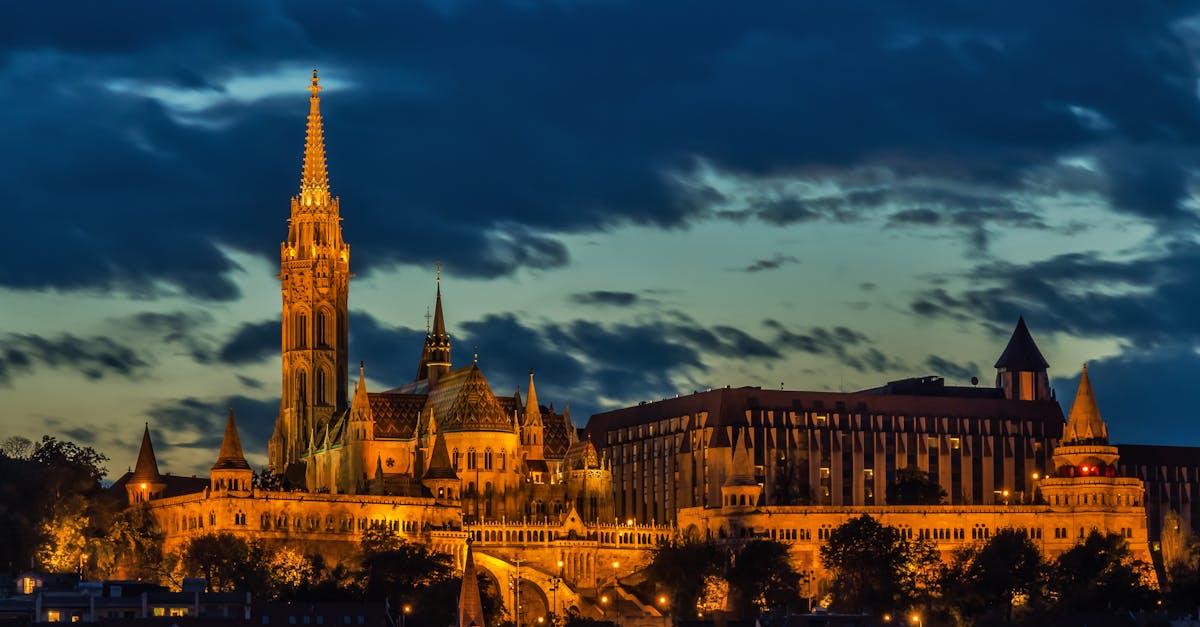
Historical and Architectural Richness: From the majestic Buda Castle to the intricate details of the Parliament building, Hungary’s architecture speaks volumes of its historical depth. The country is dotted with UNESCO World Heritage Sites, offering endless opportunities for exploration and learning.
Natural Beauty: Hungary's landscapes are diverse, including the Great Hungarian Plain and Lake Balaton, the largest lake in Central Europe. These natural features provide a backdrop for outdoor activities such as hiking, swimming, and nature photography.
Resilient Economic Landscape: Hungary is a member of the European Union, which has supported its economic development and integration into broader European markets. The job market sees demand in sectors such as education, research, and professional services, offering substantial opportunities for newcomers CEDEFOP.
Practical Considerations
Visa and Residency: For those considering relocation, Hungary provides various visa options including the Schengen visa for short stays and long-term visas for employment, study, or family reunification purposes. Familiarize yourself with the specific requirements and gather necessary documentation to ensure a smooth visa application process Visa Guide.
Cost of Living: While not exhaustively detailed, Hungary is known to offer a relatively affordable cost of living compared to many Western European countries. Housing costs vary depending on location, with Budapest being more expensive than rural areas. Exploring options from on-campus housing to private rentals can provide a range of choices that suit different budgets and preferences Student Accommodations.
Healthcare System: Hungary provides universal healthcare funded through the National Health Insurance Fund, supplemented by private healthcare options. It's advisable for expatriates to familiarize themselves with the healthcare system and consider supplemental private insurance if necessaryHealthcare.
Embracing the Language and Social Etiquette
Communication: While many Hungarians speak English, especially in urban areas and within the younger demographic, learning Hungarian can greatly enhance one’s experience and integration. This language skill not only aids in daily interactions but also in understanding cultural nuances.
Social Etiquette and Cultural Adaptation: Embracing the local customs, such as greetings with a firm handshake and showing respect for traditions and local customs, can smooth the transition. Newcomers are encouraged to engage with community events and festivals to better understand and appreciate Hungarian culture.
Final Remarks
Relocating to Hungary offers a rich tableau of experiences, from embracing a new culture to exploring a land of historic and natural beauty. By preparing strategically and engaging with the local culture, expatriates can find a fulfilling life chapter in this centrally located European nation.
Visa & Immigration
Introduction
Relocating to Hungary offers an exciting opportunity to immerse yourself in its rich history, stunning landscapes, and vibrant culture. As a landlocked country in central Europe with a distinctive cultural identity, understanding the visa and immigration requirements is crucial for making this transition smooth and legally compliant. This guide provides a comprehensive look at the various visa types, application procedures, and pathways to residency or citizenship in Hungary.
Visa Types
Schengen Visa
For short-term stays of up to 90 days within a 180-day period, Hungary issues Schengen visas. This visa is ideal for tourists, business travelers, and those attending short courses or events.
Long-term Visas
For stays exceeding 90 days, Hungary offers several types of long-term visas, catering to different purposes of visit:
- Work Visa: For employment purposes, often requiring a job offer from a Hungarian employer.
- Study Visa: For students admitted to educational institutions in Hungary.
- Family Reunification Visa: For family members intending to join relatives residing in Hungary.
- Other Categories: Includes visas for research, volunteer work, and other special purposes.
For more detailed information, you can visit the Visa Guide website.
Application Steps
Determine the Purpose of Your Visit: Identify the type of visa that aligns with your intentions in Hungary.
Gather Required Documents: Collect essential documents, which typically include:
- Valid passport
- Passport-sized photographs
- Proof of accommodation
- Evidence of financial means
- Travel insurance
- Letters regarding purpose (e.g., job offer, university acceptance)
Submit Application: Applications can be submitted at Hungarian consulates or embassies. It's advisable to book an appointment in advance.
Pay Application Fees: Fees vary based on the type of visa.
Attend Interview (if required): Some visa types may require an in-person interview.
Await Decision: Processing times can vary, so apply well in advance of your planned travel.
Pathways to Residency or Citizenship
Residency Permits
Obtaining a long-term visa is often the first step towards a residency permit. Residency in Hungary can be pursued through:
Temporary Residence Permits: Available for initial long-term stays based on work, study, or family.
Permanent Residence: After five years of continuous residence, individuals can apply for a permanent residence permit, provided they meet the criteria set by Hungarian authorities.
Citizenship
Pathways to Hungarian citizenship include:
Naturalization: Typically requires eight years of continuous residence in Hungary, competence in the Hungarian language, and integration into society.
Descent or Birth: Individuals with Hungarian ancestry or born to Hungarian parents might have a simplified path to citizenship.
It is important to regularly check with local immigration authorities or consult legal experts for updated pathways and eligibility criteria.
Conclusion
Navigating Hungary's visa and immigration landscape requires clear understanding and due diligence. By following the structured steps for visa application and exploring pathways to residency and citizenship, expatriates can successfully make Hungary their new home. For updated official guidance, always refer to reputable sources like the Hungarian Consulate or Embassy.
Understanding and planning these logistical aspects will facilitate a smoother transition into the Hungarian way of life, ensuring a fulfilling and legally compliant experience in this culturally rich country.
Cost Breakdown
In this chapter, we delve into the cost of living in Hungary, providing a structured analysis of housing, daily expenses, and financial comparisons that are essential for anybody considering relocating to this vibrant and historically rich country in Central Europe.
1. Housing Costs
When moving to Hungary, securing the right housing is a primary consideration. The type of accommodation you choose will significantly impact your budget. Here's a breakdown of common housing options and their typical costs:
- On-Campus Housing: Ideal for students, this is often the most affordable option, with prices typically ranging from €150 to €300 per month[3].
- Off-Campus Apartments: Renting an apartment off-campus or in city areas can vary widely based on location. Expect to pay approximately €350 to €700 per month for a one-bedroom apartment in city centers and about €250 to €450 outside the city[3].
- Short-Term Lodgings and Homestays: For temporary accommodation, prices can range from €50 to €150 per night, depending on the location and amenities. These are great for a trial period before committing to a long-term lease.
- Private Rentals: Private rentals are widely available. It’s advisable to negotiate lease terms, which often require a security deposit of one to three months’ rent. Consider using local real estate agencies or websites for finding a suitable residence.
2. Daily Expenses
Hungary offers a relatively affordable cost of living compared to its European counterparts. Here’s what to expect for various daily expenses:
- Groceries and Food: A monthly grocery bill for a single person can be around €150 to €250. Dining out at a mid-range restaurant may cost about €15 per person.
- Utilities: Monthly utilities (heating, electricity, cooling, water, garbage) can average around €100 to €150.
- Transportation: Public transportation is efficient and economical. A monthly pass for public transport in cities like Budapest costs approximately €30.
- Entertainment and Leisure: A cinema ticket can cost around €5, while a gym membership might set you back €30 to €50 monthly.
3. Financial Comparisons
It's valuable to compare the cost of living in Hungary with that of other countries to gauge financial preparedness:
- Savings Potential: Compared to Western Europe, Hungary offers a substantially lower cost of living, which can translate into significant savings.
- Affordability: Budapest, the capital, while more expensive, is still affordable compared to major Western cities like Paris or Berlin.
- International Comparisons: According to cost of living indexes, Hungary ranks as more affordable than the EU average, making it attractive for budget-conscious individuals[5].
For detailed and updated cost analysis, websites like Numbeo provide real-time data shared by residents and travelers.
Practical Advice:
- Budgeting: Create a monthly budget that accounts for rent, food, transportation, and leisure activities based on your lifestyle needs.
- Explore Discounts: Take advantage of student or employee discounts, particularly for transportation and cultural events.
- Currency Exchange: Familiarize yourself with currency exchange rates and consider using local bank accounts to avoid international fees. Most daily transactions can be conducted in Hungarian Forint (HUF).
Conclusion
Relocating to Hungary can be both exciting and financially advantageous. With thoughtful planning around housing and daily expenses, and by leveraging Hungary's comparatively low cost of living, you can enjoy a fulfilling lifestyle in this culturally rich Central European nation. For an enriching experience, balance your budget with local opportunities, enabling you to embrace all that Hungary has to offer.
Employment Opportunities
Understanding Hungary's Job Market
Hungary's job market is dynamic, characterized by significant growth, especially within the service sectors. Understanding the landscape is key for potential expatriates seeking employment. The country's economic activity is primarily centered around its capital, Budapest, and other prominent cities like Debrecen, Szeged, and Miskolc.
- Service Sector Dominance: The service sector, including professional services, education, and the public sector, is a major contributor to job growth in Hungary. As the economy evolves, these sectors continue to offer a myriad of opportunities for qualified professionals.
High-Demand Industries
Seeking employment in Hungary requires awareness of its high-demand industries. The country is particularly welcoming to professionals with high-level qualifications.
- Office Associate Professionals: Roles in administrative and support functions are abundant. Strong organizational skills and proficiency in business software are crucial.
- Teaching Professionals: The demand for English teachers, especially native speakers, remains high. Opportunities exist in private language schools, universities, and international schools.
- Research & Engineering: The technical innovation sector is burgeoning, with significant demand for researchers and engineers. Experience in fields such as automotive, IT, and pharmaceuticals is particularly valued.
For detailed economic insight and employment statistics, potential job seekers can visit CEDEFOP here.
Navigating Work Regulations
Understanding work regulations in Hungary is crucial. Employment laws are aligned with the EU standards, ensuring the protection of employee rights and promoting fair work practices.
- Visa and Work Permits: To work legally in Hungary, non-EU nationals must obtain a work visa. This process involves securing a job offer and meeting specific criteria set by the Hungarian authorities. Detailed visa guide information can be found here.
- Work Hours and Conditions: The standard workweek is 40 hours. Overtime is regulated, and employees are entitled to paid annual leave, sick leave, and other benefits. Employment contracts typically outline the terms of work, making it crucial to understand these before signing.
- Insurance and Safety Standards: Employers in Hungary must adhere to strict workplace safety standards and provide public health insurance coverage to employees. Familiarity with the public healthcare system is recommended for expatriates, and more information can be found here.
Actionable Steps for Employment
Network and Research: Utilize professional networks and platforms like LinkedIn to connect with industry insiders. Research companies that align with your career goals and values.
Prepare Application Materials: Polish your resume and cover letter to fit the Hungarian job market standards. Highlight relevant experience and showcase your adaptability to new environments.
Language Skills: While many Hungarians speak English, learning Hungarian can significantly enhance employment prospects and integration. Explore language resources that suit your learning style.
Attend Job Fairs and Workshops: Participate in job fairs and industry workshops held in Hungary. These events provide valuable insights into market trends and networking opportunities.
Consult Recruitment Agencies: Consider working with local recruitment agencies that specialize in expatriate placements. They can provide valuable support in navigating the job market.
By understanding the intricacies of Hungary's job market and adhering to its work regulations, expatriates can significantly enhance their chances of securing employment. Integrating these practical steps with cultural awareness will pave the way for a successful professional journey in Hungary.
Housing & Accommodation
1. Understanding the Housing Market
The housing market in Hungary is diverse, reflecting the country's mix of historic charm and modern development. Whether you are a student seeking on-campus housing or a professional looking for a centrally-located apartment, understanding the structure and terms of the housing market is crucial for a smooth relocation.
2. Types of Accommodations
On-Campus Housing: Primarily for students, these dormitory-style accommodations are managed by universities. They offer a cost-effective option and often include utilities and internet access. Availability is limited and is typically allocated on a first-come, first-served basis.
Off-Campus Rentals: Private apartments and houses are available for rent. These range from compact studio apartments to larger family homes. Ideal for both short-term and long-term stays, they offer independence and privacy.
Short-Term Lodging: Ideal for initial stays, options include hostels, serviced apartments, and Airbnb rentals. They provide flexibility as you search for long-term housing.
Homestays: You can live with a host family, which is an excellent way to immerse yourself in Hungarian culture and improve your language skills.
Private Rentals: You can secure housing directly from landlords, which might offer more room for negotiation in terms of pricing and terms.
3. Searching for Housing
To find the most suitable accommodation, utilize a variety of online and offline resources:
Online Portals: Websites such as Ingatalan and Jofogas provide a comprehensive listing of available rentals. They allow you to filter by location, price range, size, and type.
Real Estate Agents: Working with local real estate agents can facilitate the search, especially if you require assistance with language barriers or specific preferences.
University Resources: For students, university housing offices or international student offices can assist in securing on-campus or recommended off-campus housing.
Community Groups: Expat and local community groups on social media or platforms like MeetUp can offer recommendations and personal referrals.
4. Lease Terms and Negotiation
Typical lease agreements in Hungary include several key components:
Duration: Leases generally range from 6 to 12 months. For students, academic year-length leases are standard.
Deposit: Expect to pay a security deposit upon signing the lease. This is usually equivalent to one or two months’ rent and is refundable upon lease termination, assuming no damage or outstanding rent.
Rent Payments: Monthly rent payments are the norm and are often required to be paid in advance. Ensure clear agreement on whether utilities are included in the rent.
Notice Period: The notice period for terminating the lease is generally one month, but confirm this with your landlord before signing.
Maintenance Responsibilities: Be clear about who is responsible for repairs and maintenance, as this can vary between landlords.
5. Legal Considerations
It is crucial to understand your legal rights and responsibilities:
Rental Contracts: Always ensure that rental agreements are in writing and signed by both parties. Contracts should be comprehensively understood before signing.
Tenant Rights: Familiarize yourself with your rights as a tenant in Hungary, such as the right to a safe and habitable living environment.
Dispute Resolution: In case of disputes with the landlord, seek legal advice or approach tenants’ rights organizations for support.
6. Practical Tips
Visit Properties: Whenever possible, visit properties in person before committing to a lease agreement. This allows you to verify the condition of the property and the accuracy of the listing.
Budget Wisely: Consider all costs when budgeting for housing, including rent, utilities, internet, and potential maintenance fees.
Learn Basic Hungarian: While many landlords speak English, understanding basic Hungarian can assist with negotiations and understanding lease documents.
By following these guidelines, you'll be well-equipped to find and secure comfortable housing that meets your needs and supports your lifestyle during your stay in Hungary. For additional resources and information, consider visiting Student Accommodations in Hungary and local real estate sites.
Healthcare in Hungary
Hungary offers a comprehensive healthcare system that caters to both citizens and expatriates, characterized by a blend of public and private healthcare options. Understanding these systems, the insurance landscape, and the quality of facilities is crucial for anyone planning to relocate to Hungary. Below is a detailed guide to navigating Hungary's healthcare landscape.
Public vs. Private Care
Public Healthcare System:
Hungary’s public healthcare system is based on universal coverage and funded through taxation and contributions to the National Health Insurance Fund (NHIF).
Every employed person contributes a percentage of their salary to the fund, which ensures access to a wide range of medical services.
Public healthcare offers clinics and hospitals with essential medical care, elective surgeries, and specialist consultations. However, expect longer waiting times and less personalized attention compared to private services.
Private Healthcare System:
Private healthcare in Hungary provides an alternative offering quicker access to services, shorter wait times, and often more modern facilities.
It is predominantly used by expatriates and those seeking specialized care.
Private medical facilities are equipped with state-of-the-art technology and often feature English-speaking staff, which can be an advantage for non-Hungarian speakers.
Insurance Options
Public Health Insurance:
Available to all employees in Hungary, with contributions automatically deducted from salaries.
Covers most medical treatments at public facilities, though out-of-pocket costs may apply for some services.
Access to public healthcare services requires a valid TAJ card, which is issued upon registration with the NHIF.
Private Health Insurance:
Offers broader coverage options including access to private practices and facilities.
Often provided as part of employment packages or can be purchased individually.
Recommended for expatriates desiring access to premium care or to avoid the waiting times associated with public services.
Finding the Right Insurance:
Evaluate the need for private versus additional public insurance based on personal health requirements and the services included.
Companies like CIG Pannónia and Medicover Hungary offer tailored insurance plans, which can be consulted for more detailed information.
Quality of Facilities
Public Facilities:
Generally well-equipped to handle a wide range of medical issues, although the infrastructure in rural areas may not be as comprehensive as in urban centers.
Some facilities may appear outdated, but Hungary prioritizes training medical professionals to high standards.
Private Facilities:
Tend to be more modern with advanced medical technologies and a focus on patient-centric services.
Many expatriates select private facilities for procedures such as elective surgeries, given the reduced waiting times and upscale environments.
Medical Tourism:
Hungary is recognized for its expertise in dental care and cosmetic surgeries, attracting many international patients. The affordability and quality of treatment add to its appeal as a medical tourism destination.
Practical Tips
- TAJ Card: Make sure to secure your TAJ card promptly upon employment or residency, as this is crucial for accessing public healthcare services.
- Choosing Insurance: Assess your healthcare needs against the available public services and consider private insurance for additional coverage.
- Language Considerations: While English-speaking medical professionals are more common in private healthcare settings, learning basic Hungarian phrases may be beneficial for navigating the public healthcare system.
For more detailed information on Hungary's healthcare system and insurance options, visit International Student Insurance: Healthcare System in Hungary.
This comprehensive approach to understanding Hungary’s healthcare system ensures that you are well-equipped to manage your health and wellness during your time in the country. By carefully selecting insurance options and health services, integrating into Hungary's vibrant life can be both enriching and worry-free.
Taxes & Financial Considerations
Understanding the tax structures and financial systems in Hungary is crucial for anyone considering relocating permanently or temporarily. This chapter provides an in-depth look into Hungary's tax system, banking facilities, and the implications of foreign tax obligations for expatriates.
Local Tax Structures
Navigating Hungary's tax system is vital for residents and non-residents alike. Hungary boasts a predominantly flat tax regime, making it distinct from many other European countries. Here's a breakdown of the key components:
Personal Income Tax
- Flat Rate: Hungary applies a flat personal income tax rate of 15%. This simplicity is often beneficial for expats and locals alike.
- Social Security Contributions: Employees contribute approximately 18.5% (with a breakdown of 10% towards pension and 8.5% towards health insurance), deducted from their gross salary.
- Employer Contributions: Employers also have obligations, contributing around 13% to social security on behalf of their employees.
Corporate Tax
- Corporate Income Tax: One of Europe's most competitive rates, corporate tax in Hungary stands at 9%.
- Local Business Tax: Municipalities impose a local business tax (up to 2%) on businesses, varying by location.
Value Added Tax (VAT)
- Standard Rate: A 27% VAT applies, one of the highest in the EU, on goods and services.
- Reduced Rates: A 5% VAT applies to select items, such as local produce and some medical needs.
For additional details, the Hungarian National Tax and Customs Administration provides up-to-date information on tax rates and filing procedures: Hungarian Tax Office.
Banking in Hungary
Hungary's banking sector is well-developed and accessible to foreigners. Here's what you need to know:
Opening a Bank Account
- Requirements: Generally, a passport, Visa, address proof in Hungary, and in some cases an employment contract or residence permit, are required.
- Popular Banks: OTP Bank, K&H Bank, and Raiffeisen Bank are among the largest and most trusted in Hungary.
- Currency: Transactions are typically conducted in Hungarian Forint (HUF), though banks offer currency exchange facilities.
Online Banking
- Most Hungarian banks provide comprehensive online banking platforms, offering services in multiple languages including English.
- Ensure secure internet access and be cautious with passwords and personal information for safety.
For more insight into banking services, visit: OTP Bank
Foreign Tax Obligations
For expatriates, understanding your tax liabilities in your home country is essential to avoid legal pitfalls:
Tax Residency Status
- Residency Rules: Typically, spending more than 183 days in a calendar year in Hungary may render an individual a tax resident, requiring global income disclosure.
- Double Taxation Agreements (DTAs): Hungary has treaties with many countries, including the US, UK, and Germany, to mitigate double taxation. These agreements allow taxpayers to claim credits or exemptions.
Filing Requirements Abroad
- US Citizens: Required to report worldwide income annually regardless of residence.
- UK Citizens: Must declare global income but may benefit from the UK's remittance basis rules.
Always consult a tax professional to clarify any obligations you may have or to understand tax treaty benefits better. A comprehensive resource for expats is the Expat Arrivals Hungary Guide.
Key Considerations for Expats
- Professional Tax Advice: Hiring a local tax advisor familiar with both Hungarian and global tax laws can be invaluable.
- Currency Exchange Costs: Consider fees involved with international transactions and explore banks that offer competitive rates.
- Planning for Residency: Understand the tax implications of gaining permanent residency or citizenship.
By comprehensively understanding Hungary's taxes and finance, you can optimize your financial decisions and ensure compliance with local and international law. Always stay updated with any legislative changes or new tax treaties that could impact your situation.
Moving Logistics
Relocating to Hungary requires careful planning and understanding of essential logistics to ensure a smooth transition. This chapter provides comprehensive information on packing and shipping tips, necessary documentation, and guidance on how to relocate your pets to Hungary.
Packing and Shipping Tips
Moving to a new country involves transporting your belongings efficiently. Here are some practical tips:
- Start Early: Begin packing well in advance. Create a checklist of items you need to pack. Sorting belongings into 'Keep', 'Donate', and 'Discard' can simplify this process.
- Declutter: Moving is an excellent opportunity to declutter. Consider selling or donating items you no longer use to reduce the volume you need to transport.
- Choose Reputable Shipping Companies: Obtain quotes from multiple international shipping companies. Research reviews and verify that they offer tracking services and insurance for your belongings.
- Label Boxes Clearly: Label each box with its contents and destination room. This makes unpacking more efficient and helps ensure nothing gets lost.
- Customs Regulations: Be aware of Hungarian customs regulations. Certain items might be taxed or prohibited. Refer to the Hungarian Customs Information for detailed guidelines.
Necessary Documentation
When planning your move to Hungary, assembling the correct documentation is crucial:
Visas and Permits: Based on your stay's duration, apply for a Schengen visa or a long-term visa. Prepare necessary documents such as:
Valid Passport
Proof of Accommodation
Financial Means
Health Insurance Coverage
Visa Application Forms Detailed visa guide available here.
Residency: For stays longer than three months, apply for a residence permit. Requirements include proof of employment or study and a clean criminal record.
Health Insurance: Ensure you have valid health insurance acceptable in Hungary. Some employers might offer private health insurance, but confirm the details before arrival.
Pet Relocation Info
Bringing pets to Hungary involves meeting import regulations to ensure a safe and legally compliant relocation:
Microchip and Vaccinations: Your pet must be microchipped with an ISO-compliant device and vaccinated for rabies. Vaccination must occur at least 21 days before entry.
Health Certificate: Obtain a health certificate from a licensed veterinarian. The certificate must conform to EU standards, detailing the pet’s health status and vaccination history.
Quarantine: Hungary does not typically enforce quarantine measures if pets meet all entry requirements. However, it's best to consult your veterinary and shipping company for updates on regulations.
Transport Arrangements: Choose an experienced pet relocation service. They can assist with travel arrangements, customs clearance, and delivery to your new home.
In summary, understanding these logistical elements is vital to ensuring a smooth transition to life in Hungary. By preparing appropriately for packing, acquiring the necessary documentation, and arranging for the safe relocation of your pets, you can focus more on enjoying the cultural richness Hungary has to offer.
Language & Communication
Language Barriers
In Hungary, linguistic integration poses a unique set of challenges and opportunities due to the prominence of Hungarian as the official language. Hungarian, or Magyar, is part of the Finno-Ugric language family and is distinct from most other European languages, which can initially be a stumbling block for newcomers. Despite this, many urban Hungarians, especially younger generations and professionals, speak English, particularly in cosmopolitan areas like Budapest. However, proficiency in Hungarian can significantly enhance communication and deepen your integration into Hungarian society[1].
Assessing Your Needs:
- Evaluate Language Proficiency: Before moving, assess your language skills using tools like the Common European Framework of Reference for Languages (CEFR) (https://www.coe.int/en/web/common-european-framework-reference-languages).
- Determine Interaction Scope: Consider the extent of interaction you will have with local services and communities. Proficiency in Hungarian will be crucial in rural areas and for deeper cultural engagement.
Learning Resources
To overcome the language barrier, various resources are available to assist in learning Hungarian.
Formal Education:
- Language Schools: Enroll in language courses offered by institutions such as the Balassi Institute (https://balassiintezet.hu/en) or local universities.
- Private Tutors: Hire private language tutors for personalized learning experiences; websites like Superprof (https://www.superprof.com/) can help find local Hungarian tutors.
Online Resources:
- Language Apps: Use language apps such as Duolingo (https://www.duolingo.com/course/hu/en/Learn-Hungarian) or Pimsleur (https://www.pimsleur.com) to begin learning basic Hungarian phrases and vocabulary.
- YouTube Channels: Subscribe to YouTube channels like "Learn Hungarian with HungarianPod101.com" for free language tutorials and cultural insights.
Community Engagement:
- Language Exchange Meetups: Participate in local language exchange meetups or conversation clubs via platforms like Meetup (https://www.meetup.com).
- Cultural Organizations: Engage with Hungarian cultural organizations that offer language classes in various localities.
Local Etiquette
Understanding Hungarian etiquette can facilitate smoother communication and show respect for cultural nuances.
Social Protocols:
- Greetings: Formal greetings are essential. Use “Jó napot” (Good day) when meeting someone for the first time. In business settings, handshakes are standard.
- Use of Titles: Address individuals by their titles and surnames unless invited otherwise. This shows respect and acknowledges Hungarian customs.
Social Values:
- Hospitality: Hungarians are known for their warmth and hospitality. Accepting an invitation to a Hungarian’s home is an honor, and bringing a small gift, like flowers or a bottle of wine, is appreciated[1].
- Respect for Traditions: Be respectful of national holidays and customs. Participation in local festivals or activities demonstrates appreciation for Hungarian culture.
Non-Verbal Communication:
- Eye Contact: Maintaining direct eye contact is usually regarded as a sign of trustworthiness and honesty.
- Body Language: Avoid excessively animated gestures, which can be perceived as aggressive or disrespectful.
Conclusion
Navigating the linguistic landscape in Hungary requires a balanced blend of language learning, cultural understanding, and respectful engagement with locals. By investing time in acquiring Hungarian language skills and respecting local etiquette, you will find a more enriching and integrated experience living in this vibrant country. Always consider expanding your knowledge and interaction scopes through the various resources and platforms available to smooth your transition to the Hungarian way of life.
Remember, building communication bridges goes beyond language; it’s about fostering understanding and respect for the culture you are entering[1].
Cultural Adaptation
Navigating Social Customs
Hungarian culture is defined by a deep sense of pride and historic tradition which manifests prominently in everyday life and social interactions. Here are some key aspects to keep in mind when navigating social customs in Hungary:
Language and Communication: Hungarian (Magyar) is a unique and complex language, pivotal to social integration. While many younger Hungarians speak English, especially in urban areas, learning some basic Hungarian phrases can greatly enhance your social interactions and show respect for the local culture. Numerous language schools and online resources are available to assist you in mastering the Hungarian language.
Greetings and Etiquette: Handshakes are the most common form of greeting, often accompanied by eye contact and a smile. In social settings, it is customary to greet women first. Hungarians value politeness and formality, especially in initial interactions, so addressing others with titles like "Mr." or "Mrs." followed by their last name is advisable until given permission to use first names.
Hospitality: Hungarians are known for their hospitality. If you are invited to a Hungarian home, it is customary to bring a small gift, such as flowers, wine, or chocolates. Be aware that punctuality is appreciated, so arriving on time is considered polite.
You can find more information about Hungarian cultural concepts on Cultural Atlas.
Community Integration
Successfully integrating into the local community can significantly impact your experience in Hungary. Here are some practical strategies for community integration:
Participate in Cultural Events: Hungary offers a wide range of cultural events throughout the year, celebrating everything from music and dance to food and traditional crafts. Participating in these events can offer deep insights into Hungarian culture and help you forge connections with locals.
Join Local Clubs and Organizations: Engaging with local hobby groups, sports clubs, or professional organizations can also facilitate community integration. These groups offer opportunities to meet people with common interests and can be a great avenue for friendship and support.
Volunteer: Volunteering your time at local charities or community events can provide meaningful engagement with the Hungarian community, offering both personal satisfaction and a deeper understanding of Hungarian society.
Managing Culture Shock
Relocating to Hungary can bring about culture shock, especially as you adapt to different customs, language, and social norms. Here are effective strategies to manage cultural adjustment:
Educate Yourself: Prior knowledge about Hungarian culture, history, and societal norms can diminish the surprise and unease that comes with culture shock. Explore online resources, books, and documentaries about Hungary to build a robust foundation before you arrive.
Stay Open-Minded: Embrace the fact that things will be different. A positive attitude and openness to new experiences will enhance your adaptation process, transforming potential discomfort into opportunities for learning and growth.
Build a Support Network: Establish connections with fellow expatriates, locals who share your interests, and anyone who can offer guidance or share experiences. Joining expatriate groups in Hungary or online forums can provide valuable support and resources.
Practice Self-Care: Adjusting to a new culture can be stressful, so prioritize self-care by maintaining hobbies, exercising, and taking time for reflection and relaxation.
By understanding the nuances of Hungarian society, being actively involved in the community, and managing potential culture shock proactively, your transition to life in Hungary will be smoother and more rewarding. For additional cultural information, you can explore Hungarian cultural insights on Cultural Atlas.
Essential Resources
Moving to Hungary involves understanding and mastering the available resources to ensure a safe and well-organized relocation. This chapter provides crucial emergency contacts, comprehensive online resources, and a directory of local services to support your transition.
Emergency Contacts
In Hungary, knowing the appropriate emergency contacts is essential for ensuring safety and prompt assistance in unexpected situations. Here’s a list of emergency numbers to keep handy:
- General Emergency Number (Police, Fire Department, Ambulance): 112
- Police (Non-emergency): 107
- Ambulance Service: 104
- Fire Department: 105
- Toxicological Information Service (Poison Control): +36 1 476 6464
For expatriates:
- Embassies: It's advisable to register with your home country’s embassy or consulate upon arrival in Hungary. Check relevant embassy websites for their local contact numbers.
Reputable Websites
Relying on trusted online resources can significantly aid your understanding of the local culture, legal procedures, and general living conditions in Hungary. Here are recommended websites:
- Cultural Perspectives: To understand the rich cultural backdrop of Hungary, visit the Cultural Atlas.
- Education and Employment: For insights into the job market and educational opportunities, refer to the CEDEFOP.
- Student Living Arrangements: If you are a student or looking for accommodation, Kadam B Overseas offers guidance on student accommodations.
- Health and Welfare: To understand Hungary’s healthcare framework, browse International Student Insurance.
- Visa Information: Comprehensive guidance on visa applications and procedures is available on the Visa Guide.
Local Services Directory
Understanding and accessing local services is crucial to comfortable living in Hungary. Below is a brief directory to help you navigate essential services:
Healthcare Facilities:
Public hospitals are typically reliable for basic and emergency care. A local recommendation: Semmelweis University in Budapest is noted for its high-quality medical services.
Many expats also opt for private health services for specialized care.
Financial Institutions:
Popular banks include OTP Bank, K&H Bank, and Raiffeisen Bank. They offer a wide range of services accommodating both locals and expatriates.
Educational Institutions:
For families considering educational opportunities, the International School of Budapest and the British International School offer curricula in English.
The Central European University in Budapest is renowned for its postgraduate programs.
Navigating life in Hungary can be streamlined with an understanding of essential resources. Keep emergency contacts accessible, leverage reputable websites for ongoing information, and engage with local services to ensure a smooth transition. These resources serve as a foundation to support your comfort and integration into Hungarian life.