Best Countries to Relocate for Combining Digital Nomad Visas & Residency in 2026

Not sure where to start? Our free Relocation Wizard matches you to your ideal country in minutes.
Key Takeaways
- In 2026, a growing number of countries now combine digital nomad visas with viable pathways to permanent residency or citizenship, catering to remote workers seeking long-term stability.
- Portugal leads with its expanded Digital Nomad Visa and a clear five-year transition to permanent residency, enhanced by its highly favorable tax regime.
- Estonia and Croatia have updated or expanded their remote work visas with stricter income requirements and longer durations, reflecting the rising demand for remote work-friendly immigration policies.
- Traditional southern European investment-based golden visas are facing tighter regulations, pushing nomads and expats to consider emerging destinations like Mexico and Panama for more affordable, flexible long-term options.
- Balancing visa duration, lifestyle, tax benefits, and cost of living is essential in choosing among countries offering digital nomad visas and residency options in 2026.
Understanding Countries with Digital Nomad Visas and Residency 2026
The landscape of international remote work immigration is evolving rapidly. While digital nomad visas initially aimed to attract temporary remote workers on short-term permits, 2026 marks a pivotal shift with more countries offering extended stays and clear, structured pathways from digital nomad status to permanent residency—and even citizenship.
Digital nomad visas, often issued for one year or more, allow remote workers to legally live and work without traditional work permits. However, the gap between holding a nomad visa and establishing long-term residency has been a sticking point for many intending to settle abroad. Now, with countries refining their visa schemes, remote workers and expats can plan for a future that balances mobility with stability.
This article explores the best countries with digital nomad visas and residency options in 2026, focusing on updated policies, visa duration, tax regimes, and lifestyle considerations. Whether you’re ready to put down roots permanently or want flexibility combined with long-term benefits, these countries offer promising opportunities in the post-pandemic world of remote work.
Quick Tip: Before choosing a destination, use our cost-of-living calculator to compare expenses and factor in potential tax benefits when evaluating visa and residency options.
Why Combining Digital Nomad Visas and Residency Matters
Traditional digital nomad visas typically focus on short-term permits (6-12 months) without direct immigration pathways. While perfect for exploratory stays, they often leave nomads in immigration limbo when seeking to establish permanent homes, access social benefits, or invest locally.
Newer visa programs combining digital nomad status with residency pathways address these issues. They offer:
- Predictable immigration progression (e.g., renewal options, residency routes after a few years).
- Access to social services and national healthcare.
- Opportunities to secure permanent residency and eventual citizenship.
- Stability for families seeking education and healthcare.
In 2026, this dual approach is particularly appealing as rising inflation, geopolitical tensions, and cost-of-living increases push digital nomads to rethink temporary stays.
The Leading Countries Offering Digital Nomad Visas and Residency in 2026
Portugal: The Gold Standard for Long-Term Digital Nomads
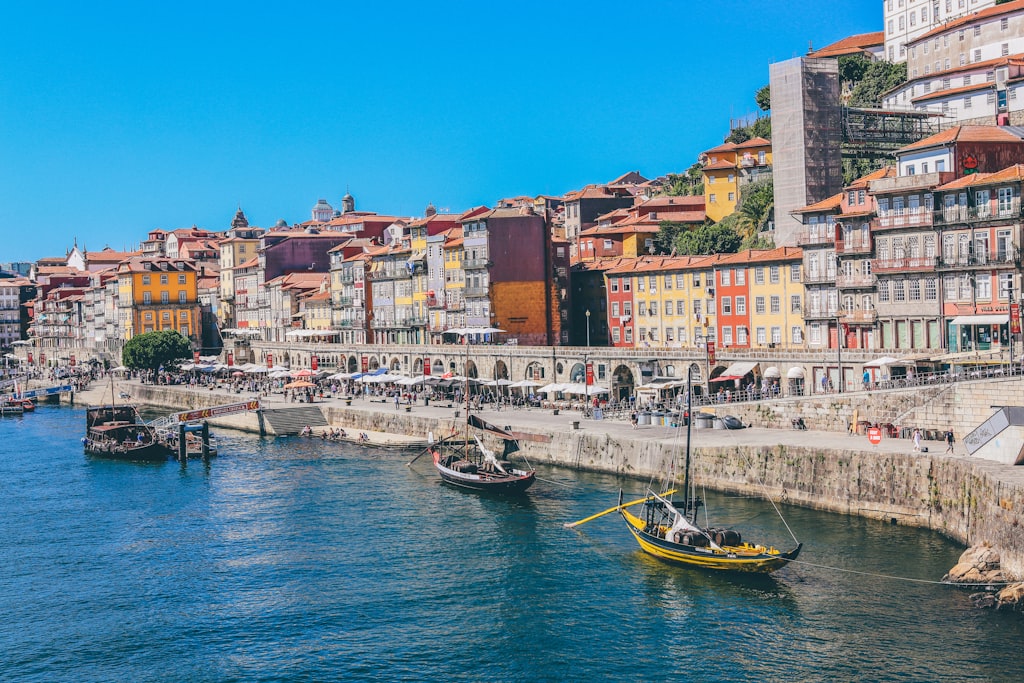
Portugal has been a magnet for remote workers due to its Mediterranean climate, vibrant cities, and welcoming cultural scene. In 2026, it remains at the forefront by expanding its Digital Nomad Visa program, originally launched in 2023.
- Visa Details: One-year visa renewable annually with a minimum monthly income requirement of €3,000.
- Residency Pathway: For the first time, digital nomad visa holders may apply for permanent residency after 5 years of legal residence under this program.
- Tax Incentives: The renowned Non-Habitual Resident (NHR) regime offers up to 10 years of tax benefits on foreign income, dramatically enhancing financial viability.
- Lifestyle: Portuguese healthcare ranks highly in Europe. Lisbon and Porto serve as digital hubs, while coastal towns provide affordable tranquility.
- Cost of Living: Moderate compared to Western Europe; use our cost-of-living calculator to assess precise budgets.
This combination of lifestyle, tax efficiency, and clear permanence pathways make Portugal one of the best countries with digital nomad visas and residency in 2026.
Quick Tip: Secure local tax advice in Portugal early. The NHR program requires smart compliance to maximize benefits for digital nomads transitioning to residency.
Estonia: A Pioneer with High Standards and E-Residency Benefits
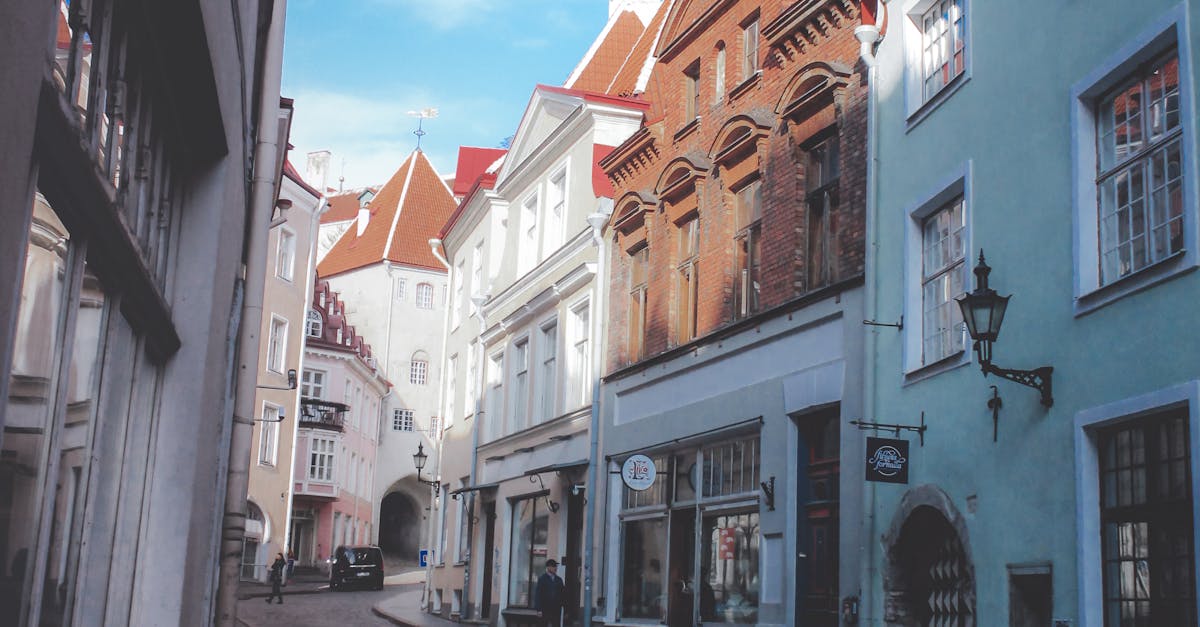
Estonia set the global standard with its digital nomad visa in 2020, leveraging its highly digitalized government services and e-residency program. In 2026, Estonia has slightly raised the minimum income requirement to €4,000 per month to better reflect living costs and manage demand.
- Visa Duration: Valid for up to one year; renewable under certain circumstances.
- Residency Pathway: While the digital nomad visa does not directly automatically lead to permanent residency, Estonia offers other residence permit options for entrepreneurs and skilled workers.
- E-Residency: Enables managing a digital business remotely without physical presence, supplementing visa options.
- Cost of Living: Relatively affordable compared to Western Europe but higher than some Eastern European neighbors.
- Lifestyle and Infrastructure: Tallinn is a tech hub with excellent digital infrastructure and a growing expat community.
Estonia remains a strong choice for digital entrepreneurs who prefer cutting-edge digital government services alongside a solid visa option.
Croatia: Newly Refined Digital Nomad Visa with Residency in Sight

Croatia launched an enticing one-year digital nomad visa valid until 2029. The recent introduction aims to spread digital nomad presence beyond tourist hotspots, driving infrastructure and local economic benefits.
- Visa Fee: Approximately €100 submission fee.
- Duration: One year, with potential extensions subject to government approval.
- Residency: While no formal direct pathway to permanent residency exists yet through this visa, Croatia's overall immigration policies are evolving, and long-term residence via other visas remains possible.
- Lifestyle: Affordable coastal and inland regions offering quality living, safety, and rising healthcare standards.
- Cost of Living: Generally moderate, with even lower costs outside main cities and tourist zones.
Croatia’s visa combines access to Europe with beautiful surroundings, appealing for digital nomads considering eventual longer-term residence options.
Mexico: Affordable Long-Term Stay with Growing Visa Flexibility
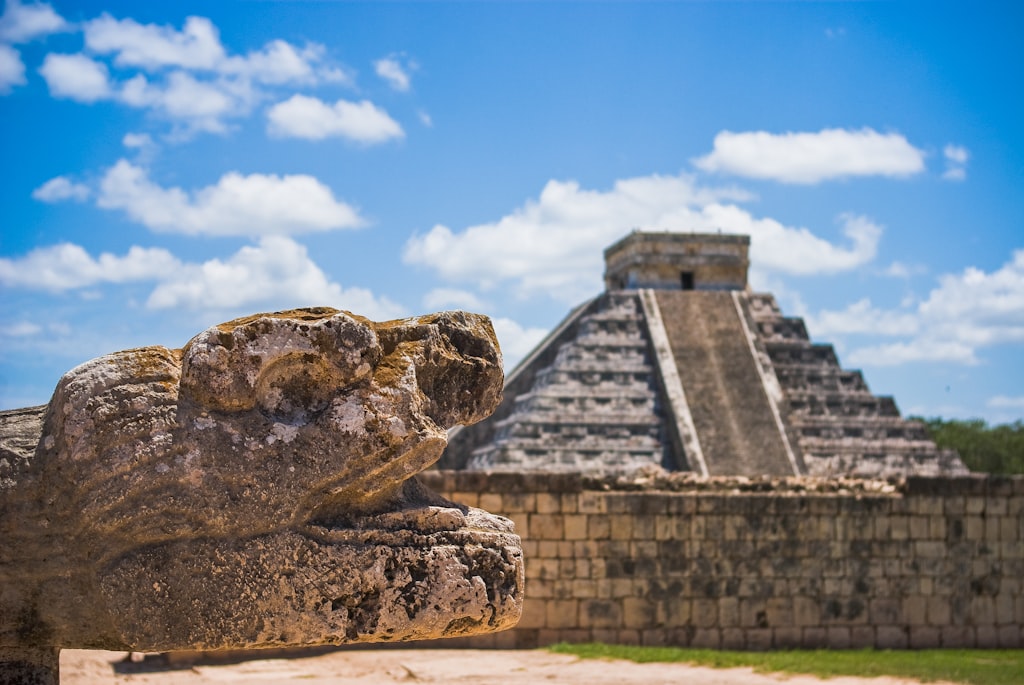
Mexico has emerged as a standout destination, coupling affordability with modern remote work visa policies.
- Temporary Resident Digital Work Visa: Allows up to 3 years stay with modest income proof (~$2,000 monthly).
- Residency Prospects: After four years as a temporary resident, visa holders may apply for permanent residency.
- Cost of Living: Approximately 40-50% lower than major U.S. cities; an attractive value proposition for North Americans.
- Quality of Life: Warm climate, vibrant culture, and expanding healthcare infrastructure.
- Taxation: Mexico offers territorial tax systems but requires planning for income sourced abroad.
Mexico's visa flexibility and low cost of living make it an excellent long-term option for remote workers seeking residency opportunities after qualifying stays.
Panama: Residency with Minimal Investment and No Income Threshold

Known for its “Friendly Nations Visa,” Panama offers arguably one of the most accessible routes from digital nomad status to permanent residency.
- Visa Details & Residency: Digital nomad-friendly, with permanent residency possible upon a deposit of $5,000 in a Panamanian bank or through local economic activity.
- No Minimum Income Requirement: A major perk for freelancers and entrepreneurs without stable salaries.
- Citizenship: Eligible after 5 years of permanent residence.
- Cost of Living: Moderate and competitive for Latin America.
- Lifestyle: Tropical climate, quality private healthcare, and stable political environment.
Panama’s low barriers to residency with no onerous income proof make it an attractive fallback for workers prioritizing long-term stability.
The Shift in Southern European Golden Visas: Tightening Rules
While digital nomad visas expand, traditional golden visa programs—residency or citizenship through investment—face growing restrictions.
Spain: More Scrutiny, Less Flexibility

Spain's golden visa program caps real estate investment at €500,000 but now limits eligible properties and requires enhanced anti-money laundering due diligence.
- Residency: Five-year eligibility for permanent residence after investments.
- Changes: Increased documentation, fewer property types qualify.
- Implications: The program may deter smaller investors and digital nomads seeking flexibility.
Greece: Higher Stay Requirements Impact Investor Interest

Greece maintains a relatively low €250,000 real estate investment threshold, but increased minimum stay requirements for renewal in 2026 constrain flexibility.
- Residency: After seven years, investors can apply for citizenship.
- Impact: Less appealing for those unable to commit long stays, affecting repeat renewals.
Cyprus: Citizenship-By-Investment Suspended
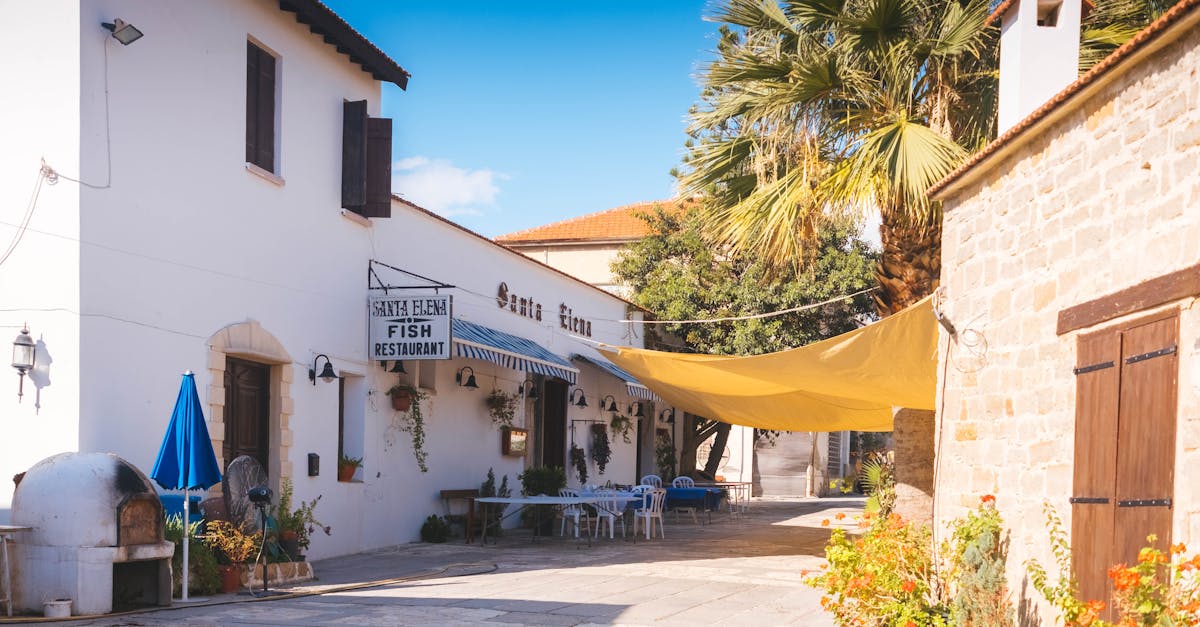
Cyprus suspended its citizenship-by-investment scheme late 2025 under EU pressure.
- Current Focus: Permanent residency permits require investments starting €300,000.
- Outlook: Rules loom stricter, prompting interest in digital nomad or alternative visas.
Southeast Asia’s Digital Nomad Visa Landscape: Emerging Programs with Caveats
Malaysia: DE Rantau Nomad Pass Gaining Ground

Malaysia continues attracting nomads with its DE Rantau Nomad Pass.
- Visa Duration: Two years, renewable.
- Income Requirement: Approx. €2,500/month.
- Benefits: Access to quality public healthcare and education in Kuala Lumpur and Penang.
- Drawbacks: Moderate enforcement variability.
Thailand’s Smart Visa: Ambitious but Uneven
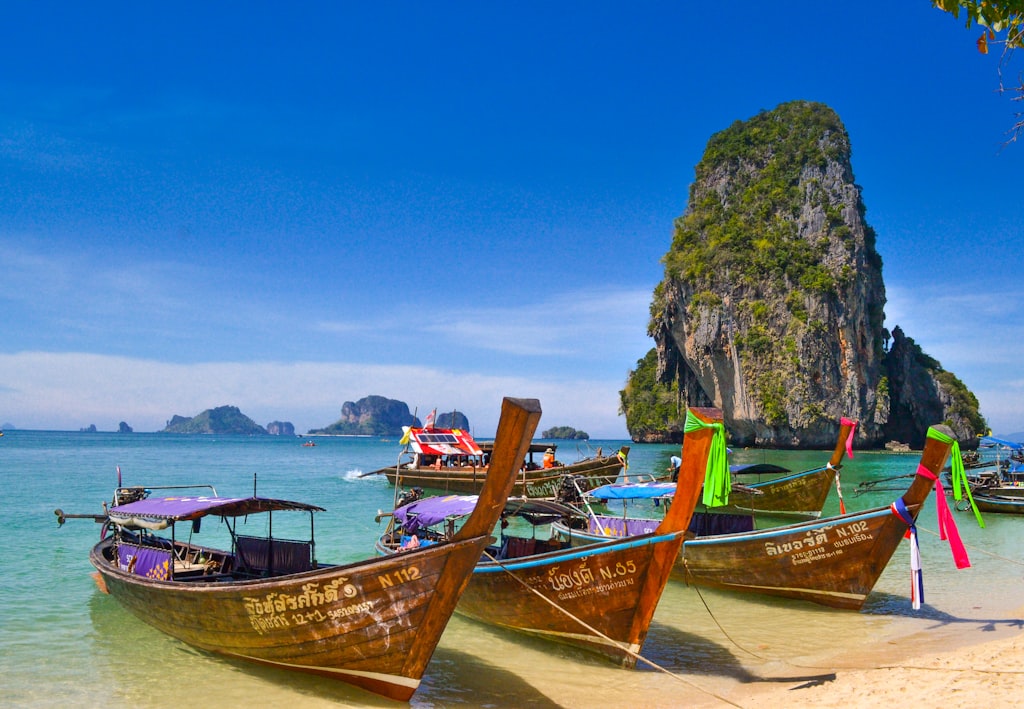
Thailand offers a four-year Smart Visa targeting tech professionals and remote workers.
- No Work Permit Needed: A significant advantage for visa holders.
- Current Challenges: Political unrest and inconsistent visa enforcement, reducing overall appeal.
Expats should weigh these factors carefully and monitor developments if targeting Southeast Asia.
Eastern Europe: Affordable Alternatives with Digital Nomad and Residency Programs
Czech Republic: Zivno Visa for Freelancers and Entrepreneurs

Czech Republic launched the Zivno Visa in 2025, catering to digital workers.
- Visa Duration: Two years, renewable.
- Cost: Under €100 fees.
- Residency: Potential for long-term residence; healthcare and education are well-regarded.
- Cost of Living: 30-40% lower than Central Western Europe.
Poland: Rising Interest Amid Eurozone Inflation
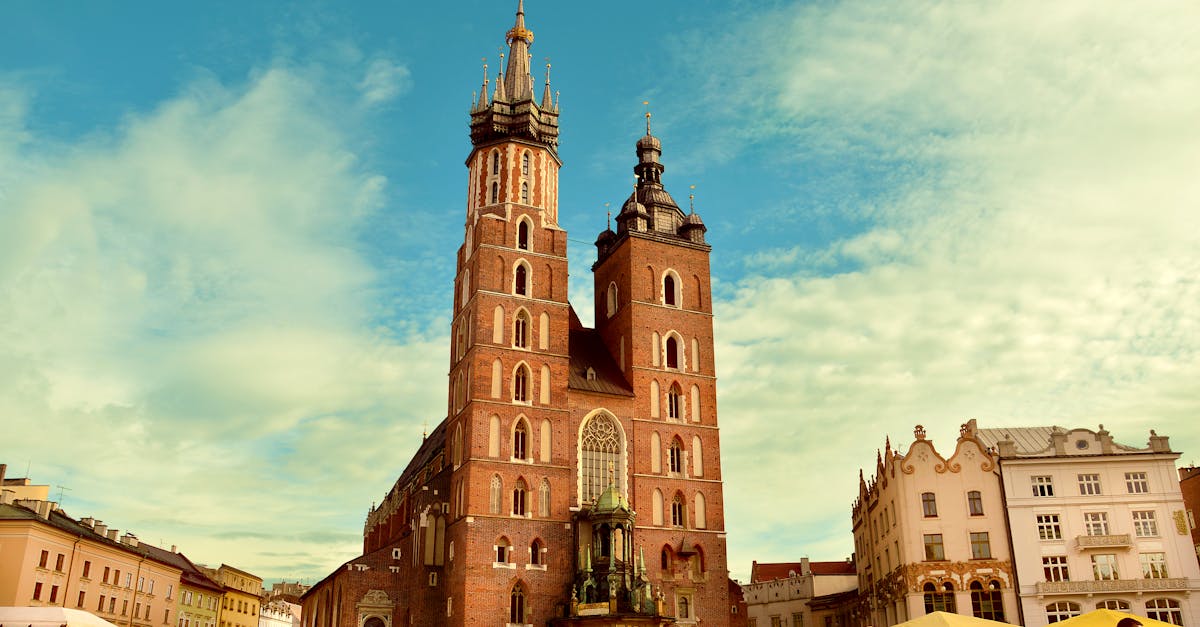
Poland remains popular for its lower cost of living and improving digital infrastructure.
- Visa Schemes: Various permits for freelancers, though no unified “digital nomad visa” yet.
- Lifestyle: Growing expat hubs in Warsaw and Kraków with affordable amenities.
These countries appeal to those balancing affordability and European Union benefits.
Other Notable Countries for Digital Nomads Eyeing Residency
United Arab Emirates: Long-Term Security Without Income Tax

The United Arab Emirates introduced a Remote Work Visa and expanded Golden Visa schemes in 2026.
- Residency: 1-10 year visas available, including up to 10 years for STEM professionals.
- Tax Regime: Zero income tax.
- Family & Education: Expanding international school network.
- Cost of Living: Higher than many nomad destinations but offset by tax advantages and quality of life.
Switzerland: High Cost but Attractive for Ultra-Wealthy
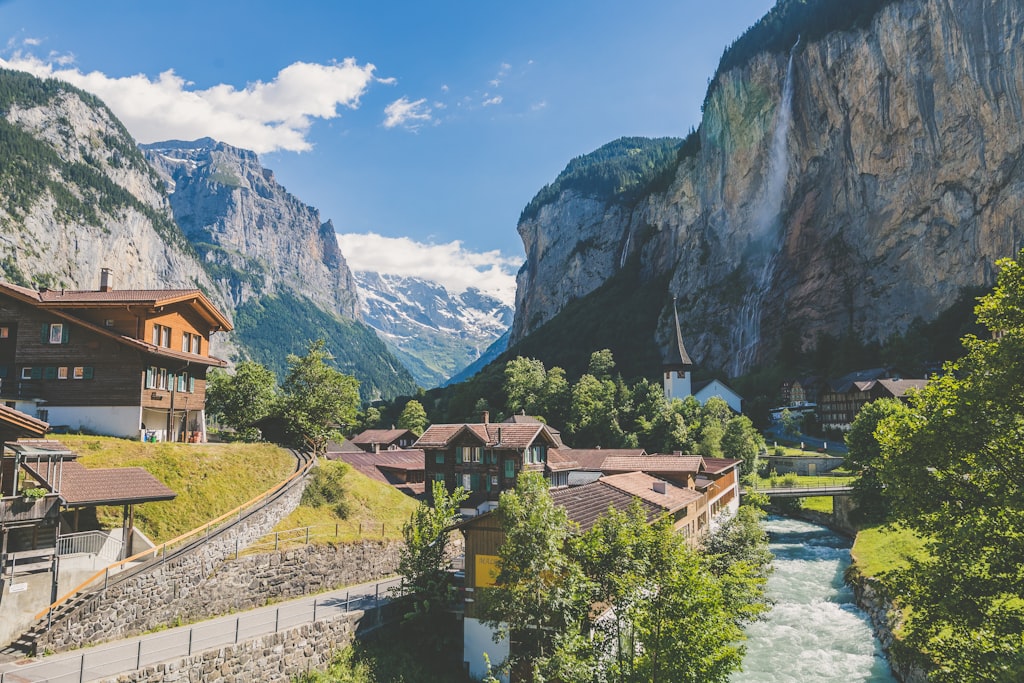
Switzerland launched a lump-sum taxation deal requiring a minimum annual tax of CHF 250,000 for high-net-worth individuals.
- Residency: Steady but very expensive option for digital nomads with significant capital.
- Healthcare & Safety: Among the best worldwide.
How to Balance Visa Duration, Tax Benefits, and Lifestyle for Long-Term Stability
When selecting from countries with digital nomad visas and residency options in 2026, consider:
| Factor | What to Watch For |
|---|---|
| Visa Duration | Length, renewability, and pathway to permanent residency |
| Income Requirement | Minimum thresholds can limit eligibility |
| Tax Benefits | Programs like Portugal’s NHR or UAE’s zero income tax |
| Cost of Living | Evaluate with tools like our cost-of-living calculator to compare real expenses |
| Healthcare | Access, quality, and affordability |
| Family Considerations | Education options and safety |
| Political Stability | Important for long-term residence and peace of mind |
Quick Tip: Use the Relocation Wizard to quickly filter countries based on your personal priorities such as visa type, cost, and lifestyle.
Frequently Asked Questions
Which countries offer digital nomad visas with a clear path to permanent residency in 2026?
Countries like Portugal stand out for offering renewable digital nomad visas with formal pathways to permanent residency after a fixed period (five years). Panama and Mexico also offer routes from remote work permits to residency, though with varying timelines and investment or income thresholds.
Are Golden Visa programs still viable for remote workers?
Golden Visa programs remain viable but are becoming more regulated and restrictive across popular Southern European destinations such as Spain and Greece. Nomads seeking flexibility may find dedicated digital nomad visas with residency options more attractive.
How do income requirements affect eligibility for digital nomad visas?
Country-specific income minima often reflect local living costs and demand management. For example, Estonia raised its minimum income to €4,000/month in 2026, while Portugal requires €3,000/month. Meeting these thresholds is crucial for visa issuance and renewal.
What role do tax benefits play in choosing a digital nomad visa country?
Tax regimes significantly impact overall affordability and long-term financial planning. Favorable tax treatments like Portugal’s NHR or the UAE’s zero income tax can dramatically increase net income and savings potential for remote workers seeking residency.
Final Thoughts
As remote work cements itself as a permanent global trend, countries offering robust digital nomad visas paired with pathways to permanent residency command increasing attention. In 2026, Portugal leads the pack, combining flexible visa options with attractive tax benefits and clear residency routes. Meanwhile, dynamic programs in Estonia, Croatia, Mexico, Panama, and the UAE provide diversified opportunities suited to different budgets and lifestyles.
Whether you prioritize low cost of living, healthcare, education, or long-term legal security, leveraging tools like our Relocation Wizard and cost-of-living calculator ensures you find the best bespoke fit. Begin exploring your ideal relocation destination today to secure your digital nomad future with lasting stability.
Start your journey now with the Relocation Wizard and discover the countries with digital nomad visas and residency 2026 tailored just for you.