Best Countries for Remote Workers Seeking Visa Stability in 2026

Not sure where to start? Our free Relocation Wizard matches you to your ideal country in minutes.
Key Takeaways
- Remote worker visa stability in 2026 is increasingly critical as countries adjust policies to balance economic interests and social concerns.
- Portugal, Slovenia, and Southeast Asian countries like Malaysia and Vietnam provide clear, renewable digital nomad visas with predictable income requirements.
- The rise of family-inclusive visa options, such as Estonia’s family extensions, offers dependable long-term stay solutions for remote professionals.
- Shifts in Golden Visa programs in Spain and Portugal reflect tighter rules, while emerging markets like Mexico leverage currency advantages for affordability.
- Access to quality healthcare, stable taxation policies, and safety remain key factors shaping remote worker relocation decisions in 2026 and beyond.
Navigating Remote Worker Visa Stability in 2026: Why It Matters
With visa rules evolving rapidly worldwide, remote workers seeking long-term stay options face increasing uncertainty. The appeal of remote work visas lies not only in immediate access to work-friendly environments but also in dependable renewal processes, clear income thresholds, and family-friendly conditions—collectively defining remote worker visa stability in 2026.
For professionals who depend on predictable legal status to plan their lives, countries that offer transparent rules and consistent policies stand out as optimal destinations. This article explores top countries where digital nomad and remote work visa stability is strongest, helping you avoid sudden disruptions and confidently plan your move.
Quick Tip: Always verify income and health insurance requirements before applying, as these are the most frequently updated criteria in remote work visas.
Europe Leads with Renewed Digital Nomad Visa Clarity and Stability
Portugal: A Leader in Remote Worker Visa Stability 2026

Portugal continues to be a top destination for remote workers, combining visa stability with quality of life and affordable living. The Digital Nomad Visa officially launched in 2023 has evolved, with the key update for 2026 being an increased minimum gross income requirement—to approximately €3,600 per month, up from €3,000—to reflect inflation and target more high-spending workers.
- Duration: Up to one year, renewable.
- Fees: Around €99 plus consular service costs.
- Family inclusivity: The visa allows family members to join under certain conditions.
- Additional perks: Portugal’s Non-Habitual Resident (NHR) tax scheme offers attractive 10-year tax breaks, including a flat 20% income tax rate for qualifying remote professionals.
Portugal also lowered thresholds for its Golden Visa program to €350,000 in inland regions like Alentejo, encouraging more distributed investment and residency. This stable regulatory environment makes Portugal attractive not just for short-term stays but also for multi-year relocation planning.
Quick Tip: If you plan to bring your family, explore Portugal’s NHR tax benefits and social healthcare options early to ensure coverage.
Slovenia’s New Digital Nomad Visa: Budget-Friendly and Practical
In late 2025, Slovenia entered the digital nomad visa arena with a straightforward program aimed at freelancers and startups seeking Central Europe footholds.
- Income requirement: Minimum €2,300/month.
- Visa duration: Up to 12 months with possibility to extend.
- Renewal: Clear process, with many applicants reporting smooth transitions.
- Visa fees: Competitive and transparent.
Slovenia also benefits from low political risk, solid healthcare, and a growing coworking ecosystem in Ljubljana and Maribor, all aligned to offer strong visa stability in 2026.
Estonia: Pioneering Family-Friendly Digital Nomad Visas
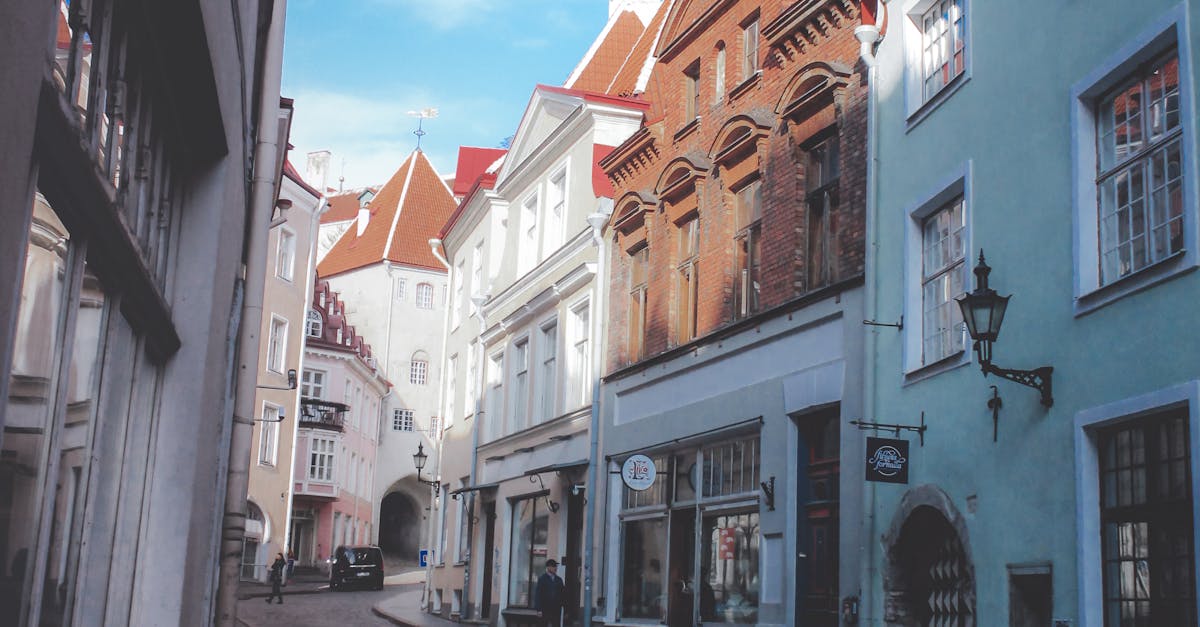
Estonia is a trailblazer with its Digital Nomad Visa—introduced in 2020 and expanded in 2026 to allow family members (spouses and children) to accompany remote workers under the same visa terms.
Key details include:
- Income threshold: Approximately €3,560/month.
- Visa duration: Up to 12 months, renewable.
- Family extensions: A significant advantage for those prioritizing long-term stays.
- Tax benefits: 0% tax on foreign-earned income for remote workers, making Estonia especially attractive for entrepreneurs.
Estonia’s digital infrastructure remains among the world’s best, translating into visa stability and an easy administrative process.
Southeast Asia Emerges With Competitive Remote Work Visa Options
Malaysia: MM2H Program Revamped for Remote Professionals

The "Malaysia My Second Home" (MM2H) program, relaunched in late 2025, now better caters to remote workers with:
- Lower financial eligibility: MYR 10,000/month (~USD 2,250) for applicants under 50.
- Increased visa flexibility: Longer renewal periods and easier extension procedures.
- Long-term residence: Enables stays typically up to 10 years, with periodic check-ins.
This targets digital nomads seeking visa stability coupled with Southeast Asia’s lower cost of living and excellent healthcare infrastructure.
Vietnam: New Digital Nomad Visa Pilot for Budget-Conscious Remote Workers

Vietnam launched a pilot digital nomad visa early in 2026, providing:
- Visa length: Up to 1 year.
- Income requirement: Minimum USD 1,500/month.
- Entry points: Ho Chi Minh City and Da Nang currently.
- Affordability: One of the most budget-friendly options globally for reliable long-term remote work visas.
Given Vietnam’s historically low cost of living and improving digital infrastructure, the country is rapidly becoming a hotspot for remote workers prioritizing visa stability 2026.
Quick Tip: Vietnam’s pilot program may expand beyond 2026—check the latest updates before applying to confirm regional availability.
Latin America’s Dollar-Friendly Options: Mexico and Colombia

Mexico: Temporary Resident Visa Tailored for Remote Workers
Mexico has adapted its Temporary Resident Visa to welcome remote professionals with:
- Stay duration: Up to 4 years (initial 1 year + renewals).
- Income proof: Typically around USD 2,250/month, with some flexibility depending on applicant history.
- Remote worker specific provisions: Official recognition of location-independent work.
Coupled with the strengthening US dollar, Mexico’s visa stability and cost benefits attract many remote workers looking for more affordable alternatives without sacrificing lifestyle.
Colombia: Emerging Stable Destination for Digital Nomads
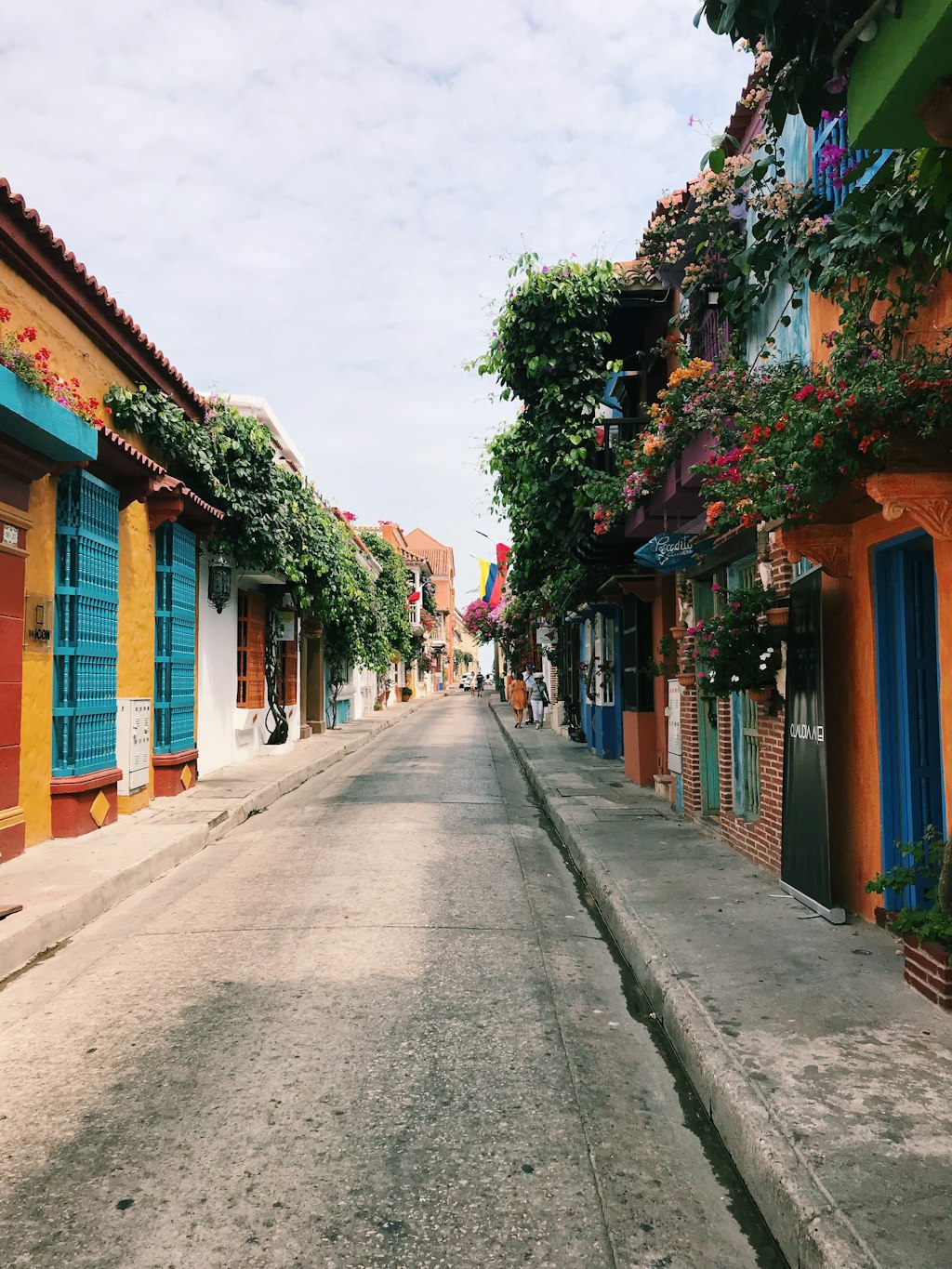
Colombia has steadily refined its visa offerings, including a specialized remote work visa related to its Migrant (M) Visa class:
- Permit duration: 12 months, with possible extensions.
- Income requirement: Roughly USD 1,500–2,000/month.
- Enhanced safety measures: Improved urban security in cities like Medellín and Bogotá.
The low cost of living and visa stability make Colombia a reliable choice for remote workers balancing budget and quality of life.
Adjusting to Tightened Visas and Costs in Popular Traditional Destinations
Spain: Stricter Golden Visa Requirements and Higher Costs

Spain retains appeal but has tightened its Golden Visa program due to housing affordability concerns:
- Investment minimum: €500,000+ in real estate with stricter residency ties.
- Residency requirements: Minimum 183 days of physical presence per year starting January 2026.
- Non-Lucrative Visa: Popular for retirees, with higher proof-of-funds required (~€36,000 + 10% per dependent).
Despite slightly fewer inquiries, well-qualified remote workers still find Spain’s culture, climate, and amenities attractive, provided they meet the new stringent criteria.
United Kingdom: New "High Potential Individual" Visa for Young Remote Workers

Post-Brexit, the United Kingdom has leaned into specialized visas like:
- High Potential Individual Visa: For global graduates from top universities, allowing two years of stay without sponsorship.
- Skilled Worker Visa: Streamlined but facing rising costs and tighter conditions.
- Cost challenges: London and major cities remain expensive, but visa stability is strong.
Remote workers targeting short to medium-term stays, especially younger professionals, can take advantage of this clear visa pathway amid the UK’s evolving immigration landscape.
Hong Kong: Visa Relaunch Amid Political and Economic Challenges
Hong Kong relaunched its Tech Talent Pass Scheme and Digital Nomad Visa in 2025 with:
- Income requirement: HKD 30,000 (~USD 3,800) monthly.
- Environmental note: Political concerns and high cost of living affect long-term appeal.
- Visa stability: Clear but complicated by external factors.
Professional remote workers weighing Asia-Pacific options may favor more stable neighbors like Singapore or Malaysia over Hong Kong currently.
Tax-Friendly and Family-Oriented Destinations for Remote Workers in 2026
United Arab Emirates: Tax-Free Income and Remote Worker Permits

United Arab Emirates has enhanced its remote work appeal by:
- Introducing a Remote Work Permit in 2025 with no personal income tax.
- Maintaining corporate tax at 9% only for larger companies.
- Offering visas up to 1 year with possible renewal.
Dubai and Abu Dhabi attract entrepreneurs and tech freelancers seeking stability and tax efficiency alongside modern infrastructure.
Switzerland: Adjustments for Ultra-High-Net-Worth Expats
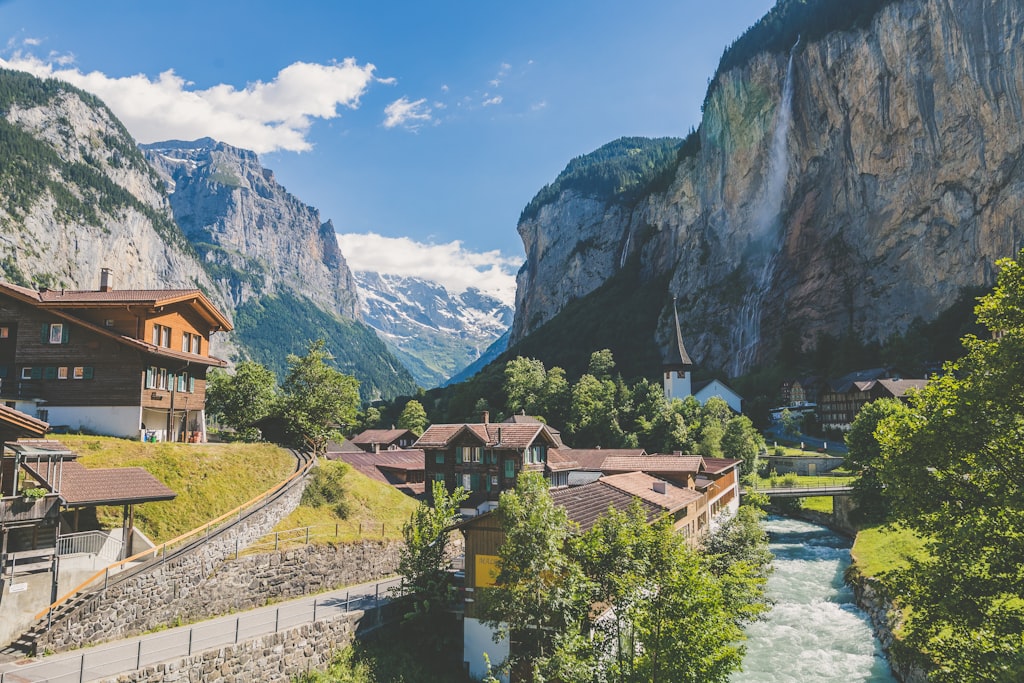
While generally known for stability:
- Tighter lump-sum taxation in cantons such as Zug and Schwyz raised minimum tax payments in 2026.
- This has influenced some high-net-worth remote entrepreneurs to evaluate longer-term financial implications carefully.
Switzerland remains an option for those prioritizing safety, healthcare, and high living standards, but visa stability must be viewed alongside evolving tax policy.
Healthcare Quality and Safety: Critical for Long-Term Remote Work Residency
Costa Rica’s Enhanced Pensionado Visa Attracts Retirees and Remote Workers

With streamlined application processes, Costa Rica:
- Offers discounted public healthcare (Caja) benefits.
- Supports visa lengths up to 2 years, renewable.
- Appeals strongly to US and Canadian retirees integrating remote work flexibility with retirement.
Japan’s Senior Resident Visa: A New Option for Affluent Remote Retirees

Launching in 2026, the Senior Resident Visa requires:
- Proof of minimum ¥5 million (~USD 37,000) annual income.
- Private health insurance coverage.
- Long-term residence with access to Japan’s high-quality healthcare system.
This option targets wealthier remote professionals or retirees, reflecting a trend toward specialized, stable visa pathways in Asia.
Comparing Top Remote Worker Visa Stability in 2026: A Quick Look
| Country | Visa Name | Income Requirement | Duration | Family Inclusion | Key Advantage |
|---|---|---|---|---|---|
| Portugal | Digital Nomad Visa | €3,600/month | 1 year renewable | Yes | Tax breaks via NHR scheme |
| Slovenia | Digital Nomad Visa | €2,300/month | 1 year | Limited | Low cost, central location |
| Malaysia | MM2H | MYR 10,000 (~USD 2,250) | Up to 10 years | Yes | Long stay, flexible extensions |
| Vietnam | Digital Nomad Pilot | USD 1,500/month | 1 year | Limited | Low income threshold |
| Mexico | Temporary Resident Visa | USD 2,250/month approx. | Up to 4 years | Yes | Dollar strength, affordability |
| Estonia | Digital Nomad Visa + Family | €3,560/month | 1 year renewable | Yes | Family inclusivity, tax-free foreign income |
| United Arab Emirates | Remote Work Permit | No minimum specified | 1 year | Yes | Zero personal income tax |
Frequently Asked Questions
What is remote worker visa stability, and why should I prioritize it in 2026?
Remote worker visa stability means the visa’s rules, renewal processes, and eligibility criteria remain predictable and unchanged over time. Prioritizing it helps avoid unexpected visa refusals or forced relocations, ensuring peace of mind for long-term remote work abroad.
Which countries have the most family-friendly digital nomad visas in 2026?
Estonia stands out by allowing family members on the same visa as remote workers. Portugal and Malaysia also provide family-inclusive remote visas, making them top choices for couples and families relocating.
How have Golden Visa programs changed in 2026?
Programs like Spain have tightened residency requirements to require longer physical presence and stronger local ties. Portugal reduced its real estate investment thresholds in interior regions, promoting redistribution of foreign investment. These changes increase complexity but often improve long-term visa stability.
What should remote workers consider besides visa criteria when relocating abroad?
Consult factors like cost of living (use our cost-of-living calculator), healthcare quality, safety, taxation, and digital infrastructure. Visa stability alone is not enough; a holistic approach ensures a better living and working experience abroad.
Final Thoughts
In the shifting landscape of 2026, remote worker visa stability is essential for digital nomads and remote professionals planning long-term overseas moves. Countries like Portugal, Estonia, and emerging Southeast Asian destinations provide transparent income requirements, renewal clarity, and family-friendly policies that offer the certainty so many seek.
Before you decide, use our Relocation Wizard to find the best fit for your unique needs, and get a clear picture of expenses with our cost-of-living calculator. With solid planning and reliable visa information, your remote work adventure can flourish with confidence in 2026 and beyond.