How to Choose the Best Country for Digital Nomads with Families in 2026

Not sure where to start? Our free Relocation Wizard matches you to your ideal country in minutes.
Key Takeaways
- The best country for digital nomads with families in 2026 balances flexible visa options, quality education and healthcare, safety, and cost of living.
- Southern Europe (notably Portugal and Spain) and Southeast Asia (Vietnam, Indonesia) lead in welcoming family digital nomads with tailored visas and infrastructure investments.
- Consider visa allowances for dependents, schooling options (international and local), healthcare accessibility, and expat community support when planning relocation.
- Currency stability, tax regimes, and rising living costs in traditional hubs are shifting family nomads toward emerging destinations.
- Use tools like our Relocation Wizard and cost-of-living calculator for personalized country matching and financial planning.
How to Choose the Best Country for Digital Nomads with Families in 2026
Deciding on the best country for digital nomads with families means looking beyond just visa length or internet speed. In 2026, families relocating together require a more comprehensive approach—one that balances work flexibility with their children’s education, healthcare, safety, and overall quality of life. Unlike solo nomads, parents must prioritize schooling options, dependable healthcare systems, family-friendly environments, and immigration policies that cover dependents comfortably.
This guide highlights the top considerations to help you pinpoint the destination that suits your family's professional and personal needs, especially in a world where visa regulations, living costs, and healthcare infrastructures are rapidly evolving.
Quick Tip: Start your research by assessing visa policies specifically tailored for families—some remote work visas now officially include dependents, simplifying your legal stay and access to services.
Understanding Family-Friendly Digital Nomad Visas in 2026
What Makes a Visa Family-Friendly?
Not all digital nomad visas equally accommodate families. A family-friendly visa generally:
- Allows dependents (spouse and children) to join on the same visa or through clear dependent permits.
- Offers at least one to two years of stay with renewal options.
- Grants access to public or private healthcare and education services.
- Enables parents to legally work or start businesses if they wish.
- Has reasonable income requirements that you can realistically meet as a family.
Countries are increasingly recognizing the value of attracting entire families, leading to expanded dependent allowances and health coverage provisions built into visa packages.
Top Visa Trends for Families in 2026
- Flexible Stay Durations: Countries like the UAE enhanced their “Golden Remote Work Visa” from one to three years, easing concerns over frequent renewals for families.
- Lowered Income Thresholds for Dependents: Portugal’s revised D7 visa income requirement drops to roughly €9,900 per year for the main applicant, making family applications more feasible.
- Entrepreneurial Opportunities: Spain’s expanded “Entrepreneur and Remote Worker” permit supports families wanting to combine remote work with local business ventures.
- Healthcare Tied Visas: Some countries, including the UAE and Ireland, now mandate or facilitate healthcare coverage as part of family visa benefits.
Key Family Priorities: Education, Healthcare, and Safety
Education: Choosing Countries with Quality and Diverse Schooling Options
Families prioritize schooling when settling abroad. The best country for digital nomads with families will have strong education infrastructures, with international and bilingual schools prevalent to accommodate children of expats.
- Portugal: Offers a wide range of reputable international schools, especially in Lisbon, Porto, and Madeira. Public and private schooling options exist, with English-speaking curricula becoming more widespread.
- Spain: Boasts numerous international schooling options in major cities, alongside public education with strong emphasis on bilingualism.
- Southeast Asia: Countries like Vietnam and Indonesia have rapidly growing international school sectors, especially in urban hubs like Ho Chi Minh City and Bali, but these may come with higher costs relative to local wages.
- Costa Rica: Known for bilingual public schools and quality private institutions, attractive for families focused on a safe, nature-driven lifestyle.
Healthcare: Accessibility and Quality Matter
Healthcare quality and access can vary significantly but is pivotal for families.
- Portugal: Universal healthcare is accessible to residents; private healthcare is affordable and high-quality. Visa holders and dependents can access public services relatively easily after residency.
- United Arab Emirates: The upgraded Golden Remote Work Visa includes healthcare coverage tied to residency, granting access to world-class private medical facilities.
- Ireland: New remote work visa allows access to the General Medical Services public health scheme, a vital benefit for families.
- Vietnam and Indonesia: Growing networks of private clinics with English-speaking doctors but more limited public options; expats often use private insurance.
Safety: Peace of Mind for Families
Safety is a top concern for parents relocating abroad.
- European countries like Portugal, Spain, and Ireland routinely rank high on global safety indexes.
- Southeast Asian hotspots like Vietnam and Indonesia offer relatively safe environments in expat-focused neighborhoods but require careful city and neighborhood selection.
- Latin American options such as Costa Rica and Uruguay provide stable, family-friendly environments with improving security records.
Cost of Living: Budgeting for a Family Abroad
Families face higher living costs than solo nomads. Understanding the cost of living in potential countries is crucial.
| Country | Estimated Monthly Family Cost (3-4 persons) | Notes |
|---|---|---|
| Portugal | $2,500 - $3,500 | Affordable outside Lisbon; Azores/Madeira more affordable and scenic |
| Spain | $3,000 - $4,500 | Costs vary widely; Barcelona and Madrid at upper range |
| Vietnam | $1,500 - $2,500 | Affordable healthcare, schools cost add up |
| Indonesia | $1,200 - $1,800 | Bali is cost-effective, especially outside tourist hubs |
| Costa Rica | $2,500 - $3,800 | Higher costs but strong healthcare infrastructure |
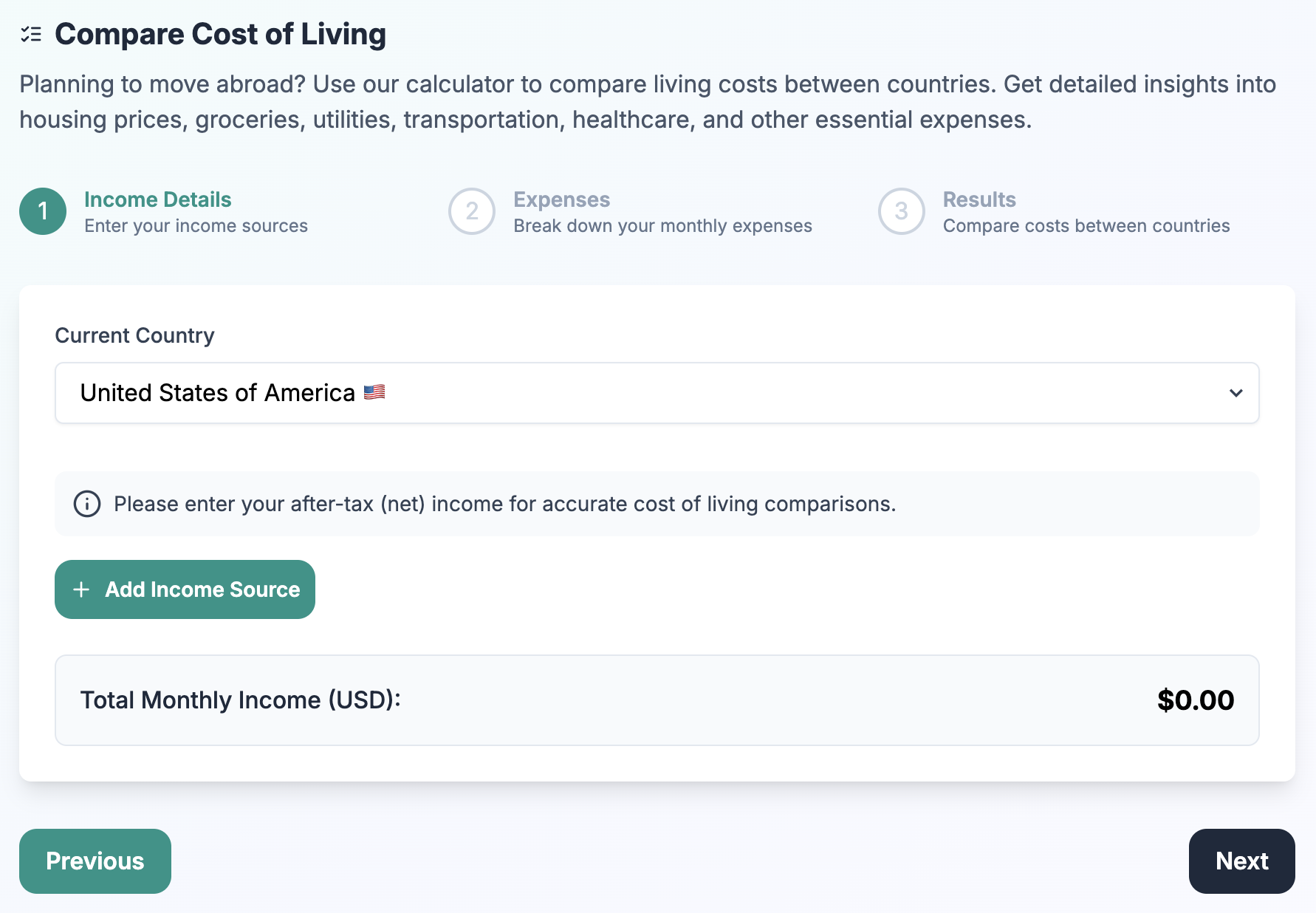
Use our cost-of-living calculator to get detailed, up-to-date expenses tailored to your family size and lifestyle preferences.
Quick Tip: Factor in hidden costs like private schooling, health insurance, and activities for kids—these often push family budgets 30%-50% higher than solo nomads’.
Country Spotlights: Top Picks for Digital Nomads with Families in 2026
Portugal

Portugal remains a top contender as the best country for digital nomads with families, thanks to its accessible D7 visa with lower income thresholds (~€9,900/year), permitting dependents to join. Investments in digital infrastructure, especially in the Azores and Madeira islands, enhance connectivity and lifestyle appeal.
Families benefit from:
- Quality international schools and growing English-speaking communities.
- Universal healthcare access with reasonable wait times.
- Safety, mild climate, and excellent work-life balance.
- Tax advantages through the Non-Habitual Resident (NHR) scheme (20% flat tax on Portuguese income and foreign income exemption).
The country's affordability, safety, and visa flexibility make Portugal a leader for family digital nomads seeking long-term residency.
Spain

Spain’s expanded “Entrepreneur and Remote Worker” visa introduced in 2025 offers stays up to two years and possible renewal, allowing families to settle comfortably. The income threshold (~€27,000/year) is higher than Portugal’s but balanced by a robust education system with numerous international schools.
- Large expat family communities in cities like Barcelona, Valencia, and Malaga.
- Strong healthcare system with both public and private options.
- Vibrant culture and family-friendly lifestyle.
- Opportunities for parents to explore local entrepreneurship alongside remote work.
Vietnam

Vietnam’s newly piloted remote work visa (up to 2 years, $150 application fee) opens doors for families wanting an affordable Southeast Asian base. Major cities like Ho Chi Minh and Hanoi offer international schools and healthcare facilities with English-speaking staff.
- Cost-effective lifestyle with stable currency.
- Growing expat communities and family-oriented activities.
- Healthcare mostly private for expats, reasonably priced.
- Rapid improvements in digital infrastructure.
Vietnam is ideal for adventurous families eager to immerse in Asian culture without high living costs.
Indonesia (Bali)

Bali’s easy-to-extend “B211A” social-cultural visa, allowing up to 5 years cumulative stay, draws many family digital nomads. While Indonesia doesn’t yet have a dedicated remote work visa for digital nomads with dependents, the visa flexibility plus low monthly expenses ($1,200–$1,500) are attractive.
- Numerous international schools in Bali and Jakarta.
- Growing healthcare infrastructure with private hospitals.
- Safe, family-friendly neighborhoods outside busy tourist areas.
- Strong expat community with family support groups.
United Arab Emirates

The UAE’s new three-year “Golden Remote Work Visa” (AED 3,000/$820 fee) is groundbreaking for high-income earners wanting to bring families. It uniquely bundles healthcare coverage with visa/residency, allowing immediate access to premium healthcare in Dubai and Abu Dhabi.
- International schools with British and American curricula.
- High safety and excellent infrastructure.
- Tax-free income regime, though corporate income taxes (9%) apply from 2026.
- Luxury lifestyle options but higher cost of living.
The UAE suits affluent families seeking a cosmopolitan urban environment with strong legal and healthcare frameworks.
Ireland

Ireland’s improved remote work visa now allows two-year stays with access to public health insurance, enabling families to integrate well. While living costs are higher (€2,000+/month for a comfortable family life), the safety, healthcare quality, and excellent schooling options justify the premium.
- English-speaking with strong cultural ties to many expat groups.
- Good range of international schools and excellent healthcare.
- Proximity to mainland Europe for travel and business.
- Friendly, welcoming society.
Weighing Work-Life Balance Alongside Immigration Ease
Choosing the best country for digital nomads with families is not just about visa or cost—it requires balancing your professional flexibility with your family’s wellbeing.
- Does the visa require regular renewals or physical presence? Consider how that fits school years and family stability.
- Will your partner have the right to work or start a business?
- Are you comfortable with the language, culture, and schooling environments your children will face?
- Is healthcare accessible and affordable?
- How strong is the local expat and support community for families?
Addressing these questions early will save countless headaches later.
Quick Tip: Join expat family forums or social media groups for first-hand insights about schooling, healthcare, and lifestyle before committing.
Frequently Asked Questions
What are the best visa options for digital nomads with families in 2026?
Top family-friendly visas include Portugal’s D7 visa, Spain’s Entrepreneur and Remote Worker permit, the UAE’s new three-year Golden Remote Work Visa, and new digital nomad programs in Vietnam and Indonesia. These visas allow spouses and children to join, often with healthcare and schooling access.
How important is healthcare when choosing a destination for family digital nomads?
Extremely important. Families must ensure access to quality healthcare, including pediatrics and emergency services. Countries like Portugal, Spain, Ireland, and the UAE offer robust healthcare options included or linked to residency permits, making them safer long-term choices.
Are international schools available in popular nomad destinations?
Yes. Europe and high-expat Asian hubs typically have numerous international schools with English or bilingual curricula. For example, Portugal and Spain have extensive options, while Southeast Asia’s urban centers like Ho Chi Minh City and Bali have growing, but sometimes costly, international school networks.
How can I estimate living costs for my family abroad?
Using tools like our cost-of-living calculator helps you estimate family-friendly expenses including housing, schooling, food, transport, and healthcare. These calculators let you compare cities and countries based on your specific family size and lifestyle preferences.
Final Thoughts
Selecting the best country for digital nomads with families in 2026 demands a holistic view—balancing visa ease, education, healthcare, safety, cost of living, and work-life harmony. Countries like Portugal, Spain, Vietnam, and the UAE are strong contenders offering flexible family-oriented visas and growing infrastructure to support modern mobile families.
Start your journey today by using our free Relocation Wizard, designed to help you find the perfect match for your family’s unique needs. Then, dive into budgeting with our cost-of-living calculator to plan your new life abroad confidently. Family digital nomadism is on the rise—make 2026 the year your family thrives globally.