Best Countries for Expats Seeking Retirement Healthcare in 2026

Not sure where to start? Our free Relocation Wizard matches you to your ideal country in minutes.
Key Takeaways
- The best countries for expat retirement healthcare in 2026 balance affordable, high-quality medical services with accessible retirement visa schemes tailored to older adults.
- Malaysia’s revamped MM2H program, Thailand’s robust private healthcare, and Vietnam’s growing medical infrastructure remain top choices for cost-conscious retirees.
- European countries like Portugal and Spain offer evolving visas and improved healthcare standards but come with higher living costs and stricter eligibility.
- Emerging destinations such as Croatia and Georgia attract retirees with competitive healthcare affordability and flexible residency options.
- Navigating retirement visas and healthcare policies is crucial; retirees should leverage tools like our Relocation Wizard and cost-of-living calculator for a personalized match.
Why the Best Countries for Expat Retirement Healthcare Matter in 2026
Choosing the best countries for expat retirement healthcare in 2026 means considering more than just sun and leisure—it requires an evaluation of accessible, affordable healthcare systems alongside retirement visa options designed for aging populations. Retirees today face a unique landscape shaped by shifting immigration policies, economic fluctuations, and healthcare reforms, especially in light of rising living costs and geopolitical uncertainties.
Healthcare quality, long-term residency permits, and cost-effective living are the pillars that define an optimal retirement destination for older expats. This guide dives into these aspects and spotlights key countries where retirees can enjoy peace of mind about their medical needs without breaking the bank.
Malaysia: A Top Choice with the Enhanced MM2H Program

Malaysia has long been a magnet for retirees seeking a balance of quality healthcare and affordable living. The Malaysia My Second Home (MM2H) program, recently revamped in late 2025, now requires stricter financial proofs, including liquid assets of around MYR 500,000 ($110,000) and a monthly income of MYR 10,000 ($2,200).
Healthcare Quality and Affordability
Malaysia boasts a well-developed healthcare system with internationally accredited private hospitals in cities like Kuala Lumpur, Penang, and Johor Bahru. Medical costs are significantly lower compared to Western countries—general practitioner visits average $20-$30, while private hospital treatments are often 70-80% cheaper than in the US or Europe.
Visa Benefits and Longevity
The updated MM2H visa now grants long-term multiple-entry residence permits valid for up to 10 years, a major improvement for retirees seeking stable residency without frequent renewals. Importantly, the program allows family inclusions and property ownership with fewer restrictions.
Quick Tip: Ensure you meet the new financial requirements for MM2H before applying, and consider engaging a licensed MM2H agent to streamline the process.
Living Costs
Malaysia’s cost of living remains attractive, with monthly expenses for a comfortable retired couple averaging between $1,200 and $1,500, including rent, utilities, food, and healthcare. Use our cost-of-living calculator to get personalized estimates based on your lifestyle.
Thailand: Established Healthcare Hub with New Visa Complexities

Thailand continues to be a favorite for expats drawn by excellent healthcare facilities and a warm climate. The country offers world-renowned private hospitals like Bumrungrad and Samitivej in Bangkok and Phuket, where quality rivals Western medical centers but at a fraction of the price.
Updated Long-Stay Visa and Health Insurance Requirements
As of 2025, Thailand introduced stricter long-stay visa regulations, requiring retirees to hold comprehensive health insurance with minimum coverage of $100,000, either purchased locally or from international providers. The Non-Immigrant O-A visa, the traditional retirement visa, requires proof of financial stability (monthly income/retirement savings) and now mandatory health insurance.
Healthcare and Cost
Medical care costs in Thailand remain affordable, with routine doctor visits starting at $30 and specialist consultations ranging from $60 to $120. Hospitalization costs depend on the facility but remain substantially cheaper than in Western countries.
Quick Tip: When budgeting for healthcare in Thailand, factor in mandatory insurance costs to avoid surprises during visa applications.
Lifestyle and Expenses
A retiree couple can expect to live comfortably on $1,500 to $2,000 per month in cities like Chiang Mai or Hua Hin, including rent in expat-friendly neighborhoods, daily meals, and healthcare expenses.
Vietnam: An Emerging Retirement Healthcare Destination

Vietnam, especially cities like Ho Chi Minh City and Da Nang, is gaining traction as an affordable destination for retirees who want increasing healthcare standards with low expenses.
Healthcare Access and Quality
Vietnam’s healthcare infrastructure, while still developing, features growing private hospital networks with foreign-trained doctors, particularly in Ho Chi Minh City and Hanoi. Prices are very affordable—doctor visits can cost under $25 and dental care under $50.
Retirement Visa Landscape
Vietnam doesn’t offer a traditional retirement visa but allows expats to apply for long-term residence permits through business investment or retirement visas under certain bilateral agreements. The government is reportedly reviewing visa reforms to better accommodate retirees, anticipated to take effect in late 2026 or early 2027.
Quick Tip: Retirees considering Vietnam should prepare for flexible but evolving visa options and prioritize locations with robust private healthcare access.
Living Costs
Vietnam can be an extremely economical option, with monthly living expenses ranging from $800 to $1,200 for a comfortable lifestyle, making it highly attractive for cost-conscious retirees.
Why Portugal Remains Relevant Despite Visa Shifts

Portugal is still a sought-after destination for retirees focused on healthcare quality and lifestyle, despite the significant shift in its Golden Visa program beginning 2024.
Golden Visa Changes and Retirement Visa Options
The Golden Visa no longer includes real estate purchases, pivoting to art investment, scientific research, and capital transfer options exceeding €500,000. However, Portugal still offers retirement residence options under D7 Visas, requiring proof of passive income or pension of approximately €1,200 per month.
Healthcare System Quality
Portugal’s healthcare system is ranked highly in Europe, with quality public hospitals supplemented by private care options. While public healthcare is accessible and free for residents, many expats opt for private insurance for faster access and specialist services.
Costs and Lifestyle
The cost of living in Lisbon and Porto has increased, but smaller cities like Braga offer more affordable alternatives with comparable healthcare. Monthly expenses typically range from €1,200 to €2,000 depending on location and lifestyle, with slightly elevated healthcare costs factored in.
Quick Tip: Consider smaller cities in Portugal to balance residency affordability and access to quality healthcare when the big hubs become cost-prohibitive.
Spain: Enhanced Digital Nomad Visas and Healthcare for Retirees

Spain’s improvements in visa categories, particularly its Startup Work Permit and digital nomad-friendly policies, complement its world-class healthcare system, attracting retirees seeking top medical services.
Visa and Residency
The Startup Work Permit, extending two years renewable with a path to permanent residency after five years, requires minimum income of about €3,000 per month and comprehensive health insurance. While primarily aimed at entrepreneurs, retirees with freelance income or passive income sources can often qualify for alternative non-lucrative visas designed for retirees.
Healthcare Standards
Spain’s universal healthcare ranks very high globally with broad coverage. Retirees with residence permits must contribute to social security or private insurance depending on their visa type.
Cost of Living
Cities like Madrid and Barcelona command higher living costs, about 20-30% higher than regional areas. Monthly living costs for retirees average €1,500-€2,500, factoring in rent, healthcare, and lifestyle.
Emerging Eastern European Alternatives: Croatia and Georgia

Eastern European countries present rising opportunities for retirees who value access to modern healthcare with lower living expenses and increasing visa flexibility.
Croatia
Croatia’s expanded digital nomad visa allows stays up to two years with income requirements around €2,200/month and visa fees near €100. Healthcare quality is improving, with EU-standard hospitals in Zagreb and Split offering affordable services compared to Western Europe.
Georgia

Georgia’s "Remotely from Georgia" program permits one-year stays without income minimums, making it friendly for retirees on fixed budgets. Healthcare costs are very low—routine visits are $10-$20—and Tbilisi’s private clinics are gaining recognition. The flat 20% personal income tax and no tax on foreign income for many expats add to its appeal.
Quick Tip: Keep an eye on evolving visa policies in these countries as they streamline residency options to attract retirees and remote workers alike.
Other Notable Mentions: High-Quality Healthcare with Higher Costs
Singapore
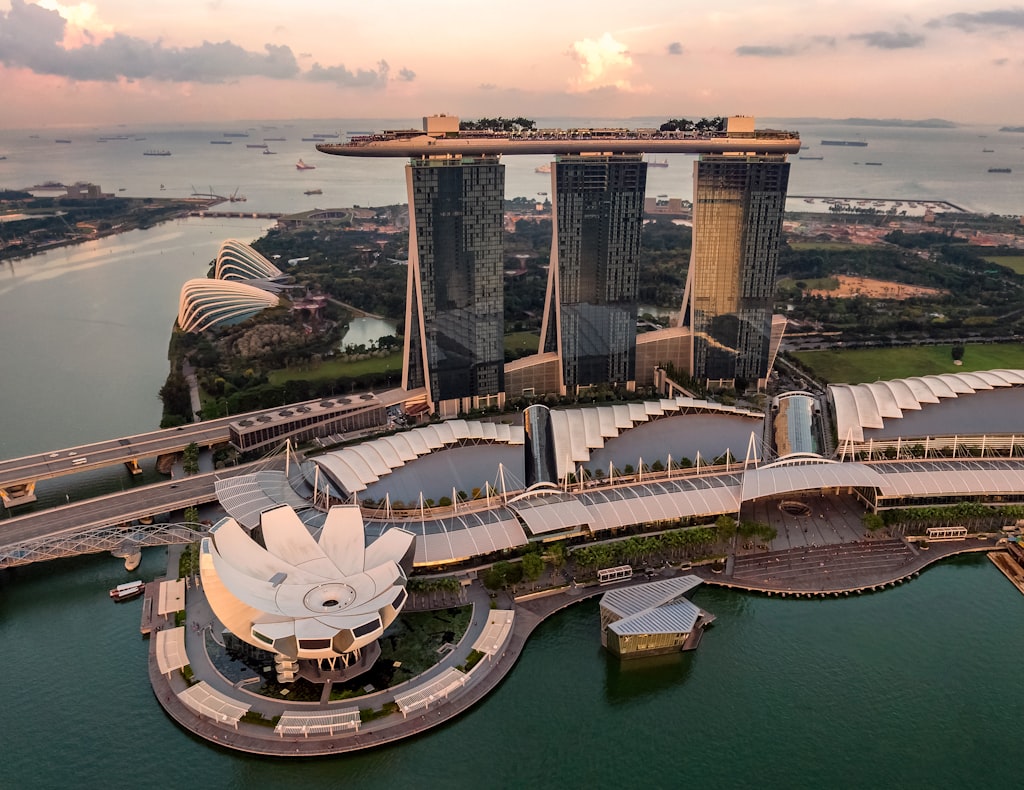
Singapore’s healthcare is top-tier globally but commands a very high cost of living. Recent tightening of the EntrePass visa elevates barriers for entrepreneurs, and monthly rents can exceed SGD 4,000. Retirees attracted to safety and medical excellence may find better value in regional alternatives unless budget is flexible.
United Arab Emirates

The UAE’s Virtual Working Program grants one-year renewable stays and lends access to excellent hospitals, especially in Dubai and Abu Dhabi. Rising living costs (8-10% increase in 2025-26) and high property prices balance against attractive zero personal income tax and premium healthcare facilities.
Comparing Healthcare Affordability and Visa Requirements for Retiring Expats
| Country | Visa Type | Visa Fee / Cost | Income or Asset Requirement | Healthcare Cost* | Typical Monthly Living Cost* |
|---|---|---|---|---|---|
| Malaysia | MM2H | ~$500-$800 | MYR 500,000 liquid assets & MYR 10,000 monthly income | Low: $20-$100 per visit/hospital stay | $1,200-$1,500 |
| Thailand | Non-Immigrant O-A | ~$60-80 (visa fee) | Proof of income + mandatory health insurance ($100,000 coverage) | Low: $30-$120 per visit | $1,500-$2,000 |
| Vietnam | Long-term residence (pending) | Varies | Flexible, under review | Very low: <$25 per doctor visit | $800-$1,200 |
| Portugal | D7 Retirement Visa | ~€90 application fee | ~€1,200 pension/income per month | Moderate: Free public care, private ~€50+ per visit | €1,200-€2,000 |
| Spain | Non-lucrative / Startup Work Permit | ~€80-€120 | €3,000 minimum monthly + health insurance | Moderate-High: Public & private options | €1,500-€2,500 |
| Croatia | Digital Nomad Visa | ~€100 | €2,200/month income requirement | Moderate: €30-€80 per visit | €1,000-€1,500 |
| Georgia | Remotely from Georgia | Minimal | None | Very low: $10-$20 per visit | $700-$1,000 |
*Costs approximate and local currency converted as needed.
Frequently Asked Questions
What factors make a country one of the best for expat retirement healthcare?
Top retiree healthcare destinations combine affordable and accessible medical care, a range of quality public and private hospitals, well-regulated health insurance options, and retirement visa schemes that provide long-term residency stability. Cost of living and safety are also crucial for aging expats.
Are retirement visa requirements becoming more restrictive in 2026?
Yes, particularly in popular Asian and European countries. For instance, Malaysia’s MM2H program now demands higher asset and income thresholds. Thailand mandates comprehensive health insurance for retirees. Meanwhile, some European programs such as Portugal’s Golden Visa have narrowed real-estate-based eligibility, focusing on other investments.
How do digital nomad visas affect retirees seeking healthcare abroad?
Digital nomad visas generally target younger, remote-working demographics and have specific income and employment conditions. Retirees without active income may not qualify, although several countries offer retirement or non-lucrative visas better suited to healthcare and long-term residency needs.
Can I rely solely on public healthcare as an expat retiree abroad?
It depends on the country. Many retirees prefer private healthcare due to shorter wait times and English-speaking staff. Some countries provide robust and accessible public healthcare to legal residents (e.g., Portugal, Spain), but others (e.g., Thailand, Malaysia) recommend private insurance or private hospital care for expats.
Final Thoughts
Navigating the best countries for expat retirement healthcare in 2026 requires up-to-date knowledge of evolving visa policies, healthcare quality, and cost-of-living dynamics. Malaysia’s revamped MM2H program, Thailand’s excellent private healthcare, and emerging options like Vietnam, Croatia, and Georgia provide excellent choices tailored to diverse budgets and preferences.
For the best personalized results, use our Relocation Wizard to discover which countries fit your retirement healthcare goals and lifestyle. Combine this with our cost-of-living calculator to budget realistically and confidently. Your ideal retirement destination awaits—with the healthcare and stability you deserve.