Which Countries Offer the Best Remote Worker Golden Visas in 2026?

Not sure where to start? Our free Relocation Wizard matches you to your ideal country in minutes.
Key Takeaways
- Remote worker golden visa programs are evolving in 2026 to include more flexible, investment-linked pathways with lowered thresholds and wider eligibility.
- The UAE, Spain, Portugal, and Turkey lead the pack with attractive residency options that combine remote working freedom with investment opportunities.
- Tax benefits, family inclusions, and practical perks like healthcare access and affordable real estate are key to deciding the best golden visa for remote workers and entrepreneurs.
- Emerging policies in Europe, the Middle East, and Latin America are reshaping expat flows, making it crucial to weigh cost-of-living and legal structures using tools like our cost-of-living calculator.
- Use the Relocation Wizard to find tailored options that fit your remote work lifestyle and long-term residency goals.
What Is a Remote Worker Golden Visa and Why It Matters in 2026
The concept of a remote worker golden visa blends traditional investment-linked residency programs with the flexibility remote workers crave. Unlike conventional digital nomad visas, which typically grant short-term stays, golden visas usually require some form of investment—real estate, business ventures, or government bonds—and offer longer-term residency rights, often paving the way to permanent residency or citizenship.
In 2026, countries are adapting these golden visa schemes to attract remote workers and entrepreneurs amid rising global competition. This trend is driven by governments recognizing the economic benefit of diversifying foreign investment while responding to the geographic freedom digital nomads demand.
Key updates in many programs include lowered investment thresholds, expanded eligibility to include remote workers earning sustainable incomes, and enhanced family benefits—all designed to create a viable long-term living solution rather than just a vacation-style permit.
Quick Tip: If you’re considering a remote worker golden visa, start by calculating your long-term budget using our cost-of-living calculator to ensure the investment aligns with your lifestyle.
Why the UAE Remains a Top Destination for Remote Worker Golden Visas
The United Arab Emirates retains its iconic appeal among remote workers and digital entrepreneurs, largely due to its tax-friendly environment and rapid modernization of residency options.
The Virtual Working Program and the Golden Visa
Dubai’s Virtual Working Program, launched recently, allows remote workers earning at least $5,000 monthly to obtain a one-year residence visa at around AED 4,000 ($1,089). This visa can be renewed and includes path extensions for families, making it highly attractive for entrepreneurs and freelancers.
Meanwhile, the UAE’s traditional Golden Visa scheme has lowered real estate investment thresholds in some emirates—from AED 2 million ($544,000) to AED 750,000 ($204,000) for residency eligibility. This broader accessibility encourages younger investors and remote workers who want a longer-term base without the hefty prior investment barrier.
Practical Benefits
- Zero personal income tax: A major draw for high earners
- Family inclusions: Spouses and children up to 18 years can be included
- World-class infrastructure and healthcare: Especially in Dubai and Abu Dhabi
- Fast processing: Visa approvals typically happen within weeks
For remote workers looking to combine investment with tax advantages and a stable cosmopolitan hub, the UAE stands out in 2026.
Portugal: A Revamped Hub for Passive Income and Residency

Portugal’s residency options have been substantially refined with remote workers in mind, chiefly through its revamped D7 Passive Income Visa and bolstered Non-Habitual Resident (NHR) tax regime.
D7 Passive Income Visa — Extended Stays and Affordable Requirements
Now allowing stays of up to five years, the D7 visa requires a relatively modest annual passive income of about €8,460 (roughly $9,400). It suits remote workers living off passive income or freelance earnings, offering:
- Eligibility to apply for permanent residency after five years
- Family reunification options
- Access to Portugal’s health system and education benefits
The NHR Tax Regime: A Game-Changer for Remote Workers
The NHR status grants a flat 20% tax rate on qualifying employment and self-employment income for ten years, combined with exemptions on certain foreign income streams. This appeals to digital nomads and entrepreneurs seeking tax efficiency in Europe.
Recent Trends in Portuguese Residency
- Interest in shorter-term stays is shifting toward five-year renewable options
- Real estate investments remain popular but are no longer mandatory for the D7 route
- Portugal is aligning visa policies to facilitate startup entrepreneurs alongside passive income residents
Quick Tip: Consider combining the D7 visa with the NHR tax regime benefits for maximum flexibility and tax savings. Use the Relocation Wizard to explore if Portugal fits your profile.
Spain: Lower Investment Thresholds and Startup-Friendly Visas

Spain has revamped its golden visa landscape with young entrepreneurs and tech sector workers in mind, moving beyond its longstanding €500,000 real estate investment requirement.
The New Startup Law Visa
Spain’s Startup Law, effective from 2024 and expanding into 2026, introduces a specialized visa for founders and employees of startups, offering:
- An initial 2-year residence permit, renewable
- Lower threshold for economic activity, supporting investments under €500,000
- Access to the EU market and family inclusions
This is a critical development for remote workers in tech and innovation fields who want a foothold in Europe without excessive capital outlay.
Proposed Changes to the Golden Visa Program
Spain is considering:
- Allowing investments in government bonds and strategic business projects as alternatives to real estate
- Lowering or segmenting the minimum property investment requirements to attract younger and more diverse investors
- Simplifying the application process to maintain competitive appeal globally
These moves suggest Spain aims to redefine its golden visa landscape to meet 2026’s digital and remote worker expectations.
Turkey: A Cost-Effective Gateway with Fast Citizenship Options

Turkey’s depreciating Lira and affordable living costs make it a strategic choice for remote workers who also want eventual citizenship opportunities.
Citizenship by Investment Program
- Minimum investment of $400,000 in real estate or business
- Citizenship granted within six months
- Family members are included
- Healthcare and living costs about 30%-50% lower than Western Europe
Affordable Visas for Remote Workers and Investors
Turkey does not have a formal digital nomad visa yet, but its visa and residency system increasingly accommodates long-term stays tied to property purchase or business investments. Istanbul and Antalya provide a blend of modern amenities, quality healthcare, and affordable real estate—ideal for remote workers with an eye toward eventual permanent settlement.
Quick Tip: Pair your Turkish residency with local tax advice to optimize returns, as Turkey is also refining double taxation agreements with Europe and Middle Eastern countries.
Emerging and Noteworthy Remote Worker Golden Visa Options
Estonia: Digital Nomad and e-Residency Hybrid
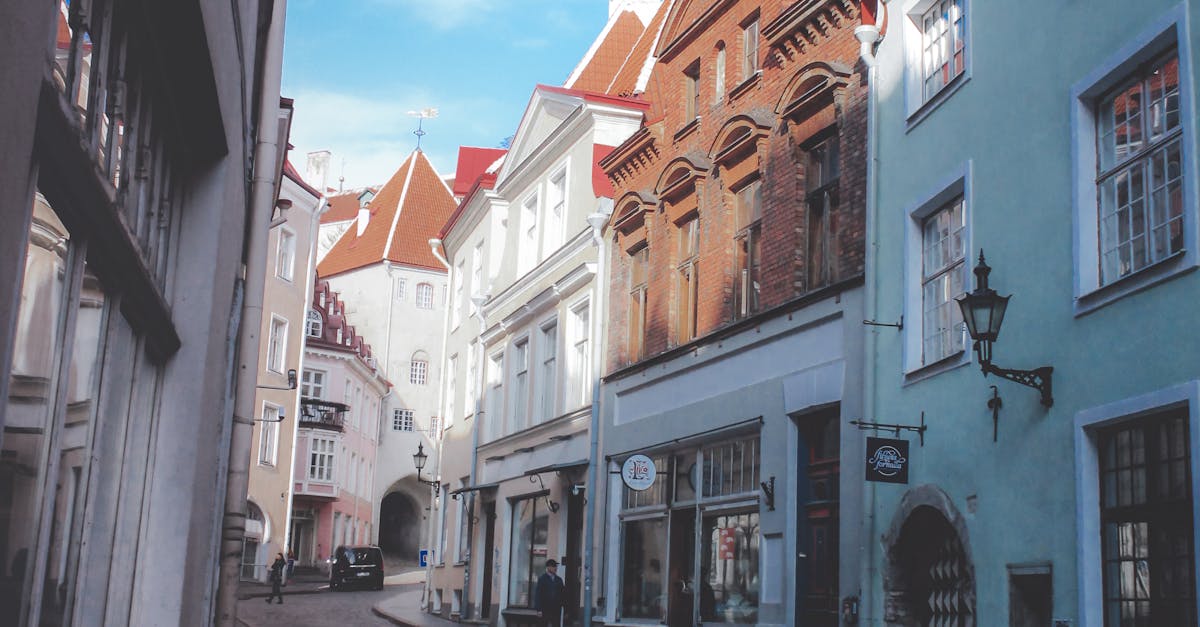
Estonia’s digital nomad visa supports stays up to a year with a minimum monthly income of €3,500 (~$3,900) and extends family applications. Its global e-Residency program enables remote entrepreneurs to run EU-based companies digitally, making it a pioneer for location-independent workers seeking business-friendly environments.
Costa Rica: Eco-Friendly Long-Term Visas

Costa Rica’s Pensionado Visa requires just $1,000 monthly income, making it attractive for retirees and remote workers alike. Its Tech Talent Visa launched recently targets IT professionals with $3,000 monthly income requirements and offers residency up to two years. The country’s public healthcare system and high quality of life are strong draws.
Italy: The Nomad Tax Advantage

Italy’s innovative “nomad tax” offers a flat 7% tax on foreign income up to €100,000/year for qualifying digital nomads, valid for five years. Cities like Milan and Florence are becoming key hubs for remote workers seeking EU residency with favorable fiscal terms, despite Italy’s generally higher living costs.
Comparing the Best Remote Worker Golden Visa Countries in 2026
| Country | Investment Threshold | Residency Duration | Tax Advantages | Family Inclusion | Key Benefits |
|---|---|---|---|---|---|
| UAE | AED 750,000 ($204,000) real estate or $5K/month income | 1-10 years (depending on visa) | Zero personal income tax | Yes | Fast processing, top infrastructure |
| Portugal | €8,460 annual passive income | Up to 5 years, renewable | 20% flat tax under NHR | Yes | Low income requirement, pathway to citizenship |
| Spain | €500,000 real estate or startup investment | 2+ years, renewable | Standard Spanish tax system with possible future incentives | Yes | Startup visas, expanding investment options |
| Turkey | $400,000 property/business for citizenship | Long-term residence, fast path to citizenship | Various double tax treaties | Yes | Affordable cost of living, quick citizenship |
| Estonia | €3,500/month income | Up to 1 year | EU taxation framework | Yes | e-Residency, family applications |
Quick Tip: Always evaluate the total cost—including visa fees, travel, healthcare, and living expenses—using our cost-of-living calculator before making a final decision.
Frequently Asked Questions
What is the difference between a digital nomad visa and a remote worker golden visa?
A digital nomad visa typically provides short-term residency (6-12 months) for remote workers without investment requirements. A remote worker golden visa usually involves an investment (in property, business, or bonds) and grants longer-term residency, often with eligibility for permanent residency or citizenship.
Can family members be included in remote worker golden visa programs?
Most leading programs, including those in the UAE, Portugal, Spain, and Turkey, allow spouses and dependent children to join the main visa holder, providing family security and access to local services.
Are there tax benefits with remote worker golden visas?
Yes, many countries offer favorable tax regimes. Portugal’s NHR tax status, Italy’s nomad tax, and the UAE’s zero income tax are key examples. However, tax implications depend on your home country’s laws and any double taxation treaties, so consulting a tax advisor is crucial.
How long does it take to get a remote worker golden visa?
Processing times vary. The UAE’s virtual working program can approve visas in weeks, while Portugal’s D7 visa typically takes 2-3 months. Citizenship programs, such as Turkey’s, may take half a year. Planning ahead is essential.
Final Thoughts
The landscape for remote worker golden visas in 2026 is rich with opportunities and innovation. Countries like the UAE, Portugal, Spain, and Turkey are optimizing their programs to better accommodate the modern remote worker by lowering investment barriers, extending stay durations, and enhancing family inclusions.
When choosing a destination, it’s critical to evaluate not only investment costs but also tax regimes, healthcare quality, lifestyle preferences, and long-term residency or citizenship pathways. Use our Relocation Wizard to pinpoint the countries that best match your needs, then crunch the numbers with our cost-of-living calculator for a complete, informed move.
By combining smart investment choices with flexible remote work options, the 2026 remote worker golden visa holder can enjoy unparalleled freedom and security in exciting new locales around the world. Your ideal relocation awaits. Start your journey today!