Best Countries for Hybrid Remote Work Visas in 2026

Not sure where to start? Our free Relocation Wizard matches you to your ideal country in minutes.
Key Takeaways
- Hybrid remote work visas in 2026 provide flexible residence permits enabling professionals to split time between home and abroad without strict residency demands.
- Countries like Germany, Portugal, and Spain have revamped or introduced visas specifically tailored for hybrid or digital nomad workers.
- Southeast Asia’s Thailand and the Caribbean’s Barbados offer attractive multi-year remote work options combining affordability, healthcare, and lifestyle.
- Cost of living, healthcare quality, income thresholds, and tax policies vary widely; careful comparison using tools like our cost-of-living calculator is essential.
- Hybrid work trends drive evolving visa frameworks that prioritize flexibility, regional development, and sustainable immigration policies for 2026 and beyond.
Understanding Hybrid Remote Work Visas 2026: What You Need to Know
The rise of hybrid work models — dividing time between home office and an international workspace — is reshaping global mobility patterns. In response, governments worldwide are launching or updating hybrid remote work visas in 2026 to capture this dynamic workforce segment. Unlike traditional work or residency permits, these visas emphasize flexibility, shorter bureaucratic cycles, and practical benefits for professionals wanting to balance life across borders.
Hybrid remote work visas allow you to legally live and work abroad without surrendering your primary residence or meeting strict permanent residency obligations. This is increasingly appealing as return-to-office mandates soften and cross-border collaboration surges.
Key factors to weigh for 2026 visas include:
- Minimum monthly income thresholds required to qualify
- Maximum allowed length of stay
- Access to public or private healthcare
- Cost-of-living implications tied to currency shifts and inflation
- Tax regimes, especially territorial taxation and exemptions for foreign-earned income
This article spotlights the latest visa programs tailored to hybrid workers, helping you find the perfect destination based on your income, lifestyle preferences, and long-term plans.
Europe Leading the Way: Hybrid Remote Work Visas Across the Continent
Europe remains a hotspot for flexible remote work visas, combining robust healthcare, safety, and infrastructure with quality of life. Several countries have updated or introduced targeted visas for hybrid workers specifically in 2026.
Germany’s Freelance “Freiberufler” Visa: A Game-Changer for Hybrid Workers

In early 2026, Germany rolled out its new Freelance visa for remote workers employed by non-German companies. The "Freiberufler" visa permits stays of up to three years and is particularly attractive for EU and non-EU nationals alike.
Key details:
| Criteria | Requirement |
|---|---|
| Monthly income | Minimum €2,000 verified earnings |
| Residency length | Up to 3 years, renewable |
| Healthcare | Mandatory valid health insurance coverage |
| Application fee | Approx. €100-150 |
| Family inclusion | Allows for dependents with adequate proof |
Germany’s strong healthcare system, safety, and high-quality education make this visa attractive for families seeking hybrid flexibility. Additionally, Germany’s robust urban hubs like Berlin, Hamburg, and Cologne feature growing coworking networks and international communities.
Quick Tip: Ensure you maintain adequate health insurance to comply with Germany’s strict health coverage rules—this is critical for visa approval.
Portugal Digital Nomad Visa: Mild Climate Meets Remote Work

Portugal’s Digital Nomad Visa, launched in 2023 and growing in traction by 2026, offers an accessible route for hybrid workers drawn to its mild weather, rich culture, and affordable lifestyle outside Lisbon and Porto.
Highlights include:
- Application fee: ~€100
- Minimum income: €2,500 per month—modest compared to typical EU thresholds
- Length of stay: 1-year visa, renewable up to 5 years
- Healthcare: Access to public healthcare with optional private insurance
- Recent Golden Visa adjustments: Real estate investment now restricted mostly to interior regions to promote balanced development
Portugal’s strategic policy to tighten Golden Visa real estate opportunities outside major cities intends to ease housing market pressures in coastal hubs—a plus for new remote workers scouting under-the-radar locations.
Spain’s Enhanced Digital Nomad Visa: Fast Processing and Lower Income Thresholds

Spain made remote work more accessible in 2026 by lowering its digital nomad visa income threshold to €2,000 per month and accelerating application times to under 30 days.
Key advantages:
- Incentives like subsidized coworking spaces in depopulated areas such as Valencia and the Canary Islands
- Canary Islands offer special tax benefits under the Special Zone (ZEC) with a corporate tax rate of just 4%
- Excellent broadband infrastructure and a relatively low cost of living for Europe
These conditions make Spain a hot destination for hybrid workers interested in Mediterranean lifestyle with solid fiscal perks.
Quick Tip: If considering Spain, explore coworking hubs in Valencia or Tenerife to maximize local incentives while enjoying lower living costs.
Southeast Asia’s Emerging Hybrid Work Visas: Thailand and Beyond

Asia remains a favorite for cost-conscious hybrid workers seeking vibrant cultures and warm climates, balanced with improving digital infrastructure and healthcare. Southeast Asia especially is adapting quickly to the hybrid work trend.
Thailand’s Expanded Smart Visa: Long-Term Stay for Innovators and Remote Workers
Thailand’s updated Smart Visa program in 2026 targets tech professionals, digital nomads, investors, and startup founders, allowing stays up to four years — significantly longer than typical short-term visas.
Requirements include:
- Income threshold: 80,000 THB (approx. $2,300 USD) per month
- Eligibility: Professionals in tech, innovation, entrepreneurs
- Healthcare: Broader access to private healthcare in Bangkok and Chiang Mai, which are popular expat hotspots
- Currency & inflation impact: Baht depreciated ~6% against USD in early 2026; rising local inflation levels require budgeting for occasional cost increases
Thanks to affordable housing and lifestyle, the Smart Visa is proving attractive despite inflationary headwinds.
Malaysia’s “Malaysia My Second Home” (MM2H): Affordability with Robust Healthcare

While not new, Malaysia’s MM2H long-stay visa remains highly relevant for hybrid remote workers especially retirees.
- Financial requirements: MYR 500,000 (
$110,000) liquid assets and MYR 10,000 ($2,200) monthly income proof - Healthcare: Recognized as WHO-ranked and highly affordable, a key selling point
- MM2H permits 10-year stays, renewable—ideal for those looking for hybrid flexibility with long-term viability
Malaysia’s cost of living and ease of obtaining long-stay status continue to draw retirees and hybrid workers alike.
Caribbean’s Hybrid Remote Work Visas: Barbados Leading the Way
Barbados revamped its Welcome Stamp visa in 2026, an appealing option for remote workers who want tropical settings with strong infrastructure and safety.
- Visa duration: Now offers two-year residence permits (up from one year)
- Application fee: $2,000 USD
- Healthcare: Expanded services and upgraded medical facilities
- Environment & safety emphasized amid global uncertainties
Barbados blends sun, sand, and visa flexibility for hybrid workers wanting a safe, high-quality destination.
Why Some Popular Destinations Are Losing Ground in 2026
United Arab Emirates: Plateau in Attractiveness for Hybrid Professionals

Despite launching a 10-year Golden Visa for investors and specialized talents, the United Arab Emirates faces obstacles:
- High cost of living, with Dubai school fees ranging $15,000-$25,000 annually
- Introduction of 9% federal corporate tax dampening fiscal incentives
- Extreme summer heat and geopolitical tensions affecting long-term relocation decisions
These factors are making UAE less attractive for hybrid workers compared to more affordable, and temperate alternatives.
Eastern Europe’s Rise: Poland and Hungary Attract Hybrid Expats
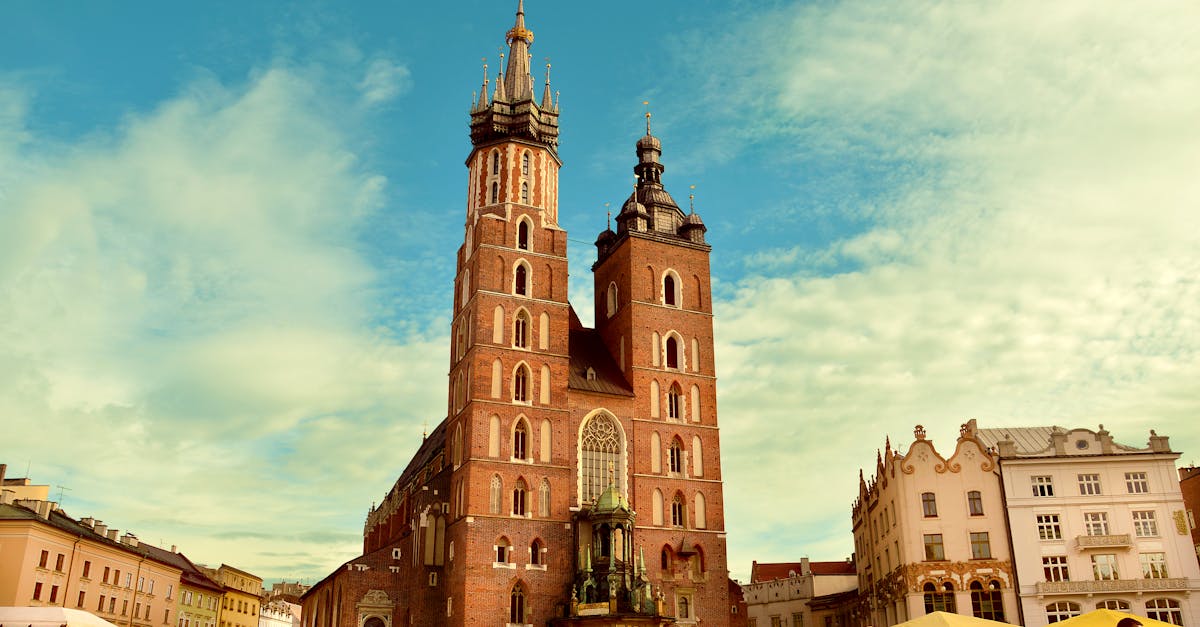
Poland and Hungary are growing rapidly as hotspots due to:
- Relatively low cost of living and improving infrastructure
- Hungary offers 15% Flat Rate Personal Income Tax with exemptions tailored to remote workers
- Open work environments and less saturated housing markets make these attractive for expats wanting hybrid flexibility
Look for evolving regional hubs and coworking communities as infrastructure advances.
Comparing Hybrid Remote Work Visa Options: Income, Stay Length, and Lifestyle
| Country | Monthly Income Requirement | Visa Length | Healthcare Quality | Approx. Cost of Living* | Notes |
|---|---|---|---|---|---|
| Germany | €2,000 | Up to 3 years | Excellent (public/private) | High (esp. Berlin, Munich) | Strong education & safety; health insurance mandatory |
| Portugal | €2,500 | 1 year, renewable | Good (public/private) | Moderate | Mild climate, regional real estate restrictions |
| Spain | €2,000 | 1 year, renewable | Very good | Moderate | Fast processing, tax benefits in Canary Islands |
| Thailand | THB 80,000 (~$2,300) | Up to 4 years | Improving (private) | Low to moderate | Inflation and currency shifts require budgeting |
| Barbados | $2,000 (application fee) | 2 years | Good | Moderate to high | Tropical, safe, upgraded healthcare |
| Malaysia | MYR 10,000 (~$2,200) | 10 years, renewable | Affordable & WHO-ranked | Moderate to low | Popular with retirees; long-term flexibility |
*Approximate monthly living costs excluding rent for a single professional, varies by city.
Navigating Cost of Living and Healthcare Access for Hybrid Work
As currency fluctuations and inflation persist in 2026, cost of living remains a top consideration. Use our cost-of-living calculator to estimate your expenses tailored to specific cities or regions within each country.
Healthcare is particularly crucial for families and older remote workers. Europe offers comprehensive public systems supplemented by private options. In Asia and the Caribbean, private healthcare tends to dominate, but quality varies widely. Always verify visa healthcare requirements.
Quick Tip: When budgeting for relocation, factor in visa application fees, health insurance premiums, and potential travel costs both ways to maintain flexibility.
Frequently Asked Questions
What defines a hybrid remote work visa in 2026?
A hybrid remote work visa in 2026 is a residency permit designed specifically for professionals who split their working hours between their home country and a foreign destination. These visas generally allow extended stays without requiring permanent relocation, enabling flexible, multi-location work lifestyles.
Which countries offer the most affordable hybrid remote work visas?
Thailand and Malaysia are among the most affordable options, combining relatively low income thresholds with affordable cost of living and good-quality private healthcare. Eastern European countries like Poland and Hungary are also budget-friendly choices with emerging visa options.
How long can I stay on hybrid remote work visas?
Visa lengths vary — Thailand offers up to 4 years, Malaysia up to 10 years renewable, Germany up to 3 years, while Portugal and Spain typically provide 1-year renewable digital nomad visas. Choose based on your desired stay duration and plans for permanence.
Are hybrid remote work visas family-friendly?
Many hybrid visas allow dependents, but income proof and health insurance are often stricter for family inclusion. Germany and Portugal rank highly for family-friendliness due to excellent schools and healthcare, while tropical options may be better suited for singles or couples without children.
Final Thoughts
Hybrid remote work visas in 2026 expand opportunities to balance professional productivity with the desire for new cultural experiences and lifestyle flexibility. From Germany’s innovative Freelance visa to Portugal and Spain’s rejuvenated digital nomad programs, and the growing appeal of Southeast Asia and the Caribbean, today’s hybrid worker has more freedom and options than ever before.
The key to success is matching visa terms, healthcare access, income requirements, and cost of living to your personal and professional needs. Our Relocation Wizard is a powerful way to find your best country fit, while the cost-of-living calculator helps make smart budgeting decisions for your next move.
Start exploring your ideal hybrid remote work destination today!