Best Countries to Move for Remote Work & Quality of Life in 2026

Not sure where to start? Our free Relocation Wizard matches you to your ideal country in minutes.
Key Takeaways
- The best countries for remote work and quality of life in 2026 blend strong digital nomad infrastructure with accessible healthcare, safety, affordability, and cultural compatibility.
- Emerging secondary cities like Tallinn, Krakow, and Canadian provinces such as Alberta provide excellent alternatives to crowded metros with improved lifestyle amenities.
- Visa programs—including digital nomad and investor visas—continue to evolve, with flexible options in Portugal, Spain, Greece, and the UAE shaping migration trends.
- Southeast Asia’s Vietnam and Thailand attract remote workers due to low cost of living and improving infrastructure, despite some currency volatility.
- Healthcare quality, education stability, and safety indices are critical lifestyle factors influencing relocation decisions along with economic and political environments.
Understanding the Best Countries for Remote Work and Quality of Life in 2026
In 2026, relocating abroad is increasingly about more than just visas or low taxes—it’s about finding a place that balances your ability to work effectively with a healthy, safe, and fulfilling daily life. For expats and digital nomads seeking the best countries for remote work and quality of life, lifestyle considerations have moved front and center. Reliable internet and coworking hubs matter, but so do strong healthcare systems, affordability, local culture, and political stability.
Governments are responding by tweaking digital nomad and investor visa schemes to better serve newcomers, but the real winners are those countries offering holistic environments that nurture both productivity and wellbeing. This guide dives into those places and emerging secondary cities you might not have considered yet, offering a full picture to help you make smart relocation decisions for 2026 and beyond.
Quick Tip: Use the Relocation Wizard to quickly weigh your priorities like climate, healthcare, and visa options to find your best matches.
Why Lifestyle Factors Matter for Remote Workers in 2026
Remote work means more flexibility, but lifestyle quality drives long-term satisfaction and success living abroad. Key factors include:
- Healthcare Access: Universal or affordable healthcare with English-speaking providers matters. Unexpected medical costs can disrupt your remote work routine and finances.
- Safety and Political Stability: Low crime rates and stable governments provide peace of mind, essential for families and retirees.
- Cost of Living: Balancing affordability against quality is crucial. Many digital nomads seek cities or regions where their income stretches further without sacrificing comfort.
- Cultural Fit: Language, community, lifestyle pace, and openness to foreigners influence how easily you settle in.
- Education Options: Families prioritize destinations with strong international schooling and safe environments.
- Remote Work Amenities: High-speed internet, coworking spaces, and expat-friendly infrastructure remain essential, with a growing shift toward secondary cities outside major capitals.
The strong interplay of these factors distinguishes the best countries for remote work and quality of life from places that offer only one or two advantages.
Europe: Expanding Digital Nomad Visa Programs and Quality Living
Portugal – Mature Remote Work Hub with Lifestyle Perks

Portugal remains a favorite thanks to its combination of warm climate, affordable living, excellent healthcare, and evolving visa options. Its popular D7 passive income visa requires just €760/month income (up from 2025’s lower threshold), though Lisbon tightened proof-of-income checks mid-2026 to curb misuse. Outside Lisbon, cities like Porto and Faro offer lower costs and quality amenities.
Healthcare is universal and affordable with treaty networks supporting expats. Portugal also boasts a thriving digital nomad scene, vibrant culture, and good safety rankings. Regional satellite towns now offer improved coworking spaces and connectivity.
Spain – Improved Digital Nomad Visa and Wide Regional Choices

Spain extended its digital nomad visa to 24 months with an option for extension, catering especially to European and Latin American remote workers. Barcelona and Madrid remain popular but face rising living costs.
Emerging cities like Valencia and Malaga attract remote workers seeking Mediterranean lifestyles with lower rents and strong healthcare access. Spain’s universal healthcare, cultural richness, and quality international schools make it highly appealing.
Greece – New Tech-Focused “Smart Visa” with Quality of Life Gains

Greece introduced its “Smart Visa” aiming at remote tech professionals requiring €3,500/month income. While higher than many peers, this targets skilled workers who benefit from Greece’s improving infrastructure, safety, and appealing climate.
Secondary cities like Thessaloniki and Heraklion are gaining traction, offering affordable living, fast internet, and authentic cultural experiences.
Estonia and Poland – Affordable, Expat-Friendly Secondary Cities
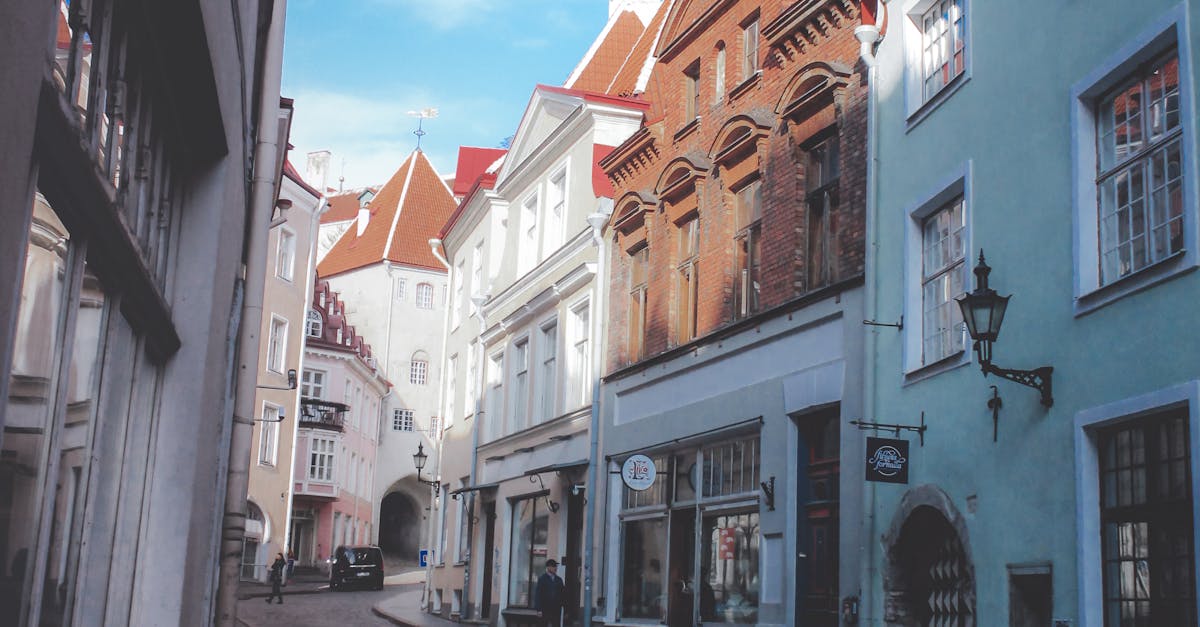
Tallinn in Estonia and Krakow in Poland exemplify the shift toward secondary cities. Estonia’s e-residency program and cost-effective living make it a remote work haven, especially for freelancers and startups.
Poland’s Krakow offers strong internet, coworking spaces, and a burgeoning expat community. Its proximity to conflict-border countries has increased demand, and visa processes have become simpler, particularly for Ukrainians and Russians relocating.
North America: Regional Incentives and High Quality of Life for Remote Workers
Canada – Provinces Offering Remote Work Incentives in Secondary Cities

Alberta and Nova Scotia have launched provincial digital nomad incentives in 2026, including streamlined visa procedures and tax credits for remote workers spending at least six months a year locally. Cities like Calgary and Halifax provide excellent quality of life with affordable housing, robust healthcare, and outdoor lifestyle advantages.
Canada remains a top choice for expats valuing safety, healthcare, political stability, and education options. The cost of living varies but is generally lower than the US’s larger metros.
United States of America – Diverse Options but Higher Costs and Complex Visas

While the US does not have a formal digital nomad visa, its tech hubs remain magnets for remote professionals. Secondary cities like Austin (Texas) and Raleigh (North Carolina) are increasingly popular for their quality of life, relatively affordable living, and thriving tech scenes.
Healthcare costs and insurance remain a major consideration when relocating to the US.
Southeast Asia: Rising Stars for Affordable Remote Work
Vietnam – Booming Remote Work Opportunities in Ho Chi Minh City and Hanoi

Vietnam’s e-residency pilot and relaxed foreign work permit rules have made it a hotspot for young remote workers. Monthly living costs hovering between $1,200–$1,500 allow for a comfortable lifestyle. However, currency depreciation against the USD has slightly raised costs for Americans.
Good internet infrastructure and growing coworking spaces in Ho Chi Minh City and Hanoi support digital nomads, even as safety and healthcare quality continue to improve gradually.
Thailand – Stable Infrastructure with Strong Nomadic Culture
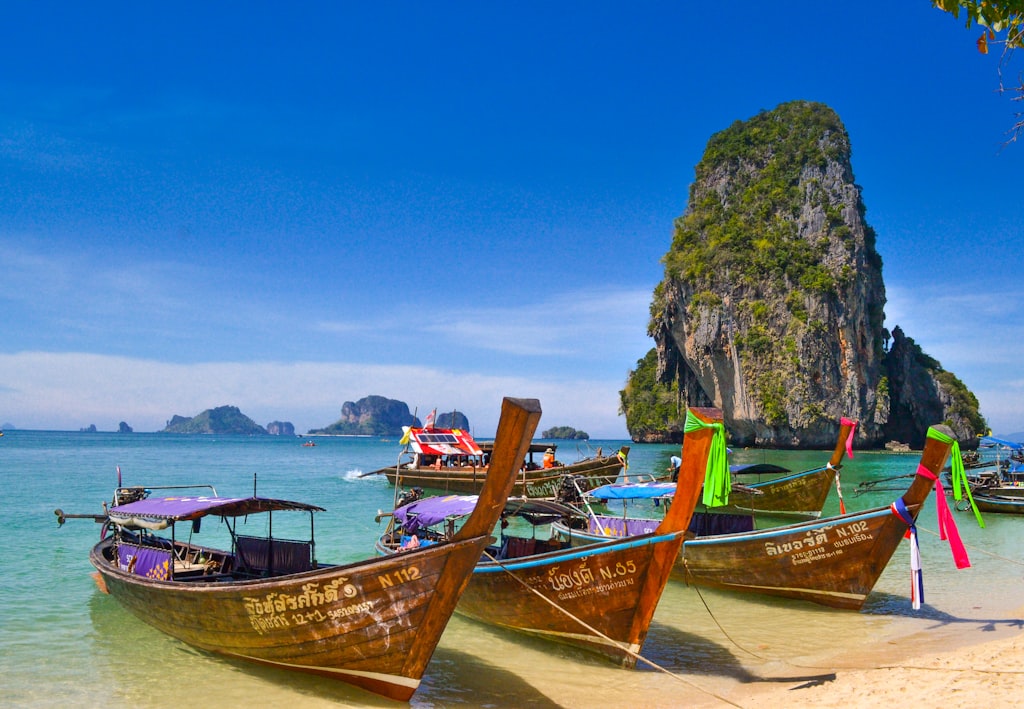
Thailand’s longstanding digital nomad reputation remains intact with a cost of living about 30-40% lower than Western cities. Bangkok may be expensive for rentals, so cities like Chiang Mai and Phuket are preferred for quality of life and community vibes.
Thailand offers solid healthcare—with good English speakers—and dynamic visa options for tourists and longer stays, although digital nomad-specific visas are still evolving.
Malaysia – Affordable Living with Excellent Education Options

Penang and Kuala Lumpur are attracting families and professionals migrating from Singapore due to significantly lower housing and living costs—up to 40% cheaper—with competitive international schooling options.
Malaysia blends safety, healthcare, and cultural diversity into an attractive package for remote workers with families.
Quick Tip: If family education is a priority, compare schools and healthcare accessibility early using our Relocation Wizard.
Latin America: Emerging Quality of Life Destinations
Uruguay – New Healthcare Residency Requirements Attract Retirees and Families

Uruguay revamped residency criteria in 2026, requiring proof of private or public health insurance, reassuring expats about healthcare accessibility. Stable politics and a peaceful environment appeal mainly to retirees, especially from Argentina and Brazil.
Montevideo and coastal cities offer a pleasant climate, safety, and increasingly strong internet infrastructure.
Costa Rica – Growing Remote Work Amenities and Natural Lifestyle

Costa Rica remains a favorite for its balanced lifestyle, friendly visa policies, and improving digital infrastructure. Healthcare quality is rising, with a good mix of public and private options for expats.
Remote workers are increasingly choosing secondary towns like Tamarindo or Grecia for quieter environments with reliable connectivity.
Middle East: Premium Investment Residency and Innovation Hubs
United Arab Emirates – Revamped Golden Residency and Global Business Hub

The UAE overhauled its Golden Residency program in 2026, requiring AED 10 million (~$2.7 million) in real estate or business investment for 10-year status, up from AED 5 million. This aims to attract ultra-high-net-worth entrepreneurs and investors.
Dubai and Abu Dhabi remain top-tier remote work hubs with world-class infrastructure, minimal personal tax, and dynamic international communities, though costs are relatively high.
Healthcare, Safety, and Education: Quality of Life Must-Haves
Across all regions, healthcare access and safety remain decisive for remote workers and expats. For retirees and families, universal healthcare and stability weigh heavily. Spain, Portugal, and Canada lead in healthcare systems accessible to foreigners.
Safety rankings drive migration flows away from politically uncertain areas toward stable EU nations and parts of Latin America. Education is a major factor pushing some expats from Singapore to Malaysia.
Comparing Visa Options and Affordability for Remote Workers in 2026
| Country | Visa Program | Income Requirement | Duration | Approx. Cost of Living* |
|---|---|---|---|---|
| Portugal | D7 Passive Income Visa | €760/month | Residency renewable | $1,500–$2,000/month (Lisbon) |
| Spain | Digital Nomad Visa | Variable (~€1,000+) | 24 months | $1,800–$2,500/month (Madrid) |
| Greece | Smart Visa (Tech Focus) | €3,500/month | 12 months+ | $1,200–$1,800/month (Athens) |
| Vietnam | E-Residency + Work Permit Relaxed | Not Applicable | Tourist & Work Permits | $1,200–$1,500/month (HCMC) |
| Canada | Provincial Nominee Programs (PNP) | Income proof varies | 1-2 years | $2,000–$2,700/month (Alberta) |
*Estimates based on rental, food, healthcare, and utilities for a single professional.
Quick Tip: Use our cost-of-living calculator to compare your potential expenses across cities and countries.
Frequently Asked Questions
What are the easiest countries for digital nomads in 2026?
Countries like Portugal, Spain, and Greece top the list with streamlined digital nomad visas offering flexible durations and moderate income requirements. Secondary hubs like Tallinn and Krakow provide affordable, expat-friendly options too.
How does healthcare quality vary among remote work destinations?
Europe generally offers high-quality universal healthcare accessible to expats, with Portugal and Spain leading. Latin American countries like Uruguay are improving private-public healthcare balance. Southeast Asia’s healthcare varies more widely; Thailand and Malaysia have solid private options, while Vietnam is still developing.
Are secondary cities good choices for remote workers in 2026?
Yes. Secondary cities like Tallinn, Krakow, Halifax, and Penang offer lower costs, less congestion, improving infrastructure, and expat-friendly environments, increasingly popular among remote workers seeking quality of life without metropolitan prices.
What role do tax regimes play when choosing a country to relocate for remote work?
Tax policies can affect overall affordability. Italy and Ireland recently enhanced tax incentives for high-net-worth individuals and digital nomads. Switzerland remains popular for asset protection. Understanding local tax treatment on foreign income is crucial to avoid surprises.
Final Thoughts
Choosing the best countries for remote work and quality of life in 2026 involves balancing visa ease, affordability, healthcare access, safety, and cultural fit. Emerging destinations in Europe, North America, Southeast Asia, and Latin America offer diverse options for different lifestyles and budgets. Whether you prefer a Mediterranean lifestyle in Portugal, a tech-focused visa in Greece, or affordable Southeast Asian cities like Vietnam, smart relocation decisions come from holistic research.
Start your journey today with our Relocation Wizard to discover countries tailored to your unique needs and plan your budget using our cost-of-living calculator. The right move is waiting for you in 2026 and beyond.