Best Countries with Passive Income Visas for 2026: Where to Move Easily

Not sure where to start? Our free Relocation Wizard matches you to your ideal country in minutes.
Key Takeaways
- Top passive income visa countries 2026 include Portugal, Spain, and Estonia, offering streamlined residency based on pensions, dividends, rentals, or digital income.
- Portugal’s revamped D7 visa and Spain’s new Digital Nomad visa provide flexible, accessible options with moderate income requirements (~€8,460 and €2,400/month respectively).
- Emerging programs such as Estonia’s hybrid E-Residency Plus and Thailand’s Smart Visa cater to remote workers and entrepreneurs seeking easy digital and physical residency.
- Cost-of-living, healthcare quality, tax policy, and political stability remain critical factors alongside visa availability when choosing where to relocate in 2026.
- Utilize resources like the Relocation Wizard and cost-of-living calculator to tailor your move based on affordability and lifestyle preferences.
What Are Passive Income Visa Countries 2026?
As more professionals and retirees seek residency options that do not tether them to traditional employment, passive income visa countries 2026 have become highly sought after. These visas are designed specifically for applicants with stable income streams from pensions, rental properties, dividends, or remote/digital sources that require minimal or no local work.
Unlike traditional work or investment visas, passive income visas focus on financial independence to grant residency rights, often with simplified application requirements or lower thresholds. In 2026, several nations have updated or introduced such schemes to capture this growing demographic of digital nomads, retirees, and freelancers.
Quick Tip: When assessing passive income visas, confirm the types of income accepted (some countries exclude business active income or require specific proof) and verify minimum monthly or annual thresholds to avoid surprises.
Europe’s Best Passive Income Visa Countries 2026
Europe remains a hotspot for passive income visa seekers due to its quality of life, healthcare, and infrastructure. Here are the most noteworthy programs evolving in 2026.
Portugal’s Streamlined D7 Visa for Passive Income
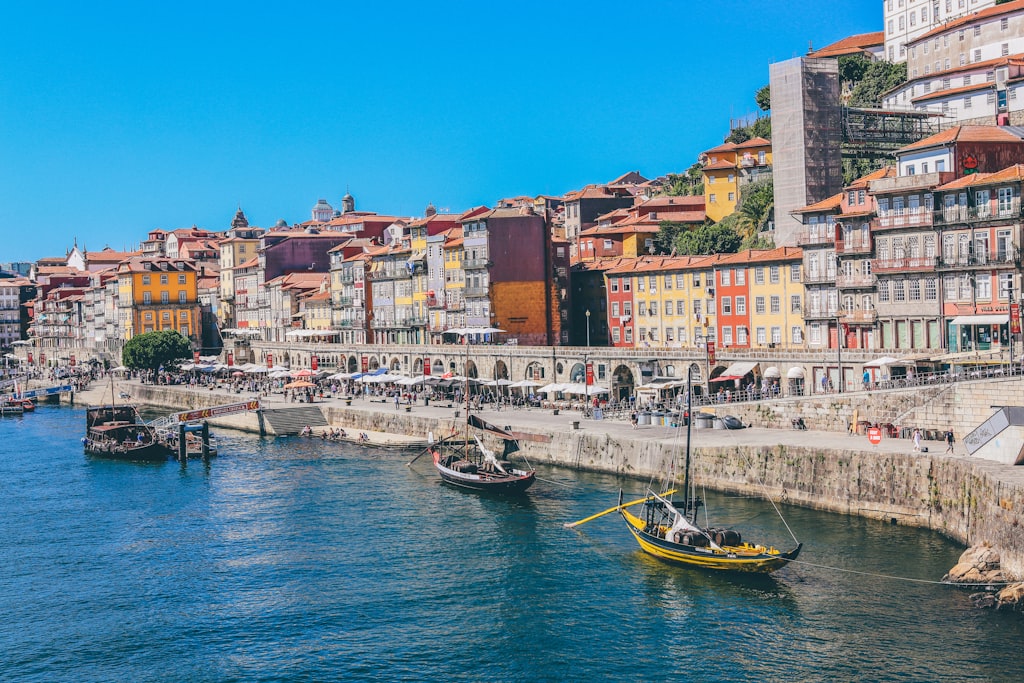
Portugal continues to lead with its popular D7 visa, ideal for pensioners, landlords, dividend receivers, and digital entrepreneurs with stable income streams.
- Income Requirement: Approx. €8,460 (~$9,000) per year for individuals; higher for families.
- Key Updates 2026: Reduced bureaucratic delays, faster processing, and the National Digital Nomad Strategy permit greater geographic flexibility.
- Residency: Initially 1 year, renewable up to 5 years; eligibility for permanent residency after 5 years.
- Lifestyle Perks: Access to Portugal’s high-quality public healthcare, relatively low cost of living in many regions, and EU travel freedom.
Portugal’s D7 is ideal for those with regular passive income who want a stable European residency option without employment obligations.
Spain’s Dual Non-Lucrative and Digital Nomad Visas

Spain revamped its visa lineup by expanding the longstanding Non-Lucrative Visa with a new Digital Nomad Visa launched at the end of 2025.
- Non-Lucrative Visa Income Threshold: Around €2,400 (~$2,600) monthly for individuals (three times IPREM).
- Digital Nomad Visa: Same income baseline; allows initial stays of 1 year, extendable to 5.
- Additional Benefits: Spain offers excellent climate, connectivity, and large expat communities especially in Barcelona, Madrid, and Costa del Sol.
- Important: While inflation has increased costs, many digital nomads still find Spain affordable compared to Western Europe.
Spain’s visa options appeal to non-EEA nationals seeking medium-term residency with minimal employment or local business obligations.
Estonia’s E-Residency Plus: Hybrid Passive Income and Remote Work
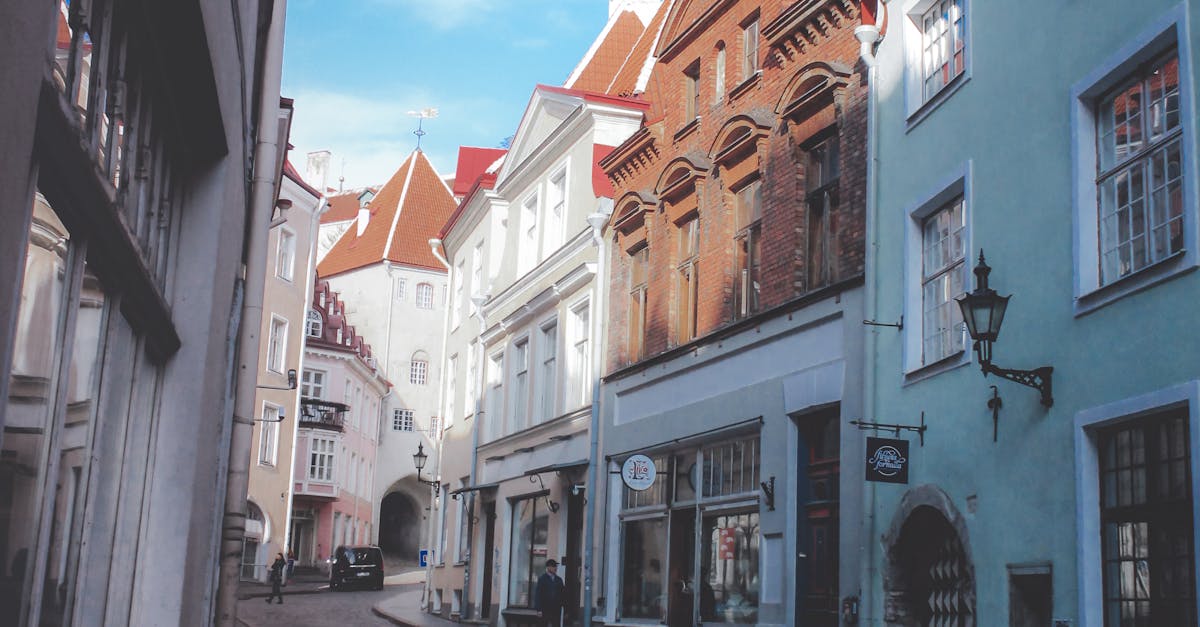
Estonia is breaking new ground with its E-Residency Plus initiative:
- Visa Fee: About €300 (~$320).
- Residency Duration: Up to 12 months.
- Access: Physical residency combined with digital business setup in the EU market.
- Ideal For: Freelancers, digital entrepreneurs, and those wanting EU residency without full relocation obligations.
- Why It Works: Exceptional e-government services, low bureaucracy, and transparent legal environment.
Estonia’s hybrid scheme is perfect for tech-savvy individuals whose income comes principally from online sources and who want EU access without traditional immigration hurdles.
Other Emerging and Established Passive Income Visa Countries to Consider
While Europe dominates the passive income visa scene, several non-European countries have significant 2026 updates or maintained attractive offerings.
Thailand’s Expanded Smart Visa for Remote Professionals
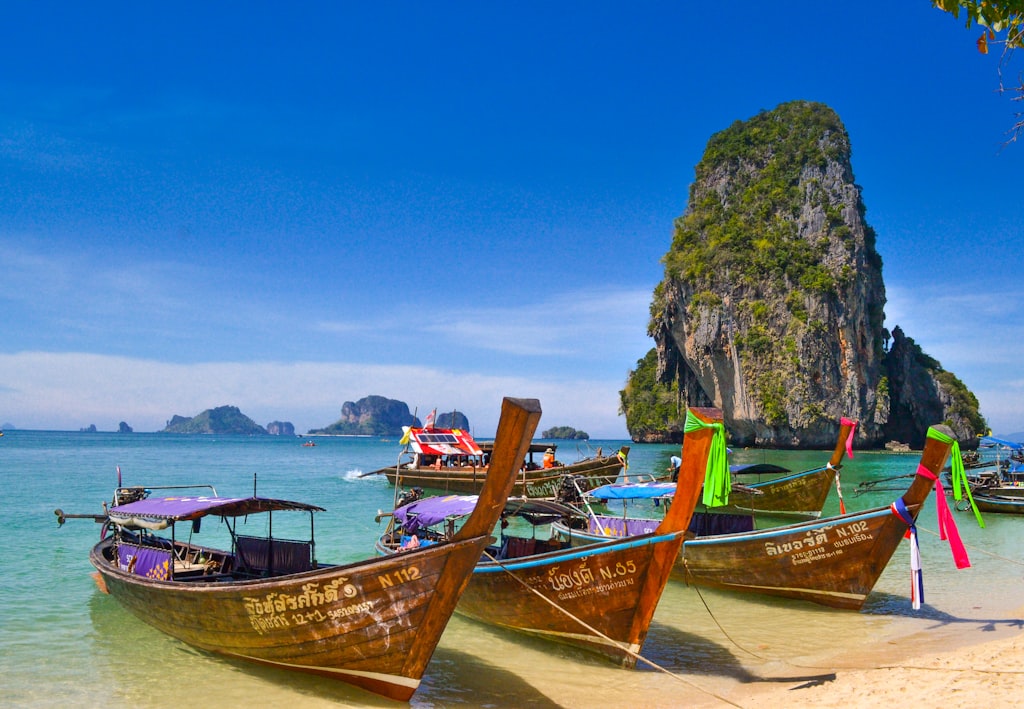
Thailand introduced extensions to its Smart Visa scheme catering to skilled professionals, including those with passive or digital income sources.
- Salary/Income Threshold: Minimum THB 100,000/month (~$2,900).
- Residency Term: Up to 4 years without traditional work permit.
- Sectors: AI, robotics, biotech, but also suitable for certain freelancers and retirees with qualifying income.
- Lifestyle Advantages: Low cost of living, warm climate, improving healthcare access.
- Visa Fees: $200–$800 depending on category.
This visa strikes a balance between lifestyle and work flexibility in Southeast Asia, ideal for mid-income digital nomads and retirees.
Costa Rica’s Pensionado Visa: Expanded Digital Income Eligibility

Cost Rica remains a top retirement destination, thanks to its affordable healthcare and natural beauty.
- Income Requirement: $1,000/month from pension or retirement.
- 2026 Update: Now recognizes digital pension income and some rental/dividend incomes.
- Residency: Long-term renewable permits.
- Why It’s Popular: Friendly culture, stable political environment, and extensive expat communities.
Costa Rica’s pensionado scheme is straightforward for retirees with passive income, especially those wanting access to safe, pleasant living in Central America.
Malaysia’s My Second Home (MM2H) Program Reforms

Malaysia revamped MM2H in 2026 to attract a younger demographic alongside retirees:
- Fixed Deposit: Increased to MYR 500,000 (~$110,000), but allows flexi-use for property or education.
- Income: Proof of income still required.
- Visa Terms: 5 to 10 years, renewable.
- Appeal: Low cost of living, excellent healthcare, multicultural society.
The flexibility added in 2026 makes MM2H a strong contender for families and retirees relying on passive income streams.
Panama’s Friendly Nations Visa: Steady Appeal

Panama is a long-standing favorite with its Friendly Nations Visa:
- Eligibility: Citizens of 50 countries.
- Income: No strict minimum, but proof of passive income or stable economic activity required.
- Residency: Permanent, with straightforward path to citizenship.
- Highlights: Territorial tax system, robust private healthcare.
Panama’s program suits expats wanting tax-friendly residency backed by quality services and community support.
Comparative Table: Key Passive Income Visa Requirements 2026
| Country | Income Threshold (Approx.) | Visa Type | Residency Length | Special Notes |
|---|---|---|---|---|
| Portugal | €8,460/year (~$9,000) | D7 Passive Income Visa | 1 year initial, renewable | Digital nomad flexibility improved |
| Spain | €2,400/month (~$2,600) | Digital Nomad / Non-Lucrative | Up to 5 years | New digital nomad visa since 2025 |
| Estonia | None (fee-based program) | E-Residency Plus | Up to 12 months | Hybrid physical and digital residency |
| Thailand | THB 100,000/month (~$2,900) | Smart Visa | Up to 4 years | Skilled professionals focus |
| Costa Rica | $1,000/month pension income | Pensionado Visa | Renewable long-term | Expanded to digital income |
| Malaysia | MYR 500,000 fixed deposit (~$110,000) | MM2H | 5-10 years, renewable | Flexi-deposit option added |
| Panama | Varies, proof of stable income | Friendly Nations Visa | Permanent | Territorial tax system |
Quick Tip: Use the cost-of-living calculator to compare how far your passive income will stretch in each destination before applying.
Key Considerations When Choosing Passive Income Visa Countries 2026
Income and Documentation Requirements
Ensure your income source aligns with the visa’s accepted forms—some countries require pension proof; others allow dividends, digital earnings, or rental income. Documentation must be precise and credible, often verified via bank statements, tax returns, or third-party attestations.
Healthcare Quality and Access
Especially crucial for retirees, countries like Costa Rica, Portugal, and Spain offer public and private healthcare options at internationally recognized standards.
Tax Implications and Residency Rules
Countries vary widely on tax treatment of passive income and require careful planning. For example, Portugal has revised its tax benefits to limit Non-Habitual Resident (NHR) advantages, while Panama relies on territorial taxation. Consult a tax professional when possible.
Political Stability and Safety
Avoid options where rising crime or political instability may affect quality of life or investment. For instance, Argentina has seen declining appeal due to inflation and crime spikes, whereas countries like Malaysia and Panama remain stable and safe.
Visa Processing Times and Costs
Processing times can range from a few weeks to several months. For example, Estonia offers a relatively quick E-Residency Plus visa program (~€300 fee), while Portugal might take a few months due to residence card issuance.
Quick Tip: Always check for the latest visa updates on official government sites or trusted relocation resources like our Relocation Wizard before applying.
Frequently Asked Questions
What countries offer the easiest passive income visas in 2026?
Countries like Portugal with its revamped D7 visa, Spain with new digital nomad options, and Estonia through E-Residency Plus are among the easiest due to moderate income thresholds and streamlined procedures.
Can digital nomads qualify for passive income visas?
Yes. Many countries now recognize digital income, either through dedicated digital nomad visas like Spain’s launched in 2025 or as part of passive income eligibility for visas like Portugal’s D7. Estonia’s online business facilitation also caters specifically to remote workers.
How much passive income is typically required to qualify for these visas?
Income requirements vary widely but generally fall between €8,000 - €30,000 annually depending on country and family size. Spain’s digital nomad visa requires about €2,400/month, while Costa Rica’s pensionado visa requires a minimum $1,000/month.
Are these visas pathways to permanent residency or citizenship?
Most passive income visas offer renewable residency permits with options to apply for permanent residency after 5 years. Citizenship pathways depend on each country’s naturalization laws and residency conditions.
Final Thoughts
With the growing global shift toward remote work and financial independence, passive income visa countries 2026 provide terrific opportunities for expats and retirees seeking freedom without traditional employment constraints. From Portugal’s efficient D7 visa to Spain’s accessible digital nomad option and Estonia’s innovative hybrid programs, options abound across continents.
However, choosing the right destination goes beyond visa eligibility. Consider income proof, local costs, healthcare, taxation, and safety alongside your lifestyle priorities. Start your journey with our free Relocation Wizard for a personalized country match, then measure affordability using the cost-of-living calculator to plan effectively.
Let 2026 be the year you confidently relocate on your terms — financially independent, globally free. Explore your best passive income visa options today!