Best Countries to Relocate for Remote Entrepreneurs in 2026

Not sure where to start? Our free Relocation Wizard matches you to your ideal country in minutes.
Key Takeaways
- Countries to relocate for remote entrepreneurs in 2026 emphasize revamped digital nomad visas, tax benefits, and strong business ecosystems.
- Portugal, Estonia, and Spain lead with updated visa frameworks and tax incentives tailored for remote entrepreneurs.
- Affordable living paired with quality healthcare and entrepreneurial support make Costa Rica, Malaysia, and Mexico attractive second-tier options.
- New residency rules, inflation, and investment criteria are reshaping popular expat destinations, pushing remote entrepreneurs to emerging hubs.
- Consider lifestyle factors—healthcare, education, safety—and legal nuances like tax regimes and visa pathways to optimize your relocation.
Why Choosing the Right Countries to Relocate for Remote Entrepreneurs Matters in 2026
As remote entrepreneurship becomes a permanent fixture of the global economy, selecting the best countries to relocate for remote entrepreneurs is more critical than ever. The post-pandemic era accelerated digital nomadism, prompting countries worldwide to redesign visa frameworks, enhance tax incentives, and invest in business ecosystems that support remote freelancers and startups. Whether your goal is a scalable business environment, affordable living, or access to robust social services, 2026 introduces fresh opportunities and challenges for entrepreneurial expats.
This comprehensive guide explores key destinations that balance digital nomad visa benefits with entrepreneurial opportunities. We'll cover recent visa expansions like Estonia’s Startup Visa, Portugal’s revamped digital nomad policies, cost-of-living considerations, and tax regimes designed to propel your remote business growth. Plus, we’ll share actionable insights to help you navigate legal, lifestyle, and financial matters.
Quick Tip: Before choosing a destination, use our Relocation Wizard to compare visa options and suitability for your business profile.
Digital Nomad Visas and Entrepreneur-Friendly Residency Programs: What’s New in 2026?
The digital nomad visa landscape continues evolving quickly as countries compete to attract remote entrepreneurs. The most successful programs now combine remote work flexibility with entrepreneurial incentives, tax relief, and healthcare access.
Portugal’s Revamped Digital Nomad Visa: D7 Digital Nomad Visa

Portugal has upgraded its popular D7 Digital Nomad Visa to require proof of a slightly higher stable income—approximately €1,200 per month, up from about €1,000 in previous years. Notably, the visa now offers a streamlined path to permanent residency after three years, faster than many European alternatives. Access to Portugal’s renowned public health system, alongside relatively low living costs outside Lisbon, makes Portugal a premier choice for remote entrepreneurs keen on long-term stability.
Additionally, Portugal’s Golden Visa program has shifted focus from high-demand urban areas like Lisbon and Porto to encourage investment in lower-density regions such as the Algarve and Azores, with investment thresholds starting at €350,000. This redistribution promotes regional business ecosystems that remote entrepreneurs can tap into without the hefty city prices.
Spain’s España Remote Work Visa and Tax Incentives

Spain’s digital nomad visa has expanded significantly in 2026. The "España Remote Work Visa" now allows family dependents under the same permit with reduced income requirements, lowering the barrier for entrepreneurs relocating with their household. A standout update is the extension of the famous “Beckham Law,” enabling digital nomads to benefit from a flat income tax rate of 24% for up to five years, making it a tax-efficient choice compared to other Mediterranean countries.
Combined with Spain’s rich entrepreneurial scene in cities like Barcelona and Valencia and affordable living in many secondary cities, Spain offers a balanced environment for remote entrepreneur relocation.
Estonia: The Startup Visa and Flat Tax Regime
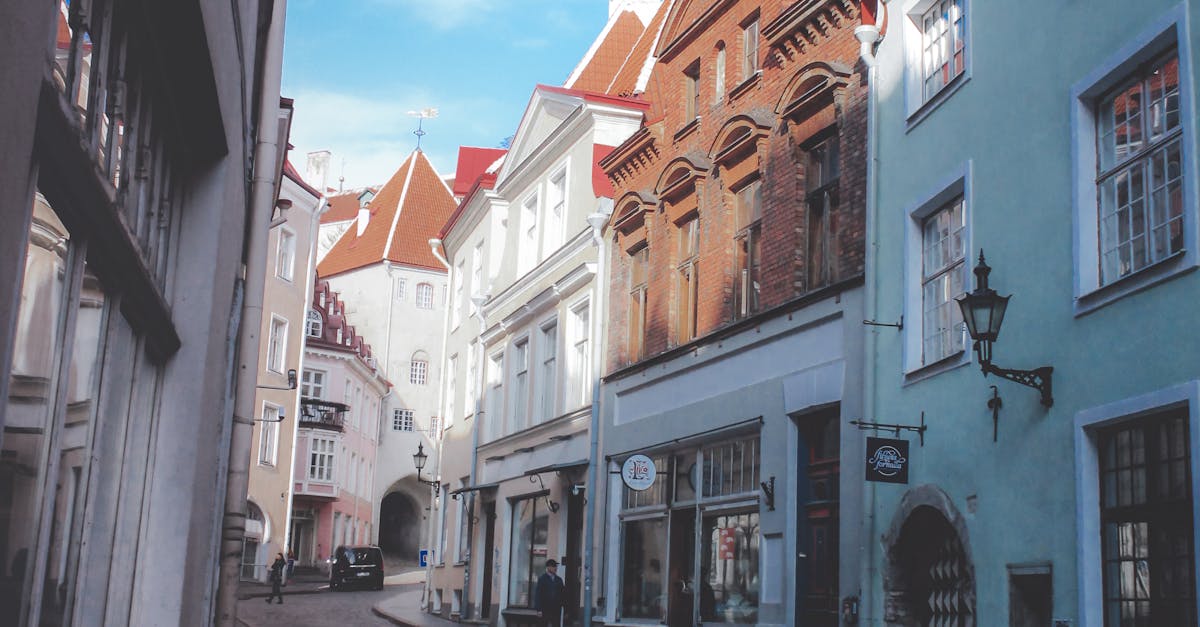
Estonia remains a trailblazer in digital nomad friendliness. In 2026, Estonia extended its digital nomad visa validity to two years, offering greater security for entrepreneurs. Its recently launched Startup Visa for non-EEA nationals specifically targets remote entrepreneurs intending to launch or scale startups.
Estonia's e-residency program also underpins a flat tax regime capped at 14% on income generated outside Estonia, which is highly attractive for freelancers and small businesses looking to minimize tax burdens. Coupled with a burgeoning tech ecosystem and digital infrastructure, Estonia is a top-tier choice for relocation.
Quick Tip: Review income and application requirements carefully — Estonia’s Startup Visa requires submitting a credible business plan, while Portugal and Spain focus more on income proof.
Emerging Affordable and Supportive Destinations for Remote Entrepreneurs
While Western Europe headlines many discussions, several countries offer appealing combinations of affordable living and robust support systems crucial for remote entrepreneur success.
Costa Rica: Enhanced Rentista Visa and Quality of Life

Costa Rica updated its Rentista Visa in 2026 with minimum monthly income requirements of $3,000 (USD) to qualify, alongside renewable two-year permits encouraging stability. The government has simplified access to local banking and healthcare, making it attractive beyond retirees to remote entrepreneurs looking for a work-friendly lifestyle in a tropical setting.
Costa Rica combines scenic natural beauty with relatively low business operation costs and strong expat communities, facilitating networking and support.
Malaysia: MM2H Relaunch and Business Environment

Malaysia relaunched its "My Second Home" (MM2H) program in 2026 with increased liquidity criteria (~MYR 1 million or about $220,000 USD) and mandatory health insurance. While targeted at wealthier retirees primarily, Malaysia’s business-friendly infrastructure and city hubs like Kuala Lumpur support entrepreneurial activities, especially for Southeast Asia-focused ventures. The cost of living is competitive, and broadband plus coworking infrastructure continue improving.
Mexico: Growing Entrepreneurial Cities and Visa Adjustments

Mexico raised its Temporary Residency Visa financial threshold to MXN 50,000 monthly income (~$2,700 USD) or savings around MXN 800,000, reflecting rising costs but maintaining accessibility for remote entrepreneurs. Cities like Guadalajara and Merida offer vibrant entrepreneurial ecosystems, affordable living (use the cost-of-living calculator), and quality private healthcare at 60-70% the cost of the US.
Mexico's proximity to the US market and friendly business visa policies make it a strategic base for North American remote entrepreneurs.
Where Previous Hotspots Are Adjusting in 2026
Several once-popular hubs have recalibrated due to inflation, policy changes, or cost pressures.
Dubai’s Virtual Working Program Adjusts to Inflation
While Dubai's virtual working program boomed post-2020, visa renewal costs are up around 10-12%, and rent inflation exceeded 15% in 2026. This has slightly cooled expat inflows. Entrepreneurs should weigh this against Dubai’s zero income tax and global connectivity.
Singapore’s High Costs Prompt Alternatives in Southeast Asia

Strict immigration combined with monthly rent for family apartments averaging SGD $4,500–6,000 pushes many entrepreneurs to consider alternatives like Malaysia’s Johor Bahru or Thailand’s Chiang Mai, where living expenses can be 40-60% lower but with decent quality of life and growing digital infrastructure.
Quick Tip: Use the cost-of-living calculator to compare your current city to potential destinations' expenses, factoring in housing and healthcare.
European Shifts: Currency and Investment Program Changes
Current Euro weakness against USD and CHF directs some entrepreneurs from countries like France or Germany toward tax-efficient alternatives such as Switzerland or Nordic countries with robust social services.
Golden Visa recalibrations in Greece and Malta (increased investment thresholds) encourage remote entrepreneurs to explore emerging secondary cities or regional areas for investment residency, avoiding saturated capitals.
Important Practical Lifestyle and Legal Considerations for Remote Entrepreneurs
Beyond visas and taxes, remote entrepreneurs must factor in:
- Healthcare Access: Countries like Portugal and Barbados embed healthcare provisions into digital nomad visas, critical for long-term stays.
- Safety and Education: Families prioritize destinations with good schooling and low crime rates. Programs in Canada and New Zealand reflect these priorities via adjusted immigration points and parent visa categories.
- Tax Compliance: Understanding how global tax changes (e.g., US IRS updates in 2025) affect your income and residency status is vital to avoid unexpected liabilities.
- Business Ecosystem: Look for startup incubators, coworking spaces, and investment support; Estonia, Portugal, and Spain excel here.
Frequently Asked Questions
What are the best countries to relocate for remote entrepreneurs in 2026?
Top choices include Portugal for its D7 Digital Nomad Visa and health benefits; Estonia for its Startup Visa and flat tax regime; and Spain with family-friendly remote work visas and tax incentives. Emerging hubs like Costa Rica and Mexico offer affordability and entrepreneurial opportunities.
How do updated digital nomad visas benefit remote entrepreneurs?
Updated visas provide longer durations (up to 2 years in Estonia), streamlined paths to residency (Portugal’s 3-year pathway), inclusion of family members (Spain), and healthcare access. Tax incentives like Spain’s flat 24% income tax also enhance financial predictability.
What tax advantages should remote entrepreneurs consider when relocating?
Countries like Estonia offer capped flat income taxes, Spain provides a reduced flat rate under the extended Beckham Law, and the UAE offers 10-year tax exemptions for high-net-worth investors. Understanding local tax treaties and compliance obligations is critical.
Are cost of living and healthcare important factors in relocation decisions?
Absolutely. Affordable living with quality healthcare support longer remote entrepreneurship success. Portugal, Malaysia, and Mexico provide well-rounded offers, balancing cost with services, making them top contenders for sustainable living.
Final Thoughts
As 2026 unfolds, the landscape of countries to relocate for remote entrepreneurs continues shifting—melding expanded digital nomad visas, evolving tax regimes, and rising living costs in traditional hubs. Prioritizing destinations that blend comprehensive visa access, business friendliness, affordable living, and quality social services will position your remote business for success.
Ready to find your ideal country? Start today with our free Relocation Wizard to assess visa options, income requirements, and lifestyle fit. Don’t forget to use our cost-of-living calculator to align your budget with your dream destination. Your best move starts here.