Best Countries for Digital Nomads with Family-Friendly Remote Work Visas in 2026

Not sure where to start? Our free Relocation Wizard matches you to your ideal country in minutes.
Key Takeaways
- In 2026, digital nomad visas with family in 2026 increasingly include spouse and dependent work and residence rights, addressing remote professionals’ growing demand for family-friendly relocation.
- Top destinations like Portugal, Spain, and Estonia provide flexible visa terms, robust healthcare, and access to quality education for families.
- Latin American countries such as Costa Rica, Panama, and Belize offer affordable living with streamlined income requirements and tax advantages ideal for families relocating with remote work visas.
- Countries in Southeast Asia and the Middle East, including Malaysia, United Arab Emirates, and Singapore, are expanding digital nomad programs emphasizing long-term family stays and high-quality services.
- Evaluating visa conditions alongside cost of living, healthcare access, schooling options, and evolving tax laws is critical for successful long-term relocation with family.
What Are Digital Nomad Visas With Family in 2026?
Digital nomad visas with family in 2026 represent a significant evolution in immigration policies aimed at remote professionals and entrepreneurs who seek to relocate internationally without leaving their spouse and children behind. These visa programs allow not only the principal applicant but also dependents to obtain residence permits and, increasingly, work authorization.
Unlike earlier single-person visa models, the 2026 wave emphasizes family inclusion, recognizing the demographic shift towards remote workers who want stability for their children’s education, spouses’ careers, and access to quality healthcare. This trend aligns with broader changes in remote work habits and global economic pressures encouraging governments to attract skilled talent and investment through innovative residency options.
Quick Tip: Before applying for any family-inclusive digital nomad visa, carefully verify whether the dependent can also work or study locally. Some countries limit dependent work rights, which could impact your relocation plans.
Key Criteria for Family-Friendly Remote Work Visas
When comparing digital nomad visas with family in 2026, consider the following critical factors to ensure the best fit for your family’s needs:
- Income Requirements: Minimum annual or monthly income thresholds to qualify, typically verified via payslips or bank statements.
- Dependent Coverage: Clarity on who qualifies as dependents (spouse, minor children, sometimes extended family) and which rights they receive.
- Healthcare Access: Availability of universal public healthcare or the requirement for private insurance, including coverage for children.
- Education Options: Access to international or public schools with instruction in English, bilingual or host country language.
- Cost of Living: Affordability relative to your income and savings, including housing, schooling costs, and daily expenses (use our cost-of-living calculator to compare).
- Visa Duration and Renewal: Length of initial visa, renewal possibilities, and pathways to permanent residence or citizenship.
- Tax Implications: Potential tax obligations in host country or home country based on visa status.
Balancing these factors with your family’s lifestyle preferences and professional needs will lead to a smoother long-term relocation experience.
Europe’s Leading Digital Nomad Visas with Family in 2026
Portugal
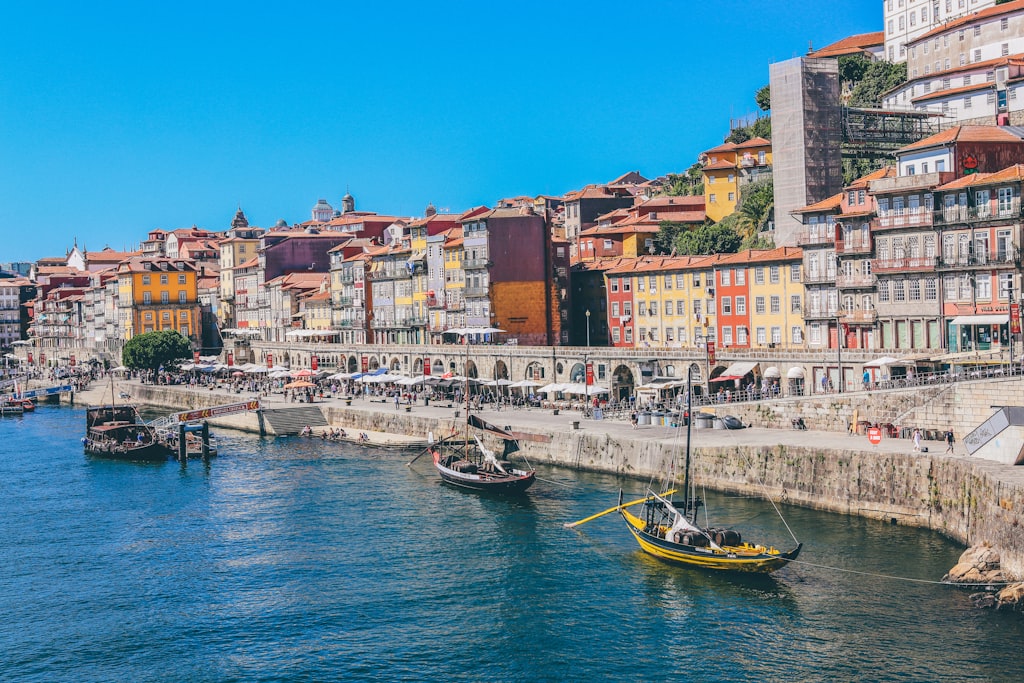
Portugal remains a top choice for families seeking digital nomad visas with generous provisions. The country’s revamped Golden Visa program focuses now on urban areas like Lisbon and Porto, requiring a €500,000 investment, but also offers new routes via investment funds.
For digital nomads, the standard D7 visa remains popular, allowing residency based on passive or remote work income, with dependents granted residence and limited work rights. Portugal recently enhanced eligibility by increasing family income requirements modestly to approximately €33,000 per year for a family of three, ensuring sustainable living.
- Healthcare: Public healthcare (SNS) is accessible to visa holders and their dependents, often supplemented with affordable private insurance.
- Education: Portugal has an expanding network of international and bilingual schools, particularly in Lisbon and Porto.
- Cost: Coincidentally, Lisbon ranks moderately affordable compared to other Western European capitals.
- Tax: Portugal’s Non-Habitual Resident (NHR) regime offers a 10-year preferential flat tax rate of 10% on foreign income and pension exemptions, attractive for nomads and retirees alike.
Quick Tip: If planning a move to Portugal, check regional cost differences using the cost-of-living calculator to budget for education and housing expenses in key cities.
Spain

Spain launched its new Digital Nomad Residence Permit in 2023 under the Startup Law, designed to attract remote workers including families. The permit allows residence for up to five years with a simplified tax regime capped at 15% for the first four years.
- Income Requirement: Roughly €36,000 annually, with dependents supported under family reunification rights.
- Work Rights: Spouses and dependent children receive work and study permits.
- Healthcare: Access to Spain’s strong public healthcare system is generally included, though private insurance is advised initially.
- Education: Spain offers both public schooling in Spanish and internationally accredited private schools, especially in Madrid and Barcelona.
- Visa Cost: Application fees range from €80 to €130, competitive for a permit allowing long-term residence.
Spain’s evolving policies display strong commitment to supporting families with remote work flexibility.
Estonia
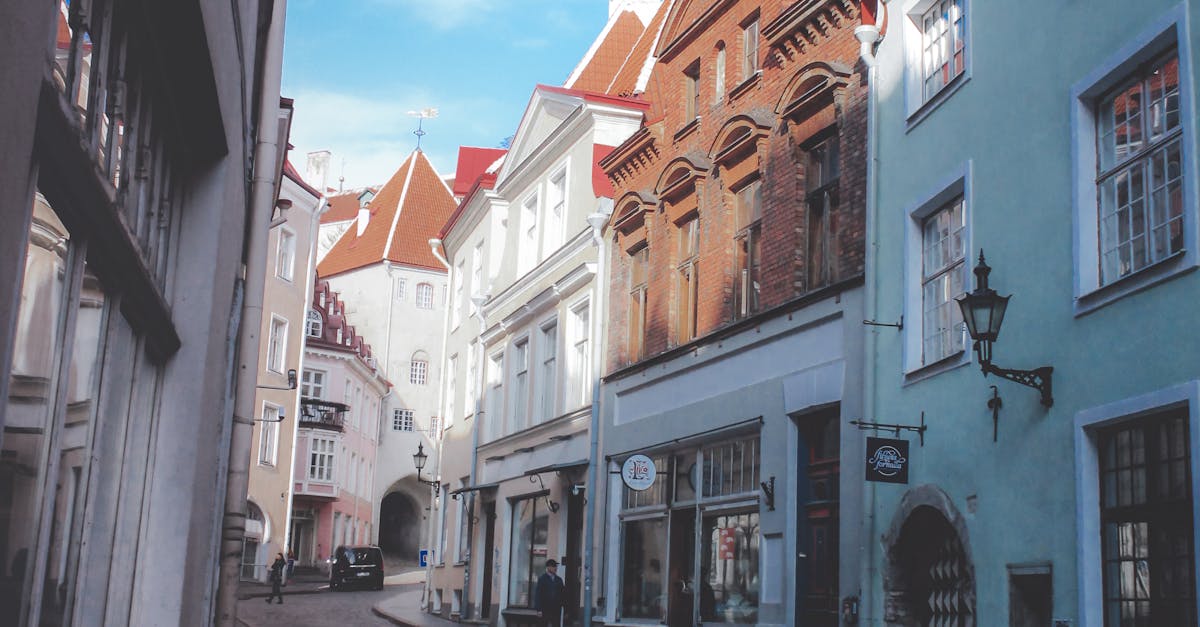
Estonia is well-known for its e-Residency program and has expanded its digital nomad visa offerings, including a special freelance visa permitting up to 12 months residency without triggering local tax liability.
- Family Inclusion: Dependents can accompany visa holders with residence rights and limited access to education and healthcare services.
- Taxation: A flat 20% tax on business profits appeals to startups and freelancers.
- Healthcare: Public healthcare access requires registering with the Estonian Health Insurance Fund; private coverage is popular too.
- Education: Estonia invests in high-quality bilingual schooling, especially in Tallinn and Tartu.
- Visa Duration: Initial 12-month visa extendable depending on employment/contract.
Quick Tip: Estonia’s digitally advanced services facilitate smooth online applications and renewals for families applying for nomad visas.
Malta

Malta’s Nomad Residence Permit program has become exceedingly family-friendly in 2026. It now includes healthcare coverage, a crucial perk for families concerned about medical expenses abroad.
- Income Thresholds: Start at €30,000 annually for singles, higher for family applications.
- Dependent Work: Spouses can work legally; children have access to local and international schooling.
- Healthcare: Malta blends public and private healthcare seamlessly.
- Cost of Living: Moderate compared to mainland Europe, but with premium island lifestyle expenses.
The island nation’s sunny climate and English-speaking environment are big draws for digital nomad families.
Family-Focused Digital Nomad Visas in the Americas
Costa Rica
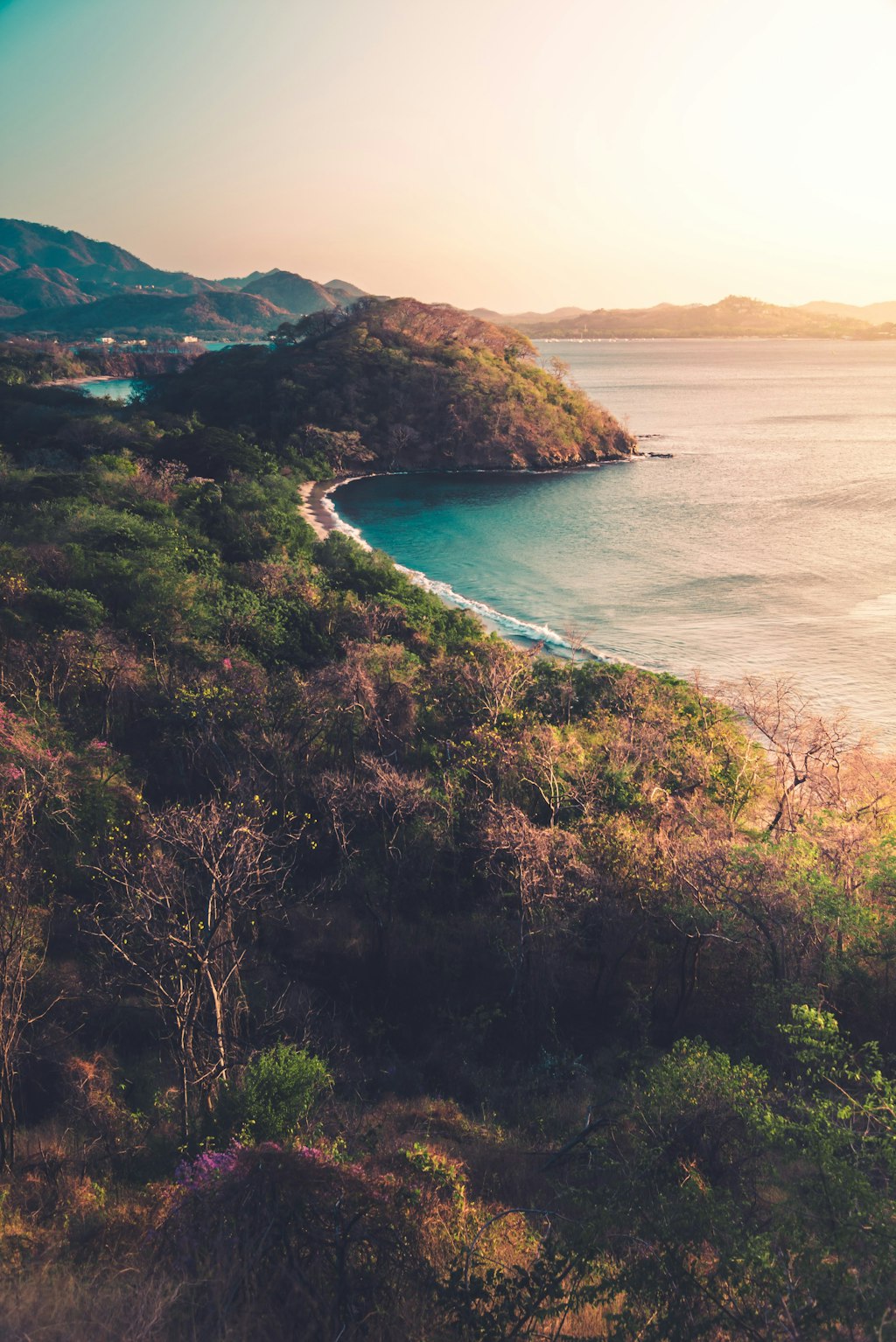
Cost Rica remains a magnet for remote professionals and families due to its “Rentista” visa which caters well to digital nomads.
- Income Requirement: Proof of stable income of $2,500/month for a two-year renewable visa.
- Dependent Rights: Families receive residence permits; spouses can work after applying for separate work authorization.
- Healthcare: Access to public healthcare through the CAJA system; private insurance is also affordable.
- Education: International and bilingual schools in urban centers like San José.
- Taxation: Exempts qualifying residents from local capital gains tax, advantageous for retirees and business owners.
Quick Tip: If your family values outdoor lifestyle and ecological commitment, Costa Rica balances visa ease with exceptional quality of life.
Panama

Panama’s Friendly Nations visa, adapted in 2026, continues to allure digital nomads with streamlined residency procedures and reduced financial entry barriers.
- Income Requirement: Monthly income around $2,500-$3,000, with some waivers on deposits.
- Family Inclusion: Dependents accompany applicants with full residence and work rights.
- Healthcare: Competitive universal and private healthcare systems.
- Education: Numerous international schools in Panama City.
- Visa Length: Initially one to two years, with renewals and potential permanent residency pathway.
Panama's status as a financial hub also makes it attractive to families balancing work, education, and lifestyle needs.
Belize
Belize’s expanding “Work from Belize” program is appealing to younger digital nomads and their families due to reduced income thresholds and a low-key lifestyle.
- Income: Reduced to $24,000 USD annually.
- Family Rights: Dependent residence and study permits included.
- Healthcare: Limited public healthcare; private care in urban centers like Belize City.
- Education: Some private international schools; English as an official language simplifies schooling.
- Visa Duration: One year, renewable.
Belize offers low bureaucracy and tax-friendly conditions, but limited healthcare infrastructure may be a consideration.
Asia & Middle East: Emerging Family-Ready Remote Work Visa Hotspots
United Arab Emirates

The UAE’s Remote Work Visa, extended to two years in 2026, increasingly targets families moving to Dubai or Abu Dhabi.
- Cost: AED 3,000 (~$815) per applicant.
- Dependent Coverage: Spouses and children receive residence permits, with work permits increasingly accessible.
- Healthcare: World-class healthcare locally, often covered by employers or private insurance.
- Education: Wide array of international curricula including British, American, and IB programs.
- Tax: No personal income tax enhances appeal to higher-income families.
The UAE’s modern infrastructure and safety standards propel it into strong consideration for digital nomads relocating with family.
Malaysia

The Malaysia My Second Home (MM2H) program continues to be a family-friendly option, with benefits including school enrollment and healthcare provisions.
- Financial Requirements: Fixed deposit of MYR 150,000 (
$33,000) with monthly offshore income of MYR 10,000 ($2,200). - Family Inclusion: Spouses and children included with full residence rights.
- Healthcare: Access to affordable private healthcare facilities.
- Education: Growing numbers of international and private schools.
- Visa Length: Visa validity extended to ten years.
Malaysia attracts families with tropical climate and a low cost of living relative to quality of life.
Singapore
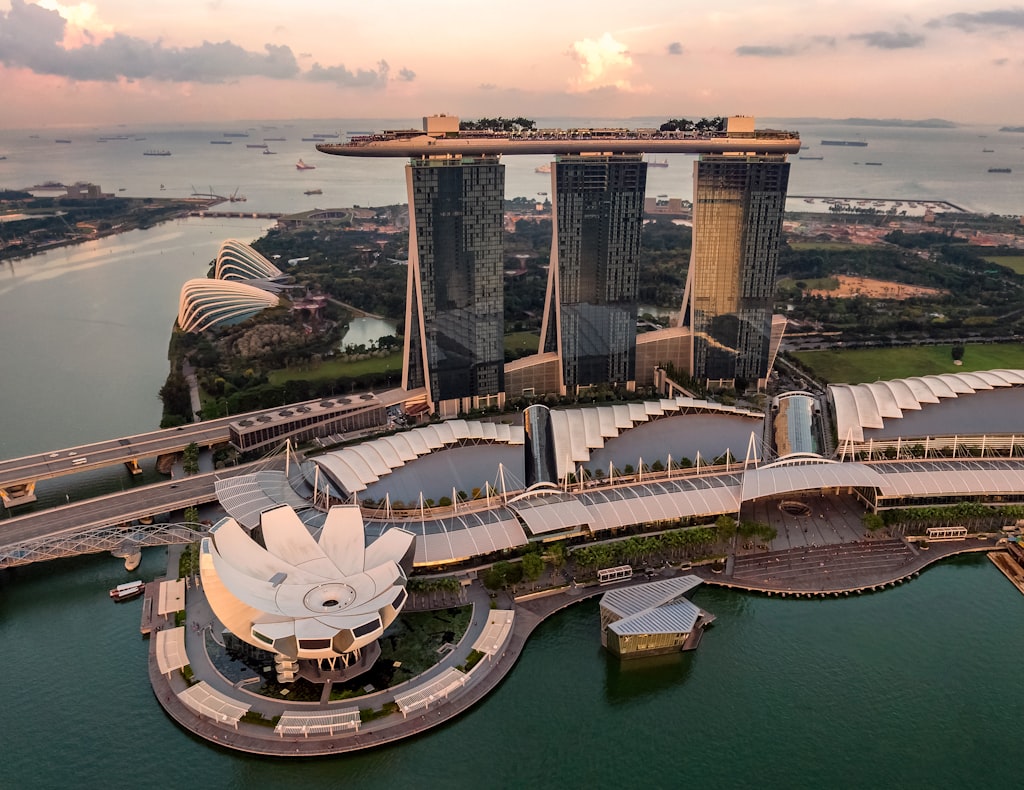
Singapore’s Tech.Pass visa allows remote professionals and entrepreneurs to stay for two years with family.
- Income Requirement: No official minimum but strong business or tech credentials required.
- Work & Residence: Family members receive dependent passes with work and schooling access.
- Education: Top-tier international schools and bilingual options.
- Cost: High cost of living merits thorough budgeting via our cost-of-living calculator.
- Taxes: Simplified 15% personal income tax rate incentivizes high earners.
Singapore appeals to tech-savvy families valuing safety, quality education, and business opportunities.
Comparing Family-Friendly Digital Nomad Visas at a Glance
| Country | Visa Program Name | Income Requirement | Dependent Work Rights | Healthcare | Education | Visa Length | Approx. Cost |
|---|---|---|---|---|---|---|---|
| Portugal | D7 / Golden Visa | €33,000 annually (family) | Limited work permitted | Public + private options | Intl & bilingual schools | 1-2 years + renewal | €500,000 investment or standard fees |
| Spain | Digital Nomad Residence | ~€36,000 annually | Full work rights | Public health access | Public + private schools | Up to 5 years | €80-€130 filing fees |
| Estonia | Digital Nomad / Freelancer Visa | No fixed minimum | Limited work | Public & private health | Bilingual schools | 12 months | Low visa fees |
| Costa Rica | Rentista Visa | $2,500 monthly | Work permit for spouse | Public and private healthcare | Intl & bilingual schools | 2 years renewable | Moderate |
| Panama | Friendly Nations | $2,500–3,000 monthly | Full work rights | Public and private | Intl schools | 1-2 years + renewal | Moderate |
| United Arab Emirates | Remote Work Visa | No strict minimum | Work permits for family | Excellent private healthcare | Intl curricula | 2 years | AED 3,000 (~$815) |
How to Decide the Best Family-Friendly Digital Nomad Visa for You
Beyond visa eligibility, it’s essential to assess these additional practical lifestyle factors:
- Education: Investigate availability and cost of international schools or bilingual curricula to suit your child's needs.
- Healthcare: Confirm insurance coverage for spouse and children—some countries mandate private coverage initially.
- Housing: Compare rental markets and neighborhood safety via credible real estate platforms.
- Community: Look for expat support networks or co-living spaces conducive to family socialisation.
- Financial Planning: Use tools like our cost-of-living calculator alongside tax advice to project monthly budgets.
Quick Tip: Begin research early and consult immigration experts to navigate documentation, as visa timelines and document requirements vary significantly.
Frequently Asked Questions
What defines a digital nomad visa with family in 2026?
A digital nomad visa with family allows the primary remote worker and their dependents (spouse, children) to live legally in the host country, often granting residence rights, work permission for spouses, and access to education and healthcare.
Which countries offer the most affordable family-friendly digital nomad visas?
Central American countries like Costa Rica, Panama, and [Belize] offer affordable cost-of-living and reasonable income requirements, making them popular for families relocating on remote work visas.
Can dependents work under these family-friendly digital nomad visas?
Many updated programs—including those for Spain, the UAE, and Portugal—permit spouses to work, but it varies by country. Always verify specific dependent work rights before relocating.
How does healthcare coverage work for families on digital nomad visas?
Healthcare access depends on the visa’s terms and the host country’s system. Some countries include public healthcare access automatically, like Portugal and Spain, while others require private insurance, as in Belize or parts of Asia.
Final Thoughts
As the remote work revolution matures through 2026 and beyond, the demand for digital nomad visas with family continues to reshape immigration landscapes worldwide. Countries like Portugal, Spain, Costa Rica, and the UAE offer some of the most balanced and accommodating programs, providing families not just a place to work, but to thrive with secure residence, education, and healthcare.
Careful research and planning are key—use our Relocation Wizard to quickly identify countries that best suit your family’s unique requirements. Then, refine your budget with the cost-of-living calculator to make informed decisions. Wherever you choose to start your next chapter, the right visa can unlock a truly enriching global lifestyle for your whole family.