Best Countries to Move for Safety and Climate Resilience in 2026

Not sure where to start? Our free Relocation Wizard matches you to your ideal country in minutes.
Key Takeaways
- The best countries to move for safety and climate resilience in 2026 combine political stability, low exposure to climate disasters, and welcoming visa policies tailored for expats.
- Nordic countries like Finland, Iceland, and Sweden are surging in popularity due to their strong social safety nets and environmental preparedness.
- New visa pathways such as Portugal’s Tech Nomad Visa and Canada’s Remote Work Visa Pilot reflect the growing demand for flexible, remote-friendly residency options.
- Southeast Asia’s rising tech hubs, including Vietnam and Thailand, offer competitive digital nomad visas but varying climate risks and safety factors.
- Economic shifts, currency fluctuations, and tax incentives are redefining traditional expat hotspots and creating fresh opportunities in Eastern Europe and the UAE.
Why Focus on Countries to Move for Safety and Climate Resilience in 2026?
Choosing the right new country involves more than just job opportunities and scenery. In 2026, movers prioritizing political stability, personal safety, and climate change adaptation must navigate an increasingly complex global landscape. Climate risks like rising sea levels, extreme weather, and heatwaves are reshaping migration preferences, while geopolitical tensions affect visa policies and economic stability.
This article dives deep into countries to move for safety and climate resilience, focusing on those with strong governance, proven disaster readiness, and visa options that make long-term residence accessible. Relocation decisions today mean balancing security, environment, and lifestyle more than ever before.
Quick Tip: Use our Relocation Wizard to filter destinations by climate safety and political stability for personalized recommendations.
Nordic Countries: Leaders in Stability and Climate Adaptation
Northern Europe’s Nordic nations remain top choices for those seeking a secure, climate-resilient environment. Featuring transparent governments, robust social welfare, and proactive environmental policies, these countries offer a quality of life bolstered by safety and climate foresight.
Finland

Finland is leading with a 10–15% rise in foreign residency applications in 2026. Its “Start-Up Permit” and “Digital Nomad Visa” (application fee around €400-500, minimum monthly income approximately €2,000) cater to entrepreneurs and remote workers. Finland’s relatively low exposure to extreme weather, strong healthcare, and excellent education systems make it a perennial favorite.
Politically stable and climate-aware, Finland invests heavily in infrastructure that withstands floods and cold snaps, with nationwide emphasis on renewable energy and reforestation. Despite higher living costs, the social safety net and environmental quality often outweigh expenses.
Iceland
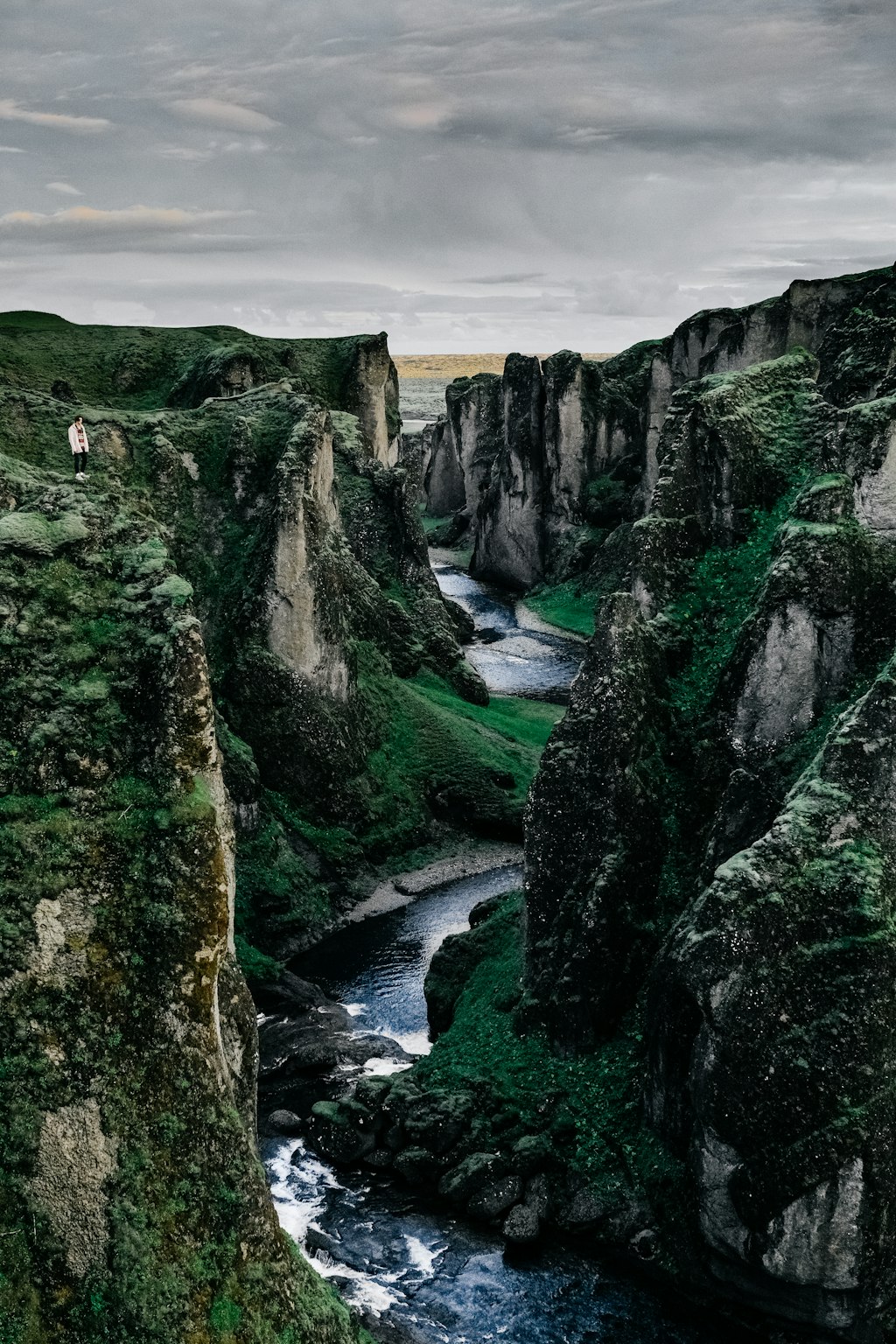
Iceland boasts remarkable political stability and some of the cleanest air and water globally. Its geographical isolation reduces many climate hazards faced by mainland Europe, and geothermal energy powers much of the island sustainably. Residency applications are growing steadily, especially among digital nomads attracted to its nature and safety.
Sweden
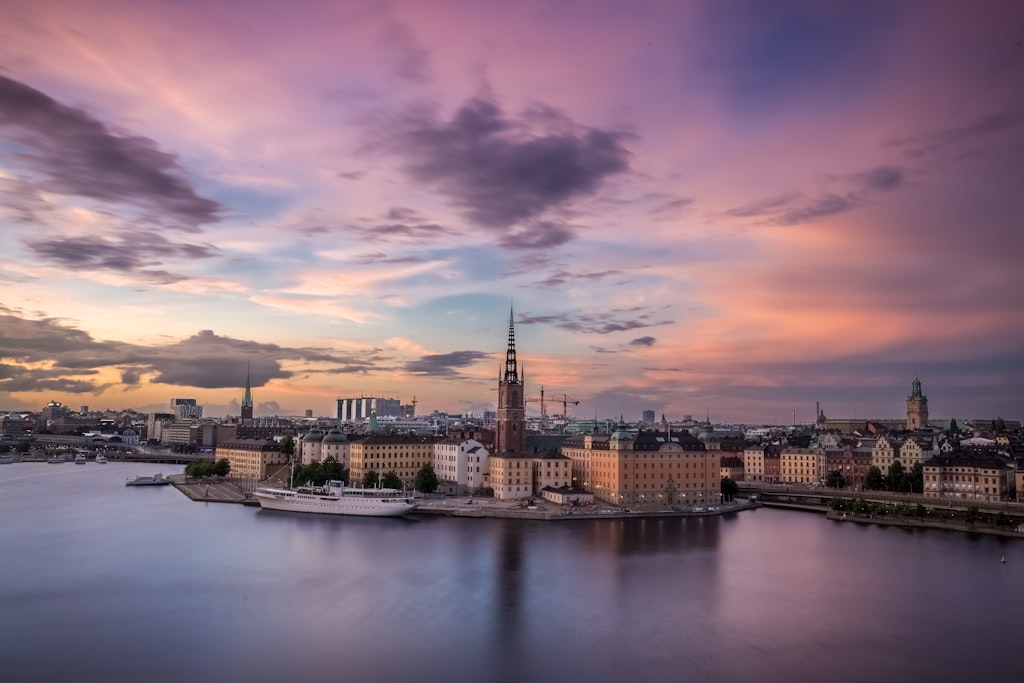
Sweden, while having a higher cost of living, continues to welcome expats via its work permits and startup visas. Climate resilience programs focus on flood mitigation around Stockholm and urban heat reduction, making it a secure choice for families and professionals alike.
Quick Tip: Nordic visas often require proof of income and viable business plans but offer pathways to permanent residence and citizenship for long-term settlers.
Portugal: The Tech Nomad and Retiree Magnet
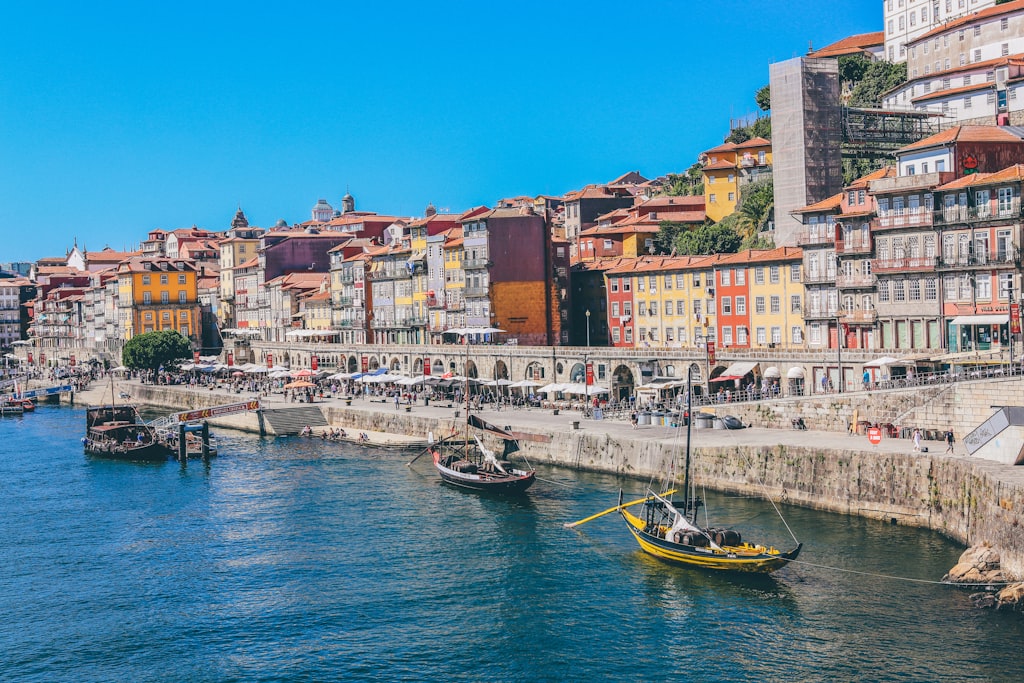
Portugal is redefining itself as a hub for remote workers and expatriates seeking climate resilience combined with affordable living. The new Tech Nomad Visa, introduced in early 2026, allows stays up to two years with simplified requirements: minimum monthly income of €3,000 or a remote employment contract recognized by the embassy, plus a fee around €90 plus background checks.
Lisbon and Porto remain cost-effective urban centers—about 20–30% cheaper than many Western European capitals—and are relatively safe with a mild Mediterranean climate that poses lower climate risk compared with Southern Spain or Italy. Portugal’s Non-Habitual Resident (NHR) tax regime is highly attractive to retirees and remote workers, offering zero tax on foreign pension income for ten years.
The country also invests in climate adaptation, focusing on drought management and coastal erosion. However, some southern regions require awareness of periodic heatwaves and fire risk during summer months.
Canada: Embracing the Remote Work Era
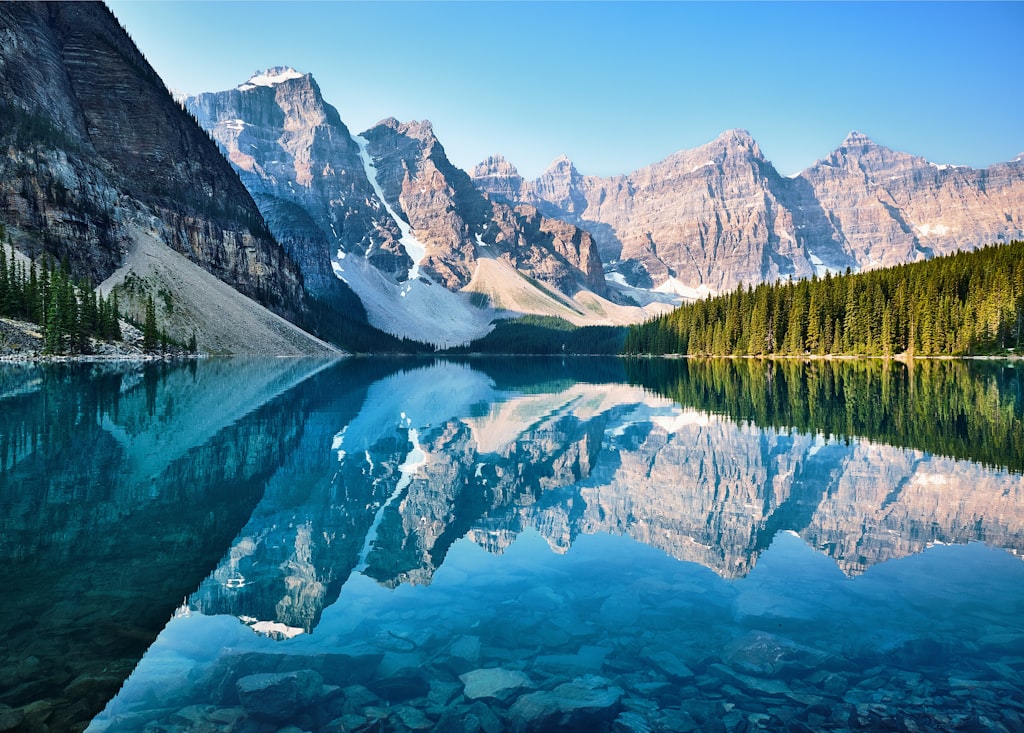
Canada officially launched its “Remote Work Visa Pilot” in early 2026, targeting remote workers and digital entrepreneurs employed by foreign companies. The visa grants one year initially, extendable to two, demanding proof of employment and minimum income of CAD 50,000 annually, plus a CAD 300 application fee.
Cities like Vancouver and Toronto benefit from this program as they diversify economically and welcome newcomers seeking stability. Canada’s political stability, healthcare system, and low natural disaster exposure (particularly compared to the US) make it ideal for expats prioritizing safety.
Climate change impacts vary significantly by region; northern Canada faces warming trends, while coastal British Columbia is proactive with flood and wildfire management programs. Prospective movers should consider local climate risks when selecting provinces.
Southeast Asia’s Rising Stars: Vietnam and Thailand
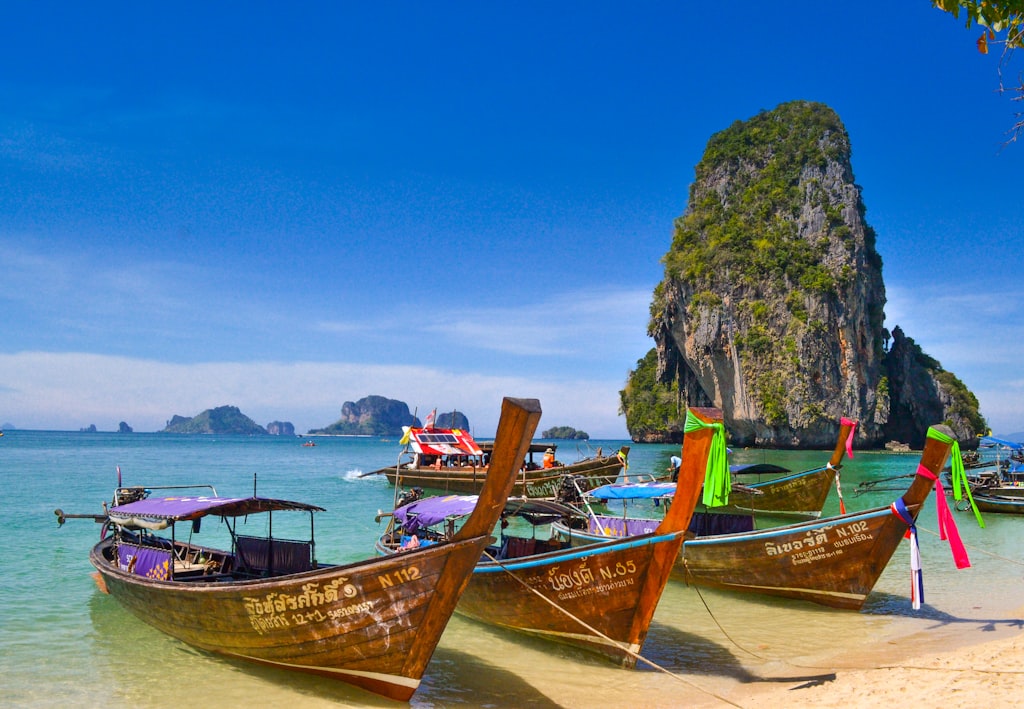
Southeast Asia is evolving beyond traditional expat destinations, with Vietnam and Thailand emerging as appealing hubs thanks to digital nomad visa programs and growing tech sectors.
Vietnam

Vietnam introduced a long-term digital nomad visa in 2026, permitting stays of up to three years with a monthly income requirement of USD 2,500 and a USD 200 application fee. Rapid urbanization coupled with improving English-language education makes cities like Ho Chi Minh City and Hanoi attractive.
However, climate resilience challenges persist—Vietnam’s coastal areas face susceptibility to typhoons and flooding. It is crucial for movers to select locations carefully and balance affordability with climate risk.
Thailand
Thailand’s revamped Smart Visa remains popular but somewhat costly (approx. USD 600 annually). It requires sponsorship from a Thai company or government body. Though popular among expats, some southern regions experience flood seasons and heat increases, so climate resilience is a mixed picture.
Quick Tip: Always research microclimates in major cities, especially in regions prone to seasonal weather hazards.
United Arab Emirates: A High-Tech and Tax Haven
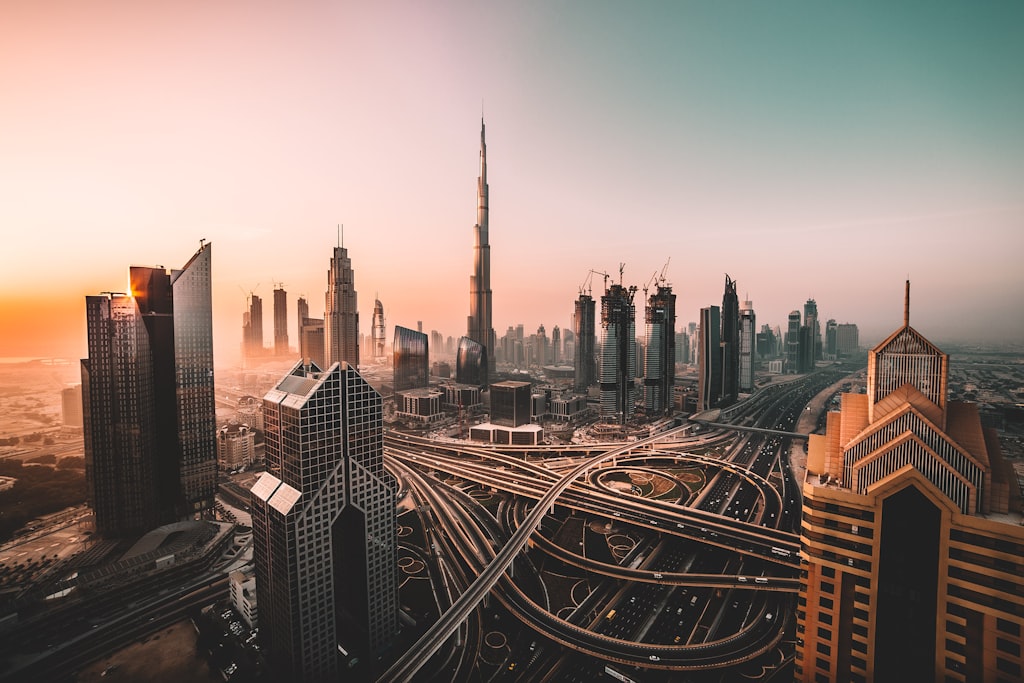
The UAE’s tiered “Golden Visa” program now extends up to ten years for high-skilled workers, entrepreneurs, and investors with minimum AED 5 million (~USD 1.36 million) investments. Dubai’s strategic push as a global tech hub, combined with zero income tax and comprehensive infrastructure, attracts middle- and upper-income expats prioritizing economic security and political stability.
The UAE’s desert climate poses its own challenges, including extreme heat and water scarcity, but its advanced urban planning and investment in sustainability projects help mitigate these effects.
Eastern Europe Gains Traction: Poland and Czech Republic
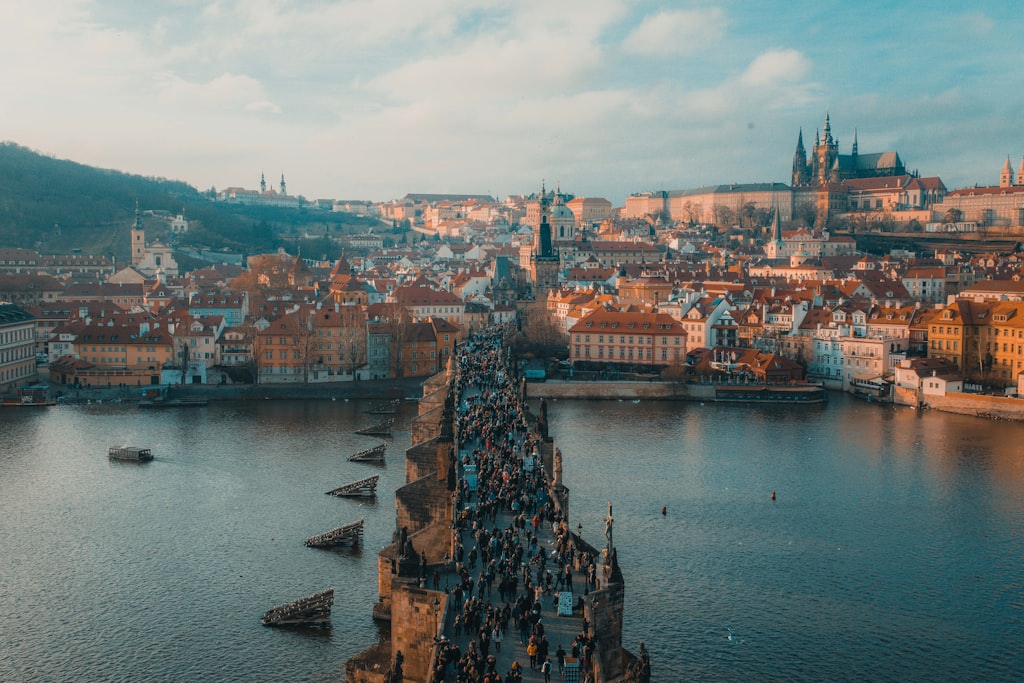
Currency fluctuations have made Eastern European countries like Poland and Czech Republic increasingly attractive. With low costs of living and improving quality of life, these destinations offer safety and political stability without the premium price of Western Europe.
Both countries offer pathways for skilled workers and entrepreneurs, though visa requirements vary. Their climate risks are generally moderate, with occasional extreme weather but effective disaster management.
Healthcare and Retirement-Friendly Countries to Consider
Strong public healthcare and retiree visa policies remain pivotal for many movers.
France

France updated its visitor visa for retirees in 2026, requiring proof of monthly income ≥ €2,500 and offering access to the state healthcare program (PUMA) after three months. Its temperate climate, advanced medical infrastructure, and cultural appeal continue to draw affluent retirees seeking safety and resilience.
Malaysia
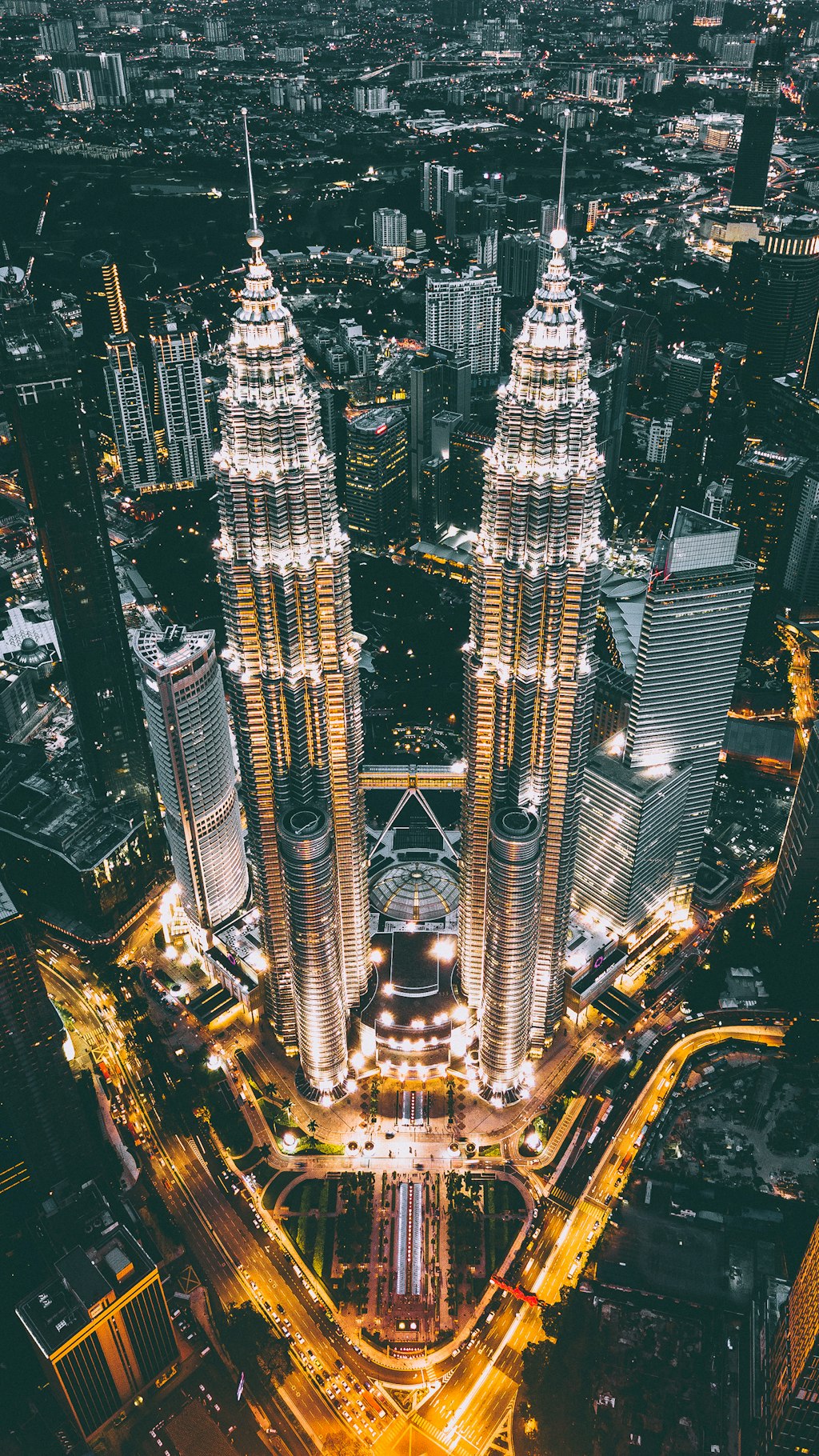
Malaysia’s “My Second Home” visa, now requiring around RM 15,000 (~USD 3,500) monthly income, remains a top pick for retirees drawn by affordable healthcare, including comprehensive private insurance options. Its tropical climate can bring monsoon risks but has manageable infrastructure.
The Netherlands and Singapore for Families
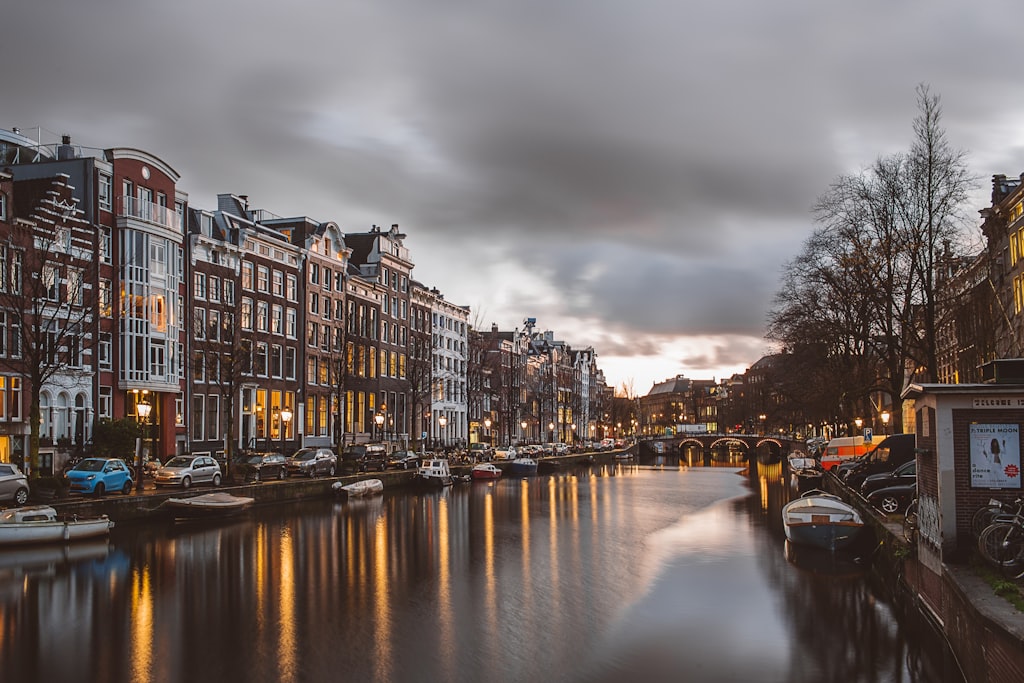
The Netherlands and Singapore cater especially to families, expanding long-term residency options and improving schools for expats. Singapore has relaxed PR rules for skilled tech and finance professionals, while the Netherlands introduced a 5-year residence permit with streamlined renewals for parents of international school students.
Both countries combine excellent safety, healthcare, and education with relatively low climate risk, though Singapore faces intense heat and urbanization challenges.
The Changing Face of Golden Visa Programs in Europe
Europe’s golden visa regimes are tightening. Spain, concerned about housing affordability, raised its minimum investment threshold to €700,000. Greece holds steady at €250,000 but demands active residency (≥183 days/year).
These measures aim to curb speculative real estate buying and favor expats committed to living in-country, reinforcing the appeal of safety and integration over passive investment.
Summary Table of Visa Highlights for Safety and Climate Resilience
| Country | Visa Name | Duration | Income Requirement | Application Fee | Key Climate/Safety Feature |
|---|---|---|---|---|---|
| Portugal | Tech Nomad Visa | Up to 2 years | €3,000/month or remote contract | ~€90 + background check | Low disaster risk, strong social net |
| Canada | Remote Work Visa Pilot | 1 year, extendable | CAD 50,000/year | CAD 300 | Stable, low natural disaster risk |
| Vietnam | Long-term Digital Nomad Visa | Up to 3 years | USD 2,500/month | USD 200 | Emerging tech hub, moderate climate risk |
| Iceland | Standard Residency | Varies | Proof of income/business plan | €400-500 | Geothermal energy, political stability |
| Spain | Golden Visa | Variable | Real estate ≥ €700,000 | Varies | Mediterranean climate, tightened investment rules |
| United Arab Emirates | Tiered Golden Visa | Up to 10 years | ≥ AED 5 million investment | Varies | Desert climate, zero income tax |
Quick Tip: Compare living costs using our cost-of-living calculator before finalizing your destination.
Frequently Asked Questions
What are the safest countries to move to considering climate change in 2026?
Nordic countries like Finland, Iceland, and Sweden top the list due to low climate disaster exposure, proactive adaptation policies, and political stability. Canada and Portugal also rank highly for combining climate resilience and safety with welcoming visa options.
How do digital nomad visas support safety and climate resilience concerns?
Digital nomad visas, such as Portugal’s “Tech Nomad Visa” or Vietnam’s long-term nomad visa, offer flexibility for remote workers to settle in politically stable countries with manageable environmental risks. These programs often require proof of steady income and enable stays in urban centers with strong infrastructure, enhancing personal safety.
Are traditional golden visa programs still viable for expats concerned about safety and climate?
They remain viable but are increasingly regulated to balance housing affordability and local integration, especially in Europe. Countries like Spain have raised investment thresholds, while the UAE offers extended golden visa options focusing on high-skilled migrants, combining safety, economic opportunity, and tax benefits.
Which countries offer the best healthcare and retiree support alongside climate resilience?
France and Malaysia lead with retiree-friendly visa policies, access to quality healthcare, and reasonable climate resilience strategies. The Netherlands and Singapore are excellent for families prioritizing healthcare, education, and environmental safety.
Final Thoughts
In 2026, choosing among countries to move for safety and climate resilience requires balancing visa accessibility, political stability, climate vulnerability, healthcare quality, and cost of living. The Nordic nations, Canada, Portugal, and emerging Southeast Asian hubs stand out as top contenders. Traditional visa programs evolve as new remote work opportunities arise, and careful research into local climate risks and economic conditions is essential.
Ready to find your safest, most climate-resilient new home? Start by exploring our Relocation Wizard for tailored suggestions and crunch your relocation budget with our cost-of-living calculator. Moving smart in 2026 means protecting your future with informed, flexible choices.