Best Countries for Expats Seeking Affordable Safety in 2026

Not sure where to start? Our free Relocation Wizard matches you to your ideal country in minutes.
Key Takeaways
- The best countries for expats seeking affordable safety in 2026 combine low crime rates, stable governance, and budget-friendly living costs, with emerging hotspots in Eastern Europe and Southeast Asia.
- Enhanced digital nomad and remote work visa programs, like Portugal’s revamped D7 visa and Malaysia’s MyDigitalNomad visa, are making safe yet affordable relocation more accessible.
- Countries such as Vietnam, Portugal, Croatia, and Malaysia stand out for personal security paired with economic value and growing expat communities.
- Recent currency fluctuations and tax reforms influence affordability, pushing expats to re-evaluate traditional hubs and consider more stable, cost-effective alternatives.
- Practical relocation decisions hinge on combining crime data, social stability, visa policies, and quality of life—especially for remote workers balancing safety with a reasonable budget.
Understanding Countries for Expats Seeking Affordable Safety in 2026
When choosing where to live abroad, expats and remote workers increasingly prioritize personal safety alongside affordability. This means not only a low cost of living but also minimal crime rates, dependable governance, and supportive local infrastructure. Unlike approaches that focus solely on healthcare quality or mere price tags, families, singles, and retirees now consider a multifaceted view of what makes a destination truly safe and affordable.
The rise of hybrid remote work and digital nomad lifestyles has shifted global interest toward countries offering both security and wallet-friendly options. 2026 is marked by competitive visa programs and shifting economic landscapes, influencing where expats settle long-term. This article highlights emerging safer alternatives, especially in Eastern Europe and Southeast Asia, and explores factors such as crime statistics, expat feedback, and economic stability to help you find the perfect balance for your next move.
Quick Tip: Use our Relocation Wizard early in your research to filter countries by safety rankings and living costs that fit your specific income.
Key Factors Driving the Search for Affordable Safety
Crime Rates and Social Stability
Low crime rates are a top priority for anyone relocating abroad. Social stability—meaning consistent rule of law, minimal political unrest, and respectful treatment of foreigners—also heavily influences expat satisfaction and security. Countries with transparent crime data and community-driven safety initiatives tend to rank higher. Expat forums and real-time reviews offer additional insight beyond official stats.
Cost of Living and Currency Stability
Affordability isn’t just about cheap rents or groceries but also about currency stability and inflation control. Countries with volatile inflation or weak currencies can quickly erode an expat’s purchasing power. Conversely, places with stable or appreciating currencies, affordable housing, and accessible amenities provide more predictable finances. Using a cost-of-living calculator can help tailor your budget realistically.
Visa and Residency Options for Remote Workers
Long-term viability depends heavily on local visa policies for digital nomads, retirees, and entrepreneurs. Countries are competing in 2026 to offer streamlined, affordable, and flexible visas that reconcile safety with economic contribution. Look for places where application fees are reasonable ($100-$300), income thresholds match your earning capacity, and tax policies are clear.
Healthcare and Infrastructure Access
Affordable, quality healthcare remains essential—especially for retirees and families. Stable countries often have government-subsidized healthcare or accessible private systems, with reasonable costs. Infrastructure, including internet speeds, transport, and co-working spaces, is crucial for remote workers seeking convenience alongside safety.
Emerging Safe and Affordable Destinations in Eastern Europe and Southeast Asia
Portugal: Safe, Affordable, and Welcoming with Updated Visas
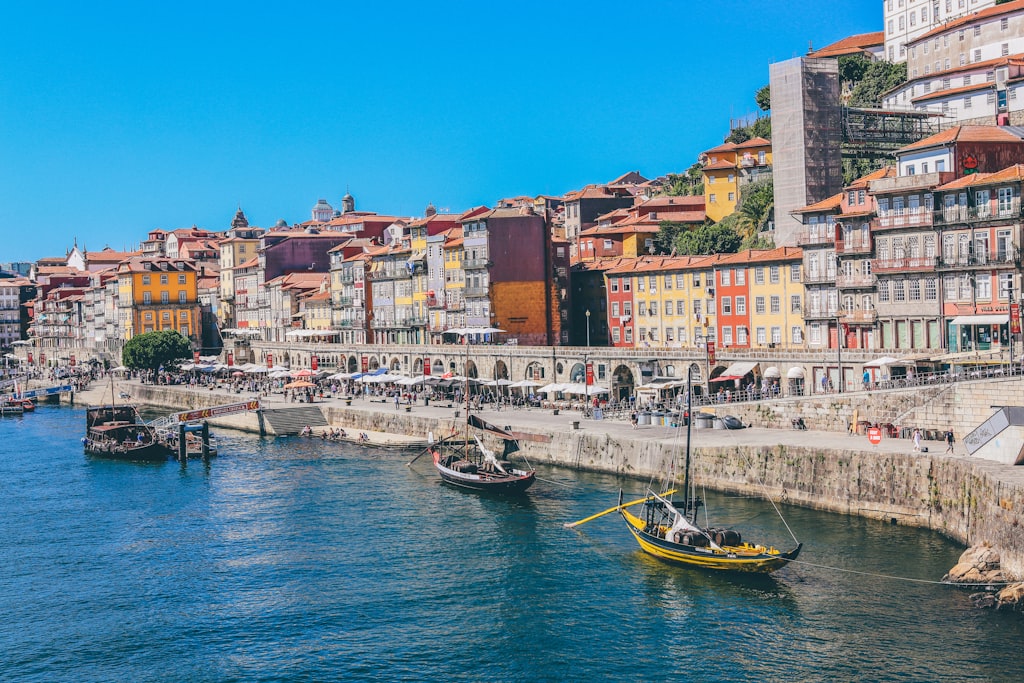
Portugal continues to be a magnet for expats seeking affordable safety. Its low crime rate, stable democracy, and welcoming population stand out in Europe. Importantly for digital nomads and retirees, Portugal revamped its popular D7 Passive Income Visa in 2026, lowering the minimum annual income requirement from about €7,620 to €6,000 (~$6,500), making residency easier for those with modest passive income.
- Major cities like Lisbon and Porto offer good safety records, though smaller towns provide even cheaper living costs.
- Portugal’s Non-Habitual Resident (NHR) tax regime, though modified in 2026 to cap pension income exemptions, remains attractive for many expats.
- Crime is generally low; petty thefts happen but violent crime is rare.
Quick Tip: Consider smaller cities such as Braga or Coimbra if you want even lower costs with strong safety and local charm.
Vietnam: Rising Star for Remote Workers Balancing Cost and Security

Vietnam has seen a surge in popularity thanks to its improving infrastructure, strong government stability, and a low cost of living that remains among Southeast Asia’s best. Cities like Da Nang and Ho Chi Minh City are emerging as tech and entrepreneurial hubs with expanding co-working spaces and reliable internet speeds.
- Livability scores and crime rates are steadily positive with growing expat communities reporting feelings of safety.
- The Vietnamese dong has remained relatively stable amid regional currency shifts.
- Malaysia’s recently enacted MyDigitalNomad visa inspired many Southeast Asian neighbors to follow suit; Vietnam is exploring similar initiatives for future expansions.
Quick Tip: Before moving, connect with local expat groups via social media for real-time safety and lifestyle advice.
Croatia: Eastern Europe’s Affordable and Secure Coastal Haven

Croatia’s reputation as a safe, socially stable country with a reasonable cost of living is growing, especially among remote workers wanting a European base without the high expenses of Western Europe.
- The Croatian digital nomad visa allows up to one year stay with income proof of €2,200/month (~$2,400).
- Major cities like Zagreb and Split boast low crime rates compared to other European urban areas.
- Property prices have become more accessible than in neighboring Italy or Spain.
Malaysia: Affordable Healthcare and Digital Nomad Friendly

Malaysia’s MyDigitalNomad visa, launched in late 2025, marks a milestone offering two-year remote work stays with a RM 10,000 (~$2,200) monthly income requirement and no tax on foreign-sourced income, attracting safety-conscious expats on budgets.
- The "Malaysia My Second Home" (MM2H) program renewed in 2026 remains attractive for retirees with government-subsidized healthcare and stable governance.
- Cities like Kuala Lumpur and Penang combine affordable living with modern amenities and low crime statistics.
- Healthcare quality is good and cost-effective compared to Western standards.
Visa Trends Shaping Expat Choices for Affordable Safety
Digital Nomad and Remote Work Visas
Countries compete to lower barriers as remote work normalizes worldwide. Portugal’s D7, Spain’s new Digital Nomad visa under the Start-up Law, Malaysia’s MyDigitalNomad visa, and Estonia’s updated Digital Nomad visa with a €3,500 monthly income requirement provide diverse routes for expats prioritizing safe and affordable living.
Investment and Golden Visa Adjustments
While high-net-worth expats gravitate toward golden visas, thresholds are shifting. For example, Greece lowered its property investment bar to €200,000, while Turkey tightened criteria to $400,000 amid inflation.
- The UAE’s new five-year Investor and Entrepreneurs Visa targets wealthy expats with AED 2 million (~$545,000) capital but ensures continued appeal with no personal income tax.
- These shifts influence the affordability factor for middle-income expats opting for safer but less costly alternatives in Eastern Europe and Southeast Asia.
Regional Safety and Cost Comparisons for 2026
| Country | Crime Rate Rank (Low=Better) | Avg. Monthly Cost (USD) | Key Visa Type | Notes |
|---|---|---|---|---|
| Portugal | Low | $1,500–$2,500 | D7 Passive Income Visa | Stable, low crime, mild taxes |
| Vietnam | Moderate | $800–$1,200 | Pending Digital Nomad Visa | Low cost, improving infrastructure |
| Croatia | Low | $1,200–$1,800 | Digital Nomad Visa | Secure, affordable European hub |
| Malaysia | Low | $1,000–$1,500 | MyDigitalNomad, MM2H (Retirement) | Affordable healthcare, safety |
| Mexico | Moderate to High | $900–$1,600 | Temporary Resident Visa | Rising crime concerns in some regions |
Quick Tip: Use the cost-of-living calculator to model your monthly budget accurately before committing to a country.
Why Prioritizing Affordable Safety Makes Sense in 2026
With rising geopolitical tensions, inflation, and changing work norms, focusing solely on affordability without factoring safety can expose expats to unpleasant risks. Conversely, countries emphasizing high security but with exorbitant costs challenge sustainability for remote workers and retirees on fixed incomes.
The most dynamic destinations in 2026 smartly balance these needs, often aided by progressive visa rules, currency strength, and social stability—hallmarks of solid decisions when relocating long-term.
Frequently Asked Questions
What are the safest countries for expats with low budgets in 2026?
Countries like Portugal, Croatia, and Malaysia offer low crime rates coupled with affordable living expenses, making them ideal for budget-conscious expats valuing personal security.
How have visa policies changed to benefit remote workers seeking safe countries?
Many countries have expanded or launched digital nomad visas with reduced income thresholds and extended durations—e.g., Portugal’s lowered D7 income requirement and Malaysia’s MyDigitalNomad two-year visa with no foreign income tax.
Are Southeast Asian countries safe enough for expats concerned about crime?
Yes. Nations like Vietnam and Malaysia maintain relatively low violent crime rates and stable governance structures, with growing expat communities reinforcing a sense of security.
How do currency fluctuations influence affordable safety for expats?
Currency depreciation, such as the Turkish lira’s drop, can make living cheaper for dollar or euro earners but may coincide with local inflation. Stable currencies or modest appreciation preserve purchasing power better, impacting affordability and financial comfort.
Final Thoughts
Choosing the best countries for expats seeking affordable safety in 2026 involves assessing a blend of crime rates, cost of living, visa options, and community insights. Emerging hotspots like Vietnam, Portugal, Croatia, and Malaysia embody this balance well, thanks to evolving visa programs, social stability, and wallet-friendly living.
For personalized recommendations, start by using our free Relocation Wizard that pairs your priorities with ideal countries quickly. Then, calculate potential expenses via the cost-of-living calculator to ensure your budget and safety expectations align perfectly.
Safe and affordable living abroad is achievable when you choose wisely—let us help you get there.