Best Countries for Expats Navigating Currency Fluctuations in 2026
Not sure where to start? Our free Relocation Wizard matches you to your ideal country in minutes.
Key Takeaways
- Currency stability or volatility plays a pivotal role in expats’ financial security and living standards, making countries for expats with stable currencies highly attractive in 2026.
- Emerging markets with weaker local currencies like Turkey, Vietnam, and Malaysia offer affordability benefits despite some financial risks.
- Established countries with strong currencies such as Switzerland, Norway, and Japan remain appealing for expats prioritizing quality of life and stable income despite higher costs.
- Visa flexibility, taxation reforms, and healthcare access are equally important factors for expats balancing currency risk with lifestyle.
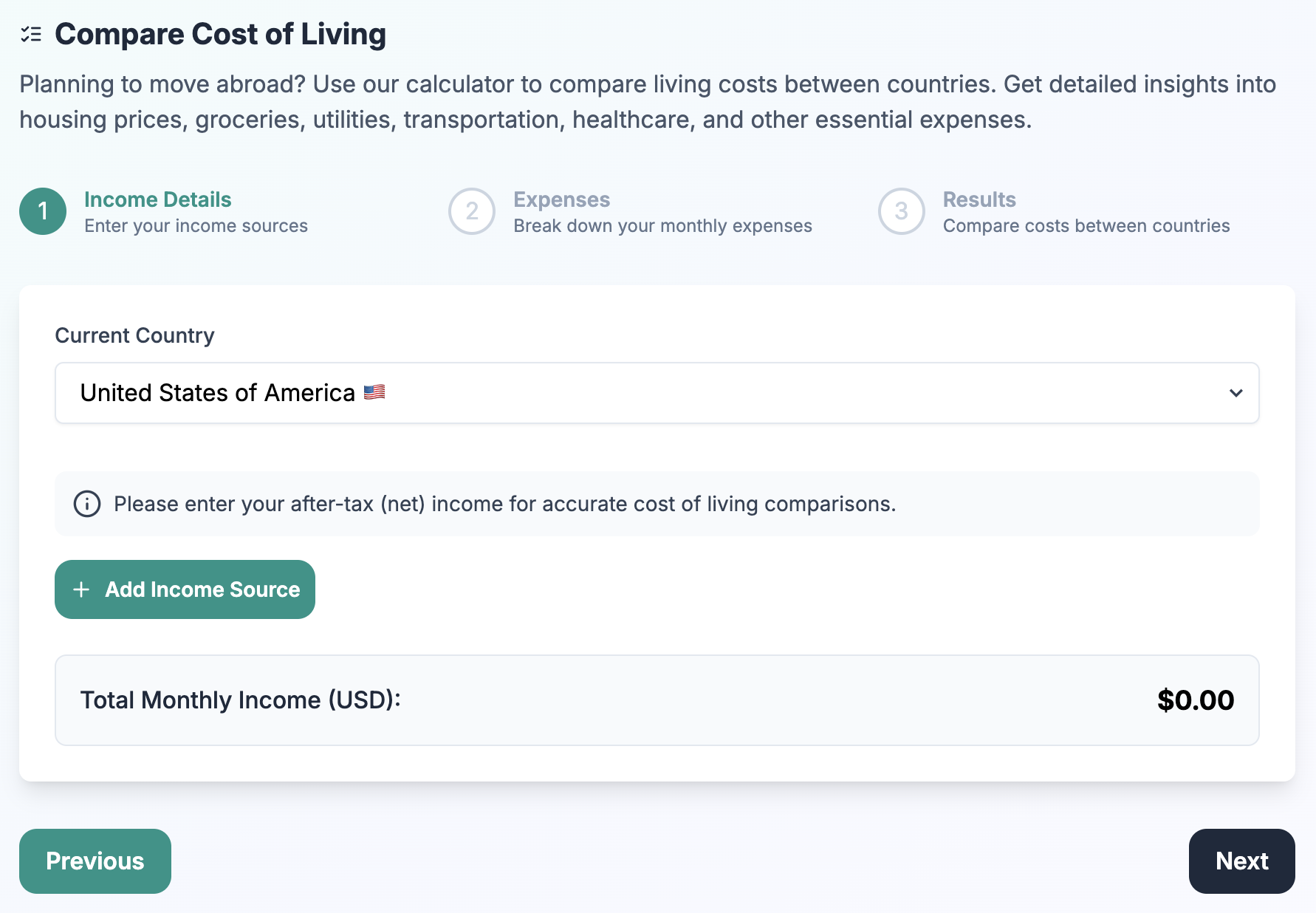
- Using tools like our Relocation Wizard and cost-of-living calculator can help tailor your move to the currencies and conditions that suit your financial and personal goals.
Understanding Currency Fluctuations and Their Impact on Expats in 2026
Currency fluctuations have regained prominence as a crucial factor for expats and remote workers choosing their relocation destination in 2026. When your income originates abroad or in a strong currency like the US dollar or euro, the strength or weakness of your host country’s currency directly affects your spending power and savings.
For example, a weakening local currency can significantly lower your cost of living, allowing your foreign income to stretch further. Conversely, a strong and stable currency reduces financial uncertainty but often comes with higher living costs that can erode disposable income. Therefore, finding countries for expats with stable currencies—or strategically leveraging weaker currencies—is essential for income stability and lifestyle maintenance.
Quick Tip: Before committing to a move, regularly check currency trends affecting your home and destination countries. This can help you time your transfer of funds or savings optimally.
Why Countries for Expats with Stable Currencies Matter More Than Ever
In volatile global markets, currencies such as the Swiss franc (CHF), Norwegian krone (NOK), and Singapore dollar (SGD) have demonstrated resilience. For expats earning locally or with expenses anchored in the host country, these currencies minimize surprises in monthly costs and protect the value of savings held domestically.
Yet, the tradeoff is often higher inflation-adjusted costs of living. Inflation in Norway and Switzerland has driven up living expenses by 5-7% since 2024, which impacts rent, utilities, and daily essentials. That’s why many expats seek a balanced approach: stable currency environments paired with favorable visa conditions and tax benefits.
Equally, some expats deliberately pursue countries with weaker currencies and strong growth potential, where affordability allows comfortable urban or coastal living with a lower financial threshold, especially retirees and digital nomads reliant on foreign income.
Europe’s Currency Steadiness and Attractiveness for Expats
Portugal: Stability, Affordability, and Visa Innovation

Portugal remains a top-tier option for expats in 2026, combining a stable euro currency environment with accessible visa programs. The D7 Passive Income Visa expansion lowered the minimum annual income requirement to €7,000, opening doors for retirees and remote workers on modest incomes.
This visa offers residency with EU mobility and has a reputation for lenient renewals. Portugal’s maintenance of the €500,000 golden visa investment threshold and increased due diligence reflect a tightening, but not exclusion, of wealthy investors.
Strong public healthcare, pleasant climate, and tax incentives like the Non-Habitual Residency (NHR) scheme (especially attractive for pensioners and professionals) contribute to Portugal’s appeal.
Quick Tip: Use the cost-of-living calculator to compare cities like Lisbon, Porto, and the Algarve, considering currency influence and lifestyle factors.
Spain: Digital Nomad Hub with Currency and Tax Perks

Spain revamped its Digital Nomad Visa in early 2026 to target professionals earning at least €28,800, providing a one-year stay renewable up to five years. Importantly, qualified visa holders can benefit from a reduced flat 15% tax rate on Spanish-earned income for up to five years, down from 24%.
Spain's use of the euro ensures currency stability for eurozone expats but brings higher costs in major cities. However, quality healthcare and increasing remote work infrastructure continue to pull in mobile professionals.
Malta: High-Quality Healthcare Meets Currency Stability

Malta upgraded its Nomad Residence Permit with increased income requirements (€35,000 annually) and healthcare coverage verification, emphasizing reliable health insurance for expats. The €500 processing cost (including biometric fees) is moderate, and the euro-based economy stabilizes costs.
Malta’s compact geography, English-speaking population, and Mediterranean lifestyle make it an attractive option despite higher costs compared to Eastern Europe.
Emerging Markets Leveraging Weak Currencies to Attract Expats
Turkey: Affordability through Currency Weakness and Citizenship Incentives

Turkey experiences a rapidly depreciating lira, currently weakening against the USD and euro, reducing the cost of living to around $1,000-$1,200 monthly in Istanbul for moderate lifestyles. This attracts digital nomads and retirees seeking affordability.
Turkey’s recently lowered citizenship-by-investment threshold to $400,000 boosts interest from foreign investors needing residency or passports. The cost advantage counters some economic and inflation risks associated with the currency’s volatility.
Quick Tip: Factor in currency risk by transferring money in stages or holding funds in USD/EUR accounts when moving to Turkey to mitigate sudden lira fluctuations.
Vietnam: New Remote Worker Residency and Low Costs

Vietnam launched its Temporary Residence Card for Remote Workers in March 2026, valid for one year at a low fee (~$150), targeting digital nomads drawn to vibrant cities like Ho Chi Minh City and Hanoi.
The Vietnamese dong remains relatively stable but weak relative to Western currencies, providing excellent value for money in housing, food, and transport. Visa flexibility combined with affordability makes Vietnam a crucial contender.
Malaysia: Accessible MM2H Visa Amid Stable Ringgit

Malaysia adjusted its MM2H visa in 2026, lowering liquid asset requirements to RM350,000 ($76,000) and monthly income threshold to RM10,000 ($2,170), increasing accessibility.
The Malaysian ringgit’s relative stability and Malaysia’s competitive healthcare quality, especially in urban centers like Kuala Lumpur, appeal to retirees and remote workers balancing currency security and cost-efficiency.
Countries with Strong Currencies – Stability vs Cost of Living
Switzerland: Stability Comes at a Premium

Switzerland maintains one of the world’s strongest currencies, the Swiss franc (CHF), offering unparalleled financial security for expats paid in CHF or USD. The stable currency safeguards savings and purchasing power but coincides with some of the world’s highest costs of living.
Rent, utilities, and healthcare costs in cities like Zurich and Geneva have risen by 5-7% inflation-adjusted since 2024. This makes Switzerland more suitable for high-earning professionals and families valuing top-notch education and healthcare.
Norway: Premium Income and Quality of Life

Norway shows a similar pattern, with the robust Norwegian krone (NOK) ensuring currency stability. High salaries offset the cost of living increases in Oslo and Bergen, where inflation-adjusted expenses have also risen by about 5-7%.
Expats benefit from excellent public services and a safe environment, but affordability challenges persist for lower-income individuals.
Japan: Strong Yen and World-Class Infrastructure

Japan continues attracting skilled workers through its expanded Highly Skilled Professional Visa, despite a high monthly cost of living (roughly ¥350,000 or ~$2,500 in Tokyo). The yen’s relative strength stabilizes purchasing power for those paid in yen but may feel expensive to earners with foreign currency income.
Japan’s unparalleled healthcare system and education infrastructure appeal profoundly to families and long-term residents.
Balancing Currency Risk with Visa Policies and Taxation in 2026
When choosing countries for expats with stable currencies or advantageous currency situations, visa policies and taxation should be considered alongside currency strength.
- Italy’s New Resident Regime allows high-net-worth individuals a flat tax (€100,000 annually) on foreign income for up to 15 years, drawing wealthy expats from Northern Europe.
- Ireland tightened non-resident tax reliefs, demanding stronger proof of genuine relocation, thus raising the importance of understanding local tax codes.
- The UAE’s Virtual Working Program, requiring proof of $5,000 monthly income with a modest application fee (~$136), leverages zero income tax and offers a stable Dirham pegged to the USD, making currency risk minimal.
- Canada and New Zealand focus on skilled migration with immigration fees increasing, but stable currencies and generous social benefits underpin their attractiveness.
Quick Tip: Research tax treaties and double taxation agreements between your home and destination countries to optimize your tax liability when currency moves affect your income.
Comparing Living Costs and Currency Stability
| Country | Currency | Visa Program Highlights | Approx. Monthly Cost of Living | Currency Outlook | Ideal For |
|---|---|---|---|---|---|
| Portugal | Euro | D7 Passive Income Visa (€7,000/year) | €1,200–€1,500 | Euro – stable | Retirees, remote workers |
| Turkey | Lira | Citizenship-by-investment ($400,000) | $1,000–$1,200 | Weakening, volatile | Retirees, nomads seeking value |
| Vietnam | Dong | Temporary Residence Card ($150, 1 year) | $700–$1,000 | Stable to slightly weak | Digital nomads, cost-conscious |
| Switzerland | CHF | Conventional work permits | $3,000+ | Strong, stable | High earners, families |
| Japan | Yen | Highly Skilled Professional Visa | $2,500+ | Strong, stable | Skilled workers, families |
| Malaysia | Ringgit | MM2H Visa with reduced thresholds | $1,200–$1,500 | Stable | Retirees, remote workers |
Explore more detailed city comparisons with our cost-of-living calculator.
Frequently Asked Questions
What are the best countries for expats with stable currencies in 2026?
Countries such as Portugal, Switzerland, Norway, and Japan are known for stable or strengthening currencies. They offer financial security, though sometimes at higher living costs.
How can currency fluctuations affect expats’ cost of living?
Currency fluctuations can make the local cost of living cheaper or more expensive relative to your home currency or income source. A weaker local currency increases affordability for foreign earners, while a stronger local currency can raise living expenses and impact savings.
Are emerging markets with weaker currencies good choices for expats?
Yes, countries like Turkey, Vietnam, and Malaysia offer low living costs due to weaker currencies but come with risks including inflation or policy changes. They appeal to expats prioritizing affordability and visa access.
What visa programs support expats concerned about currency risk?
Visa programs like Portugal’s D7 Passive Income Visa, Spain’s Digital Nomad Visa with tax incentives, and the UAE’s Virtual Working Program provide flexible residency options. These allow expats to benefit from steady currency environments or affordable living while securing legal status.
Final Thoughts
Navigating currency fluctuations is a critical strategy for expats and remote workers preparing for relocation in 2026 and beyond. By focusing on countries for expats with stable currencies or those that leverage currency weakness to offer affordability, you can balance income stability, lifestyle quality, and financial resilience.
Pair your research on currency with careful consideration of visa rules, taxation, and quality-of-life features like healthcare and safety. Tools like our Relocation Wizard help distill these complex variables into personalized destination matches, while the cost-of-living calculator provides practical insights into everyday expenses.
Start your journey by exploring the top destinations and discover how to make currency fluctuations work in your favor with expert support every step of the way. Use the Relocation Wizard today and find your ideal expat home with confidence!