
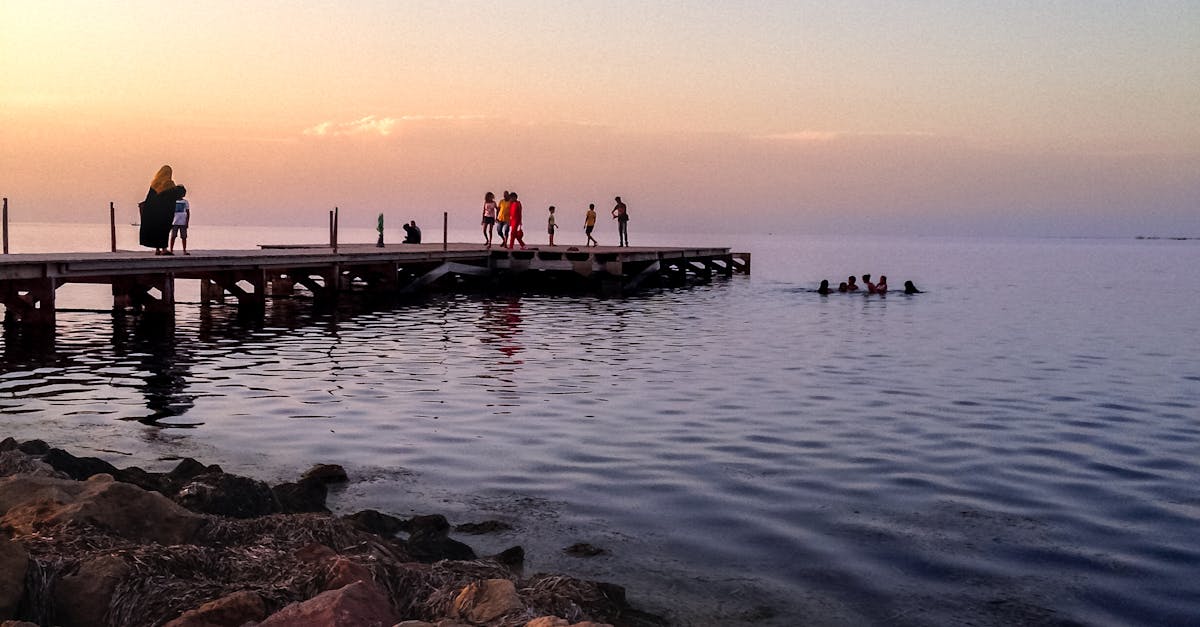
Living in Tunisia
A North African country with a rich history and diverse culture. Known for its Mediterranean coastline, ancient archaeological sites, and vibrant cities such as Tunis.
Next Steps
- 1Apply for a long-stay visa at the Tunisian embassy or consulate in your home country.
- 2Register with the local police department in Tunisia within two weeks of arrival to obtain a temporary residence permit.
- 3Secure a job offer or apply for a work permit through the Tunisian Ministry of the Interior, ensuring your employer demonstrates no eligible job seekers in Tunisia can fill the position.
- 4Find accommodation and obtain proof of residence, such as a rental agreement or title deed, to support your residence permit application.
The Complete Guide to Living in Tunisia
Overview
General Appeal
Tunisia, a North African gem, is celebrated for its vibrant cultural tapestry and historical richness. Home to the cosmopolitan capital, Tunis, the ancient ruins of Carthage, and the diverse quarters of Djerba, Tunisia is a crossroads of history, culture, and modernity. For adventurers and expatriates alike, the country offers golden beaches, reliable sunshine, and a cost-effective lifestyle filled with affordable luxuries that are enviable to many.
Cultural Landscape
Steeped in a diverse cultural heritage, Tunisia's cultural landscape is shaped by Berber, Arab, Ottoman, and French influences. Its traditional music and dance, flavorful cuisine, and architectural marvels trace back to these rich historical roots. Engaging with Tunisia's vibrant traditions, from festivals and souks (markets) to its captivating Medina quarters, provides a window into the country's soul.
Practical Information
Visa & Immigration Requirements
Note: Specific visa and immigration details are not outlined in the sources. For current, detailed information, please visit the official Tunisian government website or contact the Tunisian embassy or consulate in your country.
Cost of Living
The cost of living in Tunisia is relatively affordable, with housing and daily expenses being particularly reasonable when compared to European and North American standards. Finding housing can present challenges, especially in high-demand urban areas. However, coliving arrangements provide a flexible and economically efficient alternative.
- Housing: Options like coliving offer furnished accommodations, individual leases, and all-inclusive pricing, catering especially well to newcomers.
- Daily Expenses: Estimations suggest manageable costs for groceries, transportation, and utilities, fostering a comfortable lifestyle on a moderate budget.
Employment Opportunities
Tunisia's burgeoning tech industry presents significant opportunities for professionals in fields such as AI, cybersecurity, and software development. With the presence of over 1,800 companies and a competitive job market, leveraging local tech communities and certifications can be a strategic advantage for job seekers (source).
Healthcare System
Tunisia’s healthcare is primarily driven by the public sector, although the private sector is rapidly expanding, providing opportunities for more personalized care.
- Public vs. Private: The public sector comprises approximately 87% of total hospital beds, yet private facilities are increasingly preferred for specialized services.
- Insurance Options: Employees in the public and private sectors benefit from the National Health Insurance Fund (CNAM), which covers a substantial portion of healthcare costs (source).
Taxes & Financial Considerations
Visitors and expatriates need to familiarize themselves with Tunisia’s tax framework. The local tax structure includes a social solidarity contribution, influencing corporate income tax rates particularly for banks and financial institutions (source).
Moving Logistics
Note: Detailed logistical guidance for relocating to Tunisia is not provided in the sources. It is advisable to engage with moving companies for personalized support and to consult relevant government platforms for regulations.
Language & Communication
Arabic is the official language, accompanied by French as a common second language, which is particularly prevalent in business and government settings. English is increasingly spoken in tourist locations and among the educated populace, facilitating communication to some degree.
Cultural Adaptation
Adapting to Tunisian culture involves embracing its multifaceted identity, ranging from its culinary offerings to its social etiquette. Participation in community events and respect for local customs can significantly enhance the integration process.
Essential Resources
Emergency Contacts:
Tunisian National Emergency Number: 197
Contact information for the Tunisian Embassy/Consulate in your country.
Reputable Websites:
Tunisian Government Website for legal and visa information.
Tunisian Tourism Board for exploring the country.
Coliving.com for housing solutions.
Nucamp for insights into the tech job market.
Deloitte for finance-related queries.
European Commission on Healthcare for public health insights.
Additional Resources
For topics not directly addressed in the sources:
- Official Tunisian Government Website: For up-to-date information on visa requirements and immigration processes.
- Tunisian Embassy or Consulate: Direct consultation for personalized relocation advice.
- Language Learning Platforms: Tools like Duolingo and Rosetta Stone offer courses in Arabic and French.
- Cultural Integration Support: Local centers and expatriate communities offer guidance on social customs and community life.
This comprehensive guide provides a foundational understanding of life's considerations when relocating to Tunisia, equipping you with knowledge essential for a smooth transition.
Visa & Immigration Requirements
Introduction
Understanding visa and immigration requirements is an essential step for anyone considering relocating to Tunisia. This chapter will guide you through the different visa types, application processes, and potential pathways to achieving residency or citizenship in Tunisia. For the most accurate and up-to-date information, visiting the official Tunisian government website or contacting the nearest Tunisian embassy or consulate is recommended.
Types of Visas
Tourist Visa
- Purpose: For short-term visits for leisure, business, or family visits.
- Duration: Typically up to 90 days.
- Extension: Possibility of extension under specific circumstances; must be applied for at the regional immigration office in Tunisia.
Business Visa
- Purpose: For business-related activities such as attending meetings or conferences.
- Duration: Similar to the tourist visa, generally up to 90 days.
- Invitation Letter: Often required from the host company in Tunisia.
Student Visa
- Purpose: For individuals attending educational institutions in Tunisia.
- Requirements:
- Acceptance letter from the educational institution.
- Proof of financial means.
- Valid travel insurance.
Work Visa
- Purpose: For employment in Tunisia.
- Requirements:
- Employment contract from a Tunisian company.
- Permission from the Ministry of Employment.
- Documents proving qualifications and experience.
Long-term Residence Visa
- Purpose: For individuals planning to stay in Tunisia longer.
- Eligibility: Issued on a case-by-case basis, often to expatriates, scholars, or those with family ties.
- Requirements: Detailed documentation such as income proof, accommodation details, etc.
Application Steps
General Steps for Visa Application
- Determine Visa Type: Select the visa category based on purpose and duration of stay.
- Prepare Required Documents: Gather necessary documents including a valid passport, application form, recent photos, and any specific documents required for your visa type.
- Submit Application: Via the Tunisian embassy or consulate in your home country.
- Pay Application Fee: Ensure to confirm the fee structure on the embassy's website as it can vary.
- Attend Interview (if required): Some visa types may require an interview or additional documentation.
- Await Decision: Processing times vary, so plan your application well in advance.
Links and Resources
- Tunisian Government Website: For more detailed information regarding visa requirements and policies.
- VisaHQ: For assistance with visa services.
Residency and Citizenship Pathways
Residency Options
- Temporary Residence Permit: Issued for purposes such as family reunification, work, or study.
- Permanent Residence Permit: Typically granted after a significant period of legal residency, often five years.
Pathways to Citizenship
- Naturalization: After 5 years of legal residence in Tunisia.
- Descent or Marriage: Easier pathway for those with Tunisian family connections or through marriage to a Tunisian citizen.
- Exceptional Contributions: Citizenship may be granted for exceptional contributions to the Tunisian state or economy.
Practical Considerations
- Language Requirement: Proficiency in Arabic or French may be required for naturalization.
- Legal Assistance: Consulting with an immigration lawyer can help navigate complex processes.
- Cultural Integration: Engagement with local communities and understanding Tunisian culture can facilitate residency and citizenship procedures.
Conclusion
Navigating the visa and immigration processes in Tunisia requires careful planning and attention to detail. By understanding the types, applications, and opportunities for residency or citizenship, you can more effectively strategize your move. Always consult the Tunisian Embassy or nearest consulate for guidance tailored to your specific circumstances.
Cost of Living
Housing
Finding the right accommodation in Tunisia is a crucial aspect of understanding the cost of living. The country's housing market varies significantly depending on the region, with coastal cities and the capital, Tunis, generally experiencing higher rental prices.
- Rental Options: Traditional apartments and houses are common, but urban areas also offer coliving opportunities which can be a cost-effective solution, especially for expatriates and young professionals. These typically provide furnished rooms and common living spaces with flexible leasing terms. For options and further details, see platforms like Coliving.com which specialize in such accommodations.
- Average Costs: In Tunis, a one-bedroom apartment in the city center might cost around 1,000-1,500 TND (approx. $350-$500 USD) per month, while similar options outside the city center can be as low as 600-800 TND ($210-$280 USD).
- Utilities: Expect to add approximately 100-200 TND ($35-$70 USD) for basic utilities including electricity, heating, cooling, water, and garbage.
Daily Expenses
The overall affordability of daily life in Tunisia makes it an attractive destination. Here's a breakdown to help you budget accordingly:
- Groceries: Weekly grocery expenses for a couple can range from 100-200 TND ($35-$70 USD) depending on the products and markets chosen. Local markets are generally cheaper than supermarkets.
- Dining Out: A meal at an inexpensive restaurant costs about 10-15 TND ($4-$5 USD), whereas dining at mid-range venues (three-course meal) can total 50-80 TND ($17-$30 USD).
- Transportation: Public transport is quite affordable, with a bus ticket costing around 1 TND ($0.35 USD), and monthly passes can help reduce costs further. Taxis are also reliable, with starting fares around 0.50 TND ($0.17 USD) and increasing by 1 TND per kilometer.
Financial Comparisons
Understanding how Tunisia compares financially to your current living situation can provide deep insights into the potential savings or additional expenses you might incur.
- In Comparison to the U.S.: According to general cost of living indices, Tunisia is significantly cheaper than most cities in the United States in terms of both living expenses and real estate markets.
- Currency and Exchange: It's wise to keep updated with exchange rates. The Tunisian Dinar (TND) fluctuates, but it typically remains strong against Western currencies, making the conversion beneficial for incoming expatriates.
Practical Tips
To minimize costs and maximize your budget in Tunisia, consider these actionable insights:
- Negotiate Rent: Engage in negotiations with landlords, as many are open to discussions, especially when committing to longer lease terms.
- Choose Local Products: Opt for local brands and products in both groceries and daily necessities to capitalize on affordability.
- Participate in Local Communities: Engaging with local communities can provide not only cultural insights but also tips on cost-effective living solutions.
In conclusion, while Tunisia provides relatively affordable living conditions with diverse housing options and moderate daily expenses, it is important to consider your personal lifestyle and expected living standards to get an accurate picture of the financial landscape you will encounter. Always refer to reliable sources such as the Tunisian Government Website for official information and updates on costs and financial regulations.
Employment Opportunities
Understanding the Job Market
Tunisia’s job market is marked by a vibrant tech industry, a critical driver of economic growth over the last few years. As of 2024, the country boasts over 113,000 tech jobs spread across 1,800 companies, showcasing a robust demand for skilled professionals, particularly in artificial intelligence (AI), cybersecurity, and software development [2].
Key Highlights of the Tech Industry:
- Innovation Hubs: Tunisia is investing in tech parks and innovation hubs to attract foreign investment and stimulate job creation.
- Career Prospects: Opportunities are abundant for those with skills in AI, machine learning, cybersecurity, and software development.
For job seekers looking to capitalize on these prospects, participating in local tech meetups and online communities can provide valuable networking opportunities and industry insights. Consider platforms like LinkedIn and local tech gatherings to build a strong professional network.
High-Demand Industries
While technology takes the lead, other sectors also offer promising career paths:
- Agriculture and Agribusiness: With agriculture being a significant part of Tunisia's economy, opportunities exist in research, innovation, and sustainable farming practices.
- Tourism and Hospitality: Known for its rich history and beautiful beaches, Tunisia’s tourism sector is a key employment area, especially with roles in management, marketing, and customer service.
- Renewable Energy: As Tunisia enhances its focus on sustainable energy sources, there is increasing demand for roles in engineering, project management, and environmental consultancy.
Engaging with local industry associations and professional groups can provide insights into these sectors and help stay updated on job openings and industry trends.
Work Regulations and Employment Guidelines
Understanding work regulations in Tunisia is crucial for navigating the job market effectively. The labor law outlines the rights and duties of employees and employers, ensuring a balanced work environment.
Key Work Regulations:
- Work Permits: Non-residents require a work permit to be employed in Tunisia. This must be arranged through potential employers prior to starting work.
- Contracts and Employment Terms: Most jobs require a formal contract, detailing job functions, salary, work hours, and leave entitlements.
- Working Hours and Holidays: The standard workweek is 48 hours, with regulated breaks and annual leave entitlements.
To ensure compliance with local laws, it is advisable to work with Tunisian legal advisors or consult resources from the Tunisian Ministry of Employment. For more information, visit the Tunisian Ministry of Employment.
For expatriates, regularly connecting with local expat communities can provide additional insights into employment practices and cultural workplace norms.
Practical Tips for Job Seekers
- Language Proficiency: Proficiency in Arabic and French greatly enhances employability. Consider improving language skills through platforms like Duolingo or local courses.
- Certification and Education: Obtaining local certifications, particularly in high-demand tech fields, can significantly improve job prospects.
- Networking: Engage actively in industry events and social gatherings. Websites like Meetup.com can be valuable for finding professional events.
By understanding the job market dynamics, exploring high-demand industries, and adhering to work regulations, expatriates can successfully integrate into Tunisia's thriving job landscape. For a comprehensive guide on adapting to the local professional environment, consider joining forums such as Internations.
Navigating employment opportunities in Tunisia requires a mix of practical planning, cultural adaptability, and proactive networking, enabling you to find a rewarding career in this culturally rich nation.
Housing & Accommodation
Introduction
Finding and securing suitable housing in Tunisia requires a strategic approach due to the diverse options available, from traditional rentals to modern coliving spaces. This chapter will guide you through the process, providing insights into typical lease terms and practical advice for navigating the Tunisian housing market.
Finding Housing
Options Available
- Traditional Rentals:
- Apartments and houses can be found through real estate websites, local classifieds, or real estate agents.
- Popular websites include Tayara and Mubawab that list a wide range of properties.
- Coliving Spaces:
- An increasingly popular option, offering private rooms with shared common spaces.
- These spaces offer flexible lease terms and are ideal for social engagement and convenience.
- Visit Coliving.com for listings in Tunis and other cities.
- Short-term Rentals:
- Platforms such as Airbnb and Booking.com provide options for short-term stays, which can be used as temporary solutions while searching for long-term accommodation.
Practical Tips
- Neighborhood Research: Understanding the local areas can impact your choice. Consider proximity to work, schools, amenities, and public transport.
- Budget Planning: Estimate costs not only for rent but also utilities, internet, and maintenance fees.
Securing Housing
Documentation Requirements
- Identification: Passport or residency permit is typically needed.
- Proof of Income: Employers or bank statements to assure landlords of financial capability.
- References: Previous landlords or personal references can be beneficial, especially if renting without an agent.
Lease Negotiation
- Rental Terms: Lease terms in Tunisia usually range from 6 months to a year. Always clarify the duration, renewal options, and any penalties for early termination.
- Security Deposit: Typically one to two months' rent, refundable at the end of the lease if no damage is incurred.
- Rent Payment: Negotiate whether rent will be paid monthly, quarterly, or annually, and agree on the currency to avoid exchange rate issues.
Common Lease Terms
- Maintenance Responsibilities: Clearly define tenant vs landlord responsibilities for maintenance and repairs.
- Utility Payments: Confirm whether utilities (electricity, water, gas) are included in the rent, or if they are additional costs.
- Furnished vs Unfurnished: Decide if you prefer a furnished accommodation, which may command higher rent, or an unfurnished one where you'll need to invest in furniture.
Cultural and Legal Considerations
- Local Customs: Engage with local customs to better understand communal living, especially in close-knit neighborhoods.
- Legal Advice: Consult a local attorney or legal advisor when signing rental agreements to ensure compliance with Tunisian laws and to understand tenant rights.
Conclusion
Navigating the Tunisian housing market can be straightforward with the right preparation. Understanding your options, preparing necessary documents, and having clear communications with landlords or housing providers will streamline the process. Always stay informed on local customs and legal requirements to ensure a smooth transition to your new home in Tunisia.
For more detailed guidance on living in Tunisia, consider visiting these resources:
By leveraging these strategies and resources, finding and securing housing in Tunisia can become a rewarding and manageable experience.
Healthcare System
Public vs. Private Care
Public Healthcare System
The public healthcare system in Tunisia is the primary provider of medical services and is mainly government-funded. It includes numerous hospitals and clinics across the country, offering a wide range of services, from primary care to specialized treatments. Approximately 87% of hospital beds in Tunisia are in public facilities, indicating the extensive availability of public healthcare services. The public sector aims to provide accessible healthcare to all citizens, particularly the more economically disadvantaged groups.
Advantages of the public system include lower costs and widespread availability. However, drawbacks may include longer waiting times and varying levels of facility quality and equipment across different regions.
Private Healthcare System
Conversely, the private healthcare sector in Tunisia is rapidly expanding and attracts those who prefer more individualized services with potentially shorter waiting times and more modern facilities. Private hospitals and clinics generally offer a wider range of specialized services and may employ English-speaking staff, which is advantageous for expatriates or tourists unfamiliar with Arabic or French.
Choosing private care often entails higher out-of-pocket expenses, although the quality of care provided is generally high. Additionally, private facilities are less numerous outside major urban areas such as Tunis or Sfax.
Insurance Options
In Tunisia, health insurance is mainly channeled through the National Health Insurance Fund, known as CNAM (Caisse Nationale d'Assurance Maladie). Citizens employed in public and private sectors are typically covered under CNAM, which reimburses about 65%-70% of healthcare expenses. This makes basic medical services affordable for the working population.
However, expatriates or those involved in private entrepreneurship may need to explore private health insurance options, both locally and globally, to ensure comprehensive coverage. Private insurers often provide more extensive coverage, including international care, additional services, and higher benefit limits.
Some leading international health insurance providers that operate in Tunisia include Bupa Global, Cigna Global, and Allianz Care. It’s recommended to compare policies and select one that fits your personal medical needs and service priorities.
Quality of Facilities
The quality of healthcare facilities in Tunisia varies significantly between public and private sectors and between urban and rural areas. Urban areas such as Tunis are home to well-equipped hospitals and clinics and employ healthcare professionals with significant expertise and training. Both sectors have facilities that are accredited by international bodies, ensuring adherence to global healthcare standards.
For specialized and high quality care, private healthcare facilities, particularly in major cities, may be preferable as they often invest in the latest medical technologies and offer superior customer service. Rural public facilities, however, may occasionally face shortages in specialized staff and medical supplies.
Practical Advice and Considerations
Choosing the Right Option: If you are covered by CNAM, utilizing public healthcare facilities for most services can be cost-effective. However, for quicker access or more specialized care, consider private healthcare.
Insurance Verification: Before moving or traveling, verify whether your health insurance plan covers your medical needs in Tunisia, especially if you're opting for private care. This will help avoid costly out-of-pocket expenses.
Language Barriers: While many healthcare providers speak English, it is always beneficial to have a list of medical terms in Arabic or French handy or arrange for a translator if needed.
Proximity to Facilities: If you anticipate frequent medical visits, consider settling in a location with easy access to healthcare services, particularly if you have specific medical requirements that may not be available in rural areas.
For a detailed overview of Tunisia’s healthcare infrastructure and additional resources, you might want to visit the European Commission's country analysis on Tunisia’s healthcare here.
In summary, the healthcare system in Tunisia offers essential services primarily through its public network but provides supplementary options through private providers for those seeking advanced or rapid care. Selection between public and private should consider personal medical needs, financial abilities, and geographic location within Tunisia.
Taxes & Financial Considerations
Understanding the Local Tax Structure
When relocating to Tunisia, comprehending the local tax structure is essential. Tunisia's tax system includes various taxes applicable to individuals and corporations. Below is a detailed overview to help you navigate these regulations:
Personal Income Tax: Tunisia employs a progressive income tax rate for individuals. The tax brackets range from 0% to 35%, depending on your income level. Deductions and credits are available, particularly for those with dependents or engaging in specific activities like education expenses.
Corporate Income Tax: The standard corporate tax rate is set at 15%, but certain industries might experience different rates. A 1% Social Solidarity Contribution (SSC) is applied to the corporate income tax. For banks, financial institutions, and insurance entities, a higher SSC rate of 3% applies.
Value Added Tax (VAT): The standard VAT rate in Tunisia is 19%. However, reduced rates of 13% and 7% might apply to specific goods and services, including basic necessities and certain professional services.
Tax Treaties: Tunisia has signed several Double Taxation Agreements (DTAs) with other countries to prevent the same income from being taxed in both jurisdictions. These treaties can offer relief from double taxation, affecting both residents and foreign nationals working in Tunisia.
For more detailed tax guidance, you may refer to Tunisia's Ministry of Finance or consult tax professionals familiar with Tunisian regulations.
Banking in Tunisia
Understanding the banking system is another critical aspect of relocation. Here’s what you need to know:
Opening a Bank Account: Both residents and non-residents can open bank accounts in Tunisia. Basic requirements typically include identification, proof of residence, and a minimal initial deposit. Most banks offer services in Arabic and French; however, some may provide English-speaking staff or documentation.
Currency: The official currency in Tunisia is the Tunisian Dinar (TND). Currency exchange services are widely available, though it's advisable to handle exchanges through reputable banks or authorized exchange offices.
International Transfers: Tunisian banks facilitate international money transfers. However, regulations concerning foreign exchange control imply that meticulous documentation might be necessary for significant transactions.
Repatriation of Profits: For foreign-owned companies, profitability can be transferred out of Tunisia, providing all applicable taxes are settled.
To explore available banking services, visit prominent local banks such as Banque de Tunisie or Attijari Bank.
Foreign Tax Obligations
If you are a foreign national or expatriate, it's crucial to recognize your tax obligations both in Tunisia and in your home country. Here are the primary considerations:
Residency for Tax Purposes: Your tax liability is determined by residency. In Tunisia, being present in the country for more than 183 days generally designates you as a tax resident. Thus, you will be taxed on both global and Tunisian-sourced income.
Home Country Tax Obligations: Consult tax experts familiar with the regulations of your home country, especially concerning foreign income. Some countries have specific reporting requirements or offer foreign tax credits to mitigate double taxation impacts.
For more comprehensive information, refer to the Organisation for Economic Co-operation and Development (OECD) guidelines or contact tax specialists familiar with international taxation.
Practical Tips and Advice
Consult Experts: Before making financial commitments, seek advice from tax consultants or legal professionals experienced in Tunisian tax laws.
Stay Updated: Tax laws and regulations can change. It's essential to stay updated about any modifications in tax policies and how they might affect you.
Maintain Clear Records: Proper documentation will facilitate smooth interactions with Tunisian tax authorities and ease the process of reporting to your home country's tax office.
Network with Expats: Join expatriate forums or local community groups to share experiences and gather insights about financial management in Tunisia.
For further assistance, the Tunisian Government Tax Portal can be a valuable resource for tax regulations, deadlines, and necessary forms.
Moving Logistics
When planning a relocation to Tunisia, it's essential to organize your move with precision. This chapter offers a comprehensive guide on moving logistics, including packing and shipping tips, necessary documentation, and pet relocation.
Packing and Shipping Tips
Packing Essentials
Inventory List: Start by creating a detailed inventory list of the items you plan to take. This will help you track your belongings and manage customs efficiently.
Proper Packing Materials: Use sturdy boxes, bubble wrap, and packing tape to secure your possessions. Label all boxes with their contents and destination room.
Declutter: Before packing, declutter to reduce shipping costs. Donate or sell items you no longer need.
Valuable Items: Pack important documents, expensive electronics, and irreplaceable items separately. Consider carrying these with you in your carry-on luggage.
Weather Consideration: Consider Tunisia’s warm climate when packing clothing and personal items. Light, breathable fabrics are recommended.
Shipping Options
Air Freight: Quick but expensive option suitable for small shipments or urgent deliveries. Check with airlines for cargo rates and restrictions.
Sea Freight: Economical for large shipments, though it requires more time. Consider a full container load (FCL) or less than container load (LCL) based on your volume of goods.
Insurance: Obtain comprehensive insurance for your shipment to cover potential loss or damage during transit.
Recommended Shipping Companies
- DHL: Offers both air and ocean freight services. Visit DHL Tunisia for details.
- FedEx: Provides a range of international shipping services. More information at FedEx Tunisia.
Necessary Documentation
Visa and Immigration Papers: Ensure you have all necessary visas and permits for entry into Tunisia. Check the Tunisian Government Website for specific requirements.
Customs Declaration: Prepare detailed customs declarations for your belongings. This includes an inventory list and appraisals for high-value items.
Identity and Residency: Have your passport, national ID, and any residency permits ready for presentation upon arrival.
Medical Certification: Update vaccinations and secure relevant medical records, which may be required at border control.
Pet Relocation
Microchipping and Vaccination: Ensure your pet is microchipped and has up-to-date vaccinations, particularly for rabies. Carry vaccination records and health certificates.
Import Permit: Obtain an import permit from the Tunisian authorities before departure. Consult the Ministry of Agriculture of Tunisia for guidelines.
Pet-friendly Airlines: Choose an airline experienced in pet transport. Confirm their pet policies and associated costs.
Comfort and Safety: Invest in a quality travel crate that complies with International Air Transport Association (IATA) standards for your pet's comfort and safety during the journey.
Quarantine Regulations: Familiarize yourself with any quarantine regulations in Tunisia to avoid unexpected delays.
Additional Resources for Pet Owners
- Pet Travel provides information on pet import requirements.
- IATA Live Animal Regulations.
Final Considerations
When moving to Tunisia, consult local contacts and expat forums to gain insights on settling in. Stay organized with your documentation and consider hiring experienced international moving companies to assist with the logistics.
For more detailed information on immigration and moving guidelines, visit the Official Tunisian Government Website or contact the Tunisian Embassy or Consulate.
Through careful planning and adherence to these guidelines, your transition to life in Tunisia can be smooth and successful.
Language & Communication
Understanding Language Barriers and Opportunities
When relocating to Tunisia, understanding the linguistic landscape is crucial for effective communication and cultural integration. Tunisia’s official languages are Arabic and French, reflecting its historical influences and educational system. Tunisian Arabic, also known as Derja, is the most widely spoken language in daily life. French, meanwhile, is extensively used in business, academia, and by government institutions. English is increasingly popular, particularly among younger generations and in the tourism sector.
Actionable Tips:
- Learn Basic Arabic and French: Even a rudimentary grasp of Arabic and French can facilitate smoother interactions in daily life. Consider language classes to improve proficiency.
- Engage in Language Exchange: Join local language exchange groups to practice speaking with native speakers, which can also be a great way to make new friends.
- Utilize Translation Apps: Use translation apps like Google Translate for quick help in understanding signs, menus, and basic conversations.
Language Learning Resources
Navigating the multilingual environment in Tunisia requires a proactive approach to language learning. Various resources are available to help expatriates enhance their Arabic and French language skills.
Recommended Resources:
- Duolingo: Offers introductory courses in both Arabic and French. Visit Duolingo
- Rosetta Stone: Provides immersive language learning experiences. Visit Rosetta Stone
- Local Language Schools: Search for language centers in Tunis and other cities that offer structured classes tailored to expatriates.
- Online Tutoring Platforms: Websites like Preply and iTalki allow personalized learning with native speakers.
Understanding Local Communication Etiquette
Effective communication in Tunisia is not solely about language skills; it also involves understanding the nuances of local etiquette. Tunisians value politeness and respect in interactions:
Key Etiquette Considerations:
- Greeting Norms: Handshakes are common among men, while women may prefer a verbal greeting unless they initiate a handshake. Saying "As-Salamu Alaykum" (Peace be upon you) is a standard greeting.
- Title and Respect: Use titles followed by the first name or last name when addressing people, particularly in formal contexts.
- Body Language: Direct eye contact is typical in conversations but tone down gestures as overly animated body language can be misinterpreted.
- Gift Giving: In social settings, bringing a small gift such as sweets or pastries when invited to a home is appreciated.
Overcoming Communication Challenges
Adapting to the local communication style in Tunisia requires patience and an open mind. Misunderstandings can occur due to linguistic differences or cultural nuances.
Practical Advice:
- Be Patient and Polite: Demonstrating patience can ease many challenging interactions, especially if there’s a language barrier.
- Clarify and Confirm: When discussing important matters, ensure mutual understanding by rephrasing or seeking confirmation.
- Blend Verbal and Nonverbal Cues: Utilize both verbal language and non-verbal signals, as gestures and facial expressions can enhance comprehension.
Further Resources:
- Expat Forums: Engage with online communities like Expat.com to learn from the experiences of others who have successfully integrated into Tunisian society. Visit Expat.com
- Intercultural Training: Consider attending intercultural workshops or sessions that focus on Tunisian cultural norms and communication styles to enhance interpersonal skills.
Liquidating any communication barriers will not only make daily interactions effortless but also help newcomers deeply engage with the vibrant Tunisian culture, enhancing their overall relocation experience.
Cultural Adaptation
Introduction
Moving to a new country like Tunisia offers a unique opportunity to immerse oneself in a rich and diverse cultural landscape. Understanding social customs, integrating into local communities, and managing culture shock are essential to a successful transition. This chapter provides practical advice for cultural adaptation in Tunisia, helping you navigate the nuances of Tunisian society and feel at home in your new environment.
Understanding Social Customs
Tunisia's cultural fabric is woven from a variety of historical influences, including Berber, Arab, and French cultures. Here are some key social customs to be aware of:
Hospitality: Tunisians are known for their warmth and hospitality. It is customary to greet others with a handshake or, if you are well-acquainted, a kiss on both cheeks. When invited to a Tunisian home, it is polite to bring a gift, such as pastries or sweets.
Dining Etiquette: Meals are often communal, and it's common to share dishes. Use your right hand to eat or pass food, and avoid discussing business at the dinner table unless your host initiates it.
Dress Code: While Tunisia is relatively liberal compared to some other Arab countries, it is respectful to dress conservatively, especially in rural areas and religious sites. Women may choose to wear headscarves in certain settings, but it is not mandatory.
Religious Practices: Tunisia is predominantly Muslim, and Islamic practices influence daily life. Being mindful of prayer times and fasting during Ramadan will help you show respect for local traditions. Avoid eating, drinking, or smoking in public during the daylight hours in Ramadan.
Language: Arabic is the official language, while French is widely used in business and education. English is commonly spoken in tourist areas. Learning basic Arabic phrases can greatly enhance your interactions and is appreciated by locals.
Community Integration
Integrating into the local community can enrich your experience in Tunisia and provide a support network. Here are strategies to help you engage with your new community:
Participate in Local Events: Joining community events or local celebrations, such as Muslim holidays or town festivals, is a great way to meet people and learn more about Tunisian traditions.
Join Clubs or Interest Groups: Expats can find numerous clubs, such as sports teams or book clubs, that offer a shared interest platform. Expat forums and social media groups like InterNations can also connect you with other newcomers.
Volunteer: Volunteering in local non-profits or community initiatives can foster relationships and contribute positively to the community. Organizations like the Tunisian Red Crescent welcome volunteers in various roles.
Language Exchange: Engaging in a language exchange is a mutual way to improve your Arabic or French while helping a local practice your native language. Websites like ConversationExchange facilitate these connections.
Managing Culture Shock
Experiencing culture shock is a common part of relocating, but it can be managed effectively with the right strategies:
Stay Open-Minded: Approach cultural differences with an open mind and willingness to learn. Understand that different does not mean wrong, and each experience is an opportunity for personal growth.
Maintain a Routine: Establish a daily routine that blends familiar activities with new experiences, providing a balance of comfort and adaptability.
Seek Support: Foster relationships with other expatriates who understand the transition. Sharing experiences can alleviate feelings of isolation. Consider joining expat networks or groups.
Educate Yourself: Learn about Tunisia's history, culture, and current affairs. Understanding the context of your new environment can reduce misunderstandings and enrich your experience.
Practice Self-Care: Take time to relax and engage in activities that bring you joy. Whether it's exploring Tunisian cuisine, enjoying the country's beaches, or partaking in cultural tours, self-care is vital during transition periods.
Conclusion
Adapting to life in Tunisia involves embracing its rich cultural diversity and integrating into its communities. By understanding social customs, actively participating in community life, and effectively managing culture shock, you can enrich your expatriate experience and foster meaningful connections. Utilize online resources and local community offerings to enhance your adaptation journey, and allow yourself the grace to navigate this new chapter with curiosity and resilience.
Essential Resources
Relocating to Tunisia involves navigating a new cultural, social, and logistical landscape. This chapter aims to provide essential resources, including emergency contacts, reputable websites, and a brief directory of local services, to ease your transition.
Emergency Contacts
In case of emergencies, it’s crucial to have quick access to local emergency services:
Tunisian National Emergency Number: 197
This is the general emergency number which you can call for police, medical, and fire services assistance across Tunisia.
Healthcare Emergency Services:
SAMU (Service d'Aide Médicale Urgente): For urgent medical help, dial 190.
Fire Service:
Protection Civile: For fire-related emergencies, you can reach them at 198.
Tunisian Embassy/Consulate:
Locate the nearest Tunisian embassy or consulate in your country. They can provide assistance and information for expatriates.
Reputable Websites
To ensure a smooth relocation and living experience, familiarize yourself with the following resources:
Tunisian Government Website: www.tunisia.gov.tn
An official portal offering information on government services, immigration laws, and public safety.
Tunisian Tourism Board: www.tourismtunisia.com
Useful for understanding local attractions, culture, and visitor information which can be beneficial for newcomers.
Coliving Platform: www.coliving.com
For housing options, particularly coliving spaces that offer furnished rooms and flexible leases.
Tech Job Market Insights: www.nucamp.co
Provides insights into the tech job market, useful for professionals seeking opportunities in Tunisia.
Tax Information: Deloitte Tunisia
Offers detailed guidance on local tax structures and financial regulations.
Healthcare Information: European Commission on Tunisia
Overview of healthcare in Tunisia, including public and private care options.
Brief Directory of Local Services
Navigating local services in Tunisia can be streamlined with the following considerations:
Healthcare:
Public hospitals and clinics provide a wide range of medical services. Consider registering with a local healthcare provider upon arrival to ensure you have access to necessary medical care.
Utilities and Internet:
Utility services such as electricity, water, and gas are typically provided by state-owned enterprises. Ensure timely registration and billing account setup.
The main Internet service provider is Tunisie Telecom, offering various plans suitable for personal and business needs.
Transportation:
Tunisia's public transport includes buses, trains, and metro, mainly in urban areas. Taxis and rental car services are also widely available.
Banking:
Several local and international banks operate in Tunisia. Opening a local bank account is recommended for ease of financial transactions and accessing ATMs throughout the country.
Additional Resources
For comprehensive guidance, including topics not extensively covered within this chapter, consider the following:
- Visa & Immigration Requirements: Visit the Official Tunisian Government Website or contact your local Tunisian embassy.
- Language Learning: Use platforms like Duolingo or Rosetta Stone to learn Arabic and French.
- Cultural Integration: Engage with local community centers and online expat forums to better understand Tunisian customs and community life.
This chapter aims to equip you with the foundational resources needed to navigate life in Tunisia effectively. Having this information at your fingertips will help ensure a smoother transition as you settle into your new environment.