
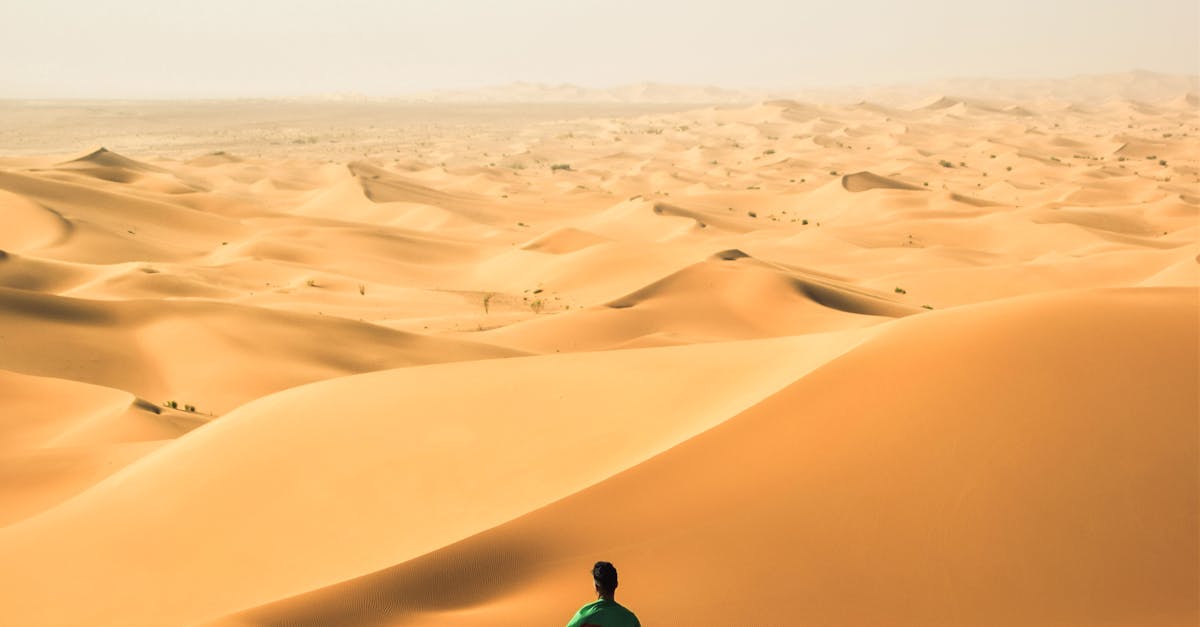
Living in Algeria
Algeria is a North African country with a rich cultural heritage, diverse landscapes ranging from the Sahara Desert to Mediterranean coastlines, and a growing economy primarily driven by energy exports.
Next Steps
- 1Apply for the appropriate visa type at the Algerian embassy or consulate, ensuring you meet all required documentation and eligibility criteria.
- 2Secure a job offer from an Algerian employer who is registered to receive foreign workers and has a Global Agreement in Principle (Demande d'Accord de Principe) in place.
- 3Find suitable housing in Algeria, considering factors such as proximity to work, safety, and accessibility to essential services.
- 4Register with the local authorities and obtain a residence permit, which will also help in integrating into Algerian society and accessing various services.
The Complete Guide to Living in Algeria
Introduction
Algeria, the largest country in Africa, is a land of diverse landscapes, rich cultural heritage, and a unique blend of traditional and modern elements. This chapter provides a comprehensive overview of Algeria, touching on its culture, people, and general appeal, offering practical insights for those considering relocating.
Cultural Heritage
Algeria's culture is a vibrant tapestry woven from Arab, Amazigh (Berber), Turkish, and French influences, with Islam as a cornerstone of social customs and daily life.
Key Elements of Algerian Culture:
- Religious Influence: Islam profoundly influences daily activities, social norms, and holiday celebrations. Understanding these Islamic traditions is crucial for cultural integration.
- Traditional Values vs. Modernity: While traditional values are deeply entrenched, there's a tangible push towards modernization, especially in urban areas.
- Languages: Arabic and Berber are the official languages, while French is widely used in business and education. Proficiency in French and/or Arabic is essential for effective communication.
General Appeal
Algeria boasts a unique allure for those seeking a rich cultural experience combined with modern living amenities.
Notable Features:
- Landscapes: From the stunning Sahara Desert to the beautiful Mediterranean coastline, Algeria's diverse geographical features are captivating.
- Cultural Activities: Museums, historic sites, and vibrant markets offer insight into Algeria's ancient civilizations and colonial past.
Practical Considerations
Visa and Immigration
Diversifying immigration pathways, Algeria provides various visa types, including tourist, business, and work visas, each with specific requirements. Early research and consultation with the Consulate General of Algeria are advised for the latest visa policies Consulate General of Algeria.
Cost of Living
Algeria's cost of living can vary significantly between rural and urban areas. Securing safe housing, especially for those working in remote oilfields, is crucial. Use reputable real estate websites like LKeria.com and Hebdo Immobilier for accommodation search.
Employment Opportunities
Algeria's economy heavily leans on the oil and gas sector, although diversification efforts are ongoing. High-demand industries include pharmaceuticals and renewable energy. Understanding local work customs, where family takes precedence, can enhance workplace integration.
Healthcare
While Algeria offers near-universal public healthcare, expats are encouraged to arrange for foreign insurance before arrival due to limited private insurance options Hospaccx Consulting.
Language and Communication
While Arabic and Berber are official languages, French proficiency is critical for navigating daily life and official processes. Embrace local etiquette informed heavily by Islamic traditions to facilitate cultural adaptation.
Cultural Adaptation
Fostering integration in Algeria involves respecting its profound Islamic customs and recognizing the blend of traditional and modern values in everyday life.
Essential Resources
- Algeria Cultural Life: Britannica
- Algeria Overview Guide: Rivermate
- Accommodation Insights: Expat Arrivals
- Healthcare Scenario: Hospaccx Consulting
Navigating the dynamic landscape of Algeria demands preparation and cultural sensitivity, making this chapter a foundational guide for a successful and enriching relocation.
Visa & Immigration
Overview
Algeria, a country rich in diverse landscapes and a blend of ancient and modern cultural elements, welcomes foreigners under specific visa regulations tailored to different purposes of visit. Whether you're planning a short-term stay or considering a long-term move, understanding Algeria's visa and immigration requirements is essential. Here, we outline the various types of visas available, the application process, and pathways for obtaining residency or citizenship.
Visa Types
Algeria offers a range of visas to accommodate the diverse needs of visitors:
- Tourist Visa: For travelers seeking to explore Algeria’s cultural and natural attractions.
- Business Visa: For professionals conducting business-related activities.
- Student Visa: For individuals pursuing educational programs in Algerian institutions.
- Temporary Work Visa: For short-term employment opportunities.
- Cultural Visa: For participating in cultural events or exchanges.
- Medical Visa: For those seeking medical treatment in Algeria.
- Work Visa: For long-term employment purposes.
Each visa type has specific eligibility requirements and supporting documentation.
Application Steps
- Determine Visa Type: Identify the appropriate visa type based on the purpose of your visit.
- Prepare Required Documents: Gather documents such as a valid passport, application form, photographs, proof of accommodation, financial means, and invitation letters, if necessary. Visa requirements may vary, so consult the Consulate General of Algeria for specific guidance.
- Submit Application: Applications are accepted without appointments during working hours (9:00 am to 3:00 pm, Tuesday through Friday) at Algerian consulates or embassies. Ensure all documents are complete to avoid delays.
- Pay Visa Fee: Fees vary depending on the visa type and applicant’s nationality. Verify the applicable fee with the Algerian consulate or embassy.
- Wait for Processing: Processing times can vary; it is advisable to apply well in advance of your planned travel date.
For step-by-step details, visit the Consulate General of Algeria.
Pathways to Residency or Citizenship
While the provided resources do not include detailed information on residency or citizenship pathways, the following general advice can be useful:
- Consultation: It is highly recommended to speak directly with the Consulate General of Algeria or an immigration legal expert to understand the specific criteria for residency or citizenship.
- Residency Permits: These may be available for work, study, or family reunification. The criteria and timeframes can vary significantly depending on personal circumstances.
- Citizenship: Typically involves fulfilling residency requirements, demonstrating proficiency in Arabic, and understanding Algerian culture and laws.
For comprehensive guidance, consult the Consulate General of Algeria.
Practical Advice
- Language Proficiency: Arabic and French are widely spoken. Proficiency in at least one of these languages will facilitate communication with local authorities and improve your application process.
- Cultural Understanding: Familiarize yourself with Algeria’s cultural norms and Islamic practices to better integrate into society during your stay.
- Prepare for Interviews: If required, be prepared to attend an interview as part of the visa or residency application process.
Essential Resources
- Consulate General of Algeria: For official information and updates on visa requirements and immigration processes, visit Consulate General of Algeria.
- Britannica: For cultural insights, see Britannica on Algeria.
- Rivermate Guide: For an overview of life in Algeria, visit Rivermate.
Understanding and preparing for Algeria's visa and immigration requirements can significantly enhance your relocation experience, ensuring smoother transitions and compliance with local regulations.
Cost of Living
Relocating to Algeria necessitates a thorough understanding of its cost of living, which encompasses housing, daily expenses, and financial comparisons with other regions. This chapter will provide an in-depth analysis of these aspects, offering actionable insights and resources for a smooth transition.
Housing
Algeria presents a diverse range of housing options, from studio apartments to sprawling villas. Accommodation can be found both furnished and unfurnished, to suit varying preferences and durations of stay. Particularly in urban centers, housing costs can vary based on location, security features, size, and furnished status.
Key Tips for Housing:
- Use Reputable Platforms: Engage with local real-estate agents or use online property sites like LKeria.com, Hebdo Immobilier, and Paruvendu.fr to find suitable accommodations.
- Consider Security: Security is paramount, especially for those working in high-risk sectors such as oil and gas.
- Language Skills: Command over French or Arabic significantly eases the process of finding and negotiating housing.
Actionable Steps:
- Research and Plan: Determine your accommodation needs - location, duration, and type of housing.
- Budgeting: Set a realistic budget, factoring in additional costs such as utilities and security deposits.
- Lease Agreements: Understand lease terms and conditions, particularly the difference between short-term and long-term leases.
Daily Expenses
Daily expenses in Algeria comprise of food, transportation, utilities, and leisure activities. The cost may vary distinctly between larger cities and rural areas.
- Food Costs:
- Local Markets and Supermarkets: Purchasing groceries from local markets is often cheaper compared to supermarkets.
- Dining Out: Restaurants and cafés offer a variety of dining experiences, with prices ranging from affordable street food to more expensive international cuisine.
- Transportation:
- Public Transport: Public transportation is affordable, with options including buses, taxis, and the metro in Algiers.
- Private Vehicles: Owning a car involves additional costs like fuel, maintenance, and insurance.
- Utilities:
- Utilities include electricity, water, and internet services. These costs can fluctuate depending on consumption levels and the housing type.
Budgeting Advice:
- Track Expenses: Maintain a log of monthly expenses to monitor spending and identify areas for savings.
- Prioritize Needs: Differentiate between necessities and luxuries to manage your budget effectively.
Financial Comparisons
Moving to Algeria requires financial adjustments and comparisons to one’s home country’s cost of living. While specific financial comparisons are limited, here are some general insights:
- Cost Efficiency: Algeria's overall cost of living is relatively lower compared to Western countries, with significant savings on housing and daily commodities.
- Inflation and Currency Fluctuations: It’s essential to stay informed about the local economy, as inflation and exchange rates can impact living costs.
Practical Financial Recommendations:
- Multi-Currency Accounts: Consider opening a local bank account while maintaining one in your home country for convenient international transactions.
- Stay Informed: Regularly check financial news related to the Algerian Dinar for updates.
Conclusion
Understanding the cost of living in Algeria involves scrutinizing housing options, daily expenses, and financial implications. By implementing these actionable insights, you can ensure a cost-effective and comfortable living experience in Algeria. For further reference, consider visiting the Consulate General of Algeria or browsing Britannica’s insights.
Employment Opportunities
Overview of the Job Market
Algeria’s job market has been significantly shaped by its dominant oil and gas sector, yet there's a growing momentum towards economic diversification. While hydrocarbons have historically been the primary revenue source, the Algerian government is actively encouraging the growth of other sectors to create more stable and widespread employment opportunities. These efforts are gradually bearing fruit, with increasing relevance in various non-oil sectors.
Key Employment Sectors
- Oil and Gas: As expected, the oil and gas industry remains a pivotal part of the employment landscape. Companies operating in this sector are often in need of skilled labor, engineers, and managerial staff.
- Services Sector: This includes trade, tourism, and public administration, all of which are integral to the nation's economy. As Algeria works to enhance its tourism infrastructure, opportunities in hospitality and tourism management are likely to expand.
- Agriculture and Manufacturing: Although contributing less to the GDP compared to oil and gas, both sectors offer continuous employment, requiring a wide range of talents from fieldwork to factory management.
High-Demand Industries
In alignment with global trends and local ambitions, several industries in Algeria are experiencing rapid growth and increasing demand for relevant professionals:
- Pharmaceuticals and Food Processing: There's a noticeable demand for roles in quality control, production management, and research.
- Automotive Components: Manufacturing and engineering professionals are in high demand as the industry adjusts to more rigorous standards and efficiency goals.
- Renewable Energy: With a commitment to reducing carbon footprints, professionals in solar, wind, and green energy solutions are increasingly sought after.
- Digital Services: As digital transformation sweeps the globe, the need for IT professionals, software developers, and digital marketers is sharply rising.
Navigating Work Regulations
Algerian work culture is unique, with traditional values often intersecting with modern business practices. Understanding local customs and work expectations is crucial for successful professional integration.
Important Considerations:
- Workplace Flexibility: Family obligations frequently play a paramount role in shaping work schedules and arrangements. Employers often exhibit greater flexibility concerning family commitments.
- Working Hours: The standard workweek is typically from Sunday to Thursday, with Friday traditionally observed as a rest day.
- Contracts and Labor Laws: Employment contracts specify work terms, including salary, working hours, and responsibilities. Familiarity with local labor laws can aid in understanding rights and obligations under these contracts.
Practical Advice for Employment in Algeria
- Language Proficiency: French is widely used alongside Arabic in professional settings. Proficiency in either language significantly enhances employment prospects and enables smoother communication in the workplace.
- Networking: Building a professional network through local business associations or attending industry conferences can open doors to job opportunities and collaborations.
- Utilize Local Resources: For job search assistance, consider engaging with local recruitment agencies or leveraging professional networking sites like LinkedIn targeted towards the Algerian job market.
- Stay Informed: Continuously update yourself on emerging industries and job demands by following local business news platforms and government announcements on economic development plans.
Resources for Further Information
- Consulate General of Algeria
- Rivermate Overview on Algeria
- Expat Arrivals on Employment in Algeria
- Hospaccx Consulting
By approaching Algeria’s job market with an informed perspective, one can navigate the employment landscape effectively, leveraging both traditional sector strengths and new economic opportunities. Understanding work regulations and aligning with the country’s cultural ethos plays a critical role in sustaining a rewarding professional journey in Algeria.
Housing & Accommodation
Introduction
Navigating housing and accommodation is a crucial aspect of relocating to Algeria. With a blend of traditional charm and modernity, the Algerian housing market offers a range of options to suit various needs. This chapter provides a comprehensive guide on how to find and secure housing in Algeria, along with an overview of typical lease terms to help you make informed decisions.
Understanding the Algerian Housing Market
Before diving into the process of finding housing, it's essential to understand the general landscape of Algerian accommodations:
- Types of Housing: Algeria offers a variety of housing options, including studios, apartments, and villas, available in both furnished and unfurnished forms.
- Cultural Considerations: Algeria's culture is heavily influenced by its Arab, Amazigh, Turkish, and French traditions. Understanding these cultural influences is key to navigating the housing market effectively.
Finding Suitable Housing
A successful search for housing in Algeria involves several important steps and resources:
Knowledge of Language
- Language Proficiency: Being proficient in French and Arabic can significantly enhance your ability to communicate with landlords and understand lease agreements.
Utilize Online Resources
- Real Estate Platforms: Leveraging online platforms can streamline your search:
- LKeria.com: A popular site for both rental and purchase listings.
- Hebdo Immobilier: Regularly updated with a variety of housing options.
- Paruvendu.fr: Offers a broad range of listings that cater to different needs.
Engaging Local Real Estate Agents
- Professional Assistance: Local real estate agents can provide invaluable assistance. They have in-depth market knowledge and can help navigate the legal and cultural complexities of securing housing.
Inspecting Properties
- In-Person Visits: Whenever possible, visit properties in person to evaluate their condition and the surrounding neighborhood.
- Safety Considerations: Security is a major consideration, especially in certain areas. Opt for properties with adequate security measures.
Securing a Lease
Once a suitable property is found, the next step is securing a lease:
Understanding Lease Terms
- Lease Duration: Leases in Algeria vary widely, from short-term arrangements lasting a few weeks to long-term contracts stretching over several years.
Key Lease Components
- Rent Agreement: Ensure the rent amount and payment terms are clearly defined in the lease agreement.
- Deposit Requirements: Be prepared to pay a security deposit, typically equivalent to one to three months' rent.
Negotiating Lease Terms
- Flexibility: While lease terms can be rigid, there is often room for negotiation, particularly in determining the lease duration and maintenance responsibilities.
Legal Considerations
- Documentation: Ensure all agreements are documented in writing and registered according to local regulations.
Important Considerations
Cultural and Social Dynamics
- Social Customs: Familiarize yourself with local customs and norms, which can significantly influence landlord-tenant relations and community dynamics.
Integration into the Community
- Language Skills: Developing language skills in Arabic and French can ease your integration into Algerian society and enhance your overall experience.
Conclusion
Finding and securing housing in Algeria requires careful planning and consideration of cultural and logistical factors. By leveraging online resources, engaging with local real estate agents, and understanding the legal landscape, you can navigate the housing market with confidence. Remember that cultural adaptation and language skills will not only aid in your housing search but also enhance your overall experience living in Algeria.
For further information or assistance, you may visit:
- Consulate General of Algeria for official guidance.
- Hospaccx Consulting for insights into the healthcare scenario linked with living arrangements.
Ensure thorough research and due diligence to tailor your housing solutions to fit your individual needs and circumstances in Algeria.
Healthcare System
Overview of Healthcare in Algeria
Algeria's healthcare system presents a blend of public and private services, catering to the diverse needs of its population. This chapter will guide you through the intricacies of accessing healthcare in Algeria, including distinctions between public and private care, available insurance options, and the quality of medical facilities.
Public vs. Private Care
Public Healthcare:
- Universal Coverage: The public system in Algeria offers near-universal coverage, with services largely funded by the government and minimal fees at the point of delivery.
- Facilities: State-run hospitals and clinics are available throughout the country. However, the quality and availability of services may vary, with urban centers typically offering better facilities than rural areas.
- Accessibility: Public healthcare is accessible to all residents, though it may be stretched, leading to potential delays in service for non-urgent care.
Private Healthcare:
- Options and Costs: Private healthcare services offer faster access and specialized care, which many residents and expatriates may find preferable. However, costs can be significantly higher than public services.
- Insurance: Limited options exist for private health insurance within Algeria, and as such, expatriates are strongly encouraged to plan for international health insurance coverage before arriving in the country.
Insurance Options
- CNAS: For employed residents, the Caisse Nationale de la Securite Sociale des Travailleurs Salaries (CNAS) offers coverage, predominantly through the public system.
- Independent Coverage: Independent contractors and business owners can access healthcare through alternative programs. These are often less comprehensive, stressing the need for supplemental insurance.
- International Health Insurance: Expatriates should consider international health insurance to supplement local offerings. This is crucial for accessing private facilities and ensuring coverage for specialized or emergency care needs.
- Further Reading: For more about the healthcare scenario, you can explore Hospaccx Consulting's guide on Algeria.
Quality of Facilities
- State-Run Facilities: While available throughout Algeria, state hospitals and clinics vary in quality, influenced by geographic location and funding. Urban areas tend to have more resources and better-equipped facilities than rural regions.
- Private Clinics: These often provide higher-quality care with shorter wait times but at a greater cost. Expatriates and those desiring quicker access to medical services may rely more on these facilities.
- Considerations for Expatriates: Understanding and navigating the healthcare quality landscape is essential for expatriates. Establish relationships with trusted local healthcare providers and consider an initial healthcare check-up upon arrival.
Practical Advice for Healthcare in Algeria
- Pre-Arrival Planning: Secure comprehensive international health insurance before relocating to Algeria. This will facilitate access to both private and public health services.
- Local Understanding: Familiarize yourself with Arabic or French medical terminologies, as language can be a barrier in healthcare settings.
- Emergency Preparation: Maintain a list of emergency contacts, including local healthcare facilities and the Consulate General of Algeria. Refer here for key consular information.
- Routine Health Practices: Regularly update vaccinations and health insurance records, ensuring preparations for any ongoing or emergent medical needs.
By comprehensively understanding Algeria's healthcare system, making informed decisions regarding insurance, and familiarizing oneself with available facilities, expatriates can effectively navigate their healthcare journey in this vibrant and culturally rich nation.
Taxes & Financial Considerations
Introduction
Navigating the tax landscape and managing financial matters when relocating to Algeria require a thorough understanding of the local tax structures, banking systems, and any foreign tax obligations that may apply. This chapter provides you with actionable insights and practical advice to make informed financial decisions.
Local Tax Structures
Personal Income Tax
Algeria's income tax system is progressive, meaning that the tax rate increases as income increases. Here's an overview of how personal income tax works in Algeria:
- Tax Rates: The income tax rates can range from 0% to 35%, based on the aggregate annual income.
- Exemptions: Certain allowances and deductions may apply, reducing taxable income, such as specific expenses related to work or family provisions.
It is advisable to consult with a local tax professional or refer to the Algerian Government's Tax Unit for updated guidelines and apply these laws correctly.
Corporate Tax
Businesses operating in Algeria are subject to corporate taxes. The key points include:
- Corporate Tax Rate: Typically set at around 19% for manufacturing activities, while other activities might be taxed at higher rates, reaching up to 26%.
- Value-Added Tax (VAT): Standard rate is 19%, with a reduced rate of 9% for certain essential goods and services.
Banking in Algeria
Setting Up a Bank Account
To streamline financial transactions, setting up a local bank account is important. Here’s what you need to know:
- Required Documents: Most banks require identification documents, proof of residence, and a work or residence permit.
- Bank Choices: Algeria has several financial institutions where you can open an account, including both local banks and international banks with local branches like BNP Paribas or Société Générale.
Online and Mobile Banking
Many Algerian banks offer online and mobile banking services. Clients can manage their accounts via apps or online platforms, facilitating day-to-day transactions.
Foreign Tax Obligations
Taxation on Foreign Income
Algeria does not have double taxation agreements with all countries. Therefore, expatriates must be mindful of potential tax obligations in their home country:
- Residency Status: Tax liabilities may depend on your residency status in Algeria, which is determined by spending more than 183 days in the country within a year.
- Foreign Tax Credits: Some expatriates might claim foreign tax credits to mitigate dual taxation, subject to home country regulations.
Advisory Services
Engaging with a tax advisor experienced in international taxation is recommended to ensure compliance and optimize tax liabilities. For more information, refer to global tax advisory firms with a presence in Algeria.
Essential Resources
- Algerian Government's Tax Office: Ministry of Finance - Tax Division
- Rivermate Guide: Rivermate Algeria Overview
- Financial Advisory Services: Seek international firms familiar with the Algerian market
Conclusion
Understanding Algeria’s tax and financial systems is critical for a smooth relocation and successful stay. This guide provides foundational knowledge, but seeking personalized advice from local experts will ensure compliance and help avoid unforeseen liabilities.
Move Logistics
Relocating to Algeria requires careful planning and attention to various logistical details. From packing and shipping to paperwork and pet relocation, this chapter provides comprehensive guidance to facilitate a smooth transition.
Packing and Shipping Tips
When moving to Algeria, effective packing and shipping strategies can prevent damage and delays:
Research Shipping Companies: Use a reputable international shipping company with experience in shipments to North Africa. Companies like FedEx and DHL can offer shipping solutions tailored to your needs.
Packing Materials: Invest in high-quality packing materials. Use sturdy boxes, bubble wrap, and packing peanuts to protect fragile items. Label boxes clearly with contents and destination room to simplify unpacking.
Prepare an Inventory: Create a detailed inventory of all items being shipped. This helps in case of loss or damage and is useful for customs purposes.
Consider Luggage Allowance: Most airlines allow a certain number of checked bags. Make the most of this and pack essential items you’ll need upon arrival.
Customs Regulations: Follow Algerian customs regulations to avoid issues when your items arrive. Check the latest rules regarding prohibited items and applicable duties on personal goods.
Necessary Documentation
Preparation of accurate documentation is crucial for a successful move:
Visa and Work Permits: Determine which visa type suits your purpose for moving. For up-to-date application procedures and documentation requirements, visit the Consulate General of Algeria.
Identity Proof and Passports: Ensure your passport is valid for at least six months beyond your planned stay. Have certified copies of important identity documents as backup.
Diplomas and Work Documents: If you're relocating for employment, ensure you have an organized portfolio of degrees, work contracts, and reference letters. This is important for both visa applications and job applications.
Health and Vaccination Records: Obtain an International Certificate of Vaccination, as certain vaccinations might be required or recommended.
Pet Relocation Info
Moving to Algeria with pets involves specific preparations:
Vaccinations and Health Certificates: Ensure your pet is up-to-date with vaccinations, including rabies. Obtain an official health certificate from a vet shortly before travel.
Microchipping: Although not mandatory in Algeria, having your pet microchipped can help in case they get lost.
Pet Carriers: Use approved pet carriers for safe transport. The International Air Transport Association (IATA) provides guidelines for the correct type of pet carrier.
Airline Requirements: Check with your airline about their pet travel policies, including fees, in-cabin or cargo travel options, and documentation requirements.
Pet Supplies: Pack enough pet food, water, and any medications to last for at least a few weeks until you are familiar with local sources.
By approaching your move to Algeria with diligent preparation, you can mitigate many potential challenges. Whether it's ensuring documentation is in order, packing efficiently, or making sure your pet's journey is safe, thoughtful planning will ease your transition to your new home. For more on Algerian cultural adaptation and other considerations, you can explore resources such as Expat Arrivals and Britannica.
Language & Communication
Language Barriers
Relocating to Algeria requires an understanding of the language landscape to navigate daily life and official processes effectively. Here’s what you need to know:
- Languages Spoken: Arabic is the official language of Algeria, while French is also widely spoken, especially in business and government sectors. Amazigh languages are spoken in certain regions by the Berber communities.
- Importance of Language: Knowledge of Arabic and French is crucial for seamless communication in most professional and personal interactions. Being fluent or proficient in these languages will significantly ease the relocation process.
Language Learning Resources
For those needing to learn or improve their Arabic or French skills, several resources can be highly beneficial:
- Online Courses: Platforms like Duolingo, Babbel, and Rosetta Stone offer structured language courses that can be accessed from anywhere.
- Language Apps: Apps such as Memrise and Busuu help in learning vocabulary and phrases needed for day-to-day conversations.
- Local Classes: Once in Algeria, consider enrolling in local institutes that offer language classes—these are excellent for immersive learning experiences.
- Language Exchange Communities: Platforms like Tandem and ConversationExchange.com allow you to practice languages with native speakers, aiding faster learning.
Local Etiquette
Understanding Algerian social customs and communication styles is pivotal for integrating smoothly into the local community. Here are key considerations:
- Greetings: A warm handshake and eye contact are common greetings among men. For women, gestures depend on the setting and relationship; sometimes a nod or smile suffices.
- Dress Code: Modest dressing is recommended, reflecting the country’s Islamic customs. This applies even more when visiting religious sites or rural areas.
- Gestures: Use of polite hand gestures is prevalent, but avoid using your left hand for actions like eating or giving, as it is considered impolite.
- Social Gatherings: Tea and food are central to hospitality, and accepting a tea offer showcases respect for local customs.
- Punctuality: While being punctual is appreciated, a degree of flexibility is expected in social settings, where gatherings can be more laid back.
Practical Tips for Effective Communication
- Learn Basic Phrases: Before moving, memorize key phrases in Arabic and French that relate to everyday tasks such as shopping, directions, and greetings.
- Cultural Sensitivity: Be aware of Islamic customs during Ramadan, prayer times, and other religious observances. This demonstrates respect and understanding of local cultural practices.
- Be Patient and Observant: Adapt to the Algerian communication style, which can be more indirect and layered than what might be common in Western settings.
Useful Links
- Algerian Cultural Insights: Britannica - Algeria: Cultural Life
- Language Learning Platforms:
- Duolingo
- Babbel
- Rosetta Stone
By preparing adequately in terms of language skills and cultural knowledge, new residents can ensure a more straightforward and rewarding transition to life in Algeria. Understanding and immersing oneself in the rich tapestry of Algerian communication norms opens up avenues not just for successful relocation but also for forging meaningful connections within the community.
Cultural Adaptation
Adapting to life in Algeria involves navigating a complex fabric of cultural influences, historical depth, and modern ambitions. This chapter aims to provide insights into social customs, community integration, and managing culture shock, helping you ease into Algerian society with nuanced understanding and respect.
Social Customs
Understanding and respecting Algerian social customs is crucial for harmonious integration into the community. Here are key customs to keep in mind:
- Islamic Practices: As Islam significantly influences Algerian daily life, it's important to respect Islamic customs, such as prayer times, the fasting month of Ramadan, and the prohibition of alcohol in many social settings.
- Dress Code: Modesty is valued across the country. While urban areas may offer some flexibility, conservative attire is expected, especially in rural areas and during religious occasions.
- Public Behavior: Displays of affection between genders in public settings are generally frowned upon. Women may benefit from traveling in groups or with family members in less urbanized areas.
For more on cultural life in Algeria, consider exploring Britannica's detailed overview.
Community Integration
Integrating into Algerian society involves understanding its multifaceted culture and the prominent role of family and local networks:
- Family and Social Connections: Family ties are central in Algeria, often influencing social, business, and political behavior. Building relationships with local families and participating in community events can aid integration.
- Language Learning: Proficiency in French and Arabic is highly beneficial. Engaging in language exchange programs or local courses can improve communication and deepen cultural insights.
- Community Participation: Participating in local festivities, markets, and volunteer opportunities can foster connections and cultural appreciation.
Expat Arrivals offers further reading on community integration specifics.
Managing Culture Shock
Adapting to a new cultural environment can lead to culture shock. Here’s how you can manage it effectively in Algeria:
- Stay Informed: Educate yourself about local traditions, laws, and social norms before and after your arrival. This awareness can ease feelings of confusion or alienation.
- Join Expat Communities: Connecting with expat communities can provide support, shared experiences, and practical advice on navigating life in Algeria.
- Cultivate Patience and Openness: Be patient with yourself as you adapt to differences. Open-mindedness and flexibility will facilitate a more comfortable and rewarding settling-in period.
- Seek Professional Guidance: If culture shock persists to the point of impacting your well-being or work, consider speaking to a counselor familiar with expat life.
For medical emotional support, ensure you are informed about healthcare resources in Algeria, which you can read more about on Hospaccx Consulting.
By embracing the rich cultural dynamics of Algeria with an informed, respectful, and adaptive approach, you'll find your transition smoother and more enriching. Whether through engaging with local traditions or integrating into the community, each step taken towards understanding Algeria will enhance both your personal growth and professional success in this multifaceted nation.
Essential Resources
Relocating to Algeria, a country rich in cultural traditions and modern aspirations, requires access to several essential resources to ensure a smooth transition. This chapter provides a comprehensive listing of emergency contacts, reputable websites, and a brief directory of local services crucial to settling down effectively in Algeria.
Emergency Contacts
In any new country, having immediate access to emergency contact information is vital. Below are the key emergency services you should be aware of in Algeria:
- Fire and Medical Emergencies: Dial 14
- Police: Dial 17
- Ambulance Services: Dial 14
- Tourist Assistance: Consider reaching out to the nearest tourism office for localized help.
- Consulate General of Algeria: Consulate General of Algeria
In addition to these numbers, it is prudent to have the contact details of your home country's embassy or consulate in Algeria for urgent assistance.
Reputable Websites
Reliable online resources are invaluable for gathering comprehensive and up-to-date information when moving to a new country. Here are some reputable websites to consider during your move to Algeria:
- Britannica: For an in-depth understanding of Algeria's cultural life, visit Britannica.
- Rivermate: Offers a wide range of insights on Algeria including cultural, geographical, and logistical aspects. Explore more at Rivermate.
- Expat Arrivals: Provides guidance on accommodation options in Algeria. Visit Expat Arrivals for more information.
- Hospaccx Consulting: For a detailed scenario of Algeria's healthcare environment, check Hospaccx Consulting.
These websites serve as valuable starting points for research and the planning phase of your relocation to Algeria.
Local Services
Accessing local services is a foundational step in adapting to life in Algeria. The following resources can assist you in various services:
Real Estate: Finding the right accommodation can make or break your relocation experience. Utilize online platforms such as LKeria.com, Hebdo Immobilier, and Paruvendu.fr to explore available housing options.
Healthcare Services: For details regarding the healthcare services landscape in Algeria, including public vs. private facilities, visit Hospaccx Consulting.
Language and Cultural Etiquette: Consider enrolling in language courses either online or in local learning centers to grasp Arabic and French, which are crucial for daily communication. There are no specific links available, but language schools can be found easily in urban areas.
This directory is not exhaustive but provides a solid foundation for accessing necessary services immediately upon arrival or during your stay in Algeria. Ensure you continuously expand your personal list of contacts and service providers as you integrate more into Algerian society.