
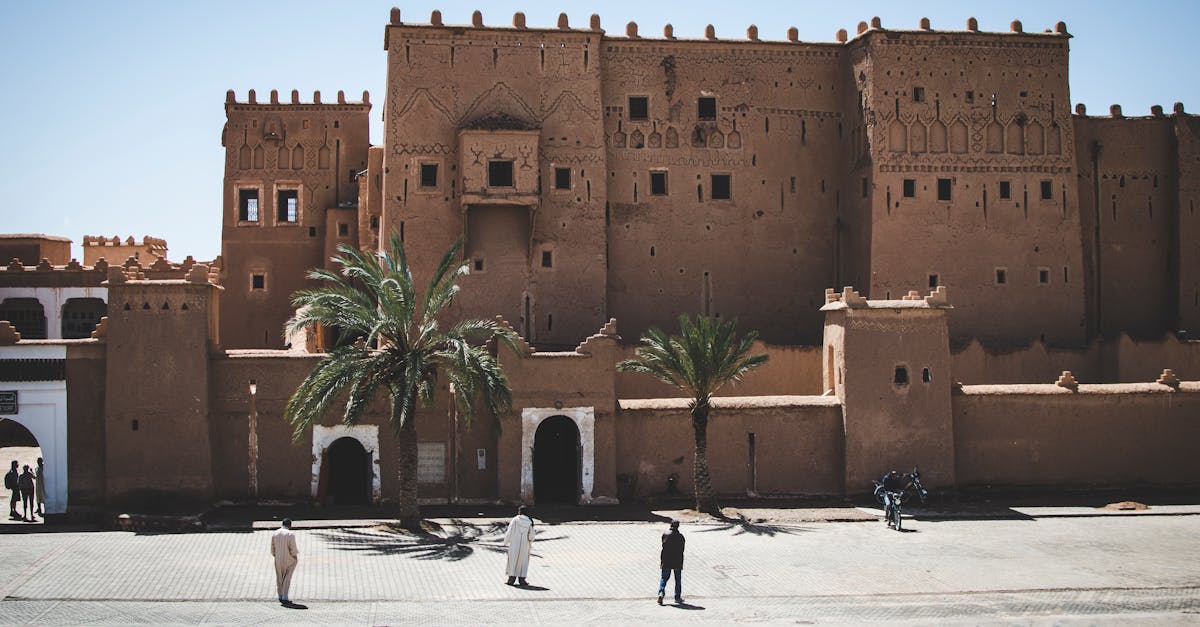
Living in Morocco
Morocco is a North African country known for its rich cultural heritage, diverse landscapes, and historical cities. It is famous for its blend of Arab, Berber, and French influences and offers a unique combination of traditional and modern experiences.
Next Steps
- 1Apply for the appropriate visa or residence permit based on your purpose for moving to Morocco, such as work, study, or family reunification.
- 2Search for job opportunities in Morocco that match your skills and experience, and consider registering with local employment agencies.
- 3Research and secure housing in Morocco, considering factors such as location, cost, and amenities, and prepare necessary documents for a rental agreement.
- 4Plan for integration by learning about Moroccan culture, enrolling in language classes if necessary, and connecting with expat communities or local organizations that can provide support and guidance.
The Complete Guide to Living in Morocco
Morocco: A Cultural Mosaic
Introduction
Morocco, a country nestled at the crossroads of Europe and Africa, offers a unique blend of ancient traditions and modern influences. Known for its rich cultural tapestry, stunning landscapes, and vibrant cities, Morocco is an alluring destination for expatriates looking to immerse themselves in a new environment. This chapter provides a comprehensive overview of Morocco, focusing on its cultural richness, general appeal, and the practical considerations for potential residents.
Cultural Richness and Vibrant Traditions
Morocco's charm lies in its cultural diversity, with influences from Arab, Berber, and French heritages. Its cities and towns are known for bustling medinas, which provide an authentic glimpse into Moroccan life. Walking through these medinas, one can witness the artistry of traditional Moroccan architecture, characterized by intricate mosaics, stunning palaces, and vibrant markets.
Festivals play a significant role in Moroccan culture. Notable events include the Tan-Tan festival, a gathering of nomadic tribes showcasing folklore music, and the Cherry Festival in Sefrou, celebrated with parades and local crafts. An important cultural element is the Moroccan tea ceremony, a symbol of hospitality and social gathering, which stands at the heart of local traditions.
For more insights into Moroccan cultural traditions, visit Visit Morocco.
General Appeal
Morocco captivates visitors and residents alike with its diverse landscapes, ranging from the rugged Atlas Mountains to the serene Sahara Desert. This geographical diversity offers numerous recreational activities, from hiking and trekking to camel riding and desert camping. The coastal cities provide stunning beaches, attracting water sports enthusiasts and those seeking relaxation.
Beyond its natural beauty, the urban centers of Morocco, such as Marrakesh, Fez, and Casablanca, are known for their energetic atmospheres and rich histories. These cities balance modern amenities with a deep sense of tradition, making them excellent places for both exploration and residence.
Practical Considerations
Visa & Immigration Requirements: Morocco offers various visa types, including tourist visas and electronic travel authorizations. The visa exemption policy allows citizens from specific countries to stay for 30 to 90 days without a visa. For detailed visa application procedures, visit VisaHQ.
Cost of Living: Housing costs vary significantly based on location and accommodation type. Useful platforms for finding housing include Avito.ma, Souika.ma, and Expat.com. Given the competitive nature of the Moroccan job market, budgeting for daily expenses and unforeseen costs is essential.
Employment Opportunities: The Moroccan job market is competitive, with a high unemployment rate of 13.5%. Prospective job seekers should focus on skill enhancement and networking within high-demand sectors. For more information on the job market, visit Job Expo.
Healthcare System: The Moroccan healthcare system is predominantly public, supplemented by private providers which cover 15% of healthcare facilities. The government is continuously striving to improve the healthcare infrastructure. For more details, refer to Trade.gov.
Language & Communication: While Arabic and Berber are the official languages, French is commonly spoken in business and education sectors. Learning basic Arabic phrases can enhance communication and cultural integration.
Conclusion
Morocco, with its intoxicating mix of history, culture, and landscapes, presents both challenges and opportunities for expatriates. Cultural integration is facilitated by participating in local traditions while being open to the distinct social customs. Ensuring a smooth transition involves understanding visa requirements, preparing for cost of living, and familiarizing oneself with the local healthcare system. By embracing its unique lifestyle, expatriates can fully appreciate the vibrant life that Morocco offers.
For further guidance on accommodations, cultural activities, or any additional information regarding living in Morocco, please refer to the comprehensive list of resources provided in this chapter:
Visa & Immigration Requirements
Navigating the visa and immigration landscape is a critical step for anyone considering relocating to Morocco, a country celebrated for its rich cultural heritage and unique lifestyle experiences. This chapter provides a comprehensive guide on the visa types available, the necessary application steps, and pathways to residency or citizenship when planning your move to Morocco.
Visa Types
When traveling to Morocco, there are several visa options available, depending on the purpose and duration of your stay:
Tourist Visa: Ideal for short visits, this visa is for individuals planning to explore Morocco’s vibrant medinas and partake in its rich cultural festivities.
Electronic Travel Authorizations and e-Visas: Online options for a simpler application process, specifically for nationals from eligible countries.
Visa Exemptions: Citizens from select countries may not require a visa for stays ranging from 30 to 90 days. For a list of exempt countries, check with your local Moroccan consulate or relevant governmental websites.
For further details on Moroccan visa policies, visit VisaHQ.
Application Steps
Whether you opt for a traditional visa or an electronic option, the application process involves several key steps:
Complete the Visa Application Form: Fill out the form accurately; this is typically available online or at Moroccan embassies/consulates.
Gather Necessary Documents:
- A valid original passport with at least six months of validity remaining.
- Passport-sized photographs in line with visa specifications.
- A tourist voucher or invitation letter, if applicable.
- Copies of important passport pages.
- A recent bank statement to prove financial stability during your stay.
Submit Your Application: Applications can be submitted online or in person at the nearest Moroccan consulate or embassy.
Pay the Visa Fee: Make note of the visa fee, which varies depending on the visa type and length of stay.
Attend an Interview (if required): Some applicants may be required to attend an interview or provide additional documentation.
Practical Tip: Start your visa application process well in advance to avoid unforeseen delays.
Pathways to Residency or Citizenship
For longer-term plans, understanding pathways toward residency or citizenship is crucial:
Residency: Information on long-term residency applications, including retirement, employment, or family reunification visas, is typically provided by Moroccan immigration services. Due to the nuanced nature of each residency type, consulting with immigration attorneys specializing in Moroccan law or professional visa services is recommended.
Citizenship: Attaining Moroccan nationality generally requires residency in the country for a significant period, fluency in Arabic, and adherence to specific cultural and civic obligations. The process can be complex and may involve detailed legal and bureaucratic procedures. It is advisable to seek detailed advice tailored to your situation.
Note: Comprehensive and updated information regarding long-term residency and citizenship can often be obtained directly from Morocco’s Ministry of Interior or through legal advice providers specializing in immigration law.
Real-World Consideration: If you are planning on working in Morocco, ensure that your visa status allows for employment. The competitive job market entails particular work authorizations, for which understanding local regulatory frameworks is critical.
Navigating the intricate landscape of Moroccan visa and immigration procedures is essential for a smooth relocation experience. By understanding the available options and diligently preparing required documentation, you can successfully navigate this process and enjoy the rich cultural setting that Morocco offers. For the most accurate guidance, always refer to official resources or seek professional expertise.
Cost of Living
Understanding the cost of living in Morocco is crucial for anyone considering relocating to this culturally rich and diverse country. This chapter will break down the key components of living costs, including housing, daily expenses, and financial comparisons, providing practical advice and actionable information to help you plan your move.
Housing Costs
Short-Term Accommodation
- Platforms: Websites like Booking.com and Hostelbookers.com are excellent resources for finding short-term accommodation.
- Price Range: Prices for short-term stays vary significantly based on the location and the time of year. In general, expect to pay more in tourist hotspots and during peak travel seasons.
Long-Term Accommodation
- Finding a Place: For long-term accommodation, consider using platforms like Avito.ma, Souika.ma, and Expat.com. Additionally, check local Facebook groups dedicated to housing and expatriate communities.
- Rent Prices: Major cities like Casablanca and Rabat typically have higher rent prices than rural areas. A one-bedroom apartment in the city center can cost between MAD 3,000 to MAD 6,000 (approximately USD 300 to USD 600 per month).
- Securing Housing: Start your search in advance and be wary of scams. It’s advisable always to view properties before making payments, ideally through a reputable realty company.
Daily Living Expenses
Groceries and Dining
- Grocery Costs: Groceries in Morocco are relatively affordable, with local markets offering fresh produce at competitive prices. On average, a month’s groceries for a couple can range from MAD 1,500 to MAD 3,000 (USD 150 to USD 300).
- Eating Out: Dining out can range from inexpensive street food, costing a few dirhams per meal, to higher-end restaurants where meals may cost MAD 200 or more (about USD 20).
Transportation
- Public Transport: Morocco’s public transport system includes buses and taxis. A monthly pass for public transportation costs about MAD 200 (USD 20), making it an economical choice compared to owning a car.
- Car Ownership: For those considering purchasing a car, factor in costs such as insurance, maintenance, and fuel, which collectively can add up to several thousand dirhams per month.
Utilities
- Basic Utilities: Basic utilities for an 85m^2 apartment, including electricity, heating, cooling, water, and garbage, average around MAD 600 (USD 60) per month.
- Internet and Communication: Internet costs approximately MAD 200 (USD 20) per month depending on the provider and plan.
Financial Comparisons
Currency and Banking
- Currency: Moroccan Dirham (MAD) is the currency used. Be sure to explore local banks for foreign account services if needed.
- Exchange Rates: Keep an eye on current exchange rates, as they can fluctuate, impacting your purchasing power.
Comparing to Other Countries
- Living Standards: Morocco offers a lower cost of living compared to many Western countries, making it an attractive destination for cost-aware expatriates.
- Purchasing Power: While the cost of living is lower, be prepared for a different pricing structure for imported goods which might be more expensive.
Actionable Advice
- Budget Planning: Create a budget that reflects your lifestyle needs, and plan ahead by evaluating housing options, daily expenses, and healthcare costs.
- Cultural Insight: Embrace local customs and traditions to enhance your relocation experience. Engage with Moroccan culture through festivals and local events.
For more information about life in Morocco, explore these useful resources:
Careful consideration and planning with regards to the cost of living in Morocco will ensure a smooth transition to your new environment.
Employment Opportunities
Understanding the Moroccan Job Market
Navigating the labor landscape in Morocco's dynamic environment requires both awareness and adaptability. Despite its vibrant and historically rich cultural fabric, the Moroccan job market presents challenges marked by a notably high unemployment rate of 13.5% [^2]. Consequently, potential expatriates should prepare thoroughly to secure employment.
Key Strategies for Success
- Skill Enhancement: Diversifying and improving your skill set is indispensable. This can involve pursuing online courses, certifications, or additional language skills pertinent to high-demand industries.
- Networking: Building connections through platforms like LinkedIn or attending local industry events can provide valuable leads and insights into potential opportunities.
- Practice and Experience: Gaining relevant experience, even through volunteer work or internships, can greatly improve your employment prospects.
High-Demand Industries in Morocco
Identifying industries with high growth potential is crucial for job seekers wishing to enhance their prospects:
- Renewable Energy: Morocco’s commitment to renewable energy has resulted in increased demand for professionals in solar and wind power projects.
- Automotive: The automotive industry is expanding, with several global companies setting up production, creating job opportunities in manufacturing and supply chains.
- Agriculture and Agribusiness: Given Morocco's agricultural backbone, this sector presents numerous roles in management, logistics, and technology.
- Tourism and Hospitality: With its cultural and historical attractions, opportunities abound in customer service, management, and tour operations.
- Information Technology: As IT continues to grow globally, expertise in digital innovation, cybersecurity, and software development is increasingly sought after in Morocco.
For more information on Moroccan industries, visit Morocco Guide.
Navigating Work Regulations
Understanding Morocco’s work regulations is fundamental in avoiding legal pitfalls:
Work Permits: Foreigners must secure a work permit to engage in employment legally. Typically, this involves obtaining a job offer from a Moroccan employer who will subsequently facilitate the permit application process.
Labor Laws: The Moroccan Labor Code outlines workers' rights and responsibilities, including working hours, wages, and contract terms. Familiarize yourself with these to ensure compliance and protect your rights.
Contract Types: Contracts can be indefinite, fixed-term, or temporary. Indefinite contracts tend to offer more stability and benefits, emphasizing the need for negotiation and understanding contract clauses before signing.
Helpful resources like Job Expo provide insights into making informed decisions regarding career paths and industry demands in Morocco.
Practical Tips for Foreign Job Seekers
- Job Boards and Recruitment Agencies: Websites such as Rekrute.com, and Emploi.ma are valuable starting points for job hunting. Additionally, consider engaging with recruitment agencies specializing in expatriate placements.
- Language Proficiency: French and Arabic are primarily used in business settings. Enhancing your proficiency in these languages will significantly boost your employability.
- Cultural Adaptation: Embrace cultural norms and learn about local business etiquette as they can influence hiring decisions and workplace integration.
Explore Visit Morocco to better understand the cultural context of Morocco and integrate more effectively into its business environment.
[^2]: Job Expo
Housing & Accommodation
Finding Housing
Finding housing in Morocco involves understanding the local real estate market and utilizing online resources effectively. Here are some reliable platforms and tips for house hunting in Morocco:
Online Platforms:
Avito.ma: This is a popular classifieds website widely used for finding apartment rentals, houses for sale, and shared accommodations. You can filter searches by city, neighborhood, price, and type of accommodation. Avito.ma
Souika.ma: Another useful site for housing listings, allowing users to explore options by region and price. It is user-friendly and regularly updated with new listings.
Expat.com: Ideal for expatriates looking for accommodation, this site provides a collection of listings and advice tailored to foreigners. Expat.com
Social Media Groups: Joining local Facebook groups can be advantageous as members sometimes share rental postings or recommendations that might not appear on other websites.
Realty Companies: Consider reaching out to local real estate agents who know the market well and can offer guidance based on your specific needs.
Securing Housing
Once you've found potential housing options, securing them involves some strategic steps:
Start Early: Begin your search at least a few months in advance of your planned move-in date, especially for high-demand areas like Casablanca or Marrakech.
Visit Properties: Whenever possible, visit properties in person to assess the condition and verify that listings are accurate. It's a good practice to document any existing damages with photos and notes during the visit.
Beware of Scams: Be cautious with transactions, particularly online. Avoid making payments for viewings or deposits unless you're dealing with a reputable realty company or have verified the legitimacy of the offer.
Negotiate Terms: Be prepared to negotiate lease terms and rent prices. Moroccan landlords may be open to discussions, especially for longer lease periods.
Typical Lease Terms
Understanding typical lease terms in Morocco can help set expectations and plan your accommodation budget efficiently:
Lease Duration: Leases typically range from one year to three years. Shorter-term leases might be possible but could carry higher monthly rental prices.
Required Documentation: Generally, landlords will require a copy of your passport or residency permit, proof of income, and sometimes a local guarantor. This might necessitate negotiating or involving a third party if you’re new to the country.
Payment: Rent is usually paid monthly, either in cash or direct bank transfer. Some landlords may ask for a security deposit, often equivalent to one to three months’ rent.
Utilities: Always confirm whether utilities (water, electricity, internet) are included in the rent or if they will be billed separately. This can significantly affect your monthly living costs.
Maintenance and Repairs: Clarify who is responsible for maintaining the property and handling repairs. This should be thoroughly detailed in your lease agreement to avoid potential disputes.
In summary, finding and securing housing in Morocco is a process best tackled with preparation and vigilance. Utilize online resources, engage with local real estate experts, and ensure all lease terms are clear and documented. For further information, you can explore Morocco Guide for comprehensive housing insights.
Healthcare System
Public vs. Private Care
In Morocco, understanding the healthcare system is pivotal, especially as it is characterized by a dichotomy between public and private care.
Public Healthcare
- Dominance in Supply: The Moroccan government is the primary provider of healthcare services, accounting for 85% of the healthcare infrastructure through public hospitals.
- Access and Funding: Public healthcare is available to all residents, but it is predominantly geared towards lower-income populations. Though access is widespread, facilities can be overcrowded, and wait times may be lengthy due to the large volume of patients.
- University Hospitals: Morocco boasts six university hospitals that serve as centers for both patient care and medical training, aiming to improve the quality and reach of healthcare services.
Private Healthcare
- Patient Preference: Despite the prevalence of public facilities, private healthcare attracts approximately 60% of healthcare expenditure from out-of-pocket and insurance payments. Many expatriates and wealthier Moroccans choose private care for perceived higher-quality services and shorter wait times.
- Facilities and Services: Private clinics and hospitals are often better equipped and offer more specialized services with greater comfort levels. However, they are more costly compared to public options.
For more details, consult resources from trade.gov on Moroccan healthcare: Morocco Healthcare Guide.
Insurance Options
Healthcare coverage in Morocco encompasses multiple options, which are crucial to understanding before relocating.
- Mandatory Health Coverage: The country has implemented a mandatory health insurance system known as "Assurance Maladie Obligatoire" (AMO) for employed individuals, providing a base level of coverage.
- Private Insurance Plans: Many expatriates and Moroccans with financial means opt for private health insurance to ensure broader coverage, quicker access, and more extensive networks of private clinics and hospitals.
- Eligibility and Conditions: It is important to assess the terms and conditions of each insurance provider, including covered services, preferred providers, and any exclusions.
When choosing insurance, compare policies catering to expatriates to ensure comprehensive coverage that aligns with lifestyle and health needs.
Quality of Facilities
The quality of healthcare facilities in Morocco is on a gradual path to improvement, underscored by government efforts and private investments.
- Public Facility Challenges: Public hospitals often face challenges such as overcrowding, underfunding, and limited resources, impacting the quality of healthcare delivery.
- Improvements Underway: To address these issues, the Moroccan government is investing in new hospitals and enhancing medical training to better service health needs.
- Private Sector Potential: Private institutions generally experience higher staffing levels, better equipment, and enhanced patient service, leading to improved healthcare experiences.
Whenever possible, tour local healthcare facilities to assess their conditions and services firsthand. Additionally, speak to local residents or expatriates about their experiences to gain nuanced insights.
Practical Considerations
For those planning to reside in Morocco, here are actionable tips to navigate the healthcare system:
- Evaluate Proximity: Choose accommodations that offer reasonable access to medical facilities, especially in emergencies.
- Prepare for Language Barriers: In healthcare settings, speaking French or Arabic may be necessary, as not all medical staff are proficient in English.
- Plan for Emergencies: Familiarize yourself with emergency contact numbers and locations of nearby hospitals and clinics.
In summary, Morocco offers both public and private healthcare avenues, each with distinct advantages and challenges. By understanding and planning for these, residents can ensure access to necessary medical services aligning with their expectations and requirements.
Taxes & Financial Considerations
Local Tax Structures
When relocating to Morocco, understanding the local tax structure is paramount to managing your finances effectively. Morocco's tax system is complex, comprising various taxes applicable to individuals and businesses. Here are the essential tax components you should be aware of:
Income Tax: Morocco imposes a progressive income tax on residents. The rates vary from 0% for lower incomes to 38% for top earners. Foreign residents are generally subject to these rates on Moroccan-sourced income. To better understand your specific obligations, consult the Moroccan Tax Administration’s website.
Value Added Tax (VAT): The standard VAT rate in Morocco is 20%, with certain goods and services taxed at 7%, 10%, or 14%. It's important to account for VAT in your budget for goods and services.
Corporate Tax: If you’re planning to start a business in Morocco or work as an independent contractor, note that corporate tax rates start at 10% and can reach up to 31%. The Moroccan government offers incentives for companies investing in sectors that contribute to economic development.
Property Tax: Property owners are subject to municipal tax (taxe d'habitation) and a waste collection tax. The amount varies based on the location and value of the property. Be sure to verify with local authorities to calculate your liabilities accurately.
Banking
Establishing a bank account in Morocco is crucial for managing your financial transactions smoothly. Morocco has a robust banking sector with several options:
Choosing a Bank: Popular Moroccan banks include Attijariwafa Bank, Banque Populaire, and BMCE Bank. Consider factors such as accessibility, fees, services offered, and language support when deciding on a bank.
Opening an Account: To open a bank account, you’ll need identification (passport), proof of residence, and an initial deposit. Some banks may also ask for references. Check each bank’s website for specific details or visit a local branch for assistance.
Currency and Transactions: The local currency is the Moroccan Dirham (MAD). Stay informed about exchange rates if you deal with foreign currencies. Online banking services are widely available, so ensure you understand how to use these securely.
Foreign Tax Obligations
As an expatriate, your tax obligations may extend beyond Morocco, particularly concerning your home country. Here's what you need to consider:
Double Taxation Agreements (DTAs): Morocco has DTAs with several countries to prevent double taxation. Check if your home country has a DTA with Morocco to understand your tax liabilities accurately and how credits or exemptions might apply.
Reporting Foreign Income: Depending on your home country's tax laws, you may need to report foreign income, including earnings and investments in Morocco. Consult with a tax advisor familiar with both Moroccan and your home country’s tax laws to ensure compliance.
Seeking Expert Advice: Navigating international tax obligations can be complex. Engage a tax professional who understands Moroccan tax regulations and international tax laws to help you optimize your tax position and avoid legal pitfalls.
Practical Advice
Stay Informed: Tax regulations in Morocco can change, so staying updated on the latest laws and amendments is crucial. Visit Morocco's Ministry of Economy and Finance website for updates.
Keep Records: Maintain detailed records of your earnings, expenses, and any taxes paid to simplify filing and in case of audits.
Professional Assistance: Consider hiring a local accountant or tax consultant, especially during your initial period of adjustment. They can offer valuable guidance tailored to your specific situation.
Navigating the financial landscape in Morocco involves understanding local tax structures, setting up banking facilities, and managing any foreign tax obligations effectively. By staying informed and seeking expert advice, you can manage your finances efficiently while enjoying the vibrant life Morocco offers.
Moving Logistics
Navigating the logistical elements of relocating to Morocco requires meticulous planning and preparation. This chapter provides an in-depth guide on packing and shipping, necessary documentation, and relocating pets, ensuring a seamless transition to your new home in this culturally vibrant country.
Packing and Shipping Tips
Relocating involves the careful packing and shipping of your personal belongings. Here are some actionable tips to streamline this process:
- Start Early: Begin packing as soon as your move is confirmed. Identify items you need and those you can sell or donate.
- Label Boxes: Clearly label all boxes with their contents and the room they belong to in your new home. This will simplify unpacking.
- Use Quality Materials: Invest in sturdy packing materials such as bubble wrap, packing paper, and strong boxes to protect your items.
- Prioritize Essentials: Pack an "essentials" box with items you'll need immediately upon arrival, like toiletries, basic kitchen items, and important documents.
- Explore Shipping Companies: Research and compare international shipping companies for the best rates and services. Consider providers offering door-to-door delivery to minimize hassle.
- Check Customs Regulations: Familiarize yourself with Moroccan customs requirements to avoid unexpected fees or restrictions on specific items. For more details, visit Customs and Border Protection Morocco (Note: This is a placeholder URL; replace it with an appropriate source).
Necessary Documentation
Securing the necessary documentation is crucial when relocating. Below are the essential steps:
- Visas and Permits: Determine the type of visa required for your stay. Morocco offers tourist visas, electronic travel authorizations, and electronic visas. Apply online or at the nearest Moroccan embassy or consulate. Visit VisaHQ for specific guidance.
- Residency Documents: If planning a long-term move, inquire about residency permits. Keep a copy of important records, such as your visa application form, passport, and bank statements.
- Health and Financial Records: Carry photocopies of your health records, including vaccinations, and financial statements that might be required by banks or landlords.
Pet Relocation Info
Transporting pets to Morocco involves specialized arrangements. Ensure your furry friends are comfortable and safe by following these steps:
- Veterinary Requirements: Arrange for a thorough veterinary check-up. Your pet will require a valid health certificate and vaccination records, including rabies certification.
- Microchipping: Microchip your pet, as it is often a requirement for entry into Morocco. Register the microchip information with the relevant authorities.
- Pet Carriers: Invest in an International Air Transport Association (IATA) approved pet carrier to ensure safety during transit. Acquaint your pet with the carrier ahead of the move.
- Research Airlines: Investigate whether your airline provides pet relocation services and the necessary requirements. Some airlines offer in-cabin travel for small pets.
- Settling in Morocco: Upon arrival, give your pet ample time to adjust to the new environment. Familiarize yourself with local veterinarians and pet services for ongoing care.
For more in-depth guidance on moving logistics to Morocco, you can explore resources on the Visit Morocco website. Ensure proper preparation and readiness to embrace the enchanting lifestyle that awaits in Morocco.
Language & Communication
Relocating to a new country comes with the challenge of navigating language barriers and local communication norms. This chapter provides comprehensive guidance for understanding and adapting to language and communication practices in Morocco. This guide will help you assess potential language barriers, identify resources to aid language learning, and understand Moroccan communication etiquette.
Understanding Language Barriers
Morocco is a multilingual country with several languages in widespread use:
- Arabic: Classical Arabic is the official language of Morocco, used in government and taught in schools.
- Moroccan Arabic (Darija): This is the most commonly spoken language in daily life. It significantly differs from classical Arabic, incorporating French, Spanish, and Berber elements.
- Berber (Amazigh): Recognized as an official language alongside Arabic, it is spoken by Berber communities primarily in rural areas.
- French: Widely used in business, government, and higher education. You will often find French used in official documents, signs, and media.
- Spanish: Spoken in the northern regions, due to historical ties.
Navigating these languages can be daunting, but a basic understanding of French and Darija will prove particularly beneficial for daily interactions.
Language Learning Resources
To effectively communicate and integrate into Moroccan society, consider utilizing the following learning resources:
Language Courses: Enroll in local language schools offering courses in Arabic, French, and Berber. Alliance Française offers excellent courses in French, and the Arabic Language Institute in Fez is a renowned option for Arabic learners.
Online Platforms: Utilize platforms such as Duolingo or Rosetta Stone for introductory courses in Arabic and French. Websites like Morocco Guide provide additional resources tailored for expatriates.
Language Exchange Groups: Join language exchange groups and clubs. These can often be found on platforms like Meetup or local social media groups, offering opportunities to practice with native speakers.
Mobile Apps: Consider language apps like HelloTalk or Tandem to connect with language partners in Morocco for daily practice.
Local Communication Etiquette
Effective communication in Morocco extends beyond language proficiency to understanding cultural norms and etiquette:
Greetings: Moroccans are known for their warm hospitality. A typical greeting involves saying "Salam alaikum" (peace be upon you), followed by a handshake or a kiss on each cheek, depending on familiarity. Always use your right hand when offering or receiving items.
Respect and Politeness: Demonstrating respect is crucial. Use polite expressions like "please" (afak) and "thank you" (shukran) frequently. Elders are greatly respected, and a show of deference towards them goes a long way.
Body Language: Avoid using your left hand for giving or eating, as it is considered impolite. Eye contact is acceptable, but physical gestures should remain reserved.
Social Gatherings: Tea ceremonies are an integral part of Moroccan culture, symbolizing friendship and hospitality. Accept offers for tea as a gesture of goodwill. Learn more about Moroccan traditional ceremonies from Visit Morocco.
Navigating the subtleties of language and communication in Morocco requires patience and openness. Embrace the rich linguistic and cultural diversity by engaging with locals, participating in traditional gatherings, and making an effort to learn the language. This approach will greatly enhance your experience and integration into Moroccan society.
Cultural Adaptation
Understanding and adapting to Morocco's unique cultural landscape can significantly enhance your relocation experience. This chapter provides essential insights into Morocco's social customs, avenues for community integration, and strategies for effectively managing culture shock.
Social Customs
Morocco is celebrated for its rich tapestry of cultural traditions that have evolved over centuries. To fully appreciate and integrate into Moroccan society, it's important to familiarize yourself with these customs.
Festivals and Celebrations: Moroccans enjoy vibrant festivals such as the Tan-Tan Moussem, the Cherry Festival, and the world-renowned Gnaoua Festival. Participating in these events is not only entertaining but also offers a window into the country's diverse cultural fabric. Discover more about Moroccan festivals.
Hospitality and Gatherings: Moroccans take great pride in their hospitality, which is deeply embedded in their culture. It's customary to offer tea to guests, with the traditional "Atay" (tea ceremony) being a hallmark of Moroccan hospitality. Accepting invitations to homes and community gatherings can deepen your cultural understanding and social connections.
Working Hours and Meal Times: Understanding local working hours and meal times can facilitate smoother daily interactions. The traditional Moroccan workweek runs from Monday to Friday, with lunch often being the main family meal of the day, generally served between 12:00 p.m. and 3:00 p.m.
Community Integration
Successfully integrating into Moroccan communities involves both an understanding of cultural customs and actively participating in local life.
Language Skills: While French and Arabic are widely spoken, learning some basic phrases in Darija (Moroccan Arabic) can be incredibly beneficial. It demonstrates respect and can significantly aid in daily interactions. Consider enrolling in local language classes or using online resources like Duolingo or Babbel.
Cultural Events and Volunteering: Engaging in community events and local volunteer opportunities can accelerate your integration process. Organizations like the High Atlas Foundation offer volunteering opportunities that allow you to connect with locals and contribute positively to the community.
Religious Respect: Islam plays a central role in Moroccan life. Respect for religious practices, such as dressing modestly when visiting religious sites and observing local norms during Ramadan, is essential for blending into the community.
Managing Culture Shock
Experiencing culture shock is a common part of relocating to a new country. The following strategies can help you manage and navigate this phase:
Stay Open-Minded: Approach new experiences with curiosity rather than judgment. Understanding that cultural differences are neither right nor wrong but simply different can help you stay open-minded and flexible.
Build a Support Network: Connecting with fellow expatriates and locals can provide emotional support and practical advice during your adjustment period. Consider joining expatriate forums or social groups, such as those found on Expat.com.
Self-Care: Taking care of your mental and physical well-being is crucial. Ensure you have healthy routines and take time to relax and reflect on your adaptation journey. Seeking professional help from counselors experienced in expatriate issues can also be beneficial.
In conclusion, adapting to Moroccan culture involves an understanding of local customs, active participation in community life, and effective management of culture shock. With the right approach, your Moroccan relocation experience can be both enriching and rewarding. For further information on Moroccan culture, visit Morocco Guide and explore the country's unique offerings.
Essential Resources
Relocating to Morocco can be an exciting adventure filled with rich cultural experiences and opportunities to explore a unique way of life. However, ensuring access to essential resources is crucial for a smooth transition and successful stay in the country. This chapter provides you with emergency contacts, reputable websites, and a brief directory of local services essential for your move to Morocco.
Emergency Contacts
In case of emergencies, it's vital to have quick access to essential phone numbers. Below are the key emergency contacts in Morocco:
- Police (Gendarmerie Royale): 177
- Local Police (Police Urbaine): 19
- Fire Service (Sapeurs Pompiers): 15
- Ambulance: Use the Fire Service number or contact private clinic numbers directly, as there may not be a specific standalone number.
- Tourist Police (in major cities like Marrakech, Fez, Casablanca): Inform directly at local police stations or check with tourist offices for specific numbers.
It's advisable to save these numbers on your phone and have a printed copy somewhere easily accessible.
Reputable Websites
As you settle into Moroccan life, having access to reliable online resources can help navigate living arrangements, job searches, and understanding local culture. Here are some trusted websites:
Visit Morocco: Offers a comprehensive guide to Moroccan art, cultural traditions, and tourist information. Visit Morocco
VisaHQ: Provides essential information regarding visa requirements, process changes, and updates on entry conditions. VisaHQ
Morocco Guide: Details on accommodation options ranging from short to long-term stays. Morocco Guide
Job Expo: Guidance and resources for navigating Morocco's competitive job market and white-collar employment opportunities. Job Expo
Trade.gov: In-depth information on Morocco's healthcare system, pertinent for those considering long-term stays. Trade.gov
Local Services Directory
Ensuring access to local services can simplify everyday tasks and emergencies. Here's a directory of essential services in Morocco:
Healthcare Services
Private and University Hospitals: Key private hospitals include Cheikh Zaid Hospital in Rabat and Casablanca's Clinique du Val d'Anfa. These facilities offer a high standard of care and are preferable to many expatriates.
Pharmacies: Available widely, with duty pharmacies offering 24-hour services. Listings can typically be found in local newspapers or through community bulletin boards.
Health Insurance: Most expats choose to secure private health insurance to cover private hospital fees. Options include Allianz Maroc and AXA Assurance Maroc.
Transportation
Rail Services: Managed by ONCF, offers reliable intercity travel. Tickets and schedules available on ONCF.
Public Transit: Buses and trams, especially prevalent in urban areas such as Casablanca and Rabat.
Taxi Services: Red and white "Petit Taxis" for short distances and unmetered "Grand Taxis" for longer trips. Utilization of taxi apps like Allo Taxi is advisable in many cities.
Utilities and Communications
Electricity and Water: Managed by ONEE, contactable for any service or billing inquiries via their official website.
Internet and Mobile Providers: Major providers include Maroc Telecom, Orange, and Inwi, offering competitive packages on mobile and broadband services.
Community and Cultural Services
Cultural Centers and Libraries: The Institut Français du Maroc and American Language Center offer language classes and cultural events.
Social Clubs and Networks: Expat.com forums and local Facebook groups can be invaluable for social networking and exchange of local advice.
Conclusion
Access to these essential resources will enhance your ability to seamlessly integrate into Moroccan life. Bookmark important websites and emergency contacts, ensuring that you're well-prepared to handle everyday needs and unexpected situations efficiently.