
Next Steps
- 1Apply for a tourist visa or e-visa to initially enter Egypt, which can later be converted into a work visa if employment is secured.
- 2Search for job opportunities in Egypt and secure a job offer from an employer who can sponsor your work permit application.
- 3Research and secure housing in Egypt, ensuring you have a valid address for your residence permit application.
- 4Register with the Egyptian police and obtain a residence permit, which is necessary for long-term stay and can be facilitated through your employer or by meeting specific eligibility criteria.
The Complete Guide to Living in Egypt
Egypt's Allure
Country Overview
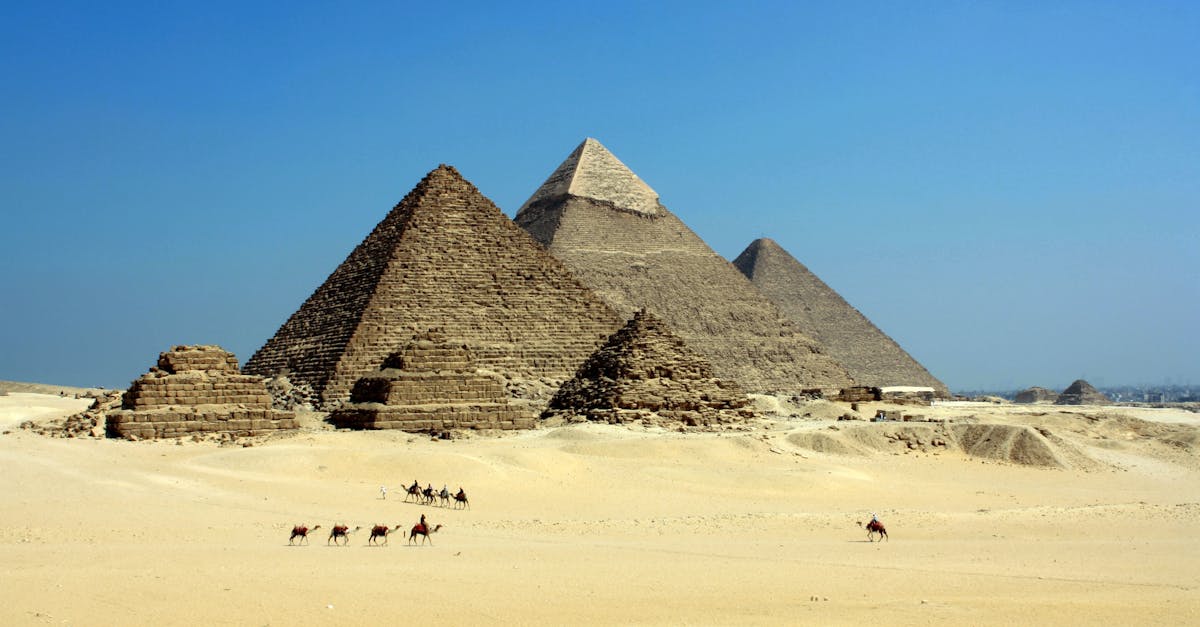
Egypt, famously revered as the "Gift of the Nile," stands as a testament to millennia of history and diverse civilizations. The country bridges Northeast Africa with the Middle East, offering a unique mix of cultures that have shaped its identity over centuries. Known worldwide for its incredible pyramids, Egypt's historical fame is rivaled by its contemporary role as one of the largest economies in the Middle East and North Africa. This modern dynamic is empowered by thriving sectors such as information technology, finance, tourism, and manufacturing, positioning Egypt as a promising frontier for professionals and expatriates seeking new opportunities[^2^].
Cultural richness
The cultural tapestry of Egypt is endlessly fascinating, interwoven with pharaonic history, Islamic traditions, and Coptic heritage. This multicultural backdrop fosters a vibrant society brimming with art, festivals, and culinary diversity. From the bustling streets of Cairo to the serene banks of the Nile, the spirit of Egypt is palpable. The country's cultural tourism is unparalleled, attracting millions who wish to experience its majestic temples and museums[^1^]. For those moving to Egypt, embracing this cultural richness means not only exploring historical sites but also participating in local customs and festivals, which are vital to fully integrate into the community.
Practical Considerations
Visa and Immigration
Prospective residents or tourists can choose between Single Entry ($27) and Multiple Entry ($62) visas. The application process involves submitting a fully completed and signed application form along with necessary documentation like a round-trip ticket, accommodation reservation, and a driver's license[^5^]. Applications can be submitted either in person or by mail, offering flexibility for international applicants[^5^].
- Visa Requirements: Information available here.
Cost of Living
Egypt offers various affordable housing options, from urban apartments to rural residences. Alongside these, government-subsidized housing and innovative programs like rent-to-own provide extensive choice for newcomers[^3^]. Daily expenses generally remain reasonable, making life in Egypt economically attractive for expatriates.
- Housing Options: Explore more here.
Employment Landscape
The job market in Egypt is dynamic and competitive, emphasizing structured recruitment processes that focus on qualifications, skills, and cultural integration[^2^]. With a diverse economy, there is ample scope for skilled professionals across various sectors, though competition is particularly stiff in urban centers like Cairo and Alexandria.
- Employment Insights: Detailed information here.
Healthcare System
The health care infrastructure in Egypt is supported by both public and private sectors. The recent legislative changes allow private management of public hospitals, aiming to improve efficiency and service quality[^4^]. Nevertheless, public hospitals are mandated to continue providing free care in case of emergencies and epidemics, under the universal health insurance scheme.
- Healthcare Innovations: Learn more here.
Cultural Adaptation
Adapting to life in Egypt involves understanding and respecting local customs and traditions, which can vary greatly from those in other parts of the world. Participating in community events and being open to the friendly Egyptian hospitality can greatly ease the transition and enrich your living experience.
Concluding Thoughts
Moving to Egypt promises a profound journey through history, culture, and opportunity. While the charm of ancient marvels beckons countless visitors, it is the modern energy and potential of Egypt that captivates long-term residents. Whether you're drawn by career prospects or the cultural landscape, Egypt offers a diverse array of experiences that are rewarding for those willing to embrace them.
By understanding the cultural and economic landscape detailed above, potential expatriates and visitors can plan a smoother transition and fully appreciate the unique allure of Egypt.
[^1^]: Cultural Tourism
[^2^]: Employment Guide
[^3^]: Affordable Housing Options
[^4^]: Private Health Investments
[^5^]: Visa Requirements
Visa & Immigration Requirements
Understanding Egyptian Visa Types
Navigating the visa requirements for Egypt is essential for anyone planning to visit or move to this historically rich nation. Understanding the available visa types ensures you select the correct one based on your travel purpose.
Types of Visas:
- Single Entry Visa ($27): Ideal for travelers planning a short visit to Egypt. This visa permits entry for tourism or business once.
- Multiple Entry Visa ($62): Suitable for those who anticipate leaving and re-entering Egypt multiple times during their stay.
Documents Required:
- A fully completed and signed visa application form.
- A valid passport with at least six months' remaining validity.
- A round-trip ticket confirming your travel itinerary.
- An accommodation reservation in Egypt.
- A driver’s license as further proof of identity.
Key Links:
- More on Visa Requirements
Visa Application Process
The process of applying for a visa to Egypt can be handled either in person or by mail. Below is a structured guide to help you through the application.
Steps to Apply:
- Choose your Visa Type:
- Decide between a Single Entry or Multiple Entry visa based on your travel needs.
- Prepare Documentation:
- Gather all required documents as outlined above.
- Complete the Application Form:
- Carefully fill out the visa application form with all necessary details.
- Submission:
- In Person: Visit the nearest Egyptian consulate or embassy. Submit your form and documents, pay the applicable fee, and attend an interview if required.
- By Mail: Send your completed form, documents, and payment to the designated consulate. Ensure secure and trackable mailing options.
- Processing Time:
- Allow for several weeks for visa processing, so apply well in advance of your intended travel date.
- Receiving Your Visa:
- Once approved, the visa will be stamped in your passport, or you will be notified regarding the pickup or delivery of your documents.
Pathways to Residency or Citizenship
While the initial process of obtaining a visa is straightforward, if you plan to stay in Egypt for an extended period or wish to pursue residency, there are additional pathways you can explore.
Steps Toward Residency:
- Long-term Visas and Permits:
- Consider applying for a temporary residence permit if you have employment in Egypt or investments in the country. This permit is renewable and can eventually lead to permanent residency.
- Permanent Residency:
- After satisfying certain criteria, including continuous residence and contribution to the economy, you may apply for permanent residency.
- Citizenship:
- Gaining Egyptian citizenship is more intricate, often requiring long-term residence. Specific pathways may include marriage to an Egyptian citizen or through exceptional contributions to the nation, subject to governmental approvals.
Practical Advice:
- Language Proficiency: Enhance your integration by learning Arabic, which aids in navigation, culture adaptation, and building local relationships.
- Legal Guidance: Consult with an immigration lawyer in Egypt to understand the most current policies and procedures and to assist with residency or citizenship applications.
In moving to Egypt, it is vital to carefully adhere to its visa and immigration rules. The structured approach outlined here aims to streamline your application process, ensuring a seamless transition to this culturally abundant and historically captivating country.
Cost of Living
In this chapter, we delve into the intricacies of the cost of living in Egypt, focusing on housing, daily expenses, and financial comparisons. Understanding these elements can aid you in better planning your relocation to this vibrant country.
Housing Costs
Egypt offers a broad spectrum of housing options suitable for various budgets and preferences. Here’s a detailed look at the available choices:
Urban Apartments
- Locations: Major cities like Cairo and Alexandria.
- Rent: Typically range from $200 to $500 per month for a one-bedroom apartment in the city center. Outside the center, costs can drop to around $100-$300.
- Utilities: Average around $30-$50 per month for electricity, heating, cooling, water, and garbage disposal.
Government-Subsidized Housing
- Programs designed to make housing affordable for all residents.
- Often available through various local real estate agencies or government announcements.
Rural Residences
- Cost: More affordable than urban settings, providing larger spaces for less cost.
- Suitable for those preferring a quieter lifestyle away from the bustling city life.
Co-Living Spaces
- Purpose: An economical choice for expats and young professionals.
- Offer communal living arrangements with shared amenities, promoting social interaction and reducing living costs.
Rent-to-Own Programs
- Offering a pathway to home ownership while residing in the property.
- Popular in suburban areas, allowing expats to settle without an immediate large financial outlay.
For a comprehensive understanding of the housing market in Egypt, visit this housing options guide for further insights.
Daily Expenses
Analyzing daily expenses is crucial for devising a realistic monthly budget. Here’s what you might typically encounter:
Food and Groceries
- Local Markets: An affordable option with fresh vegetables, fruits, and meats available at lower prices than supermarkets.
- Supermarkets: Average monthly grocery costs can range from $100 to $250, depending on your dietary preferences and household size.
Transportation
- Public Transport: Efficient and inexpensive, with monthly passes for buses and metros available around $12.
- Taxis and Ride-Sharing: Services like Uber and Careem are widely used, with average costs around $2-$5 for short city rides.
Dining Out
- Local Eateries: Meals at local restaurants can cost as little as $2-$5.
- International Restaurants: Mid-range three-course meals for two can run around $20-$40.
Entertainment
- Cinema tickets, local tours, and cultural site visits are among common leisure activities, typically costing between $5 and $20 per activity.
Financial Comparisons
When moving to Egypt, understanding the financial landscape is essential.
Currency Considerations
- Exchange Rate: The Egyptian Pound (EGP) is the local currency. It’s advisable to stay updated on exchange rates to optimize your financial planning.
- Online platforms or financial institutions can be utilized for currency conversion and international banking needs.
Cost vs. Income
- Professionals moving with international companies may find that salaries are adjusted according to Egypt’s lower cost of living, providing a comfortable lifestyle on a modest budget.
- Local job market salaries vary widely depending on the industry and position, ranging from $300 to $1500 per month.
Taxation
- Egypt offers competitive tax rates for expatriates, and understanding the local tax obligations is crucial for compliant financial management.
In conclusion, while Egypt offers a vibrant and diverse living experience, comprehending the cost of living will empower you to make informed decisions during your relocation process. Accessing reputable resources and ongoing updates about the economic conditions will ensure a smooth transition into life in Egypt.
Employment Opportunities
Understanding the Job Market
Egypt's job market, characterized by its diversity and range of opportunities, is a prominent factor attracting expatriates to the country. As one of the largest economies in the Middle East and North Africa, Egypt offers careers in several dynamic sectors such as Information Technology, Finance, Tourism, and Manufacturing[2]. However, competition is relatively high, especially in urban centers where both locals and expatriates vie for desirable positions.
To navigate the competitive job market, it is beneficial for job seekers to stay informed about the sectors experiencing growth and to align their skills and experience with the demands of these industries.
High-Demand Industries
While detailed specifics of high-demand industries in Egypt were not provided, aligning oneself with sectors traditionally robust within Egypt can increase your chances of employability. Known sectors with opportunities include:
- Information Technology (IT): Egypt has become a hub for IT professionals due to a strategic emphasis on technology-driven development.
- Finance and Banking: As Egypt focuses on economic growth, there's an ongoing demand for skilled professionals in finance.
- Tourism: Given Egypt's cultural and historical appeal, the tourism sector remains vital to the economy.
- Manufacturing: With various industrial areas and special economic zones, manufacturing holds significant potential for job seekers.
Researching current trends within these sectors and networking with professionals in these fields will provide a clearer picture of industry demands.
Work Regulations
When approaching the Egyptian job market as a foreigner, it's essential to understand the work regulations that govern employment. Here are key considerations:
- Work Permits: Expats are required to obtain a work permit. Employers often assist in this process. It involves providing educational qualifications, health certificates, and proof of employment.
- Labor Laws: Familiarize yourself with Egyptian labor laws, which stipulate working hours, leave policies, and employee rights.
- Cultural Fit: Egyptian companies often emphasize the cultural fit of prospective employees alongside their skills and qualifications[2]. Understanding regional social norms and business etiquette can enhance your job prospects.
Practical Advice for Job Seekers
- Networking: Establishing connections through professional networks such as LinkedIn or expatriate groups can be invaluable. Networking events and job fairs are excellent platforms for meeting potential employers.
- Language Skills: Gaining proficiency in Arabic, particularly Egypt's dialect, can significantly boost employment opportunities, although English is widely used in multinational corporations.
- Local Recruitment Agencies: Engaging with local recruitment agencies that specialize in sectors of interest can provide direct access to job openings.
Resources for Finding Jobs
- Visit Recruiters Lineup for a guide on hiring practices in Egypt, which can offer insights and tips on navigating the employment landscape.
- Leverage online job portals such as Bayt and Wuzzuf for listings and updates on vacancies and industry trends.
Conclusion
Relocating to Egypt with the intent of seeking employment requires a proactive approach, as successfully navigating the job market involves understanding the demand in specific sectors, becoming familiar with work regulations, and engaging with potential employers through strategic networking and resourceful searching. By arming oneself with relevant skills and cultural understanding, expatriates can position themselves competitively in Egypt's vibrant economy.
Housing & Accommodation
Relocating to Egypt offers an exciting opportunity to immerse yourself in a culturally rich environment. Finding and securing housing in Egypt requires understanding local real estate practices, the types of accommodations available, and standard lease terms. This chapter will guide you through the process with practical advice and actionable information.
Finding Housing
Online Portals and Real Estate Agencies
There are several ways to search for accommodation in Egypt. Utilizing online portals and engaging with real estate agencies are among the most efficient approaches:
- Online Portals: Websites such as El Bayt and similar platforms offer listings of various properties, from urban apartments to rural villas.
- Real Estate Agencies: Collaborating with local agents can provide insights into current market trends and help you find properties that match your criteria.
- Local Listings: Newspapers and local community boards often have listings, which can sometimes reveal hidden gems not advertised online.
Urban vs. Rural Options
- Urban Areas: Cities like Cairo and Alexandria are popular for their vibrant culture and job opportunities, offering apartments in various price ranges.
- Rural Areas: For a quieter and potentially more affordable setting, rural areas offer townhouses and villas with more space and privacy.
Securing Housing
Viewing Properties
- Due Diligence: Always inspect properties in person before making a commitment. Check for structural integrity, water pressure, and plumbing conditions.
- Neighborhood Assessment: Evaluate the neighborhood for safety, nearby facilities, and accessibility to public transportation.
Negotiating Terms
- Bargaining: Negotiation is common. Be prepared to discuss terms such as rent and inclusion of utilities.
- Agent Fees: If using an agency, confirm any service fees upfront to avoid surprises.
Typical Lease Terms
Duration and Renewal
- Lease Length: Lease terms typically range from one to three years, with annual renewals being common.
- Notice Period: A standard notice period is generally one to two months for both parties.
Rent and Deposit
- Rent Payment: Rent is usually paid monthly or quarterly. Inquire about the preferred method of payment—cash, bank transfer, or post-dated checks.
- Security Deposit: Expect to pay one to two months' rent as a security deposit, refundable upon lease termination provided the property is in good condition.
Additional Costs and Obligations
- Utilities: Clarify whether utilities such as electricity, water, and gas are included in the rent or paid separately.
- Maintenance: Understand who is responsible for property maintenance—tenant or landlord.
Legal Considerations
Tenant Rights
- Ensure the lease agreement is detailed and clear, outlining both party's rights and duties.
- Obtain a written contract to safeguard your rights.
Residency Registration
- New residents may need to register their residency with local authorities, depending on the length of stay and visa type. Make sure to complete any necessary paperwork soon after securing accommodation.
Useful Resources
- Cultural Tourism Resource: For a deeper understanding of Egypt’s appeal: Cultural Tourism
- Visa Information: Ensure your stay aligns with visa regulations: Visa Requirements
In conclusion, finding and securing housing in Egypt involves research, negotiation, and understanding of local practices. Whether opting for a bustling urban environment or a serene rural setting, knowing what to expect can ease the transition and help you settle into your new home with confidence.
Healthcare System
The healthcare system in Egypt is a critical consideration for expatriates and residents, comprising both public and private options, diverse insurance schemes, and varying healthcare facility qualities. Understanding the intricacies of this mixed system is essential for accessing appropriate medical care.
Public vs. Private Care
Public Healthcare
- Overview: Egypt's public healthcare is government-funded and generally provides basic medical services at public hospitals and clinics. Services are often free or heavily subsidized for Egyptian citizens under the government-issued universal health insurance.
- Quality and Accessibility: Public facilities may suffer from overcrowding, limited resources, and outdated equipment, impacting service quality and accessibility.
- Reforms and Investments: Recent laws facilitate private investments in public hospitals, aiming to improve service quality and facility conditions. However, concerns persist regarding the potential prioritization of profit over public healthcare needs. Further details can be found in this private health investments overview.
Private Healthcare
- Overview: Private healthcare in Egypt includes a range of hospitals and clinics offering higher quality services, often considered superior to public options in terms of modern facilities and shorter waiting times.
- Cost: Services are generally more expensive, accessible to those with private health insurance or the financial means to pay out-of-pocket. Expats and wealthier Egyptians frequently prefer private healthcare due to its higher quality and reliability.
Insurance Options
Public Health Insurance
- Universal Health Coverage: All Egyptians have access to the national health insurance program, covering a wide array of medical services in public institutions.
- Limitations: While comprehensive in scope, the coverage may not always include more advanced treatments, leading patients to seek additional private insurance or pay out of pocket.
Private Health Insurance
- Availability: Numerous private insurance companies offer plans tailored to diverse needs, including international insurers catering to expatriates.
- Benefits: Private insurance offers broader coverage options, including more extensive services, private facility access, and international care for expatriates.
- Considerations: When selecting a plan, assess coverage options, network hospitals, premium costs, and claim processes. For expatriates, it might be practical to choose international health insurance covering both Egypt and their home country.
Quality of Facilities
Public Facilities
- Current State: Public hospitals and clinics are often overwhelmed with patients and may have insufficient funding. Though the government aims to improve them, challenges remain regarding equipment and staffing levels.
- Recent Initiatives: Government initiatives focus on optimizing public healthcare services, refurbishing facilities, and expanding healthcare access. Find more details about these initiatives here.
Private Facilities
- Service Quality: Private healthcare facilities in Egypt are generally well-equipped, offering specialized services in modern environments. They are staffed with qualified practitioners, providing individualized care.
- Choosing a Facility: Important to research and choose a facility that meets personal healthcare needs, considering factors such as location, specialty services, and reputation.
Practical Advice
Healthcare Checklist for Expats:
Initial Steps: Secure comprehensive health insurance before relocation, ensuring coverage for a wide array of medical needs.
Emergency Contacts: Familiarize yourself with the local emergency numbers and the nearest hospitals or clinics.
Regular Check-ups: Schedule regular check-ups to maintain health and preempt potential medical issues, leveraging modern private facilities if needed.
Connection with Local Resources: Engage with expat communities or local network groups for recommendations on reliable healthcare providers.
Budget Considerations:
Be prepared to allocate a portion of your budget to healthcare for unforeseen illnesses or injuries, particularly if opting for private services.
Evaluate financial implications of insurance policies, factoring monthly premiums against potential out-of-pocket expenses for treatments and medications.
Understanding Egypt's healthcare system equips you to navigate it effectively, safeguarding your health and ensuring access to necessary medical care during your stay in the country.
Taxes & Financial Considerations
When relocating to Egypt, understanding local tax structures, banking systems, and potential foreign tax obligations is essential. This chapter provides insights into these crucial financial aspects to help you transition smoothly into your new environment.
Local Tax Structures
Income Tax
Egypt operates on a progressive income tax system applied to both residents and non-residents on income earned within the country. As of the latest updates, the tax brackets range from 0% to 25%:
- Up to EGP 8,000: 0%
- EGP 8,001 to EGP 30,000: 10%
- EGP 30,001 to EGP 45,000: 15%
- EGP 45,001 to EGP 200,000: 20%
- Above EGP 200,000: 25%
For residents, worldwide income is subject to tax, whereas non-residents are taxed only on Egyptian-sourced income. Residency is typically defined by being present in Egypt for at least 183 days in a calendar year. For more specific details, see the Egyptian Ministry of Finance.
Corporate Tax
Corporate income tax is imposed at a flat rate of 22.5%. Special rates or exemptions may apply to enterprises established in certain free zones or those engaged in specific industries, such as agriculture or solar energy. Companies should consult local tax advisors for compliance.
Other Taxes
- Value Added Tax (VAT): A standard VAT rate of 14% is applied to most goods and services, with exceptions and reduced rates available for specific items.
- Stamp Duty: Applied on certain financial transactions, including bank transactions and stock market trades.
Exploring local tax obligations in-depth before settling can spare you from unexpected liabilities. Consider engaging a professional tax advisor specializing in Egyptian tax law for personalized guidance.
Banking
Opening a Bank Account
The Egyptian banking sector comprises both local and international banks, offering diverse services to expatriates. Opening a personal account typically requires:
- Passport
- Marriage certificate (if applicable)
- Proof of residency (e.g., utility bill)
- Initial deposit (amount varies by bank)
Banks such as the National Bank of Egypt, Commercial International Bank, and HSBC are popular among expatriates. For comprehensive information on banking services, see Egypt Banks Directory.
Online Banking Services
Most major banks in Egypt provide online and mobile banking services, which offer convenience for managing accounts, transferring funds, and paying bills. Ensure that your chosen bank has a robust digital platform that meets your needs.
Foreign Tax Obligations
Double Taxation Agreements
Egypt has treaties with many countries to avoid double taxation, which allows expatriates to reduce tax liabilities in their home countries. For U.S. citizens, it is essential to comply with the U.S. tax obligations, including filing an annual tax return regardless of residency status.
Key Considerations
- Tax Residency: Determine your tax residency status and its implications on worldwide income taxation.
- FATCA Compliance: For U.S. citizens, Egypt complies with the Foreign Account Tax Compliance Act (FATCA), which mandates reporting of financial accounts held abroad.
- Consultation: Engaging a cross-border tax professional can help navigate complexities and potential double taxation issues.
By proactively addressing these financial considerations, expatriates can ensure compliance with local and foreign tax laws while optimizing their financial strategies during their stay in Egypt. Always verify up-to-date tax regulations through official resources or qualified professionals.
Moving Logistics
Relocating to a new country involves a myriad of logistical considerations, from packing your belongings to ensuring your pet can accompany you. This chapter provides a detailed exploration of these logistics when moving to Egypt, offering practical advice and real-world considerations.
Packing and Shipping Tips
Successfully moving your belongings to Egypt requires careful planning and organization. Here are some actionable steps to ensure a smooth transition:
- Create an Inventory: Make a detailed inventory of all items you plan to move. This will help with both packing and any insurance claims should items be lost or damaged.
- Employ Professional Movers: Hiring international moving companies can simplify the process significantly. Ensure they have experience in shipping to Egypt and can handle customs regulations.
- Label Everything: Clearly label all boxes with your name, Egyptian address, and detailed descriptions of the contents. Include any specific handling instructions.
- Pack Strategically: Pack heavy items in small boxes to avoid overloading. Use padding materials like bubble wrap for fragile items.
- Consider Shipping Options: Decide between air freight (faster but more expensive) and sea freight (cheaper but slower) based on your timeline and budget.
- Customs Declaration: Prepare to declare your goods with Egyptian customs. Familiarize yourself with the customs regulations to avoid any complications or duties on certain goods.
Useful Links:
Necessary Documentation
When moving to Egypt, ensuring you have the right documentation is crucial. Here's a list of essential documents you'll need:
- Visa: Determine your visa type – single entry ($27) or multiple entry ($62) – and collect necessary documents like round-trip tickets and accommodation reservations Visa Requirements.
- Customs Documentation: Prepare to declare your goods to Egyptian customs. This requires a detailed list of items being shipped and proof of ownership.
- Work Permits: If you plan to work in Egypt, ensure you obtain the necessary work permits, which typically involve sponsorship by an Egyptian company.
- Residency Permits: Check the pathways for applying for residency if you plan to stay long-term.
- Translation Requirements: Important documents should be translated into Arabic by certified translators to comply with local legal requirements.
Useful Links:
Pet Relocation Info
Relocating with pets to Egypt involves additional steps to ensure a smooth transition. Here’s what you need to know:
- Health and Vaccination Certificate: Your pets must have a veterinary health certificate issued within ten days of entering Egypt. This should certify vaccinations, including rabies, and overall health status.
- Microchip Identification: Pets should be microchipped for identification purposes.
- Import Permit: Depending on the airline and country of origin, you may need to arrange an import permit from Egyptian authorities.
- Quarantine Regulations: Check on required quarantine periods upon arrival in Egypt, which can vary.
- Comfort During Travel: Ensure your pet's travel crate is comfortable and meets airline specifications. Include favorite toys or blankets to help your pet feel secure.
Useful Links:
By addressing these logistical elements, you'll be well-prepared to move your life to Egypt, minimizing stress and ensuring a smoother transition for both you and your belongings.
Language & Communication
Assessing Language Barriers
In Egypt, the primary language is Arabic, specifically the Egyptian Arabic dialect, which is used in daily interactions and dominates most cultural contexts. While Modern Standard Arabic is taught in schools and used in formal settings like media and literature, Egyptian Arabic is what you will most often hear and need to understand for day-to-day activities.
English Proficiency: English is widely understood in urban areas, particularly in business settings and among younger generations and the educated workforce. However, outside of major cities like Cairo and Alexandria, English speakers may be less common.
Other Languages: French can also be encountered in certain professional circles and among older generations, a remnant of Egypt's colonial history.
Actionable Tips:
- In urban areas, you might manage with English, but learning some basic Egyptian Arabic phrases will significantly enhance your ability to communicate effectively and forge relationships.
- Consider hiring a local translator for more complex communications if you lack proficiency.
Learning Resources
To overcome language barriers effectively and integrate smoothly into Egyptian society, utilizing available learning resources is crucial.
Language Courses:
Online Courses: Platforms like Duolingo and Rosetta Stone offer accessible Egyptian Arabic courses that can help you start with the basics.
Local Language Schools: Institutions like the International Language Institute in Cairo provide classroom-based instruction tailored to expatriates.
Cultural Immersion:
Participate in local events and engage in conversations with native speakers to apply and enhance your learning.
Consider language exchange meet-ups through platforms like Meetup to practice speaking with native speakers.
Learning Apps: Apps such as Memrise and Babbel offer mobile solutions for learning Egyptian Arabic, with features that emphasize vocabulary acquisition and everyday phrase comprehension.
Local Etiquette
Understanding local communication nuances is essential to show respect and avoid misunderstandings.
Greetings and Social Interactions:
Greetings: Handshakes are common, though you might encounter variations. For example, among close friends, light cheek kisses may be exchanged between people of the same gender.
Use of Titles: Egyptians may use titles like "Mr.", "Mrs.", or "Dr." followed by the first name in professional settings. Respecting titles shows politeness.
Non-verbal Communication:
Egyptians may use expressive body language. For example, maintaining eye contact is important for conveying sincerity, although avoid staring, especially with the opposite gender.
A thumbs-up is a positive gesture indicating approval, similar to western cultures. However, showing the soles of one's feet or shoes is considered disrespectful.
Cultural Sensitivity: Respect social norms related to clothing and behavior, especially in conservative areas. Women are generally advised to dress modestly, and there are etiquette norms around alcohol and public displays of affection.
Actionable Tips:
- Familiarize yourself with a few key phrases in Egyptian Arabic as a sign of respect.
- Observe local customs before initiating interactions, as cultural norms can vary in different settings.
- Attend cultural workshops or expatriate briefings often provided by international organizations to deepen understanding.
Relevant Links
Learning the language and mastering local etiquette is a rewarding endeavor that enhances your relocation experience in Egypt. Embrace the richness of the language and culture to truly integrate into your new community.
Cultural Adaptation
Understanding Social Customs
To successfully adapt to life in Egypt, it’s crucial to understand the core social customs that shape everyday interactions. This cultural awareness will not only ease your integration into the community but also enrich your experience in this historically significant nation.
Hospitality: Egyptians are known for their hospitality. When you visit someone's home, it is customary to bring a small gift, such as sweets or flowers. It's polite to offer compliments on the residence or meal provided.
Dress Code: While Egypt is relatively modern, it is also culturally conservative. Dressing modestly, especially in rural or less tourist-oriented areas, is advised. Women typically wear clothing that covers their arms and legs.
Communication Style: Egyptians value face-to-face interactions and direct communication. They often use gesticulations to express emotions. Be mindful of your body language and maintain eye contact, as it signifies trust.
Religion and Holidays: Islam is the predominant religion. Be respectful of religious practices, including prayer times and fasting periods like Ramadan. Major public holidays include Eid al-Fitr and Eid al-Adha.
Social Hierarchy: Respect for elders and authority figures is deeply ingrained in Egyptian society. Showing deference in social settings and professional environments will facilitate smoother interactions.
For more insights, explore this guide on Cultural Tourism.
Community Integration
Integrating into the local community involves more than just understanding customs. It requires active participation and engagement with your surroundings.
Language Learning: Arabic is the official language of Egypt. Although many Egyptians in urban areas speak English, learning basic Arabic phrases can significantly enhance your community interactions and show respect for the local culture.
Participate in Local Activities: Engage in local festivals, markets, and social events to deepen your connection with the community. These are excellent avenues for meeting locals and establishing friendships.
Join Expatriate Groups: Expat networks, such as InterNations or Facebook groups, provide valuable support systems. These communities can offer advice, share experiences, and organize events, making it easier to adjust to life in Egypt.
Volunteer Work: Volunteering is a meaningful way to give back and understand the local culture. Consider opportunities in schools, NGOs, or community centers.
Build Relationships: Take the time to establish genuine relationships with neighbors and colleagues. Egyptians are generally open and welcoming, making it easier to foster friendships.
Join local events and meet other expatriates on platforms like InterNations.
Managing Culture Shock
Culture shock is a common experience when moving to a different country. Being prepared can help you navigate it with ease and turn a potentially overwhelming experience into a positive one.
Understand the Phases: Culture shock typically occurs in four stages: honeymoon, frustration, adjustment, and acceptance. Recognizing these phases can help you adapt more swiftly.
Embrace Flexibility: Approach new experiences with an open mind and a flexible attitude. Viewing differences as opportunities to learn rather than obstacles can significantly reduce stress.
Stay Informed: Educate yourself about Egyptian culture, history, and current affairs. This knowledge will not only mitigate culture shock but also facilitate meaningful conversations with locals.
Seek Support: Reach out to other expatriates or local friends who can share strategies for managing cultural challenges. Professional counseling services are also available if needed.
Maintain Personal Routines: Incorporating familiar activities in your routine—such as exercising or cooking your favorite meals—can provide stability and comfort in a new environment.
Address your culture shock by sharing experiences on online forums such as ExpatForum.
Embarking on a journey to Egypt presents both an exciting adventure and a path towards personal growth. By understanding social customs, integrating into the community, and effectively managing culture shock, you can transform your relocation into a fulfilling experience, fostering a deeper appreciation for Egypt’s rich cultural tapestry.
Essential Resources
In this chapter, we provide crucial information for expatriates moving to Egypt, focusing on emergency contacts, reliable sources of information, and a directory of local services. This guide is designed to ensure you have access to essential tools and services, facilitating a smoother transition and integration into Egyptian society.
Emergency Contacts
Having immediate access to emergency contacts is vital when relocating to a new country. In Egypt, the following numbers are essential:
- Police and General Emergencies: 122
- Ambulance Services: 123
- Fire Department: 180
- Traffic Accidents: 01221110000
- Tourist Police: 126
It is advisable to save these numbers in your mobile phone and, if possible, acquire a local SIM card to ensure reliable connectivity for making calls.
Reputable Websites
Navigating a new country can be overwhelming, but utilizing reputable websites can make the transition smoother. These platforms offer reliable information and services critical for expatriates:
Cultural Tourism: For insights into Egypt's cultural heritage and tourism options, explore the Cultural Tourism in Egypt page.
Government Services: Visit the Egyptian Government Services Portal for official information and services provided by the state.
Expat Community Resources: The Expat.com Egypt Forum is a valuable resource for connecting with other expatriates and obtaining advice and support.
Job Opportunities: Wuzzuf is a leading job site for finding employment opportunities across various sectors in Egypt.
Local Services Directory
Understanding the availability of local services is crucial for settling in Egypt. Below is a brief directory of essential services to assist you:
Healthcare
Egypt has a dual healthcare system comprising public and private services. Quality and costs vary, so it is essential to explore both options before settling on your preferred provider.
Public Hospitals: Offer free services under the universal health insurance scheme in emergencies and are suitable for those who seek basic care.
Private Hospitals: Typically provide higher-quality services at a cost. It is advisable to purchase private insurance if opting for private healthcare.
Education
For expatriates with families, education is a top priority. Egypt offers various schooling options:
International Schools: Cairo and Alexandria host numerous international schools teaching in English, French, or German. An example is the Cairo American College.
Local Schools: Offer education in Arabic and are open to expatriate children. It is essential to inquire about the curriculum and language support available.
Housing Services
Finding suitable accommodation is paramount. Utilize these resources to help find a home:
Real Estate Agencies: Agencies like Aqar Map provide an extensive listing of available properties for rent or purchase.
Online Housing Portals: Sites such as El Bayt offer diverse and affordable housing options across Egypt.
Banking and Financial Services
Setting up a bank account is a critical step for managing finances:
Local Banks: Banks like National Bank of Egypt offer a wide range of personal banking services, including account setups for foreigners.
International Banks: Most international banks, such as HSBC and Citibank, have branches in Egypt, offering services catered to expatriates.
Transportation
Efficient transportation is vital for daily commuting and travel:
Public Transport: Includes buses, the Cairo Metro, and trains, which are cost-effective options for getting around.
Private Transport: Ride-hailing services like Uber and Careem offer convenient transportation alternatives.
By leveraging these essential resources and directories, your relocation to Egypt will be more organized and less daunting. These tools will help you navigate the practical aspects of living in Egypt, ensuring a fulfilling and secure expatriate experience.