Which Countries Offer the Best New Digital Nomad Visas in 2026?

Not sure where to start? Our free Relocation Wizard matches you to your ideal country in minutes.
Key Takeaways
- The best digital nomad visas 2026 emphasize longer stays, lower income thresholds, family inclusivity, and tax incentives.
- Portugal, Mexico, and Caribbean nations remain top budget-friendly spots, thanks to visa expansions and favorable currency shifts.
- New programs in Thailand and Italy target high-skilled workers with streamlined applications and regional incentives.
- Investor-focused visas in Greece, United Arab Emirates, and Cyprus offer pathways for long-term residency with competitive thresholds.
- Healthcare quality and safety heavily influence family and retiree relocation choices, strengthening appeal for Canada, Singapore, and Costa Rica.
Why the Best Digital Nomad Visas 2026 Are Redefining Remote Work Travel
As remote work cements itself as a global norm, countries are rapidly adapting their immigration policies to welcome location-independent professionals. The best digital nomad visas 2026 reflect a shift from short tourist-style stays toward flexible, long-term residency options that accommodate family members and even offer attractive tax benefits.
According to evolving trends extending into 2027, digital nomad visas are no longer one-size-fits-all. Applicants increasingly seek stability, affordability, and fit-for-profession visa categories. Prospective nomads weigh application ease alongside stay durations, income requirements, and available perks such as healthcare access and tax exemptions.
This guide provides a comprehensive rundown of the newest and updated visa programs around the globe, highlighting where to find the most accessible and rewarding digital nomad opportunities tailored to diverse lifestyles.
What Makes a Digital Nomad Visa the “Best” in 2026?
To identify the best digital nomad visas in 2026, we considered several factors beyond just cost:
- Duration of stay (ideally one year or more, with easy extensions or permanent residency pathways)
- Minimum income thresholds (affordable relative to local cost of living)
- Application process complexity and cost
- Eligibility criteria focused on professions or income sources
- Additional perks like tax incentives, family inclusion policies, and access to healthcare
- Geopolitical stability, quality of life, and safety
- Currency dynamics and cost-of-living trends
These comprehensive aspects differentiate the top contenders discussed below.
Portugal: Enhanced Accessibility with the D7 Visa & NHR Tax Benefits

Portugal remains a perennial favorite for digital nomads and retirees alike, thanks to its recent 2026 updates to the D7 passive income visa.
- Income Threshold: Lowered to ~€10,000 annual minimum (previously higher), broadening eligibility beyond high-net-worth individuals.
- Stay Duration: Initially 1 year, renewable up to 5 years, then eligibility for permanent residency and citizenship.
- Application Ease: Streamlined process with digital submissions and faster approval times.
- Tax Incentives: The Non-Habitual Residency (NHR) scheme offers up to 10 years of tax exemptions on qualifying foreign income, highly attractive for freelancers, entrepreneurs, and pensioners.
- Family Inclusion: Dependents and spouses can be included, facilitating family moves.
Portugal's blend of affordable living, quality healthcare, and warm climate positions it as a top prospect for the best digital nomad visas 2026.
Quick Tip: Consider using Portugal’s NHR tax residency to optimize income tax on foreign earnings—for up to a decade!
Mexico: Rising Star with New Remote Worker Visa & Favorable Currency

Mexico is gaining ground rapidly in the digital nomad space due to multiple visa upgrades and economic shifts:
- Temporary Resident Visa: Allows stays up to 4 years with minimum income proof (~$1,750 monthly) or $29,000 in bank deposits.
- New MX Remote Worker Visa (2026): One-year duration designed specifically for digital nomads working for foreign companies.
- Cost Advantages: The Mexican peso depreciation (~18 MXN = 1 USD mid-2026) benefits U.S. and Canadian remote workers paid in USD or CAD.
- Healthcare: High-quality private healthcare options with significantly lower costs than the U.S.
- Family-Friendly: Dependents easily included on visas.
Mexico combines affordability, long-term visa options, and lifestyle perks that remote workers crave.
Thailand: Smart Visa Extension Caters to Skilled Digital Nomads
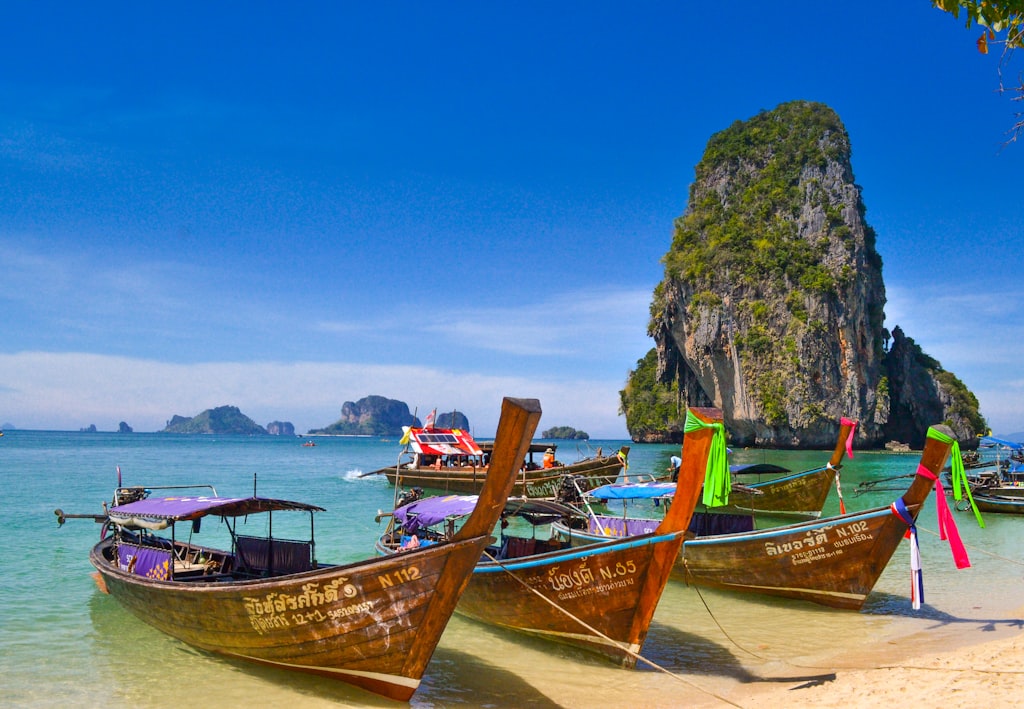
Thailand’s 2026 rollout of an enhanced “Smart Visa Extension” offers targeted benefits for digital nomads, especially in tech and creative fields:
- Visa Category: New digital nomad sub-category under Smart Visa.
- Stay Length: Starts at 1 year, extendable up to 4 years.
- Income Requirements: Designed for high-skilled professionals; fees around 15,000 THB (~$450).
- Application: Simplified, priority processing; no need for local sponsorship.
- Lifestyle: Tropical climate, vibrant expat communities, and strong internet infrastructure.
Thailand’s improved visa program is a compelling option for nomads wanting longer stays in Southeast Asia.
Italy: Revamped Digital Nomad Pilot with Regional Tax Credits

Italy revamped its digital nomad pilot program to encourage remote workers to settle in less populated southern regions:
- Stay Duration: Up to 2 years.
- Income Threshold: Approximately €5,000 monthly.
- Incentives: Tax credits for digital nomads relocating to Puglia, Calabria, and other depopulated areas.
- Application: Bureaucracy improved with local government digital portals.
Italy targets skilled professionals who wish to combine historic culture with European access.
Greece: Affordable Investor Routes with Reduced Investment Minimums

Investors eyeing residency-by-investment are attracted to Greece’s 2026 reforms:
- Investment Threshold: Reduced to €150,000 from €250,000 (real estate).
- Residency Benefits: Renewable 5-year residency permits with pathway to citizenship.
- Cost of Living: Moderate, with Mediterranean lifestyle appeal.
- Family Inclusion: Spouses and children can also obtain residency.
Greece blends a relatively low entry cost with a sun-soaked, relaxed lifestyle.
United Arab Emirates: Golden Visa Expansion Includes Remote Workers

The UAE continues to refine its Golden Visa:
- Residency Duration: 5 or 10 years, renewable.
- Investment Requirements: Property investment over AED 2 million (
$545,000) or business capital exceeding AED 500,000 ($136,000). - Digital Nomad Eligibility: Recently expanded to include qualified remote workers.
- Benefits: Tax-free income, world-class infrastructure, strategic global location.
The UAE caters to remote workers with entrepreneurial ambitions and investors seeking long-term stability.
Quick Tip: If considering the UAE, check updated eligibility on the Golden Visa and verify your sector qualifies under tech or business innovation categories.
Caribbean Nations: Tropical Appeal & Streamlined Remote Work Permits
Countries like Barbados, Antigua and Barbuda, and the Dominican Republic continue to attract digital nomads for their tropical climates and tax advantages:
- Permit Duration: Generally 12 months, renewable.
- Fees: Range from $1,500 - $2,000 annually.
- Taxation: No capital gains or wealth taxes.
- Lifestyle: Beachfront living, improving internet infrastructure.
- Healthcare: Varies, but affordable private options available.
These destinations balance leisure, cost, and governmental openness toward remote workers.
Costa Rica: Upgraded Rentista Visa & Universal Healthcare Access

Cost Rica has enhanced its Rentista (self-employed) visa for digital nomads:
- Income Proof: Monthly income minimum raised slightly to $2,500.
- Healthcare: Access to Caja Costarricense de Seguro Social (CCSS), providing affordable public health coverage.
- Residency Term: 2 years with renewals.
- Environment: Popular for sustainability and quality of life.
Costa Rica is particularly attractive for eco-conscious remote workers and retirees.
Other Noteworthy Destinations for Digital Nomads in 2026
Canada

Canada’s Provincial Nominee Programs (PNPs) continue to attract tech talent with friendly visa pathways tailored to graduates and professionals. While living costs are moderate-high, excellent healthcare and family-friendliness stand out.
Estonia
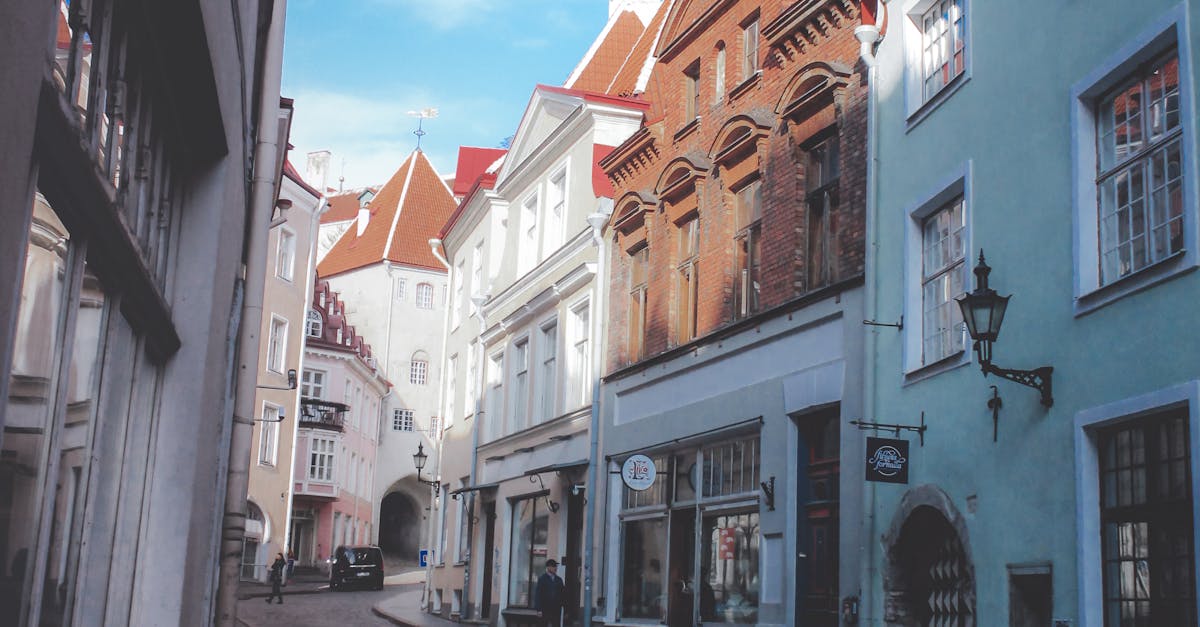
Estonia remains a digital nomad model with its e-Residency and remote work visa permitting stays for 12 months at an annual fee of about €100. It offers EU market access and straightforward online processes.
Bulgaria
For those prioritizing affordability, Bulgaria offers low monthly living costs (€500 - €700) and a flat 10% income tax. The EU Blue Card facilitates smooth immigration for EU and non-EU nationals alike.
Singapore and Malaysia

Singapore remains attractive for high-net-worth individuals due to premier healthcare and education but comes with high cost of living and investment thresholds. Meanwhile, Malaysia’s refreshed MM2H program offers 10-year visas with easier asset requirements and lower-cost healthcare, appealing especially to retirees.
Comparing Key Digital Nomad Visa Features in 2026
| Country | Minimum Income (approx.) | Stay Duration | Family Inclusion | Notable Benefits | Application Cost |
|---|---|---|---|---|---|
| Portugal | €10,000/year | 1-5 years, renewable | Yes | NHR tax exemptions (up to 10 yrs) | Low |
| Mexico | $1,750/month | Up to 4 years | Yes | Favorable currency, low cost | Moderate |
| Thailand | Skilled, ~15,000 THB fee | 1-4 years | Yes | Streamlined process | $450 |
| Italy | €5,000/month | Up to 2 years | Yes | Regional tax credits | Low |
| Greece | €150,000 investment | 5 years renewable | Yes | Low investment golden visa | High |
| UAE | AED investment thresholds | 5-10 years | Yes | Tax-free income | Moderate-High |
| Costa Rica | $2,500/month | 2 years | Yes | Universal healthcare access | Low |
| Barbados/Caribbean | Varied | 1 year, renewable | Yes | Tax incentives, tropical lifestyle | $1,500-$2,000 |
Global Trends Shaping Digital Nomad Visa Decisions in 2026
- Inflation & Currency Effects: High inflation in Western Europe pushes some expatriates toward more affordable Eastern European or Southeast Asian hubs. Currency fluctuations, such as Turkey’s lira volatility, impact cost advantages.
- Healthcare & Safety: Essential for families and retirees; countries with strong public healthcare like Spain, Portugal, and Singapore attract priority consideration.
- Tax Landscape: Incentives like Ireland’s “Remotely Employed Workers Relief” and Portugal’s NHR increase competitiveness, while European Digital Services Taxes prompt remote workers to consider DST-free jurisdictions.
- Immigration Policy Changes: Brexit’s impact dims the UK's appeal for mid-tier nomads; meanwhile, New Zealand reopens with a remote worker visa that requires solid income proof.
Quick Tip: Use updated visa and tax info from official government sites before applying—policies in 2026 remain dynamic.
Frequently Asked Questions
What are the easiest countries to get digital nomad visas in 2026?
Countries like Portugal, Mexico, and Caribbean nations generally have the least stringent income requirements and straightforward applications, making them accessible for a wide range of professions and income levels.
How long do digital nomad visas typically last in 2026?
Most top visa programs offer initial durations of 1 to 2 years, with easy extensions or pathways to permanent residency, especially in Portugal, Thailand, and Mexico.
Can I bring my family on a digital nomad visa?
Many countries now allow dependents and spouses as part of the digital nomad visa, including Portugal, Mexico, and United Arab Emirates. Confirm family inclusion criteria for each visa.
Are tax benefits common with digital nomad visas?
Yes. Countries like Portugal with the NHR scheme, Italy with regional tax credits, and Ireland with remoteness employment relief specifically offer tax advantages aiming to attract remote workers.
Final Thoughts
As the remote work revolution continues to reshape global migration, the best digital nomad visas 2026 provide an unprecedented variety of options tailored to lifestyles, professions, and long-term residency goals.
From the budget-friendly and family-inclusive visa upgrades in Mexico and Portugal to high-skilled, incentive-rich schemes in Thailand and Italy, this landscape empowers digital nomads to find their ideal balance of cost, comfort, and legal security.
Ready to find your perfect destination? Start your journey with our free Relocation Wizard to match your preferences with the best countries, then use our cost-of-living calculator to plan your budget accurately. The world of 2026 remote work opportunities is wide open—make it yours!