Top Emerging Secondary Cities for Remote Workers in 2026
Not sure where to start? Our free Relocation Wizard matches you to your ideal country in minutes.
Key Takeaways
- Emerging secondary cities for remote workers in 2026 offer a blend of affordability, quality of life, strong connectivity, and remote work visa options.
- Europe’s emerging hubs like Porto and Valencia combine relaxed living with attractive digital nomad visas amid improved processing and integration services.
- In the Americas, cities such as Medellín, Mexico City, and Florianópolis provide excellent cost-to-lifestyle ratios alongside investor- and remote-worker-friendly residency schemes.
- Asian secondary cities, including Penang and Da Nang, feature revamped visa programs, good infrastructure, and growing expat communities despite stricter financial prerequisites.
- Understanding the evolving tax regimes, healthcare quality, and local community support is key to choosing the right secondary city for your 2026 relocation.
Why Emerging Secondary Cities for Remote Workers Are the 2026 Trend
As remote work continues reshaping global mobility, many professionals are moving away from pricey capital cities toward emerging secondary cities that offer affordable living without compromising on lifestyle or infrastructure. These up-and-coming urban centers strike a balance by providing connectivity, wellness amenities, and growing local remote work communities. In 2026, international relocation decisions heavily factor in revamped visa options, inflationary costs, evolving tax incentives, and quality healthcare systems—all aligning with trends that favor secondary cities over congested capitals.
Many countries are adapting their policies to attract mobile talent and digital nomads, fueling growth in lesser-known urban areas. This article explores key emerging secondary cities across Europe, the Americas, and Asia, highlighting their cost of living, visa programs, infrastructure, and expat support, giving you a fresh perspective for your relocation plans.
Quick Tip: Before committing, use our cost-of-living calculator to compare expenses in your current city versus your target destination.
Europe’s Hotspots: Secondary Cities with Style and Substance
Europe remains a benchmark for remote workers valuing rich culture, safety, and good healthcare. However, soaring rents in capitals push many to secondary cities that retain charm and connectivity, backed by favourable visa schemes.
Portugal: Porto and Faro Rise in Popularity
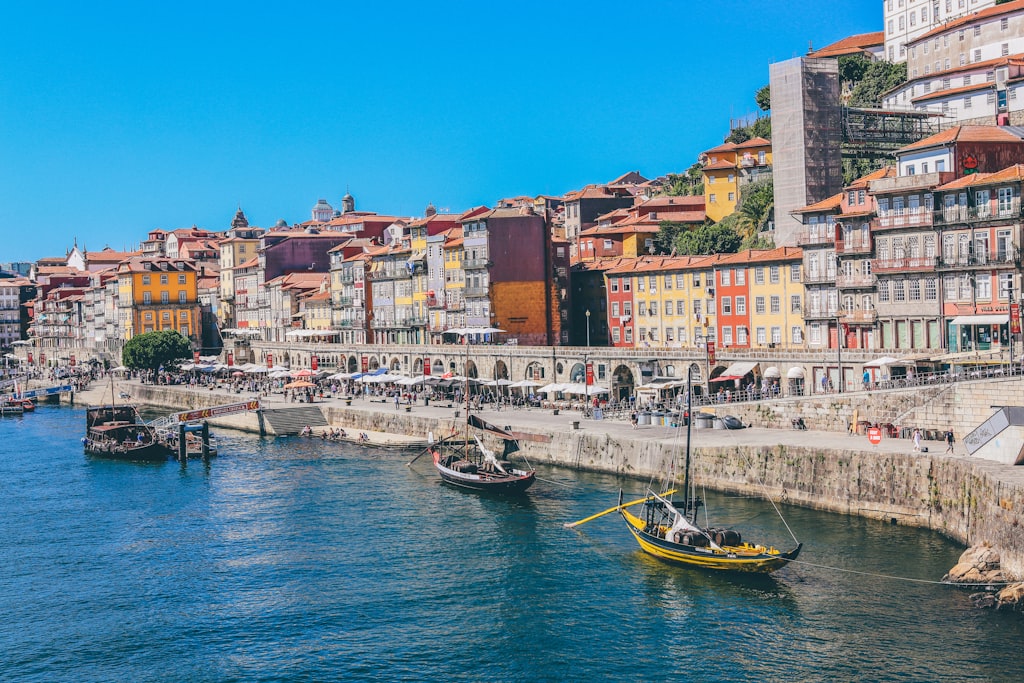
While Lisbon remains popular, Portugal has seen a strong shift toward cities like Porto and Faro. Both cities offer lower rent—around $700–$950 for a city-center one-bedroom apartment—and maintain excellent internet access, coworking spaces, and cafés favored by remote workers.
Portugal’s D7 Passive Income Visa, still one of Europe’s most accessible schemes, now requires about €8,460 (approx. $9,100) annual passive income and property rental or ownership. The government has sped up processing and introduced specialized relocation support, making integration smoother.
- Porto: Known for its historic charm and riverside setting, Porto’s growing startup ecosystem and international schools make it attractive for long-term expats.
- Faro: As the heart of the Algarve, it boasts a mild climate year-round and emerging digital nomad hubs, ideal for those preferring milder crowds and beach proximity.
Spain’s Secondary Cities: Valencia and Málaga
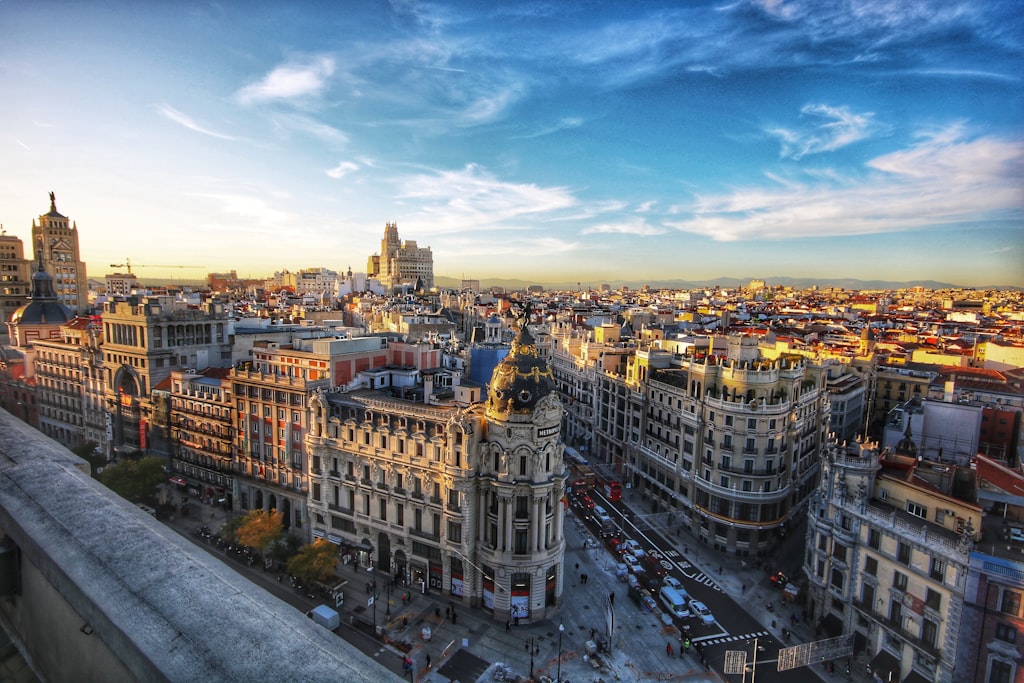
With Spain’s updated Startup Visa allowing remote workers to reside for one year (extendable to two) and a monthly income threshold near €2,334 ($2,500), Spanish secondary cities are attracting fresh interest.
- Valencia: One of Europe’s most livable cities, Valencia blends excellent public transportation, beaches, cultural events, and an affordable cost of living (roughly $800–$1,000/month for central apartments).
- Málaga: A rising tech and remote work hub in southern Spain, with growing coworking spaces and access to the Andalusian lifestyle.
Spain’s social security reductions during the initial years of the Startup Visa enhance cost-effectiveness, and the proximity to major airports ensures global connectivity.
Quick Tip: Check visa processing timelines carefully—Spain’s digital nomad visas have seen faster approvals since 2023 but vary by regional consulates.
Italy’s Secondary Cities: Bologna and Lecce Attract Affluent Remote Workers
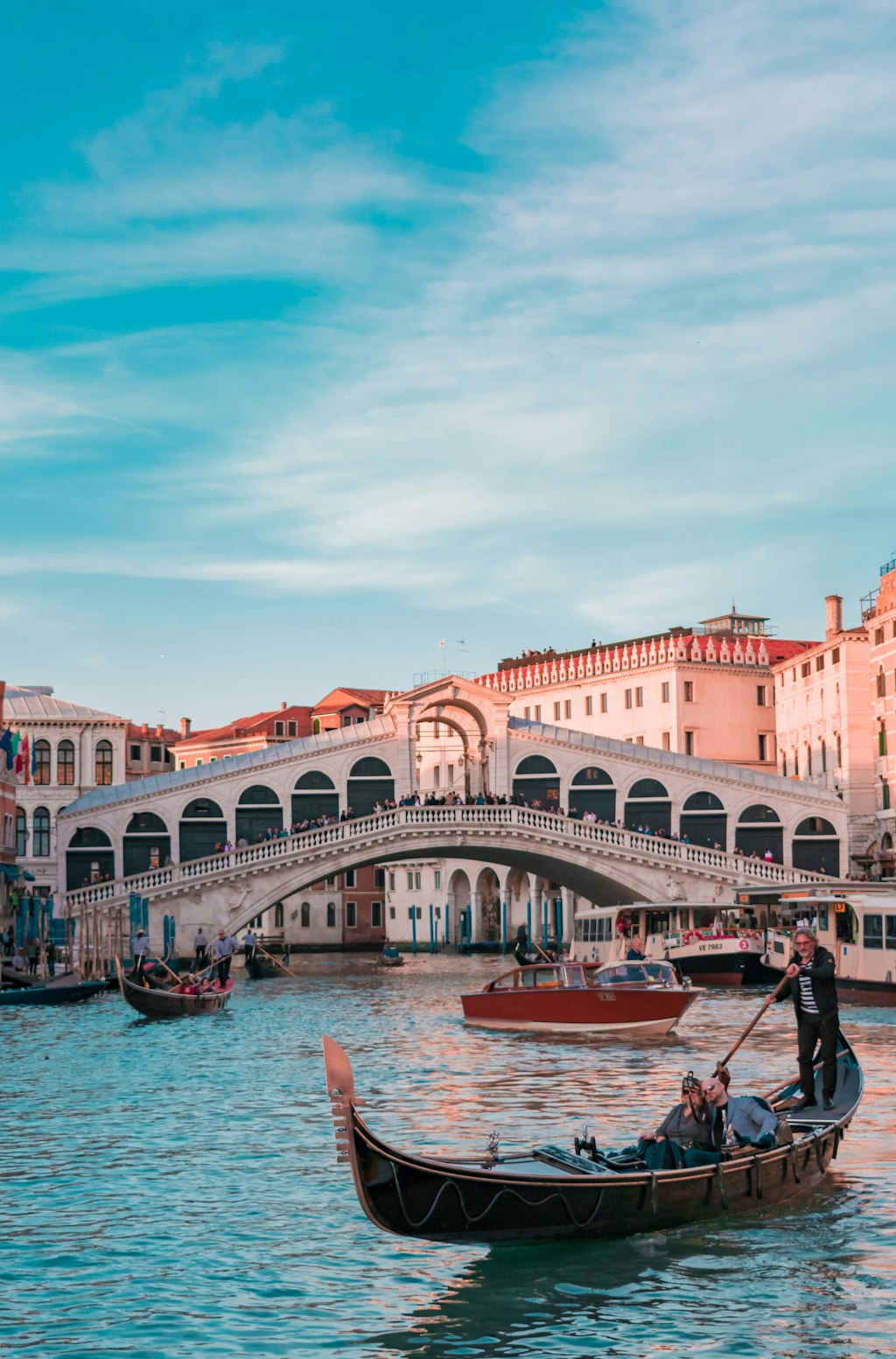
Italy’s “New Resident Regime” offers a flat 7% tax on foreign income for 10 years but requires a minimum investment of about €100,000. Cities like Bologna and Lecce appeal to remote workers seeking Mediterranean culture and historical ambiance without Rome or Milan’s premium costs.
- Bologna: Known for its cuisine, education institutions, and lively community, it offers good infrastructure for remote work.
- Lecce: Often called the “Florence of the South,” Lecce is prized for its Baroque architecture and sunny climate.
Monthly rent for a one-bedroom in these cities hovers near $700–$900, significantly less than the capital cities, while quality healthcare and safety remain high.
The Americas: Affordable, Vibrant Secondary Cities for Remote Professionals
The Americas maintain strong allure for remote workers given their favorable climates, evolving visa regimes, and dynamic urban scenes outside the capitals.
Colombia: Medellín’s Digital Nomad Renaissance
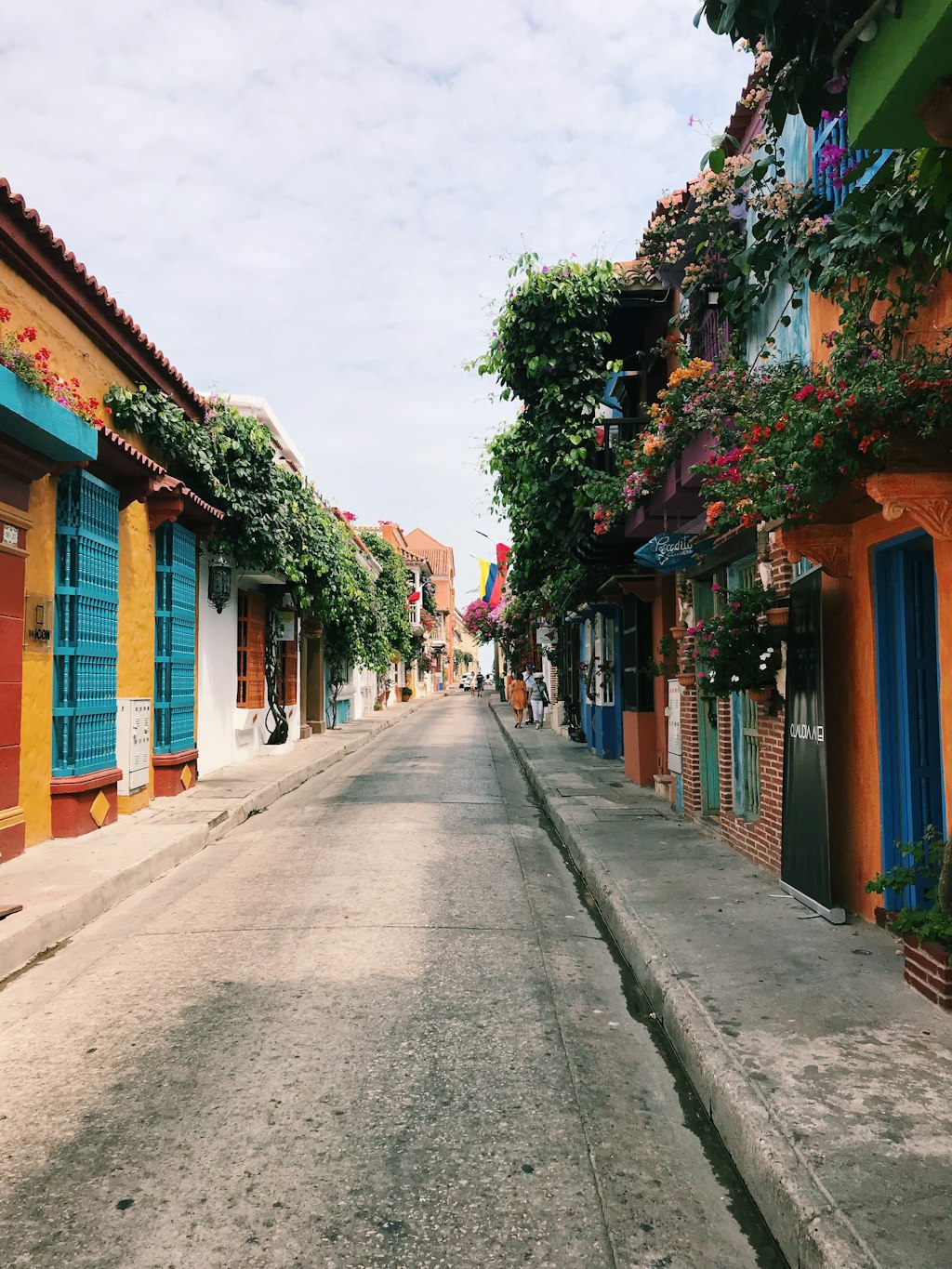
Medellín continues to shine as an affordable option (~$600/month rent) with reliable internet and a dedicated remote worker community. Colombia’s Temporary Resident Visas, including investor routes requiring investments of $50,000+, suit digital nomads looking to settle longer-term.
The city's temperate climate, friendly locals, and growing coworking spaces make it a vibrant choice.
Mexico: Guadalajara and Mérida as Smart Alternatives

While Mexico City remains a popular hub, Guadalajara and Mérida provide more affordable living (rent from $500) and access to health services. Mexico offers a Temporary Resident Visa allowing stays up to four years, readily available to remote workers with income proof near $2,000 per month.
- Guadalajara: Mexico’s “Silicon Valley,” offers tech-driven infrastructure plus cultural richness.
- Mérida: Known for its safety, colonial architecture, and proximity to beaches.
Mexico’s proximity to the US and flexible visa options enhance its appeal for North American remote workers.
Brazil: Florianópolis and Curitiba on the Rise with New Investor Visa
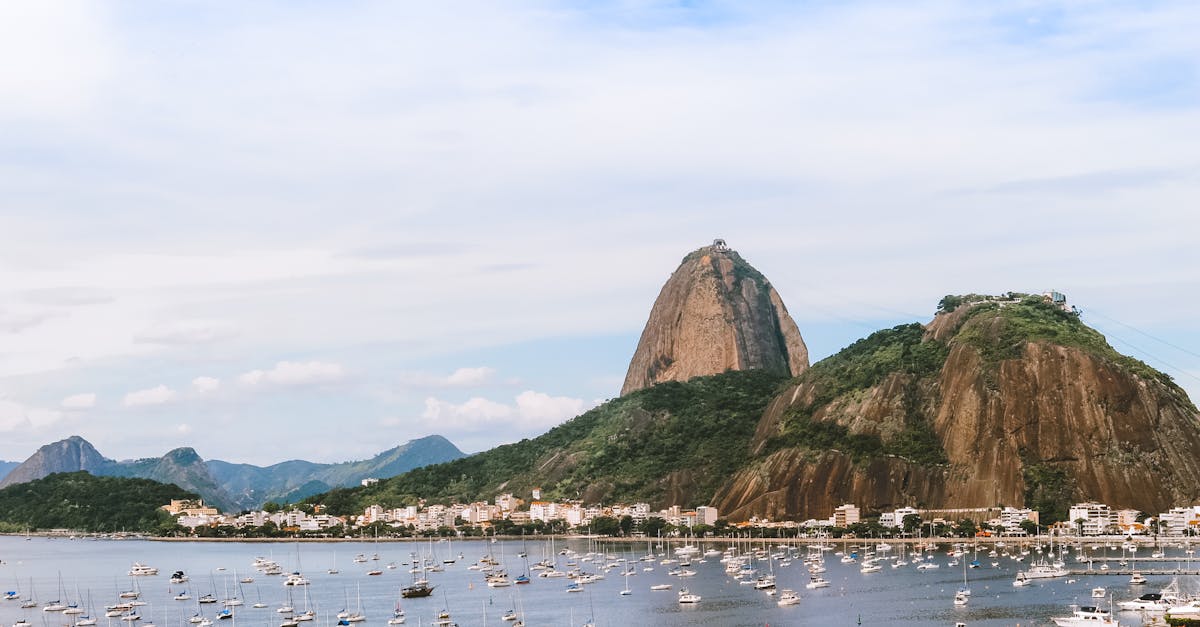
Brazil’s economic stabilization and political steadiness in 2026 boosted interest in its secondary cities. Florianópolis, famous for surfing culture and tech startups, and Curitiba, known for sustainable urban planning, are gaining traction.
Brazil’s "Temporary Residence Visa for Investors" requires at least BRL 500,000 (~$100,000) invested, perfect for remote workers seeking entrepreneurial opportunities.
Quick Tip: Currency fluctuations make a big difference—Brazil’s Real strengthening against the USD can provide better local purchasing power in these cities.
Asia’s Emerging Secondary Cities: Balancing Opportunity and Stringent Requirements
Asia offers unique value through diverse cultures and low living costs, but visa regimes are becoming tougher in some areas, refocusing demand on well-structured secondary cities.
Malaysia: Penang Shines under Revamped MM2H
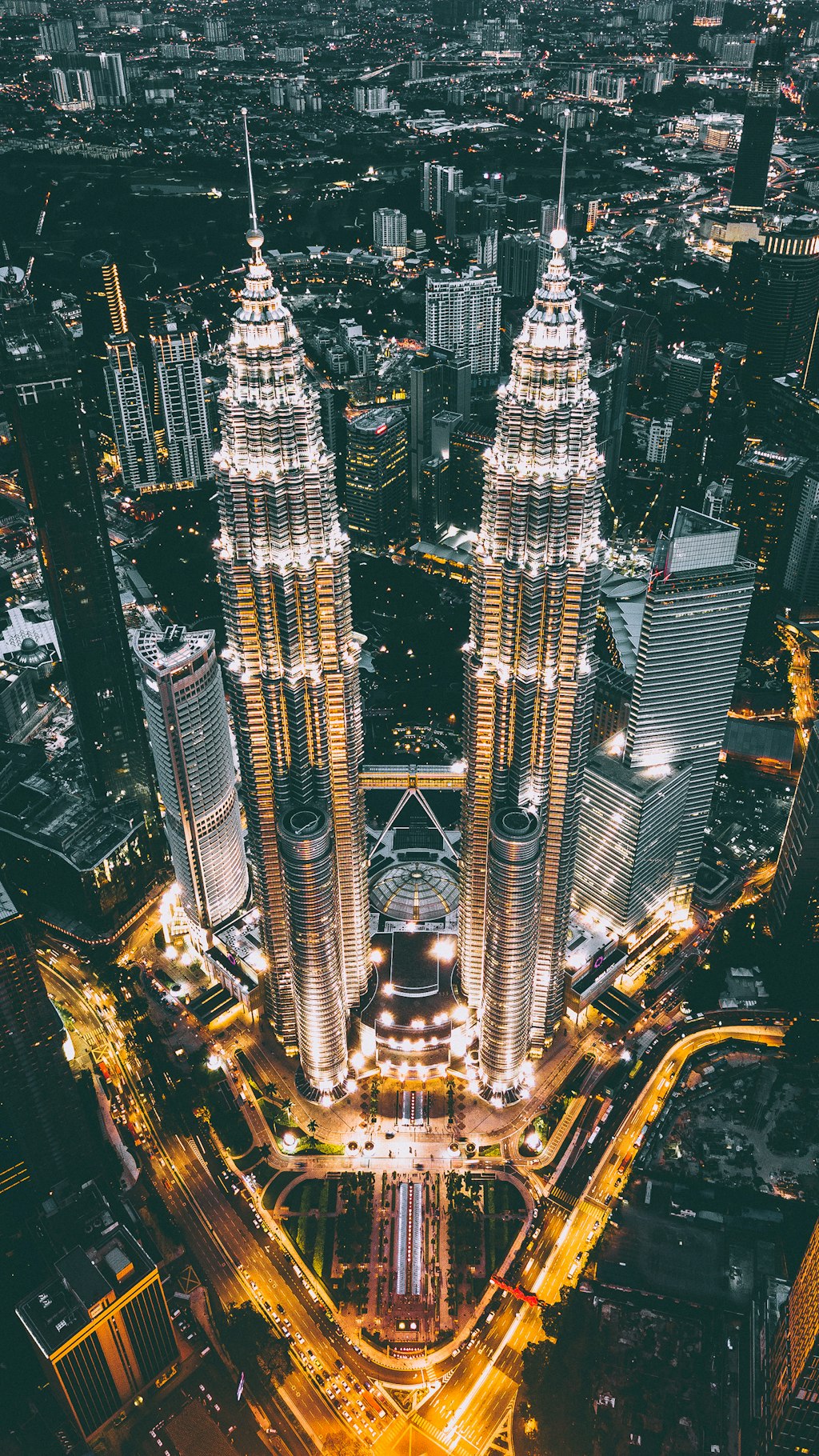
Malaysia’s relaunched Malaysia My Second Home (MM2H) program demands higher financial thresholds—MYR 1 million ($220,000) in liquid assets and MYR 10,000 ($2,200) monthly offshore income—but remains a top choice for retirees and remote workers appreciating Penang’s affordable living (approx. $600 monthly rent), world-class healthcare, and English-friendly environment.
- Penang benefits from established expat communities, good infrastructure, and excellent cuisine.
- MM2H’s long-term stay (up to 10 years) and multiple-entry privileges remain strong incentives despite tougher financial proof.
Vietnam: Da Nang and Ho Chi Minh City’s Suburbs

Vietnam is capitalizing on its digital nomad trend through expanding coworking spaces and solid infrastructure upgrades outside Ho Chi Minh City center—for example, Da Nang, which blends beachside living with low rent (~$400/month).
Vietnam hasn’t formalized a specific remote work visa yet, but short-term business tourist visas combined with local authorities’ growing openness make it practical for many.
Thailand’s Secondary Cities: Chiang Mai Adjusts to New Restrictions
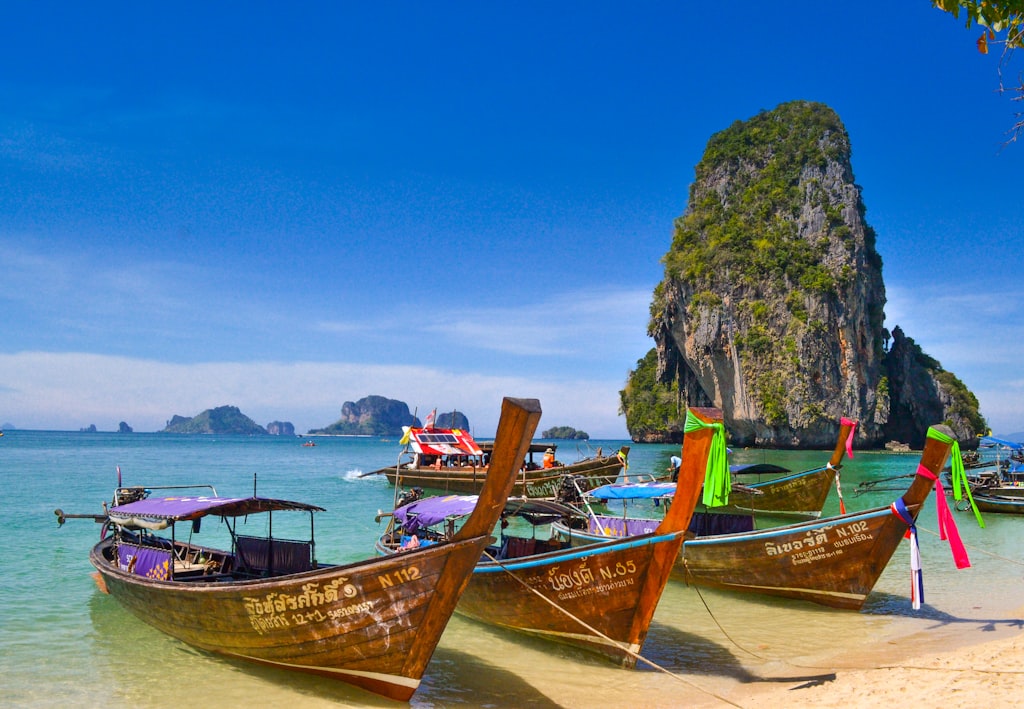
Thailand’s stricter digital nomad visa rules in 2026 caused declines in Bangkok’s remote worker numbers, but Chiang Mai remains a cozy alternative with a strong expat community, reasonable rents (~$500/month), and solid Wi-Fi.
However, potential remotes should be aware that work restrictions have tightened, prompting many to use tourist visas in conjunction with remote employment outside the country.
Quick Tip: For Asia’s stricter visa landscapes, consider longer-term residency or retirement pathways if remote visas are limited or uncertain.
What Connectivity and Infrastructure Mean for Your Choice
Emerging secondary cities invest heavily in broadband upgrades, coworking spaces, and transport links to attract remote workers. While capitals usually win on connectivity, a growing number of second-tier cities provide reliable high-speed internet (100+ Mbps), multiple airline connections, and expanding healthcare facilities.
Table: Approximate Average Monthly Rent + Internet Speeds for Featured Secondary Cities, 2026
| City | Monthly Rent (1BR apt) | Avg. Broadband Speed | Visa Highlights |
|---|---|---|---|
| Porto | $750 | 120 Mbps | Portugal D7 Visa, fast processing |
| Valencia | $850 | 150 Mbps | Spain Startup Visa, tax incentives |
| Medellín | $600 | 80 Mbps | Investor/resident visa options |
| Guadalajara | $500 | 100 Mbps | Mexico Temporary Resident Visa |
| Penang | $600 | 90 Mbps | Malaysia MM2H |
| Da Nang | $400 | 70 Mbps | Visa by tourist/business visits |
Check more details for your exact city and situation with our cost-of-living calculator.
Community Support: Finding Your People in Secondary Cities
Community-building has become essential as remote work shifts toward secondary cities. Many of these emerging hubs boast lively expat groups, professional networks, meetups, and coworking communities, which are invaluable for integration.
- Porto hosts multiple remote work meetups and startups.
- Medellín boasts an active digital nomad ecosystem with networking events.
- Penang has long-established multicultural expat clubs including retirees and entrepreneurs.
Strong community support reduces isolation, helps navigate local bureaucracy, and even aids in finding local service providers.
Frequently Asked Questions
What are the best emerging secondary cities for remote workers in Europe?
Porto and Faro in Portugal, Valencia and Málaga in Spain, and Bologna in Italy are among the top picks. They offer affordable living, high safety standards, and accessible remote work visas adapting to new economic realities in 2026.
How do visa requirements differ for remote workers in secondary cities?
Many countries have introduced or revamped digital nomad or passive income visas with specific income thresholds (e.g., Portugal's €8,460 per year for D7 visa, Spain’s €2,334/month minimum for Startup Visa). Secondary cities benefit from easier local residence permits once in country, but always check current regional processing times and rules.
Is cost of living generally lower in secondary cities than capitals?
Yes. Most secondary cities offer rents 20-50% cheaper than main capitals, along with lower day-to-day expenses on transport, dining, and services. This cost advantage attracts remote workers seeking better quality of life for less.
Can I access good healthcare in these emerging secondary cities?
Many secondary cities in Europe, Latin America, and Asia maintain strong healthcare systems—Portugal, Colombia, Malaysia, and Italy, for example, have reputable public and private services at affordable costs. Research city-specific hospital rankings and expat health insurance options.
Final Thoughts
Emerging secondary cities for remote workers in 2026 present a compelling alternative to overcrowded capitals, offering a balanced blend of affordability, modern amenities, and visa-friendly regimes. Whether you’re drawn to Portugal’s Porto, Colombia’s Medellín, or Malaysia’s Penang, these cities are shaping the future of remote professional relocation.
Stay ahead of the curve by exploring your options with our free Relocation Wizard, which can guide you to the best city matching your lifestyle and work needs. And don’t forget to crunch your numbers first with our cost-of-living calculator to ensure your budget stretches comfortably in your new home.
Make 2026 the year you discover your perfect secondary city for remote work—and thrive in a vibrant, welcoming new community.
Quick Tip: Sign up to local expat forums and networks early to ease your transition and build valuable connections before your move.
Ready to find your ideal relocation destination? Start with our Relocation Wizard today!