Best Countries for Expats Prioritizing Healthcare & Education in 2026

Not sure where to start? Our free Relocation Wizard matches you to your ideal country in minutes.
Key Takeaways
- The best countries for expats healthcare and education in 2026 balance high-quality public services with accessible visa pathways for families seeking long-term stability.
- Portugal, Mexico, and Thailand lead with revamped visa programs and strong healthcare/education systems for expat families.
- European nations like Estonia and Ireland are innovating digital nomad and entrepreneur visas with routes to permanent residency, ideal for professionals valuing access to top-tier schools and hospitals.
- Southeast Asia and Latin America offer compelling cost-of-living advantages but require careful consideration of healthcare quality and education options, especially balancing public vs private services.
- Political stability, safety, and evolving tax regimes are increasingly key factors alongside healthcare and education for relocating expat families.
Understanding the Best Countries for Expats Healthcare and Education in 2026
For expats and remote workers planning to relocate with family or pursue long-term stays, healthcare and education are now at the forefront of decision-making. Unlike earlier trends favoring short-term digital nomad visas or tax benefits only, 2026 sees a marked shift toward family-centric destinations that deliver reliable healthcare systems and quality education for children and adults alike.
This year, the global push for remote work stability has accelerated policy changes, with several countries introducing or enhancing visa programs that emphasize longer-term residency options. This evolution aligns with the growing preference among expats for destinations that combine solid investment in public health and education with affordability and ease of integration.
Whether you are a parent wanting excellent schooling options or someone prioritizing access to universal healthcare, focusing your move on the best countries for expats healthcare and education means evaluating more than just visa ease — it involves examining the full ecosystem of social services, education choices, and cost considerations. Here’s a comprehensive guide to help you navigate this complex but rewarding relocation landscape in 2026.
Quick Tip: Use our Relocation Wizard early in your research to narrow down countries that align with your family’s healthcare needs, educational goals, and visa eligibility.
What’s Driving the 2026-2027 Landscape for Healthcare and Education-Focused Expats?
Several major trends shape the choices for families seeking expat life in 2026:
- Visa Innovations and Residency Pathways: Countries like Portugal and Estonia have introduced flexible remote work and passive income visas with clear routes to permanent residency, appealing to long-term family stays. Southeast Asia’s Thailand and Malaysia updated their programs, targeting wealthier expats but now with longer visa durations.
- Balancing Public vs Private Healthcare and Schools: In many countries, growing demand and inflation put strains on public systems, prompting expats to choose private healthcare and international schools. Cost-effectiveness vs quality is crucial.
- Political Stability and Safety: Safety concerns in South America and parts of Asia influence family preferences toward politically stable nations with strong social infrastructure like Canada, New Zealand, and Scandinavian countries.
- Tax and Cost-of-Living Dynamics: Rising living costs in Eurozone countries contrast with budget-friendly alternatives in Eastern Europe and Latin America, shifting expat hotspots. Use our cost-of-living calculator to estimate your family’s budget accurately.
- Demand for Integrated Support: Countries offering education systems with bilingual or international curricula (IB, British, American) combined with top healthcare facilities are highly coveted.
Visa Programs Supporting Family-Friendly Healthcare and Education
Updated Visa Pathways: Stability for Families
International relocation is no longer about quick visits or digital nomadism alone. Many governments aim to attract skilled remote workers, retirees, and entrepreneurs with visa programs that ease family entry and provide long-term residency rights:
| Country | Visa Program | Key Features | Income Requirement | Duration & Renewal |
|---|---|---|---|---|
| Portugal | D7 Passive Income Visa / Digital Nomad Plus | Reduced income threshold (€6,500); 2-year digital nomad visa | €6,500 per year / €3,000 per month | 2 years, renewable, path to residency |
| Thailand | Thailand Prosperity Visa | 5-year visa, multiple entries, high income/security deposit | ~THB 100,000/month or THB 3M deposit | 5 years, renewable |
| Mexico | Temporary Resident Visa for Remote Workers | Streamlined process, low cost of living | $2,500 per month | 1 year, renewable; path to permanent residence |
| Estonia | Digital Nomad Residence Permit | 3-year visa with pathway to permanent residency | €3,504/month | 3 years, renewable, permanent residency route |
| Malaysia | Malaysia My Second Home (MM2H) | Liquid asset and fixed deposit requirements increased | MYR 500,000 liquid assets | 10 years, renewable |
| United Arab Emirates | Work from Dubai Visa | Increased minimum income requirement | AED 300,000/year | 1 year, renewable |
Quick Tip: When considering visas, check if family members can be added at the time of application and what healthcare and education rights they gain automatically.
Top Countries Combining High-Quality Healthcare and Schooling for Expats
Portugal: A European Favorite for Families

Portugal remains a top contender in 2026 for expats prioritizing healthcare and education. Its universal National Health Service (SNS) offers strong coverage at accessible costs, enhanced by expanding private healthcare options in urban centers like Lisbon and Porto. Public schools provide good education, while numerous private and international schools cater to expat children.
- Visa: The D7 visa’s income threshold reduction and the new Digital Nomad Plus visa provide affordability and stability.
- Education: Excellent international schools offering British, American, and IB curricula, plus strong universities.
- Cost: Moderate cost of living compared with Western Europe.
- Extras: Good climate, safety, and increasing English proficiency.
Mexico: Affordable Access to Healthcare and Schools

Mexico attracts North American expats thanks to its recently streamlined Temporary Resident Visa for Remote Workers. Healthcare facilities vary widely but private hospitals in cities such as Mérida, Querétaro, and Mexico City rival Western standards. International schools offering diverse curricula are available in major expat hubs.
- Visa: Proof of $2,500 monthly income, low visa application fees (~$70).
- Healthcare: Public healthcare is affordable but limited for foreigners; private care is more commonly used by expats.
- Education: Private/international schools preferred for expat children; some excellent bilingual programs.
- Cost: Low cost of living makes private healthcare and schooling more accessible.
Thailand: Long-Stay Visa and Quality Private Services
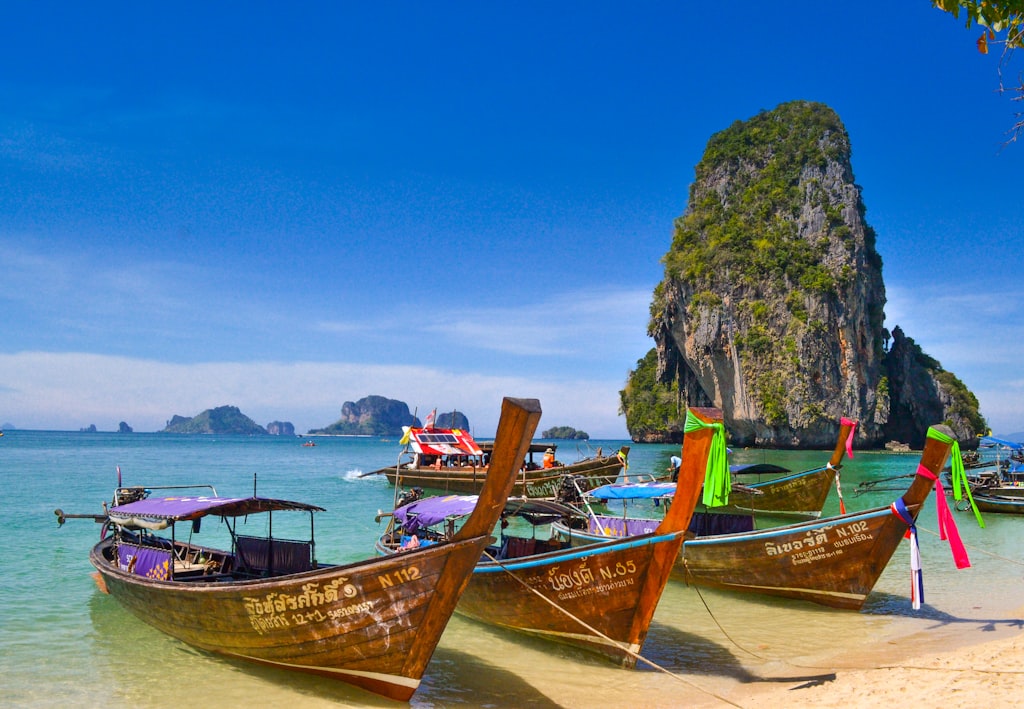
Thailand’s new Thailand Prosperity Visa aims at affluent retirees and professionals willing to commit long term. While public healthcare quality varies, private hospitals in cities like Bangkok and Chiang Mai are internationally accredited. Education options include multiple international schools with British, American, and IB programs.
- Visa: High-income or bank deposit requirements, five-year validity.
- Healthcare: Robust private hospital network, medical tourism hub.
- Education: Many reputable international schools, expat community support.
- Cost: Moderate living costs but rising in urban areas.
Estonia: Digital Nomads with Family Stability
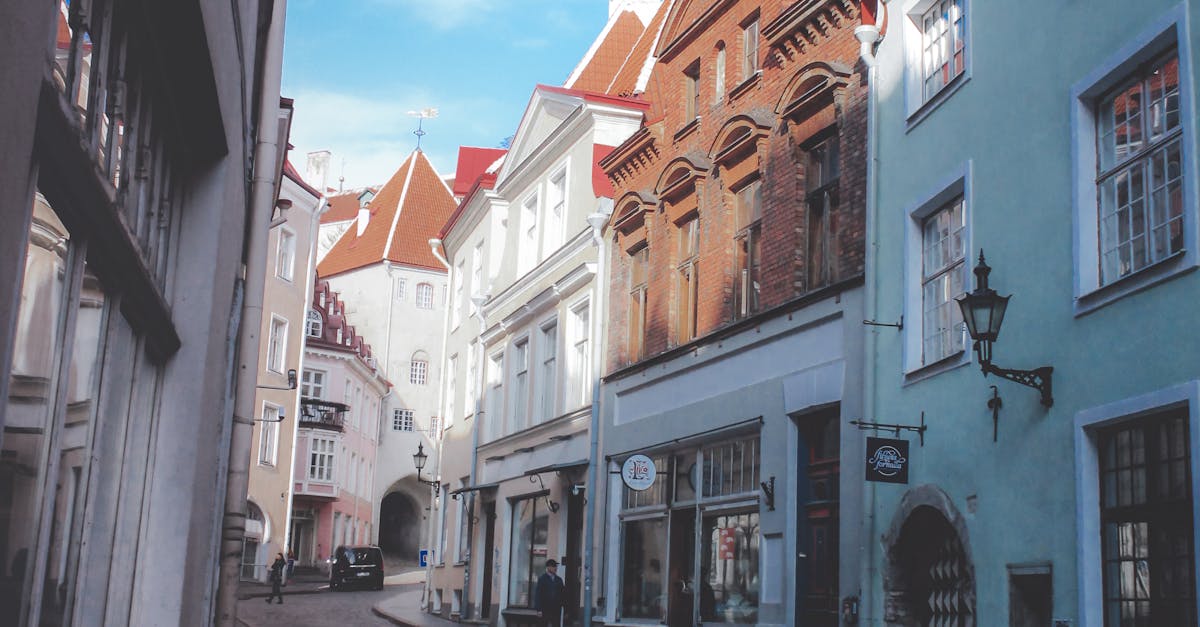
Estonia’s 3-year Digital Nomad Residence Permit is the first of its kind in Europe to offer a clear path to permanent residency, ideal for families seeking stability in a tech-forward nation. Public healthcare is excellent, though expats often opt for private insurance. Education offers free public schools and growing international school options.
- Visa: €3,504 monthly income; residence can be extended and leads to permanent residency.
- Healthcare: Universal coverage through insurance; private care common but affordable.
- Education: Good quality public and international schools; emphasis on technology and innovation.
- Cost: Lower cost than Western Europe, easing long-term affordability.
Canada: Stability and World-Class Public Systems

Canada continues to be a magnet for expat families due to its globally renowned healthcare system and broad public education infrastructure. The 2026 “Start-up Visa Plus” caters to entrepreneurs seeking permanent residence and family security.
- Visa: Various pathways including family sponsorship and entrepreneur visas.
- Healthcare: Universal coverage, publicly funded but with wait times.
- Education: Strong public schools, bilingual programs, and top universities.
- Cost: Higher cost of living in major cities balanced by quality services.
Quick Tip: For families, private international schools can sometimes offer better English-language programs but at significant fees. Balance this with access to quality public education depending on your destination.
Balancing Public vs Private Healthcare and Education: What Expats Should Know
No healthcare or education system is perfect. Many expat families find themselves choosing between free or subsidized public services and costlier but higher-standard private options.
- Public healthcare and schools: Generally more affordable with universal coverage in countries like Portugal, Estonia, and Canada, but may involve waiting times and language barriers.
- Private healthcare and international schools: Offer faster service, English-speaking staff, and international curricula but carry substantial costs; especially common in Thailand, Mexico, and parts of Southeast Asia.
Your cost calculations should include private insurance fees, school tuition, and potential out-of-pocket medical expenses alongside visa costs and basic living expenses. Use the cost-of-living calculator to estimate your monthly budget accurately.
Emerging Destinations Worth Considering for Families
Panama: Retirement and Affordable Private Healthcare

While Costa Rica faces rising healthcare costs, Panama’s Pensionado Program offers pensioners residency with a minimum monthly income of $1,000 alongside access to affordable private healthcare. Panama City has expanding international school options suited for expat families.
Poland and Hungary: Quality European Amenities at Lower Cost
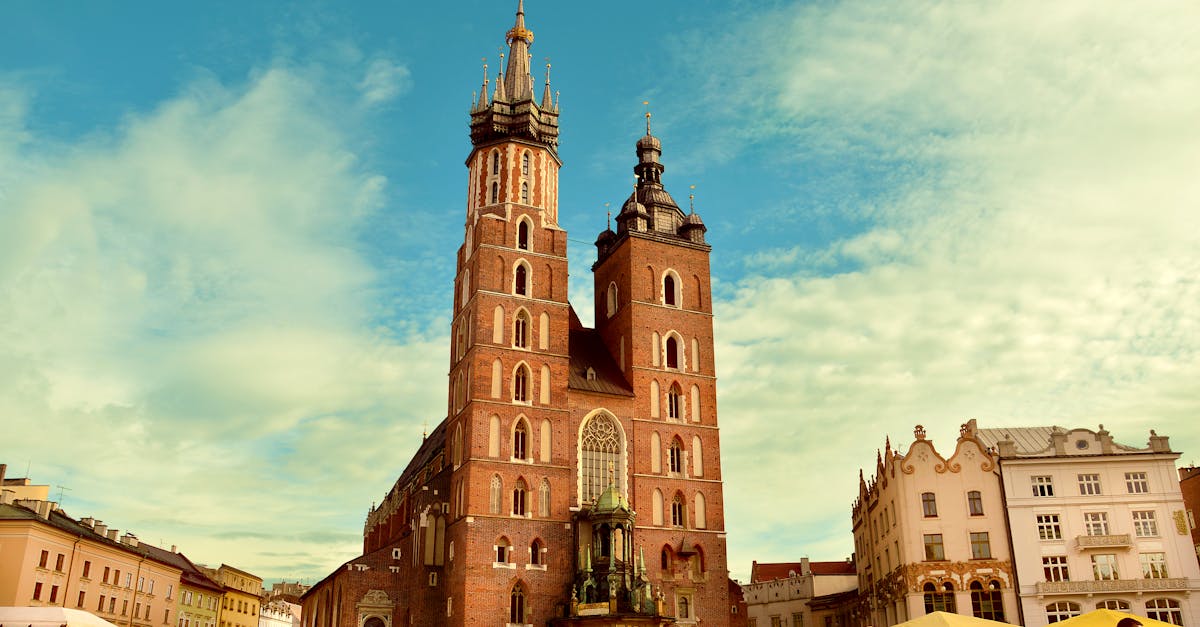
Eastern European countries like Poland and Hungary have simplified residence registration and provide access to EU-level healthcare and education. While public healthcare is accessible and free for residents, private clinics are often preferred by expats. International schools are growing, especially in capital cities.
Colombia and Peru: Attractive for Dollar-Earning Expats Despite Inflation
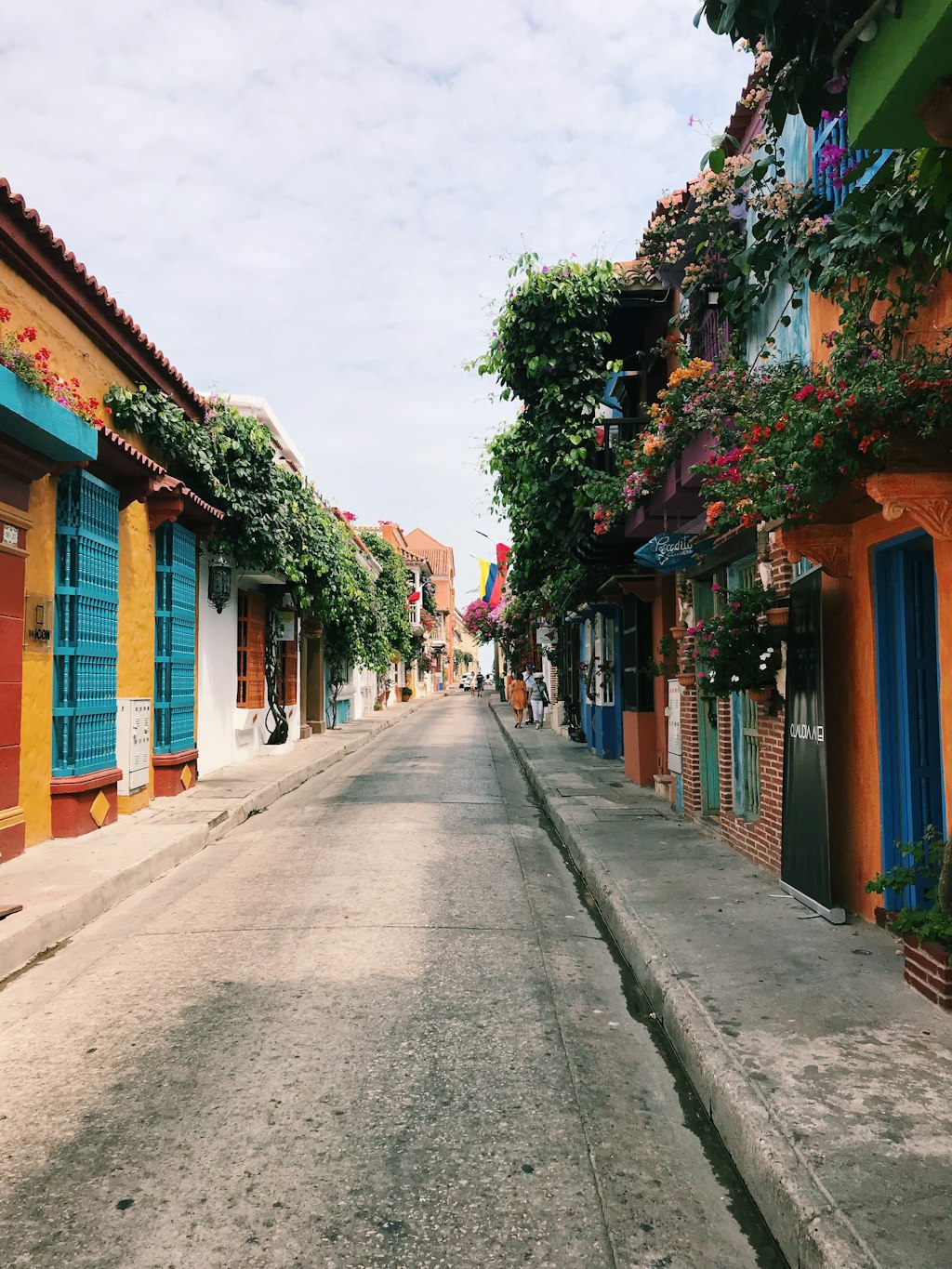
Inflationary pressures continue but dollar-earning expats benefit from a lower cost of living and improving urban safety in select locations. Private healthcare and international schools in cities like Bogotá and Lima are modern and affordable compared to Western standards, though public services are less reliable.
Navigating Tax Policies and Political Stability in 2026
Tax regimes remain a factor in country choice alongside healthcare and education. Several countries expanded expat-friendly tax programs (e.g., Cyprus Non-Dom) or updated residency rules (UK post-Brexit tightening). The UAE retained zero personal income tax but increased corporate tax regulations.
Political stability supports uninterrupted access to healthcare and schooling. Countries like Canada, New Zealand, and Scandinavia maintain higher standards with secure environments, while parts of Latin America face challenges that may affect expat comfort and safety.
Frequently Asked Questions
Which countries offer the best balance of healthcare and education for expat families in 2026?
Countries like Portugal, Canada, Estonia, and Mexico stand out due to strong public healthcare systems, quality international education options, and favorable visa programs supporting family reunification and long-term stays.
How do visa requirements impact expats seeking healthcare and education?
Visa programs that allow family members to join easily and provide access to public healthcare and schools are ideal. Programs like Portugal’s D7 and Digital Nomad Plus or Mexico’s Temporary Resident Visa make it simpler for families to access social services and settle long-term.
Is private schooling necessary for expat children abroad?
This depends on the destination. In many countries with strong bilingual or international curricula, private schools offer better integration and English-language instruction. Public schools can work well in countries with multi-lingual education systems like Estonia or Canada.
How can I estimate healthcare and education costs before relocating?
Use our cost-of-living calculator to factor in private insurance premiums, school fees, and public service access along with housing, food, and transportation to design a realistic family budget.
Final Thoughts
Choosing the best countries for expats healthcare and education in 2026 requires balancing visa accessibility, healthcare quality, education systems, political stability, and costs. Family-focused visa programs in Portugal, Mexico, and Thailand, alongside innovative long-term residency pathways in Estonia and Canada, highlight the dynamic options available.
Ready to find your ideal relocation destination? Start your personalized search now with our free Relocation Wizard, and plan your budget confidently using the cost-of-living calculator. Taking these steps early ensures a smooth transition for you and your loved ones toward a healthier, well-educated future abroad.