Best Countries for Remote Work Without Employer Sponsorship in 2026

Not sure where to start? Our free Relocation Wizard matches you to your ideal country in minutes.
Key Takeaways
- Remote work visas without employer sponsorship empower freelancers, entrepreneurs, and self-employed workers to live and work abroad independently in 2026.
- Countries like Portugal, Spain, Costa Rica, and Georgia offer streamlined digital nomad visa options with simplified income and eligibility requirements.
- Visa durations range from one to two years, with multiple renewal possibilities and application fees generally between €80 and €400, depending on the destination.
- Economic trends, cost of living, healthcare quality, and tax regimes influence relocation decisions alongside visa ease and duration.
- Using tools like the Relocation Wizard and cost-of-living calculator can help you find the best country fit for independent remote work.
The Rise of Remote Work Visas Without Employer Sponsorship in 2026
With more professionals embracing location-independent careers—be it freelancing, entrepreneurship, or consulting—the demand for remote work visas without employer sponsorship has surged globally. Unlike traditional work permits, which often require a local employer’s backing, these visas allow individuals to self-certify their employment status, income, and intentions to legally work remotely from abroad.
In 2026, this landscape is evolving fast, with countries simplifying requirements, reducing processing times, and lowering financial barriers. These visas primarily target independent professionals who want to avoid cumbersome employer ties, formal contracts, or rigid labor conditions, making international relocation more flexible and viable.
Quick Tip: If you want to live abroad and work remotely without traditional employment, search specifically for “remote work visas without employer sponsorship” to narrow down options that suit freelancers and entrepreneurs.
Below we break down the best countries adopting such visas, alongside their eligibility criteria, income thresholds, fees, and distinct advantages for remote professionals in 2026.
What to Look for in a Remote Work Visa Without Employer Sponsorship
Before diving into specific destinations, understanding key visa parameters helps you evaluate your options:
| Visa Feature | What to Expect & Check |
|---|---|
| Eligibility | Proof of remote income, freelancing, entrepreneurship, or passive income sources. No employer sponsorship required. |
| Income Requirements | Minimum monthly income thresholds, usually between $3,000 to €7,000 per month, sometimes family-based. |
| Visa Duration | Typically 1–2 years, with extensions possible; some offer multi-year options. |
| Application Fees | Vary by country (€80 to €400 average), usually includes administrative and biometric fees. |
| Processing Time | From under 3 weeks (Portugal) up to 2 months, depending on the country and completeness of documents. |
| Ease of Application | Online applications or simple embassy submissions; some require in-person appointments or local addresses. |
Portugal: Leading Europe’s Digital Nomad Revolution

Portugal maintains its status as a top choice for remote workers thanks to its evolved "D7" passive income visa, now complemented by its revamped digital nomad visa.
Simplified Income Criteria and Faster Processing in 2026
- Visa Type: Digital Nomad Visa / Passive Income Visa (D7)
- Income Requirements: Reduced monthly income proof from around €7,000 to €5,500, reflecting more attainable thresholds for freelancers and solopreneurs.
- Visa Duration: Initially 1 year, renewable annually, with potential long-term residency after 5 years.
- Application Fee: Approximately €200-400 total, including all bureaucratic costs.
- Processing Time: Significantly reduced to roughly 20 days (from 60), speeding up approvals.
- Other Benefits: High-quality, affordable healthcare system; robust community of expats; relatively low cost of living in Lisbon alternatives like Porto, Braga, and Faro.
Quick Tip: Secondary cities like Porto and Faro offer lower monthly expenses and excellent quality of life, making Portugal’s digital nomad visa even more budget-friendly.
Portugal’s tax-friendly Non-Habitual Resident (NHR) program continues to attract long-term remote workers interested in optimizing earnings.
Spain: New Remote Work Residence Permit for Freelancers and Entrepreneurs

Spain redesigned its traditional non-lucrative visa in 2026, introducing the "Remote Work Residence Permit" targeting freelancers and self-employed remote workers.
Friendly Terms for Independent Professionals
- Visa Type: Remote Work Residence Permit
- Income Requirement: Minimum of approximately €2,800 per month (considered middle-income and affordable for many remote workers).
- Visa Duration: Valid for 1 year, renewable twice, enabling up to 3 years of continuous residence.
- Costs: Application fees range between €80-120, making it accessible to wider audiences.
- Application Process: Requires proof of health insurance, financial means, and clean criminal record; submitted at Spanish consulates or within Spain if eligible.
- Lifestyle Perks: Excellent healthcare, rich cultural experiences, temperate climate, and strong community networks in cities like Barcelona, Valencia, and Seville.
Spain’s program is ideal for those who want flexibility without employer obligations while soaking up Europe’s vibrant lifestyle.
Costa Rica: Emerging Star in Latin America for Remote Workers

Costa Rica launched an enhanced Digital Nomad Visa program in late 2025. Its natural beauty, biodiversity, and expanding expat communities make it a standout destination for remote professionals seeking an affordable tropical location.
Clear Rules and Renewals for Freelancers and Self-Employed
- Visa Type: Digital Nomad Visa
- Income Threshold: $3,000 per month for individuals; $4,000 for families.
- Visa Length: 1-year validity, renewable indefinitely.
- Application Cost: Approx. $250-$300 including processing fees.
- Application Process: Straightforward online submission, requiring proof of remote work and income via bank statements or contracts.
- Additional Benefits: No local employer sponsorship; freedom to work across Latin America for visa duration; relaxed biodiversity and outdoor lifestyle; sustainable living options with a lower cost of living compared to U.S. and Europe.
Costa Rica’s visa is ideal for digital nomads valuing nature, adventure, and stable residency status.
Georgia: Visa-Free Access and Simplicity for Global Nomads

Georgia remains one of the most flexible digital nomad destinations. Its "Remotely from Georgia" program thrives in 2026 with visa-free entry for nationals of 95 countries and a straightforward remote work visa alternative.
Minimal Bureaucracy and Cost Advantages
- Program: Remotely from Georgia Digital Nomad Program
- Income Requirement: Around $2,000 per month for individuals, $3,000+ for families.
- Duration: 6 to 12 months, with options to extend or transition to longer-term residency.
- Fees: Low application fees (~$50-$100), with no complex embassy visits needed for many nationalities.
- Key Perks: No employer sponsorship needed, easy online application, semi-structured tax incentives, and growing expat hubs in Tbilisi and Batumi.
- Cost of Living: Exceptionally low; for example, monthly rent for a modern one-bedroom in Tbilisi is around $300-$400.
Georgia’s openness, low cost, and bureaucratic ease make it a favorite for remote workers seeking hassle-free legal stays in Europe’s outskirts.
Additional Noteworthy Countries Offering Remote Work Visas Without Employer Sponsorship
Mexico

- New visas aimed at digital nomads and remote freelancers. Minimum income thresholds start at roughly $2,000-$2,500 per month.
- Competitive cost of living and robust private healthcare options in cities like Mérida and Playa del Carmen.
Estonia
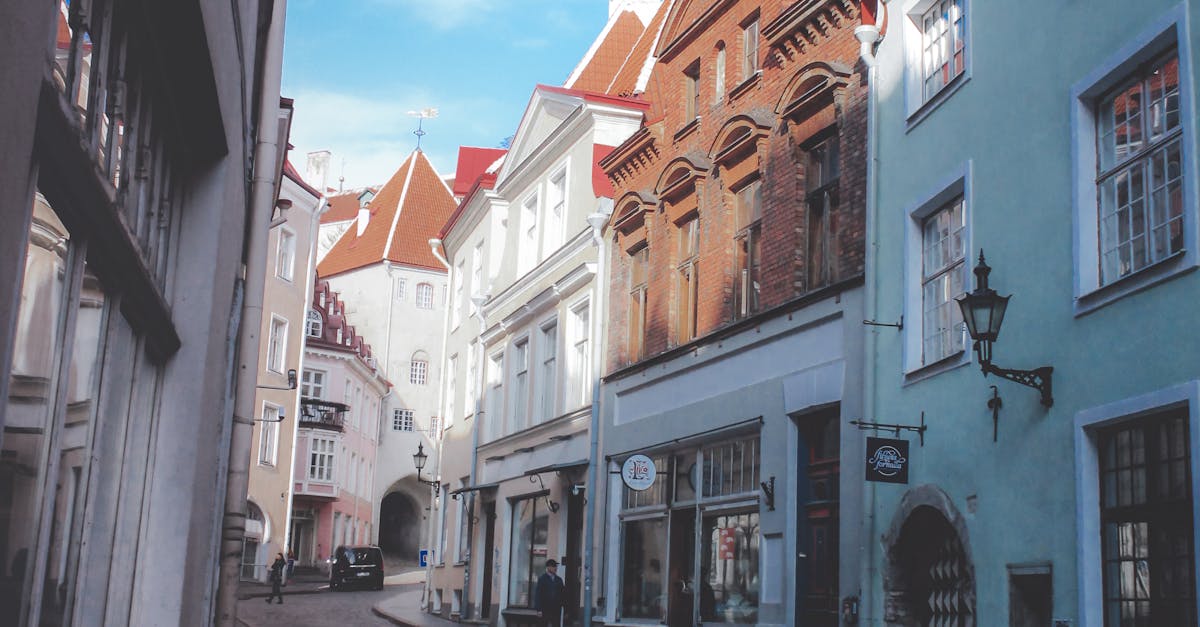
- Long a pioneer in remote work visas, offering e-Residency and Digital Nomad Visas with €3,500 monthly income requirements. Strong digital infrastructure and EU access.
Malaysia

- The Malaysia My Second Home (MM2H) program has relaxed financial requirements, lowered income criteria, and increased visa length to 10 years. Great for longer stays and families.
New Zealand and Canada

- While more oriented towards skilled migration and work contracts, they have introduced remote work friendly pilot visas with less employer involvement in rural or tech-specific sectors.
Quick Tip: Before applying, always double-check eligibility and income criteria on official embassy sites as some requirements vary by nationality.
Comparing Top Remote Work Visas Without Employer Sponsorship in 2026
| Country | Income Requirement | Visa Length | Renewal Options | Fees (Approx.) | Application Speed | Key Benefit |
|---|---|---|---|---|---|---|
| Portugal | €5,500 per month | 1 year, renewable | Yes, annual | €200-400 | 20 days | Affordable, fast processing, strong healthcare |
| Spain | €2,800 per month | 1 year, renewable 2x | Up to 3 years total | €80-120 | 30-60 days | Low fees, rich culture, healthcare |
| Costa Rica | $3,000 single / $4,000 family | 1 year, unlimited renewals | Indefinite renewals | $250-300 | 1 month | Nature, lifestyle, low bureaucracy |
| Georgia | $2,000+ monthly | 6 or 12 months | Possible extensions | $50-100 | 2-3 weeks | Visa-free for many, very low cost |
Important Factors Besides Visa: Cost of Living, Healthcare, and Safety
Visa ease only forms part of the decision when relocating to work remotely. Cost of living fluctuations, safety levels, and healthcare quality matter significantly.
- Inflation and currency volatility in 2026 have pushed some Eurozone hotspots up in cost, making destinations like Mexico, Colombia, and Vietnam more attractive for budget-conscious nomads.
- Countries with stable currencies and strong healthcare, such as Portugal and Spain, continue to rank highly for work-life balance despite rising living costs.
- Safety concerns steer expats toward places like Uruguay and Chile, known for political stability and quality public services.
- Families often prefer Singapore or Malaysia for education and healthcare standards, depending on budget allowance.
Use our cost-of-living calculator to compare your target destination's expenses against your income to plan effectively.
Using the Relocation Wizard and Cost-of-Living Tools to Streamline Your Move
Choosing a country for remote work entails more than visa eligibility—balancing lifestyle, costs, tax impacts, and local regulations is key.
Our Relocation Wizard simplifies this complex decision by matching your unique profile, work style, and preferences to the best-fit countries offering remote work visas without employer sponsorship. Combine that with personalized cost comparisons from the cost-of-living calculator to budget your international move confidently.
Quick Tip: Before applying for any digital nomad visa, prepare a thorough portfolio including proof of income, health insurance coverage, and identification documents to avoid processing delays.
Frequently Asked Questions
What exactly are remote work visas without employer sponsorship?
These are visa types designed for independent remote workers—freelancers, entrepreneurs, and self-employed individuals—allowing them to live and work legally in another country without needing a local employer or formal work contract.
How much income do I typically need to qualify for these visas?
Income requirements vary but generally range from $2,000 to €7,000 per month, depending on the destination and whether you apply as an individual or family. These thresholds are often tailored to match local living costs.
Can I bring my family under these remote work visas?
Many countries allow dependents to be included, either under the same visa or via separate dependent permits. Income thresholds usually increase if you bring family members. Confirm specific requirements on the country's official immigration page.
Are these remote work visas renewable or extendable?
Most digital nomad and remote work visas without employer sponsorship are initially granted for 1 year, often with options to renew one or two times, enabling stays of up to 2-3 years or longer in some cases.
Final Thoughts
The landscape for truly independent remote work visas without employer sponsorship is more dynamic and accessible than ever in 2026. Countries like Portugal, Spain, Costa Rica, and Georgia offer tailored, budget-conscious options designed for freelancers, entrepreneurs, and self-employed nomads.
As visa policies evolve alongside economic and lifestyle trends, taking time to research eligibility, income requirements, and living costs is essential to selecting the right destination. Use our Relocation Wizard to instantly find countries matching your remote work goals, and utilize the cost-of-living calculator to plan financially before making the leap.
Your ideal remote work destination awaits—start your journey today!