Top Countries with Easiest Residency Rules for Remote Workers in 2026

Not sure where to start? Our free Relocation Wizard matches you to your ideal country in minutes.
Key Takeaways
- The easiest residency for remote workers in 2026 emphasizes streamlined applications, lower income thresholds, and longer-term stay options beyond traditional tourist visas.
- Countries like Portugal, Thailand, Mexico, and Estonia have revamped their remote work visa policies with reduced bureaucracy and flexible renewals.
- Consider balancing visa ease with cost of living, healthcare quality, safety, and taxation when choosing your destination. Tools like our cost-of-living calculator help customize your budget.
- Emerging alternatives in medium-sized cities (e.g., Kraków, Da Nang) offer affordable living paired with simplified residency for remote workers.
- Hybrid and long-term remote working trends support residency programs aimed at digital nomads seeking integration rather than short stays.
Why Easiest Residency for Remote Workers 2026 Matters
With remote work firmly anchored in global culture, the search for countries offering the easiest residency for remote workers in 2026 is more relevant than ever. Today’s remote professionals demand more than just short-term tourist options or temporary digital nomad visas; they want straightforward, efficient routes to live and work abroad with minimal red tape, reasonable financial requirements, and the possibility to extend stays for multiple years.
The newest visa programs and updates reflect a significant shift: governments worldwide are competing not merely to attract travelers but skilled remote workers and entrepreneurs who contribute economically over the long term. This article cuts through generic “digital nomad visa” lists by focusing on where residency is genuinely easy—meaning fast approvals, reduced proof of income, and extended durations—while balancing other vital factors like local living costs, healthcare access, safety, and tax friendliness.
Quick Tip: Before applying, check the application timelines and required documents carefully. Recent policy changes increasingly favor digital applications and online submissions, speeding up the process.
What Defines “Easiest Residency” for Remote Workers in 2026?
Residency rules for remote workers vary widely—but the easiest options generally share these traits:
- Low bureaucratic hurdles: Minimal paperwork, online processing, and few interviews or background checks.
- Lower financial proof thresholds: Reduced minimum income or savings requirements that align with remote worker earnings, not traditional full-time salaries.
- Longer valid stay periods: Multi-year visa durations (1-4 years) or renewable permits providing stability and planning ease.
- Pathways to permanent residency: Clear routes to long-term residency or citizenship enhance appeal.
- Family inclusion: Ability to bring partners and dependents with comparable ease.
Countries embracing these characteristics are reshaping how remote workers can live abroad without burdensome visa complications.
Portugal: A Tech-Focused Residency Hub in Europe

Portugal remains at the forefront of easy residency options for remote workers thanks to its updated “Tech Visa” program. Launched originally to bring skilled tech talent to Lisbon and Porto, the 2026 reforms expanded eligibility beyond major hubs and adjusted income thresholds to €3,000/month—more accessible to many digital professionals.
What You Need to Know
- Residency granted for up to two years initially with easy extension options.
- Application process primarily digital with employer sponsorship replaced by freelancer and startup validations.
- Family members can apply simultaneously.
- Health insurance coverage mandatory but local public healthcare access improves with residency.
Portugal also offers competitive living costs compared to Western Europe, excellent safety, and a growing network of coworking spaces.
Quick Tip: Utilize the Relocation Wizard to compare Portugal’s visa options with other EU countries, factoring in cost of living and healthcare access.
Thailand: Smart Visa Program Streamlines Long-Term Stays
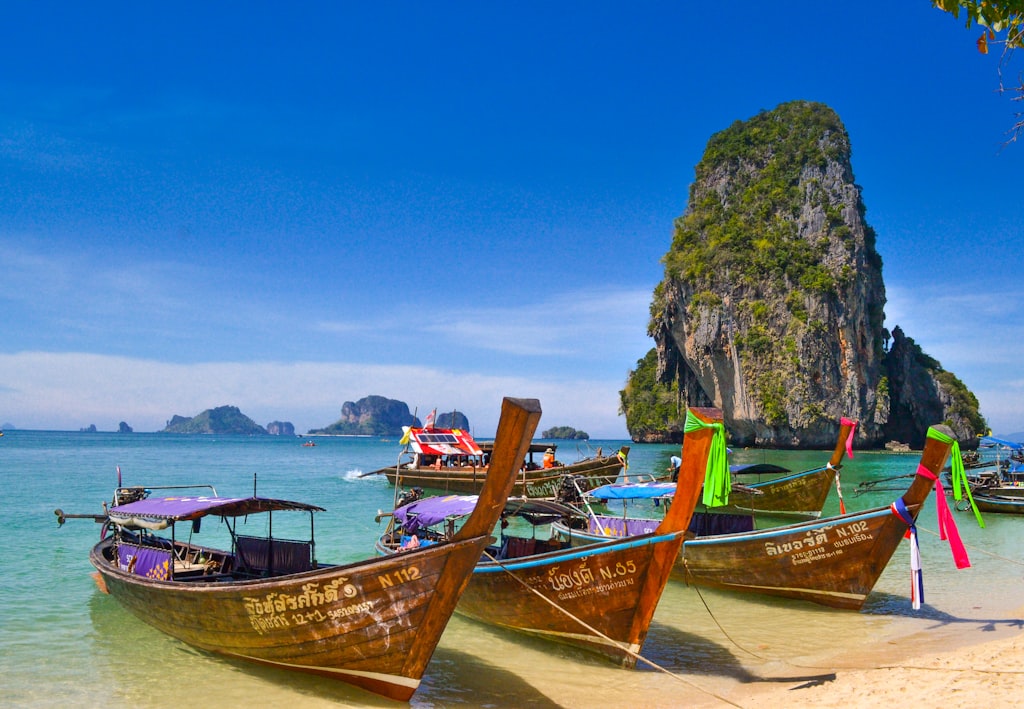
In Asia, Thailand has simplified its popular “Smart Visa” targeting digital entrepreneurs, startups, and remote workers through process improvements and lowered financial barriers.
Key 2026 Updates
- Visa duration extended up to 4 years, renewable.
- Minimum monthly income proof reduced to about THB 120,000 (~$3,500).
- Accelerated approval timelines and fewer documentation steps.
- Access to Thai social security and some welfare programs for holders.
These changes make Thailand a top contender for remote workers seeking easy residency combined with vibrant culture and affordable living.
Mexico: Flexible Remote Work Residency with Growing Popularity

Mexico has enhanced its visa renewals and residency policy flexibility, attracting digital nomads who prefer longer stays and the ability to integrate into local communities.
Highlights
- Temporary residency permits of up to 1 year, renewable for up to 4 years total before permanent residency eligibility.
- Lowered income or savings requirements starting around $2,000 USD monthly or $36,000 USD savings.
- Streamlined procedural requirements in key remote-worker hotspots like Oaxaca, Playa del Carmen, and Mexico City.
- Access to public and private healthcare with comprehensive insurance options.
Mexico balances easy residency rules with a diverse cultural environment, good safety records in many areas, and affordable living costs ideal for remote workers.
Estonia: Digital Nomad Visa with Low Bureaucracy and Tech Infrastructure
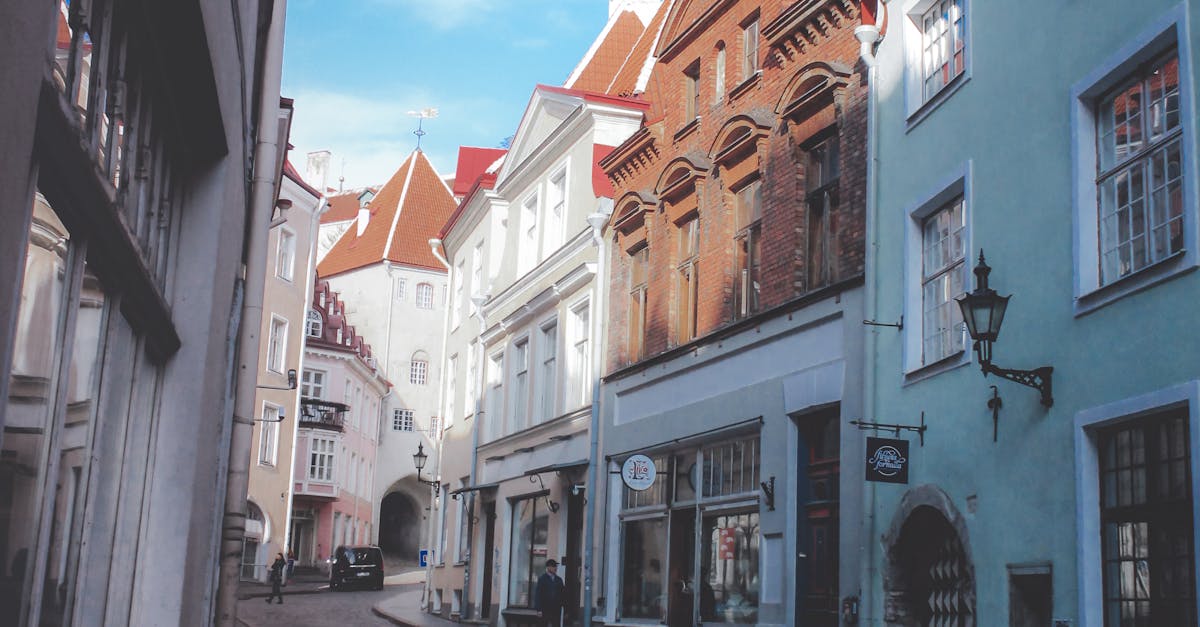
The Baltics continue to innovate in digital nomad facilitation. Estonia’s “Digital Nomad Visa” remains one of the easiest residency options in Europe for remote workers focused on speed and simplicity.
Essentials for 2026
- Permit duration up to 12 months with possibility of renewal under specific conditions.
- Application fee approximately €100, submitted fully online.
- Minimum income requirement around €3,504/month (~€42,000/year), focused on freelance or remote employment contracts.
- Estonia’s advanced digital infrastructure, e-residency, and e-government services are major draws.
Estonia appeals to those wanting short-to-medium term residency in a secure, digitally connected environment.
Comparing Residency Programs: Highlights for Remote Workers in 2026
| Country | Visa Name | Max Duration | Income Requirement | Key Benefits |
|---|---|---|---|---|
| Portugal | Tech Visa | 2 years + extensions | €3,000/month | Family inclusion, EU access |
| Thailand | Smart Visa | Up to 4 years | ~$3,500 USD/month | Long duration, social benefits |
| Mexico | Temporary Residency | Up to 4 years renewals | $2,000/month or savings | Affordable, flexible renewals |
| Estonia | Digital Nomad Visa | 12 months + renewal | €3,504/month | Low fees, e-gov services |
Quick Tip: Use the cost-of-living calculator to tailor your budget estimates based on your chosen country and city.
Emerging Destinations: Poland, Vietnam, and Costa Rica Gain Ground

Beyond headline visa programs, regional cities and emerging hubs offer compelling combinations of easy residency plus affordability:
Poland
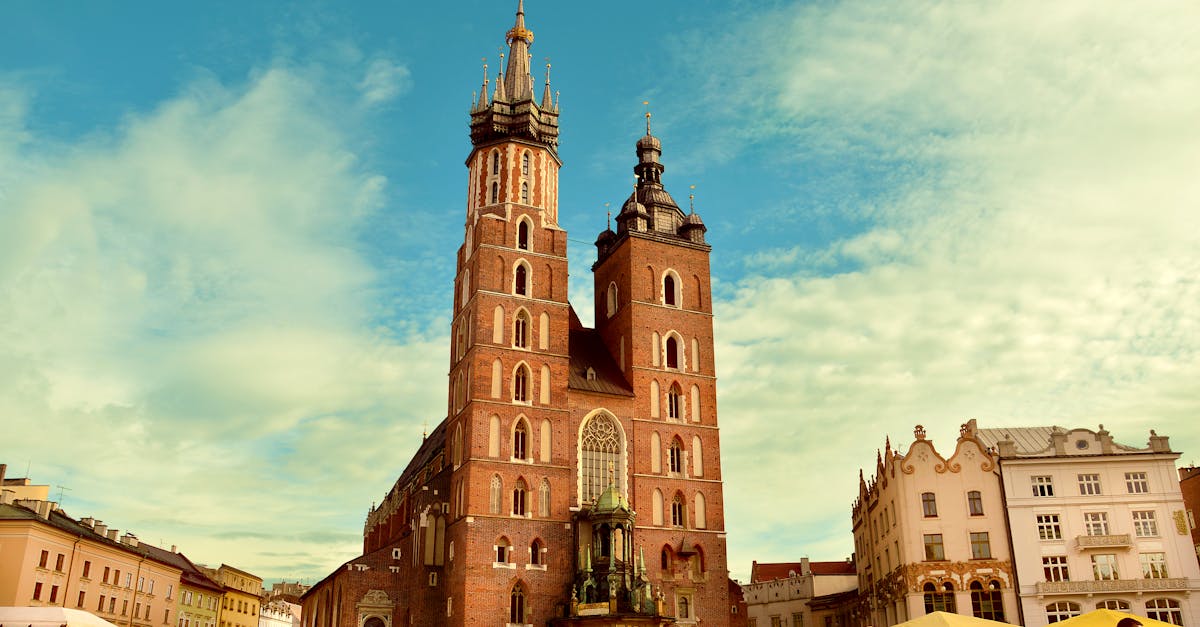
Cities like Kraków and Wrocław attract EU remote workers due to lower rents (~€600/month for 1BR) and straightforward temporary residence permits allowing multi-year stays. Poland’s tech economy growth means increasing opportunities for freelancers and contractors.
Vietnam

Da Nang has become an appealing alternative to Ho Chi Minh City with new long-term visa options (up to 2 years), improved infrastructure, and a low cost of living (~$900/month inclusive). The Vietnamese government is progressively easing residency options to support digital nomads.
Costa Rica
Known for political stability and robust public healthcare, the Pensionado Visa requires only $1,000/month income proof for retirees and offers easy extensions, making it alluring for remote workers prioritizing safety and lifestyle.
How to Simplify Your Residency Application Process
- Gather documents early: Passport, proof of income, health insurance, criminal background checks, and visa-specific forms are commonly required. Use consulate websites and official portals for checklists.
- Opt for digital submissions: Many countries now allow online visa and residency applications, dramatically cutting processing times.
- Engage local facilitators: Where available, relocation agencies or visa consultants can help avoid paperwork pitfalls.
- Maintain health insurance coverage: Most remote worker visas require comprehensive insurance—secure a global plan accepted by the destination.
- Plan finances with currency volatility in mind: Strengthening USD or EUR means budgeting accordingly for your host country’s currency fluctuations.
Balancing Residency Ease with Cost, Healthcare, and Safety
Choosing the easiest residency is just one piece of the puzzle. For sustainable long-term remote work life, factor in:
- Cost of living: Cities like Kraków or Da Nang may offer easier residency plus affordable housing and daily expenses compared to major global hubs.
- Healthcare access: Look for destinations with universal or affordable quality healthcare, especially if relocating with family.
- Safety: Political stability and low crime rates should weigh heavily in your decision. Countries like Portugal, Japan, and Switzerland excel here.
- Tax environment: Some countries have introduced beneficial tax regimes (e.g., Malta’s 15% flat tax, Cyprus’s non-dom perks). In others like Australia or the UK, expat taxation is tightening.
Quick Tip: The Relocation Wizard helps you balance these factors, matching you with countries that fit your lifestyle and work flexibility priorities.
Frequently Asked Questions
What is the easiest country to get residency as a remote worker in 2026?
Portugal and Thailand rank among the easiest thanks to their streamlined visa programs, moderate income requirements, and multi-year stay permits. Mexico also offers flexible renewals and affordable living.
How long can remote workers stay on these residence permits?
Stay durations vary from 1 year (Estonia’s Digital Nomad Visa) up to 4 years (Thailand’s Smart Visa), with common renewal options allowing remote workers to establish medium-term or even permanent residency.
Are family members eligible to join remote worker visa holders?
Many programs, such as Portugal’s Tech Visa and Thailand’s Smart Visa, allow partners and dependents to be included under the same permit, with rights to study and sometimes work.
How do economic factors like currency affect my remote work residency choice?
Currency strength influences how far your money goes abroad. With a strong US dollar, destinations in Southeast Asia, Latin America, and Eastern Europe offer better value, enabling longer stays and comfortable living within easier residency frameworks.
Final Thoughts
For remote workers eyeing 2026 relocation options, the easiest residency choices combine low bureaucratic entry points, reasonable income thresholds, and longer-term residency or renewal possibilities. Countries like Portugal, Thailand, Mexico, and Estonia lead the way in offering these flexible, digitally friendly pathways.
Before you make your move, take advantage of our Relocation Wizard to find your best fit based on your profession, budget, and lifestyle needs. Then, estimate living costs with the cost-of-living calculator to ensure your new home supports both your work ambitions and quality of life.
Embark on your global remote work journey with confidence—2026 holds unprecedented opportunities to live and work where you thrive.
Ready to begin? Try the Relocation Wizard now.