How to Choose the Best Country for Remote Work in 2026

Not sure where to start? Our free Relocation Wizard matches you to your ideal country in minutes.
Key Takeaways
- The best country for remote work 2026 depends on balancing visa policies, living costs, healthcare, infrastructure, and lifestyle preferences.
- Portugal, Spain, UAE, and select Latin American countries are leading with updated visa frameworks and attractive quality-of-life factors.
- Families and individuals must weigh healthcare access, education, and safety alongside work permits and tax regimes.
- Economic shifts like currency fluctuations and rising costs of living impact expat destination choices in 2026.
- Use a comprehensive decision-making framework and tools like the Relocation Wizard and cost-of-living calculator to find your ideal destination.
How to Choose the Best Country for Remote Work 2026: A Holistic Framework
When searching for the best country for remote work 2026, narrowing your options requires a multi-dimensional approach. A great remote work destination offers more than just a digital nomad visa or low taxes — it must align with your lifestyle, work flexibility, family needs, and financial goals.
Here’s a decision-making framework to guide your evaluation:
Visa and Residency Flexibility
Look for up-to-date remote work permits, their duration, renewal terms, income requirements, and application costs.Cost of Living vs. Income
Assess affordable housing, daily expenses, and how currency exchange rates affect your spending power. Use our cost-of-living calculator for tailored estimates.Healthcare Quality and Accessibility
Especially for families and retirees, universal or affordable healthcare is key. Ensure access for dependents and check whether your visa allows public health system inclusion.Infrastructure and Connectivity
Reliable high-speed internet, coworking spaces, good public transport, and international airports support productivity and lifestyle.Safety and Family Considerations
Political stability, quality education, and community support are crucial for relocating with children or partners.Lifestyle and Cultural Fit
Consider climate, language, outdoor activities, and expat communities to avoid culture shock and ensure personal happiness.
With these pillars in mind, let’s explore countries at the forefront in 2026, reflecting recent policy changes and evolving trends.
Portugal: Attractive Tax Benefits Amid More Restrictive Golden Visas

Portugal remains a top contender for remote workers and retirees, balancing stellar healthcare with an agreeable lifestyle and tax perks.
Updated Visa Landscape and Regional Shift
In early 2026, Portugal revamped its Golden Visa program requiring at least €500,000 real estate investment in low-density areas, aiming to decongest Lisbon and Porto. This change has reoriented demand towards regions like Alentejo and parts of the Azores, offering quieter environments with similar tax advantages.
Portugal’s Non-Habitual Resident (NHR) scheme continues to shine, providing a decade of near-zero tax on foreign income for qualifying individuals, ideal for digital nomads and retirees aiming to maximize income.
Living Costs and Infrastructure
While Lisbon and Porto rents have stabilized or increased due to tighter visa conditions, smaller towns boast significantly lower costs. Portugal’s healthcare is ranked highly, accessible through public and private systems, often covered under certain visa types.
High-speed internet is widely available, and a growing number of coworking spaces support remote professionals.
Quick Tip: If considering Portugal, target low-density regions for Golden Visa eligibility and use the Relocation Wizard to evaluate how local costs fit your budget.
Spain: New Startup & Remote Worker Visa Opens Doors for Tech Professionals

Spain launched its “Startup and Remote Worker Visa” in late 2025, signaling a strategic push to attract non-EU tech talent and creatives.
Visa Details and Eligibility
- Open to non-EU remote workers for up to 1 year, extendable.
- Requires minimum monthly income of €2,400 and health insurance.
- Application fees approximately €80.
- Simplified renewal and family reunification possible.
Cost of Living and Healthcare
Spain’s living costs remain moderate within Western Europe, particularly outside major cities. The public healthcare system covers residents near-universally, and visa holders qualifying for residence permits can access this after registration.
Cities like Valencia, Malaga, and Seville offer a blend of affordable living, warm climates, and strong expat communities.
Lifestyle and Work Support
Spain’s vibrant lifestyle, robust internet infrastructure, coworking hubs, and cultural richness appeal to digital nomads and families alike.
Quick Tip: Spanish remote workers should keep documentation of income and health insurance ready—these are strictly verified during the visa process.
United Arab Emirates: High-End Infrastructure Meets Business-Friendly Remote Work Permits

The UAE continues to innovate its remote-work landscape, positioning itself as a luxury hub for global professionals.
Dubai’s Virtual Working Program
- One-year digital nomad permit priced at AED 575 (~USD 157).
- Easy renewal processes.
- Access to numerous coworking spaces and international business networks.
- No income tax, enhancing net earnings.
Economic Considerations and Alternatives
Rising rents—up 10-15% year-on-year in Dubai and Abu Dhabi—are prompting some expatriates to explore neighboring Oman and Bahrain with lower living costs and new visa options, like Bahrain’s 5-year expat residency introduced in early 2026.
Lifestyle and Connectivity
UAE offers world-class infrastructure, luxury amenities, and a safe environment. However, higher living costs and cultural adaptation challenges should be factored in.
Latin America: Growing Popularity for Family-Friendly, Affordable Remote Work
Countries like Costa Rica, Mexico, and Colombia have solidified their positions as go-to destinations, combining tropical lifestyles with improving visa frameworks.
Costa Rica’s Extended Digital Nomad Visa Benefits

- Digital nomad visa extended in 2026 to include family members’ access to public healthcare after 6 months.
- Application fee reduced to USD 100.
- Moderate living costs and excellent natural surroundings.
Mexico and Colombia: Attractive Programs for Remote Workers

Both countries offer competitive living costs, good healthcare options in urban centers, and growing digital nomad communities. Mexico’s proximity to the US adds logistical convenience, while Colombia's improved safety and infrastructure attract a broader range of expats.
Quick Tip: Use our cost-of-living calculator to compare expenses across Latin American cities to find your best fit.
Malaysia: MM2H’s Rising Financial Bars Targeting Affluent Long-Term Residents

Malaysia’s revamped My Second Home (MM2H) program in 2026 has increased asset and fixed deposit requirements, aiming to attract wealthier retirees and professionals.
Financial Thresholds and Benefits
- Liquid assets must exceed MYR 1.2 million (~USD 280,000).
- Fixed deposits required: MYR 600,000 (~USD 140,000).
- Malaysia offers affordable healthcare and international schools attractive for families.
The depreciation of the Malaysian Ringgit slightly offsets these rising thresholds, but the program now caters to a wealthier demographic.
Europe Beyond Portugal and Spain: Italy, Switzerland & Croatia Shaping Remote Work Trends
Several other European countries are reshaping policies to lure remote workers and retirees.
Italy’s Expanded “New Resident Regime”

Italy now offers a flat 7% tax on foreign income for 10 years, with application fees of about €800 and strict residency requirements. This attracts wealthier returnees and newcomers alike.
Switzerland & Liechtenstein Tax Adjustments
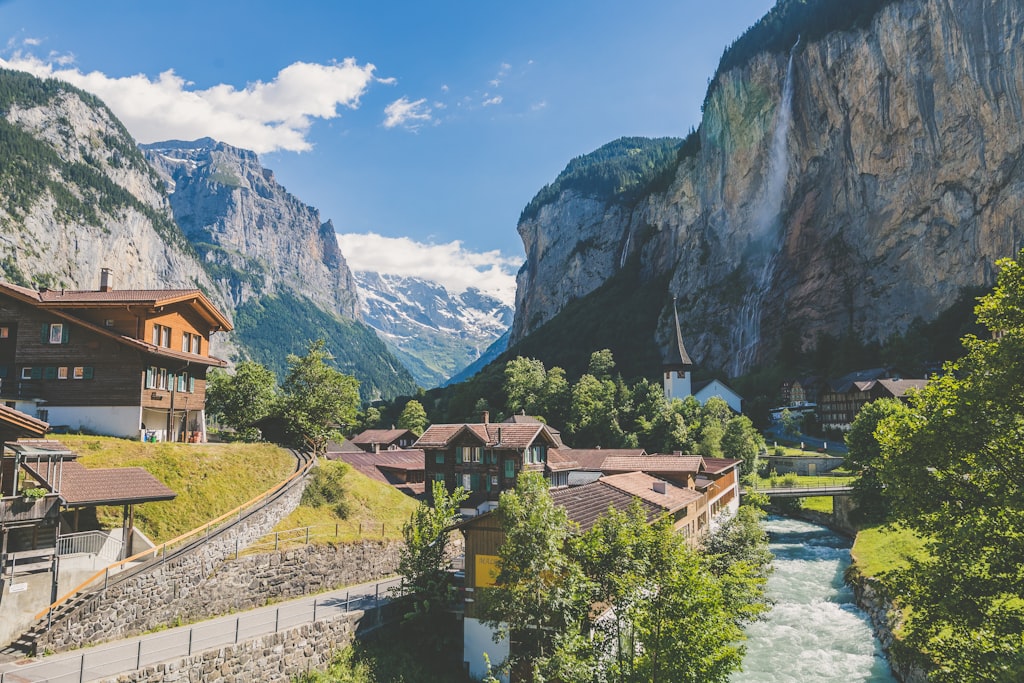
Switzerland’s recent tax hikes to fund healthcare have driven some high-net-worth individuals to Liechtenstein, which lowered personal income tax to roughly 12% in 2026.
Croatia’s Digital Nomad Residence Permit

Introduced in 2023, Croatia’s permit facilitates remote work stays, especially in coastal cities like Split and Dubrovnik, combining EU compliance with lower costs and improving infrastructure.
Asia’s Mixed Picture: Opportunities and Challenges in 2026
Malaysia MM2H Reforms (Covered Above)
Thailand’s Regulatory Uncertainty
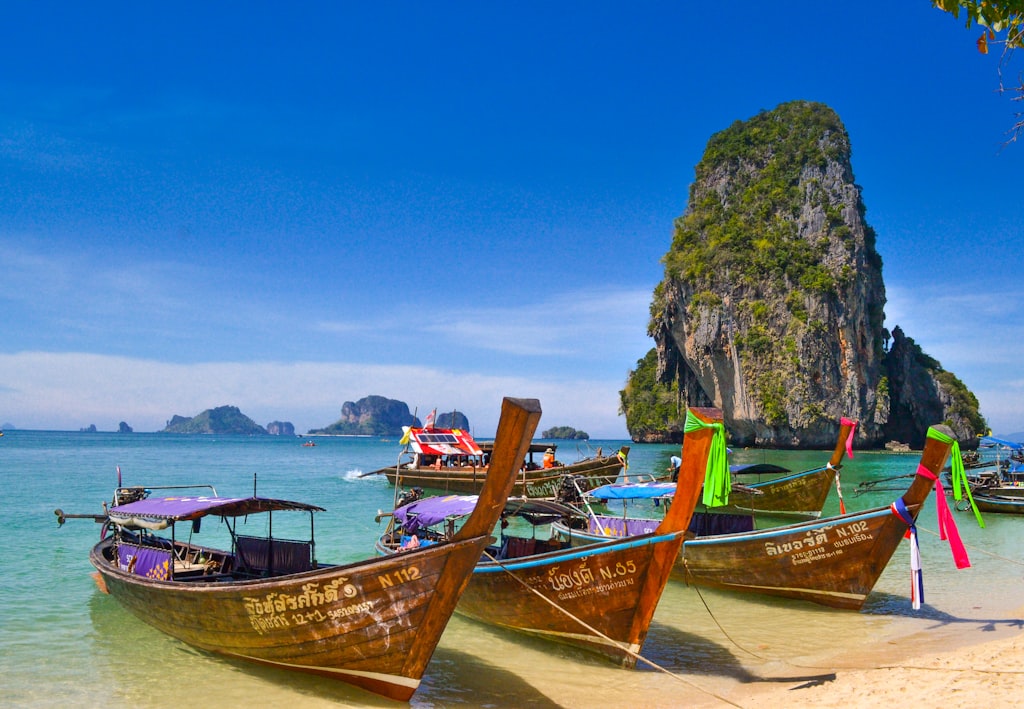
Thailand’s prolonged visa restructuring in 2026 has dampened expat inflows into Bangkok and Phuket, traditionally popular for affordability and lifestyle.
Japan’s “Japan Plus” Visa

Though modest in numbers due to cultural and language barriers, Japan offers new visa arrangements for highly skilled expats and retirees amid a weakening Yen, facilitating better purchasing power.
Safety, Education, and Family Needs: Canada, Australia, and New Zealand

Stable political environments and strong education systems keep countries like Canada, Australia, and New Zealand attractive despite higher living costs and visa expenses.
Canada’s Inclusive Residency Pilots
Since 2025, Canada offers pathways from temporary residence to permanent residency targeting skilled workers and graduates.
New Zealand’s Skilled Migrant Updates

Visa fees rose to NZD 1,730 (~USD 1,100) for principal applicants—a sign of increasing demand.
Family Friendly Considerations
These countries routinely rank high for safety, education quality, and healthcare, making them trustworthy choices for families relocating long-term.
Comparing Key Factors: Quick Table Overview
| Country | Visa Program Highlights | Cost of Living | Healthcare | Tax Incentives/Notes |
|---|---|---|---|---|
| Portugal | Golden Visa (€500,000 in low-density areas), NHR scheme | Moderate (varies by region) | High quality, public/private | 10 years near-zero tax on foreign income |
| Spain | Startup & Remote Worker Visa (€2,400/month income) | Moderate | Universal/public | Moderate tax rates |
| United Arab Emirates | Virtual Working Program (AED 575/year) | High (esp. Dubai) | Private/public varies | No income tax |
| Costa Rica | Digital Nomad Visa (USD 100 fee, healthcare access after 6 months) | Low-moderate | Public healthcare after residency | Tax friendly for foreigners |
| Malaysia | MM2H (increased asset requirements) | Low | Affordable, good quality | Tax exemptions for certain incomes |
| Canada | Temporary to permanent residency pilots | High | Universal | Progressive tax system |
Quick Tip: Use tools like the Relocation Wizard and cost-of-living calculator side by side to personalize your relocation decision.
Frequently Asked Questions
What visa options are best for remote workers in 2026?
Top visa options include Spain’s “Startup and Remote Worker Visa,” Portugal’s NHR combined with Golden Visa adjustments for investment, UAE’s Virtual Working Program, and Costa Rica’s extended digital nomad visa with family healthcare benefits.
How important is healthcare access when choosing a country for remote work?
Extremely important, especially for families and retirees. Countries with universal or semi-universal healthcare (Portugal, Spain, Costa Rica, Canada) offer greater security and cost savings. Check visa eligibility for health coverage before deciding.
How do living costs impact remote work destination choices?
Living costs directly affect disposable income and quality of life. Consider rent, utilities, groceries, and schooling if applicable. Currency fluctuations, like the Euro’s strength post-Brexit, can increase costs in Europe for some expats.
Can families relocate with remote work permits?
Many countries now allow family reunification under remote worker visas (e.g., Spain, Costa Rica, UAE). Ensure schools, safety, and healthcare systems meet your family’s needs before relocating.
Final Thoughts
Finding the best country for remote work 2026 is a balancing act between legal eligibility, economic factors, and personal lifestyle preferences. With evolving visa policies in Portugal, Spain, UAE, and growing appeal of Latin America and Asia, opportunities abound globally—whether you move solo or with family.
Be sure to leverage comprehensive tools like our Relocation Wizard for tailored destination recommendations and the cost-of-living calculator to anticipate daily expenses. Thoughtful planning today ensures your relocation tomorrow is smooth, sustainable, and fulfilling. Ready to explore your options? Start with the Relocation Wizard now.