Best Countries with Flexible Digital Nomad Visas in 2026
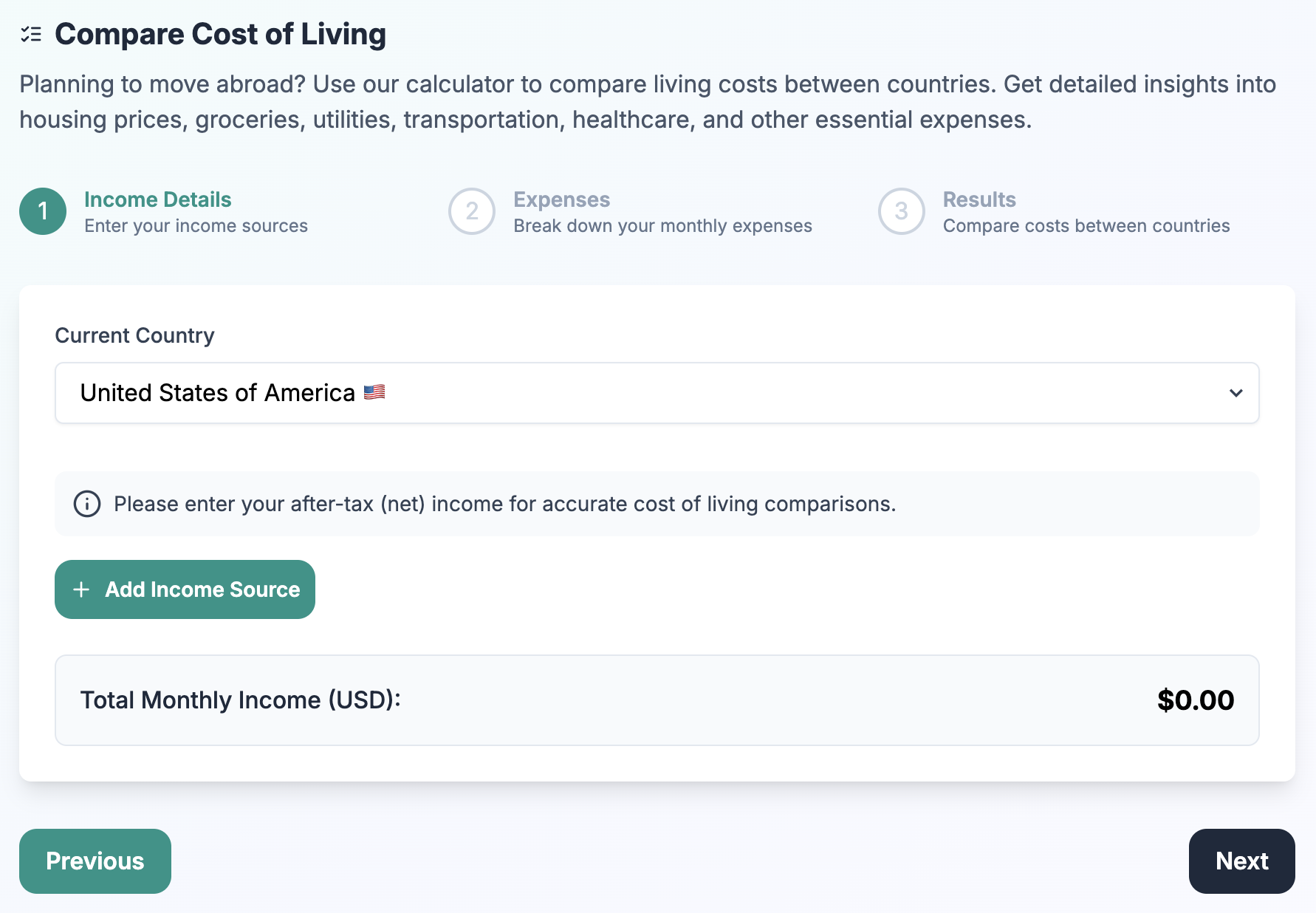
Not sure where to start? Our free Relocation Wizard matches you to your ideal country in minutes.
Key Takeaways
- Digital nomad visas in 2026 offer increasingly flexible terms, with options ranging from 12 to 24 months and costs between €90 and €500, catering to remote workers worldwide.
- Southern Europe’s Portugal, Spain, and Greece are expanding digital nomad programmes with attractive income thresholds and residency benefits.
- Southeast Asia and Central/Eastern Europe offer affordable and accessible digital nomad pathways, with Thailand and Estonia leading with longer visa durations and competitive fees.
- Evolving tax regimes, healthcare infrastructure, and political stability are critical in shaping expat decisions beyond visa access, particularly for medium-term digital nomads.
- Use tools like our Relocation Wizard and cost-of-living calculator to match your priorities with the best destinations and prepare for smooth relocation.
Why Digital Nomad Visas 2026 Are Game-Changers for Remote Workers
The landscape of international relocation continues to evolve rapidly in 2026, with digital nomad visas at the forefront of this transformation. These innovative visa programmes no longer simply offer short-term stays but are becoming more accommodating—extending durations, lowering income thresholds, and reducing costs. For remote workers and freelancers looking to balance work, lifestyle, and travel, keeping abreast of these updates is key to making informed relocation decisions.
Unlike traditional residency or golden visa schemes, digital nomad visas focus specifically on location-independent professionals seeking medium-term stays (usually 1-2 years) without the hefty investment or permanent residency requirements. This article profiles some of the most flexible and affordable digital nomad visas in 2026, weighing factors such as visa duration, application fees, income requirements, healthcare access, and overall quality of life, so you can choose the perfect country for your remote work lifestyle.
Quick Tip: Start your visa application process 3-6 months in advance. Processing times vary—Portugal’s can take up to 6 months—so early action ensures smoother transitions.
Comparing Top Digital Nomad Visas 2026: Duration, Costs, and Income Thresholds
| Country | Visa Name | Max Duration | Income Threshold (monthly) | Application Fee (USD/EUR) | Residency Benefits |
|---|---|---|---|---|---|
| Portugal | D7 Visa (expanded nomad appeal) | 1-2 years | ~€1,000.* | ~€90 plus processing | EU Schengen access, path to permanent residency |
| Spain | Digital Nomad Visa | 12 months (renew.) | €2,000 | ~€500 | EU access, healthcare integration, renewals |
| Greece | Digital Nomad Visa | 1 year (renewable) | ~€3,500 | ~€250 | Lower cost of living, EU travel, residency path |
| Estonia | Digital Nomad Visa | 24 months | ~€3,000 net | ~€100 | EU residency rights, stable Baltic economy |
| Thailand | Long-Term Resident (LTR) Visa | 10 years | THB 100k–200k investment | ~USD 1,200 (varies) | Multiple re-entry; healthcare varies |
_* Portugal's D7 income threshold is flexible and generally lower than Spain or Greece for digital nomads.*
Southern Europe’s Digital Nomad Visa Hotspots
Portugal: Affordable Flexibility with the D7 Visa
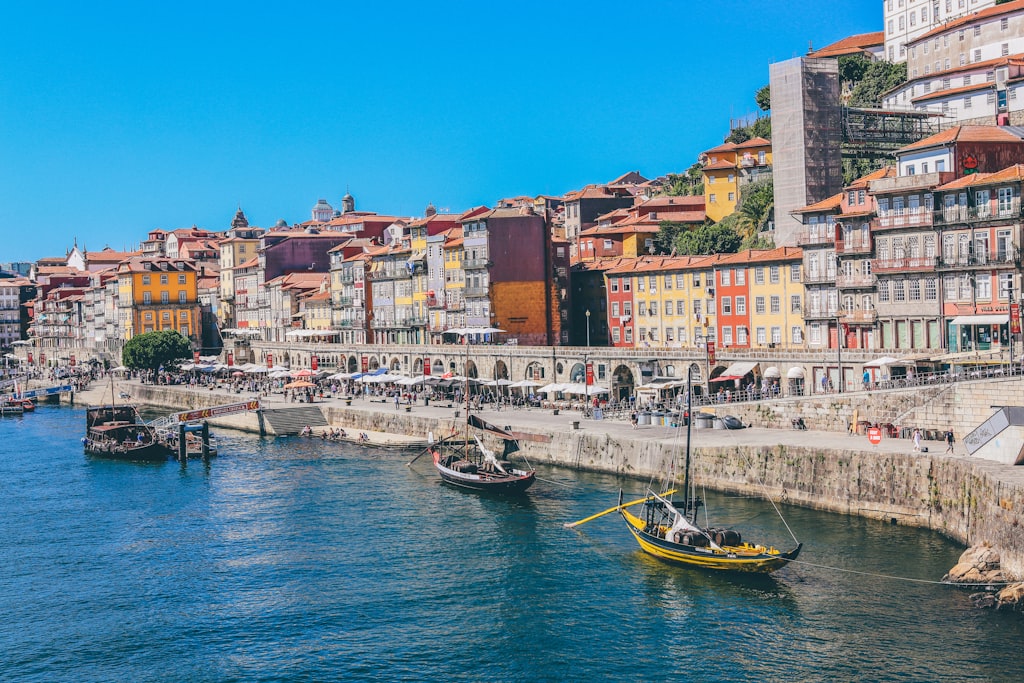
Portugal remains a strong contender for digital nomads in 2026 thanks to its broadened D7 visa programme. Initially tailored for passive income earners, the D7 visa now welcomes location-independent remote workers with greater ease. The application cost is low (~€90), though the process typically takes 4-6 months, so early preparation is crucial. The income requirement is modest (around €1,000/month), making Portugal accessible for many freelancers.
Residency under the D7 provides Schengen Area freedom, allowing travel across most of Europe. The country offers attractive tax regimes for new residents, a warm climate, and a vibrant expat community. Despite rising living costs in Lisbon and Porto, alternative cities like Braga or Coimbra can offer affordable living with rich culture.
Spain: Newly Launched Digital Nomad Visa with Competitive Terms

Spain’s digital nomad visa, fully operational in 2024 and expanded into 2026, grants an initial 12-month residence permit with renewal options. The monthly income threshold is around €2,000, aligning with Spain’s relatively higher living costs in Madrid and Barcelona. Application fees are higher (~€500), reflecting the administrative rigour behind the scheme.
The visa comes alongside Spain’s ongoing efforts to modify golden visa regulations, making these remote work permits a preferable choice for younger professionals seeking flexibility in an economically dynamic EU country. Healthcare access under Spain’s public system is robust, a major plus for expats planning medium-term stays.
Greece: Low-Cost and Relaxed Income Criteria Boost Remote Work Appeal

Greece’s digital nomad visa, launched officially in 2023 and continuing strong in 2026, appeals with its relatively low application cost (€250) and a moderate income threshold (€3,500/month). Greece boasts a lower cost of living than much of Western Europe and offers idyllic coastal living with reliable internet infrastructure in urban hubs like Athens and Thessaloniki.
The visa is renewable annually, with prospects of longer-term residency and even citizenship pathways available. For remote workers sensitive to both budget and quality of life, Greece offers a compelling balance of Mediterranean climate, history, and vibrant digital nomad communities.
Quick Tip: Though Greece’s income threshold is higher, part-time freelancing or combining income streams can help you meet visa requirements more flexibly.
Northern & Eastern Europe: Extended Duration and EU Access
Estonia: Longer Stays and Lower Barriers for Remote Workers
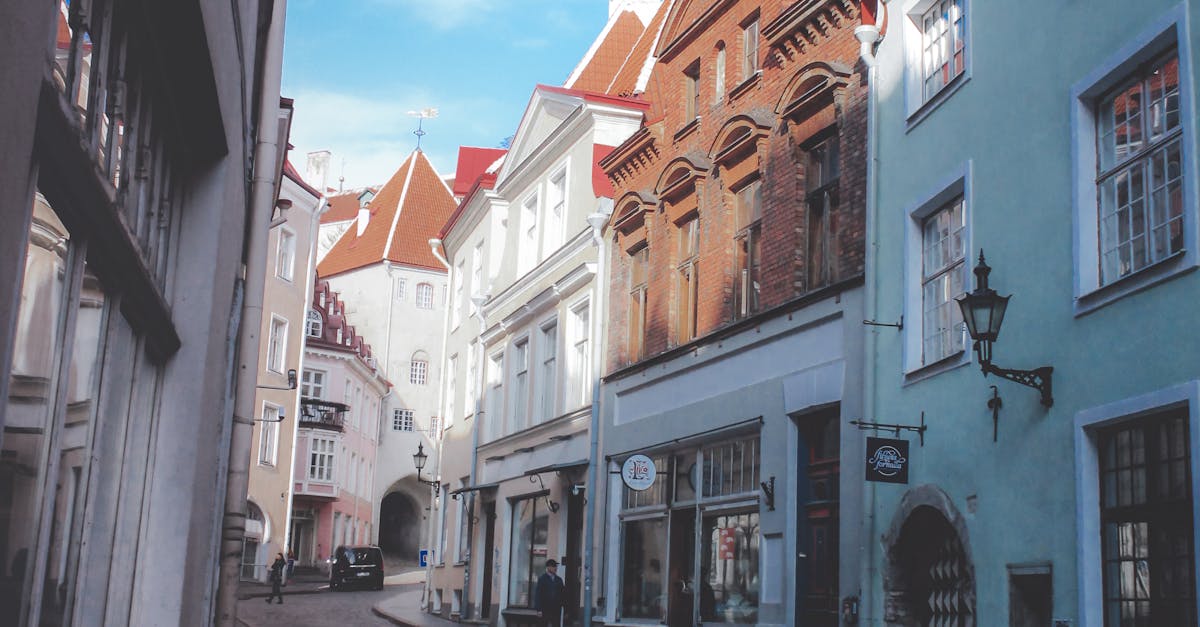
Estonia continues to pioneer the digital nomad visa concept by extending visa duration up to 24 months in 2026, double many competitors. The application fee is affordable (~€100), and the income threshold is approximately €3,000 net per month.
Estonia’s e-government infrastructure provides seamless digital services, appealing to tech-savvy remote workers eager to maintain residency within the EU while benefiting from a high standard of living and safety. Its capital, Tallinn, offers a vibrant startup scene, co-working spaces, and access to the wider Baltic and Nordic regions.
Croatia: Adriatic Charm and Growing Digital Nomad Infrastructure

Although digital nomad-specific visas remain relatively new in Croatia, its EU membership and scenic coastline make it a rising star among remote workers. Visa durations extend up to one year with options to renew, and costs hover around €100–€150.
Living costs are competitive compared to Western Europe, though tourism-driven inflation is rising in hotspots like Dubrovnik and Split. Access to EU benefits and proximity to Central Europe’s hubs make Croatia an attractive base for nomads seeking a Mediterranean lifestyle.
Southeast Asia’s Mix: High-Net-Worth Visas vs. Affordable Alternatives
Thailand: LTR Visa Opens Doors for Affluent Digital Nomads
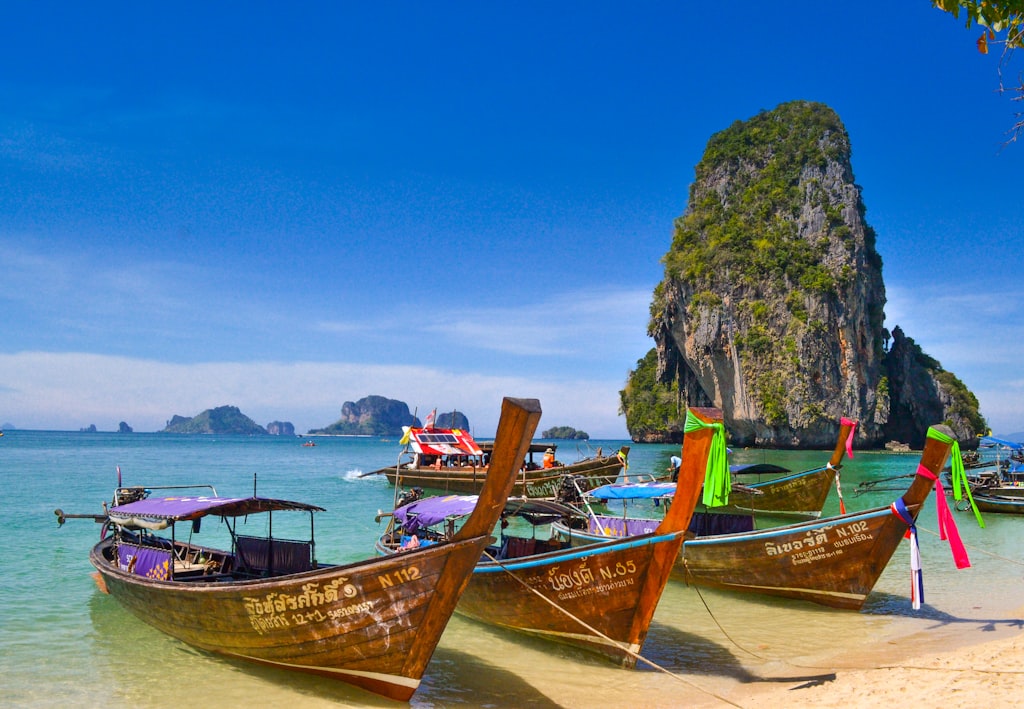
Thailand’s new Long-Term Resident (LTR) visa has captured attention in 2026 by offering up to 10 years of stay and multiple re-entry privileges. This visa, however, targets wealthier individuals who can meet investment thresholds between THB 10 million and 20 million (approx. USD 280,000–560,000).
While the LTR visa boosts Thailand’s appeal among high-net-worth entrepreneurs and retirees, political instability and healthcare variability prompt more risk-averse remote workers to consider alternatives like Malaysia, with its affordable and revitalized My Second Home (MM2H) programme.
Malaysia: Streamlined MM2H Programme for Affordable Long-Term Stays

Malaysia retains popularity thanks to the MM2H visa, a 10-year multiple-entry visa with income requirements recently lowered to MYR 7,500 (~USD 1,600) monthly, making it accessible for a broad range of remote workers and retirees.
Malaysia’s lower living costs combined with growing healthcare quality and English-speaking environments present compelling reasons for medium to long-term nomads to establish themselves here. The country also serves as a gateway to Southeast Asia with vibrant expat enclaves.
Quick Tip: For Southeast Asian digital nomads choosing Thailand or Malaysia, factor in healthcare access, political stability, and local COVID-19 policies as part of your research.
The Role of Taxation, Healthcare, and Stability in Digital Nomad Visas Decisions
Visa flexibility alone no longer defines the best relocation choices for digital nomads. Tax regimes, healthcare access, and political factors weigh heavily in 2026.
- The UAE remains ultra-attractive for no personal income tax and enhanced 10-year investor visas, but costs remain high. The Dubai Remote Work Visa enables one-year digital nomad stays (~AED 1,200).
- Ireland’s freshly expanded Special Assignee Relief Programme offers tax relief for select foreign employees, beneficial for remote workers linked to multinationals.
- Germany, with its new Retirement Visa and strong universal healthcare, is gaining traction among older digital nomads and retirees despite higher income thresholds and cost of living.
- Political stability enhances attractiveness: Canada and New Zealand continue to welcome digital nomads and remote workers with clear frameworks and high safety levels, though visa costs and application complexity may be factors.
Preparing for Your 2026 Digital Nomad Visa Application: Timeline and Tips
- Start 3-6 months before your planned move. Portugal and Spain’s applications can take 4-6 months to process.
- Gather financial proof according to each country’s income thresholds (bills, contracts, bank statements).
- Confirm health insurance coverage; many digital nomad visas require comprehensive plans valid locally or internationally.
- Plan accommodation arrangements or proof of address as part of your application.
- Stay updated on COVID-19 entry rules and visa updates via official embassy channels.
Quick Tip: Use the Relocation Wizard to receive tailored visa and destination guidance based on your profession, income, and lifestyle preferences.
Frequently Asked Questions
What are the most flexible digital nomad visas available in 2026?
Countries like Estonia and Portugal offer some of the most flexible visas in 2026, featuring durations up to 24 months, modest income thresholds (~€1,000-€3,000), and reasonable application fees (€90-€100). Spain and Greece also provide strong options with renewable one-year permits.
How much income do I need to qualify for a digital nomad visa in 2026?
Income requirements vary widely: Portugal’s D7 visa accepts around €1,000 monthly; Spain requires approximately €2,000; Greece asks for about €3,500; and Estonia’s digital nomad visa sits near €3,000 net monthly. Southeast Asian programmes like Thailand’s LTR demand much higher investment income or assets.
Can digital nomad visas lead to permanent residency or citizenship?
Many digital nomad visas serve as stepping stones toward permanent residency after continuous renewal periods (typically 3-5 years). For example, Portugal’s D7 visa holders can apply for permanent residency and eventual citizenship after five years. Rules vary, so consult immigration authorities for each country.
How does healthcare impact digital nomad visa choices?
Healthcare access is crucial, especially for medium to long-term stays. EU countries like Portugal, Spain, Greece, and Estonia have strong public healthcare systems accessible under certain residency conditions. Southeast Asia varies; Thailand’s private healthcare is good in urban centers while Malaysia is improving rapidly. Always secure comprehensive insurance.
Final Thoughts
Digital nomad visas in 2026 present exciting opportunities for freelancers and remote workers seeking flexibility, low-cost living, and residency benefits across diverse regions—from Europe’s sunny shores to Asia’s tropical cities. Key to success is choosing a visa aligned with your income, duration needs, healthcare preferences, and lifestyle.
Don’t navigate these complex options alone—explore your best-fit destinations with our Relocation Wizard and crunch the numbers for living expenses using the cost-of-living calculator. The right preparation today will unlock your ideal remote work life tomorrow.