Best Countries to Relocate for Remote Work Without Employer Sponsorship 2026

Not sure where to start? Our free Relocation Wizard matches you to your ideal country in minutes.
Key Takeaways
- Many countries now offer flexible remote work visas without employer sponsorship, ideal for freelancers and entrepreneurs seeking autonomy in 2026.
- Southern Europe, led by Spain and Portugal, has introduced streamlined digital nomad visa options with attractive residency terms, moderate income requirements, and quality lifestyle amenities.
- Southeast Asia’s visa landscape is shifting with higher income thresholds and regulatory tightening in countries like Thailand, while Malaysia and Vietnam remain viable alternatives.
- Safety, political stability, healthcare quality, and tax regimes are increasingly vital in choosing relocation destinations for long-term remote workers.
- Emerging programs in the UAE, Canada, and curated golden visa adjustments in Europe reflect evolving global priorities favoring sustained remote work and lifestyle quality.
Why Remote Work Visas Without Employer Sponsorship Matter in 2026
As remote work cements itself into the new normal, digital nomads and freelancers seek visa options that do not tie them to a specific employer. Remote work visas without employer sponsorship offer this crucial independence: applying purely on personal merit and income criteria rather than complex company-backed sponsorship. This shift empowers autonomous remote workers and entrepreneurs to relocate freely, embrace new cultures, and structure their working life on their own terms.
In 2026, global visa programs are evolving rapidly, responding to both economic pressures and the booming remote workforce. Countries compete to attract entrepreneurial talent with accessible, long-term visas that minimize bureaucratic hurdles while offering robust lifestyle benefits—from affordable living to quality healthcare.
In this article, we’ll explore the best countries providing genuine remote work visa options without employer sponsorship, focusing on accessible entry criteria, renewal policies, cost of living, and local lifestyle benefits. Whether you’re a freelancer, consultant, or startup founder, here’s your up-to-date guide for relocating in 2026.
Southern Europe: Leading the Charge in Remote Work Visa Accessibility
Southern Europe shines in 2026 as a hotspot for remote workers looking for autonomy in visa processes. Spain and Portugal have introduced or revamped visa categories designed specifically with digital nomads and entrepreneurs in mind.
Spain’s Startup Law Visa: A New Era for Solo Remote Workers

Spain’s much-anticipated Startup Law, enacted in early 2026, has consolidated and expanded its digital nomad visa offerings. This visa allows remote workers employed outside the EU to stay initially for 12 months, renewable up to five years, without the need for employer sponsorship.
Key requirements:
- Proof of annual income of around €28,000 (~$30,000 USD).
- Clean criminal background check.
- Mandatory health insurance coverage.
- Proof of remote work for a non-Spanish employer or freelancers with verified contracts.
Spain’s moderate cost of living, especially outside major cities like Madrid and Barcelona, alongside excellent healthcare through its public system, have made the country increasingly attractive. Inflation pressures have pushed prices up roughly 6% year-over-year but the quality of life, Mediterranean climate, and rich culture more than compensate.
Quick Tip: If applying for Spain’s Startup Law visa, focus on regions like Valencia or Seville to enjoy lower housing costs and an authentic cultural experience while maintaining excellent digital connectivity.
Portugal’s D7 Passive Income Visa: Lower Threshold, Greater Appeal

Portugal has made its popular D7 visa even more accessible by lowering the minimum annual income requirement for primary applicants from €8,460 to roughly €7,200 (~$7,800 USD). This visa remains attractive to digital nomads with passive income sources such as dividends, royalties, or rental earnings, allowing broad eligibility beyond traditional employment.
Highlights:
- Initially issued for 2 years, renewable for 3 years thereafter.
- Access to Portugal’s national healthcare system and pathways to permanent residency.
- Favorable tax policies under the Non-Habitual Resident (NHR) program, including a 10% flat tax on Portuguese-sourced income and exemptions on qualifying foreign pensions.
- Emerging hotspots like Lagos and smaller coastal towns offer affordable living and warm climates with less inflation impact than Lisbon or Porto.
Quick Tip: Use the cost-of-living calculator to compare living expenses across Portuguese cities; smaller coastal towns often deliver the best value combined with lifestyle perks.
Greece Tightens Golden Visa but Looks Beyond Real Estate

Greece has increased its minimum real estate investment threshold from €250,000 to €500,000 in 2026 to curb investor demand and speculative bubbles. Though this reduces attractiveness for some, Greece still offers renewal-friendly residency schemes and spectacular lifestyle benefits in cost-effective locations like Crete and Thessaloniki, favorable for remote workers seeking long-term stays without employer sponsorship.
Emerging Southeast Asian Alternatives Amid Fluctuating Regulatory Climate
Southeast Asia remains a popular region among remote workers, but recent regulatory changes have reshaped feasibility.
Thailand’s Smart Visa Challenges and Income Increases
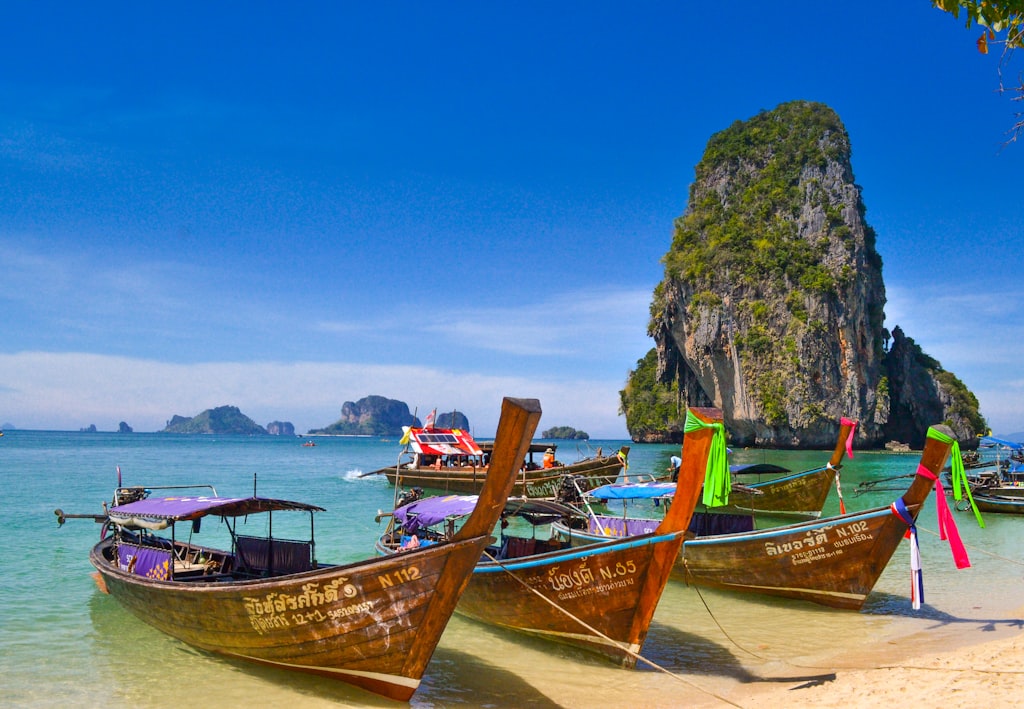
Thailand faced delays in implementing its “Smart Visa” tailored for knowledge workers and entrepreneurs. The minimum income requirement jumped from 50,000 THB ($1,500 USD) to 80,000 THB ($2,400 USD), limiting eligibility for many freelancers.
Currency depreciation (an 8% drop in Thai baht vs USD since early 2025) paradoxically lowers living costs for USD earners but signals macroeconomic uncertainty, driving risk-conscious expats to alternatives.
Malaysia’s DE Rakyat Visa: Low Barriers and Strategic Location

In contrast, Malaysia offers the “DE Rakyat” temporary resident visa with modest requirements—proof of MYR 5,000 monthly income (~$1,150 USD)—and a straightforward application process. Malaysia is gaining popularity among Western and Middle Eastern expats due to good infrastructure, relatively low cost of living, and a welcoming environment.
Vietnam’s Increasing Appeal for Entrepreneurs

Vietnam has quietly expanded its visa options for digital nomads and entrepreneurs, with a focus on long-stay business visas and flexible renewals. While income thresholds exist, the cost of living remains attractive for freelancers, balanced by growing urban development in cities like Hanoi and Ho Chi Minh City.
Quick Tip: If considering Southeast Asia, monitor monthly income requirements carefully and assess political stability before committing, using tools like our Relocation Wizard.
North America and the Middle East: Premium Options with Lifestyle Security
Countries outside Europe and Asia are enhancing their offerings for independent remote workers, focusing on stability, healthcare, and investment opportunities.
Canada’s Retiree Pathway Pilot and Tech-Friendly Policies

Canada launched a “Retiree Pathway Pilot” in mid-2026 targeting applicants over 55 with at least CAD 1 million net worth (~$730,000 USD) and private health insurance, facilitating permanent residency without employer backing. This program addresses aging demographics and labor shortages in care sectors.
Canada remains a strong option for digital nomads focused on safety, good healthcare, and English-speaking environments, although living costs in cities like Toronto and Vancouver are high.
United Arab Emirates’ Expanded Golden Residency for Remote Workers

The United Arab Emirates has broadened its “Golden Residency” scheme to 10-year renewable visas for entrepreneurs and digital nomads with proof of AED 300,000 yearly income (~$81,600 USD). Coupled with zero income tax and a stable dirham pegged to the USD, the UAE draws high-earning expats from global tech hubs.
How Tax and Safety Influence Remote Workers’ Visa Choices
Tax Flexibility Fuels Choices
Europe and the Middle East have taken steps to enhance tax clarity for remote workers. For example:
- France finalized a “14-day rule” reform in early 2026, simplifying tax residency avoidance for digital nomads spending under 14 days annually in France.
- United States of America tightened “virtual presence” rules, prompting remote workers with US employers to seek foreign company engagements.
- Portugal continues to offer NHR tax benefits that reduce rates for new residents, making it attractive for high-net-worth expats.
Safety and Political Stability Paramount
Destinations once favored for affordability face new challenges. For example, Mexico Pacific coast cities see growing crime and rental restrictions, deterring some expats. Conversely, Mérida in Yucatán is rising in popularity for its low crime, affordable housing, and access to private healthcare.
Comparing Top Visas Without Employer Sponsorship: Key Criteria
| Country | Visa Name | Income Requirement | Initial Duration | Renewal Terms | Cost of Living Rank* | Healthcare Access | Notes |
|---|---|---|---|---|---|---|---|
| Spain | Startup Law Visa | 12 months | Up to 5 years | Moderate | Public & private | Requires health insurance | |
| Portugal | D7 Passive Income Visa | €7,200/year (~$7.8K) | 2 years | Renewable (3 years each) | Low | Public system | Favors stable passive income |
| Malaysia | DE Rakyat Visa | MYR 5,000/month (~$1,150) | 1-2 years depending | Renewable | Low | Good private options | Easy application process |
| Canada | Retiree Pathway Pilot | CAD 1 million net worth | Permanent residency | N/A | High | Universal healthcare | Age 55+ requirement |
| UAE | Golden Residency | AED 300,000/year (~$81.6K) | 10 years | Renewable | High | Excellent private | No income tax, luxury market |
| Vietnam | Business/Work Visa | Varies | 1-2 years | Renewable | Low | Developing | Growing digital nomad ecosystem |
*Cost of Living Rank based on 2026 average indices, with Low representing affordable, Moderate mid-range, High expensive.
Frequently Asked Questions
What are remote work visas without employer sponsorship?
Remote work visas without employer sponsorship allow individuals to reside and work remotely in a country based on their personal income and business activity, without needing a job offer or visa sponsorship from a company. These visas target freelancers, entrepreneurs, and digital nomads seeking independence.
Which countries offer the easiest remote work visas in 2026?
Southern European countries like Spain (Startup Law visa) and Portugal (D7 passive income visa) offer some of the most accessible options. Malaysia’s DE Rakyat visa and Canada’s Retiree Pathway also provide streamlined routes depending on your profile.
How long can I stay on these remote work visas?
Visa durations vary. Spain’s Startup Law visa offers a one-year initial stay with renewals up to 5 years. Portugal’s D7 visa starts at 2 years, with renewals for 3 years. Malaysia’s DE Rakyat visa term generally ranges from 1 to 2 years, renewable.
Do I need health insurance for remote work visas?
Most countries with remote work visas now require proof of health insurance or enrollment in the public healthcare system. For example, Spain mandates private health insurance, while Portugal offers access to its national health service. Always check specific visa rules before applying.
Final Thoughts
Relocating for remote work in 2026 without employer sponsorship has never been more accessible—particularly in Southern Europe and select Asian and North American countries. The evolving visa landscape prioritizes autonomy, flexibility, and quality of life, empowering freelancers and entrepreneurs globally.
To find the best fit for your personal and professional needs, try our free Relocation Wizard that matches your profile to ideal countries quickly. Once you have a destination shortlist, use our cost-of-living calculator to plan your budget and lifestyle comfortably.
Your next remote work adventure awaits—start your relocation journey today!