Best Countries to Relocate for Digital Nomad Families in 2027

Not sure where to start? Our free Relocation Wizard matches you to your ideal country in minutes.
Key Takeaways
- Digital nomad visas for families in 2027 increasingly offer extended stays, dependent coverage, and family-friendly benefits, making quality long-term relocation easier than ever.
- Leading destinations in Europe, Latin America, and Southeast Asia stand out for combining affordable living, strong schooling options, and comprehensive healthcare.
- Countries like Portugal, Spain, and Croatia have recently expanded family visa options with reasonable income requirements and residency pathways.
- Southeast Asian programs like Thailand’s Smart Visa 2.0 and Vietnam’s Start-up Residence Card target skilled families but come with more stringent application criteria post-pandemic.
- Use tools like our Relocation Wizard and cost-of-living calculator to tailor your family’s move based on budget, lifestyle, and educational needs.
The Rise of Digital Nomad Visas for Families in 2027
As remote work becomes the new global norm, the demand for digital nomad visas for families is soaring. Parents balancing careers with childcare now seek destinations that offer long-term, hassle-free residency alongside quality education and healthcare systems for their children. Unlike the earlier focus on individuals traveling solo, 2027’s landscape reflects a deliberate move by countries to accommodate entire families with streamlined visa regimes and comprehensive social benefits.
Countries continue to refine visa policies to attract this growing demographic, recognizing the economic and community benefits families bring. Moreover, geopolitical shifts and cost-of-living spikes in traditional hubs are pushing remote-working families to explore emerging locations that blend affordability with infrastructure and safety.
Before diving into specific countries, it’s crucial to factor in:
- Visa length and renewal terms for dependents
- Minimum income requirements and proof of remote work
- Access to quality international or bilingual schools
- Availability of family-focused healthcare and childcare options
Planning ahead with these considerations ensures a digital nomad family can settle confidently, minimizing disruptions in education or care routines.
Quick Tip: Always verify the latest visa requirements directly with official immigration sources or consulates, as changes often roll out unexpectedly throughout the year.
What Makes a Country Ideal for Digital Nomad Families?
Several factors influence where families choose to relocate under digital nomad visas, especially in 2027’s competitive environment. Here’s what to prioritize:
| Factor | Why It Matters |
|---|---|
| Visa Flexibility | Longer stays (1–5 years), easy renewals, and dependent inclusiveness reduce stress for families. |
| Income Thresholds | Affordability of entry requirements impacts feasibility for remote-working parents. |
| Education Options | Access to international schools, bilingual programs, or quality public schooling matter deeply for kids’ development. |
| Healthcare Quality | Family-friendly healthcare ensures peace of mind, especially for young children or special medical needs. |
| Cost of Living | Determines budget feasibility and quality of life balance. |
| Safety and Infrastructure | Stable economies, good transportation, and family amenities contribute to a supportive environment. |
Combining these elements helps remote-working families avoid pitfalls common in general expat relocations and find truly suitable homes abroad.
Europe: Digital Nomad Visas for Families Leading the Way
Portugal: The Enhanced D7 Visa — A Family-Friendly Path to Residency

Portugal continues to shine as a top destination for digital nomad families thanks to its popular D7 visa, which now welcomes remote workers with passive or active income exceeding roughly €760/month (€9,120 annually). The D7 visa grants full residency rights and can lead to citizenship over time. Critically for families, dependents are easily included, and the country boasts excellent international schools, a warm climate, and one of Europe’s best healthcare systems.
Portugal’s affordable cost of living relative to Western Europe helps remote-working parents support household expenses and quality education. Lisbon, Porto, and the Algarve are especially sought-after for established expat communities, English-speaking schools, and family-oriented amenities like parks and cultural activities.
- Visa validity: Initial 1 year, renewable for up to 5 years, pathway to permanent residency and citizenship
- Income proof: ~€760/month passive income or earnings from remote work
- Family perks: Children and spouses included; access to public healthcare and schooling
Quick Tip: Use the cost-of-living calculator to compare Portuguese city expenses with your current location and budget for private or international schooling if needed.
Spain: The New Startups and Remote Workers Visa for Families

Spain has entered 2027 with a fresh “Startups and Remote Workers” visa that permits stays up to two years with renewal options. The income threshold is around €2,334 per month, reflecting Spain’s higher living costs compared to Portugal. The visa explicitly supports families, meaning you can include children and spouse, qualifying them for residency benefits and healthcare.
Spain’s educational infrastructure includes a rich network of bilingual and international schools, ideal for families targeting a well-rounded education for their children. Cities like Valencia and Barcelona remain popular for their balance of culture, climate, and growing digital nomad scenes.
- Visa validity: 2 years, renewable
- Income proof: Approximately €2,334/month
- Family benefits: Residency rights for dependents, access to public services, plus vibrant expat communities
Croatia: Extended Digital Nomad Visa with Family Inclusion

Croatia revamped its digital nomad visa in 2026, doubling the valid stay from 1 to 2 years and maintaining a low application fee (~€100). The income requirement for individuals is roughly €2,500 monthly, and families can apply together with proof of combined income.
With rising popularity due to stunning coastal living, affordable costs, and improving infrastructure, Croatia also offers a good selection of private schooling and public healthcare options suitable for families. Zagreb and Split are hubs favored by expats balancing lifestyle and remote work.
- Visa duration: 2 years
- Income minimum: ~€2,500/month for family applications
- Family advantages: Dependent visas included, access to public schooling and healthcare
Southeast Asia: Balancing Opportunity with Post-Pandemic Caution
Thailand: Smart Visa 2.0 Welcomes Skilled Families
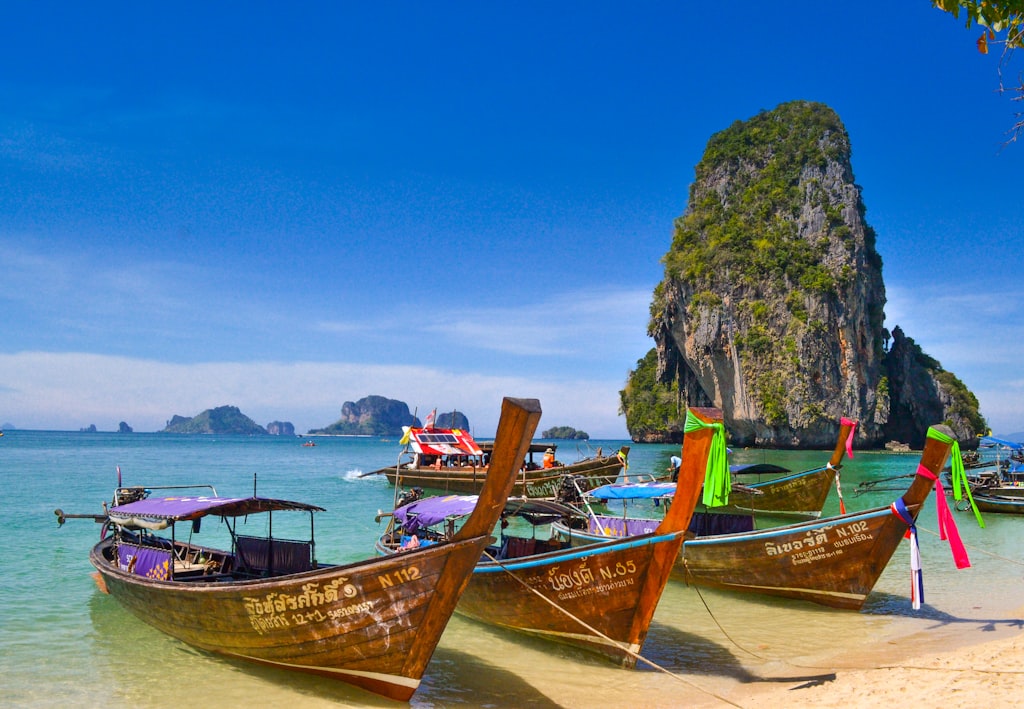
Thailand’s revamped Smart Visa program since late 2025 targets high-skilled professionals and startups but is increasingly popular among digital nomad families due to its longer stays (up to 4 years) and family inclusions. While fees vary, the base application is about THB 21,000 (~$600) plus other validation costs.
The visa requires investment or employment in innovation sectors but allows spouses and children to stay legally with full residency benefits. Thailand boasts warm weather, low cost of living, and international schooling options especially in Bangkok and Chiang Mai. However, the bureaucratic process is more complex than some European options.
- Stay duration: Up to 4 years, renewable
- Costs: ~THB 21,000 ($600) plus investment or job proof
- Family benefits: Dependents included, access to international schools and healthcare facilities
Vietnam: The Start-up Residence Card for Tech Families

Vietnam introduced a Start-up Residence Card aimed at tech entrepreneurs and digital workers, lasting up to five years with application fees around $200-$300. Although it has more limited schooling options in English compared to Thailand, cities like Ho Chi Minh City and Hanoi are rapidly developing facilities for expat families, including some international schools.
Vietnam’s low cost of living helps families stretch budgets, but healthcare quality and schooling accessibility remain variable outside major cities.
- Validity: Up to 5 years
- Cost: Approx. $200–300 application fee
- Family aspects: Dependents allowed, expanding but still limited schooling options
Quick Tip: If schooling and healthcare rank highest in your family’s priorities, consider Thailand’s larger international school network first before Vietnam’s emerging options.
Latin America: Affordable, Family-Friendly Long-Term Stays
Mexico: Up to 4 Years with the Temporary Resident Visa

Mexico remains a top choice for families wanting affordable living combined with vibrant culture. The Temporary Resident Visa allows stays up to 4 years and is favored by digital nomads who can prove approximately $1,700/month income with government fees around $200.
Mexico offers quality international and bilingual schools, especially in Mexico City, Guadalajara, and Playa del Carmen, along with accessible healthcare. The country’s growing expat hubs provide community support and family amenities.
- Visa period: Up to 4 years, renewable
- Income proof: ~$1,700/month
- Family benefits: Dependents included with direct access to schooling and healthcare
Costa Rica: A Draw for Eco-Friendly, Family-Oriented Nomads

Known for its lush environment and strong commitment to sustainability, Costa Rica appeals to families seeking a slower pace. While visa options vary, digital nomads often use Tourist or Rentista visas linked to proof of stable income around $2,500/month.
Costa Rica has a good selection of international schools and universal healthcare access, making it an ideal long-term option for parents wanting safety and nature for their children.
- Visa types: Tourist visa extensions or Rentista visa
- Income threshold: $2,500/month typical
- Perks: Good school choices, family-friendly communities, and excellent outdoor lifestyle
Uruguay: Stability and Healthcare for Families

Uruguay, with relatively low inflation (~8% in early 2026) and social services ranked highly in Latin America, is gaining traction. Its residency visa costs increased to $600 reflecting demand but grants families access to solid education and public healthcare.
Montevideo features multiple bilingual and private schools, alongside a safe, middle-income urban environment ideal for remote-working families.
- Residency visa fee: $600
- Inflation: ~8% (stable for the region)
- Family benefits: Access to public education and healthcare
Other Noteworthy Destinations
Estonia: Digital Nomad Residence and Tech-Friendly Family Life

Estonia, known for its pioneering e-residency program, plans to expand digital nomad residence permits especially for blockchain and IT professionals in 2027. The visa allows for up to 1-year stays with roughly €100–150 fees. While schooling options are smaller compared to Western Europe, Estonia offers a supportive tech environment and safe living conditions.
- Stay duration: Up to 1 year
- Application fee: €100–150
- Family focus: Emerging family amenities, good education access in Tallinn
Malta and Cyprus: Golden Visas with Family Benefits

Malta continues refining its Individual Investor Programme, offering residency and citizenship pathways with family inclusion, though barriers and costs have risen (€600,000+ contributions plus property). Cyprus relaunched its CIP in 2026, targeting affluent families at a €2 million real estate investment.
These Mediterranean islands suit wealthier families prioritizing citizenship security, prime healthcare, and quality schooling.
- Malta NRP: €600k+ investment, strict due diligence
- Cyprus CIP: €2 million real estate + €150k fees for citizenship in 6 months
- Family perks: Residency and citizenship for dependents
Comparing Top Digital Nomad Visas for Families (2027)
| Country | Visa Type | Validity | Income Threshold (USD) | Family Inclusion | Schooling Options | Healthcare Access |
|---|---|---|---|---|---|---|
| Portugal | D7 Passive Income Visa | Up to 5 years | $8,000+/year | Yes | Excellent (intl & public) | Public & Private |
| Spain | Startups & Remote Workers | 2 years | $2,600/month | Yes | Strong bilingual & intl | High quality |
| Croatia | Digital Nomad Visa | 2 years | $2,700/month | Yes | Growing intl schools | Good public/private |
| Thailand | Smart Visa 2.0 | Up to 4 years | Variable; tiered | Yes | Good intl schools in cities | Quality private |
| Mexico | Temporary Resident Visa | Up to 4 years | $1,700/month | Yes | Diverse bilingual options | Public & private |
| Costa Rica | Rentista / Residency | 1–2 years | $2,500/month | Yes | Good intl schools | Good access |
| Vietnam | Start-up Residence Card | Up to 5 years | Variable (~$2,000) | Yes | Limited but improving | Variable quality |
Navigating Cost of Living with Families in Mind
Budget is paramount for families planning digital nomad moves. Inflation, currency fluctuations, and everyday expenses like schooling and healthcare heavily influence where your money goes.
Use our cost-of-living calculator to estimate real monthly expenses for your family’s destination, allowing adjustments for lifestyle and unexpected costs. For example, while Spain requires higher income thresholds, the cost of international schools there may also be higher than in Mexico or Portugal.
Quick Tip: Don’t forget to budget for additional education costs, such as uniforms, school transport, and extracurricular activities, which vary widely by country.
Frequently Asked Questions
What are digital nomad visas for families, and how do they differ from individual visas?
Digital nomad visas for families specifically allow dependents—spouses and children—to join the primary applicant legally and often grant dependents access to schooling and healthcare. These visas tend to have more flexible conditions regarding family residency duration and proof of income, recognizing the broader responsibilities applicants bear.
Which countries have the best digital nomad visas for families in 2027?
Portugal’s D7 visa, Spain’s Startups and Remote Workers visa, and Croatia’s extended digital nomad visa currently lead for Europe. In Latin America, Mexico and Costa Rica are highly favorable. In Asia, Thailand’s Smart Visa 2.0 is amongst the best for families due to longer stay periods and comprehensive benefits.
Can digital nomad visas lead to permanent residency or citizenship?
Yes, many offer pathways to permanent residency and citizenship. For example, Portugal’s D7 visa can lead to citizenship after 5 years. Spain’s visa also sets foundations for residency extensions and long-term rights. However, family applicants should review each country’s specific terms as timelines and requirements vary.
What should families consider beyond visa requirements when relocating?
Beyond visas, families must consider education quality and availability, healthcare access and cost, local language barriers, safety, and community support. These factors impact everyday life and should weigh heavily in any relocation decision.
Final Thoughts
Choosing the best country with digital nomad visas for families in 2027 means balancing visa flexibility, income requirements, schooling, healthcare, and lifestyle preferences. Europe’s evolving visa programs, Latin America’s affordability, and select Asian countries’ tech-friendly policies create a dynamic array of options for remote-working parents and their children.
Start your relocation journey with confidence—explore the options that fit your family’s unique profile using our Relocation Wizard and get tailored cost estimates with the cost-of-living calculator. Finding your ideal home abroad has never been easier.
Ready to find your perfect relocation destination? Try the Relocation Wizard today!