Best Countries for Long-Term Remote Work with Family in 2026

Not sure where to start? Our free Relocation Wizard matches you to your ideal country in minutes.
Key Takeaways
- Countries like Portugal, Spain, and the United Arab Emirates offer family-friendly long-term remote work visas with flexible stay durations and growing social benefits.
- Education quality, healthcare accessibility, and cost of living are crucial factors for families relocating abroad, with destinations such as Canada, Malaysia, and Sweden standing out.
- Southeast Asia’s evolving visa regimes, including Thailand’s Smart Visa and Malaysia’s MyDIGITAL Nomad Pass, provide affordable multi-year remote work options ideal for families seeking cultural immersion.
- Currency fluctuations, taxation reforms, and real estate requirements strongly influence relocation choices in 2026, affecting cost efficiency and legal permanence.
- Planning remote work with family involves balancing visa income thresholds with schooling availability and safety, making up-to-date research and tools like the Relocation Wizard essential for success.
Why Long-Term Remote Work with Family Requires a Different Approach in 2026
For remote workers planning to relocate internationally with their families, the priorities stretch well beyond just securing a remote work or digital nomad visa. Long-term remote work with family puts schooling options, healthcare access, safety, and lifestyle front and center. Unlike solo digital nomads who may prioritize flexibility and nightlife, families need stability, community, and long-term planning capabilities.
In 2026, this means targeting countries that not only offer flexible remote work permits with multi-year validity but also have immigration policies favorable to dependents, competitive income thresholds adjusted to current cost of living, and quality public or international schools. Healthcare quality, safety indices, and reasonable living expenses to manage family budgeting tightropes are equally important.
The global landscape is vibrant and evolving fast — from enhanced permits in Europe and North America to new opportunities in Southeast Asia. This article breaks down the best countries accessible to families, helping you make informed decisions on long-term remote work with family in 2026.
Europe’s Best for Long-Term Remote Work with Family
Europe remains a top destination for families seeking balance between professional flexibility and quality of life. Its extensive visa options and strong social infrastructure make it a prime candidate for long-term relocations.
Portugal: Affordable Family-Oriented Digital Nomad Visa Growth

Portugal has revamped its Digital Nomad Residence Permit in early 2026, lowering the income requirement to about €2,500/month (previously €3,000), broadening eligibility. The visa offers stays up to one year with renewals and access to some social benefits after five years, presenting a path to longer-term residency.
For families, Portugal shines with:
- Excellent international schools especially in Lisbon, Porto, and the Algarve, including British, American, and IB curriculum options.
- High-quality healthcare accessible through a mix of public and private providers.
- Relatively low cost of living compared to Western Europe, with modest rents outside Lisbon.
- Safe neighborhoods and a family-friendly lifestyle featuring parks, beaches, and outdoor activities.
Several expat-friendly neighborhoods offer large apartments or houses perfect for families. An average monthly income threshold of €2,500 is manageable if combined primary income sources meet this requirement or with dual earners.
Quick Tip: When planning, check public vs international school enrollment deadlines early as spots in popular areas fill fast, especially in Lisbon.
Spain: Competitive Startup and Entrepreneurial Residence Permits for Families

Spain relaunched its “Startup Law” in late 2025, offering the Entrepreneurial Residence Permit tailored to remote workers and startup founders. The income threshold stands at ~€2,800 monthly, with application fees around €150-€250. This represents a competitive pathway to secure multi-year family residency tied to business or freelance remote work.
Spain’s advantages include:
- Top-ranked education with numerous bilingual and international schools in cities like Barcelona and Valencia.
- A warm climate combined with rich cultural amenities that appeal to families.
- More affordable cost of living than other Western European countries outside major cities.
- Universal healthcare access through residency, highly rated for quality.
Though visa holders must provide proof of income and clean background checks, this visa facilitates family reunification and schooling options. Spain’s increasing economy and infrastructure upgrades also make it a target country for long-term remote work with family.
Quick Tip: Use the Relocation Wizard to compare school options city-by-city, especially if bilingual education ranks high on your priority list.
Greece: Rising Appeal through Golden Visa Adjustments and Lifestyle Benefits

With Greece upping its Golden Visa real estate investment threshold from €250,000 to €300,000 in early 2026, Greece remains competitive for families seeking Schengen access through property ownership. Although not a digital nomad visa, this pathway appeals to higher-net-worth families balancing investment with residency.
Key family benefits include:
- Affordable coastal living with strong expat communities in Athens and Thessaloniki.
- Good private schooling options and increased international school presence.
- Growing healthcare infrastructure with well-established private hospitals in urban centers.
- Low cost of living compared to Western Europe, especially in property and food costs.
Families valuing the Mediterranean lifestyle with long-term stay rights find Greece a viable alternative to traditional European hubs, especially when combined with potential rental income from property investments.
North America’s Family-Friendly Remote Work Destinations
North America features strong education systems, world-class healthcare, and some of the most accommodating visa programs for families relocating for long-term remote work.
Canada: International Experience Canada (IEC) and Family Education Benefits

Canada has maintained its International Experience Canada (IEC) program, which is popular among young families searching for high standards of living and an inclusive society. While not a long-term remote work visa per se, Canada’s Family Sponsorship and multiple work permit categories provide pathways conducive to teleworking.
Key family considerations:
- Access to excellent public and private schools, with provincial variations (Ontario, British Columbia, Quebec).
- Universal, publicly funded healthcare offering peace of mind for families.
- Safety is high in most urban and suburban centers.
- Reasonably flexible income proof requirements depending on visa type, approximately CAD 3,000–4,000 monthly for dependents and permits.
Canada’s diverse cities, from Vancouver to Toronto, combine job opportunities for spouses alongside remote work setups, making it ideal for families placing education and healthcare first.
Mexico: Low Cost of Living and Family-Oriented Temporary Resident Visa

Mexico’s Temporary Resident Visa is a practical choice for families moving for long-term remote work with reasonable income requirements (~$2,000/month) and very affordable application fees (<$100). Mexico’s proximity to the United States and Spanish language environment enhances its appeal.
Family highlights include:
- Growing number of international schools and bilingual education centers, especially in Mexico City, Guadalajara, and Monterrey.
- Private healthcare facilities are affordable and high quality in urban areas.
- The cost of living is comparatively low, enabling families to afford spacious housing and lifestyle amenities.
- Cultural richness coupled with warm climates.
Mexico also benefits from established expat communities and less stringent visa renewal processes versus many European countries.
Quick Tip: Consider lifestyle adjustments including language learning for your children as part of relocation planning in Mexico to maximize schooling benefits.
Southeast Asia’s Emerging Multi-Year Remote Work Visas for Families
Southeast Asia offers a compelling mix of affordability, tropical lifestyle, and increasingly competitive visa programs that cater to long-term remote work with family needs.
Thailand: Extended Smart Visa for Multi-Year Family Stays
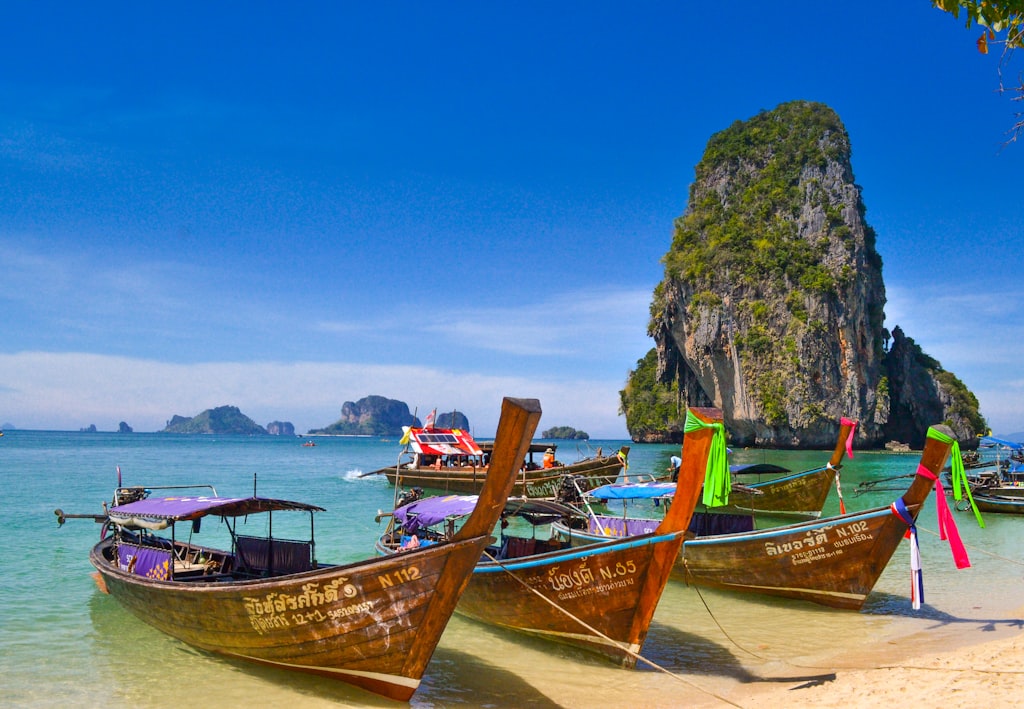
Thailand expanded its Smart Visa program in late 2025, now permitting up to four years for eligible remote workers within digital, biotech, and tech industries. The new income threshold stands around THB 80,000/month (~$2,200).
Family advantages include:
- Access to international schools in Bangkok, Chiang Mai, and Phuket with extensive curricula options.
- Quality private healthcare at affordable rates, with large hospitals equipped for expat needs.
- A tropical climate favorable for outdoor family activities.
- Reasonable cost of living compared to Western countries.
While the Smart Visa itself targets tech professionals, spouse and dependent visas are available, making long-term stays feasible but requiring careful documentation and planning.
Malaysia: The New MyDIGITAL Nomad Pass Enables Longer Stays for Families

Malaysia’s MyDIGITAL Nomad Pass, launched mid-2026, offers a three-year remote work visa option. For a fee around MYR 2,500 ($570) and monthly income minimums of MYR 8,000 ($1,850), families can secure stable residence.
Key family-oriented benefits:
- Excellent international schools in Kuala Lumpur and Penang renowned for British and American curricula.
- Private healthcare ranked among Southeast Asia’s best and most affordable.
- Lower cost of living than urban hubs in Singapore or Hong Kong.
- Multicultural environment with significant English proficiency.
Political concerns and infrastructure variability still require due diligence, but with strong government backing, Malaysia is positioning itself as a long-term hub for remote-working families.
Indonesia: Bali’s Visa Uncertainties and Family Considerations

Indonesia, especially Bali, has been a favorite for families wanting a laid-back lifestyle. However, visa regime confusion and post-COVID restrictions have tempered enthusiasm in 2026.
- Visa options are limited to one-year multiple-entry social-cultural visas that don’t directly cater to remote work.
- Limited international schooling options with some expansion in Bali but overall less robust than Thailand or Malaysia.
- Healthcare requires planning with reliance on private international hospitals in Jakarta or Singapore border clinics.
- Cost of living is affordable, but political and infrastructure uncertainties may challenge families seeking stability.
Families considering Indonesia should monitor evolving government policies and use tools like the Relocation Wizard to assess current visa suitability.
Balancing Income Requirements, Education, and Healthcare: A Practical Comparison
| Country | Income Threshold (Monthly) | Visa Duration | Family Visa Access | Quality of Education | Healthcare Accessibility | Cost of Living (relative) |
|---|---|---|---|---|---|---|
| Portugal | €2,500 | 1 year, renewable | Yes | High | High | Moderate |
| Spain | €2,800 | Multi-year | Yes | High | High | Moderate to High |
| Greece | €300,000 investment (Golden Visa) | 5 years, renewable | Yes | Moderate | Moderate | Low |
| Canada | CAD 3,000–4,000 | Variable work permits | Yes | Very High | Very High | High |
| Mexico | $2,000 | 1-4 years | Yes | Moderate | Moderate | Low |
| Thailand (/country/thailand) | THB 80,000 (~$2,200) | Up to 4 years | Yes | Moderate-High | High | Low-Moderate |
| Malaysia (/country/malaysia) | MYR 8,000 (~$1,850) | 3 years | Yes | High | High | Low |
Quick Tip: Use the cost-of-living calculator to tailor budget projections based on your family size and lifestyle choices in desired destinations.
Safety, Taxes, and Lifestyle Amenities: What Families Should Expect in 2026
Safety ranks as a top concern. Northern European countries such as Sweden and Finland continue to attract families with their strong social welfare systems, safe cities, and excellent schools, despite higher costs. Progressive tax systems are offset by comprehensive public services like childcare and healthcare.
Tax reforms across Europe—like Italy’s flat tax introduction—affect where money-savvy families choose to settle. Meanwhile, countries like the United Arab Emirates offer tax-free income through remote work visas with no minimum income requirement, ideal for high-net-worth remote families.
Lifestyle amenities such as parks, community centers, and cultural offerings factor heavily into family decisions. For example:
- Dubai combines luxury living with family-oriented services and vast international schooling.
- Portugal’s coastal towns attract families seeking outdoor recreation.
- Canada’s major cities offer cultural diversity and green spaces ideal for children.
Balancing these elements alongside realistic income proof requirements differentiates casual short-term nomads from families establishing a new home abroad.
Frequently Asked Questions
What are the best visas for long-term remote work with family in 2026?
Visas such as Portugal’s Digital Nomad Residence Permit, Spain’s Entrepreneurial Residence Permit, Thailand’s Smart Visa, and Malaysia’s MyDIGITAL Nomad Pass are among the best for families. Many allow dependents to join, offer multiple-year validity, and have reasonable income requirements suited for family budgets.
How do schooling options vary for families relocating internationally?
Schooling availability depends heavily on location. European countries and North America provide a wide selection of international, bilingual, and public schools with strong curricula. Southeast Asia offers growing international school networks but varies by city and quality. Early research and school application planning are essential.
How important is healthcare when choosing a long-term remote work destination for families?
Healthcare accessibility and quality are vital. Countries like Portugal, Canada, and Malaysia provide affordable, high-standard healthcare attractive to families. Emergencies, routine care, and health insurance must be factored into relocation decisions.
How do cost of living and currency fluctuations affect long-term remote work with family?
Cost of living impacts housing, schooling, and daily expenses. Currency fluctuations, like the weaker USD vs euro, have pushed families towards Eastern Europe or Southeast Asia for better value. Using tools like the cost-of-living calculator helps families plan budgets accurately.
Final Thoughts
Long-term remote work with family in 2026 requires carefully balancing visa options, income requirements, schooling, healthcare, safety, and lifestyle factors. Countries such as Portugal, Spain, Canada, and emerging Southeast Asian hubs like Thailand and Malaysia offer increasingly family-friendly pathways with multi-year stays.
To simplify your search and match your family’s needs, try our powerful Relocation Wizard. Coupled with the cost-of-living calculator, these tools equip you with personalized insights to plan a successful and fulfilling international move for your remote working family.
Begin your journey today and create the perfect home base for your family’s remote work adventure!