Best Countries for Expats with Remote Work Visas in 2026

Not sure where to start? Our free Relocation Wizard matches you to your ideal country in minutes.
Key Takeaways
- In 2026, countries with remote work visas 2026 like Portugal, Greece, and Spain offer streamlined visa paths, reasonable income thresholds, and strong residency perks.
- Southeast Asia’s evolving programs, such as Malaysia’s simplified MM2H and Vietnam’s tightening policies, highlight the region’s mixed but promising options for digital nomads.
- The Caribbean’s golden visa and investment residency schemes appeal to high-net-worth expats seeking multi-year residency and wide travel freedoms.
- Economic factors like currency shifts, inflation, and rising property costs impact affordability and lifestyle choices, influencing where remote workers choose to settle.
- Quality of life, healthcare access, reliable connectivity, and taxation remain top priorities, making certain countries especially attractive despite higher costs.
Understanding the Landscape: Countries with Remote Work Visas 2026
Remote work visas have become essential tools for expats seeking legal, long-term stays abroad while continuing their careers online. In 2026, the competition among countries to attract digital nomads and remote employees intensifies, with programs focusing on accessible eligibility, manageable income thresholds, residency benefits, and quality of life.
Visa programs vary widely — from newly launched digital nomad residence permits to revamped investment schemes. Understanding local income requirements, application procedures, and lifestyle factors is crucial. This guide explores the best and most practical countries with remote work visas 2026, highlighting key destinations offering clear, cost-effective paths to remote work residency.
Quick Tip: Always check the latest official government websites or trusted relocation platforms like our Relocation Wizard for updated visa details before applying.
Europe Leading the Way: Portugal, Spain, and Greece

Europe remains a leading destination for remote workers, thanks largely to its expanding, refined visa offerings and attractive lifestyle amenities.
Portugal: New Digital Nomad Residence Permit and Beyond
Portugal has been a top pick for expats due to its warm climate, quality healthcare, and relatively affordable living costs. Building on the popular D7 visa, 2026 sees the launch of the Digital Nomad Residence Permit tailored for freelancers and remote employees.
- Income requirement: Minimum monthly gross income of €2,500.
- Application: Streamlined process through local consulates with option to fast-track residency.
- Benefits: Legal residence with access to Portuguese healthcare, eventual pathway to permanent residency and citizenship.
- Cost of living: Moderate, especially outside Lisbon and Porto; using our cost-of-living calculator can help budget accordingly.
Portugal’s tax perks remain favorable; the renowned Non-Habitual Residency (NHR) offers generous tax breaks for up to 10 years, though tighter rules curb abuse.
Spain: Revamped Visas for Remote Workers and Entrepreneurs

Spain revamped its visa landscape, making it easier for digital nomads and retirees alike.
- Non-Lucrative Visa: Minimum annual income reduced from €27,000 to €22,000, increasing accessibility for remote workers without local employment.
- Start-up Visa: For digital entrepreneurs willing to invest at least €50,000 in approved tech ventures, offering residency and business-friendly support.
- Lifestyle: High-quality healthcare, vibrant cities like Barcelona and Valencia, plus Mediterranean lifestyle.
Spain’s recent tax adjustments aim to balance attractiveness with regulatory compliance, aligning with OECD standards.
Greece: Updated Digital Nomad Visa Lowers Income Threshold

Greece refreshed its Digital Nomad Visa program in 2026, lowering income requirements to:
- Income threshold: €3,500 per month (down from €4,000).
- Visa duration: Up to 2 years, renewable.
- Application: Online submissions accepted, with a simplified document checklist.
- Living costs: Affordable compared to Western Europe, plus strong healthcare improvements and beautiful coastal living.
Greece’s visa improvements target mid-budget remote workers seeking European residency with good infrastructure and lifestyle balance.
Quick Tip: Consider visa processing times and required documentation early — many European countries now offer multi-step pre-approval to smooth the process.
Southeast Asia: Emerging and Evolving Remote Work Visa Options
While Southeast Asia remains popular for expats and digital nomads, visa policies in 2026 show a range of developments.
Malaysia: Simplified MySecondHome (MM2H) Program

Malaysia’s MM2H program underwent a significant update in early 2026:
- Financial proof: Liquid assets requirement reduced to MYR 150,000 (approx. US$33,000) from MYR 500,000.
- Duration: 10-year renewable visa with family options.
- Healthcare: Quality private hospitals accessible, affordable insurance available.
- Cost of living: Low, especially outside Kuala Lumpur; great balance of urban and tropical living.
Vietnam: Policy Tightening Affects Remote Workers

Vietnam paused its Tourist Visa Extension policy partly due to infrastructure limits and stricter enforcement of work permits for freelancers.
- Remote work status: No dedicated remote work visa yet; standard work permits needed.
- Implication: Freelancers must find local sponsorship or switch to business visas.
- Cost of living: Extremely affordable, but visa restrictions likely to limit long-term remote work migration.
Despite hurdles, Vietnam remains attractive for short-term digital nomads prioritizing affordability and cultural experience.
Indonesia and Thailand: Status Quo with Some Flexibility
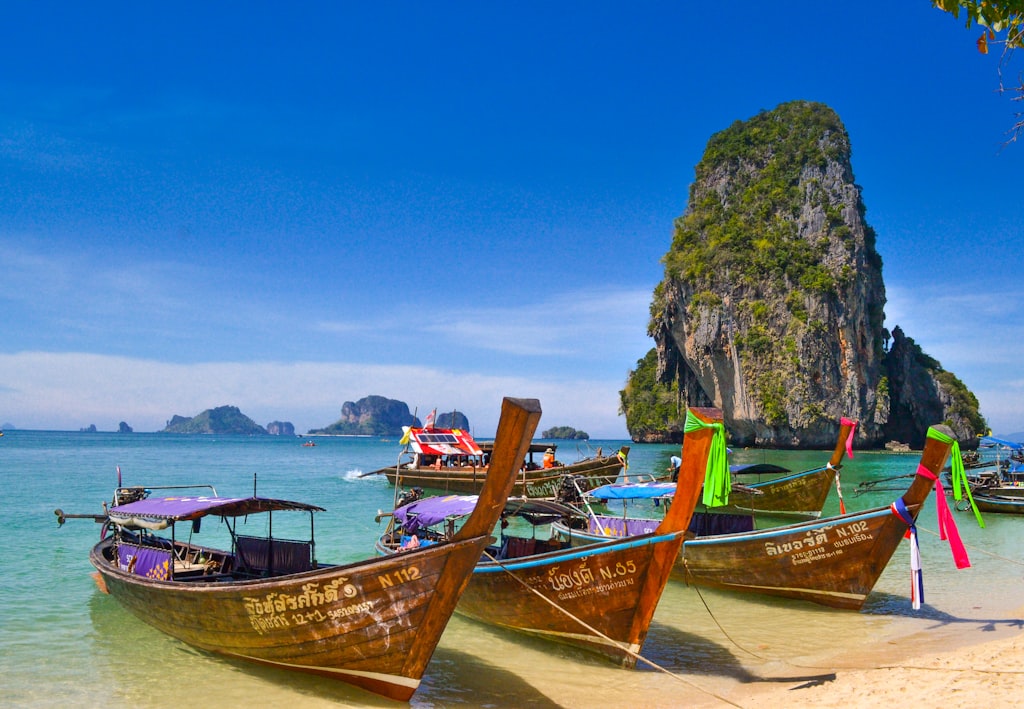
- Indonesia: "Second home" and social/cultural visas exist but no true digital nomad visa yet; Indonesia plans reform but no concrete 2026 update.
- Thailand: Popular tourist visa extensions, plus the elite visa for wealthy visitors. The government is reportedly exploring a remote work permit but no confirmed launch in 2026.
Quick Tip: For Southeast Asia, always factor in local tax laws and double taxation treaties before moving, as informal remote work setups can trigger compliance risks.
Caribbean & Americas: High-Investment Residency and Low-Cost Alternatives
The Americas offer contrasting options — from luxury investment visas to affordable digital nomad havens.
Dominican Republic: New Investment Residency Program
The Dominican Republic is amplifying its golden visa appeal:
- Investment requirement: Property purchase of at least US$150,000 or business investment of US$200,000.
- Residency benefits: Five-year renewable permit, visa-free access to 140+ countries.
- Cost of living: Very affordable compared to US and Europe.
- Lifestyle: Tropical climate, growing expat communities, and improving healthcare.
Cayman Islands: High-Cost, Premium Remote Work Visa
The Global Citizen Concierge Program raised fees about 15%, reflecting demand:
- Income requirement: US$100,000+ annual salary.
- Fees: Now ~US$3,000 application + increased stamp duties.
- Residency: Residency permits valid up to 2 years, renewable multiple times.
- Attractions: Safe, low-tax jurisdiction, excellent infrastructure, but high cost of living.
Mexico, Costa Rica, and Colombia: Affordable Digital Nomad Hotspots

- Mexico and Colombia remain popular for lower living costs (30%-50% cheaper than major US cities).
- Costa Rica: New remote work permits require US$3,000 monthly income, include healthcare access, and support eco-conscious lifestyles.
- Colombia: Offers visa categories for remote workers but requirements vary; healthcare is public-private mix.
Quick Tip: Use our cost-of-living calculator to compare monthly expenses precisely for your preferred city or region.
Asia-Pacific: Japan and Singapore’s Strategic Appeal
Japan: Extended Residency Benefits with Skilled Professional Visa

Japan’s Highly Skilled Professional Visa added key benefits in 2026:
- Permanent residency: Eligibility after three years.
- Income requirement: Typically above JPY 4 million/year (~US$29,000).
- Quality of life: Exceptional healthcare, low crime, robust public infrastructure.
- Work environment: Ideal for STEM and tech professionals, with family reunification options.
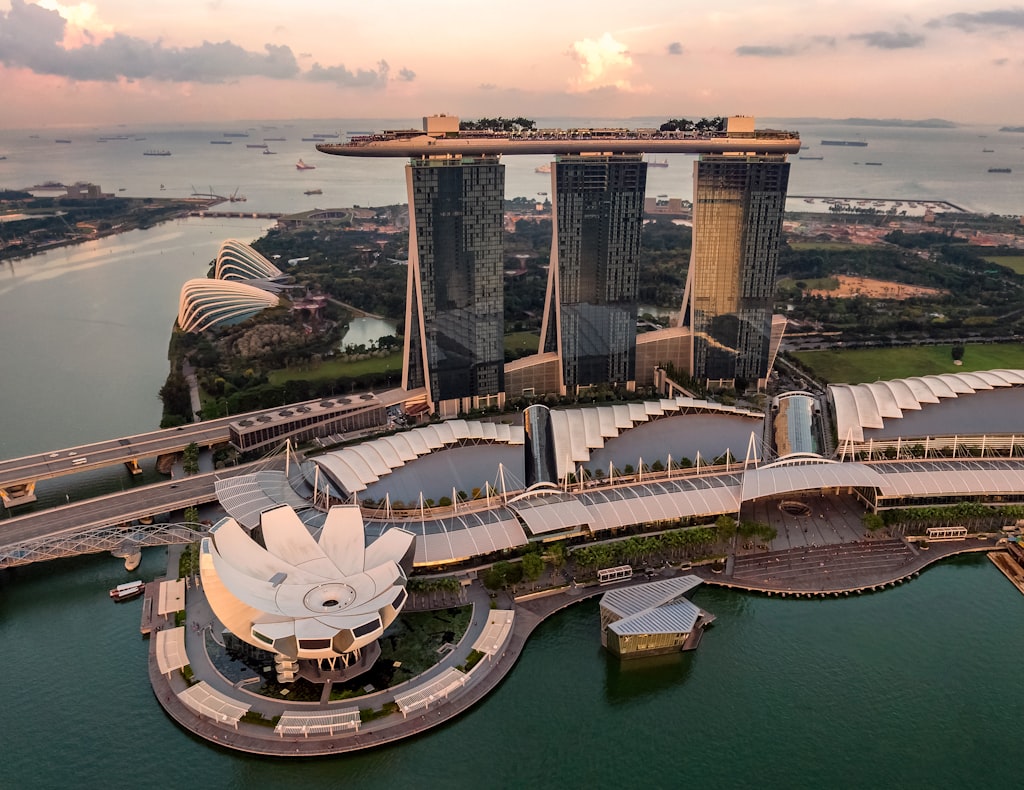
Singapore: Premier Education and Business Ecosystem
Singapore remains a magnet due to:
- Education: World-class international schools, multilingual setting.
- Visa types: EntrePass for entrepreneurs, Employment Pass for skilled workers.
- Cost: High living expenses balanced by strong healthcare and safety.
- No dedicated remote work visa yet, but hybrid arrangements thrive.
Why Some Traditional Hubs See Slowdowns
United Arab Emirates: Rising Costs Temper Expat Growth

Despite innovative visas (10-year Golden Visa, remote work visa), the United Arab Emirates faces:
- Housing cost increases: 15-20% jump year-on-year.
- Inflation pressures: Affecting overall affordability.
- Expat flow: Slower entry but remains a business hub.
Hong Kong: Complex Visa Regime and Real Estate Costs
Hong Kong sees gradual expat outflows owing to political uncertainty and soaring housing prices.
- Visa complexity: Remains challenging.
- Comparisons: Expats moving increasingly to Singapore and Tokyo.
Taxation and Residency Policies Impacting Remote Workers
Several countries adjusted tax and residency policies in 2026–2027 to attract or regulate remote workers:
| Country | Tax Program | Highlights |
|---|---|---|
| Portugal | Non-Habitual Residency (NHR) | 10-year flat 20% tax on qualifying income, foreign income tax-free* |
| Italy | Flat Tax Regime | €100,000 flat tax cap on foreign income for 15 years |
| UAE | Zero personal income tax | New reporting alignment with OECD standards |
* Recent NHR tightening to prevent abuse by digital nomads filing without real economic activity.
What To Look For in Countries with Remote Work Visas 2026
- Income eligibility: Understand minimum income thresholds and proof required.
- Application ease: Online filings, consulate access, timeline for approval.
- Residency benefits: Access to healthcare, path to permanent residency or citizenship.
- Lifestyle factors: Broadband reliability, coworking spaces, social community, safety.
- Tax implications: How your foreign and local income will be taxed.
Quick Tip: Pair your visa research with lifestyle prioritization — what matters most: healthcare, cost, climate, or education? Use our Relocation Wizard to explore your best-fit destinations.
Frequently Asked Questions
What are the easiest countries to get a remote work visa in 2026?
Countries like Portugal, Greece, and Spain have lowered income thresholds and simplified application processes, making them among the most accessible for remote workers. Malaysia’s revamped MM2H also offers a relatively straightforward path, especially for longer stays.
Can I bring my family on a remote work visa?
Many countries, including Portugal, Spain, and Greece, allow family reunification under remote work visa programs, often extending residence permits to spouses and dependent children. However, requirements and benefits vary, so check the specific country’s rules or use our Relocation Wizard for personalized guidance.
Do remote work visas offer a path to permanent residency or citizenship?
Yes, several countries offer pathways after continuous residency periods—Portugal (typically 5 years), Japan (with the Highly Skilled Professional Visa after 3 years), and Spain all have routes to permanent residence or citizenship. Conditions usually include staying a required minimum time in-country.
How much income do I need to qualify for a remote work visa in 2026?
Income thresholds vary widely; for instance, Portugal requires a minimum of €2,500 per month, Greece €3,500 per month, and Malaysia’s MM2H program requires approximately US$33,000 liquid assets. Others, like the Cayman Islands, target very high earners with US$100,000+ annually.
Final Thoughts
Choosing among the best countries with remote work visas 2026 means balancing visa eligibility, income thresholds, lifestyle preferences, and future residency plans. Southern Europe stands out for fast-track, affordable options with quality healthcare, while Southeast Asia and the Americas offer diverse alternatives tailored to budget and climate preferences.
Use our Relocation Wizard today to discover which country aligns with your unique profile and aspirations. Then, plan your move confidently with our cost-of-living calculator to map realistic budgets and ensure a smooth transition to your new life abroad. Your ideal remote work destination is just a few clicks away!