Best Countries for Digital Nomads Seeking Long-Term Residency in 2026

Not sure where to start? Our free Relocation Wizard matches you to your ideal country in minutes.
Key Takeaways
- Digital nomad long-term residency 2026 options are evolving fast, offering stays beyond traditional 6-12 month visas with clearer pathways to renewal and permanent residency.
- Portugal and Thailand have revamped visa programs targeting remote workers with reduced income requirements, longer validity, and attractive tax schemes.
- The UAE continues to lead in flexibility with a new remote work permit and expanded Golden Visa categories for entrepreneurs and investors.
- EU countries like Estonia and Croatia provide affordable, digital infrastructure-friendly long-term options, with Croatia’s Schengen status enhancing its appeal.
- Cost of living, taxation, healthcare, and integration opportunities are key factors shaping where digital nomads seek long-term residency in 2026 and beyond.
Navigating Digital Nomad Long-Term Residency 2026: Why It Matters
After experiencing the thrill and flexibility of short-term nomad visas, many digital workers now seek stability without sacrificing mobility. The shift from 6-12 month stays to longer-term residency options reflects a maturing trend in remote work lifestyles. Countries are responding by updating visa policies geared specifically to digital nomads looking for extended lawful residence, lower tax burdens, and pathways to integrate or even settle permanently.
The term digital nomad long-term residency 2026 captures this emerging demand for more secure, longer stays. This article explores the top destinations pioneering such opportunities, detailing application processes, tax implications, cost of living considerations, and renewal or permanent residency routes.
If you want a personalized shortlist of ideal countries to base your remote work in 2026 and beyond, try our Relocation Wizard.
Portugal: Europe’s Remote Work Haven with Attractive Long-Term Residency

Portugal continues to be a magnet for digital nomads seeking extended stays, balancing quality of life, competitive costs, and simplified residency programs.
Expanded D7 Visa for Digital Nomads
Portugal’s popular D7 visa, originally for retirees and passive income earners, has been updated for 2026 to explicitly include remote workers:
- Minimum income threshold lowered from €8,460 to roughly €7,000 per year for individuals, easing qualification.
- Visa granted initially for 2 years, renewable for 3-year terms, allowing long-term residence.
- Applicants must show regular income from passive sources, remote work contracts, or freelancing.
Tax Benefits via the Non-Habitual Resident Scheme
Portugal’s NHR tax program allows qualifying expats:
- A flat 10% tax on qualifying foreign pensions and selected income categories.
- Tax benefits for a decade, making Portugal attractive for nomads wanting to optimize their international tax footprint.
Cost of Living and Lifestyle in Portugal
- Monthly expenses for a single digital nomad average €1,100–€1,500 depending on location (Lisbon vs. smaller towns).
- Quality healthcare and good safety rankings make it ideal for longer stays.
- Broadband speeds are excellent, supporting remote work.
Quick Tip: When applying for the D7 visa, prepare thorough proof of income and health insurance ahead of time to smooth processing.
Thailand’s Smart Visa: Long-Term Residency for Tech-Driven Nomads
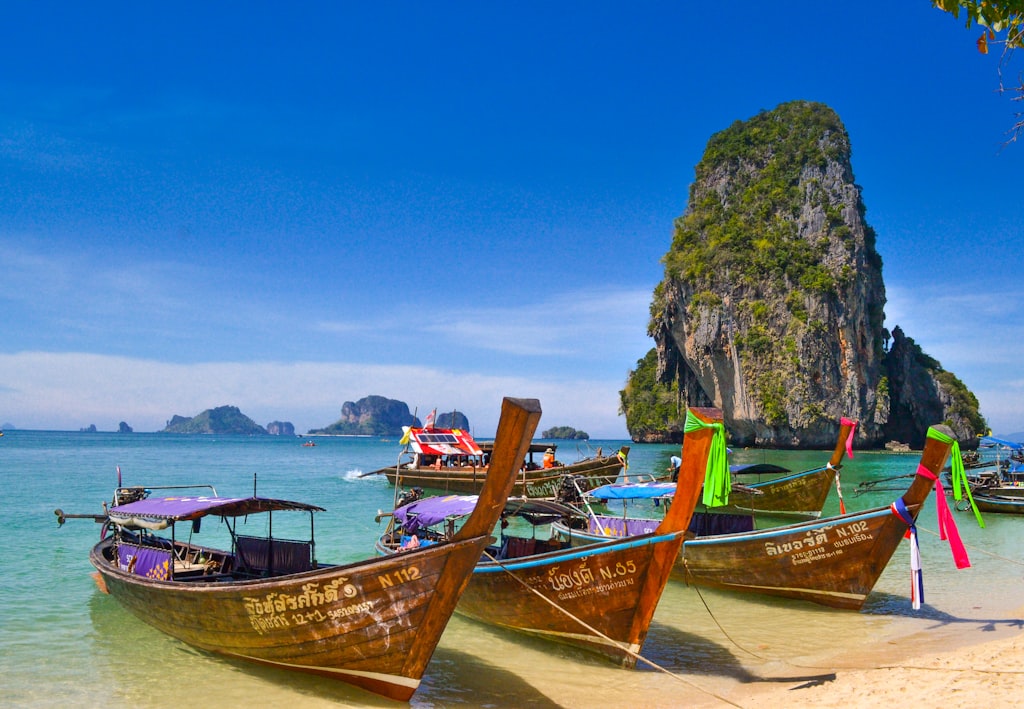
In 2025, Thailand revamped its Smart Visa program, making it a prime choice for tech entrepreneurs and digital nomads seeking stays beyond the usual tourist visa durations.
Details of the Smart Visa Program
- Visa validity: up to 4 years, the longest stay allowed without permanent residency.
- Application fee of about 10,000 THB (€260), relatively affordable.
- Minimal or no personal income tax on income earned outside Thailand.
- Eligibility extended to digital nomads with tech-related work, startup founders, and investors.
Pathways to Permanent Residency
- After holding a Smart Visa for continuous years and contributing to the local innovation ecosystem, applicants can pursue permanent residency.
- Requirements include language skills, clean records, and economic contributions.
Cost of Living and Other Considerations
- Monthly costs in Bangkok and resort areas have risen but remain moderate compared to Western cities.
- Healthcare is high quality in urban centers, though political stability concerns remain a caution.
Quick Tip: Use your Smart Visa status to explore Thailand’s regional hubs like Chiang Mai or Phuket for more affordable living costs while maintaining excellent connectivity.
United Arab Emirates: Innovative Residency Programs for High-Flexibility Nomads

The UAE aggressively markets itself as a destination merging tax advantages with growing remote work flexibility.
Remote Work Permit & Golden Visas
- New remote work permit (2025): 1-year residence, extendable, costs approximately AED 2,500 (~€635).
- Golden Visa eligibility expanded with lowered investment entry points—investors, entrepreneurs, and specialized researchers with AED 500,000 (~€136,000) can secure 10-year residency.
- No personal income tax, offering one of the most tax-friendly models globally.
Lifestyle and Strategic Location
- World-class infrastructure, English widely spoken.
- Direct access to Middle Eastern, African, and Asian markets.
- Cost of living is higher but offset by zero income tax.
Quick Tip: For digital nomads planning long-term stays in the Gulf region, the UAE remote work permit offers unmatched tax benefits—combine it with periodic travel for maximum flexibility.
Estonia: The Digital Nomad-Friendly European Tech Hub
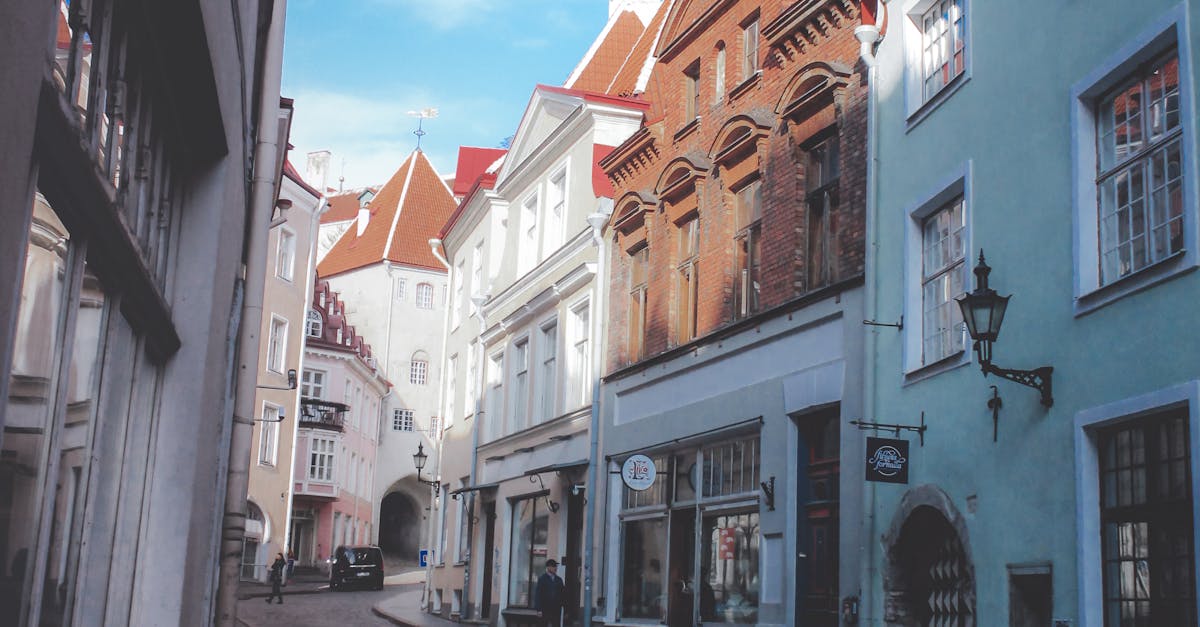
Estonia continues to stand out as one of the pioneers in digital nomad policy since launching its visa in 2020 and enhancing it for 2026.
Digital Nomad Visa Highlights
- Valid for up to 1 year, with a low application fee (~€100).
- Accessible for remote workers employed or freelancing abroad.
- No obligation to pay Estonian income tax on foreign income.
- Efficient, fully digital visa application system.
Long-Term Residency Options
- After 5 years of continuous legal residence, applicants may apply for permanent residency.
- Estonia’s digital infrastructure eases integration and online civic engagement.
Cost of Living and Connectivity
- Moderate cost of living, especially outside Tallinn.
- Excellent broadband speeds and widespread English proficiency.
Croatia: Emerging Long-Term Residency in the Schengen Zone

Since joining the Schengen area in 2023, Croatia has become a coveted destination for digital nomads aiming for EU access with affordable costs.
Digital Nomad Permit with Harmonized Rules
- Digital nomad permits allow stays up to 12 months, non-renewable but can exit and re-enter on short-term visas.
- Streamlined application process with residence rights aligning with Schengen regulations.
- Cost of living averages €1,200-1,500/month depending on city and lifestyle.
Pathway to Longer Residency
- While the current permit is for 12 months, Croatia offers other extended visa options for entrepreneurs and freelancers.
- Permanent residency possible after continuous 5 years (including other residency types).
Lifestyle Benefits
- Mediterranean climate, rich culture, and growing expat communities.
- Good healthcare and safety ratings.
Quick Tip: Combine Croatia’s digital nomad permit with other EU residency options if planning longer than one year; consider starting in Zagreb or Split for best quality-of-life.
Other Notable Destinations for Digital Nomad Long-Term Residency 2026
Spain: Revitalized Non-Lucrative Visa System

- Minimum income requirement stabilized at €27,000 annually.
- Visa processing times improved for 2026.
- Attractive for retirees and remote workers wanting EU residency access.
- Good healthcare and diverse lifestyles.
Japan: New Long-Term Resident Visa Variant

- Renewable 5-year visa for retirees meeting pension income criteria.
- World-class healthcare and safety.
- More administrative steps but growing appeal among aging expats.
Malaysia’s MM2H Program

- Extended visa duration to 10 years.
- Simplified financial and health insurance requirements.
- Lower living costs with tropical climate.
Italy: Expanded Tax Incentives for High-Net-Worth Nomads

- Flat tax cap of €200,000 for a decade.
- Popular among entrepreneurs and remote workers from Western Europe and US.
- Rich cultural scene and Mediterranean lifestyle.
Comparing Key Features of Top Digital Nomad Long-Term Residency Visas in 2026
| Country | Visa Name / Type | Initial Duration | Renewability | Income Threshold (Approx.) | Tax Benefit | Cost of Living (€/month)* |
|---|---|---|---|---|---|---|
| Portugal | D7 Visa | 2 years | Renewable 3 years | €7,000/year | 10% flat tax NHR benefits | €1,100–1,500 |
| Thailand | Smart Visa | Up to 4 years | Limited renewals | Varies, ~ tech sector income | Minimal tax on foreign income | €800–1,200 |
| UAE | Remote Work Permit / Golden Visa | 1 year / 10 years | Extendable / 10 years | AED 500,000 (~€136,000) for Golden Visa | No personal income tax | €1,500–2,500 |
| Estonia | Digital Nomad Visa | 1 year | Renewal limited | €3,500/month income proof | No tax on foreign income | €1,000 |
| Croatia | Digital Nomad Permit | 12 months | Not renewable | Proof of income (~€2,500/month) | Tax exemption on foreign income | €1,200–1,500 |
*Estimates vary by city and lifestyle.
For a detailed, personalized estimate, use our cost-of-living calculator.
Frequently Asked Questions
What is digital nomad long-term residency 2026, and why is it different from short-term visas?
Digital nomad long-term residency 2026 refers to visa or residency programs designed to accommodate remote workers for periods beyond the typical 6-12 month tourist or short-stay visas. These programs often include pathways to renewal, tax benefits, and sometimes permanent residency, offering more stability and integration options than traditional digital nomad visas.
How do tax policies affect long-term digital nomad residency options?
Tax policies greatly influence the attractiveness of long-term residency. Countries like Portugal and Italy offer flat tax rates or caps on foreign income, while others like the UAE impose no personal income tax at all. Understanding local tax treaties and obligations is essential before relocating.
Can digital nomad visas lead to permanent residency or citizenship?
In many countries, holding a digital nomad or long-term residency visa can be a stepping stone to permanent residency after a continuous period, usually 5 years. Citizenship is usually a longer process requiring language proficiency, cultural integration, and residency compliance.
Which countries offer the best healthcare and safety for long-term digital nomads?
Countries like Portugal, Japan, and Malaysia are renowned for high-quality healthcare and safety. Estonia and Croatia also rank well for public safety and health infrastructure suitable for longer stays.
Final Thoughts
For digital nomads seeking long-term residency in 2026, choosing the right country means balancing visa flexibility, tax efficiency, cost of living, and quality of life. Emerging visa programs in Portugal, Thailand, the UAE, Estonia, and Croatia provide exciting, secure options well beyond short-term stays.
Begin your journey by exploring your matches with our Relocation Wizard and get clear living cost estimates via our cost-of-living calculator. Embrace 2026 as the year to establish a stable, rewarding long-term base as a global digital nomad.