Top 10 Countries for Quality of Life and How to Move There

Averaged across the three big 2026 country rankings, Denmark, Iceland, the Netherlands, Switzerland and Norway have the best quality of life in the world, with Finland, Sweden, Germany, Luxembourg and Australia completing the top 10. For anyone without an EU passport, the harder question is whether they can get in: most of the ten admit newcomers mainly through a job offer above a salary floor, and permanent residence takes anywhere from 21 months in Germany to 10 years in Switzerland.
Key Takeaways
- The top 10: Denmark, Iceland, the Netherlands, Switzerland, Norway, Finland, Sweden, Germany, Luxembourg and Australia. Canada, a fixture of older lists, now averages a worse rank than the United States.
- A job offer is the usual way in. The main exceptions are Germany's Opportunity Card for job seekers, the Netherlands' self-employment route for US citizens and Australia's working holiday visas for under 31s.
- Salary floors decide who gets in. In 2026 they range from SEK 34,470 a month in Sweden to DKK 552,000 a year (about EUR 74,000) in Denmark, and Switzerland adds a quota of 8,500 permits for non-EU workers.
- Fastest to permanent residence: Germany (21 months on a Blue Card with B1 German), Australia (about 2 years through an employer) and Norway (3 years). Slowest: Denmark (8 years) and Switzerland (10 for most).
- Housing shapes daily life more than any index. In the site's data, average rent takes 35% of the average net salary in Luxembourg but 62% in the Netherlands.
Want a ranking built on your priorities rather than an index? The Relocation Wizard matches you with countries in a few minutes.
How this ranking works
No single index measures quality of life, so this list averages each country's rank in the three rankings that cover nearly every country:
- The UN Human Development Index (2025 report, 2023 data) for health, education and income. The 2026 report is due on 1 December 2026.
- The World Happiness Report 2026: how people rate their own lives, averaged over 2023 to 2025.
- Numbeo's Quality of Life Index (mid-2026): crowd-sourced data on purchasing power, safety, healthcare, pollution, housing costs and commutes.
| Rank | Country | Average rank | UN HDI | Happiness 2026 | Numbeo mid-2026 |
|---|---|---|---|---|---|
| 1 | Denmark | 3.3 | 4 | 3 | 3 (tied) |
| 2 | Iceland | 3.7 | 1 | 2 | 8 |
| 3 | Netherlands | 5.3 | 8 | 7 | 1 |
| 4 | Switzerland | 5.7 | 2 | 10 | 5 |
| 5 | Norway | 6.0 | 2 | 6 | 10 |
| 6 | Finland | 6.3 | 12 | 1 | 6 |
| 7 | Sweden | 7.7 | 5 | 5 | 13 |
| 8 | Germany | 10.3 | 5 | 17 | 9 |
| 9 | Luxembourg | 12.0 | 25 | 9 | 2 |
| 10 | Australia | 12.0 | 7 | 15 | 14 |
| 11 | New Zealand | 14.3 | 17 | 11 | 15 |
| 12 | Austria | 16.0 | 22 | 19 | 7 |
| 13 | Ireland | 16.7 | 11 | 13 | 26 |
| 14 | Canada | 22.7 | 16 | 25 | 27 |
Tied countries share a rank (Norway and Switzerland are joint 2nd on the HDI). For comparison, the United States averages 18.7 (17, 23, 16) and the United Kingdom 21.7 (13, 29, 23).
Other rankings agree on the shape of the list: US News rebuilt its Best Countries report around 100 measured indicators in May 2026 and put Switzerland first overall (US News release). Expat surveys tell a different story. In InterNations' Expat Insider 2026, where foreigners rate life in their host country, Panama, Mexico and Thailand came top, while Germany and Norway finished 30th and 31st of 31 (Euronews). A country that is great to grow up in is not always easy to arrive in.
Can you move there? The top 10 at a glance
| Country | Main route for non-EU workers | 2026 salary floor | Permanent residence | Citizenship | Rent vs net pay* |
|---|---|---|---|---|---|
| Denmark | Pay Limit Scheme | DKK 552,000 a year | 8 years (4 at best) | 9 years | 46% |
| Iceland | Expert work permit | None published | 4 years | 7 years | 51% |
| Netherlands | Highly skilled migrant | EUR 5,942 a month (age 30+) | 5 years | 5 years | 62% |
| Switzerland | B permit within a quota | Local pay norms | 10 years (5 for some) | 10 years | 37% |
| Norway | Skilled worker permit | NOK 545,400 a year | 3 years | 8 years | 43% |
| Finland | Specialist permit | EUR 3,937 a month | 4 to 6 years | 8 years | 39% |
| Sweden | Work permit | SEK 34,470 a month | 4 years | 8 years | 54% |
| Germany | EU Blue Card | EUR 50,700 a year (45,934 in shortage jobs) | 21 to 27 months | 5 years | 43% |
| Luxembourg | EU Blue Card | EUR 65,652 a year | 5 years | 5 years | 35% |
| Australia | Skills in Demand (482) | AUD 79,423 a year | About 2 years | 4 years | 59% |
*Average monthly rent as a share of the average net monthly salary in the site's country data. Cities cost more; the cost of living calculator builds a full monthly budget.
1. Denmark
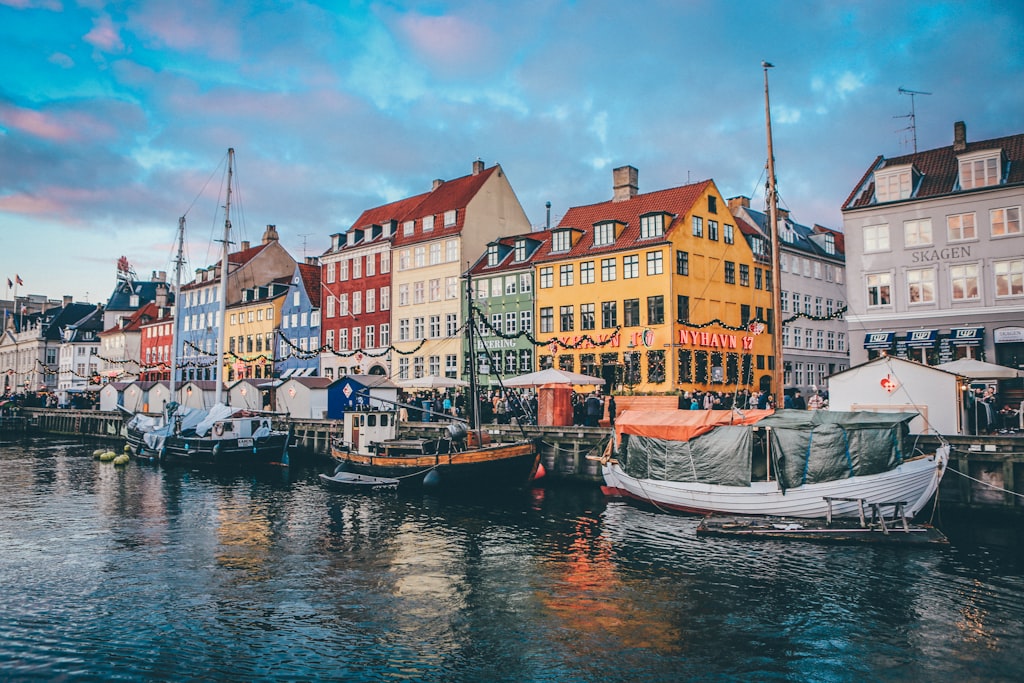
Why it ranks first: Denmark is top 5 in all three rankings and the third happiest country in the world, with low crime and pollution scores in the site's data.
Getting in: The Pay Limit Scheme gives a work permit for any job paying at least DKK 552,000 a year in 2026, for a DKK 6,810 fee. Certified employers can use the Fast-track scheme, and jobs on the Positive Lists qualify at normal Danish pay. From 1 January 2027 a new scheme lowers the floor to DKK 322,000 for jobs under a collective agreement at certified employers, for citizens of 16 listed countries. There is no job seeker visa: the Establishment Card closed in 2023.
Settling: Permanent residence takes 8 years, Danish at test 2 level, 3.5 years of full-time work in the last 4 and no social benefits. Meeting four extra criteria cuts it to 4 years. Citizenship takes 9 years.
The catch: tax. Marginal rates reach about 56% for high earners and about 60% above DKK 2.6 million a year, including the 8% labour market contribution (our calculation from Danish tax rates). Newcomers earning at least DKK 65,400 a month can pay a flat 32.84% for up to 7 years under the researcher and key employee scheme.
2. Iceland

Why it ranks: first on the HDI, second happiest, and the most peaceful country in the world in the Global Peace Index 2026 (Euronews).
Getting in: hard without a job offer. Non-EEA citizens mostly arrive on an expert work permit, which needs a recognised degree or trade qualification and an Icelandic employer (fee ISK 80,000). Iceland also repealed its long-term visa for remote workers in 2026 (Directorate of Immigration).
Settling: permanent residence after 4 years, with 150 hours of Icelandic lessons and ISK 259,951 a month in means of support. A bill the cabinet approved on 27 October 2026 would raise this to 6 years for most people, and parliament has not voted on it yet. Citizenship takes 7 years and an Icelandic test.
The catch: a small job market and the second-highest cost of living of the ten after Switzerland in the site's data. Newcomers from outside the EEA wait 3 months for public health insurance (6 until August 2026, per Iceland Health). Foreign experts pay tax on only 75% of their income for 3 years.
3. Netherlands
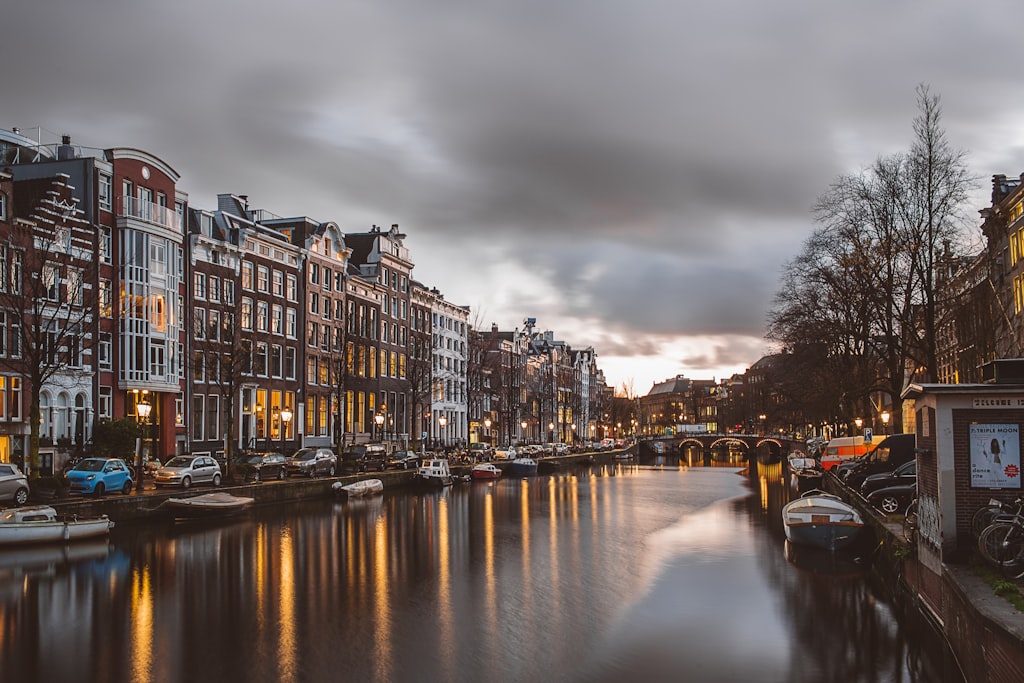
Why it ranks: first on Numbeo's mid-2026 index, seventh happiest, and English works in most offices.
Getting in: an employer recognised by the IND hires you as a highly skilled migrant at a gross salary of EUR 5,942 a month at 30 or older, EUR 4,357 under 30, or EUR 3,122 after a Dutch degree or orientation year (fee EUR 423). US and Japanese citizens can instead register their own business with EUR 4,500 in capital under their countries' trade treaties (IND).
Settling: permanent residence and naturalisation after 5 years, with the civic integration exam. A government plan to extend naturalisation to 10 years had not passed as of November 2026.
Money: basic health insurance is compulsory, about EUR 159 a month on average in 2026 plus a EUR 385 deductible (EUR 400 in 2027, per the Staatscourant). Eligible recruits get a tax-free allowance that drops from 30% to 27% in 2027 (how the 30% ruling changes).
The catch: housing. Rent takes 62% of the average net salary in the site's data, the highest share in this top 10.
4. Switzerland
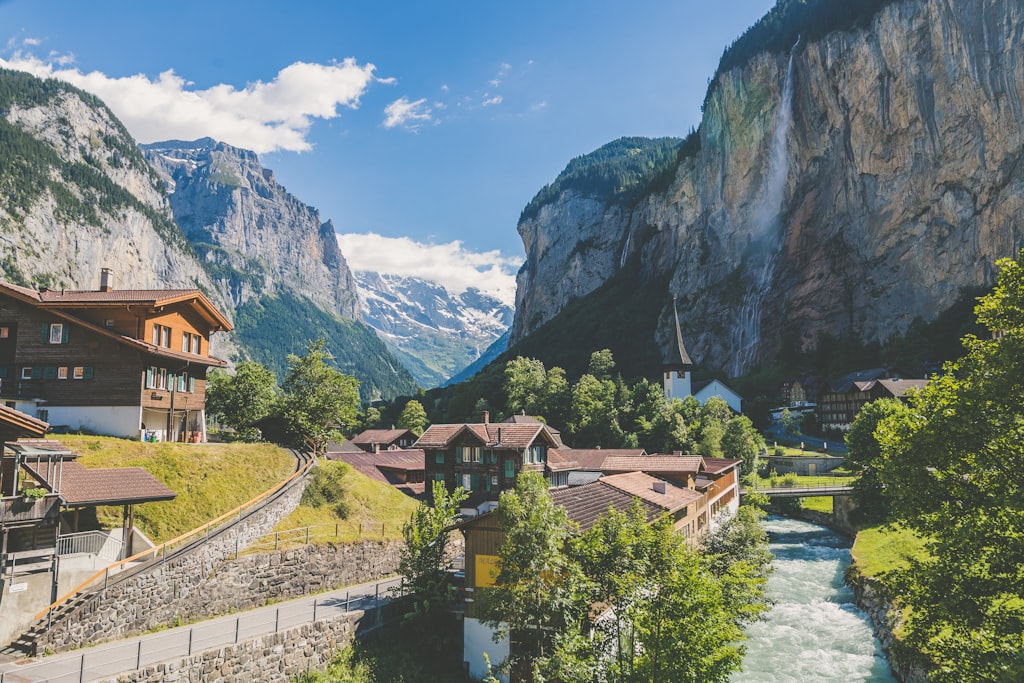
Why it ranks: joint second on the HDI, first in the US News 2026 overall ranking, and by far the highest net salaries in the site's data (about USD 6,690 a month).
Getting in: the hardest of the ten for non-EU citizens. The 2026 quota allows 8,500 permits (4,500 B and 4,000 L) for non-EU workers plus 3,500 for UK citizens (Federal Department of Justice). They go only to managers, specialists and other highly qualified people, at local pay, and the employer must show that no Swiss or EU candidate was available (SEM). EU and EFTA citizens move freely. On 14 June 2026 voters rejected the initiative to cap the population at 10 million (about 55% against, per Swissinfo), and parliament is still debating a new package of agreements with the EU.
Settling: the C settlement permit normally takes 10 years. Citizens of some EU countries get it after 5, and US, Canadian and UK citizens can apply after 5 at the canton's discretion with basic local language skills. Citizenship needs the C permit and 10 years of residence.
The catch: costs. Private health insurance is compulsory within 3 months of arrival, and the average premium rises 5% to CHF 412 a month in 2027 (CHF 487.60 for adults) (FOPH). The upside: top income tax rates run from about 22% in Zug to 43% in Geneva (KPMG), below the Nordic countries.
5. Norway

Why it ranks: joint second on the HDI and sixth happiest, with rent at 43% of net pay in the site's data.
Getting in: the skilled worker permit needs a job offer and, where no collective agreement sets the pay, at least NOK 545,400 a year for jobs requiring a bachelor's degree and NOK 624,700 for a master's (fee NOK 6,300) (UDI).
Settling: permanent residence after 3 years with at least NOK 341,373 of income in the past year, an A2 spoken Norwegian test and a social studies test. Citizenship takes 8 of the past 11 years (6 with a higher income) and B1 Norwegian, and dual citizenship is allowed.
The catch: Norway came last of 31 countries in the Expat Insider 2026 survey. Prices are the third highest of the ten in the site's data, the top marginal tax rate is about 47% (our calculation from Skatteetaten rates), and there is no special tax regime for expats.
6. Finland
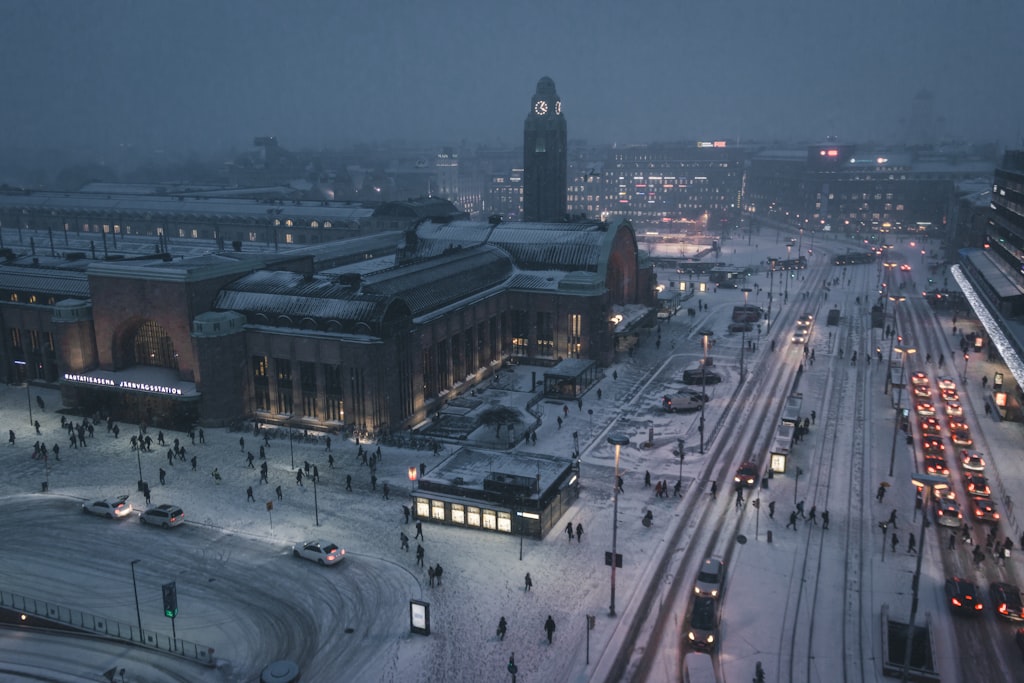
Why it ranks: the world's happiest country for the ninth year running, and the cleanest air and lowest average rent of the ten in the site's data (about USD 1,090 a month).
Getting in: the specialist permit needs EUR 3,937 a month in 2026 and is decided in about 2 weeks on the fast track (fee EUR 530 online). Other work permits need at least EUR 1,600 a month. If you lose your job you have 3 months to find another, or 6 as a specialist.
Settling: since 8 January 2026, permanent residence takes 6 years with B1 Finnish or Swedish and 2 years of work, or only 4 years if you earn EUR 40,000 a year. Citizenship takes 8 years, and a citizenship test starts in 2027.
Money: the top marginal rate fell to about 52% in 2026. Key employees earning at least EUR 5,800 a month pay a flat 25% for up to 84 months.
The catch: long, dark winters, and outside tech and research many jobs expect Finnish.
7. Sweden
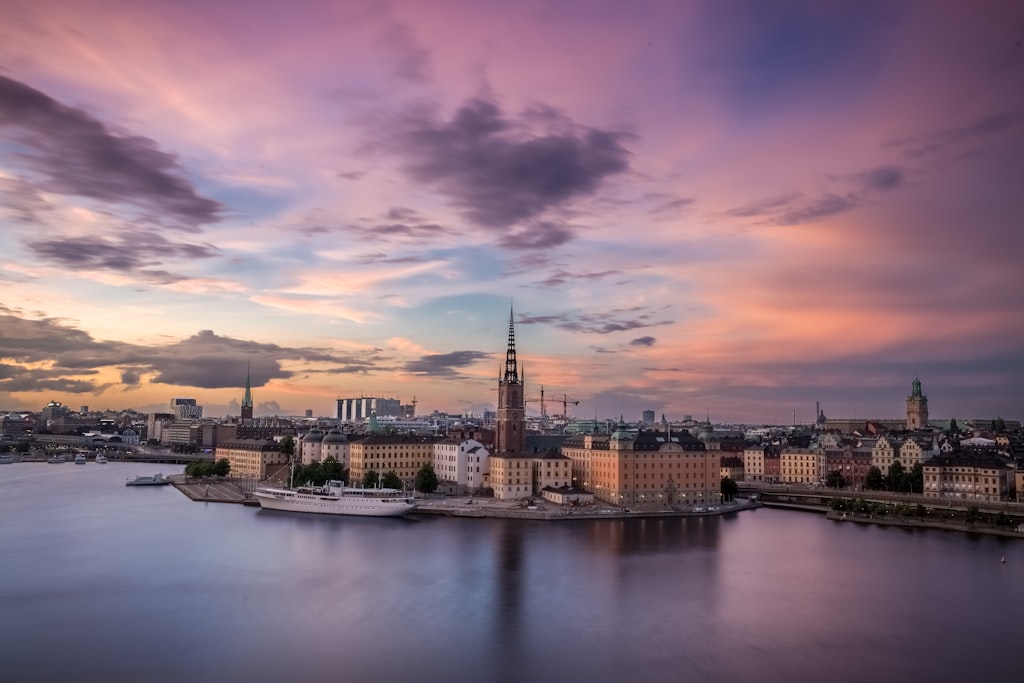
Why it ranks: fifth on both the HDI and the happiness report, with clean air and a strong startup scene in Stockholm.
Getting in: since 1 June 2026 a work permit needs a salary of at least SEK 34,470 a month, 90% of the median wage (Migration Agency). The Swedish EU Blue Card needs SEK 53,625.
Settling: a law in force since 12 July 2026 ended permanent residence for people with protection status, but the Migration Agency still lists permanent residence for employees after 4 years of work within 7, so check before you plan around it. Citizenship has taken 8 years since 6 June 2026, plus self-support of about SEK 20,000 a month and a civics test.
Money: expert tax relief makes 25% of pay tax-free for 7 years for people earning more than about SEK 88,800 a month. The top marginal rate is about 52%.
The catch: Sweden has the highest crime score of the ten in the site's data (48, against 25 to 33 in the other Nordic countries), and rent takes 54% of net pay.
8. Germany
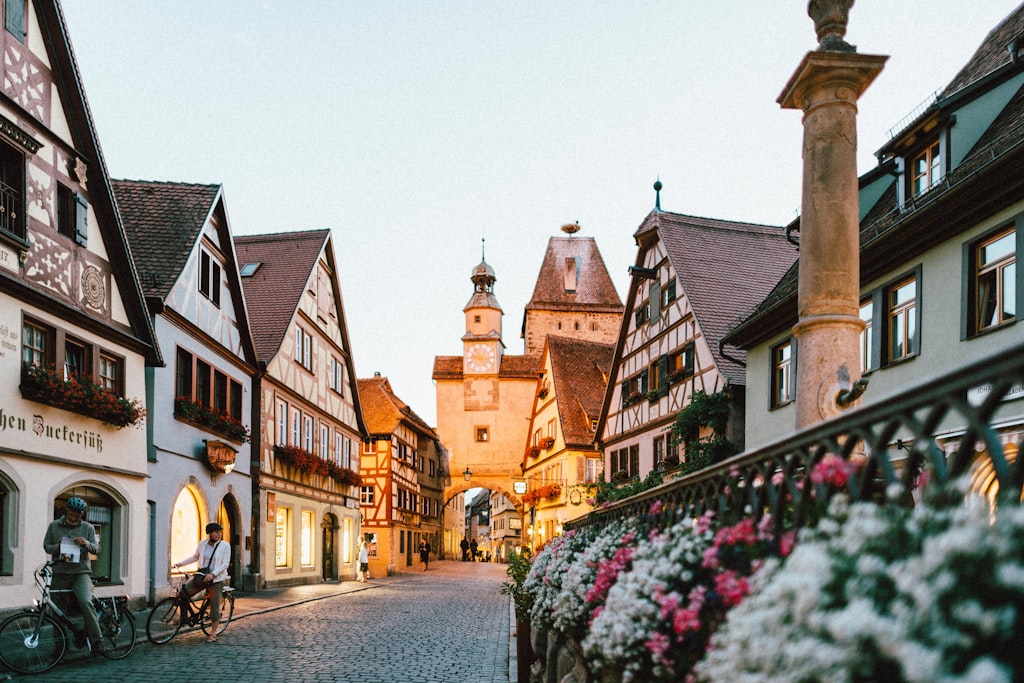
Why it ranks: fifth on the HDI and ninth on Numbeo, with the EU's largest job market and rent at 43% of net pay in the site's data.
Getting in: the easiest of the ten. The EU Blue Card needs EUR 50,700 a year in 2026, or EUR 45,934.20 in shortage occupations such as IT and for recent graduates. Without a job offer, the Opportunity Card lets qualified people look for work for up to a year with EUR 1,091 a month in proven funds, working up to 20 hours a week meanwhile.
Settling: permanent residence after 21 months on a Blue Card with B1 German, or 27 with basic German. Citizenship takes 5 years since the 3-year fast track ended in October 2025, and dual citizenship is allowed.
The catch: Germany ranks 17th for happiness and 30th of 31 in the Expat Insider survey. Software engineers should read the tech career guide for pay and the no-degree route.
9. Luxembourg
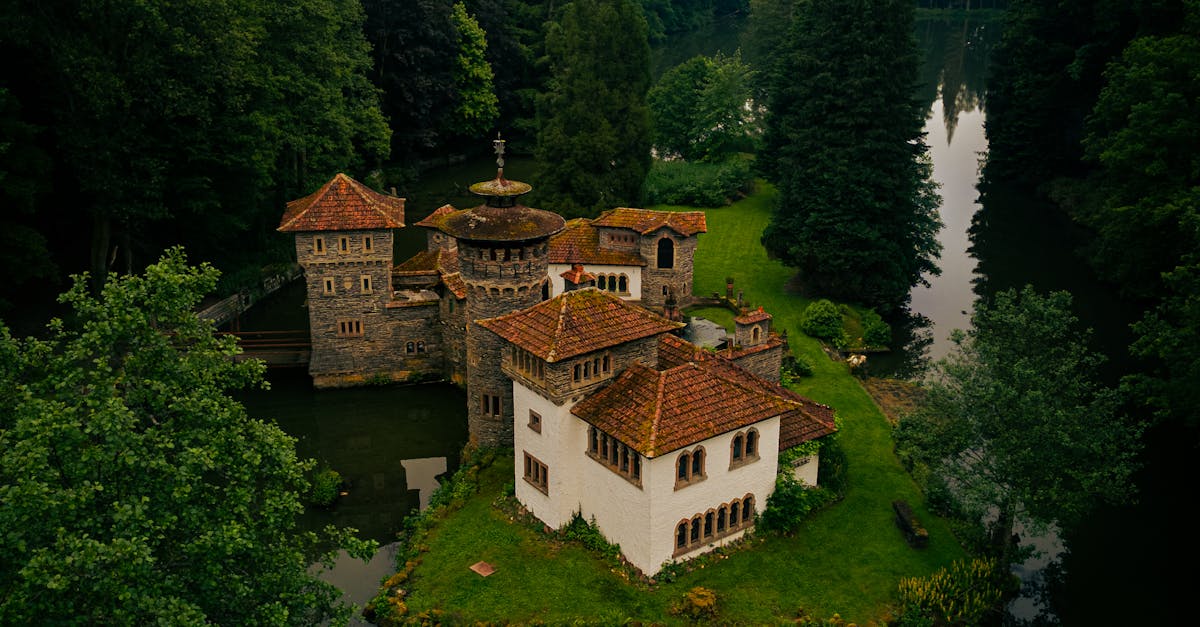
Why it ranks: second on Numbeo and ninth happiest, with the lowest rent-to-pay ratio of the ten in the site's data (35%), thanks to net salaries of about USD 5,570 a month.
Getting in: the EU Blue Card needs EUR 65,652 a year and a contract of at least 6 months, with no labour market test.
Settling: long-term residence after 5 years. Citizenship also takes 5 years, with a Luxembourgish test (A2 speaking, B1 listening) and a civics course.
The catch: a small job market centred on finance, a high salary floor, and daily life in three languages (Luxembourgish, French and German). It is only 25th on the HDI.
10. Australia

Why it ranks: seventh on the HDI and the only non-European country in the top 10, with a life expectancy of 84 years in the site's data, level with Switzerland.
Getting in: the Skills in Demand visa (subclass 482) needs an employer sponsor and at least AUD 79,423 a year from 1 July 2026, and after 2 years leads to permanent residence through subclass 186. Under 31 (or 36 for some passports), a working holiday visa (AUD 840) lets you try the country first (2026 regulations). Details are in the lifestyles guide.
Settling: citizenship after 4 years of residence, including 1 as a permanent resident.
The catch: Medicare excludes most temporary visa holders, apart from limited cover for citizens of 11 countries with reciprocal agreements, rent takes 59% of net pay, and Australia is only 15th for happiness.
Just outside the top 10
- New Zealand (11th): the second most peaceful country in the world. The usual route is an Accredited Employer Work Visa, then for residence through the Skilled Migrant Category.
- Austria (12th): seventh on Numbeo and one of the few countries here with a permit for people living on their own income. The settlement permit needs EUR 2,616.78 a month for a single person in 2026 (EUR 4,128.24 for a couple), but places are capped by quota, at 385 in 2025 (oesterreich.gv.at). Workers use the Red-White-Red Card, from EUR 3,465 a month for "other key workers".
- Ireland (13th): an English-speaking EU country, 11th on the HDI, where the Critical Skills Employment Permit starts at EUR 40,904. But rent takes 69% of net pay in the site's data.
- Canada (14th): 25th for happiness and 27th on Numbeo, where rent takes 71% of net pay in the site's data. It still offers one of the clearest paths to permanent residence, with 380,000 places a year planned for 2027 to 2029 and new Express Entry points for high-wage job offers.
How to choose
- Start with your passport. EU and EEA citizens can live in nine of the ten (all but Australia) without a visa. Everyone else should ask which employer would hire them above the floors in the table.
- Compare pay after rent, not index scores. Switzerland and Luxembourg leave the most money after rent; the Netherlands and Australia the least.
- Decide how long you want to stay. Germany, Norway and Australia lead to permanent residence within 3 years. Denmark and Switzerland take 8 to 10.
- Start the language early. Every European country in the top 10 requires the local language for citizenship (Sweden is still introducing its test), and most for permanent residence too, even where English gets you through the working day.
- Test two finalists side by side in the country comparison tool.
Frequently Asked Questions
Which country has the best quality of life in 2026?
It depends on the index. Iceland leads the UN Human Development Index, Finland the World Happiness Report (for the ninth year), the Netherlands Numbeo's mid-2026 index and Switzerland the US News overall ranking. Averaging the first three puts Denmark first, because it is in the top 5 of all three.
Which of these countries is easiest to move to?
Germany. Its Blue Card floor is EUR 45,934 in shortage jobs, the Opportunity Card lets you job hunt without an offer, and permanent residence can come after 21 months. For English speakers under 31, an Australian working holiday is the easiest trial run.
Can I move to a high quality of life country without a job offer?
Rarely. Germany's Opportunity Card, the Netherlands' treaty route for US and Japanese entrepreneurs, Austria's quota-limited settlement permit for people with their own income, and working holiday visas in Australia and New Zealand are the main options. Denmark closed its job seeker card in 2023 and Iceland ended its remote work visa in 2026.
Why is Canada no longer in the top 10?
Canadians rate their lives lower than they used to (25th in the 2026 World Happiness Report), and Numbeo, which weighs housing costs against income, ranks Canada 27th. It remains one of the most open countries for skilled immigrants, so it can still be the best choice for you.
Where does the United States rank?
Outside the top 10 on all three: 17th on the HDI, 23rd for happiness and 16th on Numbeo. Its average rank of 18.7 is better than Canada's 22.7 but behind every country in this top 10.
Find your own top 10
Rankings measure averages, and your profession, passport, budget and family decide where you will actually live well. Take the Relocation Wizard to rank countries on what matters to you, price a move in the cost of living calculator, and once you have picked, follow the moving abroad checklist.
Sources
- UNDP: Human Development Report 2025, HDI table
- World Happiness Report 2026
- Numbeo: Quality of Life Index by country
- SIRI (Denmark): Pay Limit Scheme
- IND (Netherlands): income requirements
- SEM (Switzerland): non-EU/EFTA nationals
- Migri (Finland): permanent residence permit
- UDI (Norway): permanent residence permit