Best Countries with New Digital Nomad Visas in 2026

Not sure where to start? Our free Relocation Wizard matches you to your ideal country in minutes.
Key Takeaways
- In 2026, several countries launched or revamped digital nomad visas 2026, simplifying remote work residency requirements and expanding family-friendly policies.
- Portugal introduced a dedicated Digital Nomads Visa with a €2,500 monthly income threshold and lowered its D7 Passive Income Visa requirements by 10-15%.
- Greece increased its income requirement to €3,500 but improved family inclusion and broadband infrastructure to support extended remote work stays.
- Costa Rica launched a two-year Remote Work Visa requiring USD 3,000 monthly income, targeting nature-loving expats from North America and Europe.
- Mexico stabilizes cost of living while easing digital nomad visa rules, requiring proof of $1,500 monthly income, and providing favorable tax compliance.
- Comparing new visa options helps remote workers choose based on income, family needs, duration, and cost of living—useful tools include our Relocation Wizard and cost-of-living calculator.
What Are Digital Nomad Visas in 2026 and Why Do They Matter?
The pandemic accelerated the shift towards remote work, prompting countries worldwide to launch or overhaul digital nomad visa programs in 2026. These specialized visas enable remote workers and freelancers to legally reside, work, and often bring family members to attractive destinations without traditional work permits.
Digital nomad visas 2026 reflect evolving global trends: countries are competing to attract remote talent while responding to economic shifts, inflation, and rising living costs. The latest programs balance accessibility with residency rights, income thresholds, and duration, addressing the practical needs of mobile professionals.
Unlike older visa models focused heavily on tax or healthcare, these 2026 updates prioritize flexibility and affordability, making it easier than ever to relocate based on lifestyle and work preferences. This article walks you through the newest visa programs in Portugal, Greece, Costa Rica, and Mexico, highlighting what remote workers really need to know.
Quick Tip: Before applying for any digital nomad visa, assess your monthly income stability and ensure you meet or exceed the required threshold—this is non-negotiable for approval.
Portugal’s New Digital Nomad Visa and Enhanced Passive Income Options

Overview of Portugal’s Updated Visas in 2026
Portugal remains a magnet for digital nomads due to its pleasant climate, rich culture, and affordable lifestyle compared to other Western European countries. For 2026, there are two key updates:
- New Digital Nomads Visa: Launched early 2026, it requires a minimum income of approximately €2,500 per month, targeting tech professionals, freelancers, and creatives. It provides a one-year stay with renewal options and facilitates remote work legally without the need for traditional employment contracts.
- D7 Passive Income Visa: Portugal lowered the minimum income requirements by 10-15%, making it easier for those living off dividends, rental income, or freelance earnings to qualify.
Income and Duration Details
| Visa Type | Minimum Monthly Income | Duration | Family Inclusion | Costs |
|---|---|---|---|---|
| Digital Nomad Visa | €2,500 | 1 year initially | Yes, family can join under dependent visas | Application fees ~€90-€150 + proof of income |
| D7 Passive Income Visa | Reduced by ~10-15% (now approx. €1,200-€1,500) | 1-2 years, renewable | Family reunification under standard rules | €90-€100 application + residency card fees |
Why Portugal?
Portugal offers excellent broadband infrastructure, a welcoming expat community, and a relatively low cost of living for Western Europe. The flexible digital nomad visa is perfect for remote tech workers seeking a European base with easy Schengen access.
Explore Portugal’s cost of living to see how your budget matches up.
Quick Tip: If you have stable passive income below €3,000 monthly, Portugal’s revised D7 visa may be easier to qualify for than its digital nomad visa.
Greece’s Revamped Digital Nomad Visa: Higher Income, Greater Flexibility

Key Changes in 2026
Greece refreshed its Digital Nomad Visa in 2026, responding to growing demand from European and global remote workers seeking Mediterranean living with solid infrastructure.
- The income requirement increased to €3,500 per month (from €3,000), reflecting inflation adjustments and quality-of-life upkeep.
- The visa is valid for one year, extendable to two years, providing a straightforward path for longer stays.
- Family members are allowed to accompany the primary visa holder with eased documentation.
- Broadband upgrades across urban and island areas support productive remote work environments.
Financial and Family Details
| Aspect | Details |
|---|---|
| Income Threshold | €3,500/month minimum |
| Duration | 1 year initially, renewable to 2 years |
| Family Inclusion | Spouse and children allowed, simplified application |
| Application Cost | Approx. €100–€150 |
Greece’s combination of affordability, lifestyle, and improved remote work policies makes it a compelling choice for couples and families looking for a balance of work and sun.
Quick Tip: Use Greece’s digital nomad visa if you earn above €3,500 monthly and want to bring family with you without extra hassle.
Costa Rica’s New Two-Year Remote Work Visa: Nature Meets Work-Life Balance

The Remote Work Visa Introduced Late 2025
Costa Rica joined the wave with a fresh Remote Work Visa that officially rolled out in late 2025 and is gaining traction in 2026. It targets remote workers willing to stay for up to two years.
- Requires proof of USD 3,000 monthly income.
- Valid for two years initially, with renewal options.
- Emphasizes Costa Rica’s natural beauty, safety, and lower cost of living for North American and European nomads.
- Healthcare access blends public and private options, appealing especially to families and retirees.
Why This Matters for Remote Workers
| Feature | Details |
|---|---|
| Minimum Income | USD 3,000 per month |
| Duration | 2 years with renewal |
| Family Friendly | Yes – spouses and dependents can apply |
| Application Fees | Approx. USD 150 – 200 |
Costa Rica’s visa program is ideal for digital nomads prioritizing outdoor lifestyle, biodiversity, and cultural vibrancy combined with reliable internet and ease of residency.
Quick Tip: Check your income sources carefully as Costa Rica requires documented proof of consistent monthly earnings of USD 3,000 to qualify.
Mexico’s Temporary Resident Visa for Digital Nomads: Affordable and Accessible
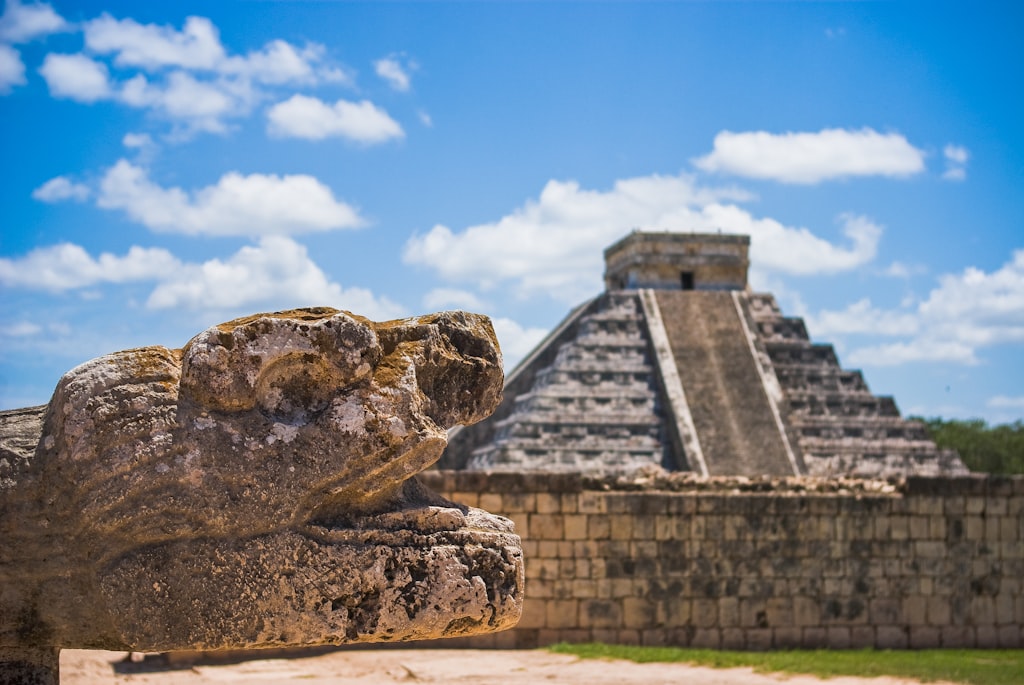
Mexico’s Updated Visa in 2026
Mexico has become a top destination among remote workers due to its cultural diversity, affordability, and proximity to the US.
- The “Temporary Resident Visa for Digital Nomads” requires proof of a minimum monthly income of $1,500 (USD) or $20,000 savings over the past 12 months.
- Offers stays from 6 months to 1 year, renewable multiple times for a total of up to 4 years.
- Family inclusions are supported with added residency rights for spouses and children.
- The Mexican government has eased tax compliance rules for remote workers, reducing bureaucracy.
- Despite peso volatility, Mexico’s cost of living has stabilized, especially in hotspot cities like Playa del Carmen and Mexico City.
Visa Details
| Visa Feature | Requirement / Benefit |
|---|---|
| Minimum Income | $1,500 USD/month or $20,000 USD in savings |
| Duration | 6-12 months initially, renewable up to 4 years |
| Family Inclusion | Yes – family members allowed with separate permits |
| Costs | Visa fees approx. $250 USD |
Mexico’s growing infrastructure, vibrant expat networks, and government support mechanisms make it a strong contender for budget-conscious digital nomads and small families.
Quick Tip: Compare Mexico’s $1,500 minimum income requirement with your current earnings to see if this is a feasible option—especially attractive if you want to avoid high European costs.
Comparing Digital Nomad Visas 2026: At a Glance
| Country | Minimum Income Requirement | Duration | Family Inclusion | Cost of Living Context |
|---|---|---|---|---|
| Portugal | €2,500 (new nomad visa); €1,200-1,500 (D7 visa) | 1 year renewable | Yes | Moderate; Western Europe but affordable |
| Greece | €3,500 | 1 year + 1-year extension | Yes, streamlined | Mediterranean, affordable but rising |
| Costa Rica | $3,000 USD | 2 years renewable | Yes | Low to moderate; nature-oriented |
| Mexico | $1,500 USD or $20,000 savings | 6-12 months renewable up to 4 years | Yes | Low; strong expat hubs, stable recently |
This snapshot helps digital nomads prioritize visa options by income, duration, and family needs.
The Broader Context: Visa Changes and Global Trends in 2026
- Investment Visas in Flux: Spain and Turkey lowered real estate investment thresholds for golden visas (€350,000 and $450,000 respectively), expanding options for expats seeking EU access.
- Tighter Rules in UAE: UAE’s Golden Visa now demands higher capital investments (AED 2 million) for entrepreneurs, moderating its rapid growth.
- Cost of Living Considerations: Many expats seek Eastern European countries like Poland and Romania, offering 20-30% lower living costs alongside smoother visa processes.
- Healthcare and Family: Countries with integrated healthcare and family-friendly policies remain top choices when comparing visa programs. This includes Portugal, Costa Rica, and Spain.
- Currency Effects: Currency fluctuations continue to impact affordability. The euro’s mild strength pushes some toward budget-friendlier Eastern Europe, while peso depreciation in Argentina attracts retirees and investors despite risks.
Quick Tip: Use the cost-of-living calculator to compare your current lifestyle with potential countries to see real affordability beyond visa eligibility.
Frequently Asked Questions
What is the general income requirement for digital nomad visas in 2026?
Most new or revamped digital nomad visas require a stable monthly income ranging from approximately $1,500 in Mexico to €3,500 in Greece. Portugal’s new Digital Nomad Visa sets this at about €2,500, balancing affordability and quality of life.
Can digital nomad visas include my family members?
Yes, many 2026 visa programs explicitly allow family inclusion. Greece and Costa Rica, for example, have streamlined family reunification policies, permitting spouses and dependent children to apply with the primary visa applicant.
How long are digital nomad visas valid in 2026?
Visa durations vary from six months in Mexico up to two years in Costa Rica and Greece, with various renewal options. Portugal’s digital nomad visa starts at one year, renewable depending on compliance and continued proof of income.
Are digital nomad visas automatically tax residency?
Not necessarily. Being granted a digital nomad visa allows legal remote work and residency but tax residency depends on local laws. Portugal, for instance, offers favorable tax regimes for digital nomads under certain conditions, but compliance varies by country.
Final Thoughts
The landscape of digital nomad visas 2026 reflects a dynamic balance between flexibility, income requirements, and quality of life. Whether you prioritize the Mediterranean sun in Greece, the urban charm of Portugal, the natural beauty of Costa Rica, or the cultural vibrancy of Mexico, new visa options have made international relocation easier than ever for remote workers.
Choosing the right program means weighing monthly income, family needs, duration, and regional costs. To streamline your choice, don’t forget to try our free Relocation Wizard and explore real expenses with the cost-of-living calculator. These tools will help you find the country that suits your work and lifestyle aspirations perfectly.
Start your global journey today!