Best Countries to Relocate for Affordable Living and Strong Healthcare in 2026

Not sure where to start? Our free Relocation Wizard matches you to your ideal country in minutes.
Key Takeaways
- In 2026, the balance between affordable living and good healthcare is increasingly shaping expat and remote worker relocations.
- Emerging destinations like Poland, Mexico, and Turkey offer strong healthcare infrastructure combined with budget-friendly living costs and competitive visa options.
- Traditional hotspots such as Portugal and Spain are evolving their visa schemes, impacting their appeal to retirees and digital nomads alike.
- Southeast Asia and the Middle East present new visa categories and tax incentives targeting tech talent and remote workers, but cost and healthcare quality vary widely.
- Use tools like our Relocation Wizard and cost-of-living calculator to compare your options and find the best fit in 2026.
Finding Countries with Affordable Living and Good Healthcare 2026: What to Know
As relocation continues to evolve amid economic shifts and remote work normalization, many expats prioritize countries that combine affordable living costs with reliable healthcare. The 2026 landscape reflects an intersection where budget-friendly lifestyles no longer mean sacrificing access to quality medical services. This is crucial for remote workers, retirees, and families alike who want peace of mind regarding their wellbeing without breaking the bank.
Our focus here is on countries with affordable living and good healthcare 2026 — a set of locations where you can expect modern medical infrastructure, public or private healthcare accessibility, and living costs well below Western European or North American standards. We also highlight practical visa pathways, residency registration, and recent policy updates shaping each destination’s attractiveness.
Quick Tip: When comparing destinations, don’t overlook healthcare registration requirements and costs—these vary and impact your overall budget and access.
Why Combining Affordable Living and Strong Healthcare Is Vital in 2026
Historically, many low-cost countries had limited healthcare infrastructure, forcing expats to depend on expensive private care or travel abroad for treatment. Conversely, countries with world-class healthcare often came with high living expenses.
Now, rising demand for balanced options has prompted countries to improve healthcare accessibility for foreigners while keeping living costs competitive. Additionally, visa programs increasingly target digital nomads and remote workers by easing income requirements, expanding residency durations, or streamlining health coverage integration.
Healthcare quality, cost of living, and visa policies together influence relocation decisions more than ever — making this intersection a top priority for those planning moves in and beyond 2026.
Top Countries Combining Affordable Living and Good Healthcare 2026
Poland: Eastern Europe’s Rising Star for Remote Workers and Healthcare Access
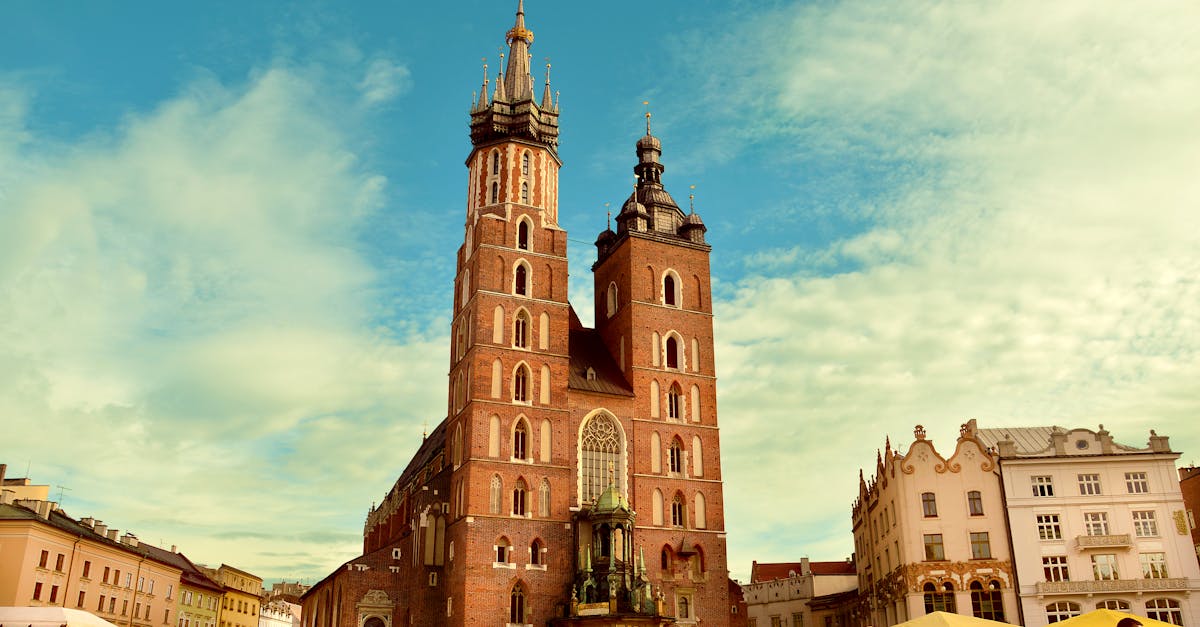
Poland stands out in 2026 for offering expats a unique blend of affordable living and improving public healthcare access. The country’s rollout of the "Remote Work Residence Permit" allows digital nomads and remote employees to live in Poland for up to two years with a minimum monthly income threshold of PLN 8,000 (~€1,700). This is relatively low compared to Western Europe and makes Poland highly accessible for remote workers.
Poland has also streamlined access to its National Health Fund (NFZ) for foreigners, enabling easier registration for public healthcare coverage. This improvement reduces reliance on costly private insurance, particularly in cities like Warsaw, Krakow, and Wroclaw where healthcare facilities and hospitals offer strong services.
Cost of living in Poland
- Monthly living expenses (excluding rent): ~€600-800
- Rent (1-bedroom apartment in city centre): ~€400-600
- Public healthcare: Low cost with NFZ registration; some services free or subsidized
Quick Tip: To register for NFZ healthcare benefits, apply through the local voivodeship office shortly after arrival as part of your residence permit process.
Mexico: A Popular Choice for Affordable Living and Growing Healthcare Quality

Mexico continues to attract expats due to its low cost of living, vibrant culture, and increasingly accessible healthcare services. The Temporary Resident Visa allows stays of up to four years by demonstrating modest income proof (~$2,000 per month), making it a popular choice among remote workers and retirees.
Healthcare in cities like Mérida and Guadalajara has improved markedly, with both private and public options widely available. Private healthcare is excellent and affordable compared to the U.S., and public IMSS coverage can be accessed by legal residents, although registration processes vary by state.
Cost of living in Mexico
- Monthly living expenses (excluding rent): $600–800
- Rent (1-bedroom apartment in city centre): $400–600
- Private healthcare: Affordable, $30–60 per visit typical
Quick Tip: Join IMSS as soon as you obtain residency for access to subsidized public healthcare, but many expats opt for private insurance for quicker specialist access.
Turkey: Affordable Living with Streamlined Access and Expanding Digital Nomad Visas

Turkey has become a key destination combining affordable living with enhanced healthcare and visa facilitation for expats in 2026. The government’s “Digital Nomad Residence Permit” launched early this year offers a 1-year residence extendable up to 3 years, requiring a minimum income of $2,500 monthly or equivalent.
Turkey’s healthcare system — mixing public and private services — is known for quality specialist care at a fraction of Western costs. Istanbul and coastal cities like Antalya offer modern hospitals and clinics, while inland areas provide even lower living costs.
Cost of living in Turkey
- Monthly expenses (excluding rent): $500–750
- Rent (1-bedroom apartment in city centre): $250–400
- Healthcare: Good quality private care; public system lower cost with insurance
Quick Tip: Secure private health insurance for the first months if you want access to private care quickly; public healthcare registration is linked to residence permit deadlines.
Other Noteworthy Destinations Balancing Cost and Care
Portugal: Adjustments to Tax Regime and Expanded Digital Nomad Visas

Portugal is adapting to 2026 challenges by narrowing the Non-Habitual Resident (NHR) tax regime to high-value-added professions only, making it less attractive for retirees seeking tax breaks. In parallel, its Digital Nomad Visa now allows stays of up to 3 years with a lowered income threshold of €2,500 gross monthly, encouraging remote work inflows.
Portugal’s public healthcare system (SNS) offers broad coverage but registration delays occur. Private health insurance is common but more costly, especially in Lisbon and Porto. The country remains affordable compared to Western Europe, though inflation is pushing prices upward.
Cost of living in Portugal
- Monthly expenses (excluding rent): €700-900
- Rent (1-bedroom apartment in city centre): €600-900
- Healthcare: SNS public coverage; optional private insurance enhances access
Spain: Tougher Golden Visa Rules but New Tech Talent Streams

Spain has increased its Golden Visa minimum real estate investment to €700,000 and now enforces a 90-day annual residency requirement, limiting passive expat inflow under this scheme. However, its new "Tech Talent Stream" startup visa targets skilled workers with contracts from recognized startups or tech firms.
Spain’s healthcare system is one of Europe’s best, with high-quality public hospitals widely accessible to legal residents. Yet rising inflation and a weakening euro are pushing up living costs, particularly in Madrid and Barcelona.
Cost of living in Spain
- Monthly expenses (excluding rent): €800-1,000
- Rent (1-bedroom apartment in city centre): €700-1,000
- Healthcare: National Health System accessible with residency permit
Canada: Expedited Tech Talent Visas and Improved Healthcare Access

Canada remains a top destination for tech professionals and skilled workers with its Global Talent Stream (GTS) reforms in 2026. Processing times are faster and applicant caps increased by 30%. Public healthcare addition to new permanent residents (reduced waiting times in key provinces) improves access for immigrants concerned by medical expenses.
Canada’s cost of living is higher compared to Eastern Europe or Latin America, but healthcare coverage is a significant advantage.
Cost of living in Canada
- Monthly expenses (excluding rent): CAD 1,000-1,400 (~€700-1,000)
- Rent (1-bedroom apartment in city centre): CAD 1,200-1,600 (€850-1,150)
- Healthcare: Public coverage after waiting period with permanent residency
Visa and Residency Tips for 2026 Relocation
Each country outlined above has specific visa frameworks which strongly influence your relocation feasibility:
| Country | Visa Name | Minimum Income Requirement | Duration | Key Notes |
|---|---|---|---|---|
| Poland | Remote Work Residence Permit | PLN 8,000 (~€1,700) | Up to 2 years | Health Fund (NFZ) registration possible |
| Mexico | Temporary Resident Visa | $2,000/month | Up to 4 years | IMSS public healthcare coverage available |
| Turkey | Digital Nomad Residence Permit | $2,500/month | 1-3 years | Growing private healthcare network |
| Portugal | Digital Nomad Visa | €2,500 gross/month | Up to 3 years | SNS healthcare, optional private insurance |
| Spain | Golden Visa / Tech Talent Stream | €700,000 real estate (Golden) | Golden Visa: 10 yrs; Tech: variable | Public healthcare with residency |
| Canada | Global Talent Stream (GTS) | Varies by job | Work permit/permanent residency | Public healthcare after short wait |
Quick Tip: Always check the latest visa income thresholds and health insurance obligations before applying—rules can change rapidly.
How to Register for Healthcare as an Expat in Affordable Countries
Healthcare registration varies significantly:
- Poland: Register with NFZ after obtaining residence permit through local voivodeship offices. Public services then become accessible.
- Mexico: Enroll with IMSS (public health) as a resident or choose private insurance. Procedures differ by state.
- Turkey: Public coverage through residence permit, but many expats prefer private health insurance initially.
- Portugal: Registering with SNS takes time; temporary private insurance is advisable.
- Spain: Entitlement to National Health System once residency confirmed; private insurance optional.
- Canada: Provincial healthcare begins after short waiting period for new permanent residents.
Use official government sources and expat forums for precise current procedures.
Comparing Costs: Poland vs Mexico vs Turkey
| Expense Type | Poland (EUR) | Mexico (USD) | Turkey (USD) |
|---|---|---|---|
| Rent (1-bed central) | 400 - 600 | 400 - 600 | 250 - 400 |
| Monthly expenses | 600 - 800 | 600 - 800 | 500 - 750 |
| Healthcare cost | Low (Public Health) | Moderate (Private) | Low (Mixed system) |
| Internet | €20 - 30 | $20 - 40 | $20 - 30 |
| Visa fee | €70 - 150 | $40 - 100 | $100 - 150 |
This comparison highlights how all three countries provide a solid mix of affordability and healthcare access, with Poland offering easier public health access and Mexico/Turkey offering lower living costs especially outside capital cities.
See the cost-of-living calculator for personalized estimates and comparisons.
Frequently Asked Questions
Which countries offer the best affordable living AND good healthcare in 2026?
Countries like Poland, Mexico, and Turkey lead in combining low living costs with accessible healthcare services. They also provide visa options designed for remote workers and expats seeking budget-conscious relocation.
What visa options support remote workers looking for affordable healthcare?
Several countries introduced or expanded digital nomad or remote work visas in 2026, including Poland’s "Remote Work Residence Permit," Turkey’s “Digital Nomad Residence Permit,” and Portugal’s Digital Nomad Visa. These often have reasonable income requirements and facilitate healthcare registration.
How can expats access public healthcare in these affordable countries?
Most countries require residency registration before qualifying for public healthcare. For example, Poland links NFZ registration to residence permits, Mexico requires IMSS enrollment, and Spain and Portugal provide national healthcare coverage once residency is legal and formalized. Private insurance is often recommended during waiting periods.
Is living in countries with affordable healthcare safe and comfortable?
Yes—many such countries emphasize healthcare quality improvements and infrastructure modernization to meet expanding expat demand. Poland, for example, boasts modern hospitals, while cities like Mérida in Mexico have enhanced safety and quality-of-life rankings. Research specific cities and healthcare options to find your best fit.
Final Thoughts
Balancing affordable living with good healthcare is a top concern for expats and remote workers relocating in 2026. Emerging locations such as Poland, Mexico, and Turkey offer compelling opportunities, supported by new visa programs and healthcare access improvements. Established destinations like Portugal, Spain, and Canada retain strong appeal but are evolving their policies in response to changing global trends.
To maximize your relocation success, leverage useful tools like our Relocation Wizard, which helps identify your ideal country based on your priorities. Also, use the cost-of-living calculator to forecast expenses accurately before making your move.
Your affordable, healthy, and satisfying life abroad starts with informed planning—begin today!