Best Countries to Move for Digital Nomad Family Visas in 2026
Not sure where to start? Our free Relocation Wizard matches you to your ideal country in minutes.
Key Takeaways
- The best countries for digital nomad family visas 2026 combine flexible residency permits with family reunification, affordable costs, and solid healthcare and schooling.
- Portugal and Spain lead Europe in easing income thresholds, visa durations, and pathways to permanent residency for digital nomad families.
- Emerging hubs like Malaysia and United Arab Emirates are expanding long-term, family-friendly visas with tax advantages and relaxed residency rules.
- Healthcare access, schooling quality, and administrative simplicity are key differentiators among digital nomad family visa programmes.
- Use tools like our Relocation Wizard and cost-of-living calculator to compare destinations based on your family’s remote work needs.
Exploring Digital Nomad Family Visas in 2026: Why Family-Friendly Matters
As the digital nomad lifestyle matures, more remote workers are prioritizing visas that accommodate their entire family, not just themselves. The term digital nomad family visas 2026 reflects a growing trend: countries evolving their immigration frameworks to offer flexible, long-term residency that supports spouses and children—complete with access to healthcare, education, and integration.
This article focuses on the best countries that combine these essentials. It goes beyond generic digital nomad visa guides by detailing application ease, residency durations, family reunification policies, and benefits like schooling and healthcare, helping families make informed relocation decisions.
Quick Tip: When applying for a digital nomad family visa, always confirm the included family members’ eligibility, required documentation, and if dependents can work or study locally to avoid surprises after arrival.
What Makes a Great Digital Nomad Family Visa in 2026?
Before diving into the top countries, here’s what families should consider when evaluating digital nomad visas:
- Residency length and renewal: Longer initial permits and easier renewals reduce relocation stress.
- Family reunification: Clear policies allowing spouses and dependent children to join the primary visa holder promptly.
- Healthcare access: Inclusion in national or private healthcare systems, or streamlined private insurance options.
- Schooling and childcare: Availability of international or local schools suitable for expat children.
- Financial requirements: Reasonable income thresholds that reflect family expenses without pricing out average earners.
- Application process: Transparent, mostly digital applications with minimal bureaucracy and reasonable fees.
Europe’s Leading Family-Friendly Digital Nomad Visas in 2026
Europe remains a hotspot due to its quality of life, safety, healthcare, and open borders. Among EU countries, Portugal and Spain offer especially strong options combining digital nomad permits with family-friendly conditions.
Portugal’s Lowered Income Threshold & Family Integration

Portugal expanded its Digital Nomad Visa in early 2026 to remove big barriers:
- Income requirement: Reduced from €2,820 to about €2,000/month for single applicants, with a slightly higher threshold for families.
- Visa duration: Initial residency for up to two years, renewable indefinitely.
- Healthcare: Access to Portugal’s national health system (SNS) after six months of residency.
- Family reunification: Spouses and dependent children can be included from the initial application phase.
- Education: Numerous high-quality private and some international schools in Lisbon, Porto, and surrounding areas.
The Portuguese visa allows remote workers with stable freelance or employment income to reside comfortably with family in a culturally rich, affordable EU country.
Spain’s National Nomad Residency Permit with Family Focus

Spain launched the "Nomad Residency Permit" in mid-2025, standardizing digital nomad visas nationally for the first time:
- Income requirement: Verifiable remote income, typically €2,000/month minimum.
- Residency length: One year initially, extendable up to five years.
- Family reunification: Explicitly included, with spouses and children able to join; rights to work and study are granted to family members.
- Healthcare: Access to Spain’s public healthcare system after visa approval.
- Application fee: Approximate cost of €500.
- Permanent residency: Streamlined path after five years leading to citizenship.
Spain’s blend of excellent infrastructure, weather, global cities, and approachable family visa rules makes it a compelling choice.
Quick Tip: For both Portugal and Spain, prepare strong documentation proving income stability, plus marriage and birth certificates for family members to ensure smooth visa processing.
Southeast Asia’s Emerging Family Nomad Visas: Malaysia and the UAE
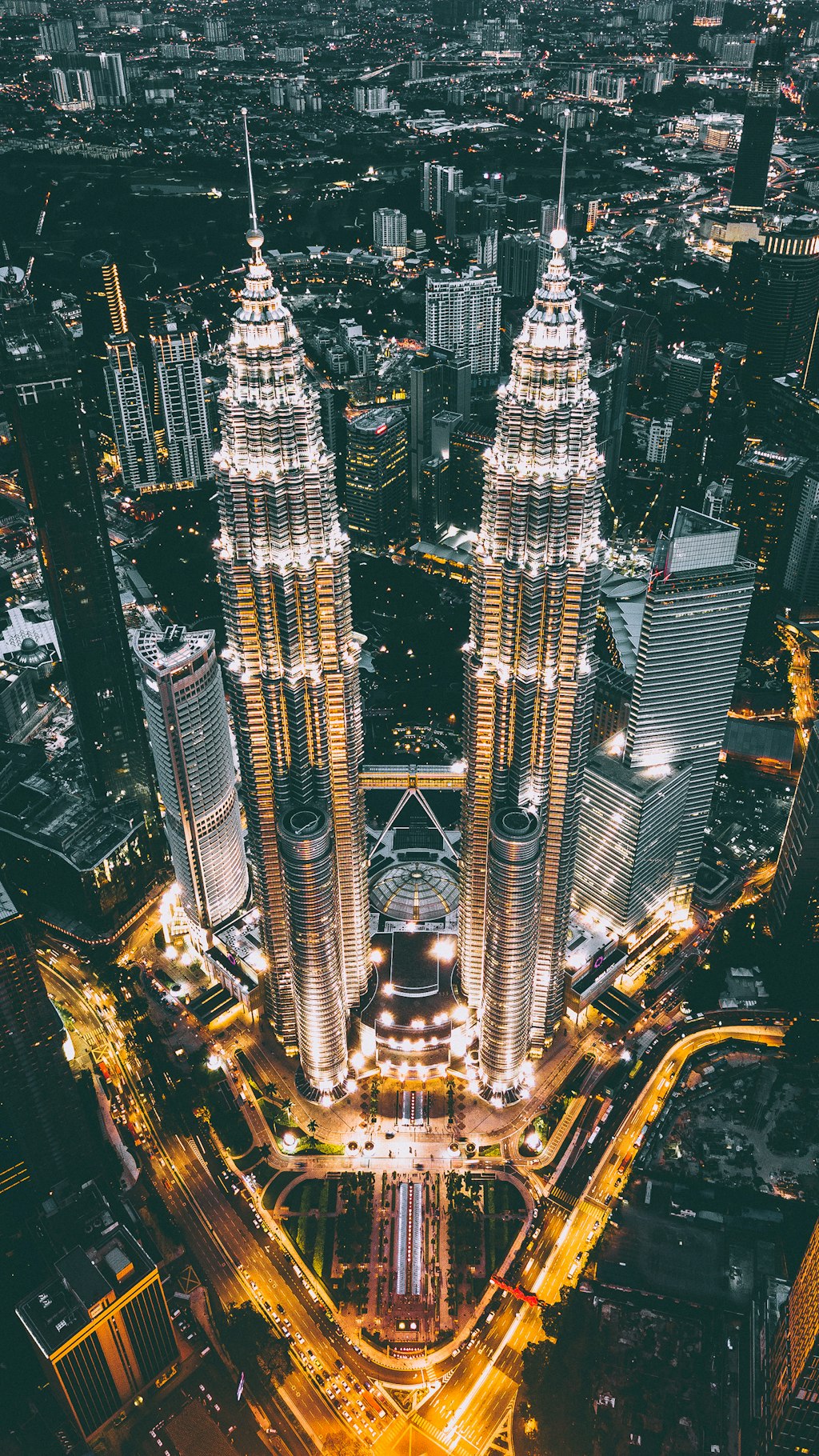
Southeast Asia is evolving beyond short tourist or business visas to offer digital nomad families more permanence and quality living conditions.
Malaysia My Second Home 2.0 (MM2H): Long-Term Visa with Family Benefits
Malaysia revamped its popular MM2H programme in 2026, boosting its appeal:
- Visa length: 10-year multiple-entry visa for digital nomads and retirees.
- Financial requirement: Relaxed income and savings criteria suitable for families (e.g., approx MYR 10,000/month, about $2,200).
- Healthcare: Easy enrolment in Malaysia’s affordable private healthcare system, with international hospitals in Kuala Lumpur and Penang.
- Family inclusivity: Spouses and children included under the main visa for the duration.
- Education: Multiple British, American, and IB international schools, suitable for expatriate children.
With a stable currency and low cost of living, Malaysia is fast becoming a practical and family-friendly digital nomad hub in Asia.
United Arab Emirates: Tax-Friendly Golden Residence Visa for Families

The UAE’s 9-year "Golden Residence Visa," introduced in 2023 and expanded in 2026, is appealing for affluent remote workers with families:
- Residency terms: Up to nine years, with renewals and residency rules relaxed (183 days/year for tax residency).
- Family reunification: Includes spouses and children with full residency rights.
- Tax environment: Zero personal income tax, zero capital gains tax.
- Healthcare: High-quality private healthcare widely accessible; health insurance typically required.
- Education: Wide variety of international schools, offering British, American, IB curricula.
Dubai, Abu Dhabi, and other emirates provide world-class infrastructure, business-friendly environments, and high safety standards, attracting professional families seeking long-term stability.
Quick Tip: UAE family visas often require sponsorship and health insurance proof—start the paperwork early and consider working with local agents for smooth processing.
Other Noteworthy Destinations for Digital Nomad Families in 2026
Greece: Sustainable Golden Visa with Family Access

Greece updated its golden visa thresholds in 2026 to a minimum €300,000 investment in energy-efficient properties, aligning visas with sustainability goals. Family members gain residency for the same duration, and education options include international schools in Athens and Thessaloniki. Though less flexible than digital nomad-specific visas, Greece offers affordable living and Schengen area benefits.
Vietnam: New Digital Economy Visa with Tech Park Access

Vietnam’s Q4 2025 digital economy visa targets urban tech hubs like Ho Chi Minh City:
- Duration: 2-year stay.
- Income threshold: Approximate $800 application fee, modest income required.
- Family inclusion: Allowed but with stricter criteria and limited schooling options compared to Western countries.
Vietnam offers affordability but watch for inflation and currency depreciation.
Mexico and Colombia: Budget-Friendly Options with Growing Family Support

- Mexico: Temporary Resident Visa permits stays up to 4 years, with income requirement around $2,300/month or $45,000 savings. Strong coworking networks and international schools in cities make it attractive.
- Colombia: New 2026 Remote Work Visa valid for one year requires $1,500/month income and includes healthcare via the Sistema de Seguridad Social. Family reunification is possible, and costs remain low due to a favorable exchange rate.
Comparing Key Family Visa Features in 2026
| Country | Initial Visa Length | Family Reunification | Income Requirement | Healthcare Access | Schooling Options | Visa Cost |
|---|---|---|---|---|---|---|
| Portugal | 2 years (renewable) | Yes | ~€2,000/month | National health after 6 months | International & private schools | €300–€500 |
| Spain | 1 year (extendable to 5) | Yes | ~€2,000/month | Public healthcare system | Wide international schools | €500 |
| Malaysia | 10 years | Yes | MYR 10,000/month (~$2,200) | Private healthcare accessible | British, American, IB schools | Varies, approx $500 |
| United Arab Emirates | Up to 9 years | Yes | High (investor/professional) | Private healthcare; mandatory insurance | Numerous international schools | $2,000+ (varies) |
| Greece | 5 years (renewable) | Yes | €300,000+ investment | Public healthcare with residency | International schools in cities | ~€500 application fee |
Top Tips for Applying for Digital Nomad Family Visas in 2026
- Start gathering certified translations of marriage and birth certificates early.
- Leverage digital application portals where available to avoid processing delays.
- Verify if family members have the right to work or study locally before applying.
- Budget for private health insurance when national systems require waiting periods.
- Maintain clear proof of remote income or financial means from the outset.
Quick Tip: Use the Relocation Wizard to check up-to-date visa options and application requirements tailored to your family’s nationality and needs.
Frequently Asked Questions
What exactly are digital nomad family visas in 2026?
Digital nomad family visas are residency permits designed for remote workers to live abroad with their spouse and children, providing legal status, healthcare access, and sometimes rights for family members to work or study. In 2026, many countries have updated these visas to be more inclusive and offer longer stays.
Which countries offer the easiest family reunification under digital nomad visas?
Portugal and Spain lead with streamlined family reunification processes allowing spouses and minor children to join visa holders from the outset. Southeast Asian countries like Malaysia also provide comprehensive family inclusion but often require separate health insurance for dependents.
Can family members work or study under digital nomad family visas?
This depends on the country: Spain and Portugal generally allow spouses to work and children to attend public or international schools. The UAE permits children to enroll in private international schools but spouses may need separate work permits. Always check local regulations before moving.
How does healthcare access work for digital nomad families?
Many European countries grant access to public health systems after residency verification (e.g., Portugal after six months). In other countries like Malaysia and the UAE, expats are expected to purchase private medical insurance, sometimes mandatory for visa approval.
Final Thoughts
Choosing the right country for a digital nomad family visa 2026 means balancing visa flexibility, family reunification ease, healthcare availability, schooling, and financial feasibility. Portugal and Spain lead the way in Europe with progressive policies, while Malaysia and the United Arab Emirates are standout emerging destinations offering long-term security and quality of life.
To make your relocation process smoother and tailor your options to your family's unique needs, be sure to use our Relocation Wizard and check detailed cost comparisons with our cost-of-living calculator. These tools help you compare destinations holistically—ensuring your remote work adventure is a success for you and your loved ones.